ஆத்மார்ப்பண ஸ்துதி – ஸ்லோகம் 16

ஸ்லோகம் 16

यः स्रष्टारं निखिलजगतां निर्ममे पूर्वमीशः
तस्मै वेदानदित सकलान् यश्च साकं पुराणैः ।
तं त्वामाद्यं गुरुमहमसावात्मबुद्धिप्रकाशं
संसारार्तः शरणमधुना पार्वतीशं प्रपद्ये ॥ १६॥

தமிழ் ஒலிபெயர்ப்பு

ய: ஸ்ரஷ்டாரம் நிகிலஜகதாம் நிர்மமே பூர்வமீஶ:
தஸ்மை வேதாநதித ஸகலாந் யஶ்ச ஸாகம் புராணை: ।
தம் த்வாமாத்யம் குருமஹமஸாவாத்மபுத்திப்ரகாஶம்
ஸம்ஸாரார்த: ஶரணமதுநா பார்வதீஶம் ப்ரபத்யே ॥ 16॥

தமிழாக்கம்

ஆதியில் அண்டம் படை அயனைப் படைத்து
ஆகம வேதங்களை அவனுக்குப் புகட்டி 
ஆத்ம புத்திதனை ஒளிர்விக்கும் ஈசனாம்
ஆதிகுரு உமையவனைப் பிறவிப்பிணி உழல்
அடியேன் அடைகின்றேன் சரணாகதி !! 16

சொற்களின் பொருள்

ய: ஈஶ – எந்த சிவபெருமான்

பூர்வம் – படைப்பின் துவக்கத்தில் 

நிகிலஜகதாம் – அனைத்து உலகங்களின்

ஸ்ரஷ்டாரம் – படைத்தவரைப், படைப்பாளியைப் 

நிர்மமே – படைத்தாரோ

யஹ – எவர்

தஸ்மை – அவருக்கு (அந்த பிரம்மனுக்கு) 

புராணை: ஸாகம் – புராணங்களுடன் 

ஸகலாந் – அனைத்து 

வேதாந் – வேதங்களையும்

அதி3தஹ – உபதேசித்தாரோ

தம் – அந்த 

அத்யம் – ஆதியான

குரும் –  குருவை

பார்வதீஶம் – பார்வதி நாயகனை

ஆத்மபுத்திப்ரகாஶம் – என் மனதையும், புத்தியையும் ஒளிர்விக்கின்ற த்வாம் – உம்மை
ஸம்ஸாரார்த: – பிறவிப்பிணியில உழலும்

அஸோ – இந்த 

அஹம் – நான் 

அதுநா -இப்பொழுது 

ஶரணம் ப்ரபத்யே – முழுமையாகச் சரணடைகிறேன்

விளக்கம்

யார் படைப்பின் தொடக்கத்தில் பிரம்ம தேவரைப் படைத்து (“யோ ப்ரஹ்மானாம் விததாதி  ரூபம்”) அவரிடம் வேதங்களைக் கொடுத்து (“யோ வை வேதாஷ்ஷ்ச ப்ரஹிநோதி தஸ்மை”), இந்த படைப்பை படைக்கும்படி செய்தாரோ, என்னுடைய மனதையும் புத்தியையும் ஒளிர்விக்கும் அந்த இறைவனை (“தம் தேவ ஆத்மபுத்திப்ரகாஸம்”) மோக்‌ஷத்தை விரும்பும் நான் சரணடைகிறேன் (“முமுக்‌ஷுர்வை  சரணமஹம் ப்ரபத்யே”)

என்கிறது ஷ்வேதாஷ்த்வரோப உபநிஷத் 6.28. அதே போல இங்கு தீக்‌ஷிதர் கூறுகிறார். 

சிருஷ்டி இருவகைப்படும். ஒன்று ப்ரகிருதி சிருஷ்டி. மற்றொன்று விக்ருதி சிருஷ்டி. ப்ரகிருதி சிருஷ்டியில் சிவனிடமிருந்து பிரமன் உண்டானது. ஷ்ருதியில் சொல்லப்பட்டிருக்கிறது. ஶ்ரீமத் பாகவதத்தின் தியான ஸ்லோகமும் இதனை கூறுகிறது. பகவத் கீதை அத்தியாயம் 15 இதைப் பற்றியே (15.1-15.4). 

அப்படிப்பட்ட ஆண்டவன் ஆத்ம, புத்திப்ரகாஶம்; அதாவது இறைவன் உணர்வாக இருக்கிறார்; நான், உணர்த்த உணர்பவனாக இருக்கிறேன் என்ற கருத்தை வெளிப்படுத்துகிறார் அப்பைய தீக்‌ஷிதர்.

Hoi An – Vietnam Travel Diary – 4

Hoi An Ancient Town is an exceptionally well-preserved example of a South-East Asian trading port dating from the 15th to the 19th century. Its buildings and its street plan reflect the influences, both indigenous and foreign, that have combined to produce this unique heritage site.

The town comprises a well-preserved complex of 1,107 timber frame buildings, with brick or wooden walls, which include architectural monuments, commercial and domestic vernacular structures, notably an open market and a ferry quay, and religious buildings such as pagodas and family cult houses. The houses are tiled and the wooden components are carved with traditional motifs.  They are arranged side-by-side in tight, unbroken rows along narrow pedestrian streets. 

Hội An is known for its architecture, a mix of eras and styles from wooden Chinese shophouses and temples to colorful French colonial buildings, ornate Vietnamese tube houses and the iconic Japanese Covered Bridge with its pagoda.

In this one-time trading port, the Thu Bon River meanders past crumbling shop houses and weathered pagodas.

Hoi An has an inherent easygoing beauty. Handmade lanterns hang at almost every door; its lantern-lit nights are sparkling.

Hoi An is bursting with tailor shops. Very well known around the world for their tailoring, you won’t struggle to find somewhere to get some custom clothing made.

Technically there isn’t a lot of sightseeing in Hoi An and the surroundings. Hoi An is one of those towns where you will be fine because part of its charm is just slowing down, sitting back, and watching the world go by. 

Make sure that you go on the Thu Bon River on a basket boat tour through coconut forests. Traveling by a traditional woven vessel, you’ll soak up the stunning scenery of mangroves and rice paddies, while enjoying the undivded attention of your guide.

Here is the video


Ba Na Hills – Vietnam Travel Diary – 3

Sun World Ba Na Hills − the European-themed recreational complex is in the Trường Sơn Mountains, about 30km from Da Nang.

The only way up to Ba Na Hills is via the cable-cars. This infrastructure is among the 10 most impressive cable-car systems in the world. There are various cable lines and stations, depending on where you want to reach. We started at the famous Golden Bridge by taking the Hoi An (05) ground station. We were rewarded with a picturesque ride boasting incredible, 360-degree views.

Golden Bridge, a 150-metre-long bridge, has two giant hands holding the walkway.  This attracts huge crowds every day.

At the top, the French Village has everything one would expect from a medieval village – a town square, cute cafes, a cathedral and fountain. It looks realistic  as you walk the cobbled streets.

At the Linh Ung Pagoda one of the biggest Buddha statues in the land, which sits serenely on a five-metre wide circular base, and is 27 metres tall can’t be missed. Unfortunately the day we were there it was nearly covered by dense mist.

Another attraction that we visited is a 4D theatre where we had to wear glasses. The story was fun and the animation was good.

Outside of Luna Castle  is Lava Castle, which is bright pink. One end is ‘held’ up by an Atlas statue, so make sure you stop and see that!

Rather than walking back to the main area, in the depths of Luna Castle  there is a 400 year old funicular railway that takes 2 minutes to reach a building back in the main plaza.

Here is our video

Da Nang – Vibrant Beach City – Vietnam Travel Diary – 1

Da Nang is the largest city in Vietnam by geographical area. It lies on the coast of the Western Pacific Ocean of Vietnam at the mouth of the Han River and is one of Vietnam’s most important port cities.

With broad beaches, fantastic street food, the fabled Hai Van Pass, and a growing collection of cafes, restaurants, and bars, it’s no wonder it is the vibrant beach city in the country. The warm sands of My Khe Beach sweep south from the mountainous Son Tra Peninsula. Da Nang’s much of the beach still belongs to the people who make it their playground, gym, and source of livelihood.

Here is a video that captures the spirit of Da Nang City

The Marble Mountains – Vietnam Travel Diary – 2

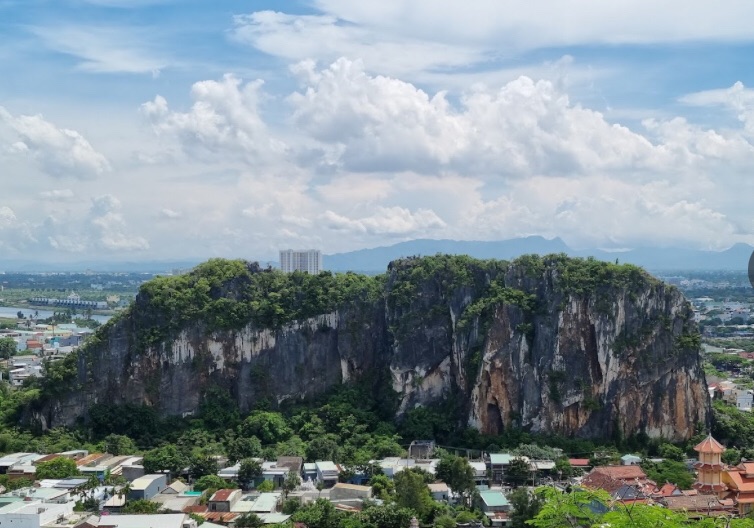
Marble Mountains is a group of five limestone peaks situated seven kilometres from downtown Da Nang. The five karsts (called Ngu Hanh Son in Vietnamese) are named after the five elements: Kim (metal), Thuỷ (water), Mộc (wood), Hoả (fire) and Thổ (earth). Over centuries, Marble Mountains has held special significance for the people of Central Vietnam. The ancient Cham revered the karsts as a spiritual site, and Vietnamese emperors from Hue and legendary generals passing through paid visits to the peaks, adding to their store of legends. 

Marble Mountains is home to a network of caves, tunnels, towers, and pagodas built by Mahayana Buddhists and the Nguyen Dynasty Kings.

There are half a dozen large caves hidden away in the Marble Mountains, and many other small ones that are rarely visited. All the caves in Marble Mountains have unique features, and some have fascinating stories of being discovered and used as hideaways over the centuries. 

On Water Mountain, Hoa Nghiem Cave is watched over by a beautiful 400-year-old stone statue of Lady Buddha’ and on Metal Mountain, Tang Chon Cave is worth a wander for the marble statues of chess players and mandarins placed inside the cave’s warrens.

This tour is about the Tang Chon Cave (Dong Tong Chon) which means “contains all truths of the universe”.

Cham people used to live and worship the gods here in the 12th century. During the reign of Le Canh Hung (1740-1786), they left and started living in Phan Rang which is 95 kms south of Nha Trang. Vietnamese rediscovered the caves, settled in the area and worshiped Buddha.

King Minh Mang (1791-1841) who was the second emperor of Nguyen dynasty of Vietnam named it Tang Chon cave meaning treasure or “the place where the treasure is stored”.

There are five caves inside Tang Chon are:

  1. Thien Long Coc Cave: –  The shrine has three compartments with image in each section. In the center is Lao Tu altar, the right compartment of which is to worship Linh Son Thanh Mau, and the left to worship Bat Bo Kim Cuong. 
  2. Ban Co Tien Cave: – On the left side of shrine is a semi-circular cave with two marble figures in white. They sit with a chess board between them. According to the legend, gods came down to play chess and talk.
  3. On the right side of central shrine, stairs lead to a cave of Di Da Buddha or Amitabha cave.
  4. Chiem Thanh cave also called the Cham Pa cave is next to the Di Da cave. The entrance to cave is very narrow.
  5. Tam Thanh cave: 

Outside these caves is the Xa Loi Tower. This 28-metre structure houses 200 statues of Buddha, and offers breathtaking views of the landscape below.

The Resiliet Khmer – Cambodia Travel Diary – 4

Kingdom of Cambodia is bordered by Thailand to the northwest, Laos to the north, and Vietnam to the east, and has a coastline along the Gulf of Thailand in the southwest. It spans an area of 181,035 square kilometres (69,898 square miles), dominated by a low-lying plain and the confluence of the Mekong river and Tonlé Sap, Southeast Asia’s largest lake. It is dominated by a tropical climate. Cambodia has a population of about 17 million people, the majority of which are ethnically Khmer. Its capital and most populous city is Phnom Penh, followed by Siem Reap and Battambang.

In 802 AD, Jayavarman II declared himself king, uniting the warring Khmer princes of Chenla under the name “Kambuja. This marked the beginning of the Khmer Empire. The Indianised kingdom facilitated the spread of first Hinduism and then Buddhism to Southeast Asia and undertook religious infrastructural projects throughout the region, the most famous of which is Angkor Wat.

In the 15th century, it began a decline in power until, in 1863, Cambodia became a French protectorate. Following Japanese occupation during World War II, Cambodia declared independence from France in 1953. The Vietnam War embroiled the country in civil war during the 1960s, culminating in a 1970 coup which installed the US-aligned Khmer Republic and the takeover of the communist Khmer Rouge in 1975. The Khmer Rouge ruled the country and carried out the Cambodian genocide from 1975 until 1979, until they were ousted during the Cambodian–Vietnamese War. Peace was restored by the 1991 Paris Peace Accords and subsequent United Nations peacekeeping mission, establishing a new constitution, holding the 1993 general election, and ending long-term insurgencies.

Agriculture remains its dominant economic sector, with growth in textiles, construction, garments, and tourism leading to increased foreign investment and international trade. The official and most widely spoken language is Khmer, and the most widely practiced religion is Buddhism. The country’s culture and traditions are shaped by its Angkorean heritage and international influences over its history.

Resilience is the key for the survival of Khmer and Angkorean heritage.

Angkor Thom – Cambodia Travel Diary – 3

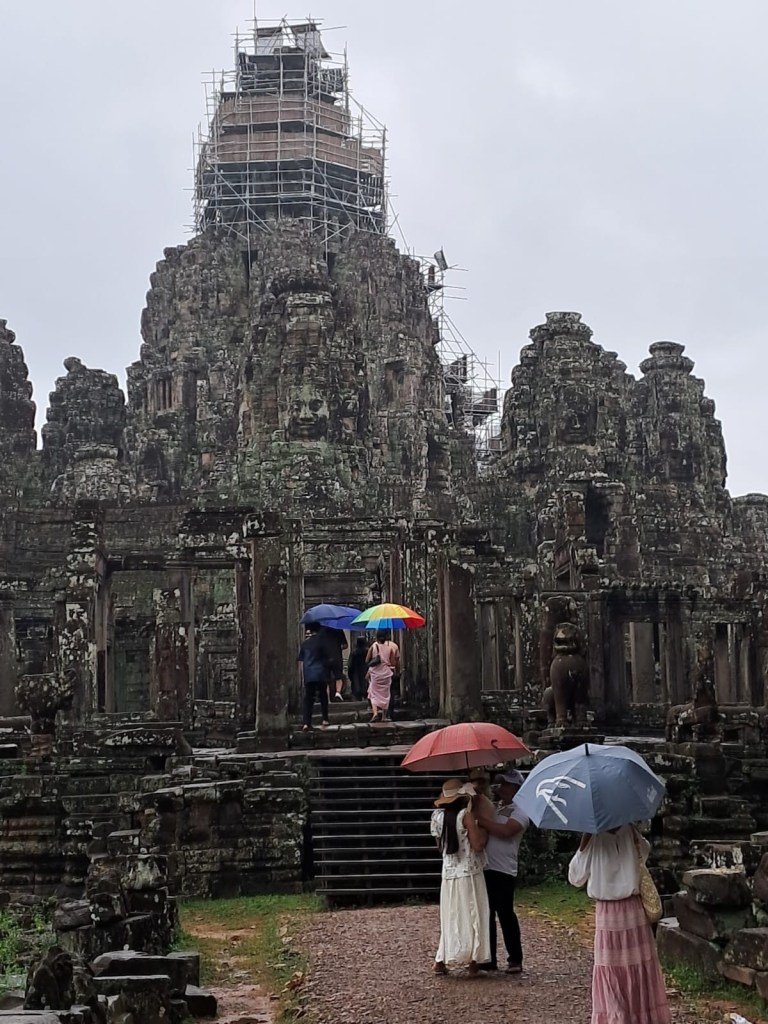
Angkor Thom was the last and most enduring capital city of the Khmer Empire, established in the late 12th century by King Jayavarman VII in what is now Cambodia. Angkor Thom served as the final capital of this powerful empire, which ruled much of Southeast Asia from the 9th to the 15th centuries.

It is not a single temple, but a massive walled royal city containing temples, a Royal Palace, and impressive bas-reliefs, with the Bayon temple and its famous smiling faces being a central feature. The site is located in the Angkor Archaeological Park, a UNESCO World Heritage site, and is a popular tourist destination.  

Key features of the city includes the Bayon temple, the Terrace of the Elephants and a Royal Palace, all within a large, walled and moated area. It is known for its architectural genius and intricate bas-reliefs that depict both mythical and historical scenes from Khmer life and battles. 

”Angkor Thom is a ruined citadel several kilometers north of Angkor Wat. Angkor Thom encloses a rectangular area of nine square kilometers, and at its peak may have held a population of over 100,000, living in tiled or thatched houses. The building of the citadel dates to around the year 1200. Angkor Thom enclosed the Royal Palace (now vanished) and a handful of major temples; the complex was bounded by walls and a moat (now mostly dry) and pierced by five gates. The city was surrounded with rice fields, which provided food; these were irrigated with reservoirs, which also supplied drinking water.

While Angkor Wat is Hindu in inspiration, Angkor Thom resonates with sculpted images expressing the Mahayana Buddhist ideal of Lokesvara (compassion), Prajnaparamita (wisdom), and the Buddha (enlightenment). Although still incorporating Hindu elements, Angkor Thom is a three-dimensional representation of Buddhist cosmology. Temple ground plans reveal a mandala-like base, with radiating symmetrical forms. At the exact center of Angkor Thom lies the Bayon Temple.

What at first appears to be of masonry actually consists of massive stones shaped into fluid sculptures, without apparent use of cement or mortar.

On the top terrace of the Bayon, you come face-to-face with myriad of these giant stone heads topped with lotus crowns. There are dozens of them, originally 54 towers with four heads each of which 37 towers remain. The enormous heads, ranging in size from ten to fifteen feet, features eyes downcast under lowered lids.

Disorder in the construction of the Bayon is reflected in the numerous architectural changes. It seems that after the Cham sacked Angkor in 1177, Jayavarman VII decided the Hindu deities had failed, so he switched allegiance to Mahayana Buddhism. However, he made no attempt to alter existing Hindu elements. The Bayon was caught in the middle — the foundations are Hindu, but the superstructure is Buddhist. It is estimated that the Bayon took 20 years to build. Jayavarman VII’s son and grandson reverted the use of the temple to Hindu (Shivaist) worship, with Brahmans from India gaining great influence over the Angkor court. Heads and faces on statues were destroyed and replaced with Hindu gods.”

Michael Buckley

Angkor Wat – Cambodia Travel Diary – 1

Located on a site measuring 162.6 hectares (1.6 km2; 401.8 acres) within the ancient Khmer capital city of Angkor, it was originally constructed in 1150 CE as a Hindu temple dedicated to the deity Vishnu.

Angkor Wat was built at the behest of the Khmer king Suryavarman II in the early 12th century in Yaśodharapura (present-day Angkor), the capital of the Khmer Empire, as his state temple and eventual mausoleum.

Angkor Wat combines two basic plans of Khmer temple architecture: the temple-mountain and the later galleried temple. It is designed to represent Mount Meru and is surrounded by a moat more than 5 km (3.1 mi).

Enclosed within an outer wall 3.6 kilometres (2.2 mi) long are three rectangular galleries, each raised above the next. The expansive Temple complex covers an area of 400 acres. At the centre of the temple stands a quincunx of towers.

In 1177, approximately 27 years after the death of Suryavarman II, Angkor was sacked by the Chams, the traditional enemies of the Khmer. Thereafter, the Khmer empire was restored by Jayavarman VII, who established a new capital at Angkor Thom and the Bayon as the state temple, situated to the north. The temple was dedicated to Buddhism as the king’s wife Indradevi was a devout Mahayana Buddhist who encouraged him to convert. Angkor Wat was therefore also gradually converted into a Buddhist site with many Hindu sculptures replaced by Buddhist art.

The construction of Angkor Wat suggests that there was a celestial significance with certain features of the temple. This is observed in the temple’s east–west orientation, and lines of sight from terraces within the temple that show specific towers to be at the precise location of the solstice at sunrise. The Angkor Wat temple’s main tower aligns with the morning sun of the spring equinox.

Integrated with the architecture of the building, one of the causes for its fame is Angkor Wat’s extensive decoration. The inner walls of the outer gallery bear a series of large-scale scenes mainly depicting episodes from the Hindu epics the Ramayana and the Mahabharata.

https://youtu.be/cqJP27mSAv0?si=dz8uyIpRPf69_d4d

Ta Prohm (Temple of Brahma) – Cambodia Travel Diary – 2

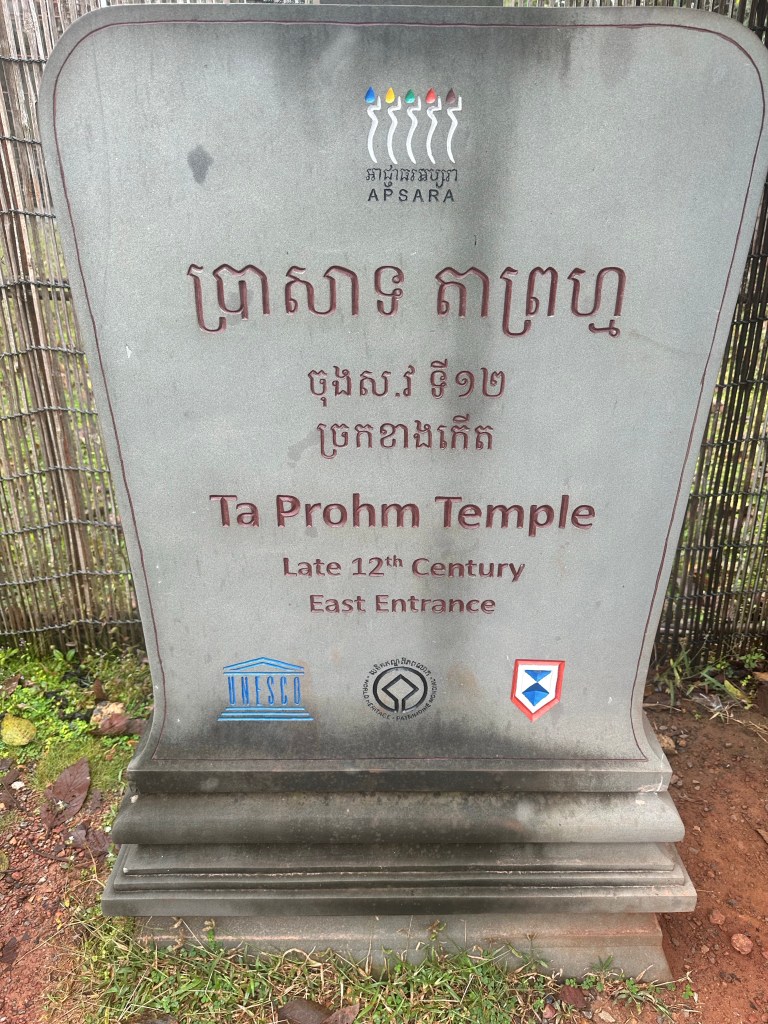
In 1186 A.D., King Jayavarman 7, embarked on a massive program of construction and public works. Rajavihara (“monastery of the king”), today known as Ta Prohm (“ancestor Brahma”), was one of the first temples founded pursuant to that program. 

Jayavarman VII constructed Rajavihara in honour of his family. The temple’s main image, representing the personification of wisdom, was modelled on the king’s mother.

The site was home to more than 12,500 people (including 18 high priests and 615 dancers), with an additional 80,000 inhabitants in the surrounding villages working to provide services and supplies. 

After the fall of the Khmer Empire in the 15th century, the temple of Ta Prohm was abandoned and neglected for centuries.

In 1992, UNESCO inscribing Ta Prohm on the World Heritage List, initiated the conservation and restoration of Ta Prohm as a partnership project of the Archaeological Survey of India (ASI) and the Authority for the Protection and Management of Angkor and the Region of Siem Reap (APSARA).

By 2013, the ASI restored most parts of the temple complex, some of which were constructed from scratch. Wooden walkways, platforms, and roped railings were put in place around the site to protect the monument from further damages from tourists.

It is emotionally draining to see “one of the most imposing [temples] built for personification of wisdom and was dedicated to a mother, best merging with the jungle, to the point of becoming a part of it”. 

Nothing but a soulful “Subha Pantuvarali” , (a raga that stirs one’s soul, evokes grief and sorrow in the heart and focusses one towards the inner consciousness) can describe the feeling one goes through on visiting this place.

I am no exception to that when I visited this place recently.

Here is my YouTube video . Pl subscribe to my channel

https://youtu.be/3u8-Wjk0V2Q?si=mv3u8udLpgQqCDIw

ஆத்மார்ப்பண ஸ்துதி – ஸ்லோகம் 15

ஸ்லோகம்

अद्यैव त्वत्पदनलिनयोरर्पयाम्यन्तरात्मन्
आत्मानं मे सह परिकरैरद्रिकन्याधिनाथ ।
नाहं बोद्धुं शिव तव पदं न क्रिया योगचर्याः
कर्तुं शक्नोम्यनितरगतिः केवलं त्वां प्रपद्ये ॥ १५॥

தமிழ் ஒலிபெயர்ப்பு

அத்யைவ த்வத்பதநலிநயோரர்பயாம்யந்தராத்மந்
ஆத்மாநம் மே ஸஹ பரிகரைரத்ரிகந்யாதிநாத ।
நாஹம் போத்தும் ஶிவ தவ பதம் ந க்ரியா யோகசர்யா:
கர்தும் ஶக்நோம்யநிதரகதி: கேவலம் த்வாம் ப்ரபத்யே ॥ 15॥

தமிழாக்கம்

இக்கணமே உன்பதமலர் பணிந்திட்டேன் உளமுறையோனே,
மனமுடன் மெய்யும் உறவுடன் உடமையும் மலைமகள்நாதா !
உனதடி உணரவும் உடற் பணியுடன் பயிற்சிதனையும்
புரிய இயலாது வழியேதுமறியாது் உனையொருவனின்
துணை நாடியே சரணடைந்தேன் சிவபெருமானே !! 15

சொற்களின் பொருள்

ஶிவ – மங்கலஹரமானவரே! சிவ பெருமானே! 

அத்ரிகந்யாதிநாத – மலைமகளின் நாதனே! 

அந்தராத்மநஹ – உள்ளத்தினுள் உறைபவரே ! உயிருக்கு உயிரானவரே! 

த்வத் – உன்

பத நலிநயோஹோ – திருவடித் தாமரைகளில்

மே – என் 

ஆத்மாநம் ஸஹ – உடல், மன வளாகத்துடன் கூட

பரிகரைஹி – உறவுகள், உடைமைகள் அனைத்தையும்

அத்யை யேவ – இப்பொழுதே, இன்றே

அர்ப்பயாமி – அர்ப்பணிக்கிறேன் 

தவ பதம் – உன்னடியினை, உன் இறை நிலையை, மோக்‌ஷத்தை 

போத்தும் – அறிவதற்கும் (உணர்வதற்கும்)
ந ஶக்நோமி – இயலாதவனாக இருக்கிறேன்

 க்ரியா யோகசர்யா: – கிரியை, யோகம் வழியாக அதாவது வழிபடுதல், தியானம் முதலான சாதனைகளை

ந கர்தும் (ஶக்நோமி) – செய்ய இயலாதவனாக இருக்கிறேன்

அநிதரகதி:- வேறு வழியின்றி 

கேவலம் த்வாம் ப்ரபத்யே – உன் ஒருவனையே சரணடைந்து சார்ந்துள்ளேன்

விளக்கம்

சைவ சித்தாந்தத்தில், இறைவனை அடைவதற்கான உபாயமாக சரியை, கிரியை, யோகம், ஞானம் என்னும் நான்கு மார்க்கங்களை வரையறுத்துள்ளனர் பெரியோர். 

1. இதில் சரியை என்பது உழவாரப்பணி முதலாக சிவன் எழுந்தருளியிருக்கும் ஆலயங்களில் செய்யும் தொண்டு. அதோடு சிவனடியார்களை அன்பாக உபசரிப்பதும் ஆகும்.பெரிய புராணத்தில் சிவனடியார்களுக்கு தொண்டு செய்வதன் மூலமே இறையருளைப் பெற்ற எண்ணற்ற நாயன்மார்களின் வரலாற்றை இதற்கு உதாரணமாக எடுத்துக் கொள்ளலாம்.

2. அடுத்து கிரியை எனப்படுவது, உள்ளத்தாலும் புறத்தாலும் பூஜிப்பது.

நெஞ்சகமே கோயில்
நினைவே சுகந்தம்
அன்பே மஞ்சன நீர்
பூசை கொள்ள வாராய் பராபரமே 

தாயுமானவர்

3. சிவம் ஒன்றையே ஒருமுகப்படுத்தி வழிபடும் நிலை யோகம். புலன்களின் வழியாக வேறு எந்த சிந்தனைகளும் நமக்குள் தோன்றாதவாறு, நாம், இறைவனாகிய பரம்பொருளை தியானிக்கிறோம் என்னும் வேறுபாடு மறைந்து, நாமும் தியானமும் இரண்டறக் கலக்கும் நிலையே யோகம்.

4. இறைவனைப் பற்றியும் உயிரைப் பற்றியும் தெரிவிக்கும் நூல்களைக் கற்று பெரியவர்களின் உபதேசங்களைப் பெற்று இறைவனின் அருளைப் பெறுவதற்கான ஞானத்தைப் பெறுவது.

சரியை, கிரியை, யோகம், ஞானம் என்னும் இந்த நான்கு வழிகளின் மூலமாக இறைவனின் அருள் கிடைக்கும்.

  1. சிவன் அடியார்களைப் போற்றி சிவன் ஆலயங்களில் செய்யும் தொண்டால், சாலோகம் (சிவன் உலகம்), 
  2. உள்ளும் புறமும் பூஜிப்பதால் சாமீபம் (சிவன் அருகில் இருத்தல்), 
  3. பரிபூரண யோகத்தால் சாரூபம் (சிவ ஸ்வரூபமும்) கிடைக்கும். 
  4. சிவ சிந்தனையை ஞானத்தில் தேக்கி இருப்பதால் முக்தி எனும் பலன் கிடைக்கும்.   

மரணம் எப்பொழுது வரும் என்பதை அறிந்திலேன் நான். இங்கு இருப்பதோ இரவலாக கிட்டியது. “நம் மனே அல்லீநே! இல்லி சும்மனே பந்திதீனே!” (எம் வீடு அங்குதான்; இங்கு சும்மா வந்துள்ளேன்) என்கிறார் புரந்தர தாசர். எனவே இமைப்பொழுதும் என் நெஞ்சம் நீங்காதான் தாழ் இப்பொழுதே பணிகிறேன்.

“பெருமானே, என் உடல், உயிர் அனைத்திலும் இப்போது நீதான் நிறைந்திருக்கிறாய். இனி நான் செய்கின்ற செயல்கள் யாவும் நீ செய்வதுதான். நான் சரியான காரியங்களைச் செய்தாலும், தவறான செயல்களைப் புரிந்தாலும் அத்தனைக்கும் நீ தான் பொறுப்பு ” என்றும்

“அன்றே எந்தன் ஆவியும் உடலும் உடைமை எல்லாமும்
குன்றே அனையாய் என்னை ஆட்கொண்டபோதே கொண்டிலையோ?
இன்றுஓர் இடையூறு எனக்கு உண்டோ எண்தோள் முக்கண் எம்மானே?
நன்றே செய்வாய், பிழை செய்வாய், நானோ இதற்கு நாயகமே?”

என்றும் இறைவனிடம் கேட்கிறார் மாணிகக வாசகர். 

இதே மனநிலையில் உள்ள அப்பைய தீக்‌ஷிதர்,

“ஹே பரமசிவ! எனக்கு உன் இருப்பிடமோ தெரியாது, கர்மானுஷ்டானத்தையோ யோகாப்யாஸத்தையோ செய்ய என்னால் இயலாது. வேறு ஒரு வழியும் அறியாத நான் உன்னைச் சரணமடைவது ஒன்றையே அனுஷ்டிக்கிறேன். அந்த்ய காலத்தில் மனதை ஈசுவரனிடம் அர்ப்பணம் செய்வது அஸாத்யமானபடியால் இப்பொழுது உன் நினைவு வந்திருக்கும் பொழுதே நான் உன்னிடம் என்னை ஸமர்ப்பணம் செய்து விடுகிறேன். என்னை மட்டுமில்லை. என் பரிவாரங்களையும் சேர்த்துக் கொண்டு ஆத்மார்பணம் செய்து விடுகிறேன்”.

என தன்னை அர்பணிக்கின்றார் ஆண்டவனிடம்.

இறையருள் பெருக! வளமுடன் வாழ்க !