பிறவிக் கடலினின்றும் கரையேற நிச்சயித்த பெரியோர்கள் அவர் தம் துணையாருக்கும் பகவானின் பஞ்ச முகங்களில் தென்னோக்கியதான அகோர முகத்தை சரணமடைந்து முக்தி யடைகிறார்க்ள். இறைவனின் தென்திசை முகத்திற்கு அகோரம் (அ கோரம் – கோரமில்லாத, ஸாந்தம்) என்று பெயர். இதனை நான் சார்ந்திருக்கிறேன் என்கிறார் அப்பையர்.
அப்பையர், பரத்வாஜ கோத்திரத்தை சார்ந்தவர். பரத்வாஜர் அகோரத்தை வழிபட்டு உய்வு பெற்றவர். தானும் அதே வழியில் இறையினை வழிபட முயல்கிறேன் என்கிறார். கோபத்தைக் கட்டுப்படுத்துவது அமைதி, ஸாந்தம். எனவே பாஹி, அதாவது (அகோரம் – அமைதியைக் கொடுத்து) என்னையும் காப்பாயாக என்கிறார்.
“Brahman” the “Sat Cit Ananda” is the omnipresent, omniscient, eternal “Existence Consciousness” that is the essence of everything that exists. That Brahman (“tat”) is nothing but “you” (“tvam”) say Vedas. Only qualified Seeker with the help of a “Realised Guru” can gain that knowledge that “I am” (“aham”) that Brahman (“Brahmasmi “).
This knowledge is extremely difficult for ordinary mortals like us who are attached to the body and the worldly pleasures. All we can do is to carry out our responsibilities to the best of our abilities and pray in earnest. To facilitate that process, in this Sloka Narayana Bhattathri provides us an image of the Brahman in a form that we can understand and focus that form in our heart, pray and meditate.
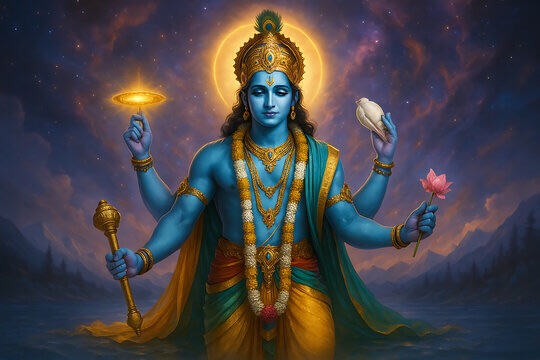
O Lord! Beautiful like the dark clouds, with a hue like that of delicate blue lotus flowers, and with a splendid halo, Thy form enlightens all the quarters. A charming benevolent smile is sported on Thy pleasant face. Thy four arms are adorned with the sacred conch, discus, mace and lotus. That form of Thine gave immense pleasure to Brahmaa. May that form deign to eradicate my ailments.
முகவுரை
பிரம்மம்” அல்லது “சத் சித் ஆனந்த” என்பது எங்கும் நிறைந்த, எல்லாம் அறிந்த, நித்தியமான “இருப்பு உணர்வு” ஆகும், அது இருக்கும் அனைத்தின் சாராம்சமாகும். அந்த பிரம்மம் (“தத்”) என்பது “நீ” (“த்வம்”) என்பதை வேதங்கள் கூறுகின்றன. “உணர்ந்த குரு”வின் உதவியுடன் தகுதிவாய்ந்த தேடுபவர் மட்டுமே “நான்” (“அஹம்”) அந்த பிரம்மம் (“பிரம்மாஸ்மி”) என்ற அறிவைப் பெற முடியும்.
உடலிலும் உலக இன்பங்களிலும் பற்றுள்ள நம்மைப் போன்ற சாதாரண மனிதர்களுக்கு இந்த அறிவு மிகவும் கடினம். நாம் செய்யக்கூடியது நமது பொறுப்புகளை நமது சிறந்த திறனுக்கு ஏற்றவாறு நிறைவேற்றுவதும், ஆழ்ந்து இறைவனை தியானிப்பதும் மட்டுமே. அந்த செயல்முறையை எளிதாக்க, இந்த ஸ்லோகத்தில் நாராயண பட்டத்ரி, பிரம்மத்தின் உருவத்தை நமக்கு வழங்குகிறார், அதை நாம் புரிந்துகொண்டு, அந்த உருவத்தை நம் இதயத்தில் ஒருமுகப்படுத்தவும், பிரார்த்தனை செய்யவும், தியானிக்கவும் முடியும்.
அனைத்து குணாதிசயங்களும் இல்லாத (“நிர்குண பிரம்மம்”) உருவமற்ற பிரம்மத்திற்கு ஒரு வடிவம் (“சகுண பிரம்மம்”) வழங்கப்படுகிறது. பட்டத்ரி அந்த வடிவத்தை விளக்குகிறார், பிரார்த்தனை செய்கிறார் மற்றும் தனது நோய்க்கான தீர்வினை வேண்டுகிறார்.
கார்மேக கருங்குவளை வண்ணமுடன் பேர் ஒளிவட்டம் அண்டமதை ஒளிர்விக்க எழில்மிகு முகமதனில் புன்முறுவல் பூத்திட கமலமுடன் சங்கு சக்கர கதாயுதம் ஏந்தி கரம் நான்குடனே அயனுக்கு அளித்திட்ட அக்காட்சி கடையன் என் பிணிதனையே நீக்கட்டும் நீக்கமற நிறையோனே !! 7.8
விளக்கம்
எங்கும் நிறைந்திருப்பவனே! கார்மேகம், “கலயா” (கருங் குவளை) போன்ற நிறத்துடனும், திருமுகத்தில் அழகிய புன்சிரிப்புடன், நான்கு கரங்களில் சங்கும் சக்ரம்,கதை, தாமரை இவற்றுடன் பிரம்மதேவருக்கு காட்சி கொடுத்து, மகிழ்ச்சி அளித்த தங்கள் ரூபம் என்னுடைய ரோகத்தைப் போக்கவேண்டும்.
ஏன் அப்படி கூறுகிறார் ? “ஹஸ்த ஆலம்ப ப்ரபதனம் ப்ராப்யதே” அதாவது பாழுங்கிணற்றில் விழுந்து, அழுது அழுது துன்பப்பட்டுக்கொண்டிருக்கும் அவருக்குப் பற்றிக்கொள்ள இறைவன் நீட்டிய கை கிடைத்தது என்பதனால் என்கிறார்.
இதன் கருப்பொருள் என்ன ? மெய்யறிவைப் பெற்றதனால், பயமேதுமில்லை என்பதனைக் குறிப்பது ஆகும். மெய்யறிவு பெற்றோர்க்கு அனைத்தும் ஆன்மா, அனைத்திலும் ஆன்மா என்று அறிந்தபின், யாரிடமிருந்தும், எவையிடமிருந்தும் அச்சமோ, கவலையோ இல்ல என உபநிஷத் மந்திரங்களும், பகவத் கீதையும் எடுத்துரைக்கின்றன.
எந்தப் பாழுங்கிணறைக் கூறுகிறார் அப்பையர்? ஸம்ஸாரம் எனும் அதாவது இந்திரிய ஸுகம், உலக உறவுகள் என்பதே பெரும் (“மஹத்”) பாழுங்கிணறு (“மஹதி அந்தகூபே”). அப்படி விழுந்து “விஷீதன்” என்று அவர் கூறுவது, அதாவது அழுது அழுது என்று கூறுவது அவரது துன்பத்தின் வெளிப்பாடு (“விஷீத”). வெளிப்படாத துன்பத்தை “ஷோக: என்றும் துன்பத்தின் வெளிப்பாடு ‘விஷீத’ என்றும் கூறப்படுகிறது வடமொழியில்.
நாயிற் கடையாய்க் கிடந்த அடையேற்குத்
தாயிற் சிறந்த தயாவான தத்துவனே!
என்ற மாணிக்கவாசகர் உரை, இவரது நிலைக்கு ஒப்பு.
சரி, சம்சாரம் எனும் பாழுங் கிணற்றில் ஏன் விழுந்தார் என கூறுகிறார் ? வேதங்களில் கூறப்பட்டுள்ள கர்ம, ஞான வழிமுறைகளைக் கடைப்பிடிப்பது கடினம் என்பதனால், பாபத்திலேயே ஈடுபாடு உள்ள மனதை அடக்கமுடியாமல் வீழ்ந்திட்டேன் என்கிறார் அப்பையர்.
கருத்துரை
“கர்மாவைச் செய்து சுத்தியடைவதும் ஞானத்தைச் சம்பாதிப்பதும் சிரத்தையினாலும் விடாமுயற்சியினாலும் காலக்கிரமத்தில் ஸாதிக்க வேண்டுவன வாதலால் சோம்பேறியும் சபல புத்தியுள்ளவனுமாகிய என்னால் அஃதெல்லாம் நிறைவேற்ற முடியாத காரியம் என்பது திண்ணம். துர்வாஸனையினால் தடுக்கப்பட்ட காரியங்களில் ஊக்கமுடைய என் மனத்தையே என்னால் திருப்பமுடியவில்லையே. இந் நிலையில் ஸம்ஸாரமாகிற பாழுங்கிணற்ற்றில் பரிதபிக்கும் என்னைக் கரையேற்ற உன் கைப்பிடி கிடைத்திருப்பதால் இனி எனக்கு பயமில்லை”.
This Sloka presents Goddess Lakshmi who shines in all Her splendour in front of all the devotees who have obtained “Sarupya Mukti” as described in the earlier Slokas and gathered at Vaikunta Loka.
Goddess Lakshmi is projected as unsteady in nature while dealing with her devotees. We see in our daily lives, some who become overnight millionaires and somewho became paupers from being extremely rich. We have heard “rags to riches” stories and vice versa too. Unpredictability being the trade mark of Goddess Lakshmi, her form is quite often compared to lightning.
The Sri Suktam (or Shri Suktam) is an ancient and powerful Vedic hymn of sixteen verses found as a supplement to the Rig Veda, dedicated to invoking the divine Mother Goddess in the form of Lakshmi, the embodiment of prosperity and abundance (Sri).
Narayana Bhattathri in this Sloka 6, keeps this essence of Sri Suktam in his mind, when he describes the divine beauty of Goddess Lakshmi.
Sanskrit Verse
नानादिव्यवधूजनैरभिवृता विद्युल्लतातुल्यया विश्वोन्मादनहृद्यगात्रलतया विद्योतिताशान्तरा । त्वत्पादांबुजसौरभैककुतुकाल्लक्ष्मी: स्वयं लक्ष्यते यस्मिन् विस्मयनीयदिव्यविभवं तत्ते पदं देहि मे ॥६॥
yasmin vismayaniiyadivyavibhavaa tatte padaM dehi me ||
Meaning of the Words
नाना-दिव्य-वधू-जनै: – by various divine damsels
अभिवृता(who is) – attended
विद्युत्-लता-तुल्यया – (who is) like a streak of lightning
विश्व-उन्मादन-हृद्य-गात्र-लतयाthe – world is enchanted and captivated by (whose) slender and charming form
विद्योतित-आशान्तरा – (who) illumines the quarters
त्वत्-पाद-अम्बुज-सौरभैक-कुतुकात् – to Thy lotus feet fragrance being attached to
लक्ष्मी: स्वयं लक्ष्यते – where Laxmi herself is seen
यस्मिन् – in which (Vaikunth)
विस्मयनीय-दिव्य-विभवं – in astounding divine riches (which) aboun
dतत्-ते पदं देहि मेthat – Thy abode grant me
Explanation
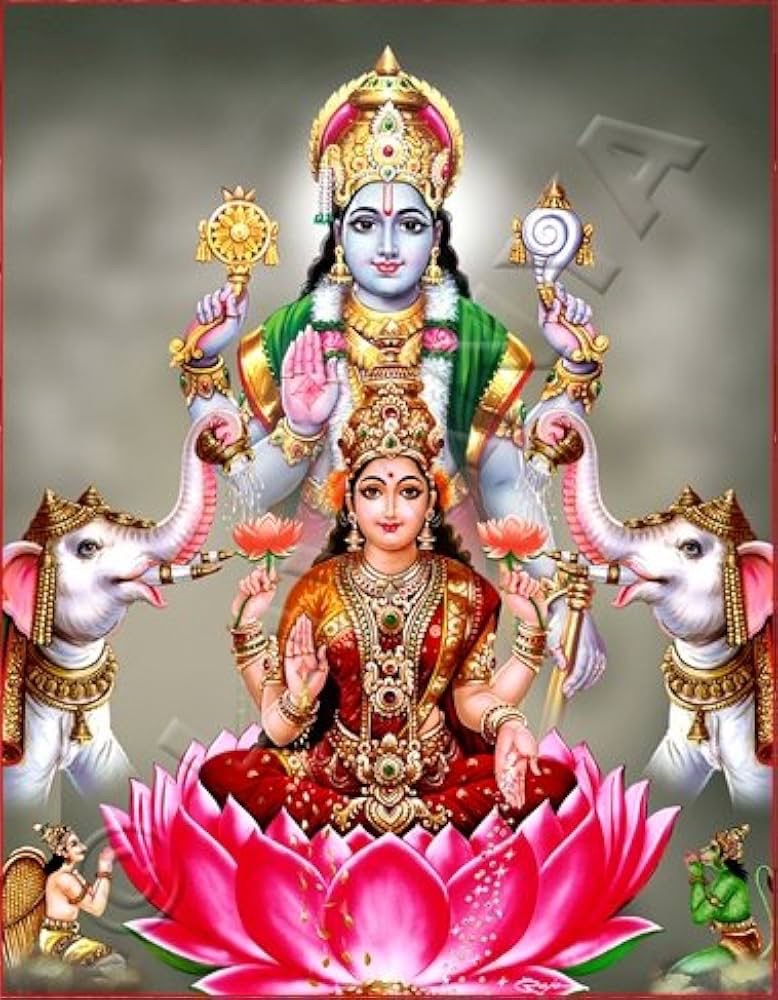
O Lord! That abode of Thine Vaikunth, where Laxmi Thy consort resides, is attended to by various celestial damsels. Her, Laxmi’s, slender and beautiful form is like the streak of lightening which enchants and captivates the whole world and enlightens the quarters. She being deeply attached to the fragrance of Thy lotus feet is herself always there, in Vaikunth, which abounds in astounding divine riches. O Lord that abode of Thine grant to me.
முகவுரை
இந்த ஸ்லோகம், முந்தைய ஸ்லோகங்களில் விவரிக்கப்பட்டுள்ளபடி “சாருப்ய முக்தி” பெற்று வைகுண்ட லோகத்தில் கூடியிருக்கும் அனைத்து பக்தர்களுக்கும் முன்னால், தனது முழு மகிமையிலும் பிரகாசிக்கும் லட்சுமி தேவியை முன்வைக்கிறது.
லட்சுமி தேவி தனது பக்தர்களுடன் பழகும்போது நிலையற்ற தன்மை கொண்டவராகக் காட்டப்படுகிறார். நம் அன்றாட வாழ்வில், சிலர் ஒரே இரவில் கோடீஸ்வரர்களாகவும், சிலர் மிகவும் பணக்காரர்களாக இருந்து ஏழைகளாகவும் மாறியதைக் காண்கிறோம். கணிக்க முடியாத தன்மை லட்சுமி தேவியின் வர்த்தக முத்திரையாக இருப்பதால், அவளுடைய வடிவம் பெரும்பாலும் மின்னலுடன் ஒப்பிடப்படுகிறது.
ஸ்ரீ சூக்தம் என்பது ரிக் வேதத்திற்கு கூடுதல் இணைப்பாக காணப்படும் பதினாறு வசனங்களைக் கொண்ட ஒரு பழமையான மற்றும் சக்திவாய்ந்த வேத மந்திரம். இது செழிப்பு மற்றும் வளம் இவைகளின் உருவகமான (சமஸ்க்ருதத்தில் இவை “ஸ்ரீ” என்ற சொல்லாகும்) லட்சுமியின் வடிவத்தை ஸ்ரீ சூக்தம் விவரிக்கிறது.
நாராயண பட்டத்ரி, லட்சுமி தேவியின் தெய்வீக அழகை விவரிக்கும்போது, ஸ்ரீ சூக்தத்தின் இந்த சாரத்தை மனதில் வைத்திருக்கிறார் என்றால் அது மிகையாகாது
யஸ்மிந் விஸ்மயநீயதி₃வ்யவிப₄வம் தத்தே பத₃ம் தே₃ஹி மே || 6||
தமிழாக்கம்
பணிவிடைபுரி பல தேவ கன்னிகை புடைசூழ கொடி மின்னலொப்ப, உலகு கவர்ந்து மயக்கிடும் மென்மை உடல் வனப்புடனே ஒளிர்விக்கும் நிலையிலாத் திருமகள் உன் கமல மலர் பாத நறுமணம் நாடி நிலைத்திட்டு ஒளிர்விடும் வியக்கிடும் வளம் நிறை வைகுந்தமதில் புகலிடம் தந்திடுவாய் அடியேனுக்கு !! 7.6
விளக்கம்
அந்த வைகுண்டத்தில், ஸ்ரீ மகாலக்ஷ்மியானவள், தேவப்பெண்களால் சூழப்பட்டு, மின்னல் கொடி போன்ற அழகிய கொடி போன்ற உடலால் திக்குகளைப் பிரகாசிக்கச் செய்கிறாள். தங்கள் பாதத் தாமரையின் வாசனையை முகர்வதில் உள்ள ஆசையினால் அங்கு எப்போதும் காணப்படுகிறாள். அத்தகைய தங்கள் ஸ்தானமான வைகுந்தத்தை எனக்குத் தந்தருள வேண்டும்.
ஶிவ - மங்களமானவரே
த்வயி - தங்களிடத்தில்
தாஸ: - அடிமையாக
அஸ்மின் - இருக்கிறேன்
இதி - என்று
நித்யஸித்தம் - எப்போதும் உறுதியாக
மயா - என்னால்
நிவேத்யம் - தெரிவிக்கப்பட வேண்டுமா
அஹம் - நான்
நிர்கதி - கதியின்றி
ஸம்ப்ரமாமி - அலைகிறேன் (உழல்கிறேன்)
யேதத் - இதனை
த்வமபி - தாங்களும்
ஜாநாஸ- அறிவீர்
நாத - தலைவனே
தே - தங்களிடத்தில்
மம - எனக்கு
விஜ்ஞாபநீயம் - தெரிவிக்க, வேண்டிட
அந்யத் - வேறு
கிமபி - ஏதொன்றும்
நாஸ்த்யேவ - இல்லையே
தீநவ்ருத்தே - எளியோன்
மே - என்
ஶரணவரணம் - திருவடி தேர்தலை (சரணாகதி பிராரத்தனையை)
காருண்யாந்- கருணையுடன்
க்ருஹாண - ஏற்பீரே
விளக்கம்
சிவ பெருமானே ! தங்களின், அடிமை யான் என எப்போதும் உறுதியாக என்னால் தெரிவிக்கப்பட வேண்டுமா என்ன ! நான் கதியின்றி அலைகிறேன் (உழல்கிறேன்) என்பதனை தாங்களும் அறிவீர்.தலைவனே ! தங்களிடத்தில் எனக்கு தெரிவிக்க, வேண்டிட வேறு ஏதொன்றும் இல்லையே ! எளியோன் என் திருவடி தேர்தலை (சரணாகதி பிராரத்தனையை) கருணையுடன் ஏற்பீரே !
ஸ்வாமி! நான் உன் தாஸன், உன்னைத் தவிர வேறு கதி எனக்கு இல்லை, என்பதைத் தானே நான் உன்னிடம் சொல்லிக்கொள்ள முடியும். ஆனால் நான் உன் தாஸன் என்பது சாச்வதமாய் ஏற்பட்ட நிலை. ஆதலின் நான் சொல்லிக்கொள்ளாமலே நீ அறிந்த விஷயம். நான் திக்கற்றவனாய் பரிதபிக்கும் நிலையில் காப்பவரின்றிச் சுழன்று கொண்டு வருகிறேன் என்பதும் முற்று முணர்ந்த உனக்குத் தெரியாததில்லை. இவ்விதம் பார்க்குங்கால் நான் உன்னிடம் தெரிவித்திக் கொள்ள வேண்டியது என்ன இருக்கிறது? ஆகையினால் கருணையை முன்னிட்டு மிக்க பரிதாப நிலையிலிருக்கும் என்னுடைய சரணாகதியை ஏற்றுக் கொள்வாயாக.
In Hindu philosophy, we have Swarg (heaven), Narak (hell), and Vaikuntha. It is believed that after a person dies, their soul reaches one of these realms according to their karma. Even though both Swarg and Narak, are considered heavenly, they are not the same.
According to Sanatan Dharma, Swarg is a temporary realm where virtuous souls go to enjoy the rewards of their good deeds. After experiencing these pleasures, the soul must return to the earthly world to continue its karmic journey.
Vaikuntha, on the other hand, is the eternal abode of Lord Vishnu and is said to be beyond the 14 worlds (previous Sloka said this) — a divine, spiritual realm that lies beyond material existence. Those who reach Vaikuntha attain moksha (liberation) and are freed forever from the cycle of birth and death.
Scriptures describe Vaikuntha Dham as a place of eternal bliss and divine light, where there is neither sorrow nor attachment. In Vaikuntha, Lord Vishnu resides with Goddess Lakshmi, Goddess Sri, and Goddess Bhu Devi, surrounded by countless divine attendants. The realm is said to shine brighter than a thousand suns, filled with peace, devotion, and eternal joy. Those who reach here are forever free from the cycle of janma-mrityu (birth and death).
Out of the four means of aiming for Salvation viz., Service, Worship, Unstinted Devotion and Knowledge (“Salokyam, Samipyam, Sarupyam, Sayujyam”), the first two are means of getting rid the fruits of action accumulated over repeated birth-death cycles, the last one represents the Ultimate obtained through “Knowledge of the Self”; it is the most difficult means and only rare ones (one or two in a billion also a high estimate) succeed through this route. However unstinted devotion with desireless service and worship to Lord Vishnu can take us to His World Vaikunta, where one gets away from the cycle of birth-death, thus leading to the Ultimate. This is the inner meaning hidden in this Sloka.
In this Sloka, Bhattathri provides a glimpse of the life out there in Vaikunta. The idea is not to privide details of the “luxury” out there, but to instill a sense of desireless actions and impeccable and absolute devotion to Him, the Lord of Vaikuntha
हरि-मणि-श्यामा-अवदातत्विष: - the brilliant deep blue color of the sapphire like (whose) complexion (is)
नाना-भूषण-रत्न-दीपित-दिश: - adorned with various ornaments studded with lustrous gems (which) light up the quarters
राजत्-विमान-आलया: - residing in aerial cars
भक्ति-प्राप्त-तथा-विध-उन्नत-पदा: - (who have) by devotion (to Thee) attained such high state
दीव्यन्ति - shine
दिव्या: जना: - the divine beings
तत्-ते धाम - (in) that abode of Thine
निरस्त-सर्व-शमलं -=which is free from all taint (sin)
वैकुण्ठ-रूपं - (which is) known as Vaikunth जयेत् may it be victorious
Explanation
In that land of Vaikunta divine souls with four arms,
With the divine glow of blue sapphire,
Adorned with various types of ornaments,
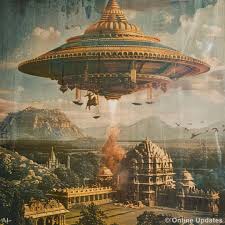
Live and play in greatly shining Aeroplanes,
Where they have reached as a result of their very great devotion
And let that immaculate abode of yours be victorious. 7.5
“In Thy abode which is known as Vaikunth, live the divine beings who have four arms and their complexion is like deep blue lustre of sapphire. They are adorned with various jewels which are studded with gems which enlighten the quarters. They reside in aerial cars. They have achieved this high state by the merit of intense devotion to Thee. Hail to that abode of Thine which is pure and sinless”.
முகவுரை
இந்து தத்துவத்தில், சுவர்க்கம் (சொர்க்கம்), நரகம் (நரகம்) மற்றும் வைகுந்தம் என்ற மூவுலகங்கள் கூறப்பட்டுள்ளன. ஒருவர் இறந்த பிறகு, அவர்களின் ஆன்மா அவர்களின் கர்மாவின் படி இந்த உலகங்களில் ஒன்றை அடைகிறது என்று நம்பப்படுகிறது. சுவர்க்கம் மற்றும் நரகம் இரண்டும் விண்ணுலகமாக கருதப்பட்டாலும், அவை ஒன்றல்ல.
சனாதன தர்மத்தின்படி, சுவர்க்கம் என்பது ஒரு தற்காலிக உலகமாகும், அங்கு நல்லொழுக்கமுள்ள ஆன்மாக்கள் தங்கள் நற்செயல்களின் வெகுமதிகளை அனுபவிக்கச் செல்கின்றன. இந்த இன்பங்களை அனுபவித்த பிறகு, ஆன்மா அதன் கர்ம பயணத்தைத் தொடர பூமிக்குரிய உலகத்திற்குத் திரும்ப வேண்டும்.
மறுபுறம், வைகுந்தம் விஷ்ணுவின் நித்திய தங்குமிடம் மற்றும் 14 உலகங்களுக்கு அப்பாற்பட்டதாகக் கூறப்படுகிறது (முந்தைய ஸ்லோகம் இதைச் சொன்னது) – பொருள் இருப்புக்கு அப்பாற்பட்ட ஒரு தெய்வீக, ஆன்மீக உலகம். வைகுந்தத்தை அடைபவர்கள் மோட்சத்தை (விடுதலை) அடைகிறார்கள் மற்றும் பிறப்பு மற்றும் இறப்பு சுழற்சியிலிருந்து என்றென்றும் விடுவிக்கப்படுகிறார்கள். வேதங்கள் வைகுந்த தாமத்தை நித்திய பேரின்பம் மற்றும் தெய்வீக ஒளியின் இடமாக விவரிக்கின்றன, அங்கு துக்கமோ பற்றுதலோ இல்லை. வைகுண்டத்தில், விஷ்ணு லட்சுமி தேவி, ஸ்ரீ தேவி மற்றும் பூ தேவியுடன், எண்ணற்ற தெய்வீக உதவியாளர்களால் சூழப்பட்டுள்ளார். இந்த உலகம் ஆயிரம் சூரியன்களை விட பிரகாசமாக பிரகாசிப்பதாகவும், அமைதி, பக்தி மற்றும் நித்திய மகிழ்ச்சியால் நிறைந்ததாகவும் கூறப்படுகிறது. இங்கு வருபவர்கள் ஜன்ம-மிருத்யு (பிறப்பு மற்றும் இறப்பு) சுழற்சியிலிருந்து என்றென்றும் விடுபடுகிறார்கள்.
இந்த ஸ்லோகத்தில், பட்டத்ரி வைகுண்டத்தில் உள்ள வாழ்க்கையைப் பற்றிய ஒரு பார்வையை வழங்குகிறார். அப்படி அவர் வழங்குவது, அங்குள்ள “ஆடம்பரம்” பற்றிய விவரங்களை வழங்குவதற்கு அல்ல; மாறாக இப்புவியில் நாம் என்றும், இடைவிடாது, குருவாயூரப்பனாக காட்சி அளித்திடும் வைகுண்டத்தின் இறைவனான திருமாலின் மீது தூய்மையான, முழுமையான பக்தியை செலுத்திட வேண்டும் என்பதனை நினைவூட்டுவதற்காகவே என்பதை அறிந்துணர வேண்டும்.
உம்முடைய வைகுண்டத்தில், ஜனங்கள், பக்தியினால் கிடைத்த உயர்ந்த ஸ்தானத்தினால், நான்கு கைகளுடனும், இந்த்ரநீலக்கல் போன்ற நீல நிறத்துடனும், பல ரத்னங்களால் அலங்கரிக்கப்பட்டும், திவ்ய விமானங்களில் வசித்தும் வருகின்றனர். அப்படிப்பட்ட, பாபங்கள் அற்ற உம்முடைய வைகுண்ட லோகமானது சிறந்து விளங்கட்டும்.
முக்தியை அடைய உதவும் நான்கு வழிகளான சேவை, வழிபாடு, அளவற்ற பக்தி மற்றும் மெய்யறிவு (“சாலோக்யம், சாமீப்யம், சாரூப்யம், சாயுஜ்யம்”) ஆகியவற்றில், முதல் இரு வழிகள் பிறப்பு-இறப்புச் சுழல்கள் வழியாக கர்மவினைகளைத் தீர்த்திடும் வழி. இறுதி வழி “சுய அறிவு” மூலம் பெறப்பட்ட வீடுபேறைக் குறிக்கிறது; இது மிகவும் கடினமான வழி; மிகவும் அரிதானவர்களால் மட்டுமே (ஒரு பில்லியனில் ஒன்று அல்லது இரண்டு என்பதே அதிகம்) இந்த வழியில் வெற்றி பெறுகின்றனர். இருப்பினும், பகவான் விஷ்ணுவின் மீதான, ஆசைகளற்ற சேவை மற்றும் வழிபாட்டுடன் கூடிய அளவற்ற பக்தி நம்மை அவரது உலக வைகுண்டத்திற்கே அழைத்துச் செல்லும். அவ்விடம் அடைவோர், பிறப்பு-இறப்பு சுழற்சியிலிருந்து விடுபடுகின்றனர், இது அவர்களை வீடுபேறு எனும் இறுதி நிலைக்கு இட்டுச் செல்கிறது. இந்த ஸ்லோகத்தில் மறைந்திருக்கும் கருப்பொருள் இதுதான்.
பொறி வென்ற யோகியரின் பெரு முயற்சித் துதிப்பொருளாய், அவர்தம் இறுதி மூச்சுக் காற்று முடியும் தருணமதில், தானே முன்நின்று முக்திக்கு வித்தாகும் மும்மல அச்சம் போக்கிடும் முழுமை அறிவு உரைத்திடும் மும்மறைக் கருவுரை ஆசானுன் மும்மலர்ப்பாதம் பணிந்திடுவேன் எப்போதும் மலையோனே !! 19
சொற்களின் பொருள்
கிரிஶ - மலையோனே விஜிதகரணைர் - பொறிகளை வென்றவர்களான யோகிபி - யோகிகளால் யத்நாத் - பெரு முயற்சியால் த்யாதஹ - தியானிக்கப்படுகின்ற யஹ - எந்த தேவஹ - இறைவன் விமுக்த்யை (விம்ருக்ய:) - மோக்ஷத்தின் பொருட்டு (தேடப்படுகின்ற) தேப்ய: - அந்த யோகிகளுக்கு ப்ராண உத்க்ரமண ஸமயே - பிராணம் உடலிலிருந்து கிளம்பும் சமயம் ஆத்மநா ஏவ - தானே ஸம்நிதாய - காட்சி கொடுத்து (உபதேசித்து, மோக்ஷத்தை அளிக்கிறார்) பவபயஹரம் - பிறவித் துன்பமாகிய அச்சத்தை நீக்குகின்ற தாரகம் - சம்சாரத்தைக் கடக்கின்ற தத் ப்ரஹ்ம - அந்த (அகண்டமான) மெய்ப்பொருளை வ்யாசஷ்டே - உபதேசிக்கிறாரோ தம் - அத்தகைய ப்ரஹ்மவித்யாகுரும் - மெய்யறிவு புகட்டும் ஆசானாகிய த்வாம் - உம்மை அஹம் - நான் ஸததம் - எப்போதும் ஸேவே- வழிபடுகிறேன்
விளக்கம்
பொறிகளை வென்றவர்களான யோகிகளால் பெரு முயற்சியால் தியானிக்கப்படுகின்ற, மோக்ஷத்தின் பொருட்டு தேடப்படுகின்ற, எந்த இறைவன் அந்த யோகிகளுக்கு பிராணம் உடலிலிருந்து கிளம்பும் சமயம் தானே காட்சி கொடுத்து (உபதேசித்து, மோக்ஷத்தை அளிக்கிறார்) பிறவித் துன்பமாகிய அச்சத்தை நீக்குகின்ற சம்சாரத்தைக் கடக்கின்ற அந்த (அகண்டமான) மெய்ப்பொருளை
உபதேசிக்கிறாரோ, அத்தகைய மெய்யறிவு புகட்டும் ஆசானாகிய
உம்மை நான் எப்போதும் வழிபடுகிறேன் என்று பிராரத்திக்கும் தீக்ஷிதர், இந்த ஸ்லோகத்தில் மறைமுகமாக, இந்திரிய நிக்ரஹம் செய்ய முடியாத, தர்மத்தை அனுஷ்டிக்க இயலாதவனாக நான் உனைச் சரணடைகிறேன் கூறுகிறார்.
பிரம்மவித்யை என்ற சொல்
ஜீவனை ப்ரம்மன் என்று புரியவைக்கும் வித்யை.
ஜீவாத்மாவை, பரமாத்மாவாகப் புரியவைக்கின்ற வித்யை.
இறைவனைப் பற்றிய அறிவு
உயிர் இறைவனாகவே இருக்கிறது என்ற அறிவைப் புகட்டுகின்ற வித்யை. (“ஜீவோ ப்ரம்மைவ நா பரஹ”)
த்வைத பக்தி செய்தவனுக்குத்தான் அத்வைத ஞானத்தை உபதேசிக்க முடியும்.
என்றவைகளைப் பற்றியது.
இந்த ஸ்லோகம் நமக்கு கூறுவது:
யோகியாக இருத்தல்.
புலனடக்கம் பழகுதல்.
விடாமுயற்சி செய்து இறைவனை தியானித்தல்
அவ்வாறு தியானிப்பவர்களுக்கு, இறைவனே வந்து அகண்ட ப்ரம்மோபதேசம் செய்வார்.
அம்பரத்தார் முயன்றும் தீர்க்க இயலா அடியாரின் பிறவிப் பிணிதனை மெய் அறிவெனும் மருந்து புகட்டிக் குணம் அளித்திடும் பேர் மருத்துவனை பிறவிப் பெருங்கடல் மூழ்கி உழலும் பேதை யான் அடிபணிந்தேன் அகிலாண்ட நாதனே !! 18
சொற்களின் பொருள்
யஹ - எவரொருவர்
பரைர் - மேலான
அமர்த்யைஹி - தேவர்களால்
கதமபி - எங்கேனும், எப்படியாயினும்
அசிகித்ஸ்யா - குணப்படுத்த இயலாத, தீரக்கமுடியாத
பக்தாக்ர்யாணாம் - முதன்மை பக்தர்களின்
ஸம்ஸாராக்யாம் - உடல் உயிரெடுத்ததால் விளையும் துன்பங்களான
ருஜம் - நோயினை
ஸ்வாத்மபோத ஔஷதேந - தன்னைப் பற்றிய தெளிந்த அறிவு எனும் மருந்தால்
ஶமயதி - தீர்க்கிறாரோ

தம் - அத்தகைய
பவ மஹா தீர்க தீவ்ர அமயேந - பிறவிச் சுழலாகியமிகப் பெரிய, இடைவிடாது ஆழமாகத் துன்புறுத்துகிற நோயால்
க்லிஷ்டோ - அவதிப்படும் (துன்பப்படும்’
அஹம் - நான்
வரத - வேண்டிய வரமளித்திடும்
ஸம்ஸாரவைத்யம் - பிறவிப்பிணிதீர் மருத்துவராம்
த்வாம் - உன்னை
ஶரணம் யாமி - சரணமடைகிறேன்
ஸர்வாதீஶ்வர - அனைத்திற்கும் தலைவனே
விளக்கம்
வாழ்க்கையின் இன்ப துன்ப அனுபவங்களுக்கு சம்சாரம் எனப்பெயர். நிறைவின்மை எனும் நெருடலே சம்சாரம். பவ ரோகம் (பிறவிப் பிணி) என்பர் இதனை. பிறவிப் பிணியை தேவர்களால் தீர்க்க இயலாது. இறைவன் ஒருவனால் மட்டுமே இது சாத்தியம். இந்த ஸம்ஸாரம் என்பது ஒரு ரோகம். இந்த வியாதிக்கு வைத்தியம் செய்ய வேறு ஒரு வைத்தியனாலும் முடியாது. மற்ற தேவர்கள் சில வரங்களைக் கொடுக்கலாம். ஆனால், இந்த ஸம்ஸார வியாதியைத் தீர்க்க அவர்களால் இயலாது.
Văn Miếu, literally translated as Temple of Literature, is a temple in Hanoi, northern Vietnam, dedicated to Confucius, the Chinese Scholar. The temple was founded and first built in 1070 at the time of Emperor Lý Thánh Tông.
Over the next 6 years, his son established a new complex called the Imperial Academy, which educated royal members, such as nobles, princes, and bureaucrats. They would learn the doctrines of Confucius, as well as other Confucianism-relating theories.
The core belief of Confucianism is to focus on rigorously educating the rules of political, social, and ethical conduct. It is believed to bring wonderful values, encouraging each individual’s development in society.
In 1253, the Hanoi Confucius Temple first opened its doors to excellent commoners coming to study for 3 – 7 years. At that time, the official curriculum was under the strong impact of Imperial China, including the study of Chinese penmanship, literature, and poetry. Despite that, the values of Confucianism have been preserved to this day.
The First Courtyard (Dai Trung Mon)
After coming across the Great Middle Gate, visitors will be impressed by the green and fresh ambiance of Dai Trung Mon. On the right and left side, you can see two special-designed gates called Talent Gate and Virtua Gate respectively. Both gates expressed the expectation of the Vietnamese royalty towards the best achievements in the national educational system.
On the top of the gates, there is a symbol of a fish, which relates to a Vietnamese tradition in the past. Legend has it that the King or God organized a competition to find the strongest fish, which was compared to the way to seek the talents of a nation. Once they overcome all of the challenges, brilliant individuals represented by the symbol Dragon at the academy .
The Second Courtyard (Khue Van Cac)
Khue Van Cac (Pavilion of Constellation) is known as a symbol of the Temple of Literature Hanoi, which is a familiar image to most travelers. It is simply because when you exchange currency for a Vietnam dong, you can easily catch sight of Khue Van Cac on the 100,000 VND banknote.
The Third Courtyard (Thien Quang Well)
Thien Quang Well was constructed in a square shape, representing the earth, together with the circle on the top of the pavilion – meaning the sky. All of these things mean a wish for harmony between the earth and sky, bringing prosperous development to one country.
In this Courtyard of Temple Hanoi, visitors will also see stone turtles with large stelae, as a strong respect for the beliefs of Confucianism and the national Doctors. Although there are only 83 remaining stelae today, this site is one of the impressive royal styles, which is great for visitors to discover more about Vietnamese culture.
The Forth Courtyard (Dai Thanh Mon)
“Dai Thanh Mon” means “the great success” in Vietnamese, boasting the sanctuary to Confucius and the magnificent House of Ceremonies. In the center of the sanctuary, tourists can see an altar – decorated in Vietnamese tradition, with 5 basic elements, including Fire, Metal, Water, Wood, and Earth. Additionally, the altar is always filled with offerings and incense, expressing strong honors to the ancestors of the Vietnamese people. This also makes Dai Thanh Mon one of the most sacred areas in Van Mieu Hanoi.
The Fifth Courtyard (The Grounds of Imperial Academy)
The last courtyard in the Temple of Literature Hanoi is the Grounds of the Imperial Academy. It is the sole place belonging to this temple to be designed on 2 floors. When visiting the ground floor, you will see a statue of the famous Vietnamese teacher Chu Van An. Besides that, visitors also have a chance to discover more about Confucian education of Vietnamese Feudal Dynasties through some pictures and artifacts.
The second floor is the area to worship the three Kings who played important roles in developing Van Mieu Hanoi, including Ly Thanh Tong, Ly Nhan Tong, and Le Thanh Tong. With their contributions, the Vietnamese educational system has been preserved and maintained for thousands of years.
By sitting on a cyclo, slowly going through each street and alley to admire the cultural features and daily life activities of the people, international tourists have interesting experiences when visiting Hanoi. For Hanoians, the image of cyclos has long been an important part of the city’s typical cultural picture. The image of cyclo drivers leisurely pedaling on the old streets, with the characteristic curved glass bell, has become a symbol of peace and tranquility in urban life. It is a special highlight in the landscape of Hanoi, contributing to the diversity and richness of the capital’s culture.
Ho Chi Minh Mausoleum
The President Ho Chi Minh Mausoleum is a mausoleum which serves as the resting place of Vietnamese revolutionary leader and President Ho Chi Minh in Hanoi, Vietnam, is one of Vietnam’s most revered landmarks and stands as a powerful symbol of the nation’s history and independence.
The Ho Chi Minh Mausoleum is centrally located in Ba Dinh Square, Hanoi, an area of immense historical and political significance. It is surrounded by other key landmarks such as the Presidential Palace, One Pillar Pagoda, and the Ho Chi Minh Museum, making it a crucial stop in any Hanoi itinerary.
Water Puppet Show
Every year during the annual rice harvest, farmers in Vietnam’s Red River Delta region would gather for folk singing and dancing at village festivals. About one thousand years ago, water puppets were added to the list of performances at these festivals. The first shows were hosted in the harvested rice fields, which could be filled with water to create a watery stage.
Water puppetry as a folk art form evolved from serving everyday people to a show for royalty. Under the reign of the Lý Dynasty in the 12th century, the country’s best water puppet troupes were chosen to entertain the king and guests, marking a new high for the art’s social status. Many centuries later, water puppetry (múa rối nước) still fascinates audiences, and is a cherished intangible cultural heritage of Vietnam.
Múa rối nước is a physically demanding craft. Puppeteers stand in water throughout the show, and use the movement of the water to create drama, perfect the illusion, and tell a story. The puppeteers’ secret lies in the material of the puppets themselves, which are made of buoyant fig wood and painted with lacquer. The puppeteers skillfully maneuver the puppet’s arms using bamboo sticks and strings. It takes decades to become a master water puppeteer.
Today in Vietnam, water puppet shows are not presented in flooded rice paddies but in pools of water. These pools are decorated with red tiered roofs, flags, and parasols to resemble an altar inside Vietnamese communal houses. On both sides of the stage sit the musical ensemble who bring the stories to life using their voices and traditional instruments.
A traditional show always starts with an introduction to Tễu, the comedic host. Tễu is an iconic character, a whimsical storyteller who will lead you through different scenes and stories as they unfold on stage. The brightly coloured puppets recreate daily life in Vietnam’s northern villages, including duck herding, fishing, rice planting, boat rowing, and royal parades. Some shows include depictions of Vietnamese folktales, which always carry a moral.
The show we saw was at Thang Long Water Puppet Theatre.





 Prabhu's Ponder