
முக்கிய அறிவிப்பு

இந்த பதிவு, நிச்சயமாக அண்டத்தின் படைப்பைப் பற்றி ஆன்மீகம் என்ன சொல்கிறது என்பது பற்றிய முழுமையான விளக்கம் அல்ல. அண்டத்தின் படைப்பை பற்றிய ஆன்மீக விளக்கங்களிலிருந்து நான் புரிந்து கொண்ட ஒரு மேலான கண்ணொட்டத்தின் வடிவே இது.

நாராயணீயம் தசகம் ஐந்தினை சரியாக புரிந்து கொள்வதே நமது குறிக்கோள். அதற்கு தேவையான புரிதலை நமக்கு அளிக்கவே இந்த பதிவுகள் என்பதை நாம் மனதில் நிலைநாட்ட வேண்டும். இதனை முந்தைய பதிவான நாரயணீயம் முகவுரையிலேயே அடியேன் குறிப்பிட்டிருந்தேன் என்பதையும் நினைவுகூறுக.

இந்த விஷயத்தில் ஆழ்ந்து அறிய விரும்பினால், தங்களது குருவினை அணுகி, இவற்றைக் கற்றுக் கொள்ளுமாறு வாசகர்களை அன்புடன் கேட்டுக் கொள்கிறேன்.
இதுவரை அறிந்தது
பகுதி 1ல், "நிறையும் ஆற்றலும்” அதாவது “இருப்பும் உணர்வும்” (matter & energy or existence & consciousness)கொண்ட ஒரே ஒரு தூய்மையான, எங்கும் நீக்கமற நிறைந்த, அழிவிலா நித்திய பேரின்பமான இறுதி உண்மையெனும் பரம்பொருள் தத்துவம் நமது கருத்தியல் அறிவாற்றலில் (In our conceptual cognition), நாம் பொறிபுலன் கொண்டு, கண்டு அனுபவிக்கும் அடிப்படை அம்சங்களாக தன்னை வெளிப்படுத்துகிறது என்று கூறியதை அறிந்தோம்.

பகுதி 2ல், படைப்பு என்பது பரம்பொருளின் இச்சையால் வெளிப்படுகிறது என்றும், அப்பரம்பொருளே படைப்பின் அறிவுக்காரணம் என்றும் அறிந்தோம். மேலும் பரம்பொருளைப் போல ஆதியும் அந்தமும் இல்லாமல் எனினும் பரம்பொருளைச் சார்ந்த சக்தியான மூலப்ரக்ருதி, அவ்யக்தா, மாயா, குணஸம்யா என்றெல்லாம் வடமொழியில் கூறப்படும் மாயையே படைப்பின் பொருட்காரணம் என்றும், அழியா இடம், அழியா காலம் இரண்டும் பொதுக்காரணமென்றும் கண்டோம். அந்த காலத்தின் கணக்கினை நான்முக கடவுளின் ஆயளுடன் இணத்ததையும் அறிந்தோம்.

மூன்றாவது பகுதியில் ஐவகை செறிவு எனும் பஞ்சீகரண செயல்முறை வழியாக அண்டப் பரிணாமத்தின் விவரங்களைக் கண்டோம்.

முடிவாக, இந்தப்பகுதியில் பிரளயம் எனும் கலப்பு தத்துவத்தை காண்போம்.
முகவுரை
“ஒன்றோடொன்றாகவே பற்றிலயமாம் போதினில்” என்று தாயுமானவர் கூற்றின்படி, லயம் என்ற சொல்லுக்கு, ஒன்றுடன் ஒன்றாக கலத்தல் என்ற பொருள் மிகவும் பொருத்தமானது. பலர் இச்சொல்லிற்கு அழிவு என்று பொருள் கொள்கின்றனர். அது ஒரு குறுகிய கண்ணோட்டம். முதற்பதிவல் கண்ட அடிப்படை கொள்கையை நினைவு கூறுக. உருவாக்குதல், அழித்தல் என்று ஒன்றுமில்லை; பரிணாமம் என்று வேறாக, மாறாக, மறைவிலிருந்து வெளிப்படுவதே உண்மை.

பிரளயம் என்பது, பிரபஞ்சத்தின் ஒட்டுமொத்த கலப்பு என்ற பொருளை குறிக்கும் என்று கூறுகிறது என் சிற்றறிவு. .

நமது ஸனாதன தர்மத்தில், அண்டப் பரிணாமம், என்பது ஒரு சக்கர சுழல். தோன்றியது மறையும; மறைவது தோன்றும். இவை இரண்டும் மாறி மாறி வந்து கொண்டே இருக்கும் காலச்சக்கர சுழற்சியின்படி. எதற்கெல்லாம் "இருப்பு" உள்ளதோ அதற்கெல்லாம் “கலப்பு” எனும் “லயம்” உண்டு. எவையெல்லாம் “லயப்படுகின்றனவோ”, அவைகளெல்லாம் “இருப்பாக” வெளிவரும். இதுதான் அண்டத்தின் நியமனம்.

எனவே, இந்த லயம் எவைகளுக்கு, எங்கு, எப்போது என்பதை நாம் அறிய வேண்டும். அதாவது லயத்தின் பொருள், இடம், காலம் இவற்றை நாம் அறிய வேண்டும். அவைகளின் ஒரு கண்ணோட்டம் இதோ.
பிரளயம் – எவைகளுக்கு?
இந்த பிரபஞ்சத்தில், (பிரபஞ்சம் உட்பட) “இருப்பு” உள்ளவைகளை உணர்வுள்ள இருப்பு (sentient), உணர்வற்ற பொருட்கள் (insentient) என்று பிரிக்கலாம். முடிவிலியை எட்டும் எண்ணற்ற உணர்ச்சியற்ற மற்றும் செயலற்ற பொருட்களையும் அவற்றின் வெவ்வேறு வடிவங்களை ஒதுக்கி வைத்துவிட்டுப் பார்த்தால், 8,400,000 உயிரினங்களும், அவற்றில் 900,000 நீர்வாழ் உயிரினங்களாகவும்; 2,000,000 மரங்களும் செடிகளெனவும் ; 1,100,000 சிறிய உயிருள்ள பூச்சி இனங்களாகவும்; 1,000,000 பறவைகள் எனவும்; 3,000,000 மிருகங்கள் மற்றும் ஊர்வன எனவும், பாலூட்டி இனங்கள் 400,000 எனவும் நமது பத்ம புராணம் பிரபஞ்சத்தில் உள்ள பல்வேறு வகையான வாழ்க்கை வடிவங்களின் எண்ணிக்கையைப் பற்றி விவாதிக்கிறது. பல்லுயிர் பெருக்கம் என்பது அண்டங்களில் உள்ள உயிரின வகைகளின் தொகுப்பாகும்.

ஆக , பிரளயம் என்பது இந்த இருவகை இருப்புகளனைத்தையும் உள்ளடக்கியது என்பதை நாம் உணர வேண்டும்.
பிரளயம் – எங்கே நிகழ்கிறது?
அண்ட பரிணாம வளர்ச்சிக்கான பொது காரணங்களில் ஒன்றான, எல்லையற்ற வெளியை சரியான கண்ணோட்டத்தில் நாம் புரிந்து கொள்ள வேண்டும். இது நமது வேதங்களில் "லோகம்" என்று அழைக்கப்படுகிறது.
முடி மன்னர் ஆகில் மூவுலகம் அது ஆள்வார்
திருமந்திரம் 1601
அடி மன்னர் இன்பத்து அளவு இல்லை கேட்கின்
தேவர்கள் வாழும் விண்ணுலகம், மனிதர்கள் வாழும் மண்ணுலகம், அசுரர்கள் வாழும் பாதாளவுலகம், ஆகிய மூன்று உலகங்களைக் குறிக்கும். இதுவே மிகவும் பொதுவான அண்டவியல் கருத்து.

எனினும், இந்து புராணங்கள் பதினான்கு உலகங்களை வரையறுக்கின்றன (இதனை கிரகங்களென குழப்பமடையக் கூடாது). ஈரேழு உலகம், 14 லோகங்கள் என நாம் கேட்டிருப்போம். அந்த உலகங்கள் நாம் வாழக்கூடிய பூமிக்கு மேலே ஆறு உலகங்கள் உள்ளன. நம் பூவுலகிற்கு கீழே ஏழு உலங்கள் இருக்கின்றன என குறிப்பிடப்படுகிறது.
பூமிக்கு மேலே உள்ள உலகங்கள்

7. சத்ய லோகம் - பிரம்ம தேவன் இருக்கிறார்
6. தபோ லோகம் - தேவதைகள் இருக்கின்றனர்
5. ஜனோ லோகம் - பித்ருக்கள் (முதாதையர்)
4. மஹர் லோகம் - இந்திரன் உள்ளிட்ட தேவர்கள்
3. சுவர் லோகம் - முனிவர்கள்
2. புவர் லோகம் - கிரகங்கள், நட்சத்திரத்திற்குரிய தேவதைகள்
பூ லோகம் - நாம் வாழும் மண் உலகம்
பூமிக்கு கீழே பாதாளம் எனும் 7 உலகங்கள்

1. அதல லோகம்
2. விதல லோகம் – அரக்கர்கள்
3. சுதல லோகம் – அரக்கர் குலத்தில் பிறந்திருந்தாலும், தான, தர்மங்களால் உயர்ந்தவரை உலகளந்த வாமனனால் ஆட்கொள்ளப்பட்ட மகாபலி
4. தலாதல லோகம் – மாயாவிகள்
5. மகாதல லோகம் – நல்ல செயல்கள் பல செய்து புகழ்பெற்ற அசுரர்கள்
6. ரஸாதல லோகம் – அசுர குருக்கள்.
7. பாதாள லோகம் – வாசுகி உள்ளிட்ட பாம்புகள்
ஆக மொத்தம் நாம் வாழும் உலகம் உள்பட 14 லோகங்களிலும் பிரளயம் நடைபெறும்.
பிரளயம் – எப்போது நிகழ்கிறது?
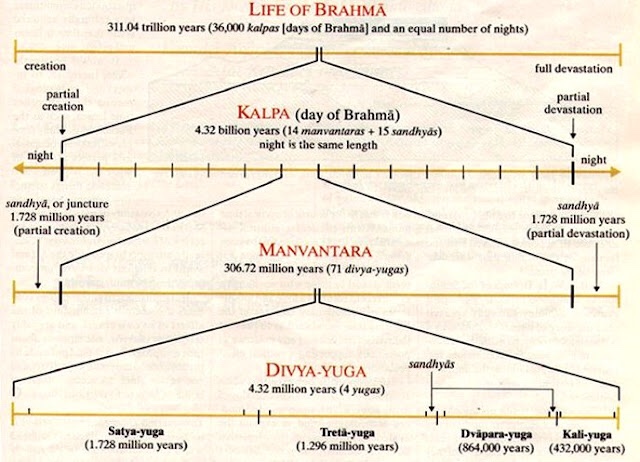
அண்டப்பரிணாம வளர்ச்சியின் எதிர்மறை இந்தப் பிரளயம். எது எது எப்படி வெளிவந்தனவோ, அது அது அப்படி ஒன்றறக் கலக்கும் பரம்பொருளுடன். அதாவது பருநிலை இருப்புகள் நுண்நிலையுடன், நுண்நிலை இருப்புகள் காரண நிலையுடன் லயிக்கும்.இவை அனைத்தும் படைக்கும் தொழிலுக்கு தலைவனான நான்முக கடவுளாம் பிரம்மனின் வாழ்வுக் காலத்துடன் நேரடித் தொடர்பினில் நடக்கும் என்று நமது மறைகள் கூறுகின்றன. (பதிவின் முடிவில் உள்ள படத்தை காணவும்)

விஷ்ணு புராணம் நான்கு வகையான பிரளயத்தை விவரிக்கிறது, 1. நைமித்திகா, 2. பிரகிருதிகா, 3. அத்யாந்திகா மற்றும் 4. நித்யா. முதல் இரு வகைகள் அண்டத்தின் கண்ணோட்டத்தில், அடுத்த இருவகைகள் உயிரினத்தின் கண்ணோட்டத்தில்.

1.நைமித்திக பிரளயம்:

இந்த பிரளயத்தை பிரம்ம பிரளயம் என்றும் அழைப்பர். இந்த பிரளயம் ஒரு கல்பத்தின் முடிவில் அல்லது பிரம்மாவின் வாழ்க்கையின் ஒரு நாளின் முடிவில் - 4.32 பில்லியன் மனித காலண்டர் ஆண்டுகள் முடிவில்; பூ, புவ, ஸ்வா ஆகிய மூன்று லோகங்களில் மட்டுமே இந்த கலைப்பு நிகழ்கிறது என்று விஷ்ணு புராணத்தில் குறிப்பிடப்பட்டுள்ளது.

2.பிரகிருதிகா பிரளயம்:

இயற்கையெனும், பிரக்ருதியில் முழு பிரம்மாண்டமும் கலந்திடும் போது இந்த பிரளயம் ஏற்படுகிறது. பிரம்மாவின் ஆயுட்காலத்தின் முடிவில் (அவரது நாட்காட்டியின்படி 100 ஆண்டுகள்), அதாவது மகா கல்பத்தின் முடிவில் - மனித நாட்காட்டியில் 311.04 டிரில்லியன் ஆண்டுகள் (ஒவ்வொன்றும் 155.52 டிரில்லியன் ஆண்டுகள் கொண்ட இரண்டு பரார்தாக்களை உள்ளடக்கியது) இந்த பிரளயா நிகழ்கிறது. அந்த நேரத்தில் உலகின் அனைத்து பொருட்களும் அதன் காரணங்களுக்குத் திரும்புகின்றன. இந்த கலைப்பு உருவாக்கத்தின் எதிர் வரிசையில் நடைபெறுகிறது. இவ்வாறு, மஹத் முதல் பூமி வரையிலான ஏழு பிரக்ருதி வடிவங்கள் அவற்றின் காரணங்களில் அடுத்தடுத்து நுழைகின்றன. பிரம்மாவின் முட்டை அதன் ஏழு லோகங்கள், ஏழு பெருங்கடல்கள், ஏழு தீவுகள் மற்றும் மலைகளால் சூழப்பட்ட நீரில் கரைகிறது. நெருப்பினால் தண்ணீர் குடிக்கப்படுகிறது; காற்றானது நெருப்பின் அடுக்கை உறிஞ்சுகிறது. காற்று ஈதரில் இணைக்கப்பட்டு பூதாதி அல்லது அஹம்காரம் ஈதரை விழுங்குகிறது. மஹத் மீண்டும் அஹம்காரத்தை எடுத்துக்கொள்கிறார். பிறகு பிரக்ருதி மஹத்தையும் இவை அனைத்தையும் உள்வாங்குகிறது. பிரக்ருதியும் புருஷனும் பரம ஆத்மாவில் கரைந்து விடுகிறார்கள். இது பிரக்ருத பிரளயம்.

3.அத்யாந்திகா பிரளயா:

முழுமையான அல்லது இறுதியான கலைப்பு பரம்பொருளின் அறிவால் (ஆத்ம ஞானம், மெய்யறிவு) அடையப்படுகிறது. எல்லா உயிர்களும் அத்யாத்மிகா, அதிபௌதிகா, ஆதிதைவிகா ஆகிய மூன்று விதமான உலகத் துன்பங்களால் பீடிக்கப்படுகின்றன என்று கூறப்படுகிறது. விஷ்ணு புராணம் இந்த மூன்று வகையான வலிகளையும் விவரிக்கிறது. அத்யாத்மிகா என்பது உடல் மற்றும் மனதினால் எஊற்படும் வலி; மிருகங்கள், பறவைகள் போன்றவற்றால் மனிதர்களுக்கு ஏற்படும் தீமையே அத்யாத்மிகா எனப்படும். ஆதிதைவிக வலி என்பது குளிர், வெப்பம், காற்று, மழை, மின்னல் மற்றும் பிற வளிமண்டல நிகழ்வுகளின் வேலை. மெய்ப்பொருள் அறிவு (ஆத்ம வித்யா, பிரம்ம ஞானம்) மட்டுமே இந்த மூன்று வகையான துன்பங்களிலிருந்து மனிதனை மீட்கும். ஒரு மனிதன் உண்மையான, அறிவு மற்றும் மனித இன்னல்களில் இருந்து பற்றின்மை அடையும் போது, அவன் பரம்பொருளுடன் ஒன்றற கலக்கிறான். இந்த பிரளயத்தில், யோகிகள் பரமாத்மாவில் இணைந்துள்ளனர்.

4.நித்ய பிரளயா:

நித்யா அல்லது நிரந்தர லயம் என்பது அனைத்து உயிரினங்களின் மறைவு என்று கூறப்படுகிறது. தொடர்ந்து நிகழும் இக்கலப்பிற்கு ஜீவராசிகளின் மரணம் என வல்லுநர்கள் இதை விளக்குகிறார்கள். சில வேதாந்திகள் நித்ய பிரளயத்தை சுசுப்தி அல்லது ஆழ்ந்த உறக்கம் என்று விவரிக்கின்றனர்.
முடிவுரை
ஐந்து பகுதி ஆய்வின் மூலம் அறிவியல் மற்றும் நமது ஆன்மீக கண்ணோட்டங்களின்படி அண்டப் பரிணாமத்தை அறிய முயன்றோம்.

நாராயணீயம், தசகம் 5 அண்டத்தின் படைப்பை விவரிக்கின்றது. நாராயண பட்டத்ரீயின் ஸ்லோகங்களை அறிந்து கொள்ள இந்த அடிப்படை அறிவு இன்றியமையாதது.

அடுத்த பதிவுகளிலிருந்துது நாராயணீயம் தசகம் ஐந்தினை ஆராயலாம்
இறையருள் பெருக! வளமுடன் வாழ்க!

 Prabhu's Ponder