jaanaasyeva maniiShitaM mama vibhO j~naanaM tadaapaadaya
dvaitaadvaitabhavatsvaruupaparamityaachaShTa taM tvaaM bhaje
Meaning of the Words
दृष्ट्वा	 - having had (Thy) vision

सम्भृत-सम्भ्रम: कमलभू: - overwhelmed with astonishment,

कमलभू: - the lotus born ( Brahmaa)

त्वत्-पाद-पाथोरुह - at Thy lotus feet

हर्ष-आवेश-वशंवद: - overflowing with ecstasy of joy

निपतित: - fell and prostrated

प्रीत्या कृतार्थी-भवन् - with love and sense of fulfilment

जानासि-एव - Thou does surely know

मनीषितं मम - my desire

विभो - O Lord!

ज्ञानं तत्-आपादय - that knowledge give to me

द्वैत-अद्वैत्-भवत्-स्वरूप-परम् - (about) Thy unique dual and non-dual aspects

इति आचष्ट - thus prayed (Brahmaa)

तम् त्वां भजे - That Being Thou I pray to
Explanation
O Lord of the Universe! Brahmaa was wonderstruck by Thy vision. He was overwhelmed with the ecstasy of joy and with love and a sense of fulfilment . He fell at Thy lotus feet and prostrated. He prayed to Thee that Thou surely knew his desire to create, and so he asked for the required knowledge. He also prayed to be given the knowledge of the unique dual and the non-dual aspect of Thee. I pray to That Thee. 7.9
த்₃வைதாத்₃வைதப₄வத்ஸ்வரூபபரமித்யாசஷ்ட தம் த்வாம்ப₄ஜே || 9||
தமிழாக்கம்
கண்டவுடன் கமலமுதயோன் பெருமகிழ்வுடனே உன் பொன்மலர்பாதம் பணிந்து பரவச நிறைவு பெற்றானே ! அவா அறிந்து அளித்திடு எனக்கு அவ்வறிவதனை ஒருமையுடன் பன்மையான வடிவமுடன் என நான்முகன் வேண்டினனே ஆண்டவா ! உன்னடி பணிந்தேன் அடியேனே !! 7.9
விளக்கம்
பிரம்மதேவன், தங்கள் வடிவழகைக் கண்டு அளவற்ற மகிழ்ச்சி அடைந்து, தங்கள் பாதக்கமலங்களில் விழுந்து வணங்கி தன் கடமைகளை நிறைவேற்றினார். என்னுடைய இஷ்டத்தை அறிந்து, த்வைதம், அத்வைதம் என்ற தங்கள் ஸ்வரூப ஞானத்தை எனக்கு அளிக்க வேண்டும் என்று பிரார்த்தித்தார். அத்தகைய தங்களை நான் பூஜிக்கிறேன்.
“Brahman” the “Sat Cit Ananda” is the omnipresent, omniscient, eternal “Existence Consciousness” that is the essence of everything that exists. That Brahman (“tat”) is nothing but “you” (“tvam”) say Vedas. Only qualified Seeker with the help of a “Realised Guru” can gain that knowledge that “I am” (“aham”) that Brahman (“Brahmasmi “).
This knowledge is extremely difficult for ordinary mortals like us who are attached to the body and the worldly pleasures. All we can do is to carry out our responsibilities to the best of our abilities and pray in earnest. To facilitate that process, in this Sloka Narayana Bhattathri provides us an image of the Brahman in a form that we can understand and focus that form in our heart, pray and meditate.
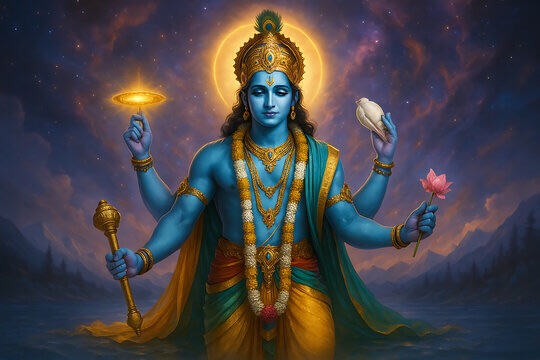
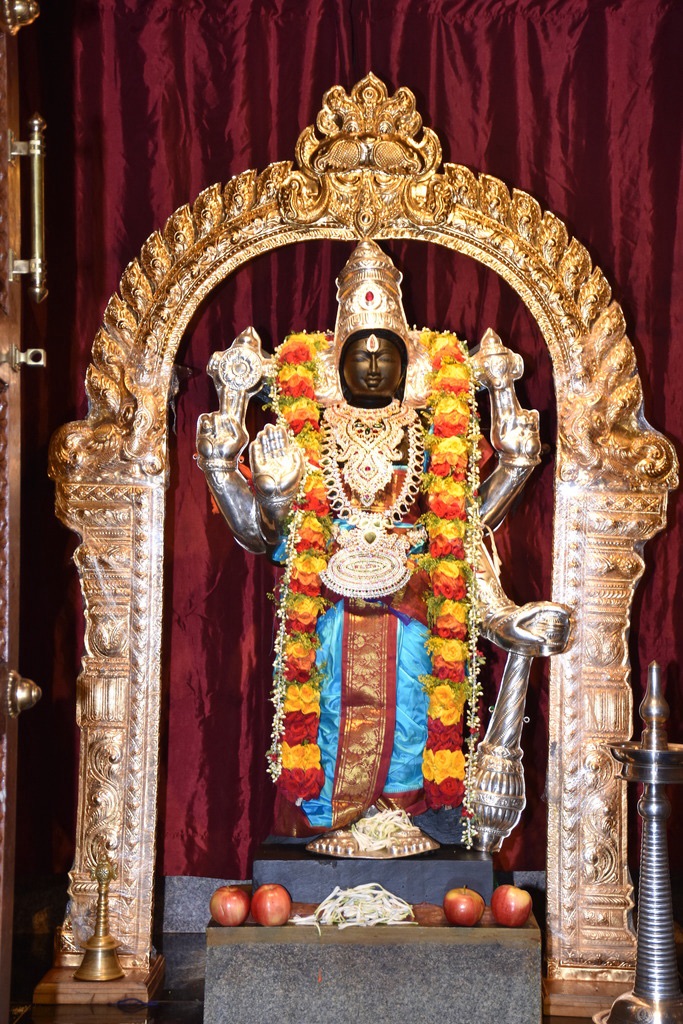
O Lord! Beautiful like the dark clouds, with a hue like that of delicate blue lotus flowers, and with a splendid halo, Thy form enlightens all the quarters. A charming benevolent smile is sported on Thy pleasant face. Thy four arms are adorned with the sacred conch, discus, mace and lotus. That form of Thine gave immense pleasure to Brahmaa. May that form deign to eradicate my ailments.
முகவுரை
பிரம்மம்” அல்லது “சத் சித் ஆனந்த” என்பது எங்கும் நிறைந்த, எல்லாம் அறிந்த, நித்தியமான “இருப்பு உணர்வு” ஆகும், அது இருக்கும் அனைத்தின் சாராம்சமாகும். அந்த பிரம்மம் (“தத்”) என்பது “நீ” (“த்வம்”) என்பதை வேதங்கள் கூறுகின்றன. “உணர்ந்த குரு”வின் உதவியுடன் தகுதிவாய்ந்த தேடுபவர் மட்டுமே “நான்” (“அஹம்”) அந்த பிரம்மம் (“பிரம்மாஸ்மி”) என்ற அறிவைப் பெற முடியும்.
உடலிலும் உலக இன்பங்களிலும் பற்றுள்ள நம்மைப் போன்ற சாதாரண மனிதர்களுக்கு இந்த அறிவு மிகவும் கடினம். நாம் செய்யக்கூடியது நமது பொறுப்புகளை நமது சிறந்த திறனுக்கு ஏற்றவாறு நிறைவேற்றுவதும், ஆழ்ந்து இறைவனை தியானிப்பதும் மட்டுமே. அந்த செயல்முறையை எளிதாக்க, இந்த ஸ்லோகத்தில் நாராயண பட்டத்ரி, பிரம்மத்தின் உருவத்தை நமக்கு வழங்குகிறார், அதை நாம் புரிந்துகொண்டு, அந்த உருவத்தை நம் இதயத்தில் ஒருமுகப்படுத்தவும், பிரார்த்தனை செய்யவும், தியானிக்கவும் முடியும்.
அனைத்து குணாதிசயங்களும் இல்லாத (“நிர்குண பிரம்மம்”) உருவமற்ற பிரம்மத்திற்கு ஒரு வடிவம் (“சகுண பிரம்மம்”) வழங்கப்படுகிறது. பட்டத்ரி அந்த வடிவத்தை விளக்குகிறார், பிரார்த்தனை செய்கிறார் மற்றும் தனது நோய்க்கான தீர்வினை வேண்டுகிறார்.
கார்மேக கருங்குவளை வண்ணமுடன் பேர் ஒளிவட்டம் அண்டமதை ஒளிர்விக்க எழில்மிகு முகமதனில் புன்முறுவல் பூத்திட கமலமுடன் சங்கு சக்கர கதாயுதம் ஏந்தி கரம் நான்குடனே அயனுக்கு அளித்திட்ட அக்காட்சி கடையன் என் பிணிதனையே நீக்கட்டும் நீக்கமற நிறையோனே !! 7.8
விளக்கம்
எங்கும் நிறைந்திருப்பவனே! கார்மேகம், “கலயா” (கருங் குவளை) போன்ற நிறத்துடனும், திருமுகத்தில் அழகிய புன்சிரிப்புடன், நான்கு கரங்களில் சங்கும் சக்ரம்,கதை, தாமரை இவற்றுடன் பிரம்மதேவருக்கு காட்சி கொடுத்து, மகிழ்ச்சி அளித்த தங்கள் ரூபம் என்னுடைய ரோகத்தைப் போக்கவேண்டும்.
After describing the “Vaikunta”, the abode of the Lord, Bhattathri now describes the form of the Lord as presented to Brahma and pleads for a similar “Darshan” to him at Guruvayur, known as “Bhuloka Vaikuntam”.
vishveShaaM tava ruupamaikshata vidhistatte vibhO bhaatu me ||
Meaning of the Words
तत्र एवं - there thus

प्रतिदर्शिते निजपदे - having shown Thy abode (to Brahmaa)

रत्न-आसन-आध्यासितं - on a throne studded with gems, seated

भास्वत्-कोटि-लसत्-किरीट- - shining like innumerable suns, adorned with such a crown

कटक-आदि-आकल्प-दीप्र-आकृति - (and) bracelets etc. other ornaments of splendorous shapes

श्रीवत्स-अङ्कितम् - bearing the Shreevatsa mark (on Thy chest)

आत्त-कौस्तुभ-मणि-छाया-अरुणं - (which) is rendered, by the kaustubh gem's lustre, crimson

कारणं विश्वेषां - the source of all creation

तव रूपम् - Thy form

ऐक्षत विधि: - saw Brahmaa

तत्-ते विभो भातु मे - that Thy ( form) O Lord ! May be revealed to me
Explanation
There thus revealed to Brahma, he saw Thee seated on a gem bedecked throne, adorned with golden crown, bracelets and other ornaments which were shining like innumerable suns.Thy chest bore the Shrivatsa mark, and the kaustubh jewel’s lustre gave Thy form a crimson hue. O All pervading Lord! the source of all creation, may that divine form be revealed to me.
முகவுரை
இறைவனின் இருப்பிடமான “வைகுண்டத்தை” விவரித்த பிறகு, பட்டத்ரி இப்போது பிரம்மாவுக்குக் கொடுக்கப்பட்ட இறைவனின் வடிவத்தை விவரிக்கிறார். மேலும் “பூலோக வைகுண்டம்” என்று அழைக்கப்படும் குருவாயூரில் தனக்கு அத்தகைய “தரிசனம்” வேண்டும் என்று வேண்டுகிறார்.
தமிழில் ஒலிபெயர்ப்பு
தத்ரைவம் ப்ரதித₃ர்ஶிதே நிஜபதே₃ ரத்நாஸநாத்₄யாஸிதம்
பா₄ஸ்வத்கோடிலஸத்கிரீடகடகாத்₃யாகல்பதீ₃ப்ராக்ருதி |
ஶ்ரீவத்ஸாங்கிதமாத்தகௌஸ்துப₄மணிச்சா₂யாருணம் காரணம்
விஶ்வேஷாம் தவ ரூபமைக்ஷத விதி₄ஸ்தத்தே விபோ₄ பா₄து மே || 7||
தமிழாக்கம்
வைகுண்டம்தனில் ரத்னமய இருக்கையிலே பொன்மணி முகுடம் தரித்து பொலிவுடனே கோடி சூரிய ஒளியுடனே தோள்வளை மிளிரவே கௌஸ்துப மணிமாலை மின்னிட்டுச் சிவந்த ஶ்ரீவத்ஸ மறுவுடனே அமர்ந்த நிறையோனே ! அயனுக்கு இங்கனம் அளித்திட்ட அக்காட்சி அடியேனும் காண வேண்டும் அருள்வாயே !! 7.7
விளக்கம்
அந்த வைகுண்டத்தில், பிரம்மதேவன், ரத்னமாயமான இருக்கையில், கோடி சூர்ய ஒளியோடு பிரகாசிக்கும் கிரீடம், தோள்வளை முதலிய ஆபரணங்களாலும், கௌஸ்துபமணியின் காந்தியாலும், ஸ்ரீவத்ஸம் என்ற மச்சத்துடனும் உள்ள தங்களைக்கண்டார். தங்களுடைய அந்த ரூபத்தை எனக்குக் காட்டி அருள வேண்டும்.
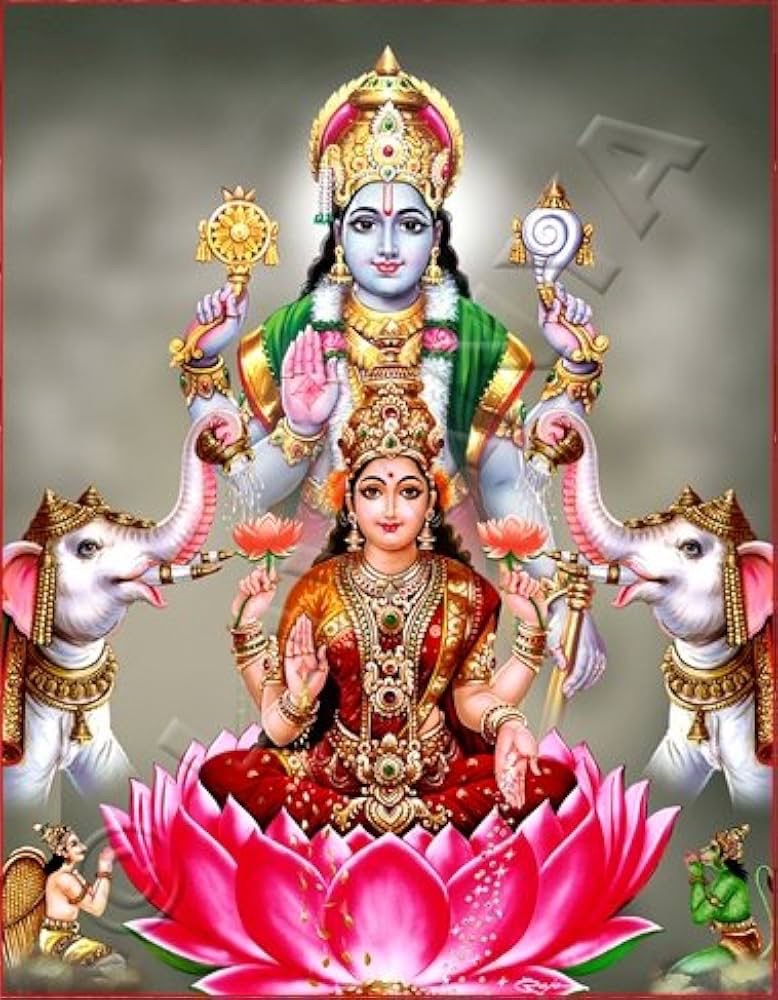
This Sloka presents Goddess Lakshmi who shines in all Her splendour in front of all the devotees who have obtained “Sarupya Mukti” as described in the earlier Slokas and gathered at Vaikunta Loka.
Goddess Lakshmi is projected as unsteady in nature while dealing with her devotees. We see in our daily lives, some who become overnight millionaires and somewho became paupers from being extremely rich. We have heard “rags to riches” stories and vice versa too. Unpredictability being the trade mark of Goddess Lakshmi, her form is quite often compared to lightning.
The Sri Suktam (or Shri Suktam) is an ancient and powerful Vedic hymn of sixteen verses found as a supplement to the Rig Veda, dedicated to invoking the divine Mother Goddess in the form of Lakshmi, the embodiment of prosperity and abundance (Sri).
Narayana Bhattathri in this Sloka 6, keeps this essence of Sri Suktam in his mind, when he describes the divine beauty of Goddess Lakshmi.
Sanskrit Verse
नानादिव्यवधूजनैरभिवृता विद्युल्लतातुल्यया विश्वोन्मादनहृद्यगात्रलतया विद्योतिताशान्तरा । त्वत्पादांबुजसौरभैककुतुकाल्लक्ष्मी: स्वयं लक्ष्यते यस्मिन् विस्मयनीयदिव्यविभवं तत्ते पदं देहि मे ॥६॥
yasmin vismayaniiyadivyavibhavaa tatte padaM dehi me ||
Meaning of the Words
नाना-दिव्य-वधू-जनै: – by various divine damsels
अभिवृता(who is) – attended
विद्युत्-लता-तुल्यया – (who is) like a streak of lightning
विश्व-उन्मादन-हृद्य-गात्र-लतयाthe – world is enchanted and captivated by (whose) slender and charming form
विद्योतित-आशान्तरा – (who) illumines the quarters
त्वत्-पाद-अम्बुज-सौरभैक-कुतुकात् – to Thy lotus feet fragrance being attached to
लक्ष्मी: स्वयं लक्ष्यते – where Laxmi herself is seen
यस्मिन् – in which (Vaikunth)
विस्मयनीय-दिव्य-विभवं – in astounding divine riches (which) aboun
dतत्-ते पदं देहि मेthat – Thy abode grant me
Explanation
O Lord! That abode of Thine Vaikunth, where Laxmi Thy consort resides, is attended to by various celestial damsels. Her, Laxmi’s, slender and beautiful form is like the streak of lightening which enchants and captivates the whole world and enlightens the quarters. She being deeply attached to the fragrance of Thy lotus feet is herself always there, in Vaikunth, which abounds in astounding divine riches. O Lord that abode of Thine grant to me.
முகவுரை
இந்த ஸ்லோகம், முந்தைய ஸ்லோகங்களில் விவரிக்கப்பட்டுள்ளபடி “சாருப்ய முக்தி” பெற்று வைகுண்ட லோகத்தில் கூடியிருக்கும் அனைத்து பக்தர்களுக்கும் முன்னால், தனது முழு மகிமையிலும் பிரகாசிக்கும் லட்சுமி தேவியை முன்வைக்கிறது.
லட்சுமி தேவி தனது பக்தர்களுடன் பழகும்போது நிலையற்ற தன்மை கொண்டவராகக் காட்டப்படுகிறார். நம் அன்றாட வாழ்வில், சிலர் ஒரே இரவில் கோடீஸ்வரர்களாகவும், சிலர் மிகவும் பணக்காரர்களாக இருந்து ஏழைகளாகவும் மாறியதைக் காண்கிறோம். கணிக்க முடியாத தன்மை லட்சுமி தேவியின் வர்த்தக முத்திரையாக இருப்பதால், அவளுடைய வடிவம் பெரும்பாலும் மின்னலுடன் ஒப்பிடப்படுகிறது.
ஸ்ரீ சூக்தம் என்பது ரிக் வேதத்திற்கு கூடுதல் இணைப்பாக காணப்படும் பதினாறு வசனங்களைக் கொண்ட ஒரு பழமையான மற்றும் சக்திவாய்ந்த வேத மந்திரம். இது செழிப்பு மற்றும் வளம் இவைகளின் உருவகமான (சமஸ்க்ருதத்தில் இவை “ஸ்ரீ” என்ற சொல்லாகும்) லட்சுமியின் வடிவத்தை ஸ்ரீ சூக்தம் விவரிக்கிறது.
நாராயண பட்டத்ரி, லட்சுமி தேவியின் தெய்வீக அழகை விவரிக்கும்போது, ஸ்ரீ சூக்தத்தின் இந்த சாரத்தை மனதில் வைத்திருக்கிறார் என்றால் அது மிகையாகாது
யஸ்மிந் விஸ்மயநீயதி₃வ்யவிப₄வம் தத்தே பத₃ம் தே₃ஹி மே || 6||
தமிழாக்கம்
பணிவிடைபுரி பல தேவ கன்னிகை புடைசூழ கொடி மின்னலொப்ப, உலகு கவர்ந்து மயக்கிடும் மென்மை உடல் வனப்புடனே ஒளிர்விக்கும் நிலையிலாத் திருமகள் உன் கமல மலர் பாத நறுமணம் நாடி நிலைத்திட்டு ஒளிர்விடும் வியக்கிடும் வளம் நிறை வைகுந்தமதில் புகலிடம் தந்திடுவாய் அடியேனுக்கு !! 7.6
விளக்கம்
அந்த வைகுண்டத்தில், ஸ்ரீ மகாலக்ஷ்மியானவள், தேவப்பெண்களால் சூழப்பட்டு, மின்னல் கொடி போன்ற அழகிய கொடி போன்ற உடலால் திக்குகளைப் பிரகாசிக்கச் செய்கிறாள். தங்கள் பாதத் தாமரையின் வாசனையை முகர்வதில் உள்ள ஆசையினால் அங்கு எப்போதும் காணப்படுகிறாள். அத்தகைய தங்கள் ஸ்தானமான வைகுந்தத்தை எனக்குத் தந்தருள வேண்டும்.
na tatra sūryo bhāti na candratārakaṃ nemā vidyuto bhānti kuto’yamagniḥ | tameva bhāntamanubhāti sarvaṃ tasya bhāsā sarvamidaṃ vibhāti || 15 ||
Katopanishad (2.2.15) clearly brings out that “The sun does not shine there; nor do the moon and the stars, nor do these lightnings shine. How could this fire? Him shining, all shine after. All this shines by His light”.
This has been restated in Bhagwad Gita (15.6) too by Lord Krishna. Mundaka Upanishad (2.2.11) too states this.
This “causeless cause”, the omniscient, omnipotent, infinitely blissful, self effulgent, eternally existing “consciousness” is what the Scriptures describe as “Parama Padam”, “Vishnu Padam”, “Purushartha Lakshyam (goal of human endeavour). This is what is the ultimate destination called “Moksham”. This indeed is Sri Vaikuntam, the abode of Lord.
In this Sloka, Bhattathri provides an indication of this.
भाते जगद्भ्य: बहि:- (which) shines beyond all the fourteen worlds
शोक-क्रोध-विमोह-साध्वसमुखा:- sorrow, anger, delusion, fear etc.
भावा:-तु दूरं गता: – (such) mental modifications are far beyond
सान्द्रानन्दझरी च – and the torrent of supreme bliss
यत्र परम-ज्योति:-प्रकाशात्मके – where there is the splendour of the supreme light of consciousness
तत्-ते धाम – that abode of Thine
विभावितं – (was) shown (to Brahmaa)
विजयते – shining
वैकुण्ठरूपं – as the Vaikunthloka
विभो – O All pervading Lord!
Explanation
Oh All pervading Lord!
Thy abode Vaikunth is located beyond the fourteen worlds, where Maayaa has no influence and where the modifications of the mind, like sorrow,anger delusion fear are left far behind,such is. It is full of supreme bliss and is engulfed with the constant flow of bright effulgence. That shining divine abode called “Vaikunta”, Thou showed to Brahmaa.
என்கிறது. அதாவது, “ஆத்ம ஸ்வரூபமாக இருக்கக் கூடிய ப்ரம்மத்தை சூரியன், நிலவும், நட்சத்திரங்களும் ஒளிர்விப்பதில்லை. இந்த மின்னலும் ஒளிர்விப்பதில்லை. அப்படியிருக்க, இந்த அக்னியானது எப்படி? (ஒளிர்விக்க இயலும்?). எல்லாவற்றையும் விளங்கிக் கொண்டு, தன்னைத்தானே விளங்கிக் கொண்டிருக்கிற அந்த மெய்ப்பொருளைச் சார்ந்தே (சூரியன் முதலான) அனைத்தும் (அனைத்திலும் புகுந்து) அவற்றை ஒளிர்கின்றன (விளங்கச் செய்கிறது). அதனுடைய (மெய்ப்பொருளினுடைய) ஒளியால்தான் (ஆத்ம சைத்தன்யத்தால்தான்) இவை (சூரியன், நிலவு, நட்சத்திரம், மனம், புத்தி’ யாவும் விதவிதமாக ஒளிர்கின்றன” என்கிறது இந்த வேத மந்திரம்.
இதே மந்திரம், முண்டக உபநிஷத்திலும் (2.2.11) உள்ளது. பகவத் கீதை (15.6) “ந த1த்3பா4ஸயதே1 ஸூர்யோ ந ஶஶாங்கோ1 ந பா1வக1:….. “சூரியனோ, சந்திரனோ, நெருப்போ என்னுடைய அந்த உன்னத இருப்பிடத்தை ஒளிரச் செய்ய முடியாது என்று இந்த மந்திரத்தின் சாரத்தையே கூறுகிறது.
அனைத்திற்கும் ஆதாரமான, காரணமேதுமிலா காரணமான ப்ரம்மமே, பரமபதம், விஷ்ணுபதம், மோக்ஷம், முக்தி, வீடுபேறு என்றெல்லாம் அழைக்கப்படும் தன்னொளிரான (“ஸ்வயம் ப்ரகாஸம்”) , பேரின்ப (“ஆனந்த”), தூய உணர்வின் (“ஸுத்த சைதன்யம்”) இருப்பு (“ஸத்”). ஒன்றே சச்சிதானந்தம் (சத், சித், அனந்தம்). அதுவே இறையின் இருப்பு. அதுவே ஶ்ரீவைகுந்தம். இதனைத்தான் இந்த ஸ்லோகத்தில், பட்டத்ரீ கோடிட்டுக் காட்டுகிறார்.
தமிழில் ஒலிபெயர்ப்பு
மாயா யத்ர கதா₃பி நோ விகுருதே பா₄தே ஜக₃த்₃ப்₄யோ ப₃ஹி:
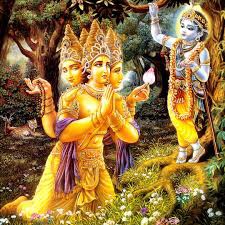
माम्-अवदत् पुमान्- (who) spoke to me, the revered person
इति – thus (thinking)
जल-आपूर्णे जगन्मण्डले – in the worlds fully engulfed in water
दिक्षु-उद्वीक्ष्य – in all the directions looking around
किम्-अपि-अनीक्षितवता – anything not seeing
वाक्य-अर्थम्-उत्पश्यता – the meaning of the words then understanding
दिव्यं वर्ष-सहस्रम् -for a thousand divine years
आत्त-तपसा – doing penance
तेन त्वम्-आराधित: – by him (Brahma) Thou were worshipped
तस्मै दर्शितवान्-असि – to him (Brahma) Thou revealed
स्व-निलयं – Thy own abode
वैकुण्ठम्-एक-अद्भुतं – the Vaikunthloka wonderful
Meaning in English
This Sloka gives a clear indication of the Universe, at the beginning of the great deluge called “Pralaya”.
“Who could be the person who directed me to do Tapas” (last Sloka 7.2) ? Brahma looked around in all the directions to look for the revered person who spoke those words. The world was engulfed in water and there was no one to be seen.
Then the meaning of the words dawned on him and for a thousand divine years (360 human years is one divine year) he did penance and worshipped Thee. Thou , then revealed Thy wonderful abode Vaikunth to Brahma.
அண்டமனைத்தும் நீரதனில் ஆழ்ந்திருக்க ஒலித்தது யாரென திக்கெங்கும் தேடிக் காணாது, அச்சொல் அதனின் பொருள் ஆய்ந்தறிந்து ஆயிரம் இறையாண்டு தவம் இருந்த அயனுக்கு ஆண்டவனே உன் இருப்பாம் வைகுண்டமதனின் காட்சிதனை அருளினாயே குருவாயூரப்பனே !!
விளக்கம்
பூமியானது நீரில் மூழ்கியிருக்கும்போது, யார் இவ்வாறு சொல்கிறார்கள் என்று பிரம்மதேவன் எல்லா திக்குகளிலும் தேடியும், ஒன்றும் புலப்படவில்லை. உடனே, அவர் ஆயிரம் தேவ வருஷங்கள் தவம் செய்யத் தொடங்கினார். அப்போது, பிரம்மதேவனுக்கு நீர் உம்முடைய இருப்பிடமான வைகுண்ட லோகத்தைக் காட்டினீர்களல்லவா?
இந்த ஸ்லோகம், இந்த பிரபஞ்சம், பிரளயத்தின் துவக்கத்தில் எப்படி இருந்தது என்பதை கோடிட்டுக் காட்டுகிறது.
एवं देव in this manner O Lord! चतुर्दश-आत्मक-जगत्-रूपेण in the form of the fourteen worlds जात: पुन: – manifesting (Thyself) again तस्य-ऊर्ध्वं खलु at the head (peak) of that (the worlds) सत्य-लोक-निलये in the abode of Satyaloka जात: -असि धाता स्वयं manifested as Brahma (the Creator) Thyself यं शंसन्ति whom (Brahma) (the Srutis) describe हिरण्यगर्भम्- (as) Hiranyagarbh अखिल-त्रैलोक्य-जीवात्मकं of all the beings in the three worlds as the collective soul य: -अभूत् who became स्फीत-रज:-विकार-विकसन्- because of the upsurge of Rajoguna नाना-सिसृक्षा-रस:- became desirous of creating various beings.
Meaning in English:
The fourteen worlds are also known as trilokyam (3 worlds). The 7 worlds together below the earth are taken as one, called Patala. The Earth is taken as Bhuloka as second and the six worlds above the earth are taken as third as Upper world.
Thus O Lord! Thou who manifested in the form of the fourteen worlds, again by Thy own will, manifested as Brahma, in Satyaloka, which is the highest and loftiest of all the worlds.This Brahma is known as Hiranya Garbh (the golden egg) the cosmic intelligence of all the beings of the three worlds. With the upsurge of Rajoguna, Thou as this Hiranya Garbha became desirous of creating various beings.
ஒருவரின் இயல்பு (“ஸ்வரூபம்”) என்பது, “சத்சித்அனந்தம், சச்சிதானந்தம், இருப்பு -அறிவு (உணர்வு)-பேரின்பம் என்றெல்லாம் அழைக்கப்படும் இருமையற்ற பரம்பொருளான பிரம்மம் என்பதே என்று அறிந்துணர்வதே அனைத்து மனித முயற்சிகளின் இறுதி இலட்சியம் என்கின்றன நமது மறைகள். இந்த முயற்சிகளின் போது, நாம் பல பிறப்புகளையும் வடிவங்களையும் எடுக்கலாம். எனவே அரிதான இப்பிறவியில் மனிதராகப் பிறந்த, மிகவும் அதிர்ஷ்டசாலிகளான நாம், நமது உண்மை இயல்பான பரம்பொருளெனும் பிரம்மத்தை அறிய, இப்பிறவியிலேயே முயற்சிக்க வேண்டும்.
இம்முயற்சியில் நமக்கு உதவ, ஸ்ரீ. நாராயண பட்டத்திரி தனது காவிய படைப்பான ஸ்ரீமன் நாராயணீயத்தின் முதல் அத்தியாயத்தை (தசகம் 1) இருமையற்ற பிரம்மத்தின் பண்புகள், மகிமை மற்றும் மகத்துவத்தை விவரிப்பதன் மூலம் தொடங்கி, பிரம்மம் இங்கேயே குருவாயூரப்பனின் வடிவத்தில் உடனடியாகக் கிடைக்கிறது என்று கூறினார்.
பின்னர், பரவசத்தில் மூழ்கி, தசகம் 2 இல் பரம்பொருளான, குருவாயூரப்பனின் மகிமையான வடிவத்தை விவரித்தார்.
அடுத்த தசகம் 3, பக்தியில் கவனம் செலுத்துகிறது. பக்தி மார்கம், சுய உணர்தலுக்கான ஆரம்ப பாதையாகவும் இறுதியில் பிரம்மத்தை நோக்கியதாகவும் அவர் கருதுகிறார். இந்த தசகத்தில், தெய்வீக அருளைத் தேடும் ஒரு பக்தரின் உண்மையான இயல்பையும், “வைராக்யம் மற்றும் சிரத்தை”யின் அவசியத்தையும் வலியுறுத்தி அவர் விவரிக்கிறார்.
ஒரு பக்தன்/ ஆன்மீக சாதகன், தன்னுள் இருக்கும் இறையுணர்வினை/ஆன்ம ஆற்றலை அறிந்து அவ்வாற்றலைப் பயன்படுத்தி இறைநிலைக்கு உயர்ந்து இறைவனுடன் ஒன்றிணையும் நிலையே தியான யோகம் எனப்படுகின்றது. இதனைத் தமிழில் தவம் என்பர். இவ்யோக நெறிகள் பலவாகும். அவற்றுள் குறிப்பிடத்தக்க ஒன்றாக விளங்குவது அட்டாங்க யோகமாகும். இவ்வட்டாங்க யோகத்தையே
‘‘இயம நியமமே எண்ணிலா ஆசனம்
நயமுறு பிராணாயாமம் பிரத்தியா காரம்
சயமிகு தாரணை தியானம் சமாதி
அயமுறும் அட்டாங்க மாவது மாமே.
( திருமூலர் – திருமந்திரம்.10 பா.542) என்று திருமூலர் கூறுகிறார்.
தசகம் 4 இல், பட்டத்திரி, இந்த அஷ்டாங்க யோக நுட்பங்களை கோடிட்டுக் காட்டுகிறார். பக்தர்கள் ஆதி அந்தமிலா, நீக்கமற நிறை, இருமைகளிலா பரம்பொருளான குருவாயூரப்பனை அறிந்துணர தியானம் இன்றியமையாத சாதனம்.
அறிவதற்கரிதான இந்த பரம்பொருள் தத்துவத்தை தியானிப்பது என்பது, தேய்ந்து சிதையும் உடல்-மன வளாகத்திற்குள் பிணைக்கப்பட்டு, புறநோக்குடன் பொருளின்பம் தேடும் நம்மைப் போன்ற சாதாரண மனிதர்களுக்கு மிகவும் கடினம். எனவே, பட்டத்திரி தசகம் 5 துவங்கி, படிப்படியான அணுகுமுறையின் மூலம் பரம்பொருளான குருவாயூரப்பனை அறிய உதவுகிறார்.
பேரழிவுக் காலமதில் தன்னிடம் ஒடுங்கிய அனைத்தையும், பரம்பொருளான குருவாயூரப்பன் தன் இயக்க இச்சையால், உலகு படைத்திட்ட பரிணாம செயல்முறைகளை விவரிக்கின்றார் தசகம் 5 இல். அண்டங்களனைத்துமடங்கிய மொத்த நுண்நிலை வெளிப்பாடான “ஹிரண்யகர்பம்”, பருநிலை வெளிப்பாடான “விராட்” இரண்டுமே பரம்பொருளான குருவாயூரப்பனே என எடுத்துரைக்கிறார். ஆக, பரம்பொருளை தியானிக்க ஞானியர் புரியும் இரு உபாசனைகளை (ஹிரண்ய கர்ப உபாஸநா, விராட் உபாஸநா) கோடிட்டுக் காட்டுகிறது இந்த தசகம்.
அதைத் தொடர்ந்து “விராட்” என்று அழைக்கப்படும் அண்ட மொத்த பருநிலை வடிவத்தை விளக்குகிறார். வேதங்களில் போற்றப்படும்படி உள்ள, பதினான்கு உலகங்களைக் கொண்ட அண்ட உடல், எண்ணற்ற கைகள், கால்கள், முகங்கள் போன்ற ஒரு வடிவத்தை அவர் முன்வைக்கிறார். தசகம் 6 இல் விராட் ரூப வடிவத்தின் பல்வேறு பகுதிகளை விவரிக்கத் தொடங்குகிறார். அந்தச் செயல்பாட்டில் அவர் பல்வேறு பகுதிகளை பிரபஞ்சத்தின் பல்வேறு பகுதிகளுடன் அடையாளம் காண்கிறார். இது “விராட் உபாஸநா” புரிய உதவம், ஆன்மீக சாதகர்களுக்கு.
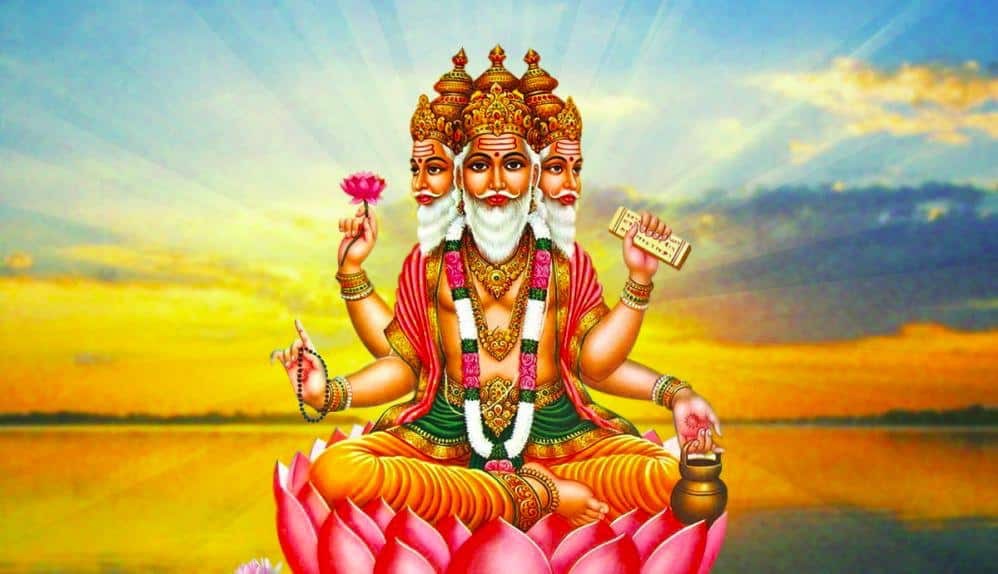
“பருநிலையில் முக்குணங்களுடனாகிய “விராட்” வடிவத்தில் கவனம் செலுத்தக்கூடிய இந்த தியான செயல்முறைக்குப் பிறகு, பட்டத்ரி பக்தர்களை அடுத்த கட்டத்திற்கு அழைத்துச் செல்கிறார் தசகம் 7ல். இதில் குருவாயூரப்பனாக காட்சி தரும் பிரம்மத்தின் வெளிப்பாடு நுட்பமாகிறது. இதில் பரம்பொருளான குருவாயூரப்பனே, “ஹிரண்யகர்ப்பர், நான்முகக் கடவுள், படைப்பாளர் என்றெல்லாம் அழைக்கப்படும் பிரம்மாவின் வடிவமெடுத்து, அண்டங்களின் படைப்புத் தொழிலை நான்முகனாக நடத்துவதை கூறுகிறார் பட்டத்ரி.இது “ஹிரண்யகர்ப உபாஸநா” புரிய உதவம், ஆன்மீக சாதகர்களுக்கு.
பரம்பொருளான, ஶ்ரீ குருவாயூரப்பன் அருளினாலே, தசகம் 7 பற்றிய எனது கல்வியை, இந்த கருட பஞ்சமி நாளில் துவங்கியுள்ளேன். விரைவில், எளியோன் யான் அறிந்ததை, தங்களுடன் பகிர்ந்து கொள்கிறேன்.
விராடபுருட உன் இவ்வடிவம்தனை வினைபுரிந்து கர்மவழி செல்வோர் வினைமுடிவில் செயலிழந்த நேரம் நிலை நிறுத்த வேண்டும் தன்னுள் என மெய்யுணர்ந்த பெரியோர் உரைப்பர் நிர்மல குண வடிவ நீயன்றோ அவ் விராட புருடனெனும் மெய்ப்பொருள்! தீரா என்பிணியைத் தீர்திடு குருவாயூரப்பனே!! 9.10
Human beings who are bound by the law of Karma should remember this Viraat (cosmic) form of Thine, which is of the nature of pure Sattva, at the end of all rituals, and when desirous of liberation and at the time of death. O Lord of Guruvaayur! My salutations to Thee. Please eradicate my ailments.
Meaning of the Sanskrit Words
ईदृक्-जगन्मय-वपु: - तव - such cosmic (Viraat) form of Thee
कर्मभाजां - by all human beings (who are subject to the law of Karma)
कर्म-अवसान-समये - at the end of all vedic karmas and at the time of death
स्मरणीयम्-आहु: - should be remembered, it is said
तस्य-अन्तर-आत्म-वपुषे - (Thou) who are the Indweller of that Viraat form
विमलात्मने ते - (and) Thou who are of the nature of pure Sattva
எம் பிறப்பிறப்புச் சக்கரம் உன் செயல்கள் உம் வீரபராக்ரமன்றோ அசுரர்தம் குழாம் மலைத்தொடர்கள் உன்னுடல் எலும்புகள்
வற்றா நதிகளே உன் குருதிக் குழாய்கள் மரங்களனைத்தும் உன் உரோமங்கள் விரித்துக் கூற இயலா உன் இவ்வடிவம் விளங்கட்டும் ஒளிமயமாய் என் இதயத்தில் கரமதனில் சக்ரமேந்திய சாரங்கனே!! 6.9
O Thou wielder of the discus! Thy activity is the wheel of Samsaara and the host of Asuras are Thy prowess.The mountains are Thy bones, the many rivers are Thy blood streams and the trees are Thy hair. May this indescribable form always shine in me.
Meaning of the Sanskrit Words
संसार-चक्रम्- the wheel of Samsaara ( the cycle of birth and death)
अयि चक्रधर -=O Thou wielder of the discus!
क्रिया: -ते - is Thy activity
वीर्यं महा-असुर-गण: - (Thy) prowess is the host of powerful Asuraas
अस्थि-कुलानि शैला: - (Thy) bones are the mountains
नाड्य: -सरित्-समुदय: - (Thy) blood vessels are the many rivers





 Prabhu's Ponder