
ஒருவரின் இயல்பு (“ஸ்வரூபம்”) என்பது, “சத்சித்அனந்தம், சச்சிதானந்தம், இருப்பு -அறிவு (உணர்வு)-பேரின்பம் என்றெல்லாம் அழைக்கப்படும் இருமையற்ற பரம்பொருளான பிரம்மம் என்பதே என்று அறிந்துணர்வதே அனைத்து மனித முயற்சிகளின் இறுதி இலட்சியம் என்கின்றன நமது மறைகள். இந்த முயற்சிகளின் போது, நாம் பல பிறப்புகளையும் வடிவங்களையும் எடுக்கலாம். எனவே அரிதான இப்பிறவியில் மனிதராகப் பிறந்த, மிகவும் அதிர்ஷ்டசாலிகளான நாம், நமது உண்மை இயல்பான பரம்பொருளெனும் பிரம்மத்தை அறிய, இப்பிறவியிலேயே முயற்சிக்க வேண்டும்.
இம்முயற்சியில் நமக்கு உதவ, ஸ்ரீ. நாராயண பட்டத்திரி தனது காவிய படைப்பான ஸ்ரீமன் நாராயணீயத்தின் முதல் அத்தியாயத்தை (தசகம் 1) இருமையற்ற பிரம்மத்தின் பண்புகள், மகிமை மற்றும் மகத்துவத்தை விவரிப்பதன் மூலம் தொடங்கி, பிரம்மம் இங்கேயே குருவாயூரப்பனின் வடிவத்தில் உடனடியாகக் கிடைக்கிறது என்று கூறினார்.
பின்னர், பரவசத்தில் மூழ்கி, தசகம் 2 இல் பரம்பொருளான, குருவாயூரப்பனின் மகிமையான வடிவத்தை விவரித்தார்.
அடுத்த தசகம் 3, பக்தியில் கவனம் செலுத்துகிறது. பக்தி மார்கம், சுய உணர்தலுக்கான ஆரம்ப பாதையாகவும் இறுதியில் பிரம்மத்தை நோக்கியதாகவும் அவர் கருதுகிறார். இந்த தசகத்தில், தெய்வீக அருளைத் தேடும் ஒரு பக்தரின் உண்மையான இயல்பையும், “வைராக்யம் மற்றும் சிரத்தை”யின் அவசியத்தையும் வலியுறுத்தி அவர் விவரிக்கிறார்.
ஒரு பக்தன்/ ஆன்மீக சாதகன், தன்னுள் இருக்கும் இறையுணர்வினை/ஆன்ம ஆற்றலை அறிந்து அவ்வாற்றலைப் பயன்படுத்தி இறைநிலைக்கு உயர்ந்து இறைவனுடன் ஒன்றிணையும் நிலையே தியான யோகம் எனப்படுகின்றது. இதனைத் தமிழில் தவம் என்பர். இவ்யோக நெறிகள் பலவாகும். அவற்றுள் குறிப்பிடத்தக்க ஒன்றாக விளங்குவது அட்டாங்க யோகமாகும். இவ்வட்டாங்க யோகத்தையே
‘‘இயம நியமமே எண்ணிலா ஆசனம்
நயமுறு பிராணாயாமம் பிரத்தியா காரம்
சயமிகு தாரணை தியானம் சமாதி
அயமுறும் அட்டாங்க மாவது மாமே.
( திருமூலர் – திருமந்திரம்.10 பா.542) என்று திருமூலர் கூறுகிறார்.
தசகம் 4 இல், பட்டத்திரி, இந்த அஷ்டாங்க யோக நுட்பங்களை கோடிட்டுக் காட்டுகிறார். பக்தர்கள் ஆதி அந்தமிலா, நீக்கமற நிறை, இருமைகளிலா பரம்பொருளான குருவாயூரப்பனை அறிந்துணர தியானம் இன்றியமையாத சாதனம்.
அறிவதற்கரிதான இந்த பரம்பொருள் தத்துவத்தை தியானிப்பது என்பது, தேய்ந்து சிதையும் உடல்-மன வளாகத்திற்குள் பிணைக்கப்பட்டு, புறநோக்குடன் பொருளின்பம் தேடும் நம்மைப் போன்ற சாதாரண மனிதர்களுக்கு மிகவும் கடினம். எனவே, பட்டத்திரி தசகம் 5 துவங்கி, படிப்படியான அணுகுமுறையின் மூலம் பரம்பொருளான குருவாயூரப்பனை அறிய உதவுகிறார்.
பேரழிவுக் காலமதில் தன்னிடம் ஒடுங்கிய அனைத்தையும், பரம்பொருளான குருவாயூரப்பன் தன் இயக்க இச்சையால், உலகு படைத்திட்ட பரிணாம செயல்முறைகளை விவரிக்கின்றார் தசகம் 5 இல். அண்டங்களனைத்துமடங்கிய மொத்த நுண்நிலை வெளிப்பாடான “ஹிரண்யகர்பம்”, பருநிலை வெளிப்பாடான “விராட்” இரண்டுமே பரம்பொருளான குருவாயூரப்பனே என எடுத்துரைக்கிறார். ஆக, பரம்பொருளை தியானிக்க ஞானியர் புரியும் இரு உபாசனைகளை (ஹிரண்ய கர்ப உபாஸநா, விராட் உபாஸநா) கோடிட்டுக் காட்டுகிறது இந்த தசகம்.
அதைத் தொடர்ந்து “விராட்” என்று அழைக்கப்படும் அண்ட மொத்த பருநிலை வடிவத்தை விளக்குகிறார். வேதங்களில் போற்றப்படும்படி உள்ள, பதினான்கு உலகங்களைக் கொண்ட அண்ட உடல், எண்ணற்ற கைகள், கால்கள், முகங்கள் போன்ற ஒரு வடிவத்தை அவர் முன்வைக்கிறார். தசகம் 6 இல் விராட் ரூப வடிவத்தின் பல்வேறு பகுதிகளை விவரிக்கத் தொடங்குகிறார். அந்தச் செயல்பாட்டில் அவர் பல்வேறு பகுதிகளை பிரபஞ்சத்தின் பல்வேறு பகுதிகளுடன் அடையாளம் காண்கிறார். இது “விராட் உபாஸநா” புரிய உதவம், ஆன்மீக சாதகர்களுக்கு.
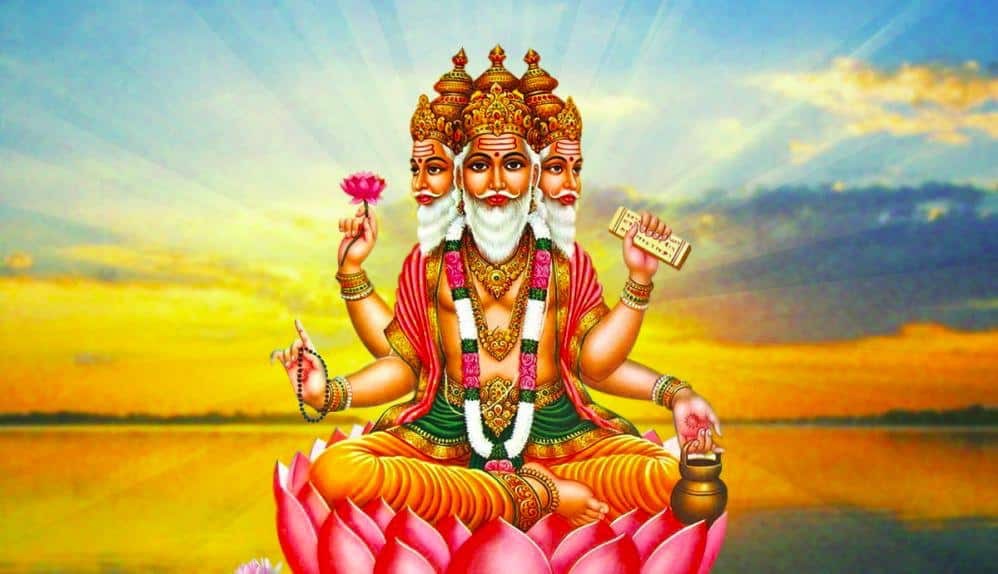
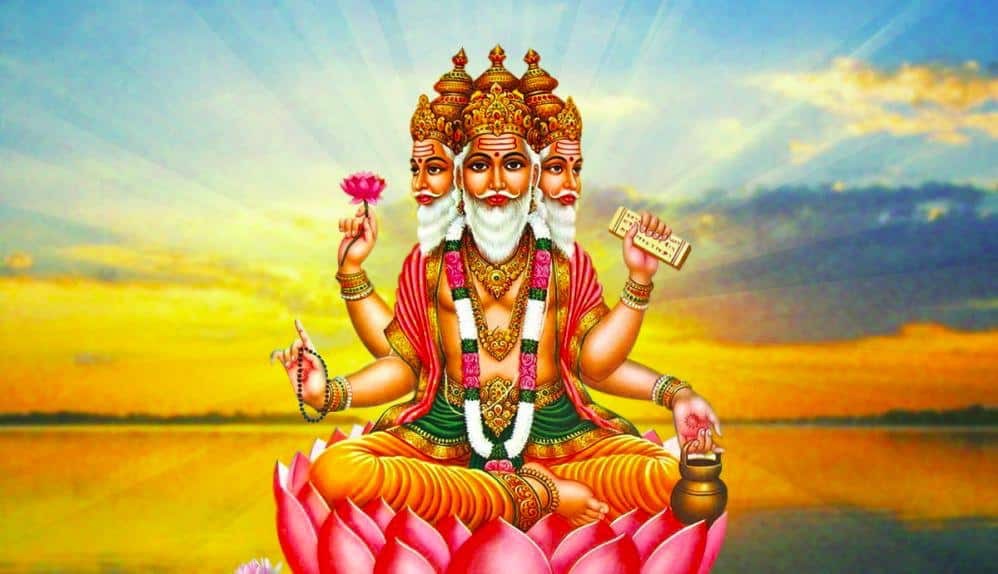
“பருநிலையில் முக்குணங்களுடனாகிய “விராட்” வடிவத்தில் கவனம் செலுத்தக்கூடிய இந்த தியான செயல்முறைக்குப் பிறகு, பட்டத்ரி பக்தர்களை அடுத்த கட்டத்திற்கு அழைத்துச் செல்கிறார் தசகம் 7ல். இதில் குருவாயூரப்பனாக காட்சி தரும் பிரம்மத்தின் வெளிப்பாடு நுட்பமாகிறது. இதில் பரம்பொருளான குருவாயூரப்பனே, “ஹிரண்யகர்ப்பர், நான்முகக் கடவுள், படைப்பாளர் என்றெல்லாம் அழைக்கப்படும் பிரம்மாவின் வடிவமெடுத்து, அண்டங்களின் படைப்புத் தொழிலை நான்முகனாக நடத்துவதை கூறுகிறார் பட்டத்ரி.இது “ஹிரண்யகர்ப உபாஸநா” புரிய உதவம், ஆன்மீக சாதகர்களுக்கு.
பரம்பொருளான, ஶ்ரீ குருவாயூரப்பன் அருளினாலே, தசகம் 7 பற்றிய எனது கல்வியை, இந்த கருட பஞ்சமி நாளில் துவங்கியுள்ளேன். விரைவில், எளியோன் யான் அறிந்ததை, தங்களுடன் பகிர்ந்து கொள்கிறேன்.
இறையருள் பெருக ! வளமுடன் வாழ்க !
 Prabhu's Ponder