The Bhoga Nandeeshwara Temple is one of Karnataka’s oldest and most magnificent hidden gems. Located at the base of Nandi Hills in the village of Nandi (about 60 km from Bangalore), it is far more than just a place of worship; it is a “timeline in stone” that has been continuously expanded for over 1,000 years.
Journey Through Time
Unlike many temples built by a single ruler, Bhoga Nandeeshwara was developed by five successive dynasties, each leaving its unique artistic thumbprint:
• Bana Dynasty (9th Century): The original construction.
• Cholas & Gangas: Added significant structural layers and shrines.
• Hoysalas: Introduced the incredibly intricate stone carvings and the famous marriage hall.
• Vijayanagara Empire: Built the outer walls, the grand gateways (Gopurams), and the massive temple tank.
The Three Stages of Shiva
The temple complex is unique because it houses three distinct shrines representing different stages of Lord Shiva’s life:
2. Bhoga Nandeeshwara (North): Represents his youth. This is the main shrine and usually the most active.
3. Uma-Maheshwara (Center): Represents his marriage. This shrine features an exquisite Kalyana Mantapa (wedding hall) supported by black stone pillars so finely carved they look like they were turned on a lathe.
Key Highlights to Look For
• The Kalyani (Sringeri Teertha): A massive, stepped temple tank surrounded by pillared corridors. On festival nights, thousands of lamps are lit on these steps, creating a breathtaking reflection.
• Intricate Pillars: Look for the “musical” qualities and the minute details of birds, animals, and foliage carved into the dark soapstone.
• The Giant Nandi: In front of the main shrines sits a beautifully sculpted, monolithic Nandi bull, preserved perfectly over the centuries.
ஶிவ - மங்களமானவரே
த்வயி - தங்களிடத்தில்
தாஸ: - அடிமையாக
அஸ்மின் - இருக்கிறேன்
இதி - என்று
நித்யஸித்தம் - எப்போதும் உறுதியாக
மயா - என்னால்
நிவேத்யம் - தெரிவிக்கப்பட வேண்டுமா
அஹம் - நான்
நிர்கதி - கதியின்றி
ஸம்ப்ரமாமி - அலைகிறேன் (உழல்கிறேன்)
யேதத் - இதனை
த்வமபி - தாங்களும்
ஜாநாஸ- அறிவீர்
நாத - தலைவனே
தே - தங்களிடத்தில்
மம - எனக்கு
விஜ்ஞாபநீயம் - தெரிவிக்க, வேண்டிட
அந்யத் - வேறு
கிமபி - ஏதொன்றும்
நாஸ்த்யேவ - இல்லையே
தீநவ்ருத்தே - எளியோன்
மே - என்
ஶரணவரணம் - திருவடி தேர்தலை (சரணாகதி பிராரத்தனையை)
காருண்யாந்- கருணையுடன்
க்ருஹாண - ஏற்பீரே
விளக்கம்
சிவ பெருமானே ! தங்களின், அடிமை யான் என எப்போதும் உறுதியாக என்னால் தெரிவிக்கப்பட வேண்டுமா என்ன ! நான் கதியின்றி அலைகிறேன் (உழல்கிறேன்) என்பதனை தாங்களும் அறிவீர்.தலைவனே ! தங்களிடத்தில் எனக்கு தெரிவிக்க, வேண்டிட வேறு ஏதொன்றும் இல்லையே ! எளியோன் என் திருவடி தேர்தலை (சரணாகதி பிராரத்தனையை) கருணையுடன் ஏற்பீரே !
ஸ்வாமி! நான் உன் தாஸன், உன்னைத் தவிர வேறு கதி எனக்கு இல்லை, என்பதைத் தானே நான் உன்னிடம் சொல்லிக்கொள்ள முடியும். ஆனால் நான் உன் தாஸன் என்பது சாச்வதமாய் ஏற்பட்ட நிலை. ஆதலின் நான் சொல்லிக்கொள்ளாமலே நீ அறிந்த விஷயம். நான் திக்கற்றவனாய் பரிதபிக்கும் நிலையில் காப்பவரின்றிச் சுழன்று கொண்டு வருகிறேன் என்பதும் முற்று முணர்ந்த உனக்குத் தெரியாததில்லை. இவ்விதம் பார்க்குங்கால் நான் உன்னிடம் தெரிவித்திக் கொள்ள வேண்டியது என்ன இருக்கிறது? ஆகையினால் கருணையை முன்னிட்டு மிக்க பரிதாப நிலையிலிருக்கும் என்னுடைய சரணாகதியை ஏற்றுக் கொள்வாயாக.
In Hindu philosophy, we have Swarg (heaven), Narak (hell), and Vaikuntha. It is believed that after a person dies, their soul reaches one of these realms according to their karma. Even though both Swarg and Narak, are considered heavenly, they are not the same.
According to Sanatan Dharma, Swarg is a temporary realm where virtuous souls go to enjoy the rewards of their good deeds. After experiencing these pleasures, the soul must return to the earthly world to continue its karmic journey.
Vaikuntha, on the other hand, is the eternal abode of Lord Vishnu and is said to be beyond the 14 worlds (previous Sloka said this) — a divine, spiritual realm that lies beyond material existence. Those who reach Vaikuntha attain moksha (liberation) and are freed forever from the cycle of birth and death.
Scriptures describe Vaikuntha Dham as a place of eternal bliss and divine light, where there is neither sorrow nor attachment. In Vaikuntha, Lord Vishnu resides with Goddess Lakshmi, Goddess Sri, and Goddess Bhu Devi, surrounded by countless divine attendants. The realm is said to shine brighter than a thousand suns, filled with peace, devotion, and eternal joy. Those who reach here are forever free from the cycle of janma-mrityu (birth and death).
Out of the four means of aiming for Salvation viz., Service, Worship, Unstinted Devotion and Knowledge (“Salokyam, Samipyam, Sarupyam, Sayujyam”), the first two are means of getting rid the fruits of action accumulated over repeated birth-death cycles, the last one represents the Ultimate obtained through “Knowledge of the Self”; it is the most difficult means and only rare ones (one or two in a billion also a high estimate) succeed through this route. However unstinted devotion with desireless service and worship to Lord Vishnu can take us to His World Vaikunta, where one gets away from the cycle of birth-death, thus leading to the Ultimate. This is the inner meaning hidden in this Sloka.
In this Sloka, Bhattathri provides a glimpse of the life out there in Vaikunta. The idea is not to privide details of the “luxury” out there, but to instill a sense of desireless actions and impeccable and absolute devotion to Him, the Lord of Vaikuntha
हरि-मणि-श्यामा-अवदातत्विष: - the brilliant deep blue color of the sapphire like (whose) complexion (is)
नाना-भूषण-रत्न-दीपित-दिश: - adorned with various ornaments studded with lustrous gems (which) light up the quarters
राजत्-विमान-आलया: - residing in aerial cars
भक्ति-प्राप्त-तथा-विध-उन्नत-पदा: - (who have) by devotion (to Thee) attained such high state
दीव्यन्ति - shine
दिव्या: जना: - the divine beings
तत्-ते धाम - (in) that abode of Thine
निरस्त-सर्व-शमलं -=which is free from all taint (sin)
वैकुण्ठ-रूपं - (which is) known as Vaikunth जयेत् may it be victorious
Explanation
In that land of Vaikunta divine souls with four arms,
With the divine glow of blue sapphire,
Adorned with various types of ornaments,
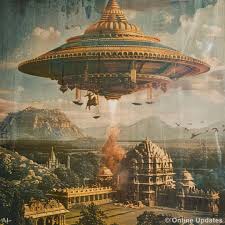
Live and play in greatly shining Aeroplanes,
Where they have reached as a result of their very great devotion
And let that immaculate abode of yours be victorious. 7.5
“In Thy abode which is known as Vaikunth, live the divine beings who have four arms and their complexion is like deep blue lustre of sapphire. They are adorned with various jewels which are studded with gems which enlighten the quarters. They reside in aerial cars. They have achieved this high state by the merit of intense devotion to Thee. Hail to that abode of Thine which is pure and sinless”.
முகவுரை
இந்து தத்துவத்தில், சுவர்க்கம் (சொர்க்கம்), நரகம் (நரகம்) மற்றும் வைகுந்தம் என்ற மூவுலகங்கள் கூறப்பட்டுள்ளன. ஒருவர் இறந்த பிறகு, அவர்களின் ஆன்மா அவர்களின் கர்மாவின் படி இந்த உலகங்களில் ஒன்றை அடைகிறது என்று நம்பப்படுகிறது. சுவர்க்கம் மற்றும் நரகம் இரண்டும் விண்ணுலகமாக கருதப்பட்டாலும், அவை ஒன்றல்ல.
சனாதன தர்மத்தின்படி, சுவர்க்கம் என்பது ஒரு தற்காலிக உலகமாகும், அங்கு நல்லொழுக்கமுள்ள ஆன்மாக்கள் தங்கள் நற்செயல்களின் வெகுமதிகளை அனுபவிக்கச் செல்கின்றன. இந்த இன்பங்களை அனுபவித்த பிறகு, ஆன்மா அதன் கர்ம பயணத்தைத் தொடர பூமிக்குரிய உலகத்திற்குத் திரும்ப வேண்டும்.
மறுபுறம், வைகுந்தம் விஷ்ணுவின் நித்திய தங்குமிடம் மற்றும் 14 உலகங்களுக்கு அப்பாற்பட்டதாகக் கூறப்படுகிறது (முந்தைய ஸ்லோகம் இதைச் சொன்னது) – பொருள் இருப்புக்கு அப்பாற்பட்ட ஒரு தெய்வீக, ஆன்மீக உலகம். வைகுந்தத்தை அடைபவர்கள் மோட்சத்தை (விடுதலை) அடைகிறார்கள் மற்றும் பிறப்பு மற்றும் இறப்பு சுழற்சியிலிருந்து என்றென்றும் விடுவிக்கப்படுகிறார்கள். வேதங்கள் வைகுந்த தாமத்தை நித்திய பேரின்பம் மற்றும் தெய்வீக ஒளியின் இடமாக விவரிக்கின்றன, அங்கு துக்கமோ பற்றுதலோ இல்லை. வைகுண்டத்தில், விஷ்ணு லட்சுமி தேவி, ஸ்ரீ தேவி மற்றும் பூ தேவியுடன், எண்ணற்ற தெய்வீக உதவியாளர்களால் சூழப்பட்டுள்ளார். இந்த உலகம் ஆயிரம் சூரியன்களை விட பிரகாசமாக பிரகாசிப்பதாகவும், அமைதி, பக்தி மற்றும் நித்திய மகிழ்ச்சியால் நிறைந்ததாகவும் கூறப்படுகிறது. இங்கு வருபவர்கள் ஜன்ம-மிருத்யு (பிறப்பு மற்றும் இறப்பு) சுழற்சியிலிருந்து என்றென்றும் விடுபடுகிறார்கள்.
இந்த ஸ்லோகத்தில், பட்டத்ரி வைகுண்டத்தில் உள்ள வாழ்க்கையைப் பற்றிய ஒரு பார்வையை வழங்குகிறார். அப்படி அவர் வழங்குவது, அங்குள்ள “ஆடம்பரம்” பற்றிய விவரங்களை வழங்குவதற்கு அல்ல; மாறாக இப்புவியில் நாம் என்றும், இடைவிடாது, குருவாயூரப்பனாக காட்சி அளித்திடும் வைகுண்டத்தின் இறைவனான திருமாலின் மீது தூய்மையான, முழுமையான பக்தியை செலுத்திட வேண்டும் என்பதனை நினைவூட்டுவதற்காகவே என்பதை அறிந்துணர வேண்டும்.
உம்முடைய வைகுண்டத்தில், ஜனங்கள், பக்தியினால் கிடைத்த உயர்ந்த ஸ்தானத்தினால், நான்கு கைகளுடனும், இந்த்ரநீலக்கல் போன்ற நீல நிறத்துடனும், பல ரத்னங்களால் அலங்கரிக்கப்பட்டும், திவ்ய விமானங்களில் வசித்தும் வருகின்றனர். அப்படிப்பட்ட, பாபங்கள் அற்ற உம்முடைய வைகுண்ட லோகமானது சிறந்து விளங்கட்டும்.
முக்தியை அடைய உதவும் நான்கு வழிகளான சேவை, வழிபாடு, அளவற்ற பக்தி மற்றும் மெய்யறிவு (“சாலோக்யம், சாமீப்யம், சாரூப்யம், சாயுஜ்யம்”) ஆகியவற்றில், முதல் இரு வழிகள் பிறப்பு-இறப்புச் சுழல்கள் வழியாக கர்மவினைகளைத் தீர்த்திடும் வழி. இறுதி வழி “சுய அறிவு” மூலம் பெறப்பட்ட வீடுபேறைக் குறிக்கிறது; இது மிகவும் கடினமான வழி; மிகவும் அரிதானவர்களால் மட்டுமே (ஒரு பில்லியனில் ஒன்று அல்லது இரண்டு என்பதே அதிகம்) இந்த வழியில் வெற்றி பெறுகின்றனர். இருப்பினும், பகவான் விஷ்ணுவின் மீதான, ஆசைகளற்ற சேவை மற்றும் வழிபாட்டுடன் கூடிய அளவற்ற பக்தி நம்மை அவரது உலக வைகுண்டத்திற்கே அழைத்துச் செல்லும். அவ்விடம் அடைவோர், பிறப்பு-இறப்பு சுழற்சியிலிருந்து விடுபடுகின்றனர், இது அவர்களை வீடுபேறு எனும் இறுதி நிலைக்கு இட்டுச் செல்கிறது. இந்த ஸ்லோகத்தில் மறைந்திருக்கும் கருப்பொருள் இதுதான்.
பொறி வென்ற யோகியரின் பெரு முயற்சித் துதிப்பொருளாய், அவர்தம் இறுதி மூச்சுக் காற்று முடியும் தருணமதில், தானே முன்நின்று முக்திக்கு வித்தாகும் மும்மல அச்சம் போக்கிடும் முழுமை அறிவு உரைத்திடும் மும்மறைக் கருவுரை ஆசானுன் மும்மலர்ப்பாதம் பணிந்திடுவேன் எப்போதும் மலையோனே !! 19
சொற்களின் பொருள்
கிரிஶ - மலையோனே விஜிதகரணைர் - பொறிகளை வென்றவர்களான யோகிபி - யோகிகளால் யத்நாத் - பெரு முயற்சியால் த்யாதஹ - தியானிக்கப்படுகின்ற யஹ - எந்த தேவஹ - இறைவன் விமுக்த்யை (விம்ருக்ய:) - மோக்ஷத்தின் பொருட்டு (தேடப்படுகின்ற) தேப்ய: - அந்த யோகிகளுக்கு ப்ராண உத்க்ரமண ஸமயே - பிராணம் உடலிலிருந்து கிளம்பும் சமயம் ஆத்மநா ஏவ - தானே ஸம்நிதாய - காட்சி கொடுத்து (உபதேசித்து, மோக்ஷத்தை அளிக்கிறார்) பவபயஹரம் - பிறவித் துன்பமாகிய அச்சத்தை நீக்குகின்ற தாரகம் - சம்சாரத்தைக் கடக்கின்ற தத் ப்ரஹ்ம - அந்த (அகண்டமான) மெய்ப்பொருளை வ்யாசஷ்டே - உபதேசிக்கிறாரோ தம் - அத்தகைய ப்ரஹ்மவித்யாகுரும் - மெய்யறிவு புகட்டும் ஆசானாகிய த்வாம் - உம்மை அஹம் - நான் ஸததம் - எப்போதும் ஸேவே- வழிபடுகிறேன்
விளக்கம்
பொறிகளை வென்றவர்களான யோகிகளால் பெரு முயற்சியால் தியானிக்கப்படுகின்ற, மோக்ஷத்தின் பொருட்டு தேடப்படுகின்ற, எந்த இறைவன் அந்த யோகிகளுக்கு பிராணம் உடலிலிருந்து கிளம்பும் சமயம் தானே காட்சி கொடுத்து (உபதேசித்து, மோக்ஷத்தை அளிக்கிறார்) பிறவித் துன்பமாகிய அச்சத்தை நீக்குகின்ற சம்சாரத்தைக் கடக்கின்ற அந்த (அகண்டமான) மெய்ப்பொருளை
உபதேசிக்கிறாரோ, அத்தகைய மெய்யறிவு புகட்டும் ஆசானாகிய
உம்மை நான் எப்போதும் வழிபடுகிறேன் என்று பிராரத்திக்கும் தீக்ஷிதர், இந்த ஸ்லோகத்தில் மறைமுகமாக, இந்திரிய நிக்ரஹம் செய்ய முடியாத, தர்மத்தை அனுஷ்டிக்க இயலாதவனாக நான் உனைச் சரணடைகிறேன் கூறுகிறார்.
பிரம்மவித்யை என்ற சொல்
ஜீவனை ப்ரம்மன் என்று புரியவைக்கும் வித்யை.
ஜீவாத்மாவை, பரமாத்மாவாகப் புரியவைக்கின்ற வித்யை.
இறைவனைப் பற்றிய அறிவு
உயிர் இறைவனாகவே இருக்கிறது என்ற அறிவைப் புகட்டுகின்ற வித்யை. (“ஜீவோ ப்ரம்மைவ நா பரஹ”)
த்வைத பக்தி செய்தவனுக்குத்தான் அத்வைத ஞானத்தை உபதேசிக்க முடியும்.
என்றவைகளைப் பற்றியது.
இந்த ஸ்லோகம் நமக்கு கூறுவது:
யோகியாக இருத்தல்.
புலனடக்கம் பழகுதல்.
விடாமுயற்சி செய்து இறைவனை தியானித்தல்
அவ்வாறு தியானிப்பவர்களுக்கு, இறைவனே வந்து அகண்ட ப்ரம்மோபதேசம் செய்வார்.
na tatra sūryo bhāti na candratārakaṃ nemā vidyuto bhānti kuto’yamagniḥ | tameva bhāntamanubhāti sarvaṃ tasya bhāsā sarvamidaṃ vibhāti || 15 ||
Katopanishad (2.2.15) clearly brings out that “The sun does not shine there; nor do the moon and the stars, nor do these lightnings shine. How could this fire? Him shining, all shine after. All this shines by His light”.
This has been restated in Bhagwad Gita (15.6) too by Lord Krishna. Mundaka Upanishad (2.2.11) too states this.
This “causeless cause”, the omniscient, omnipotent, infinitely blissful, self effulgent, eternally existing “consciousness” is what the Scriptures describe as “Parama Padam”, “Vishnu Padam”, “Purushartha Lakshyam (goal of human endeavour). This is what is the ultimate destination called “Moksham”. This indeed is Sri Vaikuntam, the abode of Lord.
In this Sloka, Bhattathri provides an indication of this.
भाते जगद्भ्य: बहि:- (which) shines beyond all the fourteen worlds
शोक-क्रोध-विमोह-साध्वसमुखा:- sorrow, anger, delusion, fear etc.
भावा:-तु दूरं गता: – (such) mental modifications are far beyond
सान्द्रानन्दझरी च – and the torrent of supreme bliss
यत्र परम-ज्योति:-प्रकाशात्मके – where there is the splendour of the supreme light of consciousness
तत्-ते धाम – that abode of Thine
विभावितं – (was) shown (to Brahmaa)
विजयते – shining
वैकुण्ठरूपं – as the Vaikunthloka
विभो – O All pervading Lord!
Explanation
Oh All pervading Lord!
Thy abode Vaikunth is located beyond the fourteen worlds, where Maayaa has no influence and where the modifications of the mind, like sorrow,anger delusion fear are left far behind,such is. It is full of supreme bliss and is engulfed with the constant flow of bright effulgence. That shining divine abode called “Vaikunta”, Thou showed to Brahmaa.
என்கிறது. அதாவது, “ஆத்ம ஸ்வரூபமாக இருக்கக் கூடிய ப்ரம்மத்தை சூரியன், நிலவும், நட்சத்திரங்களும் ஒளிர்விப்பதில்லை. இந்த மின்னலும் ஒளிர்விப்பதில்லை. அப்படியிருக்க, இந்த அக்னியானது எப்படி? (ஒளிர்விக்க இயலும்?). எல்லாவற்றையும் விளங்கிக் கொண்டு, தன்னைத்தானே விளங்கிக் கொண்டிருக்கிற அந்த மெய்ப்பொருளைச் சார்ந்தே (சூரியன் முதலான) அனைத்தும் (அனைத்திலும் புகுந்து) அவற்றை ஒளிர்கின்றன (விளங்கச் செய்கிறது). அதனுடைய (மெய்ப்பொருளினுடைய) ஒளியால்தான் (ஆத்ம சைத்தன்யத்தால்தான்) இவை (சூரியன், நிலவு, நட்சத்திரம், மனம், புத்தி’ யாவும் விதவிதமாக ஒளிர்கின்றன” என்கிறது இந்த வேத மந்திரம்.
இதே மந்திரம், முண்டக உபநிஷத்திலும் (2.2.11) உள்ளது. பகவத் கீதை (15.6) “ந த1த்3பா4ஸயதே1 ஸூர்யோ ந ஶஶாங்கோ1 ந பா1வக1:….. “சூரியனோ, சந்திரனோ, நெருப்போ என்னுடைய அந்த உன்னத இருப்பிடத்தை ஒளிரச் செய்ய முடியாது என்று இந்த மந்திரத்தின் சாரத்தையே கூறுகிறது.
அனைத்திற்கும் ஆதாரமான, காரணமேதுமிலா காரணமான ப்ரம்மமே, பரமபதம், விஷ்ணுபதம், மோக்ஷம், முக்தி, வீடுபேறு என்றெல்லாம் அழைக்கப்படும் தன்னொளிரான (“ஸ்வயம் ப்ரகாஸம்”) , பேரின்ப (“ஆனந்த”), தூய உணர்வின் (“ஸுத்த சைதன்யம்”) இருப்பு (“ஸத்”). ஒன்றே சச்சிதானந்தம் (சத், சித், அனந்தம்). அதுவே இறையின் இருப்பு. அதுவே ஶ்ரீவைகுந்தம். இதனைத்தான் இந்த ஸ்லோகத்தில், பட்டத்ரீ கோடிட்டுக் காட்டுகிறார்.
தமிழில் ஒலிபெயர்ப்பு
மாயா யத்ர கதா₃பி நோ விகுருதே பா₄தே ஜக₃த்₃ப்₄யோ ப₃ஹி:
This Hindu festival celebrating the birth of Lord Surya (the Sun God) and the onset of spring. Known as Surya Jayanti or Arogya Saptami, it marks the sun turning its seven-horse chariot toward the northern hemisphere (Uttarayana), symbolizing light over darkness and the start of warmer, longer days.
Vividly remember going around the bushes in the village and plucking leaves with the flowers (called Calotropis gigantea – “Erukkalam Poo” ) and having early morning bath with the leaves and flowers on the head and pouring water over it. It is called Arunodaya Snan.
Here is my maiden venture into Carnatic Music Composition. As a novice, I have no clue about this genre and its notations. All I heard was the song Muruga Muruga sung by the legendary sisters Radha & Jayalakshmi in the raga Saveri.
माम्-अवदत् पुमान्- (who) spoke to me, the revered person
इति – thus (thinking)
जल-आपूर्णे जगन्मण्डले – in the worlds fully engulfed in water
दिक्षु-उद्वीक्ष्य – in all the directions looking around
किम्-अपि-अनीक्षितवता – anything not seeing
वाक्य-अर्थम्-उत्पश्यता – the meaning of the words then understanding
दिव्यं वर्ष-सहस्रम् -for a thousand divine years
आत्त-तपसा – doing penance
तेन त्वम्-आराधित: – by him (Brahma) Thou were worshipped
तस्मै दर्शितवान्-असि – to him (Brahma) Thou revealed
स्व-निलयं – Thy own abode
वैकुण्ठम्-एक-अद्भुतं – the Vaikunthloka wonderful
Meaning in English
This Sloka gives a clear indication of the Universe, at the beginning of the great deluge called “Pralaya”.
“Who could be the person who directed me to do Tapas” (last Sloka 7.2) ? Brahma looked around in all the directions to look for the revered person who spoke those words. The world was engulfed in water and there was no one to be seen.
Then the meaning of the words dawned on him and for a thousand divine years (360 human years is one divine year) he did penance and worshipped Thee. Thou , then revealed Thy wonderful abode Vaikunth to Brahma.
அண்டமனைத்தும் நீரதனில் ஆழ்ந்திருக்க ஒலித்தது யாரென திக்கெங்கும் தேடிக் காணாது, அச்சொல் அதனின் பொருள் ஆய்ந்தறிந்து ஆயிரம் இறையாண்டு தவம் இருந்த அயனுக்கு ஆண்டவனே உன் இருப்பாம் வைகுண்டமதனின் காட்சிதனை அருளினாயே குருவாயூரப்பனே !!
விளக்கம்
பூமியானது நீரில் மூழ்கியிருக்கும்போது, யார் இவ்வாறு சொல்கிறார்கள் என்று பிரம்மதேவன் எல்லா திக்குகளிலும் தேடியும், ஒன்றும் புலப்படவில்லை. உடனே, அவர் ஆயிரம் தேவ வருஷங்கள் தவம் செய்யத் தொடங்கினார். அப்போது, பிரம்மதேவனுக்கு நீர் உம்முடைய இருப்பிடமான வைகுண்ட லோகத்தைக் காட்டினீர்களல்லவா?
இந்த ஸ்லோகம், இந்த பிரபஞ்சம், பிரளயத்தின் துவக்கத்தில் எப்படி இருந்தது என்பதை கோடிட்டுக் காட்டுகிறது.
विश्व-विसर्ग-दत्त-हृदय: – to create the universe resolving in the heart
सम्पश्यमान: स्वयं – trying to contemplate by himself
बोधं खलु-अनवाप्य – the knowledge (required to create) indeed not getting
विश्वविषयं – about the subject universe
चिन्ता-आकुल: -तस्थिवान् – worried remained
तावत्-त्वं जगतां पते – then Thou O Lord of the universe!
तप तप-इति-एवं हि – Do penance, do penance’ thus indeed
वैहायसीं वाणीं- by a voice from the sky
एनम्-अशिश्रव: – to him (Brahma) made (him) hear
श्रुति-सुखां – (which was) pleasing to the ears
कुर्वन्-तप: प्रेरणाम् – (and) prompted him to do penance
Meaning in English
That Brahma made attempts for creation, but since he did not know anything about the universe became very pensive and very sad. Oh Lord of the universe, then you egged him to do penance,
And whispered to him “Do Thapas, do Thapas” as the voice of the sky. 7.2
Note – Brahma has to create beings in the same manner as in the previous kalpa, i.e., before Praakrita pralaya. Penance is the only way by which he can know what the creation was like in the previous kalpa.
முந்தைய ஸ்லோகத்தில் ஹிரண்யகர்பன் என உரைக்கப்பட்ட அந்த பிரம்மதேவர், உலகைப் படைக்க நினத்தார். படைப்பின் ஞானம் அடையாமல் கவலை அடைந்தார். அப்போது, தவம் செய், தவம் செய் என்று இனிமையான தங்கள் அசரீரி வாக்கைக் கேட்டு மகிழ்ந்து அருந்தவமேற்கொள்ள அடியெடுத்தார்.
குறிப்பு – நான்முகன் படைக்க வேண்டுமெனில், முந்தைய கல்பத்தில் எந்த வடிவங்களில் உயிரினங்களும் மற்றவைகளும் (தாவர ஜங்கமங்கள்) இருந்தனவோ, அதே வடிவங்களில் இக்கல்பத்திலும் இருக்க வேண்டும். இந்த நினைவாற்றலைப் பெற தவம் ஒன்றே வழி என்பதனால், இறைவன் நான்முகனை தவமிருந்திட ஊக்குவிக்கின்றான்.
அம்பரத்தார் முயன்றும் தீர்க்க இயலா அடியாரின் பிறவிப் பிணிதனை மெய் அறிவெனும் மருந்து புகட்டிக் குணம் அளித்திடும் பேர் மருத்துவனை பிறவிப் பெருங்கடல் மூழ்கி உழலும் பேதை யான் அடிபணிந்தேன் அகிலாண்ட நாதனே !! 18
சொற்களின் பொருள்
யஹ - எவரொருவர்
பரைர் - மேலான
அமர்த்யைஹி - தேவர்களால்
கதமபி - எங்கேனும், எப்படியாயினும்
அசிகித்ஸ்யா - குணப்படுத்த இயலாத, தீரக்கமுடியாத
பக்தாக்ர்யாணாம் - முதன்மை பக்தர்களின்
ஸம்ஸாராக்யாம் - உடல் உயிரெடுத்ததால் விளையும் துன்பங்களான
ருஜம் - நோயினை
ஸ்வாத்மபோத ஔஷதேந - தன்னைப் பற்றிய தெளிந்த அறிவு எனும் மருந்தால்
ஶமயதி - தீர்க்கிறாரோ

தம் - அத்தகைய
பவ மஹா தீர்க தீவ்ர அமயேந - பிறவிச் சுழலாகியமிகப் பெரிய, இடைவிடாது ஆழமாகத் துன்புறுத்துகிற நோயால்
க்லிஷ்டோ - அவதிப்படும் (துன்பப்படும்’
அஹம் - நான்
வரத - வேண்டிய வரமளித்திடும்
ஸம்ஸாரவைத்யம் - பிறவிப்பிணிதீர் மருத்துவராம்
த்வாம் - உன்னை
ஶரணம் யாமி - சரணமடைகிறேன்
ஸர்வாதீஶ்வர - அனைத்திற்கும் தலைவனே
விளக்கம்
வாழ்க்கையின் இன்ப துன்ப அனுபவங்களுக்கு சம்சாரம் எனப்பெயர். நிறைவின்மை எனும் நெருடலே சம்சாரம். பவ ரோகம் (பிறவிப் பிணி) என்பர் இதனை. பிறவிப் பிணியை தேவர்களால் தீர்க்க இயலாது. இறைவன் ஒருவனால் மட்டுமே இது சாத்தியம். இந்த ஸம்ஸாரம் என்பது ஒரு ரோகம். இந்த வியாதிக்கு வைத்தியம் செய்ய வேறு ஒரு வைத்தியனாலும் முடியாது. மற்ற தேவர்கள் சில வரங்களைக் கொடுக்கலாம். ஆனால், இந்த ஸம்ஸார வியாதியைத் தீர்க்க அவர்களால் இயலாது.



 Prabhu's Ponder