Sankara’s Smithy 12 – The Seasonal Strike

Introduction

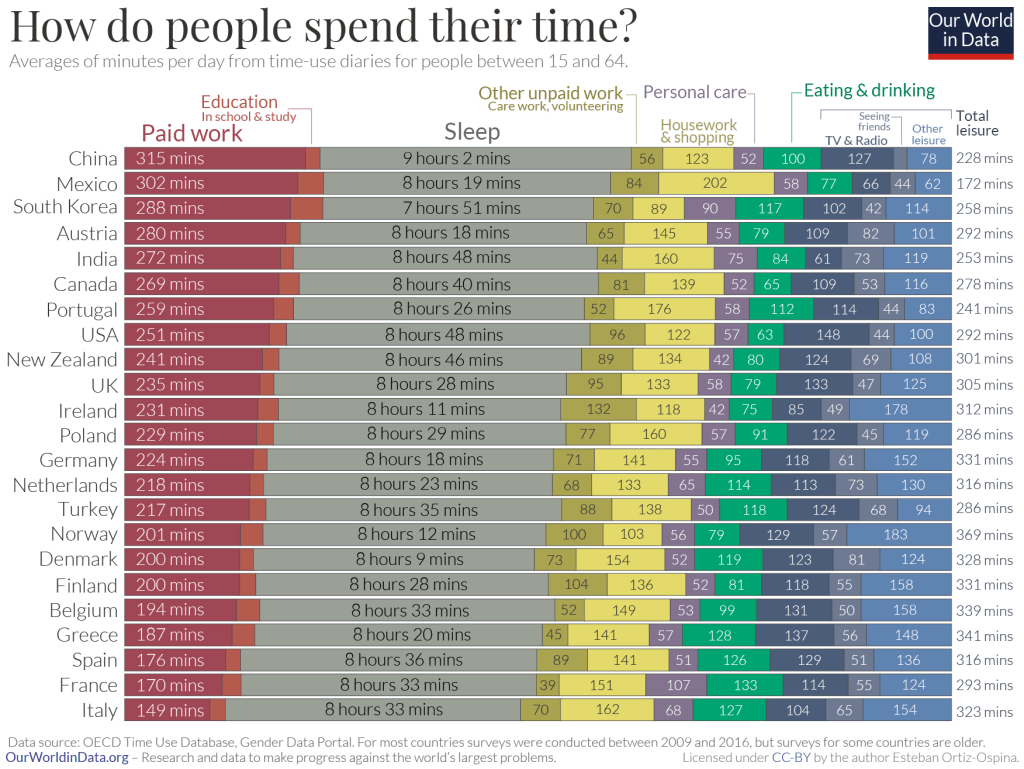
Time and tide wait for no man is an old saying. The wheel of time is constantly moving ahead and waits for no one. The days are passing us by, one after another and the days that have gone by never return. We all know it, don’t we? However how do we do spend our time every day? Here is an interesting statistics:
OurWorldinData
Across the world, we spend the most time working and sleeping; and paid work, housework, leisure, eating and sleeping take together 80-90% of the 1440 minutes that we all have available every day. We hardly have any time for our own self. What a pity!

Here is a time lapse video tailored to depict this state of us.
A dayin our life
We do not know how the whole day passes. We are desperate to wait for the week end, the month end, the year end and the holidays. This goes on and on and on that we do not even heed the passing of each year until suddenly the realisation of “What have I done” comes down like a thunder when the designated time ( Sloka 1 - samprapte sannihite kaale) arrives. Even at that time our desires don’t end. We stil have items to be ticked off in our bucket list.

This is what Adi Sankara brings out in this beautiful Sloka 12. Let us examine this Sloka.

Sanskrit Verse

दिनयामिन्यौ सायं प्रात:

शिशिरवसन्तौ पुनरायात: ।

काल: क्रीडति गछत्यायु

स्तदपि न मुञ्चत्याशावायु: ॥

Adi Sankara

English Transliteration

dinayāminyou sāyam prāta: 

shishiravasantou punarāyāta:

kālakrīdati gachatyāyu:

tadapi na munchatyāshāvāyu:

Meaning of the Sanskrit Words

दिनयामिन्यौ= dina+yAminI=day + night;
सायं= saayam - evening;
प्रातः= praatah - morning;
शिशिर= shishira - frosty season;
वसन्तौ= (and) vasantau - Spring season;
पुनः= punah - again;
आयातः= aayaatah - have arrived;
कालः= kaalah - Master Time;क्
रीडति= kridathi - plays;
गच्छति= gachhathi - goes (away); ebbs away
आयुः= aayuh - life/age;
तदपि= tadapi - tat.h+api, then even;
न= na - not;
मुञ्चति= mun chatthi - releases;
आशा= aasha - desire;
वायुः= vayuh - air (the wind of desire does not let off its hold)

Meaning in English

Day and night, dawn and dusk, winter and spring come and depart again and again. Time thus frolics and plays and life ebbs away. Yet, one does not give up the gusts of desires.

Explanation

Swami Chinmayananda’s eloquent explanation 

“The day decays to end itself in the night. The night dies only to blossom forth into the following day. The dawn grows in vigour and heat to be the noon, but soon wanes away to be the mellow dusk. On the wheel of happenings, the months steadily glide along and, in its soft-footed silent march, the irresistible floods of time roll up in waves of years, sweeping everything in front of its relentless might. Hushed in the silence of its own wonderment, age slips unperceived into its slushy grave.

Time moves on. That which was future becomes the present, and itself rolls away to join the endless ocean of the past. Time never stops, on no condition, for no person! It is ever on the march! Man, gathering memories from his own 'past', barricades his ‘present’, sets them ablaze with his excitements in his day-to-day life, and the rising fumes of his bosom blur his vision to make his life rigged with his anxieties for the ‘future’. As we thus waste ourselves with our endless manoeuvres, in the irresistible stride of time all our hopes and plans get defeated and routed.

Life is at Time's mercy ... In not recognising this, man desires to enjoy the sense-objects, strives, sweats and toils endlessly to acquire, to possess and to aggrandise - to hope, to spend ... And death snatches away everything from him ... He is compelled to leave everything here - and with painful bundles of impressions (vdsands) acquired in his desire-ridden selfish life, the miserable creature departs. How sad! Indeed, how tragic!

Desire for the fleeting, delusory golden-deer is, for the time being, seemingly more powerful for Sita than her infinite love for Rama, her divine beloved. This is delusion at play - maya with a vengeance.

Life steadily ebbs away, but desire fed by the sense gratifications only grows the more by them. Body decays and becomes infirm; it has grown to have no more strength to enjoy, but the man hungers all the more for sense-enjoyments. Death crawls behind; disease and decay accompany him. Piloted by worries and anxieties, this mournful procession reaches the edge of the grave ... Still man wants the joys of the pain-ridden objects.”

Swami Chinmayananda used to quote a beautiful simile. A man is chased by a tiger in the forest. He falls into a well. He is stuck in the well on a branch midway down. If he slips by a fraction of an inch he will plunge into the water below where water snakes are swimming about. The tiger peers threateningly at him from the top. Just then the man is stung by bees. Soon rats are busy gnawing at the creeper on which the man is being supported. A bear comes and claws into the honeycomb on the tree overhanging the well. In this perilous position, with danger at every turn, a drop of honey drips on his face from the honeycomb above. The man, forgetting all his perils, sticks out his tongue to lick it!

This typifies the kind of satisfaction we are seeking in worldly life.
The serpents are one’s binds and bonds or attachments to objects , the well itself represents family life. The rats represent TIME. And the honey in the midst of all these dangers represents the momentary pleasures of sensual life.

Therefore, be wise. Give up desires. Seek the all-satisfying Reality that lies behind the mental show of change and sorrow. The Infinite alone will satisfy you. Seek it with a mind withdrawn from the fever of all passions”.

Conclusion

In Bhagwad Gita, Lord Sri Krishna explains: 

All those who are lured to the sense objects and desire them are not awake but asleep to their nature of completeness which is Self contained and needs no perfection. The Jnani who is the knower of Truth, by the power of renunciation bestowed through Grace is able to restrain the outward going senses and is therefore fully awake to the consequences of allowing the sense organs a free play. As such, the Sage is asleep to the temptations of the world which attract the ignorant ones.

We have to understand that none of the objects of the world can give permanent happiness because of its temporary nature. Only that which is permanent alone can give permanent happiness. Self alone is permanent and hence it alone can give permanent happiness. If this is understood and there by if we have constant thought of the Self, that is only way to over come the delusion with the objects of the world.

The Time cycle is unavoidable; it is a law of Nature. But the cycle of joy and sorrow can be overcome by living in the light of knowledge and discovery of our true nature of spirit. This Sloka is cautioning us and telling us to lead our life intelligently. We should enjoy our life in such a manner that we retain our freedom and, in course of time, discover an inner self-sufficiency so that we become free from the dependence upon the world for our enjoyment.

“For that, in our day to day life we need ABCD, says Swami Paramarthananda - what we need is Appropriate Balanced Clean Desire”

சங்கரனின் வைரக்கூடம் 12 – காலத்தின் கோலம்

நன்றி – ஞானத் தேடல் – திரு. பிரபு (YouTube)

முகவுரை

எனது கோவை நண்பர் திரு. பிரபு அவர்கள், ஒரு அற்புதமான ஒளிப்பதிவில், காலத்தை பற்றி நமது முன்னோர்களின் ஆய்வுகளை விளக்கியுள்ளார். நமது முன்னோர்கள, கண்ணிமைக்கும் நேரத்திலிருந்து ஓராண்டு காலம் வரை பதினான்கு கூறுகளாகவும்,  ஒரு நாளைச் ‘சிறு பொழுது’ என்று ஆறு கூறாகவும், ஓராண்டைப் ‘பெரும்பொழுது’ எனப் பெயரிட்டு ஆறு வகையாகவும் பகுத்தனர். (மேலே உள்ள அட்டவனையைப் பார்க்கவும்). 

வைகறை, விடியல், நன்பகல், மாலை, எற்பாடு, யாமம் என்று ஒரு நாளைப் பகுத்துரைத்தனர். கார் காலம், கூதிர்(குளிர்) காலம், முன்பனிக் காலம், பின்பனிக் காலம், இளவேனில் காலம், முதுவேனில் காலம் என்று ஆண்டினை ஆறு வகைக் காலமாகப் பகுத்துரைத்தனர். இக்காலத்தை அடிப்படையாக வைத்து நமது முன்னோர்கள் பழமொழிகள் பலவற்றைக் கூறி அதன்வழி நமது பண்பாட்டை விளக்கியுள்ளனர்.

1. காலமும் அலையும் காத்திருக்காது.
2. காலம் பொன் போன்றது. கடமை கண் போன்றது.
3. காலம் போற்று.

அதனால் காலம் அறிந்து செயல்பட்டு நாம் வாழ்ந்தால் வாழ்வில் உயரலாம். காலத்தை வீணாக்காது வாழ்தல் வேண்டும். காலத்தைத் தொலைத்து விட்டால் அதனைத் திரும்பப் பெற முடியாது. வாய்ப்பு என்பது எல்லோருக்கும் வரும் அதனை வீணடிக்காது பயன்படுத்திக் கொண்டு வாழ்க்கையில் முன்னேற வேண்டும் என்ற வாழ்வியல் நன்னெறியை இப்பழமொழிகள் நமக்கு வழங்குகின்றன

இதனை நாம் அனைவரும் நன்கு அறிவோம். இருப்பினும் நாம் ஒவ்வொரு நாளும் என்ன செய்கிறோம்? இதோ! 2009-2016 வருடங்களில், உலகமெங்கிலும் உள்ள 15-64 வயது மனிதர்களின் வேலை அட்டைகளின் ஆதாரத்தில் எடுக்கப்பட்ட ஒரு கணிப்பின் புள்ளி விவரம்
OurWorldinData
வேலை நேரம் (அலுவல், வீட்டு வேலைகள்), உறங்கும் நேரம், உண்ணும் நேரம், ஓய்வு (தொலைக்காட்சி, நண்பர்களுடன், மற்றும் இதர நேரம்) என்று, நாம் அனைவரும் ஒவ்வொரு நாளும் கிடைக்கும் 1440 நிமிடங்களில் 80-90% இந்த நான்கு வகை நேரங்களில் செலவிடுகிறோம். நமக்கென்று (நம்மை நாமே அறிந்து கொள்ள, பரம்பொருளை அறிந்திட) நேரமே இல்லை நமக்கு. என்ன ஒரு பரிதாபமான நிலை!

முழு நாள் எப்படி கழிகிறது என்பது கூட நமக்குத் தெரிவதில்லை.. வார இறுதி, மாத இறுதி, ஆண்டு இறுதி மற்றும் விடுமுறை நாட்களுக்காக நாம் காத்திருக்கிறோம். நம்மை அறியாமலே காலம் கடந்து சென்று கொண்டே இருக்கிறது. ஆதி சங்கரர் முதலாவது ஸ்லோகத்தில் கூறியபடி விதித்திட்ட வேளை (ஸம்ப்ராப்தே ஸன்னிஹிதே காலே) ஒரு இடி போல் வரும்போது, “அய்யகோ! நான் என்ன செய்தேன். எனக்கு ஏன் இப்படி?” என்று புலம்பும் வேளையிலும் கூட, ஆசை அலைகள் ஓய்வதில்லை நமக்கு. இது தான் யதார்த்தம்.

இதைத்தான் ஆதிசங்கரர் இந்த அழகான ஸ்லோகம் 12ல் வெளிப்படுத்துகிறார். இந்த ஸ்லோகத்தை ஆராய்வோம்.

சமஸ்க்ருத ஸ்லோகம்

दिनयामिन्यौ सायं प्रात:

शिशिरवसन्तौ पुनरायात: ।

काल: क्रीडति गछत्यायु

स्तदपि न मुञ्चत्याशावायु: ॥

Adi Sankara

தமிழ் ஒலிபெயர்ப்பு

தி3னயா மின்யௌ ஸாயம் ப்ராதஹ

ஷிஷிர வசந்தௌ புனரா யாதஹ |

காலஹ் கிரீட3தி க3ச்சத் யாயுஹு

தத3பிந முஞ்சத் யாஷா வாயுஹு ||

தமிழ் மொழிபெயர்ப்பு

பகலும் இரவும் மாலையும் காலையும்

பனியும் வசந்தமும் மாறிடும் என்றும்

காலத்தின் ஆட்டத்தில் ஆயுளும் முடியும்

ஆசைக் காற்று நீங்கா தெனினும்

சமஸ்க்ருத சொற்களின் பொருட்கள்

दिनयामिन्यौ - தி3னயா மின்யௌ - பகலும் இரவும்
सायं - ஸாயம் - மாலை
प्रात: - ப்ராதஹ - காலை
शिशिरवसन्तौ - ஷிஷிர வசந்தௌ - பனியும் வசந்தமும்
पुनरायात: - புனரா யாதஹ - மறுபடியும் வரும்
काल: - காலஹ் - காலம்
क्रीडति - கிரீட3தி - விளையாடுகிறது
गछत्यायु - க3ச்சத் யாயுஹு - செல்லும் (குறையும்) ஆயுள்
तदपि - தத3பி - இருப்பினும்
न मुञ्चत् - ந முஞ்சத் - இல்லை விடுப்பு
याशावायु: - யாஷா வாயுஹு - அவாவின் காற்றிலிருந்து

விளக்கவுரை

நேரடி பொருள்
காலை, மாலை, இரவு என்று காலச் சக்கரம் விரைந்தோடி விளையாடும்; பருவமும் மாறி, முதுமையும் படரும். இருந்தும் ஆசைக்காற்றிலிருந்து இல்லை விடுப்பு.
விளக்கம்
சுவாமி சின்மயானந்தாவின் அருமையான விளக்கம்

இரவில், தானே சிதைந்து முடியத்தான், பகல் பிறக்கிறது. மறுநாள் பகல் மலருவதற்காகத்தான், இரவு இறக்கிறது. அந்த விடியல் வீரியத்துடனும் வெப்பத்துடனும் வளர்ந்து நண்பகலாக இருக்கும், ஆனால் விரைவில் மறைந்து மென்மையான சாயுங்காலமாக மாறும். இந்த நிகழ்வுகளின் சக்கரத்தில், மாதங்கள் சீராக நகர்கின்றன, அதன் மென்மையான கால்களின் அமைதியான அணிவகுப்பில், காலத்தின் தவிர்க்கமுடியாத வெள்ளம் ஆண்டுகளின் அலைகளாக உருண்டு, அதன் இடைவிடாத வலிமைக்கு முன்னால் அனைத்தையும் துடைக்கிறது. இதனை வியந்து, மௌனத்தில் அமைதியாக இருக்கும் நம் வயது, சேறும் சகதியுமான கல்லறைக்குள் உணரப்படாமல் நழுவி நுழைகிறது. காலச் சக்கரத்தில், எது எதிர்காலமாக இருந்ததோ அதுவே நிகழ்காலமாக மாறி, அதுவே கடந்த காலத்தின் முடிவில்லாத கடலில் சேர உருண்டோடுகிறது. காலம் ஒருபோதும் நிற்காது, எந்த நிபந்தனைக்காகவும் அல்லது எந்த நபருக்காகவும்!

மனிதன், தனது 'கடந்த' கால நினைவுகளால், தனது நிகழ் காலத்திற்கு தடுப்புகளை வைத்து, , அன்றாட வாழ்வின் களிப்பால் அத்தடுப்புகளை எரிக்கிறான். அதனால் அவனுள் எழும் புகைகள் அவனது நோக்கை மங்கலாக்கி, அவனது வாழ்க்கையை எதிர்காலத்தில் எதிர்கொள்ளும் கவலைகளால் கசக்க வைக்கிறது. நாம் இவ்வாறு நமது முடிவில்லாத முயற்சிகளால் நம்மை நாமே வீணடித்துக் கொள்ளும்போது, காலத்தின் தவிர்க்கமுடியாத சுழற்றத்தில், நமது நம்பிக்கைகளும், திட்டங்களும் தோல்வியுற்று அழிகின்றன.

வாழ்க்கை, காலத்தின் கருணையில் உள்ளது. இதை அறியாமல், உடைமைகளப் பெற்று, பெருக்கி, நம்பிக்கையிடன் மகிழ்ந்து வாழ, மனிதன் புலன்களை அனுபவிக்க ஆசைப்படுகிறான், பாடுபடுகிறான், வியர்வை சிந்துகிறான், முடிவில்லாமல் உழைக்கிறான். ஒரு நொடியில் மரணம், அவனிடமிருந்து அனைத்தையும் பறித்து விடுகிறது. அனைத்தையும் இங்கேயே விட்டு விட்டுச் செல்லும் கட்டாயத்தில் இருக்கிறான். ஆசைகள் நிறைந்த, சுயநலம் மிகுந்த வாழ்வில் பெறப்பட்ட வலிமிகுந்த பதிவுகளுடன் (வினைப்பலன்கள்), துன்பகரமாக உயிரினம் வெளியேறுகிறது. எவ்வளவு வருத்தம்! உண்மையில், எவ்வளவு சோகம்!

தனக்குப் பிரியமான தெய்வீகமான கணவன் இராமன் மீதான எல்லையற்ற அன்பைக் காட்டிலும், தற்போதைக்கு, விரைந்தோடும், பொன் மான் மீதான ஆசையே அதிக சக்தி வாய்ந்ததாகத் தோன்றுகிறது. வாழ்வில், மாயையின் விளையாட்டு இதுதான்.

காட்டில் ஒரு மனிதனை புலி துரத்துகிறது. கிணற்றில் விழுகிறான். கிணற்றின் நடுவழியில் உள்ள ஒரு கிளையில் சிக்கிக் கொண்டான். அவன் சிறிது நழுவினால், விடமுள்ள பாம்புகள் நீந்திக் கொண்டிருக்கும் கீழே உள்ள தண்ணீரில் வீழ்வான். புலி மேலிருந்து அவனை அச்சுறுத்தும். அப்போதுதான் அந்த மனிதனை தேனீக்கள் கொட்டுகின்றன. கிணற்றுப் பொந்தில் வசிக்கும் எலிகள், அந்த மனிதன் பற்றிக்கொண்டிருக்கும் கொடியை கடிப்பதில் மும்முரமாக இருக்கின்றன. ஒரு கரடி வந்து கிணற்றின் மேல் இருக்கும் மரத்திலுள்ள தேன் கூட்டை கலைத்து தேனை உண்ண முயல்கிறது. மேலே உள்ள தேன் கூட்டிலிருந்து ஒரு துளி தேன் அவரது முகத்தில் வடிகிறது. இந்த ஆபத்தான நிலையில், ஒவ்வொரு திருப்பத்திலும் ஆபத்துடன் இருக்கும் மனிதன், தனது எல்லா ஆபத்துகளையும் மறந்து, அந்த தேனை சுவைக்க தன் நாக்கை நீட்டுகிறான்! உலக வாழ்க்கையில் நாம் தேடும் திருப்தியை இது குறிக்கிறது.
பாம்புகள் என்பது ஒருவரின் பிணைப்புகள் மற்றும் பிணைப்புகள் அல்லது பொருள்களுடனான இணைப்புகள், கிணறு குடும்ப வாழ்க்கையை குறிக்கிறது. எலிகள் காலத்தைக் குறிக்கின்றன. இந்த எல்லா ஆபத்துகளுக்கும் நடுவில் உள்ள தேன் சிற்றின்ப வாழ்க்கையின் கணநேர இன்பங்களைக் குறிக்கிறது

ஆண்டுகள் கடந்து, வாழும் காலம் சீராக குறைந்தாலும், தெவிட்டா புலன் இன்ப இச்சைகள் மட்டுமே அதிகமாக வளர்கிறது. காலப் போக்கில், உடல் சிதைந்து பலவீனமடைந்து அனுபவிக்கும் வலிமை இல்லாத அளவுக்கு வளர்ந்துவிட்டது; எனினும் மனிதன் புலன் இன்பங்களுக்காக அதிகமாக ஏங்குகிறான். மரணம் பின்னால் ஊர்ந்து வந்து கொண்டிருக்கிறது. நோய் நொடி கலந்து, கவலைகள் உந்தும் இந்த துக்க ஊர்வலம், கல்லறை விளிம்பை அடைகிறது. இந்நிலையிலும் மனிதன் அல்லல் நிறைந்த ஆசைகளை விடுவதில்லை. இறப்பதற்குமுன் நிறைவேற்ற வேண்டிய ஆசைகளின் பட்டியல் (ஆங்கிலத்தில் bucket list) நீண்டுகொண்டேதானே இருக்கிறது. எனவே ஆசைகளைக் களைந்து, மனமெனும் மேடையில் நடைபெறும் அவா, பற்று இவைகளின் ஆட்டத்தை நிறுத்தி, அமைதியான மனநிலை பெற்று, நிலையான பேரின்பத்தைத் தரும் மெய்ப்பொருளை நாடு.

முடிவுரை

இந்த ஸ்லோகம் நம்மை எச்சரித்து, புத்திசாலித்தனமாக வாழ்க்கையை நடத்தச் சொல்கிறது. பொருளை அனுபவிக்கலாம். ஆனால் பொருட்கள் நம்மை அனுபவிக்க விடக்கூடாது. நமது சுதந்திரத்தைத் தக்கவைத்து, காலப்போக்கில் தன்னிறைவை நம்முள் கண்டறியும் விதத்தில் நாம் நம் வாழ்க்கையை அனுபவிக்க வேண்டும். அதற்கு நாம், நம் இன்பத்திற்காக உலகைச் சார்ந்திருப்பதிலிருந்து  விடுபட வேண்டும்.

உலகின் எந்தப் பொருளும் அதன் தற்காலிகத் தன்மையால் நிரந்தரமான மகிழ்ச்சியைத் தராது என்பதை நாம் புரிந்து கொள்ள வேண்டும். எது நிரந்தரமாக இருக்கிறதோ அதுதான் நிரந்தரமான மகிழ்ச்சியைத் தரும். பரம்பொருள் மட்டுமே நிரந்தரமானது எனவே அது மட்டுமே நிரந்தர மகிழ்ச்சியை அளிக்கும். இதைப் புரிந்துகொண்டு, நாம் தொடர்ந்து சுயமாகச் சிந்தித்துக் கொண்டிருந்தால், அதுவே உலகப் பொருட்களின் மீதான மாயையை போக்க ஒரே வழி.