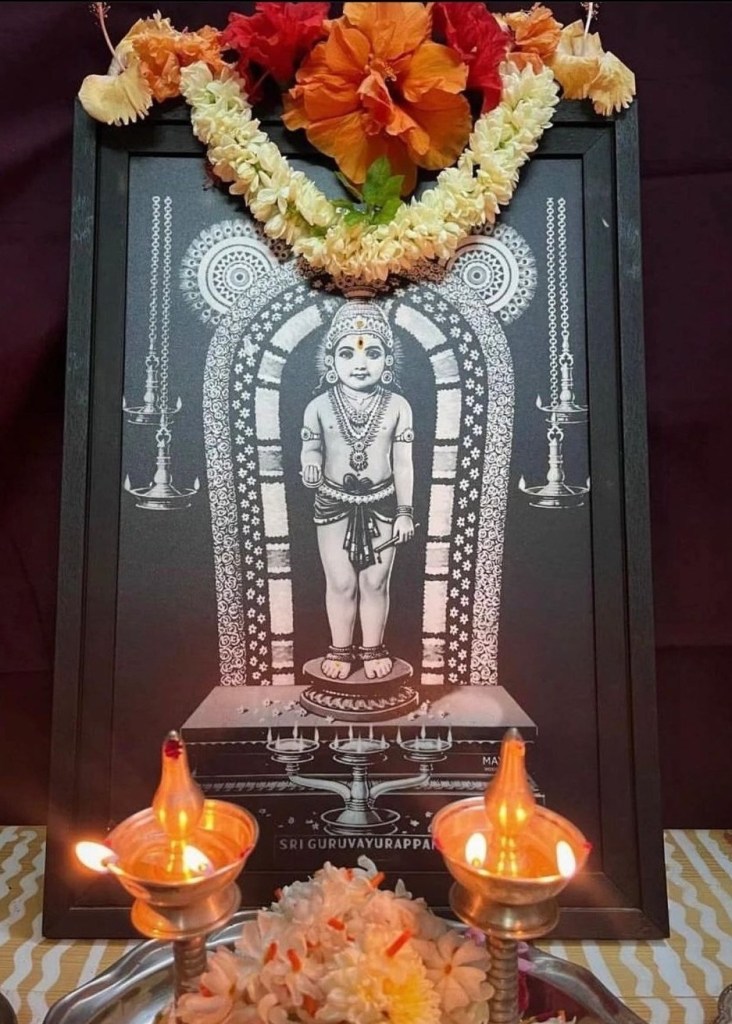
Sriman Narayaneeyam – Dasakam 7 – Sloka 6 – ஶ்ரீமந் நாராயணீயம் – தசகம் 7 – ஸ்லோகம் 6 

Audio Links

https://www.dropbox.com/scl/fi/3roncofxo3d5eoesx4lpz/7.6.mp3?rlkey=0unuc3j1twyugglxsdptix5ai&st=y3igq72g&dl=0

https://www.dropbox.com/scl/fi/di5xw7r3bn5ryui6q2sop/7.6B.mp3?rlkey=obpw7gstgp8pwvz67am60l933&st=kpn18fus&dl=0

Introduction 

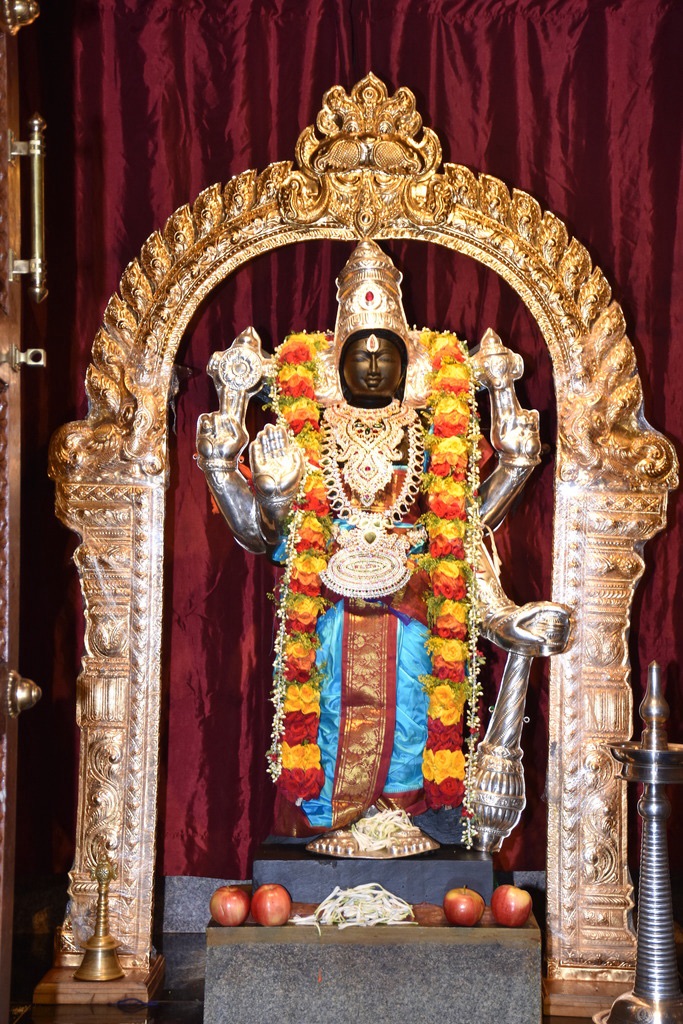
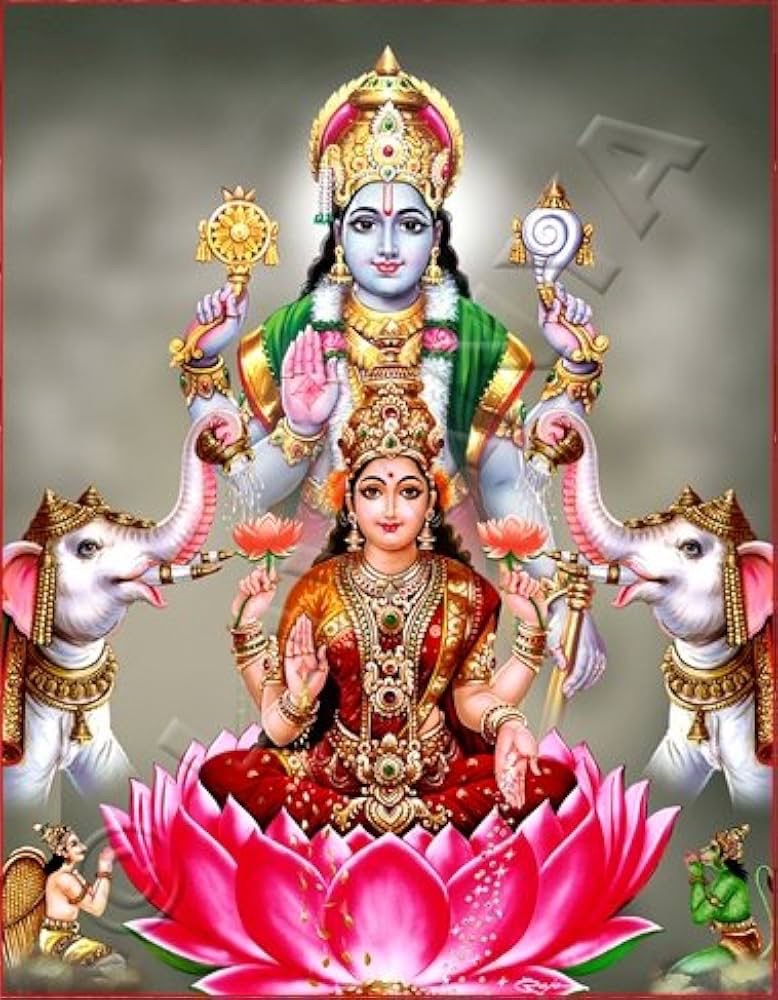
This Sloka presents Goddess Lakshmi who shines in all Her splendour in front of all the devotees who have obtained “Sarupya Mukti” as described in the earlier Slokas and gathered at Vaikunta Loka.

Goddess Lakshmi is projected as unsteady in nature while dealing with her devotees. We see in our daily lives, some who become overnight millionaires and some who became paupers from being extremely rich. We have heard “rags to riches” stories and vice versa too. Unpredictability being the trade mark of Goddess Lakshmi, her form is quite often compared to lightning.

The Sri Suktam (or Shri Suktam) is an ancient and powerful Vedic hymn of sixteen verses found as a supplement to the Rig Veda, dedicated to invoking the divine Mother Goddess in the form of Lakshmi, the embodiment of prosperity and abundance (Sri). 

Narayana Bhattathri in this Sloka 6, keeps this essence of Sri Suktam in his mind, when he describes the divine beauty of Goddess Lakshmi. 

Sanskrit Verse


नानादिव्यवधूजनैरभिवृता विद्युल्लतातुल्यया
विश्वोन्मादनहृद्यगात्रलतया विद्योतिताशान्तरा ।
त्वत्पादांबुजसौरभैककुतुकाल्लक्ष्मी: स्वयं लक्ष्यते
यस्मिन् विस्मयनीयदिव्यविभवं तत्ते पदं देहि मे ॥६॥

English Transliteration 

naanaadivyavadhuujanairabhivR^itaa vidyullataatulyayaa

vishvOnmaadanahR^idyagaatralatayaa vidyOtitaashaantaraa |

tvatpaadaambujasaurabhaikakutukaallakshmiiH svayaM lakshyate

yasmin vismayaniiyadivyavibhavaa tatte padaM dehi me ||

Meaning of the Words


नाना-दिव्य-वधू-जनै: – by various divine damsels

अभिवृता(who is) – attended 

विद्युत्-लता-तुल्यया – (who is) like a streak of lightning

विश्व-उन्मादन-हृद्य-गात्र-लतयाthe – world is enchanted and captivated by (whose) slender and charming form

विद्योतित-आशान्तरा – (who) illumines the quarters

त्वत्-पाद-अम्बुज-सौरभैक-कुतुकात् – to Thy lotus feet fragrance being attached to 

लक्ष्मी: स्वयं लक्ष्यते – where Laxmi herself is seen

यस्मिन् – in which (Vaikunth)

विस्मयनीय-दिव्य-विभवं – in astounding divine riches (which) aboun

dतत्-ते पदं देहि मेthat – Thy abode grant me

Explanation 

O Lord! That abode of Thine Vaikunth, where Laxmi Thy consort resides, is attended to by various celestial damsels. Her, Laxmi’s, slender and beautiful form is like the streak of lightening which enchants and captivates the whole world and enlightens the quarters. She being deeply attached to the fragrance of Thy lotus feet is herself always there, in Vaikunth, which abounds in astounding divine riches. O Lord that abode of Thine grant to me.

முகவுரை 

இந்த ஸ்லோகம், முந்தைய ஸ்லோகங்களில் விவரிக்கப்பட்டுள்ளபடி “சாருப்ய முக்தி” பெற்று வைகுண்ட லோகத்தில் கூடியிருக்கும் அனைத்து பக்தர்களுக்கும் முன்னால், தனது முழு மகிமையிலும் பிரகாசிக்கும் லட்சுமி தேவியை முன்வைக்கிறது.

லட்சுமி தேவி தனது பக்தர்களுடன் பழகும்போது நிலையற்ற தன்மை கொண்டவராகக் காட்டப்படுகிறார். நம் அன்றாட வாழ்வில், சிலர் ஒரே இரவில் கோடீஸ்வரர்களாகவும், சிலர் மிகவும் பணக்காரர்களாக இருந்து ஏழைகளாகவும் மாறியதைக் காண்கிறோம். கணிக்க முடியாத தன்மை லட்சுமி தேவியின் வர்த்தக முத்திரையாக இருப்பதால், அவளுடைய வடிவம் பெரும்பாலும் மின்னலுடன் ஒப்பிடப்படுகிறது.

ஸ்ரீ சூக்தம் என்பது ரிக் வேதத்திற்கு கூடுதல் இணைப்பாக காணப்படும் பதினாறு வசனங்களைக் கொண்ட ஒரு பழமையான மற்றும் சக்திவாய்ந்த வேத மந்திரம். இது செழிப்பு மற்றும் வளம் இவைகளின் உருவகமான (சமஸ்க்ருதத்தில் இவை “ஸ்ரீ” என்ற சொல்லாகும்) லட்சுமியின் வடிவத்தை ஸ்ரீ சூக்தம் விவரிக்கிறது.

நாராயண பட்டத்ரி, லட்சுமி தேவியின் தெய்வீக அழகை விவரிக்கும்போது, ஸ்ரீ சூக்தத்தின் இந்த சாரத்தை மனதில் வைத்திருக்கிறார் என்றால் அது மிகையாகாது 

தமிழில் ஒலிபெயர்ப்பு

நாநாதி₃வ்யவதூ₄ஜநைரபி₄வ்ருதா வித்₃யுல்லதாதுல்யயா

விஶ்வோந்மாத₃நஹ்ருத்₃யகா₃த்ரலதயா வித்₃யோதிதாஶாந்தரா |

த்வத்பாதா₃ம்பு₃ஜஸௌரபை₄ககுதுகால்லக்ஷ்மீ: ஸ்வயம் லக்ஷ்யதே

யஸ்மிந் விஸ்மயநீயதி₃வ்யவிப₄வம் தத்தே பத₃ம் தே₃ஹி மே || 6||

தமிழாக்கம்


பணிவிடைபுரி பல தேவ கன்னிகை புடைசூழ
கொடி மின்னலொப்ப, உலகு கவர்ந்து மயக்கிடும்
மென்மை உடல் வனப்புடனே ஒளிர்விக்கும் 
நிலையிலாத் திருமகள் உன் கமல மலர் பாத
நறுமணம் நாடி நிலைத்திட்டு ஒளிர்விடும்
வியக்கிடும் வளம் நிறை வைகுந்தமதில்
புகலிடம் தந்திடுவாய் அடியேனுக்கு !! 7.6

விளக்கம்

அந்த வைகுண்டத்தில், ஸ்ரீ மகாலக்ஷ்மியானவள், தேவப்பெண்களால் சூழப்பட்டு, மின்னல் கொடி போன்ற அழகிய கொடி போன்ற உடலால் திக்குகளைப் பிரகாசிக்கச் செய்கிறாள். தங்கள் பாதத் தாமரையின் வாசனையை முகர்வதில் உள்ள ஆசையினால் அங்கு  எப்போதும் காணப்படுகிறாள். அத்தகைய தங்கள் ஸ்தானமான வைகுந்தத்தை எனக்குத் தந்தருள வேண்டும்.

இறையருள் பெருக ! வளமுடன் வாழ்க 
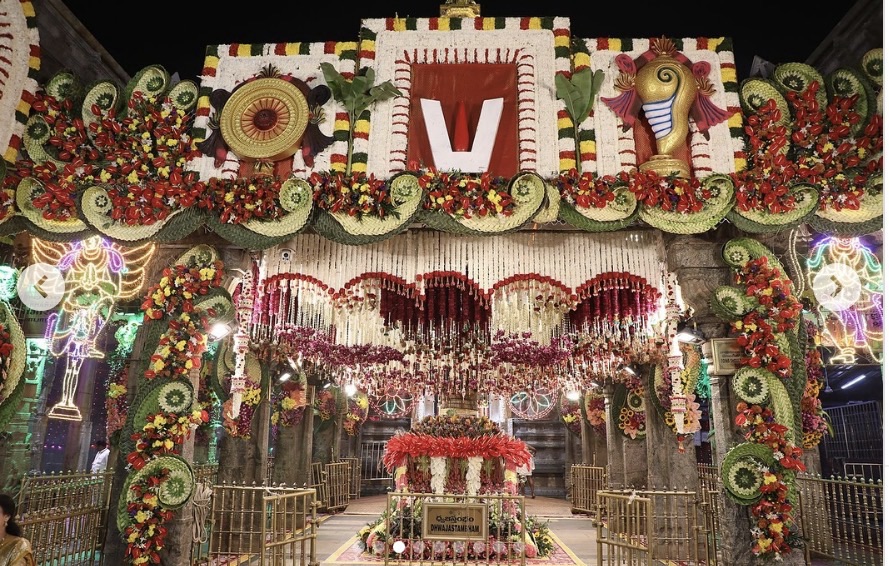

Sriman Narayaneeyam – Dasakam 7 – Sloka 4 – ஶ்ரீமந் நாராயணீயம் – தசகம் 7 – ஸ்லோகம் 4 – வைகுண்ட ரூபம்.

Audio Links

https://www.dropbox.com/scl/fi/mghhugrissynatax5ba24/7.4.mp3?rlkey=dupo0m30bdtzyxfq7ipxi57sv&st=pqvg4rms&dl=0

https://www.dropbox.com/scl/fi/ad19av23rjzamkp9cy1l3/7.4B.mp3?rlkey=xeb6loqbbclf2lhaxq1vwuydm&st=jd1uwmi1&dl=0

Introduction

na tatra sūryo bhāti na candratārakaṃ nemā vidyuto bhānti kuto’yamagniḥ | 
tameva bhāntamanubhāti sarvaṃ tasya bhāsā sarvamidaṃ vibhāti || 15 ||

Katopanishad (2.2.15) clearly brings out that “The sun does not shine there; nor do the moon and the stars, nor do these lightnings shine. How could this fire? Him shining, all shine after. All this shines by His light”.

This has been restated in Bhagwad Gita (15.6) too by Lord Krishna. Mundaka Upanishad (2.2.11) too states this.

This “causeless cause”, the omniscient, omnipotent, infinitely blissful, self effulgent, eternally existing “consciousness” is what the Scriptures describe as “Parama Padam”, “Vishnu Padam”, “Purushartha Lakshyam (goal of human endeavour). This is what is the ultimate destination called “Moksham”. This indeed is Sri Vaikuntam, the abode of Lord.

In this Sloka, Bhattathri provides an indication of this.

Sanskrit Verse


माया यत्र कदापि नो विकुरुते भाते जगद्भ्यो बहि:
शोकक्रोधविमोहसाध्वसमुखा भावास्तु दूरं गता: ।
सान्द्रानन्दझरी च यत्र परमज्योति:प्रकाशात्मके
तत्ते धाम विभावितं विजयते वैकुण्ठरूपं विभो ॥४॥

English Transliteration

maayaa yatra kadaapi nO vikurute bhaate jagadbhyO bahiH

shOkakrOdhavimOhasaadhvasamukhaa bhaavaastu duuraM gataaH |

saandraanandajharii cha yatra paramajyOtiHprakaashaatmake

tatte dhaama vibhaavitaM vijayate vaikuNTharuupaM vibhO ||

Meaning of the Words

माया यत्र – Maayaa where

कदापि नो विकुरुते – never produces modifications

भाते जगद्भ्य: बहि:- (which) shines beyond all the fourteen worlds

शोक-क्रोध-विमोह-साध्वसमुखा:- sorrow, anger, delusion, fear etc.

भावा:-तु दूरं गता: – (such) mental modifications are far beyond

सान्द्रानन्दझरी च – and the torrent of supreme bliss

यत्र परम-ज्योति:-प्रकाशात्मके – where there is the splendour of the supreme light of consciousness

तत्-ते धाम – that abode of Thine

विभावितं – (was) shown (to Brahmaa)

विजयते – shining

वैकुण्ठरूपं – as the Vaikunthloka

विभो – O All pervading Lord!

Explanation

Oh All pervading Lord!

Thy abode Vaikunth is located beyond the fourteen worlds, where Maayaa has no influence and where the modifications of the mind, like sorrow,anger delusion fear are left far behind,such is. It is full of supreme bliss and is engulfed with the constant flow of bright effulgence. That shining divine abode called “Vaikunta”, Thou showed to Brahmaa.

முகவுரை

கடோபநிஷத் மந்திரம் (2.2.15)

ந தத்ர ஸூர்யோ பா⁴தி ந சந்த்³ரதாரகம்
நேமா வித்³யுதோ பா⁴ந்தி குதோ(அ)யமக்³நி꞉ ।
தமேவ பா⁴ந்தமநுபா⁴தி ஸர்வம்
தஸ்ய பா⁴ஸா ஸர்வமித³ம் விபா⁴தி ॥ 15 ॥

கடோபநிஷத் 2.2.15

என்கிறது. அதாவது,  “ஆத்ம ஸ்வரூபமாக இருக்கக் கூடிய ப்ரம்மத்தை சூரியன், நிலவும், நட்சத்திரங்களும் ஒளிர்விப்பதில்லை. இந்த மின்னலும் ஒளிர்விப்பதில்லை. அப்படியிருக்க, இந்த அக்னியானது எப்படி? (ஒளிர்விக்க இயலும்?). எல்லாவற்றையும் விளங்கிக் கொண்டு, தன்னைத்தானே விளங்கிக் கொண்டிருக்கிற அந்த மெய்ப்பொருளைச் சார்ந்தே (சூரியன் முதலான) அனைத்தும் (அனைத்திலும் புகுந்து) அவற்றை ஒளிர்கின்றன (விளங்கச் செய்கிறது). அதனுடைய (மெய்ப்பொருளினுடைய) ஒளியால்தான் (ஆத்ம சைத்தன்யத்தால்தான்) இவை (சூரியன், நிலவு, நட்சத்திரம், மனம், புத்தி’ யாவும் விதவிதமாக  ஒளிர்கின்றன” என்கிறது இந்த வேத மந்திரம். 

இதே மந்திரம், முண்டக உபநிஷத்திலும் (2.2.11) உள்ளது. பகவத் கீதை (15.6) “ந த1த்3பா4ஸயதே1 ஸூர்யோ ந ஶஶாங்கோ1 ந பா1வக1:….. “சூரியனோ, சந்திரனோ, நெருப்போ என்னுடைய அந்த உன்னத இருப்பிடத்தை ஒளிரச் செய்ய முடியாது என்று இந்த மந்திரத்தின் சாரத்தையே கூறுகிறது. 

அனைத்திற்கும் ஆதாரமான, காரணமேதுமிலா காரணமான ப்ரம்மமே, பரமபதம், விஷ்ணுபதம், மோக்‌ஷம், முக்தி, வீடுபேறு என்றெல்லாம் அழைக்கப்படும் தன்னொளிரான (“ஸ்வயம் ப்ரகாஸம்”) , பேரின்ப (“ஆனந்த”), தூய உணர்வின் (“ஸுத்த சைதன்யம்”) இருப்பு (“ஸத்”). ஒன்றே சச்சிதானந்தம் (சத், சித், அனந்தம்). அதுவே இறையின் இருப்பு. அதுவே ஶ்ரீவைகுந்தம். இதனைத்தான் இந்த ஸ்லோகத்தில், பட்டத்ரீ கோடிட்டுக் காட்டுகிறார்.

தமிழில் ஒலிபெயர்ப்பு

மாயா யத்ர கதா₃பி நோ விகுருதே பா₄தே ஜக₃த்₃ப்₄யோ ப₃ஹி:

ஶோகக்ரோத₄விமோஹஸாத்₄வஸமுகா₂ பா₄வாஸ்து தூ₃ரம்ʼ க₃தா: |

ஸாந்த்₃ராநந்த₃ஜ₂ரீ ச யத்ர பரமஜ்யோதி:ப்ரகாஶாத்மகே

தத்தே தா₄ம விபா₄விதம்ʼ விஜயதே வைகுண்ட₂ரூபம் விபோ₄ || 4||

தமிழாக்கம்

இரேழு உலகுக்கப்பால் அருட்பெரும் ஜோதியென
ஒளிர்விடும் பரம்பொருளான நீக்கமற நிறையோனே !

ஒருபோதும் அங்கில்லை மாயையின் வெளிப்பாடு !
சோக, கோப, மருள், அச்ச உணர்வு
இவை அனைத்தும் தொலைந்தனவே அங்கு !

உன்னுலகமாம்ஒளிர்விடும் அவ்வைகுண்ட காட்சிதனை
உவந்தளித்திட்டனையே உந்திபூத்தனுக்கு குருவாயூரப்பனே !!

விளக்கம்

எங்கும் நிறைந்தவனே! ஈரேழு உலகங்களிலும் பிரகாசிக்கின்றதும், துக்கம், கோபம், அக்ஞானம், பயம் முதலிய உணர்ச்சிகள் அற்றதும், மாயையற்றதும், பரமானந்த வெள்ளத்தில் மூழ்கி இருப்பதுமான உம்முடைய லோகமான வைகுண்ட லோகத்தை பிரம்மனுக்குக் காட்டினீர்.

இறையருள் பெருக ! வளமுடன் வாழ்க !

Sriman Narayaneeyam – Dasakam 7 – Sloka 3 – ஶ்ரீமந் நாராயணீயம் – தசகம் 7 – ஸ்லோகம் 3

Audio Links

https://www.dropbox.com/scl/fi/k9g3rgyz59pnstdn5oc3n/7.3.mp3?rlkey=4pyqt3n5mpms4epzlng4qiipk&st=psse4gzi&dl=0

https://www.dropbox.com/scl/fi/yh9zsj1ziza329230lyoj/7.3B.mp3?rlkey=zuym6y2fbag2t2exzldbmv89s&st=gy0yzti4&dl=0

Sanskrit Verse

कोऽसौ मामवदत् पुमानिति जलापूर्णे जगन्मण्डले
दिक्षूद्वीक्ष्य किमप्यनीक्षितवता वाक्यार्थमुत्पश्यता ।
दिव्यं वर्षसहस्रमात्ततपसा तेन त्वमाराधित –
स्तस्मै दर्शितवानसि स्वनिलयं वैकुण्ठमेकाद्भुतम् ॥३॥

English Transliteration 

kO(a)sau maamavadat pumaaniti jalaapuurNe jaganmaNDale

dikshuudviikshya kimapyaniikshitavataa vaakyaarthamutpashyataa |

divyaM varShasahasramaattatapasaa tena tvamaaraadhitastasmai

darshitavaanasi svanilayaM vaikuNThamekaa(a)dbhutam ||

Meaning of the words

क: -असौ – who is it

माम्-अवदत् पुमान्- (who) spoke to me, the revered person

इति – thus (thinking)

जल-आपूर्णे जगन्मण्डले – in the worlds fully engulfed in water

दिक्षु-उद्वीक्ष्य – in all the directions looking around

किम्-अपि-अनीक्षितवता – anything not seeing

वाक्य-अर्थम्-उत्पश्यता – the meaning of the words then understanding

दिव्यं वर्ष-सहस्रम् -for a thousand divine years

आत्त-तपसा – doing penance

तेन त्वम्-आराधित: – by him (Brahma) Thou were worshipped

तस्मै दर्शितवान्-असि – to him (Brahma) Thou revealed

स्व-निलयं – Thy own abode

वैकुण्ठम्-एक-अद्भुतं – the Vaikunthloka wonderful

Meaning in English 

This Sloka gives a clear indication of the Universe, at the beginning of the great deluge called “Pralaya”.

“Who could be the person who directed me to do Tapas” (last Sloka 7.2) ? Brahma looked around in all the directions to look for the revered person who spoke those words. The world was engulfed in water and there was no one to be seen.

Then the meaning of the words dawned on him and for a thousand divine years (360 human years is one divine year) he did penance and worshipped Thee. Thou , then revealed Thy wonderful abode Vaikunth to Brahma.

தமிழ் ஒலி பெயர்ப்பு

கோ(அ)ஸௌ மாமவத₃த் புமாநிதி ஜலாபூர்ணே ஜக₃ந்மண்ட₃லே

தி₃க்ஷூத்₃வீக்ஷ்ய கிமப்யநீக்ஷிதவதா வாக்யார்த₂முத்பஶ்யதா |

தி₃வ்யம் வர்ஷஸஹஸ்ரமாத்ததபஸா தேந த்வமாராதி₄த –

ஸ்தஸ்மை த₃ர்ஶிதவாநஸி ஸ்வநிலயம் வைகுண்ட₂மேகாத்₃பு₄தம் || 3||

தமிழாக்கம்

அண்டமனைத்தும் நீரதனில் ஆழ்ந்திருக்க
ஒலித்தது யாரென திக்கெங்கும் தேடிக் காணாது,
அச்சொல் அதனின் பொருள் ஆய்ந்தறிந்து
ஆயிரம் இறையாண்டு தவம் இருந்த அயனுக்கு
ஆண்டவனே உன் இருப்பாம் வைகுண்டமதனின்
காட்சிதனை அருளினாயே குருவாயூரப்பனே !!

விளக்கம்

பூமியானது நீரில் மூழ்கியிருக்கும்போது, யார் இவ்வாறு சொல்கிறார்கள் என்று பிரம்மதேவன் எல்லா திக்குகளிலும் தேடியும், ஒன்றும் புலப்படவில்லை. உடனே, அவர் ஆயிரம் தேவ வருஷங்கள் தவம் செய்யத் தொடங்கினார். அப்போது, பிரம்மதேவனுக்கு நீர் உம்முடைய இருப்பிடமான வைகுண்ட லோகத்தைக் காட்டினீர்களல்லவா? 

இந்த ஸ்லோகம், இந்த பிரபஞ்சம், பிரளயத்தின் துவக்கத்தில் எப்படி இருந்தது என்பதை கோடிட்டுக் காட்டுகிறது.

இறையருள் பெருக ! வளமுடன் வாழ்க!

Sriman Narayaneeyam – Dasakam 7 – Sloka 1 – ஶ்ரீமந் நாராயணீயம் – தசகம் 7 – ஸ்லோகம் 1

Audio Link

https://www.dropbox.com/scl/fi/88m8eeep0106yzyjactni/7.1.mp3?rlkey=ytaaknib13311vtw06qoo1d20&st=myf7txyy&dl=0

https://www.dropbox.com/scl/fi/vhl8vcjl7kohllsfjv8r4/7.1B.mp3?rlkey=98b8hvdbd5whltx4h28on4wip&st=sslmvstd&dl=0

Sanskrit Verse


एवं देव चतुर्दशात्मकजगद्रूपेण जात: पुन-
स्तस्योर्ध्वं खलु सत्यलोकनिलये जातोऽसि धाता स्वयम् ।
यं शंसन्ति हिरण्यगर्भमखिलत्रैलोक्यजीवात्मकं
योऽभूत् स्फीतरजोविकारविकसन्नानासिसृक्षारस: ॥१॥


English Transliteration:

evaM deva chaturdashaatmaka jagadruupeNa jaataH punaH
tasyOrdhvaM khalu satyalOkanilaye jaatO(a)si dhaataa svayam |
yaM shamsanti hiraNyagarbhamakhila trailOkya jiivaatmakaM
yO(a)bhuut sphiitarajO vikaara vikasannaanaa sisR^ikshaarasaH ||


Meaning of the Sanskrit Words:

एवं देव in this manner O Lord!
चतुर्दश-आत्मक-जगत्-रूपेण in the form of the fourteen worlds
जात: पुन: – manifesting (Thyself) again
तस्य-ऊर्ध्वं खलु at the head (peak) of that (the worlds)
सत्य-लोक-निलये in the abode of Satyaloka
जात: -असि धाता स्वयं manifested as Brahma (the Creator) Thyself
यं शंसन्ति whom (Brahma) (the Srutis) describe
हिरण्यगर्भम्- (as) Hiranyagarbh
अखिल-त्रैलोक्य-जीवात्मकं of all the beings in the three worlds as the collective soul
य: -अभूत् who became
स्फीत-रज:-विकार-विकसन्- because of the upsurge of Rajoguna
नाना-सिसृक्षा-रस:- became desirous of creating various beings.

Meaning in English:

The fourteen worlds are also known as trilokyam (3 worlds). The 7 worlds together below the earth are taken as one, called Patala. The Earth is taken as Bhuloka as second and the six worlds above the earth are taken as third as Upper world.

Thus O Lord! Thou who manifested in the form of the fourteen worlds, again by Thy own will, manifested as Brahma, in Satyaloka, which is the highest and loftiest of all the worlds.This Brahma is known as Hiranya Garbh (the golden egg) the cosmic intelligence of all the beings of the three worlds. With the upsurge of Rajoguna, Thou as this Hiranya Garbha became desirous of creating various beings.


Tamil Transliteration:

ஏவம் தே₃வ சதுர்த₃ஶாத்மகஜக₃த்₃ரூபேண ஜாத: புந-
ஸ்தஸ்யோர்த்₄வம் க₂லு ஸத்யலோகநிலயே ஜாதோ(அ)ஸி தா₄தா ஸ்வயம்|
யம் ஶம்ஸந்தி ஹிரண்யக₃ர்ப₄மகி₂லத்ரைலோக்யஜீவாத்மகம்
யோ(அ)பூ₄த் ஸ்பீ₂தரஜோவிகாரவிகஸந்நாநாஸிஸ்ருக்ஷாரஸ: || 1||

Meaning in Tamil:


ஈரேழு உலகமென இவ்வாறு உருவெடுத்த தேவனே!

உன்னிச்சையால் அவைகளுக்கும் மேலான சத்ய-
உலகம தனில் அயனெனத் தோன்றினையே !

மூவுலக கூட்டுணர்வாம் அயனெனும் ஹிரண்யகர்பமே
மும்மறைகள் உரைத்திடுமே உனை நான்முகன் என !

முழுமையாக வெளிப்பட்ட அரசகுண எழுச்சியாலே
மூவுலகில் படைத்திட விழைந்தனையே அயனென ! 7.1

ஶ்ரீமந் நாராயணீயம் – தசகம் 7 – முகவுரை

ஒருவரின் இயல்பு (“ஸ்வரூபம்”) என்பது, “சத்சித்அனந்தம், சச்சிதானந்தம், இருப்பு -அறிவு (உணர்வு)-பேரின்பம் என்றெல்லாம் அழைக்கப்படும் இருமையற்ற பரம்பொருளான பிரம்மம் என்பதே  என்று அறிந்துணர்வதே அனைத்து மனித முயற்சிகளின் இறுதி இலட்சியம் என்கின்றன நமது மறைகள். இந்த முயற்சிகளின் போது, நாம் பல பிறப்புகளையும் வடிவங்களையும் எடுக்கலாம். எனவே அரிதான இப்பிறவியில் மனிதராகப் பிறந்த, மிகவும் அதிர்ஷ்டசாலிகளான நாம், நமது உண்மை இயல்பான பரம்பொருளெனும் பிரம்மத்தை அறிய, இப்பிறவியிலேயே முயற்சிக்க வேண்டும்.

இம்முயற்சியில் நமக்கு உதவ, ஸ்ரீ. நாராயண பட்டத்திரி தனது காவிய படைப்பான ஸ்ரீமன் நாராயணீயத்தின் முதல் அத்தியாயத்தை (தசகம் 1) இருமையற்ற பிரம்மத்தின் பண்புகள், மகிமை மற்றும் மகத்துவத்தை விவரிப்பதன் மூலம் தொடங்கி, பிரம்மம் இங்கேயே குருவாயூரப்பனின் வடிவத்தில் உடனடியாகக் கிடைக்கிறது என்று கூறினார்.

பின்னர், பரவசத்தில் மூழ்கி, தசகம் 2 இல் பரம்பொருளான, குருவாயூரப்பனின் மகிமையான வடிவத்தை விவரித்தார்.

அடுத்த தசகம் 3, பக்தியில் கவனம் செலுத்துகிறது. பக்தி மார்கம், சுய உணர்தலுக்கான ஆரம்ப பாதையாகவும் இறுதியில் பிரம்மத்தை நோக்கியதாகவும் அவர் கருதுகிறார். இந்த தசகத்தில், தெய்வீக அருளைத் தேடும் ஒரு பக்தரின் உண்மையான இயல்பையும், “வைராக்யம் மற்றும் சிரத்தை”யின் அவசியத்தையும் வலியுறுத்தி அவர் விவரிக்கிறார்.

ஒரு பக்தன்/ ஆன்மீக சாதகன், தன்னுள் இருக்கும் இறையுணர்வினை/ஆன்ம ஆற்றலை அறிந்து அவ்வாற்றலைப் பயன்படுத்தி இறைநிலைக்கு உயர்ந்து இறைவனுடன் ஒன்றிணையும் நிலையே தியான யோகம் எனப்படுகின்றது. இதனைத் தமிழில் தவம் என்பர். இவ்யோக நெறிகள் பலவாகும். அவற்றுள் குறிப்பிடத்தக்க ஒன்றாக விளங்குவது அட்டாங்க யோகமாகும். இவ்வட்டாங்க யோகத்தையே

‘‘இயம நியமமே எண்ணிலா ஆசனம்

நயமுறு பிராணாயாமம் பிரத்தியா காரம்

சயமிகு தாரணை தியானம் சமாதி

அயமுறும் அட்டாங்க மாவது மாமே.

( திருமூலர் – திருமந்திரம்.10 பா.542) என்று திருமூலர் கூறுகிறார்.

தசகம் 4 இல், பட்டத்திரி, இந்த அஷ்டாங்க யோக நுட்பங்களை கோடிட்டுக் காட்டுகிறார். பக்தர்கள் ஆதி அந்தமிலா, நீக்கமற நிறை, இருமைகளிலா பரம்பொருளான குருவாயூரப்பனை அறிந்துணர தியானம் இன்றியமையாத சாதனம்.

அறிவதற்கரிதான இந்த பரம்பொருள் தத்துவத்தை தியானிப்பது என்பது, தேய்ந்து சிதையும் உடல்-மன வளாகத்திற்குள் பிணைக்கப்பட்டு, புறநோக்குடன் பொருளின்பம் தேடும் நம்மைப் போன்ற சாதாரண மனிதர்களுக்கு மிகவும் கடினம். எனவே, பட்டத்திரி தசகம் 5 துவங்கி, படிப்படியான அணுகுமுறையின் மூலம் பரம்பொருளான குருவாயூரப்பனை அறிய உதவுகிறார்.

பேரழிவுக் காலமதில் தன்னிடம் ஒடுங்கிய அனைத்தையும், பரம்பொருளான குருவாயூரப்பன் தன் இயக்க இச்சையால், உலகு படைத்திட்ட பரிணாம செயல்முறைகளை விவரிக்கின்றார் தசகம் 5 இல். அண்டங்களனைத்துமடங்கிய மொத்த நுண்நிலை வெளிப்பாடான “ஹிரண்யகர்பம்”, பருநிலை வெளிப்பாடான “விராட்” இரண்டுமே பரம்பொருளான குருவாயூரப்பனே என எடுத்துரைக்கிறார். ஆக, பரம்பொருளை தியானிக்க ஞானியர் புரியும் இரு உபாசனைகளை (ஹிரண்ய கர்ப உபாஸநா, விராட் உபாஸநா) கோடிட்டுக் காட்டுகிறது இந்த தசகம்.

அதைத் தொடர்ந்து “விராட்” என்று அழைக்கப்படும் அண்ட மொத்த பருநிலை வடிவத்தை விளக்குகிறார். வேதங்களில் போற்றப்படும்படி உள்ள, பதினான்கு உலகங்களைக் கொண்ட அண்ட உடல், எண்ணற்ற கைகள், கால்கள், முகங்கள் போன்ற ஒரு வடிவத்தை அவர் முன்வைக்கிறார். தசகம் 6 இல் விராட் ரூப வடிவத்தின் பல்வேறு பகுதிகளை விவரிக்கத் தொடங்குகிறார். அந்தச் செயல்பாட்டில் அவர் பல்வேறு பகுதிகளை பிரபஞ்சத்தின் பல்வேறு பகுதிகளுடன் அடையாளம் காண்கிறார். இது “விராட் உபாஸநா” புரிய உதவம், ஆன்மீக சாதகர்களுக்கு.

“பருநிலையில் முக்குணங்களுடனாகிய “விராட்” வடிவத்தில் கவனம் செலுத்தக்கூடிய இந்த தியான செயல்முறைக்குப் பிறகு, பட்டத்ரி பக்தர்களை அடுத்த கட்டத்திற்கு அழைத்துச் செல்கிறார் தசகம் 7ல். இதில் குருவாயூரப்பனாக காட்சி தரும் பிரம்மத்தின் வெளிப்பாடு நுட்பமாகிறது. இதில் பரம்பொருளான குருவாயூரப்பனே, “ஹிரண்யகர்ப்பர், நான்முகக் கடவுள், படைப்பாளர் என்றெல்லாம் அழைக்கப்படும் பிரம்மாவின் வடிவமெடுத்து, அண்டங்களின் படைப்புத் தொழிலை நான்முகனாக நடத்துவதை கூறுகிறார் பட்டத்ரி.இது “ஹிரண்யகர்ப உபாஸநா” புரிய உதவம், ஆன்மீக சாதகர்களுக்கு.

பரம்பொருளான, ஶ்ரீ குருவாயூரப்பன் அருளினாலே, தசகம் 7 பற்றிய எனது கல்வியை, இந்த கருட பஞ்சமி நாளில் துவங்கியுள்ளேன். விரைவில், எளியோன் யான் அறிந்ததை, தங்களுடன் பகிர்ந்து கொள்கிறேன்.

இறையருள் பெருக ! வளமுடன் வாழ்க !
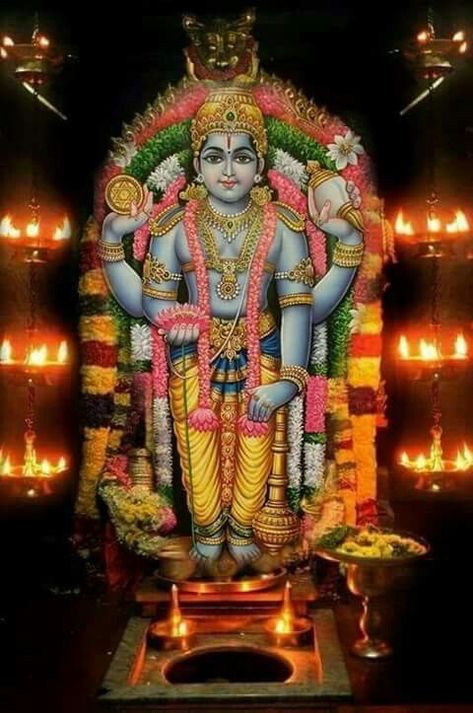
Sriman Narayaneeyam-Dasakam 6 -Virat Rupa-Sloka 10. ஶ்ரீமந் நாராயணீயம்-தசகம் 6-விராட ரூபம்- ஸ்லோகம் 10

Link to the audio for Chanting

https://www.dropbox.com/scl/fi/uktn01tyqgweogevkj6jl/Verse-10.mp3?rlkey=d7v2nb942agd9nc60ml3rvrjd&dl=0

Sanskrit Verse

दृग्जगन्मयवपुस्तव कर्मभाजां
कर्मावसानसमये स्मरणीयमाहु: ।
तस्यान्तरात्मवपुषे विमलात्मने ते
वातालयाधिप नमोऽस्तु निरुन्धि रोगान् ॥१०॥

Translation in Tamil 

விராடபுருட உன் இவ்வடிவம்தனை
வினைபுரிந்து கர்மவழி செல்வோர்
வினைமுடிவில் செயலிழந்த நேரம்
நிலை நிறுத்த வேண்டும் தன்னுள் என
மெய்யுணர்ந்த பெரியோர் உரைப்பர்
நிர்மல குண வடிவ நீயன்றோ அவ்
விராட புருடனெனும் மெய்ப்பொருள்!
தீரா என்பிணியைத் தீர்திடு குருவாயூரப்பனே!! 9.10

Transliteration in English 

iidR^igjaganmayavapustava karmabhaajaaM
karmaavasaanasamaye smaraNiiyamaahuH |

tasyaantaraatmavapuShe vimalaatmane te
vaataalayaadhipa namO(a)stu nirundhi rOgaan ||

Transliteration in Tamil 

ஈத்₃ருக்₃ஜக₃ந்மயவபுஸ்தவ கர்மபா₄ஜாம்
கர்மாவஸாநஸமயே ஸ்மரணீயமாஹு: |

தஸ்யாந்தராத்மவபுஷே விமலாத்மநே தே
வாதாலயாதி₄ப நமோ(அ)ஸ்து நிருந்தி₄ ரோகா₃ந் || 10||

Meaning in English 

Human beings who are bound by the law of Karma should remember this Viraat (cosmic) form of Thine, which is of the nature of pure Sattva, at the end of all rituals, and when desirous of liberation and at the time of death. O Lord of Guruvaayur! My salutations to Thee. Please eradicate my ailments.

Meaning of the Sanskrit Words 

ईदृक्-जगन्मय-वपु: - तव - such cosmic (Viraat) form of Thee

कर्मभाजां - by all human beings (who are subject to the law of Karma)

कर्म-अवसान-समये - at the end of all vedic karmas and at the time of death

स्मरणीयम्-आहु: - should be remembered, it is said

तस्य-अन्तर-आत्म-वपुषे - (Thou) who are the Indweller of that Viraat form

विमलात्मने ते - (and) Thou who are of the nature of pure Sattva

वातालयाधिप - O Lord of Guruvaayur!

नम: -अस्तु - my salutations be to Thee

निरुन्धि रोगान् - may my ailments be eradicate

Sriman Narayaneeyam-Dasakam 6 -Virat Rupa-Sloka 9. ஶ்ரீமந் நாராயணீயம்-தசகம் 6-விராட ரூபம்- ஸ்லோகம் 9

Link to the audio for Chanting

https://www.dropbox.com/scl/fi/qoy0enmkr0fjsklbsjbaa/Verse-9.mp3?rlkey=vd2ellstvwa8wdfmrxhapvjhq&dl=0

Sanskrit Verse

संसारचक्रमयि चक्रधर क्रियास्ते
वीर्यं महासुरगणोऽस्थिकुलानि शैला: ।
नाड्यस्सरित्समुदयस्तरवश्च रोम
जीयादिदं वपुरनिर्वचनीयमीश ॥९॥

Translation in Tamil 

எம் பிறப்பிறப்புச் சக்கரம் உன் செயல்கள்
உம் வீரபராக்ரமன்றோ அசுரர்தம் குழாம்
மலைத்தொடர்கள் உன்னுடல் எலும்புகள்

வற்றா நதிகளே உன் குருதிக் குழாய்கள்
மரங்களனைத்தும் உன் உரோமங்கள்
விரித்துக் கூற இயலா உன் இவ்வடிவம்
விளங்கட்டும் ஒளிமயமாய் என் இதயத்தில்
கரமதனில் சக்ரமேந்திய சாரங்கனே!! 6.9

Transliteration in English 

samsaarachakramayi chakradhara kriyaaste
viiryaM mahaasuragaNO(a)sthikulaani shailaaH|

naaDyassaritsamudayastaravashcha rOma
jiiyaadidaM vapuranirvachaniiyamiisha ||

Transliteration in Tamil 

ஸம்ஸாரசக்ரமயி சக்ரத₄ர க்ரியாஸ்தே
வீர்யம் மஹாஸுரக₃ணோ(அ)ஸ்தி₂குலாநி ஶைலா: |

நாட்₃யஸ்ஸரித்ஸமுத₃யஸ்தரவஶ்ச ரோம
ஜீயாதி₃த₃ம் வபுரநிர்வசநீயமீஶ || 9||

Meaning in English 

O Thou wielder of the discus! Thy activity is the wheel of Samsaara and the host of Asuras are Thy prowess.The mountains are Thy bones, the many rivers are Thy blood streams and the trees are Thy hair. May this indescribable form always shine in me.

Meaning of the Sanskrit Words 

संसार-चक्रम्- the wheel of Samsaara ( the cycle of birth and death)

अयि चक्रधर -=O Thou wielder of the discus!

क्रिया: -ते - is Thy activity

वीर्यं महा-असुर-गण: - (Thy) prowess is the host of powerful Asuraas

अस्थि-कुलानि शैला: - (Thy) bones are the mountains

नाड्य: -सरित्-समुदय: - (Thy) blood vessels are the many rivers

तरव: -च रोम -=and the trees are Thy hair

जीयात्- May it always shine (in me)

इदं वपु: -अनिर्वचनीयम्- this indescribable form

ईश - O Lord

Sriman Narayaneeyam-Dasakam 6 -Virat Rupa-Sloka 8. ஶ்ரீமந் நாராயணீயம்-தசகம் 6-விராட ரூபம்- ஸ்லோகம் 8

Link to the audio for Chanting

https://www.dropbox.com/scl/fi/9kv0byecpmoi2redc1as7/Verse-8.mp3?rlkey=bp2oh00frsh7l3nak5evvdfp4&dl=0

Sanskrit Verse

श्रोणीस्थलं मृगगणा: पदयोर्नखास्ते
हस्त्युष्ट्रसैन्धवमुखा गमनं तु काल: ।

विप्रादिवर्णभवनं वदनाब्जबाहु-
चारूरुयुग्मचरणं करुणांबुधे ते ॥८॥

Translation in Tamil 

மால் உன் இடுப்பு வழி விலங்கினத் தோற்றம்
பாத நகவழி வேழ பரி ஒட்டக வகை தோற்றம்

காலம் உன் பாத நடை, வதன கர தொடையுடன்
கால்கள் வழி நால்வகை தொழில் வர்ண உதயம்
காட்சியுடன் காத்தருள்வாய் கருணைக் கடலே!! 6.8

Transliteration in English 

shrONiisthalaM mR^igagaNaaH padayOrnakhaaste
hastyuShTrasaindhavamukhaa gamanaM tu kaalaH|

vipraadivarNabhavanaM vadanaabjabaahuchaaruuruyugmacharaNaM
karuNaambudhe te ||

Transliteration in Tamil 

ஶ்ரோணீஸ்த₂லம் ம்ருக₃க₃ணா: பத₃யோர்நகா₂ஸ்தே
ஹஸ்த்யுஷ்ட்ரஸைந்த₄வமுகா₂ க₃மநம் து கால: |

விப்ராதி₃வர்ணப₄வநம் வத₃நாப்₃ஜபா₃ஹு-
சாரூருயுக்₃மசரணம் கருணாம்பு₃தே₄ தே || 8||

Meaning in English 

O Ocean of mercy! The animal world is Thy lower-back and the elephants camels and horses are the nails of Thy feet. Time is Thy movement. The four varnas -Brahmins, Kshatriyaa, Vaishyaa and Shoodraas originated from Thy lotus face, hands, charming thighs and feet, respectively.

Meaning of the Sanskrit Words 

श्रोणी: -स्थल - (Thy) lower-back

मृगगणा: - forms the animal world

पदयो: - नखा: - ते - the nails of Thy feet

हस्ति-उष्ट्र-सैम्धव-मुखा: - are the animals like elephants, camels, horses etc.

गमनं तु काल: - (Thy) movement is Time

विप्र-आदि-वर्ण-भवनं - Brahmins and the other Varnas ensue from

वदन-आब्ज-बाहु-चारु-उरु-युग्म-चरणं - (Thy) lotus face,arms, charming thighs and feet

करुणा-अम्बुधे ते - of Thee, O Ocean of mercy

Sriman Narayaneeyam-Dasakam 6 -Virat Rupa-Sloka 7. ஶ்ரீமந் நாராயணீயம்-தசகம் 6-விராட ரூபம்- ஸ்லோகம் 7

Link to the audio for Chanting

https://www.dropbox.com/scl/fi/k2mn8gwer1hvthjfr1hl4/Verse-7.mp3?rlkey=snqcb5ghomglhu5dqslfx19g5&dl=0

Sanskrit Verse

पृष्ठं त्वधर्म इह देव मन: सुधांशु –
रव्यक्तमेव हृदयंबुजमम्बुजाक्ष ।

कुक्षि: समुद्रनिवहा वसनं तु सन्ध्ये
शेफ: प्रजापतिरसौ वृषणौ च मित्र: ॥७॥

Translation in Tamil 

தீவினைதாம் முதுகென
தெளிமனம் நிறைமதியென
இதயம் மலர்தாமரையென
நீக்கமற நிறைவு முக்குணமென

நீர்நிரை பேர்கடல் வயிறென
வைகறை அந்தி அணிஆடையென
பிறப்புருப்பு இனப்பெருக்கும் பதியென
விந்தகமிரண்டும் இறை மித்திரனென
அமைந்த ஆண்டவன் உனை
அடிபணிவேனே கமலக் கண்ணனே !! 6.7

Transliteration in English 

pR^iShThaM tvadharma iha deva manaH sudhaamshuravyaktameva
hR^idayaambujamambujaaksha |

kukshiH samudranivahaa vasanaM tu sandhye
shephaH prajaapatirasau vR^iShaNau cha mitraH ||

Transliteration in Tamil 

ப்ருஷ்ட₂ம் த்வத₄ர்ம இஹ தே₃வ மந: ஸுதா₄ம்ஶு -
ரவ்யக்தமேவ ஹ்ருத₃யம்பு₃ஜமம்பு₃ஜாக்ஷ |

குக்ஷி: ஸமுத்₃ரநிவஹா வஸநம் து ஸந்த்₄யே
ஶேப₂: ப்ரஜாபதிரஸௌ வ்ருஷணௌ ச மித்ர: || 7||

Meaning in English 

O Self Effulgent Lord! The back of “Your” Cosmic Form is unrighteousness ( this implies that unrighteousness should be left behind or abandoned);  Your mind is the Moon. O Lotus-eyed Lord! Your Lotus heart is the Unmanifest (Un differentiated nature) with the three Gunas in equilibrium. 

Your abdomen is the oceans; Your garments are the two Sandhyaas—dawn and the dusk. Your generative organ is Prajaapati, the God of procreation; Your testicles are God Mitra

Meaning of the Sanskrit Words 

पृष्ठं तु-अधर्म - (Thy) back is Adharma (unrighteousness)

इह - of this (cosmic world)

देव - O Lord!

मन: सुधांशु: - mind is the moon

अव्यक्तम्-एव - the unmanifest

हृदय-अम्बुजम् - (is Thy) heart lotus

अम्बुजाक्ष - O Lotus eyed One!

कुक्षि: समुद्रनिवहा: - (Thy) abdomen is the ocean

वसनं तु सन्ध्ये - (Thy) garments are the two sandhyaas (dawn and dusk)

शेफ: प्रजापति:- - (Thy) generative organ is Prajaapati (god of procreation)

असौ वृषणौ च मित्र: - and (Thy) testicles are god Mitra

Sriman Narayaneeyam-Dasakam 6 -Virat Rupa-Sloka 6. ஶ்ரீமந் நாராயணீயம்-தசகம் 6-விராட ரூபம்- ஸ்லோகம் 6

Link to the audio for Chanting

https://www.dropbox.com/scl/fi/8mc1df4vpv1f8ro3i95fu/Verse-6.mp3?rlkey=jf5xkykia6mgbdvo2g7t4j2im&dl=0

Sanskrit Verse

माया विलासहसितं श्वसितं समीरो
जिह्वा जलं वचनमीश शकुन्तपङ्क्ति: ।

सिद्धादय: स्वरगणा मुखरन्ध्रमग्नि-
र्देवा भुजा: स्तनयुगं तव धर्मदेव: ॥६॥

Translation in Tamil 

மயக்கிடும் மாயை புன்முறுவலாய்,
மன்றம் வீசுதென்றல் சுவாசமாய்,
மண்டிலாத் தெளிநீர் நாவாய்,
திரள்புள் சிலம்பம் மொழியாய்,

சித்த ஞானியர் ஏழிசையாய்,
சிவந்த கனல் திருவாயாய்,
வின்னவரினம் திருக்கரமாய்,
இல்லற துறவற தர்மங்கள் இருமார்பாய்
அமைந்த ஆண்டவன் உனை
அடிபணிவேனே எளியன் யான்!! 6.6

Transliteration in English 

maayaa vilaasahasitaM shvasitaM samiirO
jihvaa jalaM vachanamiisha shakuntapanktiH |

siddhaadayaH svaragaNaa mukharandhramagnirdevaa
bhujaaH stanayugaM tava dharmadevaH ||

Transliteration in Tamil 

மாயா விலாஸஹஸிதம் ஶ்வஸிதம் ஸமீரோ
ஜிஹ்வா ஜலம் வசநமீஶ ஶகுந்தபங்க்தி: |

ஸித்₃தா₄த₃ய: ஸ்வரக₃ணா முக₂ரந்த்₄ரமக்₃நி-
ர்தே₃வா பு₄ஜா: ஸ்தநயுக₃ம் தவ த₄ர்மதே₃வ: || 6||

Meaning in English 

O Lord! Controller of the Universe, Your sportive smile constitutes Maya, Your Cosmic Creative Power; Your breath is the wind; Your tongue is water, Your speech the formation of beautiful birds; 

Your tunes (The seven notes Sa,Ri, Ga, Ma, Pa, Da, Ni) are the divine Siddhas, and Gandharvas; Your mouth is the God of Fire, arms the Devas, and Your twin breasts are the God of Dharma representing Pravriti and Nivriti Dharmas !

Meaning of the Sanskrit Words 

माया	 - Maayaa (Thy cosmic creative power)

विलास-हसितं - is (Thy) charming smile

श्वसितं समीर: - (Thy) breath is the wind

जिह्वा जल - (Thy) tongue is water

वचनम्- speech

ईश O Lord !

शकुन्त-पङ्क्ति - is the birds' chirping in formation

सिद्ध-आदय: स्वरगणा: - (Thy) voice is the Sidhdhaas (and other divine artists)

मुख-रन्ध्रम्-अग्नि: - (Thy) mouth is fire

देवा भुजा: - (Thy) arms are the gods (Devaa)

स्तनयुगं तव धर्मदेव: - Thy breasts is the Dharmadeva (the god of righteousness)