Understanding and Realising that one’s own nature (“svarupa”) is nothing but the embodiment of Existence-Knowledge-Bliss (called the non dual Brahman), is the ultimate goal of all human endeavours. These endeavours may cover several births and forms of ours. We, the extremely fortunate ones to be born as humans in this birth, therefore should endeavour to Understand and Realise the Brahman, our true Selves.
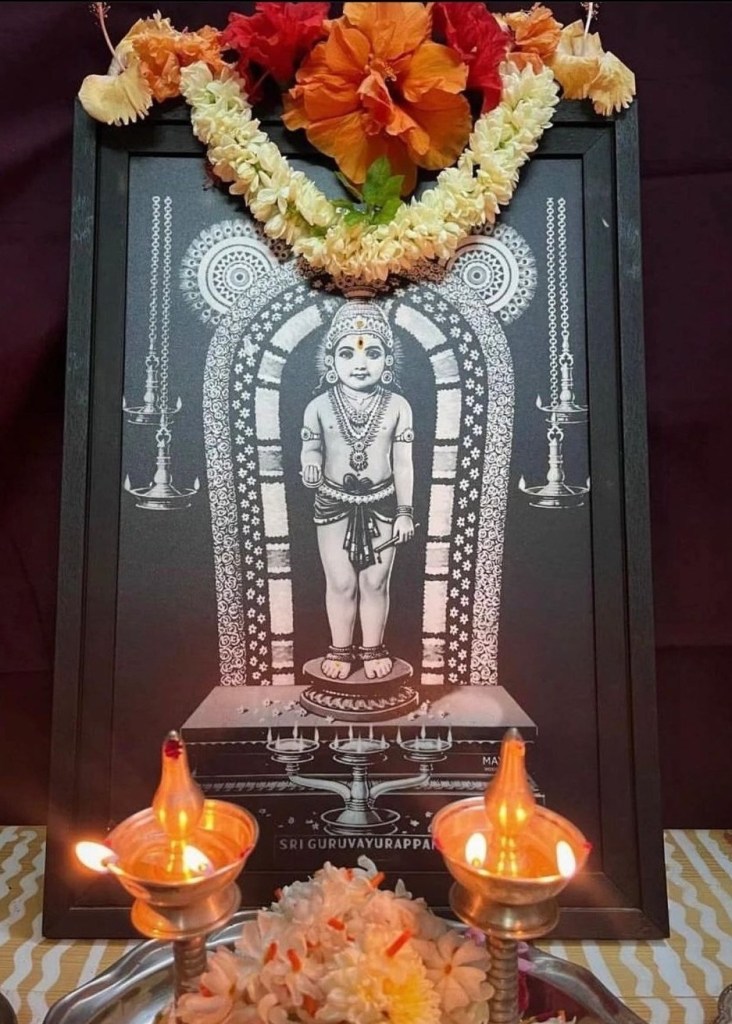
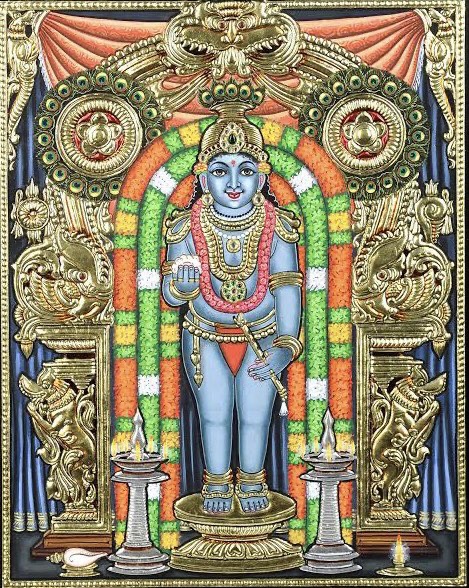
To help us in our endeavour, Sri. Narayana Bhattathri begins the first Chapter (Dasakam 1) of his epic creation Sriman Narayaneeyam by describing the characteristics , glory and greatness of the non dual Brahman and states that Brahman is readily available, right here in the form of Lord Guruvayurappan Himself.
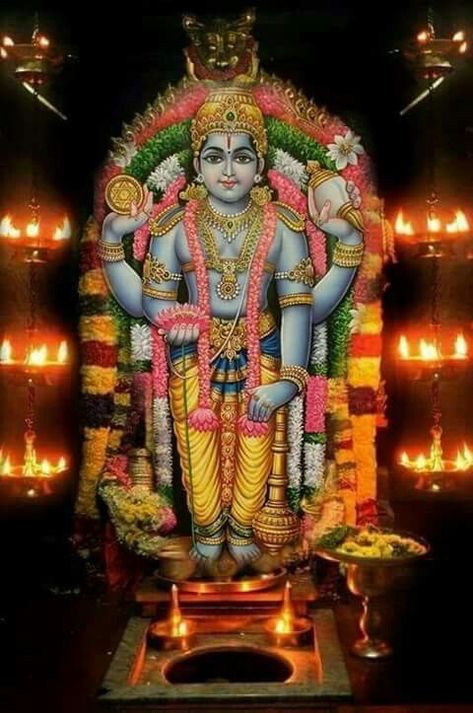
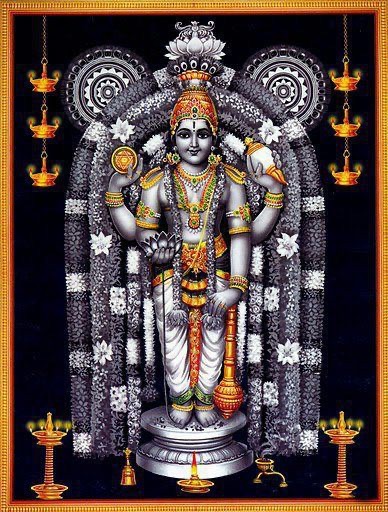
Subsequently, overcome with ecstasy, he describes the glorious form of Lord Guruvayurappan in Dasakam 2.
In the next Dasakam 3, focuses on devotion, which he considers as the earliest path to Self Realisation and ultimately to the Brahman. He describes the true nature of a devotee seeking the divine grace stressing the need for “Vairagya and Shraddha”.
In Dasakam 4, Bhattathri outlines the Ashtanga Yoga techniques, the eight fold discipline of Yoga. This will enable the devotees to practice meditation on the Absolute Brahman, the Existence-Consciousness-Bliss.
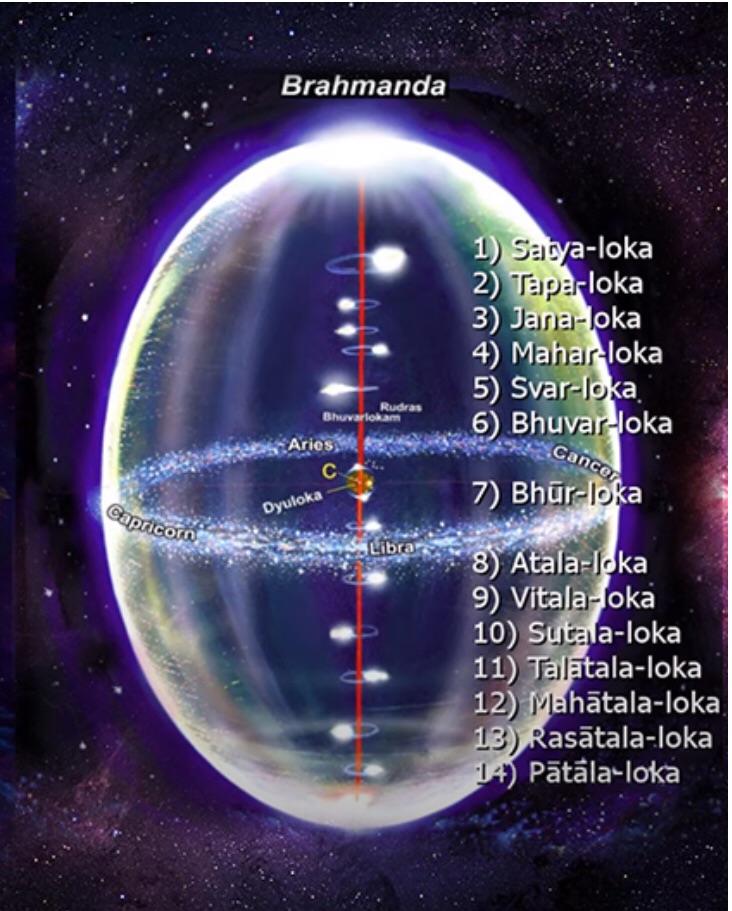
As concentrating and meditating on an abstract non dual concept of Existence-Consciousness-Bliss, is extremely difficult for ordinary mortals like us bound inside a decaying body-mind complex, Bhattathri adopts an alternate step by step approach by first describing the Cosmic Evolution processes in Dasakam 5 followed by a presentation of the Cosmic Gross Form called as “Virat”. He presents a picture of the Cosmic Body consisting of the fourteen worlds with innumerable hands, legs, faces etc as the collective living form of all the worlds as extolled in the Vedas. This gross manifestation is with Its inherent three “Gunas” viz., Satva, Rajas and Tamas. This is essentially to facilitate the devotees to do “Virat Upasana”, meditate on the Virat Rupa of Brahman.
He then starts describing the various parts of the form of Virat Rupa in Dasakam 6. In that process he identifies the various parts with the various regions of the Cosmos. This is primarily to assist the faithful devotees to meditate on the form/part of the Brahman in which the devotee is comfortable.
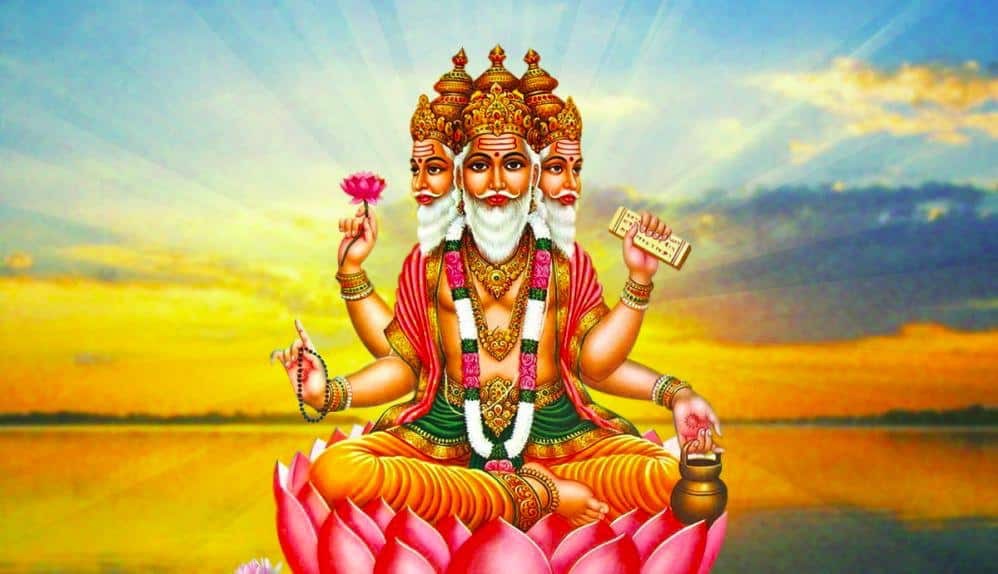
After this meditation process where the devotees are able to concentrate on Virat form with three “gunas”, Bhattthri is now taking the devotees to the next level where the manifestation of Brahman becomes subtler and the manifested form has “two gunas” viz. Predominant Rajas and traces of Satva., called. “Hiranya Garbha”, generally known as “Brahma”: the Creator.
With the Blessings of Lord Guruvayurappan, I have commenced my study of this Dasakam 7. I will be sharing with you shortly, whatever little knowledge that I get from the study.
விராடபுருட உன் இவ்வடிவம்தனை வினைபுரிந்து கர்மவழி செல்வோர் வினைமுடிவில் செயலிழந்த நேரம் நிலை நிறுத்த வேண்டும் தன்னுள் என மெய்யுணர்ந்த பெரியோர் உரைப்பர் நிர்மல குண வடிவ நீயன்றோ அவ் விராட புருடனெனும் மெய்ப்பொருள்! தீரா என்பிணியைத் தீர்திடு குருவாயூரப்பனே!! 9.10
Human beings who are bound by the law of Karma should remember this Viraat (cosmic) form of Thine, which is of the nature of pure Sattva, at the end of all rituals, and when desirous of liberation and at the time of death. O Lord of Guruvaayur! My salutations to Thee. Please eradicate my ailments.
Meaning of the Sanskrit Words
ईदृक्-जगन्मय-वपु: - तव - such cosmic (Viraat) form of Thee
कर्मभाजां - by all human beings (who are subject to the law of Karma)
कर्म-अवसान-समये - at the end of all vedic karmas and at the time of death
स्मरणीयम्-आहु: - should be remembered, it is said
तस्य-अन्तर-आत्म-वपुषे - (Thou) who are the Indweller of that Viraat form
विमलात्मने ते - (and) Thou who are of the nature of pure Sattva
எம் பிறப்பிறப்புச் சக்கரம் உன் செயல்கள் உம் வீரபராக்ரமன்றோ அசுரர்தம் குழாம் மலைத்தொடர்கள் உன்னுடல் எலும்புகள்
வற்றா நதிகளே உன் குருதிக் குழாய்கள் மரங்களனைத்தும் உன் உரோமங்கள் விரித்துக் கூற இயலா உன் இவ்வடிவம் விளங்கட்டும் ஒளிமயமாய் என் இதயத்தில் கரமதனில் சக்ரமேந்திய சாரங்கனே!! 6.9
O Thou wielder of the discus! Thy activity is the wheel of Samsaara and the host of Asuras are Thy prowess.The mountains are Thy bones, the many rivers are Thy blood streams and the trees are Thy hair. May this indescribable form always shine in me.
Meaning of the Sanskrit Words
संसार-चक्रम्- the wheel of Samsaara ( the cycle of birth and death)
अयि चक्रधर -=O Thou wielder of the discus!
क्रिया: -ते - is Thy activity
वीर्यं महा-असुर-गण: - (Thy) prowess is the host of powerful Asuraas
अस्थि-कुलानि शैला: - (Thy) bones are the mountains
नाड्य: -सरित्-समुदय: - (Thy) blood vessels are the many rivers
O Ocean of mercy! The animal world is Thy lower-back and the elephants camels and horses are the nails of Thy feet. Time is Thy movement. The four varnas -Brahmins, Kshatriyaa, Vaishyaa and Shoodraas originated from Thy lotus face, hands, charming thighs and feet, respectively.
Meaning of the Sanskrit Words
श्रोणी: -स्थल - (Thy) lower-back
मृगगणा: - forms the animal world
पदयो: - नखा: - ते - the nails of Thy feet
हस्ति-उष्ट्र-सैम्धव-मुखा: - are the animals like elephants, camels, horses etc.
गमनं तु काल: - (Thy) movement is Time
विप्र-आदि-वर्ण-भवनं - Brahmins and the other Varnas ensue from
वदन-आब्ज-बाहु-चारु-उरु-युग्म-चरणं - (Thy) lotus face,arms, charming thighs and feet
O Self Effulgent Lord! The back of “Your” Cosmic Form is unrighteousness ( this implies that unrighteousness should be left behind or abandoned);  Your mind is the Moon. O Lotus-eyed Lord! Your Lotus heart is the Unmanifest (Un differentiated nature) with the three Gunas in equilibrium.

Your abdomen is the oceans; Your garments are the two Sandhyaas—dawn and the dusk. Your generative organ is Prajaapati, the God of procreation; Your testicles are God Mitra
Meaning of the Sanskrit Words
पृष्ठं तु-अधर्म - (Thy) back is Adharma (unrighteousness)

इह - of this (cosmic world)

देव - O Lord!

मन: सुधांशु: - mind is the moon

अव्यक्तम्-एव - the unmanifest

हृदय-अम्बुजम् - (is Thy) heart lotus

अम्बुजाक्ष - O Lotus eyed One!

कुक्षि: समुद्रनिवहा: - (Thy) abdomen is the ocean

वसनं तु सन्ध्ये - (Thy) garments are the two sandhyaas (dawn and dusk)

शेफ: प्रजापति:- - (Thy) generative organ is Prajaapati (god of procreation)

असौ वृषणौ च मित्र: - and (Thy) testicles are god Mitra
O Lord! Controller of the Universe, Your sportive smile constitutes Maya, Your Cosmic Creative Power; Your breath is the wind; Your tongue is water, Your speech the formation of beautiful birds;

Your tunes (The seven notes Sa,Ri, Ga, Ma, Pa, Da, Ni) are the divine Siddhas,  and Gandharvas; Your mouth is the God of Fire, arms the Devas, and Your twin breasts are the God of Dharma representing Pravriti and Nivriti Dharmas !
Meaning of the Sanskrit Words
माया	 - Maayaa (Thy cosmic creative power)

विलास-हसितं - is (Thy) charming smile

श्वसितं समीर: - (Thy) breath is the wind

जिह्वा जल - (Thy) tongue is water

वचनम्- speech

ईश	O Lord !

शकुन्त-पङ्क्ति - is the birds' chirping in formation

सिद्ध-आदय: स्वरगणा: - (Thy) voice is the Sidhdhaas (and other divine artists)

मुख-रन्ध्रम्-अग्नि: - (Thy) mouth is fire

देवा भुजा: - (Thy) arms are the gods (Devaa)

स्तनयुगं तव धर्मदेव: - Thy breasts is the Dharmadeva (the god of righteousness)
“Your side-long glance constitutes the creation of all the fourteen worlds. Hence, it is needless to say that the closure of Your eye lids is the Great Deluge; Your ears are the Directions; the two Nostrils are the pair of Ashwini devas; Your Upper and lower lips represent modesty and greed respectively; Your Teeth, the Stars and Your Molars is Yama, the God of Death”
Meaning of the Sanskrit Words
निश्शेष-विश्व-रचना च - the creation of the whole universe

कटाक्ष-मोक्ष: - is by extending a glance of Thy eye

कर्णौ दिश: - (Thy) ears are the directions (quarters)

अश्वियुगलम् - the two Ashvinidevas

तव नासिके द्वे - are Thy two nostrils

लोभत्रपे च - greed and modesty

भगवन्	 - O Lord!

अधर-उत्तर-ओष्ठौ - (are Thy) lower and upper lips

तारा-गणा: - च - and the galaxy of stars

दशना: - are Thy teeth

शमन: च दंष्ट्रा - the molars are Yama (the god of death
O Lord who are the root cause of the Universe! Your” Brahmarandhara (an aperture on crown of the head) is the Vedas. O Keshava, one with luxuriant hair and the Slayer of the demon Kesi! “Your” ornamented hair are the dark clouds. “Your” delightful pair of eyebrows are the abode of Brahma, the Creator. “Your” eye-lashes are night and day and “Your” eyes are the sun
Meaning of the Sanskrit Words
त्वत्-ब्रह्मरन्ध्रपदम्- Thy Brahmarandhra area (the psychic orifice on the crown of the head)
ईश्वर विश्वकन्द - O Lord! Thou the source of the universe!
छ्न्दांस - (are) the Vedas
केशव - O Keshava!
घना: तव केशपाशा: - the dark clouds are Thy locks of hair
उल्लासि-चिल्लि-युगलं - the delightful two eyebrows
நன்னூல் என்ற இலக்கண நூலின் சொல் அதிகாரத்தில் உள்ள “பழையன கழிதலும் புதியன புகுதலும் வழுவல கால வகையி னானே” என்ற தொடர், வழக்கிழந்த இலக்கணக் கருத்துக்களை நீக்குவதும், புதிய வழக்குகளை ஏற்பதும் தவறில்லை என்பதைக் குறிப்பது. அதாவது, இலக்கணம் காலந்தோறும் ஏற்படும் மாற்றத்திற்கு உட்பட்டது எனக் கூறுகிறது.
வீட்டில் உள்ள பயனற்ற பழைய மற்றும் தேவையில்லாத பொருட்களை புறக்கணித்து வீட்டில் புதியன வந்து புகுதல் வேண்டும் என்ற நம்பிக்கையில் மக்கள் போகிப் பண்டிகையைக் கொண்டாடுகிறார்கள். வீட்டை மட்டுமல்ல மனதில் இருக்கும் தீய எண்ணங்களையும் நீக்கவேண்டும் என்பது இதில் உள்ள தத்துவம். பழையன கழிதலும், புதியன புகுதலும் என்பதுவே இதன் அடிப்படைத் தத்துவம்.
சரி, பவணந்தி முனிவரால் எழுதப்பட்ட தமிழ் இலக்கண நூலில் வரும் ஒரு தத்துவத்திற்கும், போகிப் பண்டிகைக்கும், பகவத்கீதைக்கும் என்ன சம்பந்தம்? அதாவது, பழையனவற்றைக் கழித்தலுக்கும், புதியனவற்னை புகுத்தலுக்கும், பகவத் கீதைக்கும் என்ன தொடர்பு? போர்க்களத்தில் பார்த்தனுக்கு, சாரதியான கண்ணன் இதைப்பற்றி என்ன அறிவுரை வழங்கினான்?
வாருங்கள், ஒரு முக்கியமான ஸ்லோகத்தை அறிய முற்படுவோம்.
தொப்புள் கொடி உறவாக தொடங்கிய நாம், முதலில் நம்மை நமது உடலுடன் பிண்ணி இணைக்கிறோம். இது இயல்பு. பின் வளர்ச்சியின் அங்கமாக அது படிப்படியாக உறுதியாகி, உடலே உயிர் எனும் உணர்வினை அடைகிறோம். அதனை வளர்க்க, மெருகுபடுத்த, காக்க, விதவிதமான பொருள், செயல்முறை என்று பலவற்றை உபயோகப்படுத்துகிறோம்.
காலன் விதித்திட்ட வேளை வந்தால் செத்து மடிகிறோம். நாம் இவ்வுலகில் வந்திறங்கியது எதற்காக, வந்து புரிந்தது என்ன என்று அறியாமல்கூட செல்கிறோம். இருக்கும் போது, நாம் இருக்கும் காயம் ஒரு பொய்; இந்த யாக்கை நிலையாதது என்று நொடிப்பொழுதும் உள்நோக்கி ஆய்ந்ததில்லை. இதுதான் யதார்த்தம். மரணம் என்பது ஒரு கசப்பான உண்மை என்பதை உணர மறுக்கிறோம். இந்த உண்மையை நாம் புரிந்து கொள்ளத்தான் பகவான் கண்ணன் பார்த்தனுக்கு இந்த ஸ்லோகம் வழியாக அறிவுரை வழங்குகிறான்.
“எப்படி ஒரு மனிதன் நைந்து போன ஆடைகளை கழட்டிவிட்டு வேறு புதியவற்றை அணிந்து கொள்கிறானோ, அப்படியே தேஹத்தில் உறைபவன், நைந்து போன உடல்களை விட்டுவிட்டு வேறு புதியவற்றை அடைகிறான்”
என்று பகவான் ஶ்ரீக்ருஷ்ணர் மரணத்தைப் பற்றி கூறுகிறார்.
தாய், குழந்தைக்குப் பழைய அழுக்கான உடுப்பைக் கழட்டிவிட்டு புதியதை அணிவிக்கிறாள். அப்போது குழந்தை அழுகிறது. ஆனால் தாயார் குழந்தை அழுவதைப் பொருட்படுத்துவதில்லை. குழந்தைக்கு “ஹிதம்” (நன்மை) என்று, புதியதை மாற்றிக் கொடுக்கிறாள்.
அது போல, பகவானும் ஜீவனுக்கு ஹிதமாக அவன் அழுவதை கவனியாமல் அவன் உடலை மாற்றிக் கொடுக்கிறார். உடலுக்கு உடை ஆடை; உயிருக்கு உடல் ஆடை.
இதைப் புரிந்தவர் அழுவதில்லை; புரியாதவர் அழுகின்றனர். அதனால்தான் “செத்த பிணத்தைப் பார்த்து சாகாத பிணம் அழுகிறது” என்பர் ஞானியர்.
1. “ஜீர்ணாநி” என்பதற்கு நைந்து போனது என்ற பொருளாகும். இந்த சொல் துணிகளுக்குப் பொருந்தும். நைந்த உடலென்று பகவான் ஒப்பிடுவது, வயதாகித் தேய்ந்த (நலிந்த) உடலுக்குத்தான் மரணமெனும் உடை மாற்றத்தைக் குறிப்பதல்ல. சிறு வயதிலும் மரணமெய்தலாம். உடல் நலிவு என்பது, “ஆயுள் முடிந்தது” என்ற பொருளில் கூறப்படுவது என்பதைப் புரிந்து கொள்ளுதல் அவசியம்.
2. உடையை மாற்றிக் கொள்பவன் ஒரே சமயத்தில் பல உடைகளை (உள்ளாடை, வேஷ்டி, சட்டை, அங்கவஸ்த்திரம் என) மாற்றிக் கொள்ளமுடியும். உயிரைப் (ஜீவாத்மாவைப்) பொருத்தவரை, ஒரே உடலைத்தானே மாற்ற இயலும் என்று இருக்கையிலே, “வாஸாம்ஸி”, “ஸரீராணி”, என்று பன்மையில் பகவான் கூறுவதன் உட்கருத்து என்ன என்பதை இருவகையில் ஆயவேண்டும்:
• ஜீவன் இதுவரை எவ்வளவு உடல்களை விட்டுப் புதிய உடல்களை அடைந்திருக்கிறதோ, அவற்றுக்குக் கணக்கு கிடையாது. வரும் காலத்திலும், ப்ரம்ம ஞானமெனும் ஆத்ம ஞானம் கிட்டும்வரை, இன்னும் எத்தனைப் பழைய உடல்களைவிட்டுப் புதிய உடல்களை அடையப் போகிறது என்பதும் தெரியாது. எனவே சொற்களில் பன்மை உபயோகம் சரியே.
• ஸ்தூலம், ஸூக்ஷ்மம், காரணம் என்று மூன்று உடல்கள் ஜீவனுக்கு உள்ளன. இந்த உடலுவிட்டு அடுத்த உடலை அடையும்போது, இந்த மூன்றும் மாறுகின்றன. ஸத்வ, ரஜஸ், தமஸ் எனும் முக்குணங்களின் ஏற்றத்தாழ்வுகளால் ஒவ்வொருவருக்கும் குணமயமான, அவனுக்கே உரித்தான, தனித்தன்மையுடைய “வ்யஷ்டிப்ரக்ருதி” அமைகிறதே, அது காரண ஸரீரம். இதையே “ஸ்வபாவம்” என்பர். மனிதன் எப்படிச்செயல்படுகிறானோ, அதற்கு ஏற்றவாறு ஸ்வபாவம் மாறுகிறது. இந்த ஸ்வபாவத்திற்கு ஏற்றவாறுதான் உயிர் பிரியும்போது மனதில் எண்ணமும் உண்டாகிறது. அதன்படிதான் அவனுக்கு ஸூக்ஷ்ம ஸரீரம் அமைகிறது. காரணம், ஸூக்ஷ்மம் என்ற இரு ஸரீரங்களுடன் இந்த உடலை (ஸ்தூல ஸரீரத்தை) விட்டுப்பிரிந்த பின்னர், ஸூக்ஷ்மத்திற்கேற்றவாறு அடுத்த பிறவியில் ஸ்தூல ஸரீரத்தைப் பெற்று, காரண ஸரீரத்திற்கேற்றவாறு அடைந்த அந்த அடுத்த உடலில் அவனது ஸ்வபாவம் அமைகிறது. இப்படி மூவுடலும் மாறுவதால், சொற்களில் பன்மை உபயோகம் சரியே.
3. ஆத்மாவிற்கு அசைவில்லை, போக்குவரத்து இல்ல. எனவே ஜீவாத்மா எனும் “தேஹி” அடுத்த உடலைப் போய் சேர்கிறான் என்று சொல்வது எப்படி பொருந்தும் என்பதை இப்போது ஆய்வோம்.
உண்மையில் ஆத்மாவிற்கு அசைவில்லை, செயலில்லை, எந்த நிலையிலும் போக்குவரத்தும் இல்லை. ஆனால், ஒரு குடத்தை ஓரிடத்திலிருந்து மற்றொரு இடத்திற்கு கொண்டு போகும்போது, அதற்குள் இருக்கும் ஆகாயம் போகவில்லையானாலும், குடத்துடன் சம்பந்தத்தால் அது போவதாக நினைக்கிறோம் அல்லவா!
அதுபோல, ஸூக்ஷ்ம ஸரீரம் போகும்போது, அத்துடன் இணைந்த ஆத்மாவும் போவதாகத் தெரிகிறது. இதை உலகத்தார்புரிந்து கொள்ளவே, உயிர் வந்து போவதாக கற்பனை செய்து கூறப்பட்டது. “தேஹீ” என்றால் சரீரத்தை உடையவன் என்று பொருள். தேஹத்தை உற்ற உயிர் என்பர். ஆகவே உடலின் சம்பந்தத்தால் அவனிடம் போக்குவரத்து என்ற தோற்றம் ஏற்படுகிறது.
இதனால்தான இந்த ஸ்லோகத்தில் துணியைப் பற்றிக் குறிப்பிடும்போது “க்ருஹ்ணாதி” (ஏற்பது) என்றும், உயிரைப் பற்றிக் கூறும்போது “ஸம்யாதி” (செல்லுதல்) என்ற சொல்லும் உபயோகப்படுத்தப்பட்டுள்ளது.
3. “நர”, “தேஹி” என்ற சொற்களின் விளக்கம்
ஆடையை அணிவது, நைந்தது, துறப்பது என்பவைகள் எல்லாம் மனிதனுக்கே உரித்தானது. எனவே இந்த ஸ்லோகத்தில் முதல் சொற்றொடரில், மனிதனைக் குறிக்கும் “நர” என்ற சொல் பயன்படுத்தப்பட்டுள்ளது. உடல்களின் போக்குவரத்து என்பது, உடலபிமானமுடைய அனைத்து ஜீவராசிகளுக்கும் பொருந்தும். எனவே இரண்டாவது சொற்றொடரில் “தேஹி” என்ற சொல் உபயோகப்படுத்தப்பட்டுள்ளது.
ஸ்லோகத்தின்உட்கருத்து
ஆத்மா உடல் எடுப்பதில்லை, ஸூக்ஷும ஸரீரம் மட்டுமே உடல் எடுக்கிறது. ஸூக்ஷ்ம ஸரீரமே (mind) பயணிக்கிறது. தூய உணர்வாகிய நான் எங்கும் பயணிப்பதில்லை. நான் எங்கும் நீக்கமற நிறைந்திருக்கிறேன்.
இறைவனும் ஆத்மாவும் எங்கும் நீக்கமற நிறைந்திருப்பவை. எனவே இறைவனும் ஆத்மாவும் ஒன்றே. இறைவனது உபாதியும், ஆத்மாவின் உபாதியும் வேறு. இறைவன் காரண உபாதியை உடையவர், ஆத்மா காரிய உபாதியை உடையது. காரணமும் காரியமும் மாயத்தோற்றங்களே. இருப்பது பரம்பொருள் ஒன்றே.
ஆத்மா எதையும் அனுபவிக்க வேண்டியதில்லை. அனுபவங்கள் அனைத்தும் மாயை. அனுபவிப்பவனைப் பற்றிய உண்மையே நமக்கு முக்தியை கொடுக்கும். எந்த அனுபவமும் மோக்ஷத்தை கொடுக்காது.
அனைத்து உயிர்களில் இருக்கும் ஆத்மா நானே என்கிறான் கண்ணன்.
இதுதான் இந்த ஸ்லோகத்தின் சாரம்.
இதனைத்தான் கவிஞர் கண்ணதாசன், காலத்தால் அழியாத அருமையான திரையிசைப் பாடலாக வடித்துள்ளார்.
ग्रीवा महस्तव मुखं च जनस्तपस्तु फालं शिरस्तव समस्तमयस्य सत्यम् । एवं जगन्मयतनो जगदाश्रितैर- प्यन्यैर्निबद्धवपुषे भगवन्नमस्ते ॥३॥
Translation in Tamil
உன் மிடறு மகர, முகம் ஜன, நுதல் தவ, சிரம் சத்ய உலகென ஈரேழு உலகம்தனை உன் உள்ளடக்கி உன்னுடல் உலகப் பொருட்கள் அனைத்தாலுமே – அந்த உலகுடலோன் உனைத் துதிப்பேன் குருவாயூரப்பனே 6.3
O Lord! Thy body is the whole universe. Maharloka is Thy neck. Janaloka is Thy face. Tapoloka is Thy forehead. Satyaloka is Thy head. Of all the other things of which the universe is made, Thy body is also conceived of being made up of all that. O Lord! salutations to Thee.
Meaning of the Sanskrit Words
ग्रीवा मह: - तव - Thy neck is Maharloka
मुखं च जन: - and face is Janaloka
तप: - तु फालं Tapoloka, indeed, is forehead
शिर: - head
तव समस्तमयस्य of Thee who are everything
सत्यम् - is Satyaloka
एवं - in this manner
जगन्मयतनो - whose body is the universe!
जगदाश्रितै:-अपि-अन्यै: - of all other things forming the universe
निबद्धवपुषे - whose body is conceived as being made up of




 Prabhu's Ponder