Sriman Narayaneeyam – Dasakam 7 – Sloka 6 – ஶ்ரீமந் நாராயணீயம் – தசகம் 7 – ஸ்லோகம் 6 

Audio Links

https://www.dropbox.com/scl/fi/3roncofxo3d5eoesx4lpz/7.6.mp3?rlkey=0unuc3j1twyugglxsdptix5ai&st=y3igq72g&dl=0

https://www.dropbox.com/scl/fi/di5xw7r3bn5ryui6q2sop/7.6B.mp3?rlkey=obpw7gstgp8pwvz67am60l933&st=kpn18fus&dl=0

Introduction 

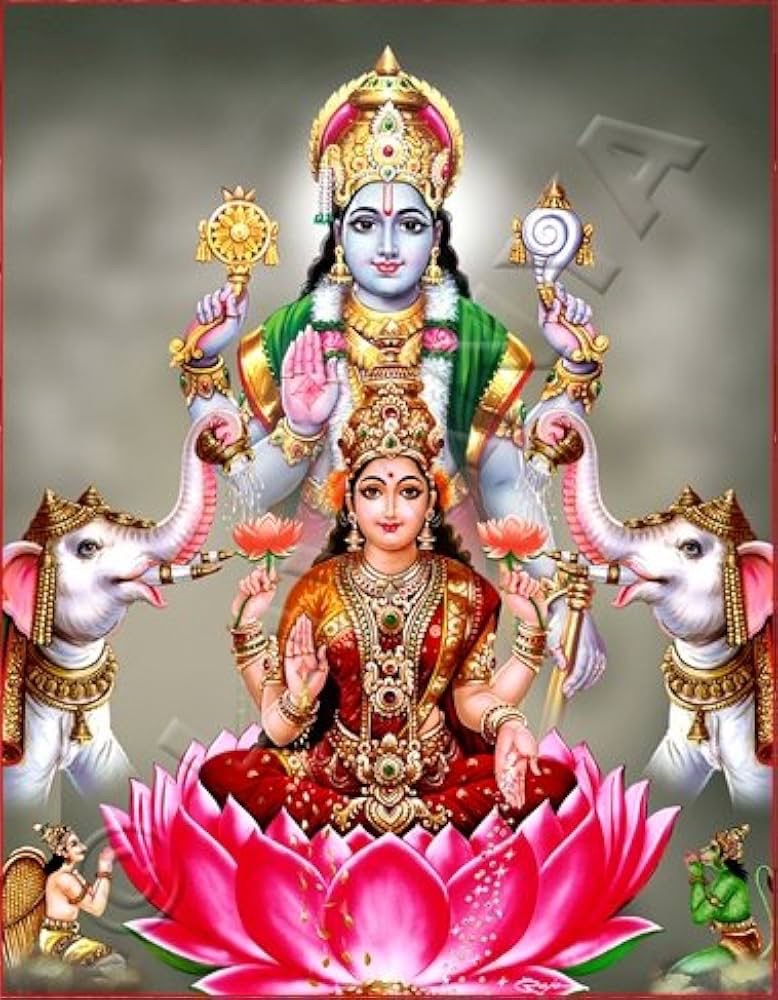
This Sloka presents Goddess Lakshmi who shines in all Her splendour in front of all the devotees who have obtained “Sarupya Mukti” as described in the earlier Slokas and gathered at Vaikunta Loka.

Goddess Lakshmi is projected as unsteady in nature while dealing with her devotees. We see in our daily lives, some who become overnight millionaires and some who became paupers from being extremely rich. We have heard “rags to riches” stories and vice versa too. Unpredictability being the trade mark of Goddess Lakshmi, her form is quite often compared to lightning.

The Sri Suktam (or Shri Suktam) is an ancient and powerful Vedic hymn of sixteen verses found as a supplement to the Rig Veda, dedicated to invoking the divine Mother Goddess in the form of Lakshmi, the embodiment of prosperity and abundance (Sri). 

Narayana Bhattathri in this Sloka 6, keeps this essence of Sri Suktam in his mind, when he describes the divine beauty of Goddess Lakshmi. 

Sanskrit Verse


नानादिव्यवधूजनैरभिवृता विद्युल्लतातुल्यया
विश्वोन्मादनहृद्यगात्रलतया विद्योतिताशान्तरा ।
त्वत्पादांबुजसौरभैककुतुकाल्लक्ष्मी: स्वयं लक्ष्यते
यस्मिन् विस्मयनीयदिव्यविभवं तत्ते पदं देहि मे ॥६॥

English Transliteration 

naanaadivyavadhuujanairabhivR^itaa vidyullataatulyayaa

vishvOnmaadanahR^idyagaatralatayaa vidyOtitaashaantaraa |

tvatpaadaambujasaurabhaikakutukaallakshmiiH svayaM lakshyate

yasmin vismayaniiyadivyavibhavaa tatte padaM dehi me ||

Meaning of the Words


नाना-दिव्य-वधू-जनै: – by various divine damsels

अभिवृता(who is) – attended 

विद्युत्-लता-तुल्यया – (who is) like a streak of lightning

विश्व-उन्मादन-हृद्य-गात्र-लतयाthe – world is enchanted and captivated by (whose) slender and charming form

विद्योतित-आशान्तरा – (who) illumines the quarters

त्वत्-पाद-अम्बुज-सौरभैक-कुतुकात् – to Thy lotus feet fragrance being attached to 

लक्ष्मी: स्वयं लक्ष्यते – where Laxmi herself is seen

यस्मिन् – in which (Vaikunth)

विस्मयनीय-दिव्य-विभवं – in astounding divine riches (which) aboun

dतत्-ते पदं देहि मेthat – Thy abode grant me

Explanation 

O Lord! That abode of Thine Vaikunth, where Laxmi Thy consort resides, is attended to by various celestial damsels. Her, Laxmi’s, slender and beautiful form is like the streak of lightening which enchants and captivates the whole world and enlightens the quarters. She being deeply attached to the fragrance of Thy lotus feet is herself always there, in Vaikunth, which abounds in astounding divine riches. O Lord that abode of Thine grant to me.

முகவுரை 

இந்த ஸ்லோகம், முந்தைய ஸ்லோகங்களில் விவரிக்கப்பட்டுள்ளபடி “சாருப்ய முக்தி” பெற்று வைகுண்ட லோகத்தில் கூடியிருக்கும் அனைத்து பக்தர்களுக்கும் முன்னால், தனது முழு மகிமையிலும் பிரகாசிக்கும் லட்சுமி தேவியை முன்வைக்கிறது.

லட்சுமி தேவி தனது பக்தர்களுடன் பழகும்போது நிலையற்ற தன்மை கொண்டவராகக் காட்டப்படுகிறார். நம் அன்றாட வாழ்வில், சிலர் ஒரே இரவில் கோடீஸ்வரர்களாகவும், சிலர் மிகவும் பணக்காரர்களாக இருந்து ஏழைகளாகவும் மாறியதைக் காண்கிறோம். கணிக்க முடியாத தன்மை லட்சுமி தேவியின் வர்த்தக முத்திரையாக இருப்பதால், அவளுடைய வடிவம் பெரும்பாலும் மின்னலுடன் ஒப்பிடப்படுகிறது.

ஸ்ரீ சூக்தம் என்பது ரிக் வேதத்திற்கு கூடுதல் இணைப்பாக காணப்படும் பதினாறு வசனங்களைக் கொண்ட ஒரு பழமையான மற்றும் சக்திவாய்ந்த வேத மந்திரம். இது செழிப்பு மற்றும் வளம் இவைகளின் உருவகமான (சமஸ்க்ருதத்தில் இவை “ஸ்ரீ” என்ற சொல்லாகும்) லட்சுமியின் வடிவத்தை ஸ்ரீ சூக்தம் விவரிக்கிறது.

நாராயண பட்டத்ரி, லட்சுமி தேவியின் தெய்வீக அழகை விவரிக்கும்போது, ஸ்ரீ சூக்தத்தின் இந்த சாரத்தை மனதில் வைத்திருக்கிறார் என்றால் அது மிகையாகாது 

தமிழில் ஒலிபெயர்ப்பு

நாநாதி₃வ்யவதூ₄ஜநைரபி₄வ்ருதா வித்₃யுல்லதாதுல்யயா

விஶ்வோந்மாத₃நஹ்ருத்₃யகா₃த்ரலதயா வித்₃யோதிதாஶாந்தரா |

த்வத்பாதா₃ம்பு₃ஜஸௌரபை₄ககுதுகால்லக்ஷ்மீ: ஸ்வயம் லக்ஷ்யதே

யஸ்மிந் விஸ்மயநீயதி₃வ்யவிப₄வம் தத்தே பத₃ம் தே₃ஹி மே || 6||

தமிழாக்கம்


பணிவிடைபுரி பல தேவ கன்னிகை புடைசூழ
கொடி மின்னலொப்ப, உலகு கவர்ந்து மயக்கிடும்
மென்மை உடல் வனப்புடனே ஒளிர்விக்கும் 
நிலையிலாத் திருமகள் உன் கமல மலர் பாத
நறுமணம் நாடி நிலைத்திட்டு ஒளிர்விடும்
வியக்கிடும் வளம் நிறை வைகுந்தமதில்
புகலிடம் தந்திடுவாய் அடியேனுக்கு !! 7.6

விளக்கம்

அந்த வைகுண்டத்தில், ஸ்ரீ மகாலக்ஷ்மியானவள், தேவப்பெண்களால் சூழப்பட்டு, மின்னல் கொடி போன்ற அழகிய கொடி போன்ற உடலால் திக்குகளைப் பிரகாசிக்கச் செய்கிறாள். தங்கள் பாதத் தாமரையின் வாசனையை முகர்வதில் உள்ள ஆசையினால் அங்கு  எப்போதும் காணப்படுகிறாள். அத்தகைய தங்கள் ஸ்தானமான வைகுந்தத்தை எனக்குத் தந்தருள வேண்டும்.

இறையருள் பெருக ! வளமுடன் வாழ்க 

Bhoga Nandeeshwara Temple, Nandi, Near Bangalore

The Bhoga Nandeeshwara Temple is one of Karnataka’s oldest and most magnificent hidden gems. Located at the base of Nandi Hills in the village of Nandi (about 60 km from Bangalore), it is far more than just a place of worship; it is a “timeline in stone” that has been continuously expanded for over 1,000 years.  

Journey Through Time

Unlike many temples built by a single ruler, Bhoga Nandeeshwara was developed by five successive dynasties, each leaving its unique artistic thumbprint:  

• Bana Dynasty (9th Century): The original construction.  

• Cholas & Gangas: Added significant structural layers and shrines.  

• Hoysalas: Introduced the incredibly intricate stone carvings and the famous marriage hall.  

• Vijayanagara Empire: Built the outer walls, the grand gateways (Gopurams), and the massive temple tank.  

The Three Stages of Shiva

The temple complex is unique because it houses three distinct shrines representing different stages of Lord Shiva’s life:  

1. Arunachaleshwara (South): Represents Shiva’s childhood.  

2. Bhoga Nandeeshwara (North): Represents his youth. This is the main shrine and usually the most active.  

3. Uma-Maheshwara (Center): Represents his marriage. This shrine features an exquisite Kalyana Mantapa (wedding hall) supported by black stone pillars so finely carved they look like they were turned on a lathe.  

Key Highlights to Look For

• The Kalyani (Sringeri Teertha): A massive, stepped temple tank surrounded by pillared corridors. On festival nights, thousands of lamps are lit on these steps, creating a breathtaking reflection.  

• Intricate Pillars: Look for the “musical” qualities and the minute details of birds, animals, and foliage carved into the dark soapstone.  

• The Giant Nandi: In front of the main shrines sits a beautifully sculpted, monolithic Nandi bull, preserved perfectly over the centuries.  

Here is the Video

https://youtu.be/VNgegRvRQVs?si=uwOOUmkJfRCsoMxp

ஆத்மார்ப்பண ஸ்துதி – ஸ்லோகம் 20 – சரணாகதி

ஸ்லோகம் 20


दासोऽस्मीति त्वयि शिव मया नित्यसिद्धं निवेद्यं
जानास्येतत् त्वमपि यदहं निर्गतिः संभ्रमामि ।
नास्त्येवान्यन्मम किमपि ते नाथ विज्ञापनीयं
कारुण्यान्मे शरणवरणं दीनवृत्तेर्गृहाण ॥ २०॥

தமிழ் ஒலிபெயர்ப்பு

தாஸோஸ்மீதி த்வயி ஶிவ மயா நித்யஸித்தம் நிவேத்யம்
ஜாநாஸ்யேதத் த்வமபி யதஹம் நிர்கதி: ஸம்ப்ரமாமி ।
நாஸ்த்யேவாந்யந்மம கிமபி தே நாத விஜ்ஞாபநீயம்
காருண்யாந்மே ஶரணவரணம் தீநவ்ருத்தேர்க்ருஹாண ॥ 20॥

தமிழாக்கம்


உனதடிமை என்றும் யானென
உறுதியுரை வேண்டுமோ சிவனே!
திக்கின்றித் திரிகிறேன் தெரிந்திட்டீர்
தெரிவிக்க வேறொன்றும் இலையே !
தீனனென் திருவடித் தொழுதலை 
ஏற்றிடுவீர் கருணையுடன் எம்பிரானே !! 20

சொற்களின் பொருள்

ஶிவ - மங்களமானவரே
த்வயி - தங்களிடத்தில்
தாஸ: - அடிமையாக
அஸ்மின் - இருக்கிறேன்
இதி - என்று
நித்யஸித்தம் - எப்போதும் உறுதியாக
மயா - என்னால்
நிவேத்யம் - தெரிவிக்கப்பட வேண்டுமா
அஹம் - நான்
நிர்கதி - கதியின்றி
ஸம்ப்ரமாமி - அலைகிறேன் (உழல்கிறேன்)
யேதத் - இதனை
த்வமபி - தாங்களும்
ஜாநாஸ- அறிவீர்
நாத - தலைவனே
தே - தங்களிடத்தில்
மம - எனக்கு
விஜ்ஞாபநீயம் - தெரிவிக்க, வேண்டிட
அந்யத் - வேறு
கிமபி - ஏதொன்றும்
நாஸ்த்யேவ - இல்லையே
தீநவ்ருத்தே - எளியோன்
மே - என்
ஶரணவரணம் - திருவடி தேர்தலை (சரணாகதி பிராரத்தனையை)
காருண்யாந்- கருணையுடன்
க்ருஹாண - ஏற்பீரே

விளக்கம்

சிவ பெருமானே ! தங்களின், அடிமை யான் என எப்போதும் உறுதியாக என்னால் தெரிவிக்கப்பட வேண்டுமா என்ன ! நான் கதியின்றி அலைகிறேன் (உழல்கிறேன்) என்பதனை தாங்களும் அறிவீர்.தலைவனே ! தங்களிடத்தில் எனக்கு தெரிவிக்க, வேண்டிட வேறு  ஏதொன்றும் இல்லையே ! எளியோன் என்  திருவடி தேர்தலை (சரணாகதி பிராரத்தனையை) கருணையுடன் ஏற்பீரே ! 

ஸ்வாமி! நான் உன் தாஸன், உன்னைத் தவிர வேறு கதி எனக்கு இல்லை, என்பதைத் தானே நான் உன்னிடம் சொல்லிக்கொள்ள முடியும். ஆனால் நான் உன் தாஸன் என்பது சாச்வதமாய் ஏற்பட்ட நிலை. ஆதலின் நான் சொல்லிக்கொள்ளாமலே நீ அறிந்த விஷயம். நான் திக்கற்றவனாய் பரிதபிக்கும் நிலையில் காப்பவரின்றிச் சுழன்று கொண்டு வருகிறேன் என்பதும் முற்று முணர்ந்த உனக்குத் தெரியாததில்லை. இவ்விதம் பார்க்குங்கால் நான் உன்னிடம் தெரிவித்திக் கொள்ள வேண்டியது என்ன இருக்கிறது? ஆகையினால் கருணையை முன்னிட்டு மிக்க பரிதாப நிலையிலிருக்கும் என்னுடைய சரணாகதியை ஏற்றுக் கொள்வாயாக.

இறையருள் பெருக ! வளமுடன் வாழ்க !

Sriman Narayaneeyam – Dasakam 7 – Sloka 5 – ஶ்ரீமந் நாராயணீயம் – தசகம் 7 – ஸ்லோகம் 5 –

Audio Links

https://www.dropbox.com/scl/fi/pya23frkjf7mlpfdyxi50/7.5.mp3?rlkey=9n6n0w1it9pbt00r1hkljbvdc&st=mwpmb7gb&dl=0

https://www.dropbox.com/scl/fi/91egtiehhiteqx4gtf5u7/7.5B.mp3?rlkey=bv22r88il3vs80lmdii9i8gl8&st=k9t8j0y4&dl=0

Introduction 

In Hindu philosophy, we have Swarg (heaven), Narak (hell), and Vaikuntha. It is believed that after a person dies, their soul reaches one of these realms according to their karma. Even though both Swarg and Narak, are considered heavenly, they are not the same.

According to Sanatan Dharma, Swarg is a temporary realm where virtuous souls go to enjoy the rewards of their good deeds. After experiencing these pleasures, the soul must return to the earthly world to continue its karmic journey.

Vaikuntha, on the other hand, is the eternal abode of Lord Vishnu and is said to be beyond the 14 worlds (previous Sloka said this) — a divine, spiritual realm that lies beyond material existence. Those who reach Vaikuntha attain moksha (liberation) and are freed forever from the cycle of birth and death.

Scriptures describe Vaikuntha Dham as a place of eternal bliss and divine light, where there is neither sorrow nor attachment. In Vaikuntha, Lord Vishnu resides with Goddess Lakshmi, Goddess Sri, and Goddess Bhu Devi, surrounded by countless divine attendants. The realm is said to shine brighter than a thousand suns, filled with peace, devotion, and eternal joy. Those who reach here are forever free from the cycle of janma-mrityu (birth and death).

Out of the four means of aiming for Salvation viz., Service, Worship, Unstinted Devotion and Knowledge (“Salokyam, Samipyam, Sarupyam, Sayujyam”), the first two are means of getting rid the fruits of action accumulated over repeated birth-death cycles, the last one represents the Ultimate obtained through “Knowledge of the Self”; it is the most difficult means and only rare ones (one or two in a billion also a high estimate) succeed through this route. However unstinted devotion with desireless service and worship to Lord Vishnu can take us to His World Vaikunta, where one gets away from the cycle of birth-death, thus leading to the Ultimate. This is the inner meaning hidden in this Sloka.

In this Sloka, Bhattathri provides a glimpse of the life out there in Vaikunta. The idea is not to privide details of the “luxury” out there, but to instill a sense of desireless actions and impeccable and absolute devotion to Him, the Lord of Vaikuntha 

Sanskrit Verse


यस्मिन्नाम चतुर्भुजा हरिमणिश्यामावदातत्विषो
नानाभूषणरत्नदीपितदिशो राजद्विमानालया: ।
भक्तिप्राप्ततथाविधोन्नतपदा दीव्यन्ति दिव्या जना-
तत्ते धाम निरस्तसर्वशमलं वैकुण्ठरूपं जयेत् ॥५॥

English Transliteration 

yasminnaama chaturbhujaa harimaNishyaamaavadaatatviShO

naanaabhuuShaNaratnadiipitadishO raajadvimaanaalayaaH |

bhaktipraaptatathaavidhOnnatapadaa diivyanti divyaa janaastatte

dhaama nirastasarvashamalaM vaikuNTharuupaM jayet ||

Meaning of the Words

यस्मिन्-नाम - in which verily

चतुर्भुजा: - the four armed (divine beings)

हरि-मणि-श्यामा-अवदातत्विष: - the brilliant deep blue color of the sapphire like (whose) complexion (is)

नाना-भूषण-रत्न-दीपित-दिश: - adorned with various ornaments studded with lustrous gems (which) light up the quarters

राजत्-विमान-आलया: - residing in aerial cars

भक्ति-प्राप्त-तथा-विध-उन्नत-पदा: - (who have) by devotion (to Thee) attained such high state

दीव्यन्ति - shine

दिव्या: जना: - the divine beings

तत्-ते धाम - (in) that abode of Thine

निरस्त-सर्व-शमलं -=which is free from all taint (sin)

वैकुण्ठ-रूपं - (which is) known as Vaikunth
जयेत् may it be victorious

Explanation 

In that land of Vaikunta divine souls with four arms,

With the divine glow of blue sapphire,

Adorned with various types of ornaments,

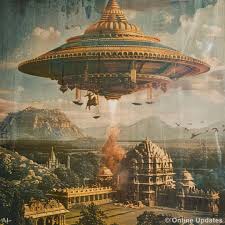
Live and play in greatly shining Aeroplanes,

Where they have reached as a result of their very great devotion

And let that immaculate abode of yours be victorious. 7.5

“In Thy abode which is known as Vaikunth, live the divine beings who have four arms and their complexion is like deep blue lustre of sapphire. They are adorned with various jewels which are studded with gems which enlighten the quarters. They reside in aerial cars. They have achieved this high state by the merit of intense devotion to Thee. Hail to that abode of Thine which is pure and sinless”.

முகவுரை 

இந்து தத்துவத்தில்,  சுவர்க்கம் (சொர்க்கம்), நரகம் (நரகம்) மற்றும் வைகுந்தம் என்ற மூவுலகங்கள் கூறப்பட்டுள்ளன. ஒருவர் இறந்த பிறகு, அவர்களின் ஆன்மா அவர்களின் கர்மாவின் படி இந்த உலகங்களில் ஒன்றை அடைகிறது என்று நம்பப்படுகிறது. சுவர்க்கம் மற்றும் நரகம் இரண்டும் விண்ணுலகமாக கருதப்பட்டாலும், அவை ஒன்றல்ல.

சனாதன தர்மத்தின்படி, சுவர்க்கம் என்பது ஒரு தற்காலிக உலகமாகும், அங்கு நல்லொழுக்கமுள்ள ஆன்மாக்கள் தங்கள் நற்செயல்களின் வெகுமதிகளை அனுபவிக்கச் செல்கின்றன. இந்த இன்பங்களை அனுபவித்த பிறகு, ஆன்மா அதன் கர்ம பயணத்தைத் தொடர பூமிக்குரிய உலகத்திற்குத் திரும்ப வேண்டும்.

மறுபுறம், வைகுந்தம் விஷ்ணுவின் நித்திய தங்குமிடம் மற்றும் 14 உலகங்களுக்கு அப்பாற்பட்டதாகக் கூறப்படுகிறது (முந்தைய ஸ்லோகம் இதைச் சொன்னது) – பொருள் இருப்புக்கு அப்பாற்பட்ட ஒரு தெய்வீக, ஆன்மீக உலகம். வைகுந்தத்தை அடைபவர்கள் மோட்சத்தை (விடுதலை) அடைகிறார்கள் மற்றும் பிறப்பு மற்றும் இறப்பு சுழற்சியிலிருந்து என்றென்றும் விடுவிக்கப்படுகிறார்கள். வேதங்கள் வைகுந்த தாமத்தை நித்திய பேரின்பம் மற்றும் தெய்வீக ஒளியின் இடமாக விவரிக்கின்றன, அங்கு துக்கமோ பற்றுதலோ இல்லை. வைகுண்டத்தில், விஷ்ணு லட்சுமி தேவி, ஸ்ரீ தேவி மற்றும் பூ தேவியுடன், எண்ணற்ற தெய்வீக உதவியாளர்களால் சூழப்பட்டுள்ளார். இந்த உலகம் ஆயிரம் சூரியன்களை விட பிரகாசமாக பிரகாசிப்பதாகவும், அமைதி, பக்தி மற்றும் நித்திய மகிழ்ச்சியால் நிறைந்ததாகவும் கூறப்படுகிறது. இங்கு வருபவர்கள் ஜன்ம-மிருத்யு (பிறப்பு மற்றும் இறப்பு) சுழற்சியிலிருந்து என்றென்றும் விடுபடுகிறார்கள்.

இந்த ஸ்லோகத்தில், பட்டத்ரி வைகுண்டத்தில் உள்ள வாழ்க்கையைப் பற்றிய ஒரு பார்வையை வழங்குகிறார். அப்படி அவர் வழங்குவது, அங்குள்ள “ஆடம்பரம்” பற்றிய விவரங்களை வழங்குவதற்கு அல்ல; மாறாக இப்புவியில் நாம் என்றும், இடைவிடாது, குருவாயூரப்பனாக காட்சி அளித்திடும் வைகுண்டத்தின் இறைவனான  திருமாலின் மீது தூய்மையான, முழுமையான பக்தியை செலுத்திட வேண்டும் என்பதனை நினைவூட்டுவதற்காகவே என்பதை அறிந்துணர வேண்டும்.

தமிழில் ஒலிபெயர்ப்பு

யஸ்மிந்நாம சதுர்பு₄ஜா ஹரிமணிஶ்யாமாவதா₃தத்விஷோ

நாநாபூ₄ஷணரத்நதீ₃பிததி₃ஶோ ராஜத்₃விமாநாலயா: |

ப₄க்திப்ராப்தததா₂விதோ₄ந்நதபதா₃ தீ₃வ்யந்தி தி₃வ்யா ஜநா-

தத்தே தா₄ம நிரஸ்தஸர்வஶமலம் வைகுண்ட₂ரூபம் ஜயேத் || 5||

தமிழாக்கம்


ஈரிறு கைகளுடனே இவ்விடம் விண்ணோர் ஒளிர்வரே
நீலமணி நிறத்தழகுடன் இரத்தின அணிகலன் பூண்டு !
மின்னிடும் விமானமதனில் வசித்துலாவி மகிழ்வரன்றோ
அதிஉயர் பக்திவழி அடைந்திட்ட அவ்வுயர்நிலையில் !
அவ்வுறைவிடமாம் உன் வைகுந்தம் அனைத்து பாபங்கள் 
விடுத்து களங்கமிலாதிருந்து பெற்றிடுக வெற்றிதனை !! 7.5 

விளக்கம்

உம்முடைய வைகுண்டத்தில், ஜனங்கள், பக்தியினால் கிடைத்த உயர்ந்த ஸ்தானத்தினால், நான்கு கைகளுடனும், இந்த்ரநீலக்கல் போன்ற நீல நிறத்துடனும், பல ரத்னங்களால் அலங்கரிக்கப்பட்டும், திவ்ய விமானங்களில் வசித்தும் வருகின்றனர். அப்படிப்பட்ட, பாபங்கள் அற்ற உம்முடைய வைகுண்ட லோகமானது சிறந்து விளங்கட்டும்.

முக்தியை அடைய உதவும் நான்கு வழிகளான சேவை, வழிபாடு, அளவற்ற பக்தி மற்றும் மெய்யறிவு (“சாலோக்யம், சாமீப்யம், சாரூப்யம், சாயுஜ்யம்”) ஆகியவற்றில், முதல் இரு வழிகள் பிறப்பு-இறப்புச் சுழல்கள் வழியாக கர்மவினைகளைத் தீர்த்திடும் வழி. இறுதி வழி “சுய அறிவு” மூலம் பெறப்பட்ட வீடுபேறைக் குறிக்கிறது; இது மிகவும் கடினமான வழி; மிகவும் அரிதானவர்களால் மட்டுமே (ஒரு பில்லியனில் ஒன்று அல்லது இரண்டு என்பதே அதிகம்) இந்த வழியில் வெற்றி பெறுகின்றனர். இருப்பினும், பகவான் விஷ்ணுவின் மீதான, ஆசைகளற்ற சேவை மற்றும் வழிபாட்டுடன் கூடிய அளவற்ற பக்தி நம்மை அவரது உலக வைகுண்டத்திற்கே அழைத்துச் செல்லும். அவ்விடம் அடைவோர், பிறப்பு-இறப்பு சுழற்சியிலிருந்து விடுபடுகின்றனர், இது அவர்களை வீடுபேறு எனும் இறுதி நிலைக்கு இட்டுச் செல்கிறது. இந்த ஸ்லோகத்தில் மறைந்திருக்கும் கருப்பொருள் இதுதான்.

இறையருள் பெருக ! வளமுடன் வாழ்க 

Unity of Music – Sangeeta Aikyam (सङ्गीत ऐक्यम्)

Introduction

Unity of Music – Sangeeta Aikyam (सङ्गीत ऐक्यम्) by soundar53

“Oneness” or “Harmony” of music – Introduction Read on Substack

Shiva Panchakshara Stotram

Unity of Music – 1 – Shiva Panchakshara Stotram by soundar53

Five sacred syllables — Na, Ma, Shi, Vā, and Ya — “Om Namah Shivaya”.Read on Substack

Look out for Raag “Maand” titled “Is Liberation Possible” on April 2nd on my Substack website. Thanks !