விராடபுருட உன் இவ்வடிவம்தனை வினைபுரிந்து கர்மவழி செல்வோர் வினைமுடிவில் செயலிழந்த நேரம் நிலை நிறுத்த வேண்டும் தன்னுள் என மெய்யுணர்ந்த பெரியோர் உரைப்பர் நிர்மல குண வடிவ நீயன்றோ அவ் விராட புருடனெனும் மெய்ப்பொருள்! தீரா என்பிணியைத் தீர்திடு குருவாயூரப்பனே!! 9.10
Human beings who are bound by the law of Karma should remember this Viraat (cosmic) form of Thine, which is of the nature of pure Sattva, at the end of all rituals, and when desirous of liberation and at the time of death. O Lord of Guruvaayur! My salutations to Thee. Please eradicate my ailments.
Meaning of the Sanskrit Words
ईदृक्-जगन्मय-वपु: - तव - such cosmic (Viraat) form of Thee
कर्मभाजां - by all human beings (who are subject to the law of Karma)
कर्म-अवसान-समये - at the end of all vedic karmas and at the time of death
स्मरणीयम्-आहु: - should be remembered, it is said
तस्य-अन्तर-आत्म-वपुषे - (Thou) who are the Indweller of that Viraat form
विमलात्मने ते - (and) Thou who are of the nature of pure Sattva
எம் பிறப்பிறப்புச் சக்கரம் உன் செயல்கள் உம் வீரபராக்ரமன்றோ அசுரர்தம் குழாம் மலைத்தொடர்கள் உன்னுடல் எலும்புகள்
வற்றா நதிகளே உன் குருதிக் குழாய்கள் மரங்களனைத்தும் உன் உரோமங்கள் விரித்துக் கூற இயலா உன் இவ்வடிவம் விளங்கட்டும் ஒளிமயமாய் என் இதயத்தில் கரமதனில் சக்ரமேந்திய சாரங்கனே!! 6.9
O Thou wielder of the discus! Thy activity is the wheel of Samsaara and the host of Asuras are Thy prowess.The mountains are Thy bones, the many rivers are Thy blood streams and the trees are Thy hair. May this indescribable form always shine in me.
Meaning of the Sanskrit Words
संसार-चक्रम्- the wheel of Samsaara ( the cycle of birth and death)
अयि चक्रधर -=O Thou wielder of the discus!
क्रिया: -ते - is Thy activity
वीर्यं महा-असुर-गण: - (Thy) prowess is the host of powerful Asuraas
अस्थि-कुलानि शैला: - (Thy) bones are the mountains
नाड्य: -सरित्-समुदय: - (Thy) blood vessels are the many rivers
O Ocean of mercy! The animal world is Thy lower-back and the elephants camels and horses are the nails of Thy feet. Time is Thy movement. The four varnas -Brahmins, Kshatriyaa, Vaishyaa and Shoodraas originated from Thy lotus face, hands, charming thighs and feet, respectively.
Meaning of the Sanskrit Words
श्रोणी: -स्थल - (Thy) lower-back
मृगगणा: - forms the animal world
पदयो: - नखा: - ते - the nails of Thy feet
हस्ति-उष्ट्र-सैम्धव-मुखा: - are the animals like elephants, camels, horses etc.
गमनं तु काल: - (Thy) movement is Time
विप्र-आदि-वर्ण-भवनं - Brahmins and the other Varnas ensue from
वदन-आब्ज-बाहु-चारु-उरु-युग्म-चरणं - (Thy) lotus face,arms, charming thighs and feet
O Self Effulgent Lord! The back of “Your” Cosmic Form is unrighteousness ( this implies that unrighteousness should be left behind or abandoned);  Your mind is the Moon. O Lotus-eyed Lord! Your Lotus heart is the Unmanifest (Un differentiated nature) with the three Gunas in equilibrium.

Your abdomen is the oceans; Your garments are the two Sandhyaas—dawn and the dusk. Your generative organ is Prajaapati, the God of procreation; Your testicles are God Mitra
Meaning of the Sanskrit Words
पृष्ठं तु-अधर्म - (Thy) back is Adharma (unrighteousness)

इह - of this (cosmic world)

देव - O Lord!

मन: सुधांशु: - mind is the moon

अव्यक्तम्-एव - the unmanifest

हृदय-अम्बुजम् - (is Thy) heart lotus

अम्बुजाक्ष - O Lotus eyed One!

कुक्षि: समुद्रनिवहा: - (Thy) abdomen is the ocean

वसनं तु सन्ध्ये - (Thy) garments are the two sandhyaas (dawn and dusk)

शेफ: प्रजापति:- - (Thy) generative organ is Prajaapati (god of procreation)

असौ वृषणौ च मित्र: - and (Thy) testicles are god Mitra
O Lord! Controller of the Universe, Your sportive smile constitutes Maya, Your Cosmic Creative Power; Your breath is the wind; Your tongue is water, Your speech the formation of beautiful birds;

Your tunes (The seven notes Sa,Ri, Ga, Ma, Pa, Da, Ni) are the divine Siddhas,  and Gandharvas; Your mouth is the God of Fire, arms the Devas, and Your twin breasts are the God of Dharma representing Pravriti and Nivriti Dharmas !
Meaning of the Sanskrit Words
माया	 - Maayaa (Thy cosmic creative power)

विलास-हसितं - is (Thy) charming smile

श्वसितं समीर: - (Thy) breath is the wind

जिह्वा जल - (Thy) tongue is water

वचनम्- speech

ईश	O Lord !

शकुन्त-पङ्क्ति - is the birds' chirping in formation

सिद्ध-आदय: स्वरगणा: - (Thy) voice is the Sidhdhaas (and other divine artists)

मुख-रन्ध्रम्-अग्नि: - (Thy) mouth is fire

देवा भुजा: - (Thy) arms are the gods (Devaa)

स्तनयुगं तव धर्मदेव: - Thy breasts is the Dharmadeva (the god of righteousness)
“Your side-long glance constitutes the creation of all the fourteen worlds. Hence, it is needless to say that the closure of Your eye lids is the Great Deluge; Your ears are the Directions; the two Nostrils are the pair of Ashwini devas; Your Upper and lower lips represent modesty and greed respectively; Your Teeth, the Stars and Your Molars is Yama, the God of Death”
Meaning of the Sanskrit Words
निश्शेष-विश्व-रचना च - the creation of the whole universe

कटाक्ष-मोक्ष: - is by extending a glance of Thy eye

कर्णौ दिश: - (Thy) ears are the directions (quarters)

अश्वियुगलम् - the two Ashvinidevas

तव नासिके द्वे - are Thy two nostrils

लोभत्रपे च - greed and modesty

भगवन्	 - O Lord!

अधर-उत्तर-ओष्ठौ - (are Thy) lower and upper lips

तारा-गणा: - च - and the galaxy of stars

दशना: - are Thy teeth

शमन: च दंष्ट्रा - the molars are Yama (the god of death
In Dasakam 5,starting with the divine intention (sankalpa) or will within the Supreme Being to bring forth the universe, Narayana Bhattathri has so far outlined the evolution of

1. Purusha,
2. Prakriti,
3. Mahat,
4. Ahamkara
5. Fourteen Presiding deities
6. Four functions of Inner conscience,
7. Five Sense and five action organs
8. Five Tanmaatras and the five Pancha Bhootas.
9. Creation of Hiranyagarbha, the Golden Egg.

Concluding this Dasakam, Bhattathri brings out the final evolution of the Virat Purush into the fourteen worlds.
முகவுரை
இந்த தசகத்தில், ஸ்ரீ. நாராயண பட்டத்திரி பிரம்மனின் பிரபஞ்ச வடிவத்தின் பரிணாமத்தை (ஸ்ரீமத் பாகவதத்திற்கு ஏற்ப) பிரம்மனின் "விராட் ரூபத்தில்" வழியாக அறிய உதவுகிறார்.
இதுவரை
1. புருஷன், 2. பிரகிருதி, 3. மஹத், 4. அஹம்காரா 5. பதினான்கு அதிபதிகள் 6 உள் மனசாட்சியின் நான்கு செயல்பாடுகள், 7. ஐந்து உணர்வுகள் மற்றும் ஐந்து செயல் உறுப்புகள் 8. ஐந்து தன்மாத்திரங்கள் மற்றும் ஐந்து பஞ்ச பூதங்கள். 9. ஹிரண்யகர்பம் எனும் பொன் முட்டை
In Dasakam 5, Narayana Bhattathri provides an evolution of the Cosmic Form of the Brahman (in line with Srimad Bhagavatham) to help us focus on the “Virat Rupa” of Brahman.

Starting with the divine intention (sankalpa) or will within the Supreme Being to bring forth the universe, Bhattathri in the previous Slokas outlined the evolution of Purusha, Prakriti, Mahat, Ahamkara and associated deities for the five organs of perception, five organs of action and the four aspects of inner conscience.He then outlined the evolution of the inner conscience, the sense and action organs.

Now in this Sloka, the evolution of additional elements is highlighted.
முகவுரை
இந்த தசகத்தில், ஸ்ரீ. நாராயண பட்டத்திரி பிரம்மனின் பிரபஞ்ச வடிவத்தின் பரிணாமத்தை (ஸ்ரீமத் பாகவதத்திற்கு ஏற்ப) பிரம்மனின் "விராட் ரூபத்தில்" வழியாக அறிய உதவுகிறார்.

பிரபஞ்சத்தை வெளிக்கொணர வேண்டும் என்ற தெய்வீக எண்ணம் (சங்கல்பம்) அல்லது பரமாத்மாவிற்குள் உள்ள சித்தத்துடன் தொடங்கி, முந்தைய ஸ்லோகங்களில் பட்டத்திரி, புருஷன், பிரகிருதி, மஹத், அஹம்காரம் மற்றும் உள்மனசாட்சியின் நான்கு அம்சங்கள், ஐந்து புலனுணர்வு உறுப்புகள், ஐந்து செயல் உறுப்புகளுக்குக்குத் தொடர்புடைய தெய்வங்களின் பரிணாமத்தை கோடிட்டுக் காட்டினார். பின்னர், நான்கு அம்சங்கள் நிறைந்ந மனம், உணர்வு மற்றும் செயல் உறுப்புகளின் பரிணாமத்தை கோடிட்டுக் காட்டினார்.

இப்போது இந்த ஸ்லோகத்தில், ஸமஷ்டி நிலையில் உருவாகும் அடுத்த தத்துவங்களின் வெளிப்பாட்டினை விளக்குகிறார்.
shabdaadvyOma tataH sasarjitha vibhO sparshaM tatO maarutaM
tasmaadruupamatO mahO(a)tha cha rasaM tOyaM cha gandhaM mahiim |
evaM maadhava puurvapuurvakalanaadaadyaadyadharmaanvitaM
bhuutagraamamimaM tvameva bhagavan praakaashayastaamasaat ||
Meaning in English
O All pervading Lord! From the Tanmaatra of (Shabda) the subtle element of sound, came the element (Aakaash) Space and from it touch (Sparsh). From touch (Sparsh) came the element Air (Vaayu) and from it form (Roopa). From form (Roopa) came the element Fire (Agni) and from it Taste (Rasa). From the Tanmaatra of Taste (Rasa) came the element Water (Jala) and from it smell (Gandha). From smell (Gandha) came the element Earth (Bhoomi). O Maadhava! By Thy will, thus from the Tamasa aspect of Ahankaara, were born the five Tanmaatras and the five Pancha Bhootas each element having the qualities of the preceding one.
Explanatory Notes
We must bear in mind that the focus of Dasakam 5 so far, has been on the evolution of the Cosmic Egg or the Virat Rupa of the Brahman and should not be mixed up with the evolution of human body which is essentially identical to the one happening in the Cosmos. At the same time we shouldn’t forget that after all what is happening in the Cosmos do happen in our body too.
விளக்க குறிப்பு
இதுவரை தசகம் 5-ல் கூறப்படுவது, அண்ட பொன் முட்டை (ஹிரன்ய கர்ப்ப) அல்லது பிரம்மனின் விராட ரூபத்தின் பரிணாம வளர்ச்சி. இதி ஒரு சமஷ்டி நிலை கண்ணோக்கம். நடைமுறை நிலையில், மனித உடலின் பரிணாம வளர்ச்சியுடன் (வ்நஷ்டி நிலை) ஒப்பிட்டு கலந்துவிடக் கூடாது. “அண்டத்தில் நடப்பது பிண்டத்திலும்” என்ற சொல்லிற்கிணங்க, இப்பரிணாமங்களை பிண்டத்திலும் காணலாம் என்பதனையும் மறந்துவிடக் கூடாது.
Meaning of the Sanskrit Words
श्ब्दात्-व्योम - from sound, space
तत: ससर्जिथ - then,Thou created
विभो - O All pervading Lord !
स्पर्शं - touch
तत: मारुतं - then air
तस्मात्-रूपम्- from that (air) form
अत: मह: -then fire
अथ च रसं - and after that taste
तोयं च गन्धं महीम् - then water smell and earth (were born)
एवं माधव - in this manner O Maadhava!
पूर्व-पूर्व-कलनात्- because of association with the preceding (product)
आद्य-आद्य-धर्म-अन्वितं having the qualities of the earlier products
In spiritual journey, ordinary mortals like me find it extremely difficult to focus the mind and meditate/contemplate on the only omnipresent, omniscient, pure, eternal, ultimate Reality known as “Brahman” (to be precise “Nirguna, Nishkala Brahman” with out name, form and transcending time and space).

Therefore, in this Dasakam 5, Narayana Bhattathri provides an evolution of the Cosmic Form of the Brahman (in line with Srimad Bhagavatham) to help us focus on the “Virat Rupa” of Brahman.

Starting with the divine intention (sankalpa) or will within the Supreme Being to bring forth the universe, Bhattathri in the previous Slokas outlined the evolution of Purusha, Prakriti, Mahat, Ahamkara and associated deities for the five organs of perception, five organs of action and the four aspects of inner conscience.

Now in this Sloka, Bhattathri outlines the evolution of the inner conscience, the sense and action organs.
முகவுரை
ஆன்மீகப் பயணத்தில், என்னைப் போன்ற சாதாரண மனிதர்கள், மனதை ஒருமுகப்படுத்தி, எங்கும் நிறைந்த, எல்லாம் அறிந்த, தூய்மையான, நித்திய, இறுதியான "பிரம்மன்" ("நிர்குண, நிஷ்கல பிரம்மன்") என்று அறியப்படும் உண்மையின் மீது தியானம்/தியானம் செய்வது மிகவும் கடினம்.

எனவே, இந்த தசகத்தில், ஸ்ரீ. நாராயண பட்டத்திரி பிரம்மனின் பிரபஞ்ச வடிவத்தின் பரிணாமத்தை (ஸ்ரீமத் பாகவதத்திற்கு ஏற்ப) பிரம்மனின் "விராட் ரூபத்தில்" வழியாக அறிய உதவுகிறார்.

பிரபஞ்சத்தை வெளிக்கொணர வேண்டும் என்ற தெய்வீக எண்ணம் (சங்கல்பம்) அல்லது பரமாத்மாவிற்குள் உள்ள சித்தத்துடன் தொடங்கி, முந்தைய ஸ்லோகங்களில் பட்டத்திரி, புருஷன், பிரகிருதி, மஹத், அஹம்காரம் மற்றும் உள்மனசாட்சியின் நான்கு அம்சங்கள், ஐந்து புலனுணர்வு உறுப்புகள், ஐந்து செயல் உறுப்புகளுக்குக்குத் தொடர்புடைய தெய்வங்களின் பரிணாமத்தை கோடிட்டுக் காட்டினார்.

இப்போது இந்த ஸ்லோகத்தில், பட்டத்திரி நான்கு அம்சங்கள் நிறைந்ந மனம், உணர்வு மற்றும் செயல் உறுப்புகளின் பரிணாமத்தை கோடிட்டுக் காட்டுகிறார்.
O Infinite One! By Thy will, from the Saatwic aspect of Ahankaara, the inner equipment of Antahkarana was born, consisting of, Manas, Buddhi, Ahankaara and Chitta. From the Raajasic aspect of the Ahankaara the ten Indriyaas were born (5 Karmendriyaas and 5 Jnanendriyaas). O Lord! by Thy will, from the Taamasic aspect of the Ahankaara was born, the sound (Sabda) which is the subtle essence (Tanmaatra) of space (Aakaash).
Explanatory Notes
Adi Sankara’s Viveka Chudamani explains the objects listed out by Bhattathri in this Sloka.

1. The ears, skin, eyes, nose and tongue are organs of knowledge, for they help us to cognise objects; the vocal organs, hands, legs, etc., are organs of action, owing to their tendency to work.

2. The inner organ (Antahkaraṇa) is called Manas, Buddhi, ego or Chitta, according to their respective functions: Manas, from its considering the pros and cons of a thing; Buddhi, from its property of determining the truth of objects; the ahankara (ego), from its identification with this body as one’s own self; and Chitta, from its function of seeking for pleasurable objects.

It must be noted that none of the objects such as Prakriti, Mahat, Ahamkara etc listed in the previous Slokas as part of the cosmic evolution are capable of bringing out the Anthakarana and the Indriyas listed in this Sloka.

Therefore Bhattathri has emphasised again that it is purely due to the divine intention (sankalpa) or will within the Supreme Being to bring forth the universe, which he calls it as His strength (“bala”) here.
விளக்க குறிப்பு
உலகெங்கும் நிறைந்தவனே! உன்னுடைய வலிமையால் ஸத்வ குணமானது, மனது, புத்தி, அகங்காரம் இவைகளுடன் கூடிய சித்தம் என்ற ஸாத்வீக அகங்காரத்தை உண்டாக்கியது. ரஜோ குணமானது, பத்து இந்திரியங்களை உண்டாக்கியது. தமோ குணமானது ஆகாயத்தின் ஸூக்ஷ்ம சப்தத்தை உண்டாக்கியது.

ஆதி சங்கரரின் விவேக சூடாமணி (92-94),

1. காதுகள், தோல், கண்கள், மூக்கு மற்றும் நாக்கு ஆகியவை அறிவின் உறுப்புகள்(ஞானேந்திரியங்கள்), ஏனெனில் அவை வெளிப்புற பொருட்களின் அறிவைப் பெற உதவுகின்றன. பேச்சு உறுப்பு, கைகள், கால்கள், ஆசனவாய் மற்றும் பிறப்புறுப்பு ஆகியவை வேலை செய்யும் இயற்கையின் காரணமாக செயல்படும் உறுப்புகளாகும் என்றும்

2. ஸாத்வீக அகங்காரம் என்பது உடலுக்குள் இருக்கும் ஒரு சாதனம்; அதனைத்தான் அந்தக்கரணம் என்பர். மனம், புத்தி, அஹங்காரம், சித்தம் என்ற நான்கு வகைகளில் செயல்படுவது. புத்தி என்பது தான் ஒவ்வொரு விஷயத்தின் நிலைப்பாட்டை நிர்ணயிக்கிறது. அகம்பாவம் என்பது உடலை முன்னிலைப்படுத்தி மனிதன் இயங்குவது. அதுவே தான் எல்லாம், என்று பொய்யாய் நிஜமாக காட்டுவது. சித்தம் என்பது எண்ணக்கோர்வை, எதிலெல்லாம் அவன் ஈர்ப்பு செல்கிறது என்று காட்டுவது என்றும் கூறுகிறது.

அண்ட பரிணாமத்தின் ஒரு பகுதியாக முந்தைய ஸ்லோகங்களில் பட்டியலிடப்பட்ட பிரகிருதி, மஹத், அஹம்காரம் போன்ற பொருட்கள் எதுவும் இந்த ஸ்லோகத்தில் பட்டியலிடப்பட்டுள்ள அந்தகரணம் மற்றும் இந்திரியங்களை வெளிப்படுத்தும் திறன் கொண்டவை அல்ல என்பதை கவனத்தில் கொள்ள வேண்டும். எனவே, பிரபஞ்சத்தை வெளிக்கொணர பரமாத்மாவிற்குள்ளேயே உள்ள தெய்வீக எண்ணம் (சங்கல்பம்) அல்லது சித்தத்தினால் தான் என்று மீண்டும் வலியுறுத்துகிறார் பட்டத்ரி. இந்த ஸ்லோகத்தில் அதை பரம்பொருளின்  பலம் என்று குறிப்பிடுகிறார்.
Meaning of the Sanskrit Words
भूमन् - Infinite One! முடிவிலோனே
मानस-बुद्धि-अहंकृति-मिलत्-the mind, intellect and ego including - மனம், புத்தி, அஹங்காரம்
चित्ताख्य-वृत्ति-अन्वितं - memory, these modes constituting - சித்தம் முதிலிய அடங்கிய
This write up below is definitely not an exhaustive description of what our scriptures talk about Pralaya. It is my very limited understanding of the vast literature available in public domain. The objective is to get a broad idea of the principles involved so that when we take up the study of our scriptures and Sanskrit Slokas, we will have a better comprehension of what they say.
Reader is strongly advised to strictly learn these under the guidance of a Guru, if one wants a deep dive in this subject.
Introduction
The concept of Pralaya or dissolution is intimately related with the concept of creation. Our scriptures say that the chain of creation and dissolution continues without break. After each creation, there is dissolution and after dissolution there is again new creation.Following the dissolution, there is a period of rest or interval, known as Pralaya. It's a period of non-existence where the universe remains dormant before the next cycle begins.

Each creation i.e., anything that has an “existence” goes through the dissolution process. The dissolution process is the reverse of the creation process. This means that all the creations at the gross level dissolves into the subtle level and the subtle into causal levels.

Therefore, in addition to the “kaala” or time and its breakdown which we saw in the earlier part, we should also understand what is getting dissolved, where is it getting dissolved and how often do they get dissolved. In other words, we should understand

1. The different forms of existence
2. the realms of existence
3. The cycles of dissolution
Forms of existence
In this universe, (universe included) there are sentient and insentient things that exist.

Leaving the near infinite number of insentient and inert materials and their different forms aside, the Padma Purana discusses the number of different types of life-forms in the universe. According to the Padma Purana, there are 8,400,000 life-form species, 900,000 of which are aquatic ones; 2,000,000 are trees and plants; 1,100,000 are small living insects species; 1,000,000 are birds; 3,000,000 are beasts and reptiles; and 400,000 are mammal species.

Creation (srishti) and destruction (pralaya) is about all these forms of existence.
Realms of existence
Apart from the infinite time element, as one of the common causes for cosmic evolution, infinite space is to be understood in proper perspective. This is known as “loka” in our scriptures. The most common cosmological conception of lokas in the Veda was that of the trailokya or triple world: three worlds consisting of earth, atmosphere or sky, and heaven, making up the universe.

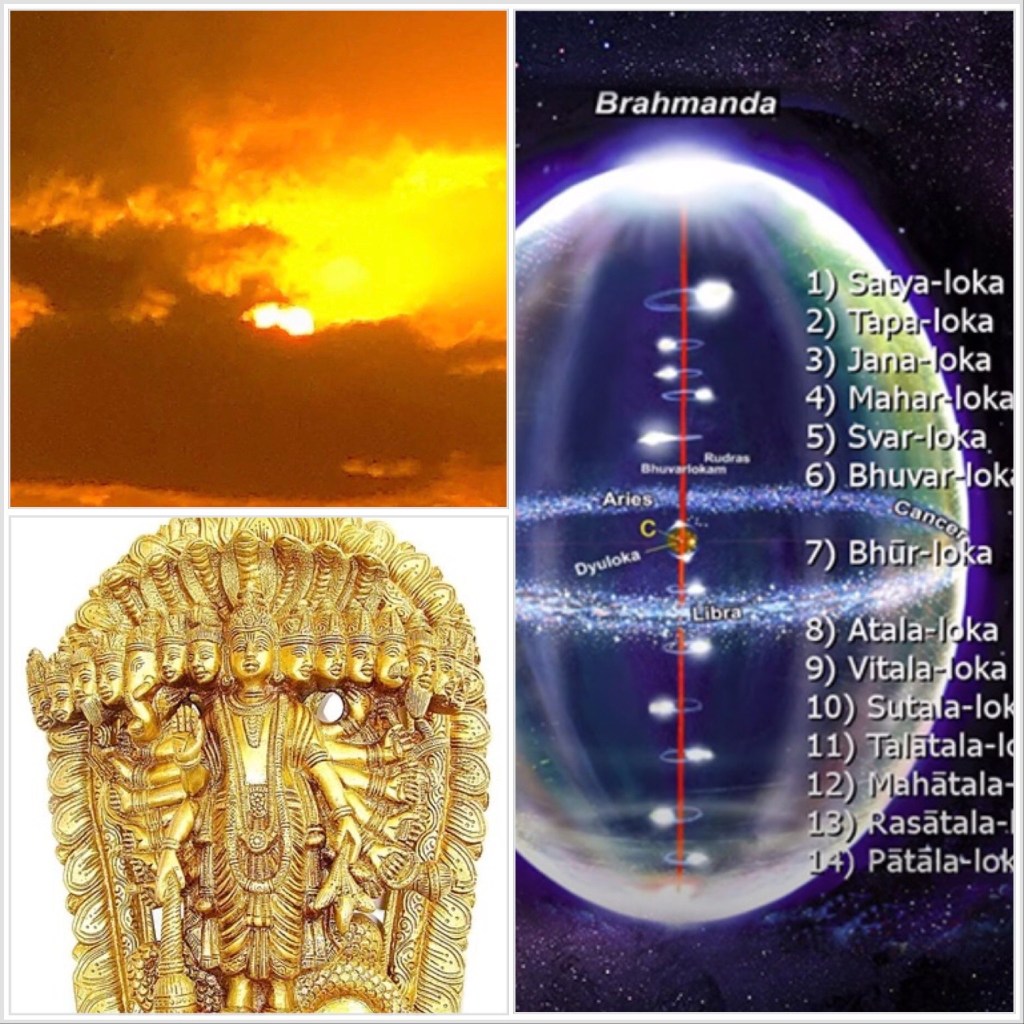
Hindu mythology defines fourteen worlds (not to be confused with planets) – seven higher worlds (heavens) and seven lower ones (underworlds). (The earth is considered the lowest of the seven higher worlds.) The higher worlds are the seven Vyahrtis (Heavens or Upper worlds) and seven Patalas (Hells or lower worlds).

The 14 Lokas are: (1) Satya (2) Tapa (2) Jana (4) Mahar (5) Svar (6) Bhuvar (7) Bhu (8) Atala (9) Vitala (10) Sutala (11) Talatala (12) Mahatala (13) Rasatala (14) Patala.
Time Cycles and kinds of Pralaya
Visnu Purana describes, four kinds of pralaya viz.,

Naimittika (occasional),
Prakrtika (elemental),
Atyantika (absolute) and
Nitya (perpetual)
All these are directly related to the life of Brahma, the God assigned the responsibility of creation.
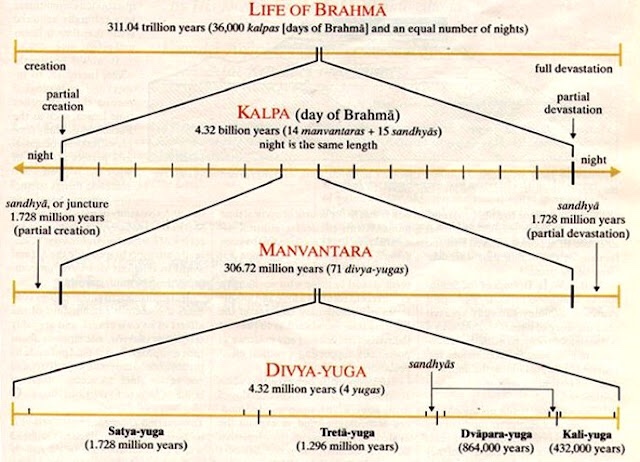
This Pralaya is also termed as the Brahma Pralaya. This Pralaya at the end of a kalpa or at the end of a day of Brahmas life - 4.32 Billion human calendar years);. After a kalpa, Naimittika pralaya occurs. It is also indicated in the Visnu Purana that this dissolution occurs only in the three lokas, i.e., Bhu, Bhuva and Sva.The Visnu Purana also gives a very fearful description of this dissolution.
Prakrtika Pralaya:

This Pralaya occurs when the whole Brahmanda dissolves in Prakrti. This pralaya occurs at the end of the life span of Brahma (100 years as per his calendar) , viz., at the end of Maha Kalpa - 311.04 Trillion years in human calendar (comprising of two paraardhaas of 155.52 Trillion years each).

At that time all the things of the world return to their causes. This dissolution takes place in the opposite order of their creation. Thus, the seven forms of Prakrti from Mahat to earth enter successively into their causes. The Egg of Brahma is dissolved in the waters that surround it with its seven lokas, seven oceans, seven islands and the mountains. Water is drunk up by fire; that of air absorbs the stratum of fire. Air is merged in ether and Bhutadi or Ahamkara devours the ether. Mahat again takes up Ahamkara. Then Prakrti absorbs Mahat and all these. Prakrti and Purusa also are dissolved into the Supreme Spirit. This is Prakrta Pralaya.
Atyantika Pralaya :

Absolute or final dissolution is attained by the knowledge of the Supreme. It is said that all beings are afflicted by three kinds of worldly pains, viz., adhyatmika, adhibhautika and adhidaivika. The Visnu Purana also describes these three types of pains. Adhyatmika is of two types - bodily and mental. That kind of evil, which is inflicted upon men by beasts, birds etc. are called Adhyatmika. Adhidaivika pain is the work of cold, heat, wind, rain, lightning and other atmospherical phenomena. These three types of afflictions are described in the Samkhya system also in the similar vein.

Only true knowledge about one self (atma vidya, brahma jnanam) can rescue men from these three kinds of affliction. When a man attains true, knowledge & detachment from human afflictions, he obtains final dissolution. In this pralaya, the yogis are merged in the Supreme Spirit.
Nitya Pralaya:

It is said that Nitya or perpetual dissolution is the constant disappearance of all living beings. Experts interpret this as the death of the living beings, which occurs constantly - “Nitya is the extinction of life, like the extinction of a lamp, in sleep at night”. Some Vedantists describe Nitya Pralaya as Susupti or deep sleep.
Conclusion
We have through a five part study tried to have an overview of the cosmic evolution as per the modern and Indian perspectives. This study was essential to appreciate Narayaneeyam Dasakam 5.
From the next blog we will start our study the Slokas of Dasakam 5.




 Prabhu's Ponder