Narayaneeyam Dasakam 5 – Cosmic evolution – The Indian Perspective Part 3 – Creation – The magic show

Word of Caution

This write up below is definitely not an exhaustive description of what our scriptures talk about Creation. It is my very limited understanding of the vast literature available in public domain.

The objective is to get a broad idea of the principles involved so that when we take up the study of our scriptures and Sanskrit Slokas, we will have a better comprehension of what they say.

Reader is strongly advised to strictly learn these under the guidance of a Guru if one wants a deep dive in this subject.

What is learnt so far

In Part 1, we learnt that our forefathers, the rishis and sages, through deep meditations, focused inward on the "causeless cause" that is responsible for creating this Universe and identified that as "Brahman", the only pure, omnipresent, indestructible eternal blissful ultimate reality with "existence & consciousness". (science calls these as matter and energy in a materialistic sense). We also learnt that Brahman determines itself and reveals itself to our conceptual cognition as the fundamental aspects in which we see and experience through the real and fundamental truths of its being  which are beyond the universe and yet in it and are the very foundation of its existence, like the waves of the sea, the heat of the fire, the fragrance of the flower, the smell of the earth etc.

In Part 2, we learnt that, to understand the Cosmic evolution (a cyclic process of manifestation, sustenance and destruction), we need to clearly understand and accept that the following:

1. Brahman is the intelligent cause for the cosmic evolution

2. Moolaprakrti (called by various names such as Avyakta, Maya, Gunasamya) which like Brahman is without a beginning and end yet completely dependent on Brahman, is the material cause

3. Eternal space and time are the common causes.

4. The cyclic process of evolution is synchronised with the life span of the God Brahma assigned with the responsibility of the process of creation.

Now in this third part we will see an overview of the processes of cosmic evolution.

Cosmic Evolution – Initial State – An apex level Perspective

At the beginning (in a cyclic process this could be the end too) is the Deep Sleep State. (Remember the Scientific Perspective of this state- all that was there was a single point with infinite density and infinite heat. This is that state we are talking about)

1. In this state, the omnipresent and eternal Brahman as pure existence is the only and ultimate reality.

2. The relation between Brahman and Mula Prakṛti is universal pervasion (vyāpti), as He, in very truth, is without beginning and without end.

3. Maya is Abhinna Shakti of Brahman. Abhinna means inseparable. Maya cannot be separated from Brahman. Just as heat is inseparable from fire, so also Maya is inseparable from Brahman.

4. The omnipresence of both Brahman and Maya means that in this state, there are no such thing as Time and Space.

5. The three modes of nature called “gunas” viz., Saatvic, Rajas and Tamas are in perfect equilibrium.

6. There is no such thing as creation, preservation and destruction.

This is the state of Bliss.

Cosmic Evolution – The five pronged iterations – Panchikarana

From this state of bliss, due to the creative will of the Supreme Being, cosmic evolution again begins. In the Big Bang theory, this is stated as “suddenly something happened”. Our saints, seers and sages compare this to the glance from the Brahman’s eyes.

According to Hindu cosmology as described in texts like the Vishnu Purana, Brahma creates the universe through a process involving various stages. Here's a simplified overview of how Brahma is said to create the universe:

1. **Sankalpa (Divine Will):** Before creation, there is a divine intention or will within the Supreme Being to bring forth the universe. This intention is known as "Sankalpa."

2. **Creation of Cosmic Egg:** From the divine intention, a cosmic egg or golden womb known as "Hiranyagarbha" is formed. This egg contains the potential for the entire universe.

3. **Division of Egg:** Brahma emerges from the cosmic egg and divides it into different parts. These divisions form the various planes of existence, including the physical world, the heavens, and the subtle realms.

4. **Creation of Elements:** Brahma then creates the fundamental elements (earth, water, fire, air, and ether) and assembles them to form the physical universe.

5. **Creation of Living Beings:** With the elements in place, Brahma proceeds to create different life forms, from the simplest organisms to more complex beings.

6. **Creation of Celestial Beings:** Brahma also creates celestial beings, including gods, demigods, and other divine entities, who play specific roles in maintaining the cosmic order.

7. **Creation of Time and Natural Laws:** Brahma establishes the laws of nature, the cycles of time (days, nights, seasons, yugas), and the cosmic order that governs the universe.

8. **Creation of Scriptures:** Finally, Brahma imparts knowledge and wisdom to sages and seers, who then record sacred scriptures to guide living beings on their spiritual paths.

It's important to note that these descriptions are symbolic and metaphorical, meant to convey profound spiritual concepts rather than literal scientific explanations. The creation process in Hindu cosmology emphasizes the divine nature of creation and the interconnectedness of all existence.

Our Scriptures say that due to this creative will, Nature called Maya gets activated and the equilibrium among the three gunas that are contained in the Maya gets disturbed. With the disturbed three gunas and aided by the common cause viz., eternal time, Nature then brings out concepts called Tattvas. These Tattvas vary from 24 to 36 as per the philosophies followed by the various sects of Sanatan Dharma (like Advaita, Dvaita, Kashmir Saivaites, Saiva Siddhanta of Southern India etc). While the number of Tattvas may vary, the process of bringing out these Tattvas are essentially the same and is called “Panchikarana”, the five pronged iterations. Thus, from the triadic manifestation if the gunas, gradual cosmic evolution proceeds. Here is an overview.

1. The first out of this process of creation is Mahat.When sattva is dominant, the Mahat (the Great One) is the first reality to arise from Prakriti. It has a global element as the world’s wellspring, as well as a corporeal aspect as living creatures’ intelligence or buddhi. It is in charge of reasoning and discerning awareness. Mahat is the germinating place of all creations. This manifestation is the supreme sum total of matter. The mahat-tattva is directly connected with the supreme consciousness of the Supreme Being, but still it appears as matter. The mahat-tattva is called the total (vyashti) consciousness because a portion of it is represented in everyone as the intellect (samashti).
Mahat, the Cosmic Intelligence may be said to be Hiranyagarbha, the all-knowing creative principle, omnipresent, omniscient, omnipotent consciousness. From the state where the cause and effect are not clearly manifested (avyakta), the Mahat Tattva comes out first, just as the sprout shoots out from the seed in the ground.

2. When Mahat, the all-knowing creative principle, omnipresent, omniscient, omnipotent consciousness becomes conscious of itself in other words if the Rajas Guna is the predominant guna in Mahat,– I-am, omnipresent – it becomes cosmic Ahamkara at the total (Samashti) level . This Ahamkara here is to be understood as Cosmic Self-awareness – the whole universe becoming conscious. This is ascribed to the predominance of Saatvic qualities of Mahat. When Tamas-dominates the Mahat, it generates a specific sense of Aham at the individual level (vyashti), which regards itself different from others. A sense of I am; "I" sense; I, My, Mine. I as different from you, them, it. This is generated in the Jiva the individual soul. Aham is of two kinds, viz., Samashti Aham or collective egoism and Vyashti Aham or individual egoism. The collective egoism is Ishvara and the individual egoism is the Jiva or the human being. The Jiva develops egoism first and begins to feel 'Aham Jiva - I am Jiva,' and then only he begins to cognise the world and the Ishvara. But for the Vyashti Aham, there cannot be any Samashti Aham or Ishvara and the world.

3. From this (māyā), ākāśa (space) was created, from ākāśa, vāyu (air) was created. From vāyu, teja (fire) was created. From teja, āpaḥ (water). From āpaḥ, pruthvi (earth) was created. Since all five elements, space, air, fire, water and earth are created from triguṇātimīkā māyā i.e. māyā containing 3 guṇa-s (satva, rajasa and tamasa), all five elements contain these three guṇas.

4. Next is the creation of indriyas. ‘Indriya’ means ‘organ’.We have five sense organs - ears, eyes, skin, tongue and nose known as Jñānendriyas. We have five karmendriyas which help us to act. They are speech (mouth), hands, legs, anus and reproductive organs. Each indriya has it’s controlling deity or devatā.

5. This creation process is called Panchikarana’. The process involves each of the five elements splitting into two halves and one half of each further spilling into four parts. Thus we have space splitting into two and one of the halves further splitting into four parts. Like that each of the elements undergoes divisions. The four of one-eighth parts are now distributed to other elements. Thus air, fire, water and earth each of them get one eighth of Aakasha. Similarly the other elements get distributed giving again one full for each of the units. Thus Akasha retains half of its own and one -eighth of other Elements. This process is called Panchikaranam or grossification of the five of the Elements in their subtle or fundamental nature. In other words, division of each of the Elements by two equal parts and futher into four equal sub parts with each of the other four elements and so on and such ‘quintiplication process’ is known as ‘Panchikarana’ or a systematic admixture of all the Pancha Bhutas into a warp-weft process of each formation of weaving a cloth!

6. As an example, from satva guṇa part of ākāśa tatva (space element), shrotreindriya (shrotra-indriya) meaning organ of hearing (ears) are created. ‘shrotra’ means sound. To hear sound, ears are created. Here sound is an subject (viṣaya) of sense organ (indriya) ears. The quality of ākāśa is śabda or sound. Space is the medium of transorpting sound. In order to hear sound, from the purest part i.e. sattva guṇa, ears were created.The controlling devatā of shrotra is dik or diśā or directions.

Here is a flow chart which gives an overview which takes into account the Indriya – sense organ, the Viśaya – Subject i.e. what the organ senses and the Adhiṣṭhātā deva or Devatā – controlling deity.
In the concluding part, we will see the end game of Brahman called “Pralaya” as part of the Cosmic Evolution.

God Bless

நாராயணீயம் தசகம் 5 – அண்டப் பரிணாமம் – ஆன்மீக கண்ணோட்டம் – பகுதி 3 – படைப்பு எனும் மாயா ஜாலங்கள்

முக்கிய அறிவிப்பு

இந்த பதிவு, நிச்சயமாக அண்டத்தின் படைப்பைப் பற்றி ஆன்மீகம் என்ன சொல்கிறது என்பது பற்றிய முழுமையான விளக்கம் அல்ல. அண்டத்தின் படைப்பை பற்றிய ஆன்மீக விளக்கங்களிலிருந்து நான் புரிந்து கொண்ட ஒரு மேலான கண்ணொட்டத்தின் வடிவே இது.

நாராயணீயம் தசகம் ஐந்தினை சரியாக புரிந்து கொள்வதே நமது குறிக்கோள். அதற்கு தேவையான புரிதலை நமக்கு அளிக்கவே இந்த பதிவுகள் என்பதை நாம் மனதில் நிலைநாட்ட வேண்டும். இதனை முந்தைய பதிவான நாரயணீயம் முகவுரையிலேயே அடியேன் குறிப்பிட்டிருந்தேன் என்பதையும் நினைவுகூறுக.

இந்த விஷயத்தில் ஆழ்ந்து அறிய விரும்பினால், தங்களது குருவினை அணுகி, இவற்றைக் கற்றுக் கொள்ளுமாறு வாசகர்களை அன்புடன் கேட்டுக் கொள்கிறேன்.

இதுவரை அறிந்தது

பகுதி 1ல், நமது முன்னோர்களான ரிஷிகளும், முனிவர்களும் அவர்கள் இருந்த காலகட்டத்திற்கேற்ப, ஆழ்ந்த தியானங்களின் மூலம், "காரணமற்ற காரணத்தில்" கவனம் செலுத்தி உள்நோக்கி சிந்தித்து, "நிறையும் ஆற்றலும்” அதாவது “இருப்பும் உணர்வும்” (matter & energy or existence & consciousness)கொண்ட ஒரே ஒரு தூய்மையான, எங்கும் நீக்கமற நிறைந்த, அழிவிலா நித்திய பேரின்பமான இறுதி உண்மையெனும் தத்துவம் நமது கருத்தியல் அறிவாற்றலில் (In our conceptual cognition), நாம் பொறிபுலன் கொண்டு, கண்டு அனுபவிக்கும் அடிப்படை அம்சங்களாக தன்னை வெளிப்படுத்துகிறது என்று கூறியதை அறிந்தோம்.

பகுதி 2ல், படைப்பு என்பது பரம்பொருளின் இச்சையால் வெளிப்படுகிறது என்றும், அப்பரம்பொருளே படைப்பின் அறிவுக்காரணம் என்றும் அறிந்தோம். மேலும் பரம்பொருளைப் போல ஆதியும் அந்தமும் இல்லாமல் எனினும் பரம்பொருளைச் சார்ந்த சக்தியான மூலப்ரக்ருதி, அவ்யக்தா, மாயா, குணஸம்யா என்றெல்லாம் வடமொழியில் கூறப்படும் மாயையே படைப்பின் பொருட்காரணம் என்றும், அழியா இடம், அழியா காலம் இரண்டும் பொதுக்காரணமென்றும் கண்டோம். அந்த காலத்தின் கணக்கினை நான்முக கடவுளின் ஆயுளுடன் இணத்ததையும் அறிந்தோம்.

இனி இந்த மூன்றாவது பகுதியில் அண்டப் பரிணாமத்தின் விவரங்களைக் காண்போம்.

அண்டப் பரிணாமம்அதி உயர் நிலை கண்ணோட்டம்

இந்நிலை ஆழ் உறக்க (ஸுஷுப்தி என்பர் சமஸ்க்ருதத்தில்) நிலை. அதாவது பரம்பொருள், படைக்கும் இச்சையிலாமல், அசைவிலாமல்/உணர்வலைகளின் அதிர்விலாமல் இருக்கும் தூய இருப்பு நிலை. இந்நிலையில், ஆதியும் அந்தமுமில்லாமல் பரம்பொருளும் மாயையும் நீக்கமற நிறைந்திருக்கும். ஆதியும் அந்தமுமில்லையதனால் காலம் என்பது இல்லை; நீக்கமற நிறைவதனால் இடம் என்ற ஒன்று இல்லை. ஆக இந்நிலையில், இடம், காலம் என்று ஒன்றில்லை.

இந்நிலையில், அறிவாற்றல் இலா, விவரிக்க இயலா மாயையில், சாத்விக, ரஜ, தாமஸ என்று மூன்று குணங்களும் சமநிலையில் இருக்கும்.

சரியாகச் சொல்ல வேண்டுமானால், இதை ஆரம்ப நிலை, மஹா பிரளயம் அல்லது பேரழிவு அல்லது முடிவு நிலை என்றும் எடுத்துக்கொள்ளலாம். இந்நிலையில் படைப்பு, காத்தல், அழித்தல் என்று ஒன்றுமில்லை. ஏனெனில் இந்நிலையை அடைந்த ஆய்வாளர் பரம்பொருளே நான் என்று அறிந்துணர்ந்த ஆனந்த நிலை - அனைத்தும் ஒருமையில் அடங்கிய பரம்பொருள் நிலை.

அண்டப் பரிணாமம்ஐவகை செறிவு

அறிவுக் காரணமான பிரம்மம் எனும் பரம்பொருளுக்கும், பொருட்காரணமான மூலப்ரக்ருத்தி எனும் மாயைக்கும் இடையேயான தொடர்பினால் படைத்தல், காத்தல், அழித்தல் எனும் மூன்று செயல்முறைகள் சக்கர சுழற்சியென, வரையறுத்த காலக்கணக்கின்படி நடைபெறுகின்றன என்று நமது மறைகள் கூறுகின்றன.

பிரம்மாவின் ஒரு ஆயுட்காலம் முடிந்தபின், பரம்பொருளின் படைக்கும் இச்சையால், பரிணாமம் துவங்குகிறது. இந்த இயக்க இச்சை, பரமனின் கடைக்கண் அசைவிற்கு ஒப்பு என்று ஞானியர்கள் ஸ்தோத்திரங்கள், ஸ்லோகங்களில் வரைந்தனர்.

இந்த இயக்க இச்சையால் மூலப்பரக்ருதி எனும் மாயை அசைந்திட, அந்த அசைவால் முக்குணங்களின் சமநிலை குலைந்து வெளிப்பட, காலச்சக்கரத்தின் உதவி கொண்டு, மாயை எனும் இயற்கையிலிருந்து தத்துவங்கள் என்ற கருவிகள் தோன்றுகின்றன.

ஞானிகளும் முனிவர்களும் கடைப்பிடிக்கும் கோட்பாடுகளின்படி (அத்வைதம், த்வைதம், சைவ சித்தாந்தம் போன்றவை) இந்த தத்துவங்கள் 24ல் இருந்து 36 வரை உள்ளன. ஆக, முக்குண வெளிப்பாட்டிலிருந்து, படிப்படியாக அண்டப் பரிணாமம், மாயா ஜாலங்களாய் தொடர்கிறது.
1. படைப்பு எனும் இந்த சிருஷ்டிச் செயல்பாட்டில் முதன்மையான தத்துவம் மஹத். உலகளாவிய (சமஷ்டி) நிறையின் (matter) வெளிப்பாட்டை அடக்கிய கருப்பை எனலாம். இருப்பினும் இதனை அண்டத்தின் மொத்த உணர்வு (cosmic intelligence) என்றும் கூறலாம். ஏனெனில் அண்டத்தில் அடங்கிய அனைத்துயிரினங்களிலும் இந்த மஹத் புத்தி வடிவத்தில் உள்ளது. இருப்பினும் அது நிறையாகத்தான் இருக்கின்றது. காரணமும் விளைவும் தெளிவாக வெளிப்படாத நிலையில் இருந்து (அவ்யக்தா) மஹத் தத்வா முதலில் வெளிவருகிறது, நிலத்திலுள்ள விதையிலிருந்து முளை வெளிவருவது போல. ஆக, பரம்பொருள் என்பது, நீக்கமற நிறைந்த வேறுபாடுகள் இல்லா, வெளிப்படா தூய இருப்பும் தூய உணர்வும். மாயை என்பது நீக்கமற நிறைந்து வேறுபாடுகள் இல்லா வெளிப்படும் உணர்வு. நீக்கமற நிறைந்து வேறுபாடுகளுடன், வெளிப்படுவது மஹத் எனும் இருப்பும் உணர்வும்.

2. இப்படி வெளிப்பட்ட மஹத் எனும் அனைத்தையும் அறிந்த, எங்கும் நிறைந்த, சர்வ வல்லமையுள்ள படைப்புக் கொள்கை, தன்னைப் பற்றி உணரும் போது, அதாவது, ரஜஸ் எனும் அரச குணம் மஹத்தில் ஆதிக்கம் செலுத்தும் குணமாக இருந்தால், நான் எங்கும் நிறைந்தவன் என்ற அண்டமளாவிய தன்னுணர்வு (சமஷ்டி அஹங்காரம்) வெளிப்படுகிறது. அறியாமை எனும் தமஸ் குண ஆதிக்கம் மஹத்தின் மீதிருந்தால், இதுவே தனிப்பட்ட மட்டத்தில் (வியஷ்டி) சீவனின் தன்னுணர்வாக வெளிப்பட்டு தன்னை மற்றவர்களிடமிருந்து வேறுபட்டதாகக் கருதுகிறது. நான், என்னுடையது என்ற வேறுபடுத்தும் உணர்வாக வெளிப்படுகிறது.

3. மாயையிலிருந்து ஆகாசம் (வெளி), ஆகாசத்திலிருந்து வாயு (காற்று), வாயுவிலிருந்து, தேஜா (நெருப்பு), தேஜாவிலிருந்து, ஆபஹ் (நீர்), “ஆப”த்திலிருந்து, ப்ருத்வி (பூமி) வெளிப்படுகின்றன. விண்வெளி, காற்று, நெருப்பு, நீர் மற்றும் பூமி ஆகிய ஐந்து கூறுகளும் திரிகுணாத்மிகா எனும் முக்குண மாயையிலிருந்து வெளிப்படுவதால், அவைகளனைத்திலும் முக்குணங்களின் ஆதிக்கம் உள்ளது.

4. அடுத்தது பொறி புலன்களின் (இந்திரியங்களின்) உருவாக்கம். 'இந்திரியா' என்றால் 'பொறி’. இதனை இருவகையாக பிரிக்கலாம். (i) கண், காது, மூக்கு, நாக்கு, தோல் என்ற ஐந்து அறிவுப்பொறிகள் (“ஞானேந்திரியங்கள்”)வழியாக ஒளி, ஒலி, சுவாசம், சுவை, உணர்வு என்ற ஐந்து நுண்நிலை புலன்களை (“தன்மாத்திரை” என்பர்)அறிவது. (ii) பேச்சு (வாய்), கைகள், கால்கள், ஆசனவாய் மற்றும் இனப்பெருக்க உறுப்புகள் என்று நாம் வினைகள் புரிய உதவும் ஐந்து வினைப்பொறிகள் (“கர்மேந்திரியங்கள்”). முன்பு கூறியது போல், நமது மறைகள் ஒவ்வொரு இந்திரியங்களுக்கும் ஒரு கட்டுப்படுத்தும் தெய்வம் அல்லது தேவதையை ஏற்படுத்தியது. இந்த பொறிகளின் உருவாக்கங்களின் செயல்முறைக்கு “பஞ்சீகரனா” என்று பெயர். பஞ்ச பூதங்களான விண்வெளி, காற்று, நெருப்பு, நீர், நிலம் ஒவ்வொன்றும் இரண்டு பகுதிகளாகப் பிரிந்து, ஒவ்வொன்றின் ஒரு பாதி நான்கு பகுதிகளாகப் பிரிந்து (அதாவது எட்டில் ஒரு மடங்காக) , பின்னர் ஒவ்வொரு பூதத்திற்கும் அடுத்த நான்கு பூதங்களின் எட்டில் ஒரு பகுதி விநியோகப்படுத்தப்படுகிறது. உதாரணமாக காற்று, நெருப்பு, நீர், பூமி இவை ஒவ்வொன்றும் ஆகாசத்தில் எட்டில் ஒரு பங்கைப் பெறுகின்றன. துணியை நெசவு செய்யும் ஒவ்வொரு உருவாக்கத்தில் பாவு-ஊடு (warp and weft) என்று பிண்ணுவது போல! உதாரணமாக, ஆகாச தத்வத்தின் (விண்வெளி) சத்வ குணத்திலிருந்து, ஷ்ரோத்ரீந்த்ரியா (ஷ்ரோத்ர-இந்திரிய) அதாவது கேட்கும் உறுப்பு (காதுகள்) உருவாக்கப்படுகிறது. ‘ஷ்ரோத்ரா’ என்றால் ஒலி. ஒலியைக் கேட்க, காதுகள் உருவாக்கப்படுகின்றன. ஆகாசத்தின் தரம் சப்தம் அல்லது ஒலி. விண்வெளி என்பது ஒலியை கடத்தும் ஊடகம். ஒலியைக் கேட்பதற்காக, தூய்மையான பகுதியிலிருந்து அதாவது சத்வ குணத்திலிருந்து, காதுகள் உருவாக்கப்பட்டன. ஷ்ரோத்திரத்தின் கட்டுப்படுத்தும் தேவதா திக் அல்லது திசா அல்லது திசைகள் ஆகும். இங்கணம் அனைத்து இந்திரயங்களும் (பொறிகளும்) தன்மாத்தரைகளும் (புலன்களும்) உருவாக்கப்படுகின்றன.

முடிவுரை

இந்த செயல்முறைதனை நான்கே வரிகளில் திருமூலர் எடுத்துரைக்கிறார்.

”மானின்கண் வானாகி வாயு வளர்ந்திடும்
கானின்கண் நீருங் கலந்து கடினமாய்த்
தேனின்கண் ஐந்துஞ் செறிந்தைந்து பூதமாய்ப்
பூவின்கண் நின்று பொருந்தும் புவனமே”

(திருமந்திரம் – 385)*
பரம்பொருளிடமிருந்து முதலில் வானம் தோன்றியது, வானத்தில் இருந்து காற்று தோன்றியது. காற்று வளர்த்தத் தீயில் இருந்து நீர் தோன்றியது. பிறகு கடினத்தன்மை கொண்ட நிலம் தோன்றியது. இந்தப் பிரபஞ்சம் என்னும் பூவில் உள்ள தேன் தான் படைப்புக்கள் அனைத்தும். அந்த அனைத்துப் படைப்புக்களும் ஐந்து பூதங்களால் ஆனவையே என்கிறார் திருமூலர்.

வானாகி மண்ணாகி வளியாகி ஒளியாகி
ஊனாகி உயிராகி உண்மையுமாய் இன்மையுமாய்
கோனாகி யான் எனது என்றவரை கூத்தாட்டு
வானாகி நின்றாயை என்சொல்லி வாழ்த்துவனே

தேவாரம்
என்று திருநாவுக்கரசர் பாடியதும் இந்த அண்டப் பரிணாம ஆளுநரைப் பற்றியே.

இந்த ஐவகைச் செறிவு எனும் மாயா ஜால வெளிப்பாடுகளின் சித்திர விளக்கம் (ஆங்கிலத்தில்) இதோ
அண்டப் பரிணாமத்தில் அழிவு எனும் பிரளயத்தைப்பற்றி அடுத்து வரும் முடிவுப்பகுதியில் காண்போம்.

இறையருள் பெருக! வளமுடன் வாழ்க!

Guru Purnima 2023 – குரு பூர்ணிமா 2023

ஒரு குருவாக வந்து மாணவனை ஆட்கொள்பவர் ஒப்பற்ற ஈசனே ஆவார். அவர் தன் மாணவனின் வினைகள் அழியும் வண்ணம் நாள்தோறும் உபதேசிக்கிறார். அவர் நீர்மலிந்த நீள் சடையை உடைய சிவனே அன்றி வேறு எவரும் அல்ல. சிவனே மனம் இரங்கியும் கீழே இறங்கியும் வந்து மாணவனின் வருத்துகின்ற வல்வினைகளை அழித்து விடுகின்றார்.

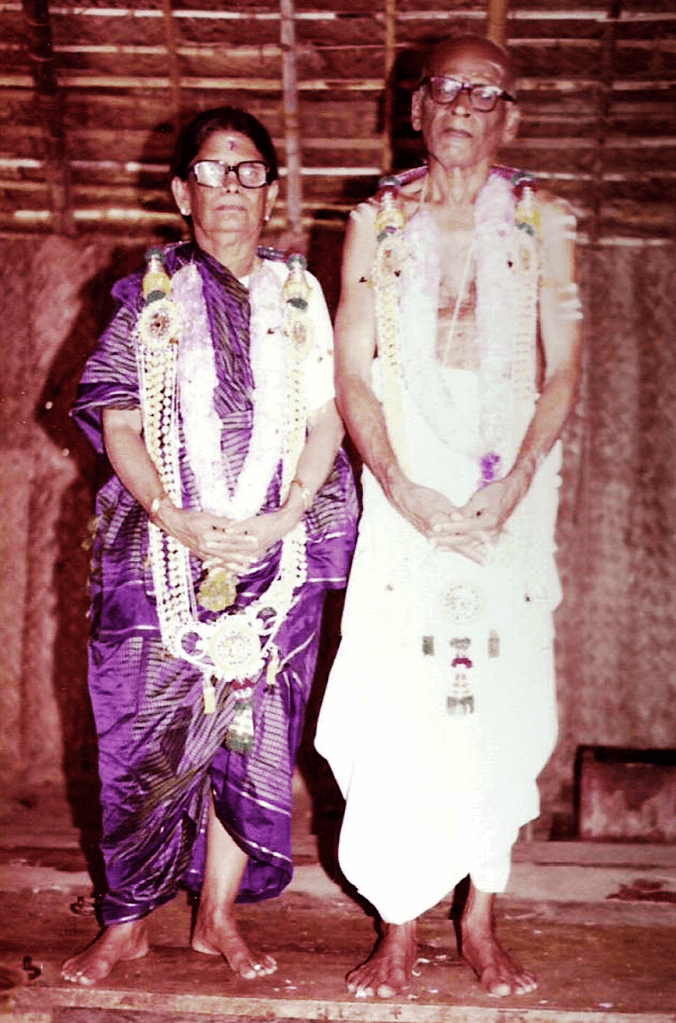
எனது மாதா, பிதா – இவர்களே எனை ஆட்கொண்ட குருவும் தெய்வமும்.

“ஆட்கொண்ட வர்தனி நாயகன் அன்புற
மேற்கொண்ட வர்வினை போயற நாடொறும்
நிற்கின்ற செஞ்சடை நீளன் உருவத்தின்
மேற்கொண்ட வாறலை வீவித் துளானே”.

திருமூலர்

ஆட்கொண்ட அந்த நாயகனை வணங்கி, அடியேனின் சமர்ப்பணம்.

Dakshinamurthy Dhyana Slokas

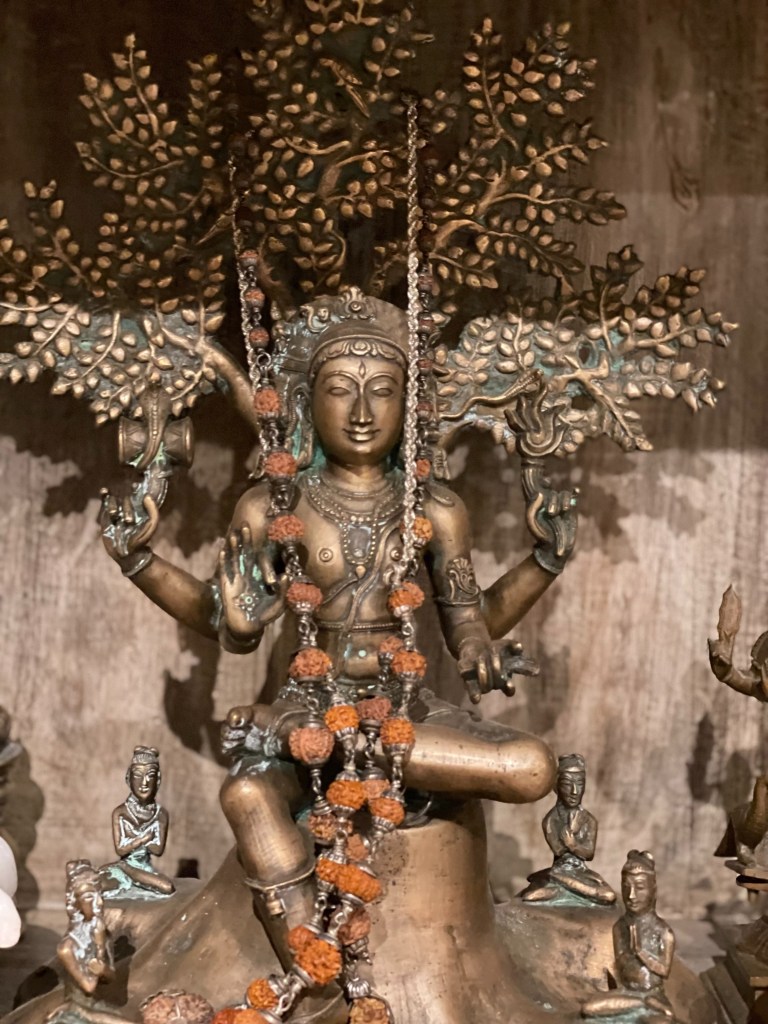
“ Dakshinamurthy is regarded as an aspect of Shiva, as the universal teacher. He is the young and radiant Adi-Guru, Para-Guru, the Supreme Guru, imparting knowledge that liberates. He is the very personification of spiritual wisdom and eminence; and one who is immersed in Self. His teaching is through the subtlest form of speech- para vak – beyond the range of the physical ear, abiding in silence; the sort of silence that envelops within itself all other forms of expressions. It is the silence that underlines the limitations of rational knowledge, futilities of the blind alleys of metaphysical queries and the frailty hollowness of words. His teaching transcends speech and thought; it is experience. His listeners are learned and wise; ripe in intuitional understanding. The Guru’s language of silence dispels the doubts, the confusion and uncertainties in the minds of those around sitting in silence.

The banyan tree (vata vruksha) under which the Guru sits symbolizes creation as also the expanding universe , which regenerates itself. The tree known as Akshya vruksha with its unique growth pattern also represents the eternal principle, the Dharma. (Vata derived from vat means: to expand, to surround and to encompass). It is meant to suggest that Sri Dakshinamurthy who sits under the vata tree presides over the cyclic processes of srishti (creation), sthiti (preservation), samhara (absorption or gathering up), tirobhava (suppression) and anugraha (revealing true knowledge)”.

My humble attempt to understand the Dhayana Slokas on Lord Dakshinamurthy as presented by Sureshvaracharya in Manasolasa Vartikam is presented in Tamil.

சங்கரனின் வைரக்கூடம் 12 – காலத்தின் கோலம்

நன்றி – ஞானத் தேடல் – திரு. பிரபு (YouTube)

முகவுரை

எனது கோவை நண்பர் திரு. பிரபு அவர்கள், ஒரு அற்புதமான ஒளிப்பதிவில், காலத்தை பற்றி நமது முன்னோர்களின் ஆய்வுகளை விளக்கியுள்ளார். நமது முன்னோர்கள, கண்ணிமைக்கும் நேரத்திலிருந்து ஓராண்டு காலம் வரை பதினான்கு கூறுகளாகவும்,  ஒரு நாளைச் ‘சிறு பொழுது’ என்று ஆறு கூறாகவும், ஓராண்டைப் ‘பெரும்பொழுது’ எனப் பெயரிட்டு ஆறு வகையாகவும் பகுத்தனர். (மேலே உள்ள அட்டவனையைப் பார்க்கவும்). 

வைகறை, விடியல், நன்பகல், மாலை, எற்பாடு, யாமம் என்று ஒரு நாளைப் பகுத்துரைத்தனர். கார் காலம், கூதிர்(குளிர்) காலம், முன்பனிக் காலம், பின்பனிக் காலம், இளவேனில் காலம், முதுவேனில் காலம் என்று ஆண்டினை ஆறு வகைக் காலமாகப் பகுத்துரைத்தனர். இக்காலத்தை அடிப்படையாக வைத்து நமது முன்னோர்கள் பழமொழிகள் பலவற்றைக் கூறி அதன்வழி நமது பண்பாட்டை விளக்கியுள்ளனர்.

1. காலமும் அலையும் காத்திருக்காது.
2. காலம் பொன் போன்றது. கடமை கண் போன்றது.
3. காலம் போற்று.

அதனால் காலம் அறிந்து செயல்பட்டு நாம் வாழ்ந்தால் வாழ்வில் உயரலாம். காலத்தை வீணாக்காது வாழ்தல் வேண்டும். காலத்தைத் தொலைத்து விட்டால் அதனைத் திரும்பப் பெற முடியாது. வாய்ப்பு என்பது எல்லோருக்கும் வரும் அதனை வீணடிக்காது பயன்படுத்திக் கொண்டு வாழ்க்கையில் முன்னேற வேண்டும் என்ற வாழ்வியல் நன்னெறியை இப்பழமொழிகள் நமக்கு வழங்குகின்றன

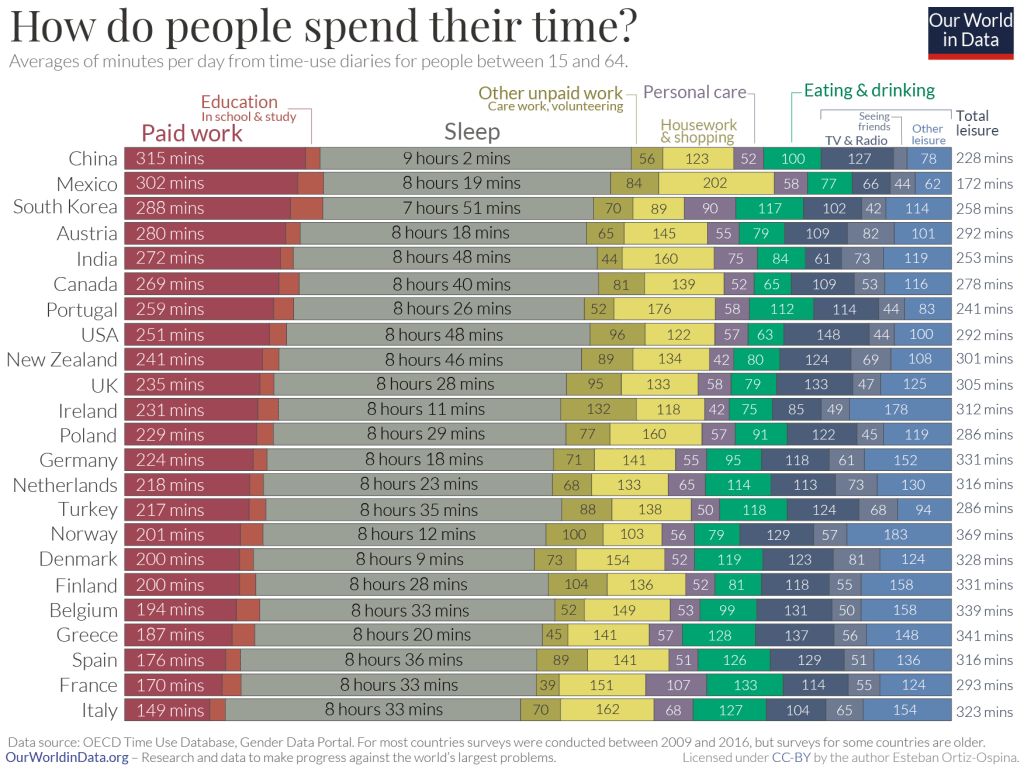
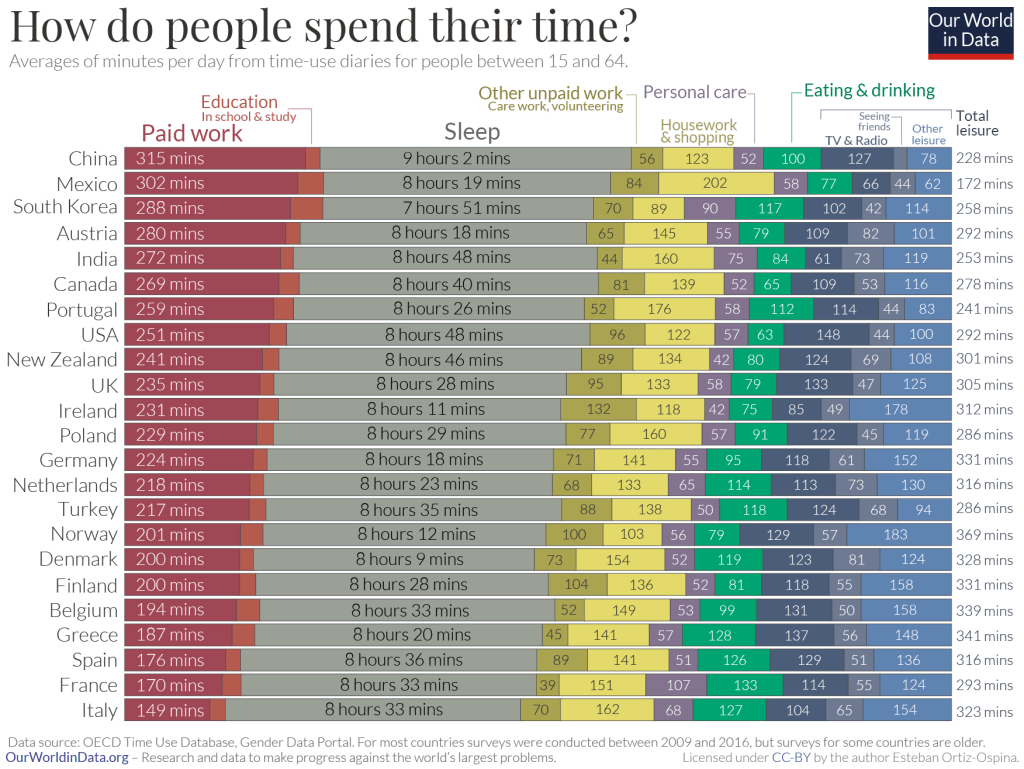
இதனை நாம் அனைவரும் நன்கு அறிவோம். இருப்பினும் நாம் ஒவ்வொரு நாளும் என்ன செய்கிறோம்? இதோ! 2009-2016 வருடங்களில், உலகமெங்கிலும் உள்ள 15-64 வயது மனிதர்களின் வேலை அட்டைகளின் ஆதாரத்தில் எடுக்கப்பட்ட ஒரு கணிப்பின் புள்ளி விவரம்
OurWorldinData
வேலை நேரம் (அலுவல், வீட்டு வேலைகள்), உறங்கும் நேரம், உண்ணும் நேரம், ஓய்வு (தொலைக்காட்சி, நண்பர்களுடன், மற்றும் இதர நேரம்) என்று, நாம் அனைவரும் ஒவ்வொரு நாளும் கிடைக்கும் 1440 நிமிடங்களில் 80-90% இந்த நான்கு வகை நேரங்களில் செலவிடுகிறோம். நமக்கென்று (நம்மை நாமே அறிந்து கொள்ள, பரம்பொருளை அறிந்திட) நேரமே இல்லை நமக்கு. என்ன ஒரு பரிதாபமான நிலை!

முழு நாள் எப்படி கழிகிறது என்பது கூட நமக்குத் தெரிவதில்லை.. வார இறுதி, மாத இறுதி, ஆண்டு இறுதி மற்றும் விடுமுறை நாட்களுக்காக நாம் காத்திருக்கிறோம். நம்மை அறியாமலே காலம் கடந்து சென்று கொண்டே இருக்கிறது. ஆதி சங்கரர் முதலாவது ஸ்லோகத்தில் கூறியபடி விதித்திட்ட வேளை (ஸம்ப்ராப்தே ஸன்னிஹிதே காலே) ஒரு இடி போல் வரும்போது, “அய்யகோ! நான் என்ன செய்தேன். எனக்கு ஏன் இப்படி?” என்று புலம்பும் வேளையிலும் கூட, ஆசை அலைகள் ஓய்வதில்லை நமக்கு. இது தான் யதார்த்தம்.

இதைத்தான் ஆதிசங்கரர் இந்த அழகான ஸ்லோகம் 12ல் வெளிப்படுத்துகிறார். இந்த ஸ்லோகத்தை ஆராய்வோம்.

சமஸ்க்ருத ஸ்லோகம்

दिनयामिन्यौ सायं प्रात:

शिशिरवसन्तौ पुनरायात: ।

काल: क्रीडति गछत्यायु

स्तदपि न मुञ्चत्याशावायु: ॥

Adi Sankara

தமிழ் ஒலிபெயர்ப்பு

தி3னயா மின்யௌ ஸாயம் ப்ராதஹ

ஷிஷிர வசந்தௌ புனரா யாதஹ |

காலஹ் கிரீட3தி க3ச்சத் யாயுஹு

தத3பிந முஞ்சத் யாஷா வாயுஹு ||

தமிழ் மொழிபெயர்ப்பு

பகலும் இரவும் மாலையும் காலையும்

பனியும் வசந்தமும் மாறிடும் என்றும்

காலத்தின் ஆட்டத்தில் ஆயுளும் முடியும்

ஆசைக் காற்று நீங்கா தெனினும்

சமஸ்க்ருத சொற்களின் பொருட்கள்

दिनयामिन्यौ - தி3னயா மின்யௌ - பகலும் இரவும்
सायं - ஸாயம் - மாலை
प्रात: - ப்ராதஹ - காலை
शिशिरवसन्तौ - ஷிஷிர வசந்தௌ - பனியும் வசந்தமும்
पुनरायात: - புனரா யாதஹ - மறுபடியும் வரும்
काल: - காலஹ் - காலம்
क्रीडति - கிரீட3தி - விளையாடுகிறது
गछत्यायु - க3ச்சத் யாயுஹு - செல்லும் (குறையும்) ஆயுள்
तदपि - தத3பி - இருப்பினும்
न मुञ्चत् - ந முஞ்சத் - இல்லை விடுப்பு
याशावायु: - யாஷா வாயுஹு - அவாவின் காற்றிலிருந்து

விளக்கவுரை

நேரடி பொருள்
காலை, மாலை, இரவு என்று காலச் சக்கரம் விரைந்தோடி விளையாடும்; பருவமும் மாறி, முதுமையும் படரும். இருந்தும் ஆசைக்காற்றிலிருந்து இல்லை விடுப்பு.
விளக்கம்
சுவாமி சின்மயானந்தாவின் அருமையான விளக்கம்

இரவில், தானே சிதைந்து முடியத்தான், பகல் பிறக்கிறது. மறுநாள் பகல் மலருவதற்காகத்தான், இரவு இறக்கிறது. அந்த விடியல் வீரியத்துடனும் வெப்பத்துடனும் வளர்ந்து நண்பகலாக இருக்கும், ஆனால் விரைவில் மறைந்து மென்மையான சாயுங்காலமாக மாறும். இந்த நிகழ்வுகளின் சக்கரத்தில், மாதங்கள் சீராக நகர்கின்றன, அதன் மென்மையான கால்களின் அமைதியான அணிவகுப்பில், காலத்தின் தவிர்க்கமுடியாத வெள்ளம் ஆண்டுகளின் அலைகளாக உருண்டு, அதன் இடைவிடாத வலிமைக்கு முன்னால் அனைத்தையும் துடைக்கிறது. இதனை வியந்து, மௌனத்தில் அமைதியாக இருக்கும் நம் வயது, சேறும் சகதியுமான கல்லறைக்குள் உணரப்படாமல் நழுவி நுழைகிறது. காலச் சக்கரத்தில், எது எதிர்காலமாக இருந்ததோ அதுவே நிகழ்காலமாக மாறி, அதுவே கடந்த காலத்தின் முடிவில்லாத கடலில் சேர உருண்டோடுகிறது. காலம் ஒருபோதும் நிற்காது, எந்த நிபந்தனைக்காகவும் அல்லது எந்த நபருக்காகவும்!

மனிதன், தனது 'கடந்த' கால நினைவுகளால், தனது நிகழ் காலத்திற்கு தடுப்புகளை வைத்து, , அன்றாட வாழ்வின் களிப்பால் அத்தடுப்புகளை எரிக்கிறான். அதனால் அவனுள் எழும் புகைகள் அவனது நோக்கை மங்கலாக்கி, அவனது வாழ்க்கையை எதிர்காலத்தில் எதிர்கொள்ளும் கவலைகளால் கசக்க வைக்கிறது. நாம் இவ்வாறு நமது முடிவில்லாத முயற்சிகளால் நம்மை நாமே வீணடித்துக் கொள்ளும்போது, காலத்தின் தவிர்க்கமுடியாத சுழற்றத்தில், நமது நம்பிக்கைகளும், திட்டங்களும் தோல்வியுற்று அழிகின்றன.

வாழ்க்கை, காலத்தின் கருணையில் உள்ளது. இதை அறியாமல், உடைமைகளப் பெற்று, பெருக்கி, நம்பிக்கையிடன் மகிழ்ந்து வாழ, மனிதன் புலன்களை அனுபவிக்க ஆசைப்படுகிறான், பாடுபடுகிறான், வியர்வை சிந்துகிறான், முடிவில்லாமல் உழைக்கிறான். ஒரு நொடியில் மரணம், அவனிடமிருந்து அனைத்தையும் பறித்து விடுகிறது. அனைத்தையும் இங்கேயே விட்டு விட்டுச் செல்லும் கட்டாயத்தில் இருக்கிறான். ஆசைகள் நிறைந்த, சுயநலம் மிகுந்த வாழ்வில் பெறப்பட்ட வலிமிகுந்த பதிவுகளுடன் (வினைப்பலன்கள்), துன்பகரமாக உயிரினம் வெளியேறுகிறது. எவ்வளவு வருத்தம்! உண்மையில், எவ்வளவு சோகம்!

தனக்குப் பிரியமான தெய்வீகமான கணவன் இராமன் மீதான எல்லையற்ற அன்பைக் காட்டிலும், தற்போதைக்கு, விரைந்தோடும், பொன் மான் மீதான ஆசையே அதிக சக்தி வாய்ந்ததாகத் தோன்றுகிறது. வாழ்வில், மாயையின் விளையாட்டு இதுதான்.

காட்டில் ஒரு மனிதனை புலி துரத்துகிறது. கிணற்றில் விழுகிறான். கிணற்றின் நடுவழியில் உள்ள ஒரு கிளையில் சிக்கிக் கொண்டான். அவன் சிறிது நழுவினால், விடமுள்ள பாம்புகள் நீந்திக் கொண்டிருக்கும் கீழே உள்ள தண்ணீரில் வீழ்வான். புலி மேலிருந்து அவனை அச்சுறுத்தும். அப்போதுதான் அந்த மனிதனை தேனீக்கள் கொட்டுகின்றன. கிணற்றுப் பொந்தில் வசிக்கும் எலிகள், அந்த மனிதன் பற்றிக்கொண்டிருக்கும் கொடியை கடிப்பதில் மும்முரமாக இருக்கின்றன. ஒரு கரடி வந்து கிணற்றின் மேல் இருக்கும் மரத்திலுள்ள தேன் கூட்டை கலைத்து தேனை உண்ண முயல்கிறது. மேலே உள்ள தேன் கூட்டிலிருந்து ஒரு துளி தேன் அவரது முகத்தில் வடிகிறது. இந்த ஆபத்தான நிலையில், ஒவ்வொரு திருப்பத்திலும் ஆபத்துடன் இருக்கும் மனிதன், தனது எல்லா ஆபத்துகளையும் மறந்து, அந்த தேனை சுவைக்க தன் நாக்கை நீட்டுகிறான்! உலக வாழ்க்கையில் நாம் தேடும் திருப்தியை இது குறிக்கிறது.
பாம்புகள் என்பது ஒருவரின் பிணைப்புகள் மற்றும் பிணைப்புகள் அல்லது பொருள்களுடனான இணைப்புகள், கிணறு குடும்ப வாழ்க்கையை குறிக்கிறது. எலிகள் காலத்தைக் குறிக்கின்றன. இந்த எல்லா ஆபத்துகளுக்கும் நடுவில் உள்ள தேன் சிற்றின்ப வாழ்க்கையின் கணநேர இன்பங்களைக் குறிக்கிறது

ஆண்டுகள் கடந்து, வாழும் காலம் சீராக குறைந்தாலும், தெவிட்டா புலன் இன்ப இச்சைகள் மட்டுமே அதிகமாக வளர்கிறது. காலப் போக்கில், உடல் சிதைந்து பலவீனமடைந்து அனுபவிக்கும் வலிமை இல்லாத அளவுக்கு வளர்ந்துவிட்டது; எனினும் மனிதன் புலன் இன்பங்களுக்காக அதிகமாக ஏங்குகிறான். மரணம் பின்னால் ஊர்ந்து வந்து கொண்டிருக்கிறது. நோய் நொடி கலந்து, கவலைகள் உந்தும் இந்த துக்க ஊர்வலம், கல்லறை விளிம்பை அடைகிறது. இந்நிலையிலும் மனிதன் அல்லல் நிறைந்த ஆசைகளை விடுவதில்லை. இறப்பதற்குமுன் நிறைவேற்ற வேண்டிய ஆசைகளின் பட்டியல் (ஆங்கிலத்தில் bucket list) நீண்டுகொண்டேதானே இருக்கிறது. எனவே ஆசைகளைக் களைந்து, மனமெனும் மேடையில் நடைபெறும் அவா, பற்று இவைகளின் ஆட்டத்தை நிறுத்தி, அமைதியான மனநிலை பெற்று, நிலையான பேரின்பத்தைத் தரும் மெய்ப்பொருளை நாடு.

முடிவுரை

இந்த ஸ்லோகம் நம்மை எச்சரித்து, புத்திசாலித்தனமாக வாழ்க்கையை நடத்தச் சொல்கிறது. பொருளை அனுபவிக்கலாம். ஆனால் பொருட்கள் நம்மை அனுபவிக்க விடக்கூடாது. நமது சுதந்திரத்தைத் தக்கவைத்து, காலப்போக்கில் தன்னிறைவை நம்முள் கண்டறியும் விதத்தில் நாம் நம் வாழ்க்கையை அனுபவிக்க வேண்டும். அதற்கு நாம், நம் இன்பத்திற்காக உலகைச் சார்ந்திருப்பதிலிருந்து  விடுபட வேண்டும்.

உலகின் எந்தப் பொருளும் அதன் தற்காலிகத் தன்மையால் நிரந்தரமான மகிழ்ச்சியைத் தராது என்பதை நாம் புரிந்து கொள்ள வேண்டும். எது நிரந்தரமாக இருக்கிறதோ அதுதான் நிரந்தரமான மகிழ்ச்சியைத் தரும். பரம்பொருள் மட்டுமே நிரந்தரமானது எனவே அது மட்டுமே நிரந்தர மகிழ்ச்சியை அளிக்கும். இதைப் புரிந்துகொண்டு, நாம் தொடர்ந்து சுயமாகச் சிந்தித்துக் கொண்டிருந்தால், அதுவே உலகப் பொருட்களின் மீதான மாயையை போக்க ஒரே வழி.

Sankara’s Smithy 12 – The Seasonal Strike

Introduction

Time and tide wait for no man is an old saying. The wheel of time is constantly moving ahead and waits for no one. The days are passing us by, one after another and the days that have gone by never return. We all know it, don’t we? However how do we do spend our time every day? Here is an interesting statistics:
OurWorldinData
Across the world, we spend the most time working and sleeping; and paid work, housework, leisure, eating and sleeping take together 80-90% of the 1440 minutes that we all have available every day. We hardly have any time for our own self. What a pity!

Here is a time lapse video tailored to depict this state of us.
A dayin our life
We do not know how the whole day passes. We are desperate to wait for the week end, the month end, the year end and the holidays. This goes on and on and on that we do not even heed the passing of each year until suddenly the realisation of “What have I done” comes down like a thunder when the designated time ( Sloka 1 - samprapte sannihite kaale) arrives. Even at that time our desires don’t end. We stil have items to be ticked off in our bucket list.

This is what Adi Sankara brings out in this beautiful Sloka 12. Let us examine this Sloka.

Sanskrit Verse

दिनयामिन्यौ सायं प्रात:

शिशिरवसन्तौ पुनरायात: ।

काल: क्रीडति गछत्यायु

स्तदपि न मुञ्चत्याशावायु: ॥

Adi Sankara

English Transliteration

dinayāminyou sāyam prāta: 

shishiravasantou punarāyāta:

kālakrīdati gachatyāyu:

tadapi na munchatyāshāvāyu:

Meaning of the Sanskrit Words

दिनयामिन्यौ= dina+yAminI=day + night;
सायं= saayam - evening;
प्रातः= praatah - morning;
शिशिर= shishira - frosty season;
वसन्तौ= (and) vasantau - Spring season;
पुनः= punah - again;
आयातः= aayaatah - have arrived;
कालः= kaalah - Master Time;क्
रीडति= kridathi - plays;
गच्छति= gachhathi - goes (away); ebbs away
आयुः= aayuh - life/age;
तदपि= tadapi - tat.h+api, then even;
न= na - not;
मुञ्चति= mun chatthi - releases;
आशा= aasha - desire;
वायुः= vayuh - air (the wind of desire does not let off its hold)

Meaning in English

Day and night, dawn and dusk, winter and spring come and depart again and again. Time thus frolics and plays and life ebbs away. Yet, one does not give up the gusts of desires.

Explanation

Swami Chinmayananda’s eloquent explanation 

“The day decays to end itself in the night. The night dies only to blossom forth into the following day. The dawn grows in vigour and heat to be the noon, but soon wanes away to be the mellow dusk. On the wheel of happenings, the months steadily glide along and, in its soft-footed silent march, the irresistible floods of time roll up in waves of years, sweeping everything in front of its relentless might. Hushed in the silence of its own wonderment, age slips unperceived into its slushy grave.

Time moves on. That which was future becomes the present, and itself rolls away to join the endless ocean of the past. Time never stops, on no condition, for no person! It is ever on the march! Man, gathering memories from his own 'past', barricades his ‘present’, sets them ablaze with his excitements in his day-to-day life, and the rising fumes of his bosom blur his vision to make his life rigged with his anxieties for the ‘future’. As we thus waste ourselves with our endless manoeuvres, in the irresistible stride of time all our hopes and plans get defeated and routed.

Life is at Time's mercy ... In not recognising this, man desires to enjoy the sense-objects, strives, sweats and toils endlessly to acquire, to possess and to aggrandise - to hope, to spend ... And death snatches away everything from him ... He is compelled to leave everything here - and with painful bundles of impressions (vdsands) acquired in his desire-ridden selfish life, the miserable creature departs. How sad! Indeed, how tragic!

Desire for the fleeting, delusory golden-deer is, for the time being, seemingly more powerful for Sita than her infinite love for Rama, her divine beloved. This is delusion at play - maya with a vengeance.

Life steadily ebbs away, but desire fed by the sense gratifications only grows the more by them. Body decays and becomes infirm; it has grown to have no more strength to enjoy, but the man hungers all the more for sense-enjoyments. Death crawls behind; disease and decay accompany him. Piloted by worries and anxieties, this mournful procession reaches the edge of the grave ... Still man wants the joys of the pain-ridden objects.”

Swami Chinmayananda used to quote a beautiful simile. A man is chased by a tiger in the forest. He falls into a well. He is stuck in the well on a branch midway down. If he slips by a fraction of an inch he will plunge into the water below where water snakes are swimming about. The tiger peers threateningly at him from the top. Just then the man is stung by bees. Soon rats are busy gnawing at the creeper on which the man is being supported. A bear comes and claws into the honeycomb on the tree overhanging the well. In this perilous position, with danger at every turn, a drop of honey drips on his face from the honeycomb above. The man, forgetting all his perils, sticks out his tongue to lick it!

This typifies the kind of satisfaction we are seeking in worldly life.
The serpents are one’s binds and bonds or attachments to objects , the well itself represents family life. The rats represent TIME. And the honey in the midst of all these dangers represents the momentary pleasures of sensual life.

Therefore, be wise. Give up desires. Seek the all-satisfying Reality that lies behind the mental show of change and sorrow. The Infinite alone will satisfy you. Seek it with a mind withdrawn from the fever of all passions”.

Conclusion

In Bhagwad Gita, Lord Sri Krishna explains: 

All those who are lured to the sense objects and desire them are not awake but asleep to their nature of completeness which is Self contained and needs no perfection. The Jnani who is the knower of Truth, by the power of renunciation bestowed through Grace is able to restrain the outward going senses and is therefore fully awake to the consequences of allowing the sense organs a free play. As such, the Sage is asleep to the temptations of the world which attract the ignorant ones.

We have to understand that none of the objects of the world can give permanent happiness because of its temporary nature. Only that which is permanent alone can give permanent happiness. Self alone is permanent and hence it alone can give permanent happiness. If this is understood and there by if we have constant thought of the Self, that is only way to over come the delusion with the objects of the world.

The Time cycle is unavoidable; it is a law of Nature. But the cycle of joy and sorrow can be overcome by living in the light of knowledge and discovery of our true nature of spirit. This Sloka is cautioning us and telling us to lead our life intelligently. We should enjoy our life in such a manner that we retain our freedom and, in course of time, discover an inner self-sufficiency so that we become free from the dependence upon the world for our enjoyment.

“For that, in our day to day life we need ABCD, says Swami Paramarthananda - what we need is Appropriate Balanced Clean Desire”

சங்கரனின் வைரக்கூடம் 11 – மாயச் செருக்கு

Well lit balcony – a Maya?

வலைதள ஒலித்தொடர் பதிவின் இணைப்பு

https://soundar53.substack.com/podcast

முகவுரை

பெரும் சாதனை புரிந்த உணர்வு, நம்பிக்கை நிறைந்த முகம்,  மலர்ந்த புன்னகையுடன் வரும் மகனைக் கண்டு “உன்னைப் பார்க்கும் போது எனக்கு எவ்வளவு கர்வமாக/பெருமையாக இருக்கு தெரியுமா?”  என்று கூறும் தாய் ஒரு புறம்.

“அவனிடம் சென்று எதுவும் கேட்காதே. அவன் ரொம்ப கர்வம்/பெருமை புடிச்சவன்” - அண்டை வீட்டுக் காரனைப் பற்றி கூறும் அடுத்தவன் ஒரு பக்கம்.

ஒரே சொல் - கர்வம்/பெருமை. இரண்டு எதிர்மறையான கருத்துள்ள பொருள். முதல் கர்வம்/பெருமை அடுத்தவரைப் பாதிக்காதது. இரண்டாவது, அடுத்தவரைப் பாதிப்பது. இதனை வெளிக்காட்ட ஒரு அருமையான திருக்குறள் உண்டு.


அமைந்தாங்கு ஒழுகான் அளவறியான் தன்னை
வியந்தான் விரைந்து கெடும்.

திருவள்ளுவர்

மற்றவர்களுடன் ஒத்து நடக்காமல், தன் உண்மையான வலிமையின் அளவையும் அறியாமல், தன்னையே வியந்து பெரிதாக எண்ணிக் கொண்டிருப்பவன் விரைவிலேயே அழிந்து போவான் என்று ’தன்னை வியந்தான்’ என்ற சொல்லில் திருவள்ளுவர் கர்வம் பிடித்த மனிதர்களை மிக அருமையாக விளக்கி விடுகிறார்.

இந்த தன்னை வியக்கும் தன்மையைத்தான் கர்வம், தற்பெருமை, தலைக்கணம் என்றெல்லாம் எதிர்மறை சிந்தனையில் கூறுகிறோம்.

கர்வம் எதனால் வருகிறது, அதன் விளைவுகள் என்ன, அதனை நீக்குவதற்கு வழி எதுவும் உண்டா என்ற கேள்விகளுக்கு விடைகள், சங்கரனின் வைரக் கூடத்தில் நமக்கு கிட்டும், இந்த 11வது ஸ்லோகம் வழியாக.

வாழ்க்கையின் யதார்த்தத்தை விளக்குவதற்கு, மூன்று எடுத்துக்காட்டுகளை கோடிட்டுக் காட்டுகிறார் ஆதி சங்கரர். இந்த முக்கியமான ஸ்லோகத்தை ஆராய்வோம்.

சமஸ்க்ருத ஸ்லோகம்

मा कुरु धनजनयौवन गर्वं

हरति निमेषात्कालः सर्वम् |

मायामयमिदमखिलं हित्वा

ब्रह्मपदं त्वं प्रविश विदित्वा ||

Adi Sankara

தமிழ் ஒலி பெயர்ப்பு

மாகுரு த4ன ஜன யௌவன க3ர்வம்

ஹரதி நிமேஷாத் காலஸ் ஸர்வம் |

மாயாமயமித3ம் அகி2லம் ஹித்வா

ப்3ரம்மபத3ம் தவம் ப்ரவிச’ விதி3த்வா ||

தமிழ் மொழி பெயர்ப்பு

வளம் குடி இளமை கர்வம் வேண்டாம்

கணத்தினில் கவர்ந்திடும் என்றும் காலம்

உலகே மாயம் என்பதால் விடுத்திட்டு

மெய்ப்பொருள் அறிவாய், நீயே என்று

சமஸ்க்ருத சொற்களின் பொருட்கள்

मा कुरु  - மாகுரு - அடைய வேண்டாம்

धनजनयौवन गर्वं - த4ன ஜன யௌவன க3ர்வம் - வளம் (செல்வம்), குடி (மக்கள்/உறவு), இளமை (இவைகளினால் வரும்) தற்பெருமை

हरति निमेषात्कालः सर्वम् - ஹரதி நிமேஷாத் காலஸ் ஸர்வம் - அழித்திடும் நிமிடத்தில் காலம் அனைத்தையும்

मायामयमिदमखिलं - மாயாமயமித3ம் அகி2லம் - உலகே மாயம்

हित्वा - ஹித்வா - துறந்து

ब्रह्मपदं त्वं प्रविश विदित्वा - ப்3ரம்மபத3ம் தவம் ப்ரவிச’ விதி3த்வா - மெய்ப்பொருள் அறிவாய், நீயே என்று

விளக்கவுரை

நேரடி பொருள்
“நான் பணக்காரன்” ; “எனக்கு நிறைய சுற்றத்தினர் உள்ளனர்”;“நான் இளமையுடன் எழிலுடன் (யௌவனம்) இருப்பவன்” என்றெல்லாம் கர்வம் கொள்ளாதே.

காலம் நினைத்தால் இவற்றை எல்லாம் ஒரே நிமிடத்தில் கொள்ளை அடித்துக் கொண்டுபோய் விடும். உலகமே பொய்க் காட்சி. பிரம்மம் மட்டுமே உண்மையானது என்று அறிந்து நீயும் பிரம்மமே என்பதை அறிந்துணர்வாயாக.
விளக்கம் 
இந்த ஸ்லோகத்தில், நான்கு தத்துவங்களை கோடிட்டு காட்டி, ஆதி சங்கரர் நிலைக்கண்ணாடியில் நம்மைப் பார்க்க உதவுகிறார். அவைகள் முறையே:

1. மனிதரின் அகந்தைகள்
2. நேரத்தின் விளைவு
3. உலகமும் மாயையும்
4. பரம்பொருளும் (பிரம்மனும்) அவனைப் பற்றிய அறிவும்.

ஒருவர் நேர்மையாகவும், உயர்ந்த குணமுடையவராகவும் இருந்தால், அவர் தன்னைத்தானே ஒரு கேள்வியைக் எப்பொழுதும் கேட்டுக்கொண்டே இருக்க வேண்டும் என்று சங்கரர் சொல்லாமல் சொல்லி வைத்தார் இப்பண்ணிலே.

“இவ்வுலகில், என் வாழ்வில், நான் ஒருவன் மட்டுமே எதையாவது ஒன்றை உருவாக்கியிருக்கிறேனா அல்லது பெருமைப்படக்கூடிய ஒன்றை எனக்கு சொந்தமாக வைத்து கட்டுப்படுத்துகிறேனா?”

இது தான் அந்த கேள்வி. இதனை நமக்கு நாமே கேட்டுக்கொண்டு இருந்தோமானால், நமக்கு இந்தப் பண்ணில் உள்ள கீழ்கானும் விளக்கங்கள் புரியும். 
த4ன ஜன யௌவன க3ர்வம்

ஆதி சங்கரர் “தன, ஜன மற்றும் யௌவன” ஆகிய மூன்று வெற்று அகந்தைகளை எடுத்துக்கொள்கிறார். இவை மூன்றும் செல்வம், புகழ் மற்றும் இளமை ஆகியவற்றைக் குறிக்கின்றன. இவை அனைத்தும் பொய்யான மாயைகள் என்றும் அவை எந்த நேரத்திலும் மறைந்துவிடும் என்றும் கூறுகிறார்.

இந்த மூன்றும் அனைத்து ஆன்மீக முயற்சிகளுக்கும் பாரம்பரிய தடைகள். ஏனென்றால் தன்முனைப்பு எனும் அஹங்காரத்தை (ego) அழிக்கும் நோக்கமுடைய ஆன்மீகத்திற்கு எதிர்மறையாக, இந்த மூன்று அகந்தைகள், தன்முனைப்பிற்கு முட்டுக் கொடுத்து உதவும்.

இந்த மூன்று "தன்முனைப்பு முட்டுக்களை" ஆராய்வோம்.

தனம் - செல்வம்

முன்னே கூறியது போல், "நான் செல்வத்தை உருவாக்கியுள்ளேனா அல்லது இந்த செல்வத்தின் மீது எனக்கு கட்டுப்பாடு இருக்கிறதா?" என்ற கேள்வியைப் பயன்படுத்துவோம். இக்கேள்விக்கு ஆமாம் என்று என்னால் உறுதியாக பதில் கூற முடியாது. ஏன்?

என்னுடையது என்று நான் சொல்லும் இந்தச் செல்வம் எங்கிருந்து வந்தது? பரம்பரை சொத்தை விட்டு விடலாம். அது என்னால் இல்லை. நான் கடினமாக உழைத்து சம்பாதித்தது என்று நாம் கூறும் செல்வத்தை ஆய்வோம்.

என் உடலை வருத்தி புரியும் உழைப்பு, அதனால் வரும் சம்பாதிப்பு என்றால், உடனடியாக நாம் பட்டிருக்கும் மூன்று கடன்கள் நமக்கு நினைவுக்கு வரவேண்டும்.

1. நம் உடல் எங்கிருந்து வந்தது - பெற்றோரிடமிருந்து.
2. நம் உழைப்பு திறன் எங்கிருந்து வந்தது - ஆசானிடமிருந்து
3. இவரிருவரின் மூலம் எது - பரம்பொருள் எனும் இறைவன்

ஆக, இந்த மூவரும் இலையேல் எங்கிருந்து வரும், நம் கடின உழைப்பும், செல்வமும்.

எனவே தான், கடவுளுக்கும், முன்னோர்களுக்கும்/பெற்றோர்களுக்கும், நமக்கு ஆசானாக விளங்கிய ரிஷிகளுக்கும் நாம் நன்றி செலுத்தி, செலுத்த வேண்டிய கடன்களை (தேவ, பித்ரு, ரிஷி ருணம் என்று வடமொழியில் கூறுவர்) நிறைவேற்ற வேண்டும் என்று நமது சாஸ்திரங்கள் தெளிவாகச் சொல்கின்றன.

மேலும் நமக்கு உடல் ஆற்றலைக் கொடுக்கும் உணவு எங்கிருந்து வந்தது? கன்னட மொழியில் மிகப் பிரபலாமான, திரு. டி.வி. குண்டப்பா அவர்கள் எழுதிய மக்கு திம்மா என்ற படைப்பில்

பசி களையும் கவளம் வெந்தது உன் வியர்வையிலோ
புசிக்கும் வேளை நினை, அது பிறன்தன் கண்ணீரோ
இசைவதும் நீ கொடுத்த அளவே ; தின்ற மிகுதியோ
இசித்திடும் சமியாக் கடனே -மக்குத் திம்மா

என்று அழகாக நமது கடனை எடுத்துரைக்கிறார்.

எனவே, வாழ்க்கையின் யதார்த்தங்களைப் பற்றி நாம் இப்படி உண்மையிலேயே சிந்திக்கும்போது, நம்மிடம் பணிவும், தன்னடக்கம் மட்டுமே வளரும்/இருக்கும்; பெருமை இருக்காது. இந்த அடிப்படை நன்றியுணர்வை நாம் புரிந்து கொள்ளாமலோ அல்லது உணராமலோ இருந்தால், செல்வத்துடன் வரக்கூடிய மிகப்பெரிய ஆபத்து, ஆணவம், செருக்கு, மமதை என்றெல்லாம் கூறப்படும் தன்முனைப்பு.

செல்வத்தைப் போலவே மக்களும் (உற்றார், உறவினர், நன்பர் - அவர்களால் வரும் புகழும்) இளமையும் என்றும் நிலைப்பதில்லை. முந்தைய பண்களில் (2,5,6) ஆதி சங்கரர், செல்வம் அல்லது சம்பாதிக்கும் சக்தி இல்லாத ஒருவரைத் நெருங்கிய உறவுகள் கூட அண்டமாட்டார்கள் என்பதைத் தெளிவாக எடுத்துரைத்தார் அல்லவா!

மேலும் கொழுப்பு மற்றும் சதையை அடிப்படையாகக் கொண்ட இளமையும் உடல் வலிமையும், உடலின் இயற்கையான மாற்றங்களான முதுமையும் இறுதியில் சிதைவு அடைந்தே தீரும். முந்தைய ஸ்லோகங்களில் ஆதிசங்கரர் நம் முட்டாள் மனதிற்கு, உடலுக்கும் ஆன்மாவிற்கும் இடையேயான குத்தகை ஒப்பந்தம் முடிவடைவதற்கு நியமிக்கப்பட்ட நாளும் நேரம் வரும்போது எதுவும் நமக்கு உதவாது என்று கூறினார் என்பதை நினைவு கூற வேண்டும்.

எனவே, உலகமும் அது வழங்கும் அனைத்து செல்வங்களும் மாயை தான், அவைகள் நிலையற்றவை மட்டுமே. இதைத்தான் அடுத்த சொற்றொடரில் விளக்குகிறார் பரமனின் அவதாரமான ஆதி சங்கரர்.
ஹரதி நிமேஷாத் காலஸ் ஸர்வம்

ஆதி சங்கரர் ஹரதி, நிமேஷ கால, சர்வம் ஆகிய மூன்று முக்கிய வார்த்தைகளைப் பயன்படுத்துகிறார்; எல்லாம் சில நொடிகளில் அழிந்துவிடும் என்பது நேரடியான பொருள்.

இந்த வாக்கியத்தை விவாதிக்க மற்றும் புரிந்து கொள்ள, ஒருவர் எங்கும் செல்ல வேண்டியதில்லை. உலக சுகாதார அமைப்பு (WHO) மற்றும் உலக வங்கியின் தரவுகள் இங்கே:

மார்ச் 2020 முதல், 1000 நாட்களில் (86,400,000 வினாடிகள்), "இது" இதுவரை பின்வரும் தாக்கத்தை ஏற்படுத்தியது:

1. அதிகாரப்பூர்வ, உறுதிப்படுத்தப்பட்ட எண்ணிக்கையான 6,606,624 மனிதர்களின் அகால இறப்பிற்கு “இது” காரணம். அதாவது சுமாராக ஒவ்வொரு 13 வினாடிக்கும் இவ்வுலகில் ஒருவர் மரணம் எய்யக் காரணம் “இது”.
2. கடுமையான அதிர்ச்சி அலைகள் மூலம் உலகப் பொருளாதாரத்தை உலுக்கி, இந்த நூற்றாண்டிலேயே மிகப்பெரிய உலகளாவிய பொருளாதார நெருக்கடியைத் தூண்டியது “இது”.
3. வளர்ந்து வரும் மற்றும் முன்னேறிய நாடுகளின் பொருளாதாரங்களில், 50 சதவீதத்திற்கும் அதிகமான குடும்பங்கள் வருமான இழப்பினால், வேண்டிய அடிப்படை நுகர்வுகளை மூன்று மாதங்களுக்கு மேல் தக்கவைக்க முடியவில்லை “இதன்” விளைவால்.
4. நாடுகளுக்குள்ளும் நாடுகளிலும், சமத்துவமின்மையும், வறுமையும் வெகுவாக உயரக் காரணமாக இருந்தது “இது”.

இந்த 21 ஆம் நூற்றாண்டின் நமது அறிவியல் மற்றும் தொழில்நுட்ப மதிகளில் , "இது" வரப்போகிறது என்பது நமக்குத் தெரியுமா? "இது" இப்படி "ஹரதி நிமேஷாத் கால: சர்வம்" செய்யும் என்று நமக்குத் தெரியுமா?

இந்த “இது” எது? அதுதான் கோவிட்-19 தொற்றுநோய்.

"அதனால்", அதாவது, கோவிட் 19 தொற்றுநோயால், செல்வம் அழிந்தது, இளமை மறைந்தது, நண்பர்கள் சில நொடிகளில் சென்றுவிட்டனர்.

இதற்கு மேல் என்ன விளக்கம் வேண்டும் இச் சொற்றொடருக்கு!

இந்த நிகழ்வுகள்,

“நீநாளு நன்னெஞ்சே நினைகண்டா யாரறிவார்
சாநாளும் வாழ்நாளும்”

என்று பத்து வயது பாலக ஞானி, திருஞானசம்பந்தர் அருளிய இரண்டாம் திருமுறை நினைவுக்கு கொண்டு வரும்.

நாளென ஒன்றுபோல் காட்டி உயிர் ஈரும்
வாளதுணர்வார் பெறின்

உண்மை அறிந்தோர், ஒரு தினம் என்பது கால அளவு போல் தோன்றினாலும் அது வாழ்நாளை அறுக்கும் வாள் என்று உணர்வர் என்ற திருக்குறள் இந்த சொற்றொடரைத் தழுவியதே.
மாயாமயமித3ம் அகி2லம் 

உலகம் முழுக்க மாயையால் நிரம்பியுள்ளது என்பதே நேரடிப் பொருள். உலகே மாயம். சங்கரர் வெளிப்படுத்திய மாயையின் கருத்தைப் புரிந்துகொள்ள, கோவிட்-19 பற்றிய நமது விவாதத்தை மேலும் தொடர்வோம்.

இல்லாத ஒன்று இருக்கின்ற மாயம்

நமது அன்றாட வாழ்வில், நமது உடல், மன வளாகத்தால் (பொறி புலன்களால்) உணர முடியாத “எதை”யும் பொதுவாக நாம் “அது” இல்லாதது என்றும் (இல்லையென்றும்), உண்மையாக இருக்க வாய்ப்பில்லை என்றும், “அதை”ப்பற்றி நாம் கவலையும் படுவதில்லை என்பது உலக இயல்பு அல்லவா! கண்ணால் காணும் பொருளே, நம் விரல் நகத்தைத் தாண்டிவிட்டால் அது நமது “இல்லை” என்கிறோம். காண முடியாத ஒன்றை “இருக்கிறது” என்று கூறுவோமா,இல்லை என்றுதானே “அதை”க் கூறுவோம். அந்த “இல்லாத” (அதாவது நமது பொறி புலன்களால்) உணர முடியாத ஒன்றை இப்பொழுது உதாரணத்திற்கு எடுத்துக் கொள்ளலாம்.

உங்களால் "அதை" பார்க்க முடியவில்லை, என்னால்"அதை" கேட்க முடியவில்லை, மேலும் அவர்களால் "அதை" உணர முடியவில்லை. அது தான் கொடிய கோவிட்-19 வைரஸ். எனினும் “அது” பரவி இருக்கிறது அல்லவா. அகராதிகளின் வரையறையின்படி, ஒருவர் "அந்த கோவிட்-19 வைரஸை " மாயா என்றும் சொல்லலாம். இல்லாத ஒன்று என்று பொறி புலன்களுக்கு உண்மையற்றதாகத் தோன்றினாலும் அது இருந்தது, இருப்பது, இருக்கும், அது தான் உண்மை.

இருப்பது, இல்லாத மாயம்

இதேபோல், "இருப்பது, உண்மையானது" என்று தோன்றும் "உண்மையற்றதும், இல்லாததும்" உள்ளன, உதாரணமாக கானல் நீர், மந்திரவாதியின் செயல்கள் இவைகளைல்லாம் ஒரு மாயத்தோற்றம்.

நமது உடலையே எடுத்துக் கொள்வோம். நம் உடலுக்கு சுகங்களை நாம் கொடுக்க கொடுக்க, பதிலுக்கு அவ்வுடல் நமக்கு என்ன கொடுக்கிறது; துக்கத்தை ஒன்றே கொடுத்துக் கொண்டே இருக்கிறது. இதுவும் மாயமே. ஏனெனில் சுகமும், துக்கமும் நாம் நினைப்பது போன்ற சுகமும் துக்கமும் இல்லை. இதைப் புரிந்து கொள்ள வேண்டும்.

ஆக மாயை என்பது புரிந்து கொள்ள இயலாமை (non apprehension), தவறாக புரிந்துகொள்ளும் தன்மை (mis apprehension) என்ற இரண்டு தத்துவங்களை உள்ளடக்கியது.

அதாவது மறைப்பு, வெளிப்படுத்துதல் என்ற இரண்டு சக்திகளுடையது மாயை. (The AvaraNa shakti is called the power of concealment and the vikShepa-shakti the power of projection). இருப்பு இலாத தன்மை போன்று தோன்றினாலும், உடல் மன வளாகமான நம் உள்ளுணர்வில் வடிவங்களை உருவாக்கும் சக்தியுடையது மாயை.

(மாயை எனும் தத்துவத்தை, எனது மூட மனதிற்கு எட்டிய வரை https://soundar53.substack.com/p/-5- என்ற வலைதளப்பதிவில் விவரித்துள்ளேன். நேரம் கிடைத்தால் காணவும்).

எனவே தனம், ஜனம், யௌவ்வனம் போன்றவைகளைத் தவறாக புரிந்து கொண்டதால் (misapprehension) வளரும் தன்முனைப்பு என்ற கர்வம் எனும் தற்பெருமையால், நம்மை வாழ்க்கையின் யதார்த்தமான நிலையையும் அல்லது இவ்வுலகைப் பற்றிய சார்பற்ற புறநிலை உணர்வையும் புரிந்து கொள்ள இயலாமைக்கு (non apprehension) வழி வகுக்கிறது.

இதனால் கண்டதே காட்சி, கொண்டதே கோலம் என்று கிளிஞ்சல் வெள்ளியென, கண்ணாடித்துகள் மணிக்கல்லென, மாக்கலந்தநீர் பாலென, கானல்நீர் தண்ணீரென மருட்சிகொண்டு, நிலையிலாதவற்றை நிலையெனக் கண்டு மயங்குவதே உலக வாழ்க்கை என்பதை உணர்த்தவே, ஆதி சங்கரரின் மாயாமயமித3ம் அகி2லம் என்ற சொற்றொடர்.
ஹித்வா

கைவிடு, துறந்திடு, விட்டுக்கொடு என்பதே நேரடிப் பொருள். ஆதிசங்கரர் இந்த (தன, ஜன, யௌவ்வன) என்ற தன்முனைப்பு முட்டுக்கள் எதிலும் நிலையான மகிழ்வைக் காண முடியாது என்பதை உணருமாறு அறிவுறுத்துகிறார். எனவே "ஹித்வா" அவைகளைத் துறக்குமாறு அவர் வலியுறுத்துகிறார்.

இந்த சொல்லிற்கான தனது விளக்கவுரையில், சுவாமி விதிதாத்மானந்தா கூறுகிறார்:

“வேதாந்தத்தில், துறவு என்பது ஒரு செயல் அல்ல; இது ஒரு மனநிலை, உலக விஷயங்களைப் பற்றிய ஒரு குறிப்பிட்ட அணுகுமுறை. புற நிலையில், வினைகள் புரிவதில்லை, பொருட்களை நிராகரிப்பது என்பதெல்லாம் துறவு அல்ல. விட்டுவிட்ட எதையாவதின் இழப்பை உணர்ந்தால், நான் அதை உள்நோக்கி விட்டுக்கொடுக்கவில்லை என்றுதான் அர்த்தம்”.

தூய, நிலையான மகிழ்வெனும் இலக்கை நோக்கி பயணிக்கும் நாம், சோகம், பயம் அல்லது பாதுகாப்பின்மை போன்ற உள்நோக்கிய பிரச்சினைகளுக்குத் தீர்வுக்காண, “பொருளாகிய உலகத்தை நோக்காதே; உலகப் பொருள்களால் இவற்றைத் தீர்க்க முடியாது” என்ற இந்த உண்மையை அங்கீகரிப்பதே துறவு.

எல்லாவற்றிலும் ஒரு குறிப்பிட்ட அளவே யதார்த்தம் அல்லது பயன் உள்ளது என்பதை ஏற்றுக்கொண்டு, அந்த அளவிற்கே அவைகளை மதிப்பிடுவது, அவைகளின் பயனை அனுபவிப்பது என்பதே இந்த “ஹித்வா” என்ற சொல்லின் பொருள்.

குறிப்பு: சமஸ்க்ருத மொழியில், சில பதிவுகளில் “ஹித்வா” என்ற சொல்லிற்கு பதிலாக “பு3த்4வா” என்று காணப்படுகிறது. அதற்கு அறிந்துணர்தல் என்ற பொருள். அதாவது எல்லாவற்றிலும் ஒரு குறிப்பிட்ட அளவே யதார்த்தம் அல்லது பயன் உள்ளது என்பதை ஏற்றுக்கொண்டு, அந்த அளவிற்கே அவைகளை மதிப்பிட்டு, அவைகளின் பயனை அனுபவிப்பதை அறிந்துணர்தல் என்ற பொருளைக் கொள்ளலாம்.
ப்3ரம்மபத3ம் த்வம் ப்ரவிச’ விதி3த்வா

விதி3த்வா என்றால் அறிந்து, உணர்ந்த பிறகு (புரிந்து அனுபவிப்பது), த்வம் ப்3ரம்மபத3ம் ப்ரவிச’, உன்னைப் பற்றிய உண்மையை அறிந்த நீ பரம்பொருளின் (பிரம்மனின்) இருப்பிடத்தில் நுழைவாயாக என்பது நேரடிப் பொருள்.

எனவே, என்னைப் பற்றிய உண்மையை அறிந்து, பிரம்மனின் இருப்பிடத்தில் பிரவேசிக்க, நான் உலகத்தைத் துறக்க வேண்டும், அதாவது, எனது பிரச்சினைகளைத் தீர்ப்பதற்கும், எனது இலக்கை அடைவதற்கும் நான் உலகத்தைச் சார்ந்திருக்கும் போது என்னை நான் அறிவதில்லை.

மனிதப் பிறப்பின் நோக்கமே தெய்வீகமாக மாறுவதுதான். மற்றவை அனைத்தும் வாழ்க்கையின் வழிமுறைகள். வாழ்க்கையின் குறிக்கோளுக்கும் வாழ்க்கை வழிமுறைக்கும் இடையில் நாம் ஒருபோதும் குழப்பமடையக்கூடாது. வாழ்க்கையின் குறிக்கோள் நமக்கு நிரந்தர மகிழ்ச்சியைத் தரக்கூடியதாக இருக்க வேண்டும்.

"பிரம்ம சத்யம், ஜகத் மித்யா" (பிரம்மம் மட்டுமே இறுதி உண்மை, மற்றும் உலகம் நிரந்தரமற்றது) என்பதை உணர்ந்து அனுபவித்தால், என் அமைதியான மனம் எந்த கவனச்சிதறல்களிலிருந்தும் விடுபட முடியும். பின்னர் என்னால் என்மேல் கவனத்தை செலுத்த முடியும். அப்படி செலுத்துகையில் தன்னைப் பற்றிய அறிவு எனும் "நீயே அது" ("தத் த்வம் அசி") என்ற மெய்ப்பொருளின் இருப்பிடத்திற்குள் நுழையலாம். ஆகாயத்தில், மேகங்களை விட மேலான சொர்கமெனும் இடத்தில், வின்னவரும் தேவதைகளும், மிளிரும் வெள்ளை நிற ஆடையில் நம்மைச் சுற்றி பறந்திடும் இடமல்ல அது. அந்த இடம் உன்னிடமேதான் உள்ளது.

இங்கேயே, இப்பொழுதே வீடுபேறு எனும் விடுதலை நிலை தன்னை அறிந்தோர்க்கு. இதைத்தான் ஆதி சங்கரர் 9வது ஸ்லோகத்தில் “நிஸ்சல தத்த்வே ஜீவன்முக்தி:” என்று கூறினார்.

முடிவுரை

உலகத்தின் நிலையற்ற தன்மையும் அதன் இன்பங்களும் நம்மை நம் உறக்கத்திலிருந்து நம்மை எழுப்ப வேண்டும். நாம் நமது உடல் மன வளாகத்தைப் பயன்படுத்தி, இவைகளனைத்தும், சாராம்சத்தில் வெறும் மாயை (மாயா) என்பதை அறிந்து கொள்ள வேண்டும். பரம தத்துவமான பிரம்மத்தை அறிந்து, அதில் நமது உணர்வை இணைப்பதே நமது குறிக்கோளாக இருக்க வேண்டும். நமக்குள் இருக்கும் ஆத்மாவே உண்மையான நிரந்தரமான மெய்ப்பொருள், அதுவே பரம்பொருள் எனும் நிலையான உண்மை. அதுவே தூய இருப்பு, தூய உணர்வு, தூய பேரின்பம்.

ஆதி சங்கரரின் இந்த முக்கியமான செய்தியை நாம் ஆழ்ந்து உணரவேண்டும். அடுத்த வலைப்பதிவில் அடுத்த ஸ்லோகத்திற்குச் செல்வோம்.

அதுவரை……

இறையருள் பெருக. வளமுடன் வாழ்க!

Sankara’s Smithy 11 – The invisible strike

Introduction

As per the Dictionaries, the word “proud” conveys two meanings:

1. feeling deep pleasure or satisfaction as a result of one's own achievements, qualities, or possessions or those of someone with whom one is closely associated."a proud grandma of three boys". Similarly a broad and beaming smile, a puffed out chest, a feeling of confidence and accomplishment- You’re proud of who you are and what you’ve done, and you’re celebrating it. Way to go! Feeling proud is the best. You can be proud of yourself for a number of reasons. We all have been at some time in our life.

2. having or showing a high or excessively high opinion of oneself or one's importance."a proud, arrogant man". Quite often we also have heard the term “success has gone into his head”. What does this mean? If you say that something such as praise or success goes to someone's head, you are criticizing them because you think that it makes them too proud or confident and make one conceited.

These two meanings convey the two distinct types of pride. Whereas the former called authentic pride — pride that stems from proven possession of a valued ability — is often narrowly defined, the later called hubristic pride is the opposite; a grandiose belief that one has prized qualities that one doesn’t actually have. Either of them is fundamentally about the behaviour of humans in day to day life. Society believes that the former is acceptable but the later is not.

For pride to work, it must be paired with humility — a humility to know that no matter our skill set, each of us depends on what others have to offer.Ultimately you have to wake up every day and look in the mirror, and you want to be proud of the person who’s looking back at you. And you can only do that if you’re being honest with yourself and being a person of high character.

In this Sloka, Adi Sankara helps us to look at ourselves in the mirror. He says that if one is honest with oneself and is of high character, he will keep asking himself a question.

“Have I created something or do I own and control something to be proud of?”

He takes three conceits as examples to explain the reality of life and provides a clear strategy to handle the unwanted situation of “success getting into head”. Let us examine this important Sloka.

Sanskrit Verse

मा कुरु धनजनयौवन गर्वं

हरति निमेषात्कालः सर्वम् |

मायामयमिदमखिलं हित्वा

ब्रह्मपदं त्वं प्रविश विदित्वा ||

Adi Sankara

English Transliteration

Maa kuru dhanajana youvana garvam

Harati nimEshaat kaala: sarvam

Maayaamayamidam akhilam hitvaa

Brahmapadam tvam pravisa viditvaa

Meaning of the Sanskrit Words

मा - Maa: Do not
कुरु - Kuru: indulge in/take
धनजनयौवन - Dhana: in Possession, Jana: in people, Youvana: in youth
गर्वं - Garvam: pride

हरति - Harathi: will be washed away
निमेषात्कालः सर्वम् - Nimaeshaath: in a moment, Kaalaha: the Time, Sarvam: all these

मायामयमिदमखिलं - माया , मयं, इदम् अखिलं - Maayamayam: माया-delusion; मयं= full of/completely filled; full of illusory nature, Idham: these/this, aKhilam: all
हित्वा - hithva - Abandoning

ब्रह्मपदं - brahmapadham: the state of Brahman/the greater principles of Brahman
त्वं - tvam: you
प्रविश - pravisha: enter into
विदित्वा - vidhitva: after realizing

Meaning in English

Do not boast of  possessions , wealth, friends , and youth. Each one of these are destroyed within a moment by Time. Free yourself from the illusion of the world of Maya (illusory nature)  and may you know the abode of Brahman and enter it.

Explanation

In this Sloka, Adi Sankara discusses

1. Humans and Conceits
2. Effect of Time
3. The world and Maya
4. Brahman and knowledge of Him
Humans & Conceits - dhana jana youvana garvam

Adi Sankara takes three hollow conceits Dhana, Jana and Yauvana: These three stand for wealth, fame, and youth; or Kanchana, Keerti and Kama; also called Vitteshna, Lokeshna and Putreshna (desire for wealth, fame and progeny) and states that these are all false vanities which will vanish in no time. These three are the classical obstacles to all spiritual endeavour. It is because they prop up the Ego, whereas spiritual Sadhana aims to destroy the Ego.

Let us examine these three “traitors”.

Dhana - Wealth - As said in the introduction, let us apply the question “ have I created the wealth or do I have control on this wealth?” I cannot claim so. Why? This wealth which I say is mine, is either inherited or earned. Let us leave out the inherited wealth and focus on the “earned wealth”. If I have earned it, it is because of certain abilities that I possess by God’s grace and the skills I have developed using my body mind complex, and all the intelligence and knowledge and skill that I have been provided with by my parents, teachers, institutions and trainers.

That is the reason that our scriptures clearly say that we have to be grateful and discharge our debts that we owe to God, Ancestors/parents and to the rishis who have been our teachers.

“devānāṃ ca pitṝṇāṃ ca ṛṣīṇāṃ ca tathā naraḥ | ṛṇavāñ jāyate yasmāttanmokṣe prayatet (ta ?)

Therefore, when we really think about the realities of life, there can be only humility and no pride. If we neither understand nor realise this basic gratefulness, the greatest risk that could accompany wealth is an arrogant attitude filled with disdain for the less fortunate. Here the term wealth encompasses not only material wealth, but also such things as position, name, fame, power, etc.

Just as wealth, so also people power and youthfulness are also not ever lasting. Sankara in the earlier Sloka 5, brought out clearly how even close relations may come to avoid one without wealth or earning power.

And as for youthfulness and bodily strength which are essentially based on fat & flesh, is there anyone who can defy the natural progression of the body to old age and eventual decay and death? Everything we own, we shall either leave them all one day, or they will leave us – and, that is an undeniable truth. In the very first Sloka Adi Sankara told our foolish minds that nothing will help us when the designated date and time arrive for the termination of the lease agreement between the body and soul.

Thus, the world and all the wealth it offers are only illusory and transient.
Effect of time - Harati nimEshaat kaala: sarvam

Sankara uses three important words, harati, nimesha kaala, sarvam; everything will be wiped out in a matter of seconds is the literal meaning.

To discuss and understand this sentence, one need not go anywhere. Here is the data from World Health Organisation (WHO) and World Bank:

From March 2020, in a matter of 1000 days (86,400,000 secs), “it” had the following impact so far:

1. 6,606,624 human beings were officially confirmed dead. That is approximately a death every 13 seconds all over the world.
2. Severe shock waves rocked through the world economy and triggered the largest global economic crisis in more than a century,
3. more than 50 percent of households in emerging and advanced economies were not able to sustain basic consumption for more than three months in the event of income losses,
4. a dramatic impact on global poverty and inequality with global poverty increased for the first time in a generation, and disproportionate income losses among disadvantaged populations led to a dramatic rise in inequality within and across countries

In this 21st Century of Science and Technology, did we know that “it” was coming? Did we know that “it” will do “Harati nimEshaat kaala: sarvam”? Thanks to “it” viz.,Covid 19 the pandemic, Wealth is gone, youth is gone, friends have gone in matter of seconds. मा कुरु धनजनयौवन गर्वं हरति निमेषात्कालः सर्वम्- Maa kuru dhanajana youvana garvam, Harati nimEshaat kaala: sarvam.
The world and Illusion - Maayaamayamidam akhilam 

The world is filled with full of illusion is the literal meaning. “Maya mayam” says Sankara.

What is Maya? In Vedanta, this is a very complicated subject by itself and extensive research articles are available on this subject. We will not dwell in detail about this; but will have a bird’s eye view of this complex subject.

1. Maya is fundamentally inscrutable
2. We don’t know why it exists and we don’t know when it began.
3. It cannot be said either to exist or not to exist. For example - The phenomenon produced by the magician’s will, cannot be said to exist, because it soon disappears and the magician himself knows that it is an illusion. Neither can it be said not to exist at all, because we are conscious of the thing, though only for a time; and we are never conscious of a thing which does not exist at all (altogether non existent) like a man’s horn.
4. Maya has three qualities. It can project thoughts. It can conceal the truth. It can distinguish between what is truth and what is untruth. In Sanskrit they are called the Vikshepa Shakti (projection), Avarana Shakti (hiding), and Viveka Shakti (discriminative power).
5. As per Advaita Vedanta, Maya (ignorance called avidya) and Vidya (the knowledge of our own divine nature), are both the mighty potentialities of the Lord. They are NOT CREATED by God. By the one He partially conceals His true nature and manifests Himself as Jiva ; and then by the other which removes the veil of illusion, He realises Himself. What we do know is that, like any form of ignorance, maya ceases to exist at the dawn of knowledge of our own divine nature. As per Dvaita Vedanta, it is God’s mysterious power. As per Saiva Siddhanta, it is independent of God and is the material cause of the world.

Maya deprives me of a realistic or objective perception of life. I am not able to appreciate the world for what it is. The feelings of pleasure and security they bring are only fleeting and not real. The objects of this world manifest happiness like a brass object that shines like a piece of gold, or a piece of mirrored glass that may shine like a diamond. Just as this glitter does not mean that the objects are what they appears to be, so also, the glitter of security and happiness etc. in the objects of the world is not real. Sri Sankaracarya says, mayamayam idam, may you realize that all of this creation is mayamayam, a product of maya.
hithwa

The literal meaning is abandon, renounce, give up. Philosopher Eknath Easwaran used to say

In pleasure there is fear of disease;
In a good family, fear of disgrace;
In wealth, fear of taxes;
In honor, fear of humiliation;
In power, fear of enemies;
In beauty, fear of old age;
In learning, fear of contradiction;
In virtue, fear of scandal;
In the body, fear of death.
All things of this world are mixed with worry.
Renunciation alone brings freedom from fear.

Swami Viditatmananda Ji says “In Vedanta, renunciation is not an action; it is a state of mind, a certain attitude towards the things of the world. In renouncing, I do not do something or discard something outwardly. When I give up something and yet feel its loss, it only means that I have not really given it up inwardly.

Do not look to the world, the object for a solution to problems that pertain to the subject, the self for inward looking issues such as sadness, fear, or insecurity and reaching the ultimate goal of securing unadulterated permanent happiness. These cannot be solved by the objects of the world. Recognizing this fact is renunciation.

Renunciation is recognizing things for what they are, accepting that everything has a certain degree of reality or usefulness, and assigning them that degree of reality. As we have already been told, the solution to the problems of the self lies only in the knowledge of the self.

Adi Sankara advises us to realize that happiness is not to be found in any of this (dhana, jana, yovvana) and therefore he urges us to “hithwa” renounce it.
Brahman & Knowledge-Brahmapadam tvam pravisa viditva. 

Viditva means having known, after realising (understanding and experiencing). Having known the truth about yourself, tvam brahmapadam pravisa, may you enter the abode of Brahman.

Therefore, to know the truth about myself and enter the abode of Brahman, I need to renounce the world i.e., when I cease to look to the world for solving my problems and reaching my goal. The very purpose of human birth is to become Divine. Becoming Divine is the goal of human life. Rest everything that comes is the way of life. We must never get confused between goal of life and way of life. The goal of life should be able to give us permanent happiness.

Having understood and experienced that “brahma satyam, and jagat mithya” (Only Brahman is the ultimate reality and the world is impermanent), my calm and peaceful mind can be free from any distractions, and then I will be able to focus my attention upon the knowledge of the Self and enter the abode of Self which is “Thou art that” (“tat tvam asi”). It is not attaining heaven that is above all the clouds with angels flying around us in white coloured clothes. It’s being Liberated, being Free, Here & Now! This is exactly what Adi Sankara said in Sloka 9 as “niscala tattve jivanmukti:”.

Conclusion

The transitory nature of the world and its pleasures should awaken us from our slumber. We must apply our intelligence and know that these things are in essence just illusions (Maya). Our goal should be to know the Supreme principle Brahman and to merge our little consciousness in it. The Atman, which resides inside us, is the true and everlasting principle.
Let us get this important message of Adi Sankara nad move on to the next Sloka, which will be in the next blog. Until then……

God Bless

சங்கரனின் வைரக்கூடம் – பஜ கோவிந்தம் – புத்தகம்


“தன்னைக் கட்டுதல் அறம், பிறர் துயர் தீர்த்தல் பொருள், பிறர் நலம் நாடுதல் இன்பம், உலகு காக்கும் ஒருவனைப் போற்றுதல் வீடு” என்று பாரதியார் எளிமையாக எடுத்துரைக்கும் வீடுபேறினை அடைய முயலும் நம் அனைவரின் வாழ்க்கையிலும், அன்றாடம் இடைவிடாது முக்கியமான மூன்று பெரும் தத்துவங்கள் தொடர்பு கொள்கின்றன. அவை, மனிதன், உலகம் (படைப்பு), இறைவன்.

இவைகளை என்னவென்று அறியாமல், வாழ்வில் உபயோகித்து (அனுபவித்து) , வினைகள் புரிந்து, “பொருள்” தேடி, “இன்பம்” துய்த்து, களைத்து, முடிவில் “நாம் வந்த கதை என்ன? நாம் கொண்டது என்ன, கொடுப்பது என்ன? மன்னைத் தோண்டி தண்ணீர் தேடும் நாம், நம்மைத் தோண்டி ஞானம் கண்டோமா? இல்லை, நம் மனமெங்கும் தெருக் கூத்து, பகல் வேஷமா?” என்றெல்லாம் பிதற்றி, தன்னை அறிவதே தனது பிறவியின் நோக்கம், அதனை அறிய முயலாமல் வாழ்நாளை வீனாக்கினோமே என துன்பமுற்று, வருந்தி மடிகிறோமே. இது தானே நடப்பு.

அறியாமையாகிய அடரிருள் காட்டில், திசை தெரியாமல் திரிந்தலைந்து, இப்படி கேள்விகள் கேட்கும் மூடப்பிராணிகளான என் போன்றோர்க்கு, மெய்யறிவு நெறியை புரிந்து கொள்ளும் வகையில் “சில்வகை எழுத்தின் பல்வகைப் பொருளைச் செவ்வன் ஆடியின் செறித்து”, பக்தி, அறிவு (ஞானம்), வினைகள் (கர்ம) வழியான வாழ்வின் செயல்முறைகளை, எளிய ஸமஸ்க்ருதத்தில் அரிய கருத்துகளைக் கொண்ட முப்பத்தி ஒன்று ஸ்லோகங்களாக நமக்கு வழங்குகின்றனர் ஆதி சங்கரரும் அவரது சீடர்களும், “பஜ கோவிந்தம்” எனும் படைப்பினில்.

இந்த செயல்முறைகள், மாற்ற முடியாத கடந்த காலத்தைப் பற்றிய குற்ற உணர்வின்றியும், அறியப்பட இயலாத எதிர்காலத்தைப் பற்றிய கவலையின்றியும், நிகழ்காலத்தில் நாம் வாழ உதவுகின்றன.
வேதாந்த தத்துவங்கள் அடங்கிய இந்த படைப்பின் விளக்கவுரைகள் ஏராளம். எனினும், குருவிடமிருந்து நான் அறிந்தவற்றின் தமிழாக்கமே இந்நூல்.

இந்நூல் இப்பொழுது இந்தியாவிலும், வெளி நாடுகளிலும் கிடைக்கிறது. விவரங்கள் இதோ:

இந்தியாவில் (புத்தக வடிவில்)

https://notionpress.com/read/bhaja-govindam-moha-mudgara

வெளி நாடுகளில் (அமேசானின் கிண்டில் வலைதள பதிப்பு)

இந்த புத்தகங்களின் விற்பனையில் வரும் வருமானம் அனைத்தும் தர்ம காரியங்களுக்கே. பொருளீட்டும் எண்ணம் ஏதுமில்லை.

Sankara’s Smithy – Strike 10 – The cause and effect blow

Introduction

Science at best  “describes” the Universe and life in this Universe whereas Vedanta “explains” them. The former is an outward looking study based on “multiple objects” whereas the later is an inward looking journey based on the “single subject”.  

So far, in the last eight verses, Adi Sankara drove home the point that one should realise and understand that the body, wealth, lust, life, family, relatives and our different states of physical and economical growth are all impermanent and won’t provide the permanent, sorrow free, pure happiness that we all are looking for as the goal in our lives and we should focus on the eternal, ultimate reality, Brahman otherwise known as Govinda.

Adi Sankara, now takes again, two of the above issues that are easily connected and understood by common man viz., lust and wealth and makes us understand that in our daily life,

1. if there is no fruit, there is no relationship ; as long as there is fruit, there is relationship.
2. Focusing on the effects won’t do any good as long as one doesn’t understand what the root cause is.

In four precise and concise sentences, Adi Sankara brings out clearly what today’s professionals call “root cause analysis” or DISO (dig in and sort out). Where the cause has ended, the effects cannot continue; therefore it is worthless to pursue them and shouldn’t be our sole attention.

Let us examine the Sloka.

Sanskrit Verse

वयसि गते कः कामविकारः

शुष्के नीरे कः कासारः ।

क्षीणे वित्ते कः परिवारो
ज्ञाते तत्त्वे कः संसारः ॥१०॥

Adi Sankara

English Transliteration

Vayasi gatē kaḥ kāmavikāraḥ

śuṣkē nīrē kaḥ kāsāraḥ ।

Kṣīṇē vittē kaḥ parivārō

jñātē tattvē kaḥ sansāraḥ ॥10॥

Meaning of the Sanskrit Words

वयसि गते - vayasi gate - When youthfulness has passed

कः कामविकारः - kah kaama vikaara: - where is lust and its play

शुष्के नीरे - sushkE neerE - When water has dried up

कः कासारः - kah kaasaarah - where is the lake

क्षीणे वित्ते - Ksheene vittE - When wealth is spent

कः परिवारो - kah parivara: - where are the relation

ज्ञाते तत्त्वे - jnaatE tatvE - When the Truth is realized

कः संसारः - kah samsaarah - where is the bondage/ samsaar/cycle of birth and death

Meaning in English

Just as the tremor of lust in youth automatically disappears in old age; just as a lake is only a stretch of land when water is dry; just as a wealthy man, when reduced to poverty is devoid of servants; so one who attains self-knowledge is rid of ephemeral pleasures.

Explanation

The wisdom to discern the eternal from the ephemeral, comes only if we understand the temporary nature of the material world. That is what Adi Sankara tried to drill into our ignorant and foolish minds through the previous Slokas.

When one talks about eternal and ephemeral to common men like us, he/she has to invariably talk about two subjects which are wired into us. ; lust and wealth; the former is naturally instinctive (physiological & biological need) and the later wired through our relationships(socially induced). Adi Sankara takes up these two to drive home the point.

How can there be an expression of lust in the body when youthfulness is no more? There cannot be lust when youthfulness is spent because youthfulness is a cause, and the expression of lust, an effect. The idea is that when the cause is gone, the effect cannot remain. The impermanence of lust was also discussed in Sloka 3. A day to day phenomenon which we see - birds flocking to the water bodies when water is full and migrating to other places when water dries up, is taken as reference to drive home this point.

Similarly, when your wealth is no more with you, where are the followers? Wealth here means money or power, position, or some skill. Only as long as these things are there will people look up to you or follow you. When the cause is no more, the effect is no longer there as well. We studied this in detail in Slokas 2 & 5.

This verse tells us how to deal with the effect by addressing the root cause. For this let us try to understand the Sanskrit Word “ samsara”. What is samsara?

‘Samyak sarati asmin iti samsaraH’. The word samsara is made up of sam and sara. The word sara is derived from sr , to move. Sarati is the one who moves. Sam comes from samyak, meaning constant. samsara_ – samyak sara, that in which there is constant movement. What kind of motion is this? It is motion from one birth to another, from one situation to another, one accomplishment to another, and one becoming to another. Man is always trying to become something. This life of becoming is called samsara” .

Swami Viditatmananda says “ The problem of samsara is the constant sense of self-rejection or self non-acceptance. There is a constant current of self non-acceptance in me. I am not satisfied with the way I am now. On the one hand I do not accept myself as I am, and on the other, I cannot tolerate this self non-acceptance either. Therefore, there is an immediate impulse or urge to become acceptable to myself. Thus arises an effort or action on my part to become acceptable. A poor man wants to become rich, a weak man wants to become strong, a strong man wants to become stronger, a man who is not educated wants to get educated, a man in the east wants to go to the west, and so on. Every man or woman wants to become something, and this need reflects the dissatisfaction with one’s present state. Thus, the fundamental problem of the human being is his constant dissatisfaction with himself.

Why does this complex arise in the human being? It arises out of self non-acceptance. There is a constant battle going on within us; we don’t require a battle outside. That is samsara.

What is this freedom from samsara that we seek? It is nothing but freedom from this sense of self non acceptance or self-rejection, freedom from the need to become something. In reality, the only freedom that we have to acquire is inner freedom, a freedom from the compulsion within, that I must change. Sri Sankaracarya says, Jnate tattve kaH samsaraH. When the tattva or truth is known, where is the samsaraH? What is this truth”?

It is the truth of the Self. When can that truth be known? We studied that in detail Sloka 9, the progressive ladder to climb for understanding the Truth. “Nirmohatve niscalatattvaH”, the truth can be known only when the mind is free from raga-dvesas and has the clear perception that enables it to see the truth.

This clarity comes as a result of worship of God, and therefore, the worship of God becomes a means for gaining the knowledge of the Self. Therefore “Bhaja Govindam” says Adi Sankara.

Conclusion

What Shankara says here is Cause & Effect Theory. In the book ‘Manual of Self-Unfoldment’, Swami Chinmayananda speaks about four laws of Cause & Effect.

1. For every effect, there is a cause.2. Cause is nothing but effect in a different form.3. If the cause is removed, there is no effect.4. The cause is concurrent and inherent in the effect.

If we are able to think over this deeply, we will realize how to tackle any problem at the Cause level so that the Effect is never generated.

Misery is the Effect. Ignorance is the Cause. The Solution is Para Vidya, knowledge of the Supreme Reality.

Adi Sankara literally sums up his previous Slokas in this wonderful verse. Let us try and consolidate our learnings and get ready for the next input from him. Until then……

God Bless