Narayaneeyam – Dasakam 4 – Sloka 2 – External control

Introduction

Self control and purity of Body/Mind (“Yama and Niyama”) are the “sine qua non” for beginning Ashtanga Yoga. This is followed by correct postures (“aasanaas”).

After seeking the Divine Grace, Bhattathri outlines these steps in Sloka 2 of Dasakam 4 of Sriman Narayaneeyam.

சுய கட்டுப்பாடு மற்றும் உடல்/மனத்தின் தூய்மை (“யமா மற்றும் நியமா”) – இவை இரண்டும், அட்டசித்தி (அஷ்டாங்க) யோகத்தின் முதல் படிகள். இதைத் தொடர்ந்து சரியான “ஆசனங்கள்”.

ஸ்ரீமன் நாராயணீயத்தின் தசகம் 4, முதல் ஸ்லோகத்தில் தெய்வீக அருளை வேண்டிய பிறகு, இரண்டாவது ஸ்லோகத்தில், பட்டத்திரி இந்த வழிமுறைகளை கோடிட்டுக் காட்டுகிறார்.

Audio Chanting Link

https://www.dropbox.com/s/o40ilbnaouoahbr/4-2.mp3?dl=0

Sanskrit Verse

ब्रह्मचर्यदृढतादिभिर्यमैराप्लवादिनियमैश्च पाविता: ।

कुर्महे दृढममी सुखासनं पङ्कजाद्यमपि वा भवत्परा: ॥२॥

Transliteration in Tamil

ப்₃ரஹ்மசர்யத்₃ருட₄தாதி₃பி₄ர்யமைராப்லவாதி₃நியமைஶ்ச பாவிதா: | 

குர்மஹே த்₃ருட₄மமீ ஸுகா₂ஸநம் பங்கஜாத்₃யமபி வா ப₄வத்பரா: || 2||

Transliteration in English

brahmacharya dR^iDhataadibhiryamairaaplavaadi niyamaishcha paavitaaH | 

kurmahe dR^iDhamamii sukhaasanaM pankajaadyamapi vaa bhavatparaaH ||2

Meaning in Tamil

ஈரைது இயமமுடன் தன்னடக்கநிலைபூண்டு

அனுதின நியமமுடன் தூயநிலை அடைந்து


சுக, கமல ஆசனங்கள் புரிந்து உனை துதித்து


உளம் உன்னில் நிறுத்திடுவாம் உலகுய்வோனே! 4.2

Meaning in English

O Lord!I (we all (the devotees) will strictly follow the discipline of Yama (self control) by practice of Brahmcharya etc. and also the discipline of Niyama (rules of right conduct) through routines of daily bath etc. and attain purity of body and mind. I (we) will then practice steady postures (Asanaa) like Sukhaasanaa and Padmaasanaa etc. for meditating on Thee.

Meaning of the Sanskrit Words

ब्रह्मचर्य-ढृढता-आदिभि:-यमै:-	through the observances of disciplines of self control like strict continence etc.

आप्लव-आदि-नियमै:-च and daily bath like rules of right conduct

पाविता: purified thus

कुर्महे (I) we shall practice

दृढम्-अमी firmly, these

सुखासनम् the sukhasana

पङ्कज-आद्यम्-अपि वा or the lotus poses etc.

भवत्-परा: for meditation on Thee
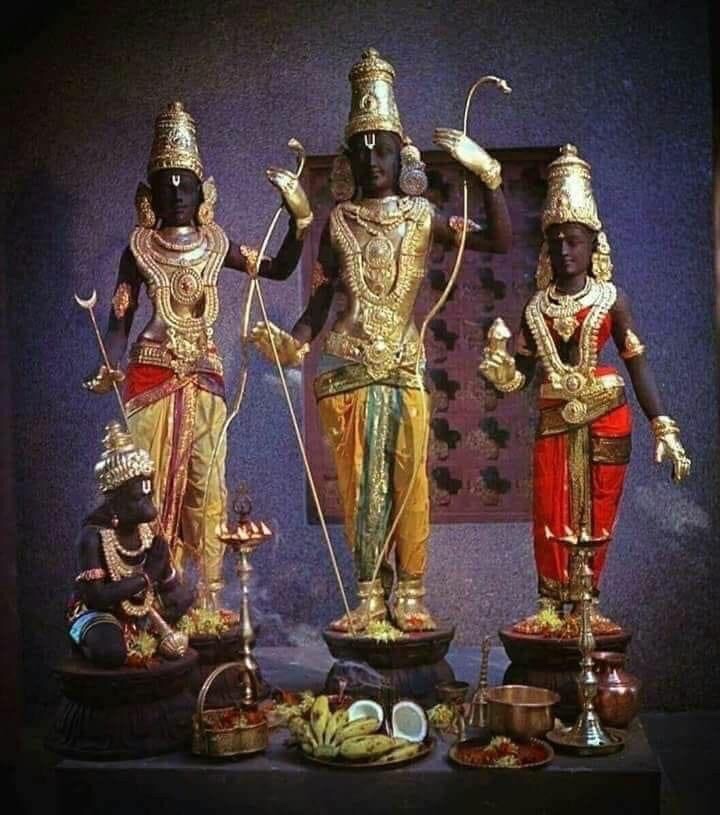
The “Avatar” – Lord Rama – Mangala Charan Sloka

Avatar – An introduction

The term Avatāra (अवतार) in Sanskrit means 1) Descent, alighting; descending or going down into; 2) Form, manifestation; 3) Descent of a deity upon earth, incarnation in general. 

The Vedas, the Puranas, the Epics and the Bhagavadgita acknowledge the incarnations of Vishnu as an essential and important function of creation to ensure the order and regularity of the worlds and keep the chaos and demonic forces under control.

An incarnation of God is also different in many respects from a manifestation (vibhuti) or an aspect (amsa) of God. Practically, everything is a manifestation of God. A manifestation may or may not be aware of its divine nature. Its purpose may be limited in scope and influence, and it may represent only some qualities or aspects of God such as his knowledge, intelligence, power, wealth, beauty, aura, grace, etc. Secondly, a manifestation of God may happen with or without a form, not necessarily upon earth, whereas an incarnation always happens upon earth and in corporeal form only.

Technically, all living beings are incarnations of God only, since the soul or the Self is an aspect of Brahman and identical to him in all aspects. However, there is a fundamental difference. The incarnations of God are full-fledged. He manifests all his power and knows inherently his divine purpose upon earth. In contrast, the living beings are subject to the impurities of egoism, delusion and attachments.
With the above introduction, let us now study a wonderful Sloka which depicts the qualities of Lord Rama, the seventh Avatar of Lord Vishnu.

Audio Link

Pl. Listen to a wonderful recitation of the Sloka by the young Carnatic Musician Sri. Ashwath Narayanan in Ragamalika as a Virutham (approx 9 mts).

https://www.dropbox.com/s/aivahjx5pd8fbdd/Ashwath%20Narayanan_%20Virutham%20in%20Ragamalika-Z_SeucDJzrc.mp3?dl=0

Sanskrit Verse

शान्तं शाश्वतमप्रमेयमनघं निर्वाणशान्तिप्रदं

ब्रह्माशम्भुफणीन्द्रसेव्यमनिशं वेदान्तवेद्यं विभुम्‌।

रामाख्यं जगदीश्वरं सुरगुरुं मायामनुष्यं हरिं

वन्देऽहं करुणाकरं रघुवरं भूपालचूडामणिम्‌॥

English Transliteration

SAntaM SaSvatam apramEyaM anaghaM nirvANa SAntipradaM

brahmASambhuphaNIndra sEvyaM aniSaM vEdAnta vEdyaM vibhuM !

rAmAkhyaM jagdISvaraM suraguruM mAyAmanuSyaM hariM

vandEhaM karunAkaraM raghuvaraM bhUpAlacUDAmaNiM !!

Meaning in Tamil

அமைதியின் ஆதியாய், 

அழிவிலா அறிவாய்,

அளவிலா ஆனந்தமாய்,

மாசிலா மறையோனாய்,

முழுமையும் முக்தியும் தரும்

மூவரும் போற்றிடும் முதல்வனாய்

மறை புகட்டும் பரம்பொருளாய்

பாராளும் வேந்தனாய்,

உலகோரின் ஆசானாய்,

மாயவனால் மனிதனாக அவதரித்த

ராமனே ! கருணைக்கடலே !

பணிந்திடுவேன் உன்பாதம்

ரகு குல நாயகனே,

மன்னவரில் மாணிக்கமே !

Meaning in English

1. SAntaM SaSvatam apramEyaM anaghaM - him, the embodiment of tranquility, the eternal one, the causeless one, sinless one.  

2. nirvANa SAntipradaM - him who confers liberation and peace.

3. brahmAviShNu phaNIndra sEvyaM aniSaM - the lord to whom Brahma, Vishnu and Shiva offer service.

4. vEdAnta vEdyaM vibhuM - the one knowable through Vedas, the Cosmic one.

5. rAmAkhyaM jagdISvaraM suraguruM mAyAmanuSyaM hariM - named Rama, the lord of the world, the preceptor of gods, the one incarnated by Hari as a man as an act of Maya.

6. vandEhaM karunAkaraM - I bow down to him, the ocean of mercy.

7. raghuvaraM bhUpAlacUDAmaNiM - the scion of Raghus, and a crest jewel among kings.

Narayaneeyam – Dasakam 4 – Sloka 1 – The request

Audio Chant – Link

https://www.dropbox.com/s/927tdtsion3olal/4-1.mp3?dl=0

Sanskrit Verse

कल्यतां मम कुरुष्व तावतीं कल्यते भवदुपासनं यया ।

स्पष्टमष्टविधयोगचर्यया पुष्टयाशु तव तुष्टिमाप्नुयाम् ॥१॥

Transliteration in Tamil

கல்யதாம் மம குருஷ்வ தாவதீம் கல்யதே ப₄வது₃பாஸநம் யயா |

ஸ்பஷ்டமஷ்டவித₄யோக₃சர்யயா புஷ்டயாஶு தவ துஷ்டிமாப்நுயாம் || 1||

Transliteration in English

kalyataaM mama kuruShva taavatiiM kalyate bhavadupaasanaM yayaa |

spaShTamaShTavidhayOgacharyayaa puShTayaa(a)(a)shu tava tuShTimaapnuyaam || 1

Meaning in Tamil

உனைத் துதிஅளவு உடல்நிலை தருவாய் உலகோனே,

அதனையிட்டு அட்டாங்க யோகத்திறன் அடைவேனே,

அனுதினமும் புரிந்து அடைந்திடுவேன் அதன்பின்னே

அளவிலா ஆழியாம் உனது கருணைதனையே ! 4.1

Meaning in English

O Lord! Bestow on me just that much of health necessary to worship Thee. Then I shall practice the eight-limbed yoga (Ashtanga Yoga) and earn Thy grace.

Meaning of the Sanskrit Words

कल्यतां – health; मम – for me; कुरुष्व – kindly bestow; तावतीं – (at least) that much; कल्यते – (by which) I can perform; भवत्-उपासनं – worship of Thee; यया – by which; स्पष्टम्- definitely; अष्ट-विध-योग-चर्यया – by practicing the eight limbed yoga (Ashtanga Yoga); पुष्टय-आशु – (I will) be nourished soon; तव तुष्टिम् – (with) Thy grace; आप्नुयाम् – I will attain i

Gujarat Tour Diary 4 – The bad Apples.

Through the previous three blogs we experienced a shining, wild and wonderful Gujarat that is standing tall.

“Hey, hang on ! Don’t tell me that everything is honky dory. You should have had bad experiences too”. 

I can hear loud and clear your murmur. For sure there were two experiences to forget during the ten day trip.

1. The first experience was scary. It was scarier than the roller coaster ride in Disneyland where at the least, I was confident that I will return 
back after the ride after a thorough shakeup.

2. The second one, left me wonder-stuck in disbelief with questions “How can it be like this? Is this not in His (you know whom I mean by ‘His’ !) Radar ? After all it is “His” own State !”

Let us get an idea of the two bad apples in my basket of experiences.

Okha-Beyt Dwaraka-Okha Ferry Ride – Disaster in Waiting

Gujarat Tourism (https://www.gujarattourism.com/saurashtra/devbhoomi-dwarka/bet-dwarka.html) gives a clear warning that boat connectivity could be sporadic and delayed to the Beyt Dwaraka otherwise called as Bet Dwaraka.

Bet Dwarka, also known as Shankhodhar, is said to have been the residence of Lord Krishna during his ruling years at Dwarka. It derived its name from the word ‘bet’ which translates to ‘gift’ and is believed that Lord Krishna received it from his friend Sudama. In the ancient epic, Mahabharata, Bet Dwarka is known by the name of ‘Antardvipa’ to which people of the Yadava clan needed to travel by boat.

In this modern era of technology and science, we were taken back to ancient times by the authorities responsible for the ferry.

This is nothing but a DISASTER WAITING TO HAPPEN ANYTIME. (Of course, it is based on the assumption that anything that cut shorts a human life is a disaster).

Here is a video of my ferry ride.

AMD – Ahmedabad Airport – Thriving on Chaos

The Domestic Terminal in Ahmedabad Airport, from where I commenced my return journey home, left me wondering with a few questions.

The Airport at the Capital of the State from where the Prime Minister of the fastest growing economy comes (Varanasi may be his adopted home) presented a feeling of a modern day chaotic mofussil bus stand.
Over crowded waiting area, jam packed lounges with huge queue to gain access to, noisy and vociferous crowd eager to form queues and rush even as the incoming aircraft is sighted, anxious and worried Senior Citizens on wheel chairs….. Ahmedabad Airport gives Chennai Airport a run for its money when it comes to chaos. No doubts about this.

This concludes the Tour Diary – Gujarat. Barring these two, the travel and tour was extremely comfortable and an amazing experience. Will see you soon from the other side of Atlantic .

Au revoir; à bientôt

Narayaneeyam – Dasakam 4 – Introduction

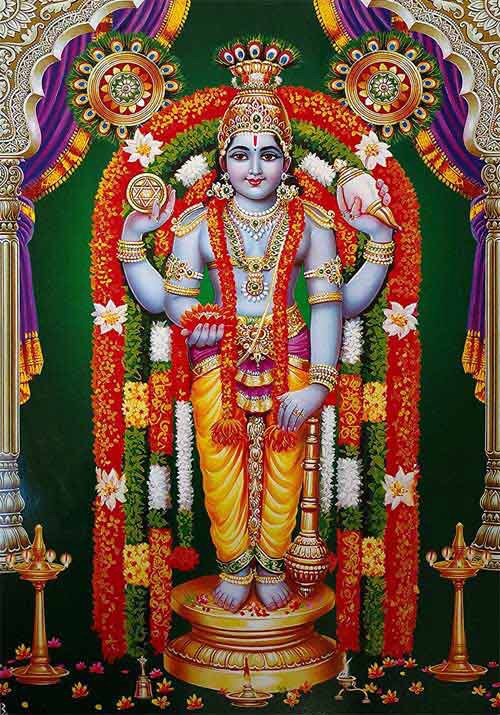
Sri Guruvayurappan.

Ashtanga Yoga – A bird’s eye view

We commence our study of Dasakam 4 of Narayaneeyam with a couplet from Adi Sankaracharya’ Viveka Chudamani.

न देशकालासनदिग्यमादि
लक्ष्याद्यपेक्षाप्रतिबद्धवृत्तेः ।
संसिद्धतत्त्वस्य महात्मनोऽस्ति
स्ववेदने का नियमाद्यवस्था ॥ ५२९ ॥

na deśakālāsanadigyamādi
lakṣyādyapekṣāpratibaddhavṛtteḥ |
saṃsiddhatattvasya mahātmano’sti
svavedane kā niyamādyavasthā || 529 ||

529. The noble soul who has perfectly realised the Truth, and whose mind-functions meet with no obstruction, no more depends upon conditions of place, time, posture, direction, moral disciplines, objects of meditation and so forth. What regulative conditions can there be in knowing one’s own Self?

Adi Sankaracharya- Viveka Chudamani

Rediscovering one’s fullest potential on all levels of human consciousness—physical, physiological, psychological, and spiritual, by controlling the Body-Mind-Intellect Complex, therefore should become the uninterrupted philosophy of life for ordinary mortals like us.

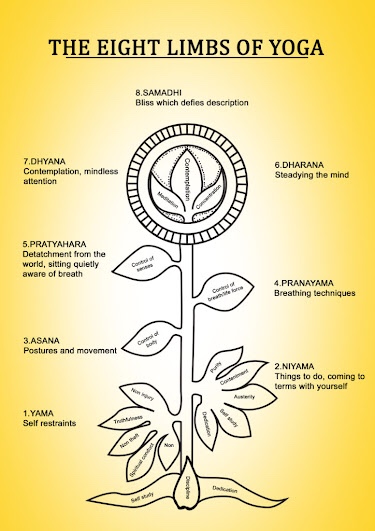
The science of “controlling of the mind” [“citta vrtti nirodhah” otherwise called as Yoga] in all the levels human consciousness has eight (“ashta”) distinct processes (called as the limbs “anga”) as per Sage Patanjali. This science is what is called as Ashtanga Yoga.

The first four limbs—yama (self restraint) , niyama (things to do), asana (posture) , pranayama (breathing technique) —are considered external cleansing practices. The internal cleansing practices are —pratyahara (detachment), dharana (steadying the mind) , dhyana (contemplation).

Through the practice of correct breathing (Pranayama), postures (asanas), and gazing point (driste), we gain control of the senses and a deep awareness of our selves. By maintaining this discipline with regularity and devotion, one acquires steadiness of body and mind.

However, it is “not possible to practice the limbs and sub-limbs, when the body and sense organs are weak and haunted by obstacles”.

Bhattathri and Ashtanga Yoga

In Dasakam 4, Narayana Bhattathiri is therefore requesting Lord Guruvayoorappan to give him, good health adequate enough to practice Ashtanga yoga and earn his grace.

In that process, Bhattathri explains the devotional path to be practiced through ashtanga yoga for ordinary devotees like us to understand.

He also explains the benefits of practicing this Yoga by highlighting the gains that Sage Naradha and Sukhadeva enjoyed.

Bhattathri also outlines the two distinct routes (the immediate and gradual routes ) that devotees can follow for attaining liberation.

Bhattathiri concludes the Dasakam, with a request to Lord Guruvayoorappan, the embodiment of pure consciousness to cure him of his internal and external afflictions and protect him, who is always singing only Lord’s glories.

Schedule

Like we did in Dasakam 3, starting from June 24, on every Ekadasi Day of the month, we will take up one sloka for study and present its chanting, transliterations, translations and meaning in English and Tamil.

Gujarat Tour Diary 3 – Standing Tall

This is the penultimate blog on our recent tour to Gujarat. I don’t intend to present the notes and photographs covering the  traditional tourist spots like the Step Wells, the Sun Temple, Somnath, Dwaraka, Masjids etc etc. 
I will rather present a few photographs that I took at three important places viz., Porbandar, Diu and Ekta Nagar.

These photographs bring out a clear message for me.

“ Freedom, Valor and Unity “.

No doubt in my mind that Gujarat stands tall when it comes to Nation building.

Porbandar & Sabarmati – Freedom through non-violence.

Diu – INS Khukri Memorial – Valor & Courage

Ekta Nagar – Unity in Diversity

Narayaneeyam – Dasakam 3 – Sloka 10

Link to the Audio Chanting

https://www.dropbox.com/s/pb2qpjdwi8cv1q7/3-10.mp3?dl=0

Sanskrit Verse

किमुक्तैर्भूयोभिस्तव हि करुणा यावदुदिया

दहं तावद्देव प्रहितविविधार्तप्रलपितः .

पुरः क्लृप्ते पादे वरद तव नेष्यामि दिवसा

न्यथाशक्ति व्यक्तं नतिनुतिनिषेवा विरचयन् ॥१०॥

English Transliteration

kimuktairbhuuyObhistava hi karuNaa yaavadudiyaa

dahaM taavaddeva prahitavividhaartapralapitaH |

puraH kL^ipte paade varada tava neShyaami divasaa

nyathaashakti vyaktaM natinutiniShevaa virachayan ||

Tamil Transliteration

கிமுக்தைர்பூ₄யோபி₄ஸ்தவ ஹி கருணா யாவது₃தி₃யா-

த₃ஹம் தாவத்₃தே₃வ ப்ரஹிதவிவிதா₄ர்தப்ரலபித : |

புர : க்ல்ருப்தே பாதே₃ வரத₃ தவ நேஷ்யாமி தி₃வஸா-

ந்யதா₂ஶக்தி வ்யக்தம் நதிநுதிநிஷேவா விரசயந் || 10||

Meaning in English

YO Lord! What is the use of my mere prattling? O Bestower of boons! I have resolved that till Thy Grace descends on me, giving up all my lamentations, I shall do prostration at Thy holy feet which are in front of me, sing Thy glories and do service to Thee as best as I can. Thus worship Thee !

Meaning in Tamil

என்று கிட்டுமோ உன் கருணை, என்சொல்லி என்ன பயன்

அன்றுவரை அழுவேனிலை உளமுறுதி கொண்டேன் யான் !

என்னெதிர் காண் உன் திருவடிதனை அனுதினமும் பணிவேன்

உன் புகழ் பாடிக்கழித்திடுவேன் இயன்றவரை இறைவனே ! 3.10

Lessons for Life – 1 – Objective Tensions and Subjective Confusions

I am starting a new series on “Lessons for Life” as per my limited understanding of our Scriptures. When we talk about lessons, we should be clear as to why are we looking for lessons. If we analyse this “why”, a little bit deeper in our own life, we end up with the basic issue which explains the title for the first topic – Objective Tensions and Subjective Confusions. We all are subjected to; no exceptions.

The choice of words directly takes us back in time and space to Kurukshetra, the battle field and the opening chapter of Bhagwad Gita.

Here is my limited understanding summarised and presented in Tamil and English. Please feel free to comment and offer your valuable inputs & suggestions for me to continue my learning.

என் சிற்றறிவுக்கு எட்டிய கண்ணோட்டம்

காயமெனும் பாத்திரம், போடுவது நாடகம்,

ஆடி ஒய்வதில் இல்லை சந்தேகம் – எனினும்

மாறுவதையும் மடிவதனையும் மறுத்திட்டு,

பாசமுடன் பந்தமென்று சொந்தம் கொண்டு

மடமையுடன், மனதினிலே இன்பம் தேடி

கடமைதனை விலக்கிட்டு, காண்டீபம் நழுவிட

பரமனிடம் ஏவுகனை பெற்ற பார்த்தனவன்,

சரணமடைந்தான் தனது சந்தேகம் தீர்த்திடவே

சிரம் தாழ்த்தி வணங்கிட்டு போர்களத்தில்

பரம்பொருளாம் தேரோட்டி கண்ணணிடம் !

My limited understanding of the core issue

A mind with illusion leads to lack of clarity resulting in despondency. “When a man with a sense of duty is caught in illusion, even then he can’t bear to face the sense of reality which is the naked fact of his lapse from duty. He usually covers it up with an inquiry into principles”.

In this world of bitter competition, each one of us is compelled to battle constantly with things and beings. The external challenges persecute us. Deep within ourselves also, we have become helpless slaves to our uncontrollable desires and undisciplined thoughts. We modern humans have come to shreds and is torn between objective tensions and subjective confusions. The former is not in our control and we cant escape.

Lesson 1 – So, our success is measured by the extent we control our inner subjective confusions.

Narayaneeyam – Dasakam 3 – Sloka 9

Link to the Audio Chanting

https://www.dropbox.com/s/bs8m3qcs9j4i22u/3-9.mp3?dl=0

Sanskrit Verse

मरुद्गेहाधीश त्वयि खलु पराञ्चोऽपि सुखिनो

भवत्स्नेही सोऽहं सुबहु परितप्ये च किमिदम् ।

अकीर्तिस्ते मा भूद्वरद गदभारं प्रशमयन्

भवत् भक्तोत्तंसं झटिति कुरु मां कंसदमन ॥९॥

English Transliteration

marudgehaadhiisha tvayi khalu paraa~nchO(a)pi sukhinO

bhavatsnehii sO(a)haM subahu paritapye cha kimidam |

akiirtiste maa bhuudvarada gadabhaaraM prashamayan

bhavadbhaktOttamsaM jhaTiti kuru maaM kamsadamana ||

Tamil Transliteration

மருத்₃கே₃ஹாதீ₄ஶ த்வயி க₂லு பராஞ்சோ(அ)பி ஸுகி₂நோ

ப₄வத்ஸ்நேஹீ ஸோ(அ)ஹம் ஸுப₃ஹு பரிதப்யே ச கிமித₃ம் |

அகீர்திஸ்தே மா பூ₄த்₃வரத₃ க₃த₃பா₄ரம் ப்ரஶமயந்

ப₄வத் ப₄க்தோத்தம்ஸம் ஜ₂டிதி குரு மாம் கம்ஸத₃மந || 9||

Meaning in English

O Lord of Guruvaayur! I find that even those who are indifferent to Thee are leading a happy life. O Bestower of boons! Even though I am an ardent devotee of Thine, I am undergoing various sufferings. Why is this so? O Lord! Will this not bring disrepute to Thee? Hence, O slayer of Kamsa! Kindly eradicate my diseases and soon make me one of your foremost devotees

Meaning in Tamil

அத்தனை மகிழ்வுடன் மனைமாட்சி பாராமுகமிருந்தும் பலருக்கு

எத்துனை உழல்பிணி உனையன்றி எவருமறியா எளியோன் எனக்கு !

ஏனென்று யான் அறிந்திலேன் உரைத்திடுவாய் நீலவண்ண வரதனே!

ஏளனமுடன் இகழ்ச்சி பெறுமே உன் புகழ் கம்சவதனே கண்ணா!

ஏற்றாட்கொண்டு எளியோனின் பிணி தீர்ப்பாய் குருவாயூரப்பனே ! 3.9

Narayaneeyam – Daskam 3 – Sloka 8

Link to the Audio Chanting

https://www.dropbox.com/s/sh5jzah232wfw4d/3-8.mp3?dl=0

Sanskrit Verse

प्रभूताधिव्याधिप्रसभचलिते मामकहृदि

त्वदीयं तद्रूपं परमसुखचिद्रूपमुदियात्

उदञ्चद्रोमाञ्चो गलितबहुहर्षाश्रुनिवहो

यथा विस्मर्यासं दुरुपशमपीडापरिभवान् ॥८॥

English Transliteration

prabhuutaadhivyaadhiprasabhachalite maamakahR^idi

tvadiiyaM tadruupaM paramasukhachidruupamudiyaat |

uda~nchadrOmaa~nchO galitabahuharShaashrunivahO

yathaa vismaryaasaM durupashamapiiDaaparibhavaan ||

Tamil Transliteration

ப்ரபூ₄தாதி₄வ்யாதி₄ப்ரஸப₄சலிதே மாமகஹ்ருதி₃

த்வதீ₃யம் தத்₃ரூபம் பரமஸுக₂சித்₃ரூபமுதி₃யாத் |

உத₃ஞ்சத்₃ரோமாஞ்சோ க₃லிதப₃ஹுஹர்ஷாஶ்ருநிவஹோ

யதா₂ விஸ்மர்யாஸம் து₃ருபஶமபீடா₃பரிப₄வாந் || 8||

Meaning in English

O Lord! In my mind, which is now very agitated due to mental and physical afflictions, may Thy beautiful form manifest, which is of the nature of Knowledge-Bliss absolute. This will excite me with supreme devotion causing horripilation all over the body and tears flowing in ecstasy and in such a thrill, my endless sorrows will melt into insignificance.

Meaning in Tamil

இடைவிடா மனக்காயப்பிணி விழை உழல்மிகு என் உளமதனில்

குறையிலாப் பேரின்ப உன் மெய்ப்பொருள் வடிவம் உதயமாகட்டும் !

அளவிலா ஆனந்தக்கண்ணீர் மல்கி மயிர்கூச்சமுடன் கசிந்துருகி

முடிவிலா தீராப்பிணி அனைத்தும் மறப்பேனே உன்னுருக் கண்டு ! 3.8