In the first Sloka, Narayana Bhattahri brought out that before the Maha Pralaya (The great deluge/Big Bang), only Brahman exists.

The question that naturally followed this assertion was “what happened to all the existing things, living and non living entities at the gross and subtle levels?”.

The answer was provided in the next Sloka 2 wherein Bhattathri brought out that everything else was in unmanifested, undifferentiated state inside Brahman.

Now comes the next question. What happens next?
Answer for this question is Sloka 3.
Sanskrit Verse
एवं च द्विपरार्धकालविगतावीक्षां सिसृक्षात्मिकां
बिभ्राणे त्वयि चुक्षुभे त्रिभुवनीभावाय माया स्वयम् ।
In the first Sloka, Narayana Bhattahri brought out that before the Maha Pralaya (The great deluge/Big Bang), only Brahman exists.

The question that naturally follows this assertion is “what happened to all the existing things, living and non living entities at the gross and subtle levels?”.

Before finding answers to our question, let us  watch an interesting Video.
Now let us come to the core issues on this video. From where did this gigantic Sequoia tree come from ? Well, it came from this simple looking seed.
Wow! How is it possible? The answer is explained by Narayana Bhattathri in Sloka 2. Now let us study the Sloka.
குறிப்பு: வேதாந்தத்தில், இல்லாத விஷயங்கள் (அதாவது, மூன்று காலகட்டங்களில் எப்பொழுதும் இல்லாதவை அல்லது சாத்தியமற்றவை அல்லது உண்மையற்றவை) பொதுவாக மூன்று எடுத்துக்காட்டுகளுடன் விளக்கப்படுகின்றன, அதாவது விண் மலர்கள் (வானில் வளரும் மலர் செடி/மரம் இல்லாமல்), மலட்டுப் பெண்ணின் குழந்தை, முயலின் கொம்பு. மஹா பிரளயத்தின் போது தற்போதுள்ள அனைத்து பொருட்களும் வெளிப்படுத்தப்படாத/வேறுபடுத்தப்படாத நிலையில் இருந்ததை எடுத்துரைக்க பட்டத்திரி இங்கே விண்மலர்கள் உதாரணத்தைப் பயன்படுத்துகிறார்.
Meaning in English
O All pervading Lord! During the period of Maha Pralaya, You were absorbed in Yourself in Your Cosmic Slumber (Yoga Nidra). At that period, Time, Karmas (& effects of good and bad actions), Gunas (Satwa, Rajas and Tamas), all the Jivas and the entire universe (born out of Maayaa) were all merged in Thee and Thou were absorbed in Thy own nature of pure Consciousness Bliss. O Lord! Even the Srutis (Vedas) do not declare them as being non existent. They remained in causal form. If they have perished or non existent like the sky-flowers (which never existed) , how could they come into existence again?

Note 1: In Vedanta, the non-existent things (i.e, that which never exists in any of the three periods of time or an impossibility or unreal) are usually explained with three examples viz., sky-flower (flower which grows in the sky without any plant/tree), child of a barren woman, and the horn of a rabbit. Bhattathri is using the sky-flower example here to drive home the point all existing things were in unmanifested/undifferentiated state during Maha Pralaya.
Note 2:

Readers are advised to cross refer to Sloka 2 of Dakshinamurthy Stothram for an overview of the concepts of Vikalpa and Nirvikalpa. Ref:
Let us recall what we learnt in the previous blogs on Cosmic Evolution.

1. At the outset it should be clear that our Rishis, Seers and Saints understood that creation doesn’t mean formation of something out of nothing. By the word creation, they only meant the manifestation of something which was potentially existent in dormant form or Unmanifest form or undifferentiated form (like the tree inside the seed).

2. In the beginning nothing exists except a singularity called Brahman. This is akin to what modern scientists say as “Before the big bang there was no space, time or matter. There was just singularity where the entire un-manifested universe existed”.

This is what is brought out by Bhattathri in this first Sloka.

Let us now study the Sloka
முகவுரை
“ஒன்று ஆகி மூலத்து உருவம் பல ஆகி

உணர்வும் உயிரும் பிறிது ஆகி ஊழி

சென்று ஆசறும் காலத்து அந்நிலையது ஆகி

திறத்து உலகம்தான் ஆகி செஞ்சவே நின்ற

நன்று ஆய ஞானத் தனிக் கொழுந்தே எங்கள்

நவைதீர்க்கும் நாயகமே நல் வினையே நோக்கி

நின்றாரைக் காத்தி அயல் பேரைக் காய்தி

நிலை இல்லாத் தீவினையும் நீ தந்தது அன்றே”

கம்பராமாயணம், ஆரண்ய காண்டத்தில்

“முதலில் ஒன்றாக இருந்து, பின்னர் பலவேறு (Cosmic Evolution) வடிவங்களாகி, அவ்வடிவங்களில் அறிவும், உயிரும் வெவ்வேறாகி, ஊழிக் காலம் மஹா பிரளயத்தால் முடியும் போது, முதலில் இருந்த ஒன்றாகும் நிலையைப் பெற்று (Cosmic Dissolution) , மீண்டும் படைப்பு நிகழும்போது பலவகைப்பட்ட உலகங்களாகி, செம்மையாய் நின்ற ஞானக் கொழுந்தே! நீ புண்ணிய செயல்களை மேற்கொண்டவர்களைக் காக்கின்றாய், பாவம் செய்பவர்களை அழிக்கின்றாய். நிலையில்லாத அப்பாவமும் நீ படைத்தது அல்லவா?”

என்று கம்பன் வர்ணிப்பதும் நமது முனிவர்களும், ரிஷிகளும் அறிந்துணர்ந்த அண்டங்களின் படைப்பிற்கு காரணமாகிய ஆதி அந்தமில்லா பரம்பொருளைப் பற்றியதே

இதனைத்தான் நாராயண பட்டத்ரி, ஐந்தாம் தசகத்தில் முதல் ஸ்லோகமாக வரைந்தார்.

அதனை இப்போது ஆய்வோம்.
Sanskrit Verse
व्यक्ताव्यक्तमिदं न किञ्चिदभवत्प्राक्प्राकृतप्रक्षये
मायायाम् गुणसाम्यरुद्धविकृतौ त्वय्यागतायां लयम् ।
नो मृत्युश्च तदाऽमृतं च समभून्नाह्नो न रात्रे: स्थिति –
இறப்பில்லை, வீடுபேறென்றில்லை, இறவு பகல் ஏதுமில்லை இருப்பென்பது உனையன்றி வேறெதுவுமல்லை – அப்
பேரழிவுக் காலம் முன்னே பேரின்ப நிலைதனிலே தூய இருப்பெனவே இருந்தனையே பரம்பொருளே 5.1
Meaning in English
This world consisting of the manifest and the unmanifest worlds (gross and the subtle) did not exist at all, before and during the total dissolution.The three Gunaas (Satwa, Rajas and Tamas) of Maya were in equilibrium, preventing any modification and so had become latent in Thee. At that time neither death nor liberation existed. Day and night also did not exist. Thou alone remained at that time as the Supreme Bliss Consciousness.
English Transliteration
vyaktāvyaktamidaṁ na kiñcidabhavatprākprākr̥taprakṣayē

māyāyāṁ guṇasāmyaruddhavikr̥tau tvayyāgatāyāṁ layam |

nō mr̥tyuśca tadāmr̥taṁ ca samabhūnnāhnō na rātrēḥ sthiti -

statraikastvamaśiṣyathāḥ kila parānandaprakāśātmanā || 5
Meaning of the Sanskrit Words
व्यक्त-अव्यक्तम्-इदं - this (universe) made up of the gross and the subtle (manifested and unmanifested)
न किञ्चित्-अभवत् - nothing existed
प्राक्-प्राकृत-प्रक्षये - before Praakrita Pralaya
இந்த பதிவு, நிச்சயமாக அண்டத்தின் படைப்பைப் பற்றி ஆன்மீகம் என்ன சொல்கிறது என்பது பற்றிய முழுமையான விளக்கம் அல்ல. அண்டத்தின் படைப்பை பற்றிய ஆன்மீக விளக்கங்களிலிருந்து நான் புரிந்து கொண்ட ஒரு மேலான கண்ணொட்டத்தின் வடிவே இது.
நாராயணீயம்தசகம்ஐந்தினைசரியாகபுரிந்துகொள்வதேநமதுகுறிக்கோள். அதற்குதேவையானபுரிதலைநமக்குஅளிக்கவேஇந்தபதிவுகள் என்பதை நாம் மனதில் நிலைநாட்ட வேண்டும். இதனை முந்தைய பதிவான நாரயணீயம் முகவுரையிலேயே அடியேன் குறிப்பிட்டிருந்தேன் என்பதையும் நினைவுகூறுக.
இந்த விஷயத்தில் ஆழ்ந்து அறிய விரும்பினால், தங்களது குருவினை அணுகி, இவற்றைக் கற்றுக் கொள்ளுமாறு வாசகர்களை அன்புடன் கேட்டுக் கொள்கிறேன்.
இதுவரைஅறிந்தது
பகுதி 1ல், "நிறையும் ஆற்றலும்” அதாவது “இருப்பும் உணர்வும்” (matter & energy or existence & consciousness)கொண்ட ஒரே ஒரு தூய்மையான, எங்கும் நீக்கமற நிறைந்த, அழிவிலா நித்திய பேரின்பமான இறுதி உண்மையெனும் பரம்பொருள் தத்துவம் நமது கருத்தியல் அறிவாற்றலில் (In our conceptual cognition), நாம் பொறிபுலன் கொண்டு, கண்டு அனுபவிக்கும் அடிப்படை அம்சங்களாக தன்னை வெளிப்படுத்துகிறது என்று கூறியதை அறிந்தோம்.

பகுதி 2ல், படைப்பு என்பது பரம்பொருளின் இச்சையால் வெளிப்படுகிறது என்றும், அப்பரம்பொருளே படைப்பின் அறிவுக்காரணம் என்றும் அறிந்தோம். மேலும் பரம்பொருளைப் போல ஆதியும் அந்தமும் இல்லாமல் எனினும் பரம்பொருளைச் சார்ந்த சக்தியான மூலப்ரக்ருதி, அவ்யக்தா, மாயா, குணஸம்யா என்றெல்லாம் வடமொழியில் கூறப்படும் மாயையே படைப்பின் பொருட்காரணம் என்றும், அழியா இடம், அழியா காலம் இரண்டும் பொதுக்காரணமென்றும் கண்டோம். அந்த காலத்தின் கணக்கினை நான்முக கடவுளின் ஆயளுடன் இணத்ததையும் அறிந்தோம்.

மூன்றாவது பகுதியில் ஐவகை செறிவு எனும் பஞ்சீகரண செயல்முறை வழியாக அண்டப் பரிணாமத்தின் விவரங்களைக் கண்டோம்.

முடிவாக, இந்தப்பகுதியில் பிரளயம் எனும் கலப்பு தத்துவத்தை காண்போம்.
முகவுரை
“ஒன்றோடொன்றாகவே பற்றிலயமாம் போதினில்” என்று தாயுமானவர் கூற்றின்படி, லயம் என்ற சொல்லுக்கு, ஒன்றுடன் ஒன்றாக கலத்தல் என்ற பொருள் மிகவும் பொருத்தமானது. பலர் இச்சொல்லிற்கு அழிவு என்று பொருள் கொள்கின்றனர். அது ஒரு குறுகிய கண்ணோட்டம். முதற்பதிவல் கண்ட அடிப்படை கொள்கையை நினைவு கூறுக. உருவாக்குதல், அழித்தல் என்று ஒன்றுமில்லை; பரிணாமம் என்று வேறாக, மாறாக, மறைவிலிருந்து வெளிப்படுவதே உண்மை.

பிரளயம் என்பது, பிரபஞ்சத்தின் ஒட்டுமொத்த கலப்பு என்ற பொருளை குறிக்கும் என்று கூறுகிறது என் சிற்றறிவு. .

நமது ஸனாதன தர்மத்தில், அண்டப் பரிணாமம், என்பது ஒரு சக்கர சுழல். தோன்றியது மறையும; மறைவது தோன்றும். இவை இரண்டும் மாறி மாறி வந்து கொண்டே இருக்கும் காலச்சக்கர சுழற்சியின்படி. எதற்கெல்லாம் "இருப்பு" உள்ளதோ அதற்கெல்லாம் “கலப்பு” எனும் “லயம்” உண்டு. எவையெல்லாம் “லயப்படுகின்றனவோ”, அவைகளெல்லாம் “இருப்பாக” வெளிவரும். இதுதான் அண்டத்தின் நியமனம்.

எனவே, இந்த லயம் எவைகளுக்கு, எங்கு, எப்போது என்பதை நாம் அறிய வேண்டும். அதாவது லயத்தின் பொருள், இடம், காலம் இவற்றை நாம் அறிய வேண்டும். அவைகளின் ஒரு கண்ணோட்டம் இதோ.
பிரளயம் – எவைகளுக்கு?
இந்த பிரபஞ்சத்தில், (பிரபஞ்சம் உட்பட) “இருப்பு” உள்ளவைகளை உணர்வுள்ள இருப்பு (sentient), உணர்வற்ற பொருட்கள் (insentient) என்று பிரிக்கலாம். முடிவிலியை எட்டும் எண்ணற்ற உணர்ச்சியற்ற மற்றும் செயலற்ற பொருட்களையும் அவற்றின் வெவ்வேறு வடிவங்களை ஒதுக்கி வைத்துவிட்டுப் பார்த்தால், 8,400,000 உயிரினங்களும், அவற்றில் 900,000 நீர்வாழ் உயிரினங்களாகவும்; 2,000,000 மரங்களும் செடிகளெனவும் ; 1,100,000 சிறிய உயிருள்ள பூச்சி இனங்களாகவும்; 1,000,000 பறவைகள் எனவும்; 3,000,000 மிருகங்கள் மற்றும் ஊர்வன எனவும், பாலூட்டி இனங்கள் 400,000 எனவும் நமது பத்ம புராணம் பிரபஞ்சத்தில் உள்ள பல்வேறு வகையான வாழ்க்கை வடிவங்களின் எண்ணிக்கையைப் பற்றி விவாதிக்கிறது. பல்லுயிர் பெருக்கம் என்பது அண்டங்களில் உள்ள உயிரின வகைகளின் தொகுப்பாகும்.

ஆக , பிரளயம் என்பது இந்த இருவகை இருப்புகளனைத்தையும் உள்ளடக்கியது என்பதை நாம் உணர வேண்டும்.
பிரளயம் – எங்கேநிகழ்கிறது?
அண்ட பரிணாம வளர்ச்சிக்கான பொது காரணங்களில் ஒன்றான, எல்லையற்ற வெளியை சரியான கண்ணோட்டத்தில் நாம் புரிந்து கொள்ள வேண்டும். இது நமது வேதங்களில் "லோகம்" என்று அழைக்கப்படுகிறது.
முடி மன்னர் ஆகில் மூவுலகம் அது ஆள்வார் அடி மன்னர் இன்பத்து அளவு இல்லை கேட்கின்
திருமந்திரம் 1601
தேவர்கள் வாழும் விண்ணுலகம், மனிதர்கள் வாழும் மண்ணுலகம், அசுரர்கள் வாழும் பாதாளவுலகம், ஆகிய மூன்று உலகங்களைக் குறிக்கும். இதுவே மிகவும் பொதுவான அண்டவியல் கருத்து.

எனினும், இந்து புராணங்கள் பதினான்கு உலகங்களை வரையறுக்கின்றன (இதனை கிரகங்களென குழப்பமடையக் கூடாது). ஈரேழு உலகம், 14 லோகங்கள் என நாம் கேட்டிருப்போம். அந்த உலகங்கள் நாம் வாழக்கூடிய பூமிக்கு மேலே ஆறு உலகங்கள் உள்ளன. நம் பூவுலகிற்கு கீழே ஏழு உலங்கள் இருக்கின்றன என குறிப்பிடப்படுகிறது.
1. அதல லோகம் 2. விதல லோகம் – அரக்கர்கள் 3. சுதல லோகம் – அரக்கர் குலத்தில் பிறந்திருந்தாலும், தான, தர்மங்களால் உயர்ந்தவரை உலகளந்த வாமனனால் ஆட்கொள்ளப்பட்ட மகாபலி 4. தலாதல லோகம் – மாயாவிகள் 5. மகாதல லோகம் – நல்ல செயல்கள் பல செய்து புகழ்பெற்ற அசுரர்கள் 6. ரஸாதல லோகம் – அசுர குருக்கள். 7. பாதாள லோகம் – வாசுகி உள்ளிட்ட பாம்புகள்
ஆக மொத்தம் நாம் வாழும் உலகம் உள்பட 14 லோகங்களிலும் பிரளயம் நடைபெறும்.
பிரளயம் – எப்போதுநிகழ்கிறது?
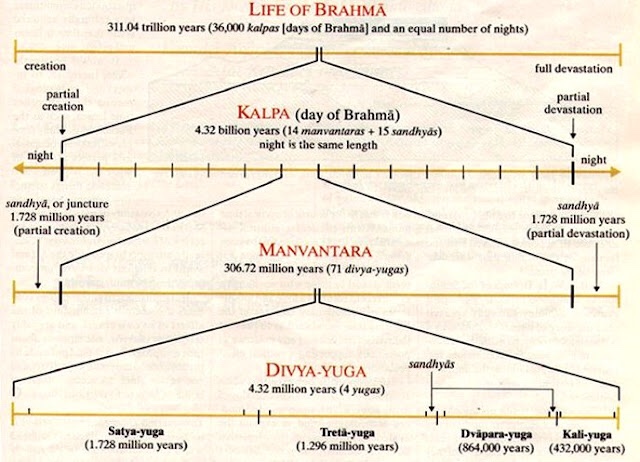
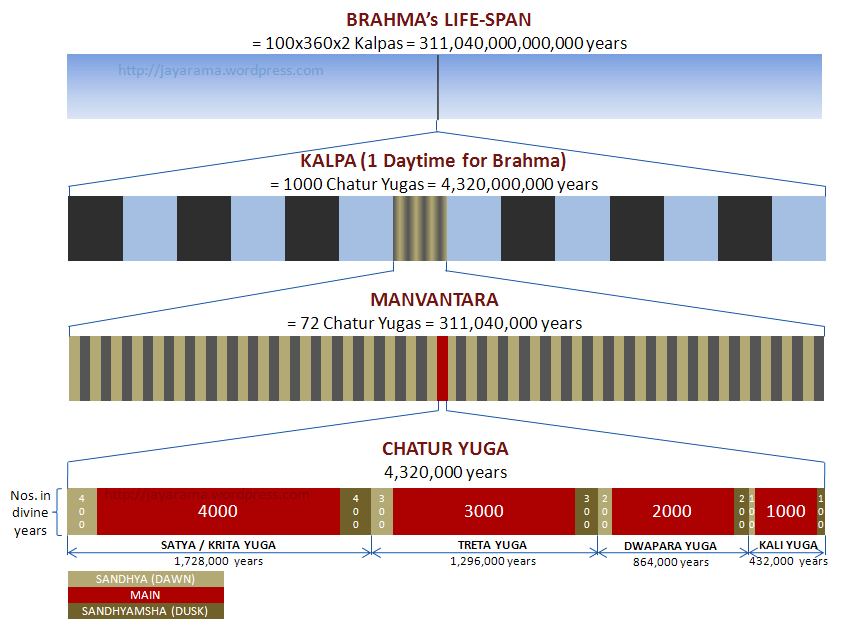
அண்டப்பரிணாம வளர்ச்சியின் எதிர்மறை இந்தப் பிரளயம். எது எது எப்படி வெளிவந்தனவோ, அது அது அப்படி ஒன்றறக் கலக்கும் பரம்பொருளுடன். அதாவது பருநிலை இருப்புகள் நுண்நிலையுடன், நுண்நிலை இருப்புகள் காரண நிலையுடன் லயிக்கும்.இவை அனைத்தும் படைக்கும் தொழிலுக்கு தலைவனான நான்முக கடவுளாம் பிரம்மனின் வாழ்வுக் காலத்துடன் நேரடித் தொடர்பினில் நடக்கும் என்று நமது மறைகள் கூறுகின்றன. (பதிவின் முடிவில் உள்ள படத்தை காணவும்)

விஷ்ணு புராணம் நான்கு வகையான பிரளயத்தை விவரிக்கிறது, 1. நைமித்திகா, 2. பிரகிருதிகா, 3. அத்யாந்திகா மற்றும் 4. நித்யா. முதல் இரு வகைகள் அண்டத்தின் கண்ணோட்டத்தில், அடுத்த இருவகைகள் உயிரினத்தின் கண்ணோட்டத்தில்.

1.நைமித்திக பிரளயம்:

இந்த பிரளயத்தை பிரம்ம பிரளயம் என்றும் அழைப்பர். இந்த பிரளயம் ஒரு கல்பத்தின் முடிவில் அல்லது பிரம்மாவின் வாழ்க்கையின் ஒரு நாளின் முடிவில் - 4.32 பில்லியன் மனித காலண்டர் ஆண்டுகள் முடிவில்; பூ, புவ, ஸ்வா ஆகிய மூன்று லோகங்களில் மட்டுமே இந்த கலைப்பு நிகழ்கிறது என்று விஷ்ணு புராணத்தில் குறிப்பிடப்பட்டுள்ளது.

2.பிரகிருதிகா பிரளயம்:

இயற்கையெனும், பிரக்ருதியில் முழு பிரம்மாண்டமும் கலந்திடும் போது இந்த பிரளயம் ஏற்படுகிறது. பிரம்மாவின் ஆயுட்காலத்தின் முடிவில் (அவரது நாட்காட்டியின்படி 100 ஆண்டுகள்), அதாவது மகா கல்பத்தின் முடிவில் - மனித நாட்காட்டியில் 311.04 டிரில்லியன் ஆண்டுகள் (ஒவ்வொன்றும் 155.52 டிரில்லியன் ஆண்டுகள் கொண்ட இரண்டு பரார்தாக்களை உள்ளடக்கியது) இந்த பிரளயா நிகழ்கிறது. அந்த நேரத்தில் உலகின் அனைத்து பொருட்களும் அதன் காரணங்களுக்குத் திரும்புகின்றன. இந்த கலைப்பு உருவாக்கத்தின் எதிர் வரிசையில் நடைபெறுகிறது. இவ்வாறு, மஹத் முதல் பூமி வரையிலான ஏழு பிரக்ருதி வடிவங்கள் அவற்றின் காரணங்களில் அடுத்தடுத்து நுழைகின்றன. பிரம்மாவின் முட்டை அதன் ஏழு லோகங்கள், ஏழு பெருங்கடல்கள், ஏழு தீவுகள் மற்றும் மலைகளால் சூழப்பட்ட நீரில் கரைகிறது. நெருப்பினால் தண்ணீர் குடிக்கப்படுகிறது; காற்றானது நெருப்பின் அடுக்கை உறிஞ்சுகிறது. காற்று ஈதரில் இணைக்கப்பட்டு பூதாதி அல்லது அஹம்காரம் ஈதரை விழுங்குகிறது. மஹத் மீண்டும் அஹம்காரத்தை எடுத்துக்கொள்கிறார். பிறகு பிரக்ருதி மஹத்தையும் இவை அனைத்தையும் உள்வாங்குகிறது. பிரக்ருதியும் புருஷனும் பரம ஆத்மாவில் கரைந்து விடுகிறார்கள். இது பிரக்ருத பிரளயம்.

3.அத்யாந்திகா பிரளயா:

முழுமையான அல்லது இறுதியான கலைப்பு பரம்பொருளின் அறிவால் (ஆத்ம ஞானம், மெய்யறிவு) அடையப்படுகிறது. எல்லா உயிர்களும் அத்யாத்மிகா, அதிபௌதிகா, ஆதிதைவிகா ஆகிய மூன்று விதமான உலகத் துன்பங்களால் பீடிக்கப்படுகின்றன என்று கூறப்படுகிறது. விஷ்ணு புராணம் இந்த மூன்று வகையான வலிகளையும் விவரிக்கிறது. அத்யாத்மிகா என்பது உடல் மற்றும் மனதினால் எஊற்படும் வலி; மிருகங்கள், பறவைகள் போன்றவற்றால் மனிதர்களுக்கு ஏற்படும் தீமையே அத்யாத்மிகா எனப்படும். ஆதிதைவிக வலி என்பது குளிர், வெப்பம், காற்று, மழை, மின்னல் மற்றும் பிற வளிமண்டல நிகழ்வுகளின் வேலை. மெய்ப்பொருள் அறிவு (ஆத்ம வித்யா, பிரம்ம ஞானம்) மட்டுமே இந்த மூன்று வகையான துன்பங்களிலிருந்து மனிதனை மீட்கும். ஒரு மனிதன் உண்மையான, அறிவு மற்றும் மனித இன்னல்களில் இருந்து பற்றின்மை அடையும் போது, அவன் பரம்பொருளுடன் ஒன்றற கலக்கிறான். இந்த பிரளயத்தில், யோகிகள் பரமாத்மாவில் இணைந்துள்ளனர்.

4.நித்ய பிரளயா:

நித்யா அல்லது நிரந்தர லயம் என்பது அனைத்து உயிரினங்களின் மறைவு என்று கூறப்படுகிறது. தொடர்ந்து நிகழும் இக்கலப்பிற்கு ஜீவராசிகளின் மரணம் என வல்லுநர்கள் இதை விளக்குகிறார்கள். சில வேதாந்திகள் நித்ய பிரளயத்தை சுசுப்தி அல்லது ஆழ்ந்த உறக்கம் என்று விவரிக்கின்றனர்.
முடிவுரை
ஐந்து பகுதி ஆய்வின் மூலம் அறிவியல் மற்றும் நமது ஆன்மீக கண்ணோட்டங்களின்படி அண்டப் பரிணாமத்தை அறிய முயன்றோம்.

நாராயணீயம், தசகம் 5 அண்டத்தின் படைப்பை விவரிக்கின்றது. நாராயண பட்டத்ரீயின் ஸ்லோகங்களை அறிந்து கொள்ள இந்த அடிப்படை அறிவு இன்றியமையாதது.

அடுத்த பதிவுகளிலிருந்துது நாராயணீயம் தசகம் ஐந்தினை ஆராயலாம்
இந்த பதிவு, நிச்சயமாக அண்டத்தின் படைப்பைப் பற்றி ஆன்மீகம் என்ன சொல்கிறது என்பது பற்றிய முழுமையான விளக்கம் அல்ல. அண்டத்தின் படைப்பை பற்றிய ஆன்மீக விளக்கங்களிலிருந்து நான் புரிந்து கொண்ட ஒரு மேலான கண்ணொட்டத்தின் வடிவே இது.
நாராயணீயம்தசகம்ஐந்தினைசரியாகபுரிந்துகொள்வதேநமதுகுறிக்கோள். அதற்குதேவையானபுரிதலைநமக்குஅளிக்கவேஇந்தபதிவுகள் என்பதை நாம் மனதில் நிலைநாட்ட வேண்டும். இதனை முந்தைய பதிவான நாரயணீயம் முகவுரையிலேயே அடியேன் குறிப்பிட்டிருந்தேன் என்பதையும் நினைவுகூறுக.
இந்த விஷயத்தில் ஆழ்ந்து அறிய விரும்பினால், தங்களது குருவினை அணுகி, இவற்றைக் கற்றுக் கொள்ளுமாறு வாசகர்களை அன்புடன் கேட்டுக் கொள்கிறேன்.
இதுவரைஅறிந்தது
பகுதி 1ல், நமது முன்னோர்களான ரிஷிகளும், முனிவர்களும் அவர்கள் இருந்த காலகட்டத்திற்கேற்ப, ஆழ்ந்த தியானங்களின் மூலம், "காரணமற்ற காரணத்தில்" கவனம் செலுத்தி உள்நோக்கி சிந்தித்து, "நிறையும் ஆற்றலும்” அதாவது “இருப்பும் உணர்வும்” (matter & energy or existence & consciousness)கொண்ட ஒரே ஒரு தூய்மையான, எங்கும் நீக்கமற நிறைந்த, அழிவிலா நித்திய பேரின்பமான இறுதி உண்மையெனும் தத்துவம் நமது கருத்தியல் அறிவாற்றலில் (In our conceptual cognition), நாம் பொறிபுலன் கொண்டு, கண்டு அனுபவிக்கும் அடிப்படை அம்சங்களாக தன்னை வெளிப்படுத்துகிறது என்று கூறியதை அறிந்தோம்.

பகுதி 2ல், படைப்பு என்பது பரம்பொருளின் இச்சையால் வெளிப்படுகிறது என்றும், அப்பரம்பொருளே படைப்பின் அறிவுக்காரணம் என்றும் அறிந்தோம். மேலும் பரம்பொருளைப் போல ஆதியும் அந்தமும் இல்லாமல் எனினும் பரம்பொருளைச் சார்ந்த சக்தியான மூலப்ரக்ருதி, அவ்யக்தா, மாயா, குணஸம்யா என்றெல்லாம் வடமொழியில் கூறப்படும் மாயையே படைப்பின் பொருட்காரணம் என்றும், அழியா இடம், அழியா காலம் இரண்டும் பொதுக்காரணமென்றும் கண்டோம். அந்த காலத்தின் கணக்கினை நான்முக கடவுளின் ஆயுளுடன் இணத்ததையும் அறிந்தோம்.

இனி இந்த மூன்றாவது பகுதியில் அண்டப் பரிணாமத்தின் விவரங்களைக் காண்போம்.
அண்டப்பரிணாமம் – அதிஉயர்நிலைகண்ணோட்டம்
இந்நிலை ஆழ் உறக்க (ஸுஷுப்தி என்பர் சமஸ்க்ருதத்தில்) நிலை. அதாவது பரம்பொருள், படைக்கும் இச்சையிலாமல், அசைவிலாமல்/உணர்வலைகளின் அதிர்விலாமல் இருக்கும் தூய இருப்பு நிலை. இந்நிலையில், ஆதியும் அந்தமுமில்லாமல் பரம்பொருளும் மாயையும் நீக்கமற நிறைந்திருக்கும். ஆதியும் அந்தமுமில்லையதனால் காலம் என்பது இல்லை; நீக்கமற நிறைவதனால் இடம் என்ற ஒன்று இல்லை. ஆக இந்நிலையில், இடம், காலம் என்று ஒன்றில்லை.

இந்நிலையில், அறிவாற்றல் இலா, விவரிக்க இயலா மாயையில், சாத்விக, ரஜ, தாமஸ என்று மூன்று குணங்களும் சமநிலையில் இருக்கும்.

சரியாகச் சொல்ல வேண்டுமானால், இதை ஆரம்ப நிலை, மஹா பிரளயம் அல்லது பேரழிவு அல்லது முடிவு நிலை என்றும் எடுத்துக்கொள்ளலாம். இந்நிலையில் படைப்பு, காத்தல், அழித்தல் என்று ஒன்றுமில்லை. ஏனெனில் இந்நிலையை அடைந்த ஆய்வாளர் பரம்பொருளே நான் என்று அறிந்துணர்ந்த ஆனந்த நிலை - அனைத்தும் ஒருமையில் அடங்கிய பரம்பொருள் நிலை.
அண்டப்பரிணாமம் – ஐவகை செறிவு
அறிவுக் காரணமான பிரம்மம் எனும் பரம்பொருளுக்கும், பொருட்காரணமான மூலப்ரக்ருத்தி எனும் மாயைக்கும் இடையேயான தொடர்பினால் படைத்தல், காத்தல், அழித்தல் எனும் மூன்று செயல்முறைகள் சக்கர சுழற்சியென, வரையறுத்த காலக்கணக்கின்படி நடைபெறுகின்றன என்று நமது மறைகள் கூறுகின்றன.

பிரம்மாவின் ஒரு ஆயுட்காலம் முடிந்தபின், பரம்பொருளின் படைக்கும் இச்சையால், பரிணாமம் துவங்குகிறது. இந்த இயக்க இச்சை, பரமனின் கடைக்கண் அசைவிற்கு ஒப்பு என்று ஞானியர்கள் ஸ்தோத்திரங்கள், ஸ்லோகங்களில் வரைந்தனர்.

இந்த இயக்க இச்சையால் மூலப்பரக்ருதி எனும் மாயை அசைந்திட, அந்த அசைவால் முக்குணங்களின் சமநிலை குலைந்து வெளிப்பட, காலச்சக்கரத்தின் உதவி கொண்டு, மாயை எனும் இயற்கையிலிருந்து தத்துவங்கள் என்ற கருவிகள் தோன்றுகின்றன.

ஞானிகளும் முனிவர்களும் கடைப்பிடிக்கும் கோட்பாடுகளின்படி (அத்வைதம், த்வைதம், சைவ சித்தாந்தம் போன்றவை) இந்த தத்துவங்கள் 24ல் இருந்து 36 வரை உள்ளன. ஆக, முக்குண வெளிப்பாட்டிலிருந்து, படிப்படியாக அண்டப் பரிணாமம், மாயா ஜாலங்களாய் தொடர்கிறது.
1. படைப்பு எனும் இந்த சிருஷ்டிச் செயல்பாட்டில் முதன்மையான தத்துவம் மஹத். உலகளாவிய (சமஷ்டி) நிறையின் (matter) வெளிப்பாட்டை அடக்கிய கருப்பை எனலாம். இருப்பினும் இதனை அண்டத்தின் மொத்த உணர்வு (cosmic intelligence) என்றும் கூறலாம். ஏனெனில் அண்டத்தில் அடங்கிய அனைத்துயிரினங்களிலும் இந்த மஹத் புத்தி வடிவத்தில் உள்ளது. இருப்பினும் அது நிறையாகத்தான் இருக்கின்றது. காரணமும் விளைவும் தெளிவாக வெளிப்படாத நிலையில் இருந்து (அவ்யக்தா) மஹத் தத்வா முதலில் வெளிவருகிறது, நிலத்திலுள்ள விதையிலிருந்து முளை வெளிவருவது போல. ஆக, பரம்பொருள் என்பது, நீக்கமற நிறைந்த வேறுபாடுகள் இல்லா, வெளிப்படா தூய இருப்பும் தூய உணர்வும். மாயை என்பது நீக்கமற நிறைந்து வேறுபாடுகள் இல்லா வெளிப்படும் உணர்வு. நீக்கமற நிறைந்து வேறுபாடுகளுடன், வெளிப்படுவது மஹத் எனும் இருப்பும் உணர்வும்.

2. இப்படி வெளிப்பட்ட மஹத் எனும் அனைத்தையும் அறிந்த, எங்கும் நிறைந்த, சர்வ வல்லமையுள்ள படைப்புக் கொள்கை, தன்னைப் பற்றி உணரும் போது, அதாவது, ரஜஸ் எனும் அரச குணம் மஹத்தில் ஆதிக்கம் செலுத்தும் குணமாக இருந்தால், நான் எங்கும் நிறைந்தவன் என்ற அண்டமளாவிய தன்னுணர்வு (சமஷ்டி அஹங்காரம்) வெளிப்படுகிறது. அறியாமை எனும் தமஸ் குண ஆதிக்கம் மஹத்தின் மீதிருந்தால், இதுவே தனிப்பட்ட மட்டத்தில் (வியஷ்டி) சீவனின் தன்னுணர்வாக வெளிப்பட்டு தன்னை மற்றவர்களிடமிருந்து வேறுபட்டதாகக் கருதுகிறது. நான், என்னுடையது என்ற வேறுபடுத்தும் உணர்வாக வெளிப்படுகிறது.

3. மாயையிலிருந்து ஆகாசம் (வெளி), ஆகாசத்திலிருந்து வாயு (காற்று), வாயுவிலிருந்து, தேஜா (நெருப்பு), தேஜாவிலிருந்து, ஆபஹ் (நீர்), “ஆப”த்திலிருந்து, ப்ருத்வி (பூமி) வெளிப்படுகின்றன. விண்வெளி, காற்று, நெருப்பு, நீர் மற்றும் பூமி ஆகிய ஐந்து கூறுகளும் திரிகுணாத்மிகா எனும் முக்குண மாயையிலிருந்து வெளிப்படுவதால், அவைகளனைத்திலும் முக்குணங்களின் ஆதிக்கம் உள்ளது.

4. அடுத்தது பொறி புலன்களின் (இந்திரியங்களின்) உருவாக்கம். 'இந்திரியா' என்றால் 'பொறி’. இதனை இருவகையாக பிரிக்கலாம். (i) கண், காது, மூக்கு, நாக்கு, தோல் என்ற ஐந்து அறிவுப்பொறிகள் (“ஞானேந்திரியங்கள்”)வழியாக ஒளி, ஒலி, சுவாசம், சுவை, உணர்வு என்ற ஐந்து நுண்நிலை புலன்களை (“தன்மாத்திரை” என்பர்)அறிவது. (ii) பேச்சு (வாய்), கைகள், கால்கள், ஆசனவாய் மற்றும் இனப்பெருக்க உறுப்புகள் என்று நாம் வினைகள் புரிய உதவும் ஐந்து வினைப்பொறிகள் (“கர்மேந்திரியங்கள்”). முன்பு கூறியது போல், நமது மறைகள் ஒவ்வொரு இந்திரியங்களுக்கும் ஒரு கட்டுப்படுத்தும் தெய்வம் அல்லது தேவதையை ஏற்படுத்தியது. இந்த பொறிகளின் உருவாக்கங்களின் செயல்முறைக்கு “பஞ்சீகரனா” என்று பெயர். பஞ்ச பூதங்களான விண்வெளி, காற்று, நெருப்பு, நீர், நிலம் ஒவ்வொன்றும் இரண்டு பகுதிகளாகப் பிரிந்து, ஒவ்வொன்றின் ஒரு பாதி நான்கு பகுதிகளாகப் பிரிந்து (அதாவது எட்டில் ஒரு மடங்காக) , பின்னர் ஒவ்வொரு பூதத்திற்கும் அடுத்த நான்கு பூதங்களின் எட்டில் ஒரு பகுதி விநியோகப்படுத்தப்படுகிறது. உதாரணமாக காற்று, நெருப்பு, நீர், பூமி இவை ஒவ்வொன்றும் ஆகாசத்தில் எட்டில் ஒரு பங்கைப் பெறுகின்றன. துணியை நெசவு செய்யும் ஒவ்வொரு உருவாக்கத்தில் பாவு-ஊடு (warp and weft) என்று பிண்ணுவது போல! உதாரணமாக, ஆகாச தத்வத்தின் (விண்வெளி) சத்வ குணத்திலிருந்து, ஷ்ரோத்ரீந்த்ரியா (ஷ்ரோத்ர-இந்திரிய) அதாவது கேட்கும் உறுப்பு (காதுகள்) உருவாக்கப்படுகிறது. ‘ஷ்ரோத்ரா’ என்றால் ஒலி. ஒலியைக் கேட்க, காதுகள் உருவாக்கப்படுகின்றன. ஆகாசத்தின் தரம் சப்தம் அல்லது ஒலி. விண்வெளி என்பது ஒலியை கடத்தும் ஊடகம். ஒலியைக் கேட்பதற்காக, தூய்மையான பகுதியிலிருந்து அதாவது சத்வ குணத்திலிருந்து, காதுகள் உருவாக்கப்பட்டன. ஷ்ரோத்திரத்தின் கட்டுப்படுத்தும் தேவதா திக் அல்லது திசா அல்லது திசைகள் ஆகும். இங்கணம் அனைத்து இந்திரயங்களும் (பொறிகளும்) தன்மாத்தரைகளும் (புலன்களும்) உருவாக்கப்படுகின்றன.
முடிவுரை
இந்த செயல்முறைதனை நான்கே வரிகளில் திருமூலர் எடுத்துரைக்கிறார்.
”மானின்கண் வானாகி வாயு வளர்ந்திடும் கானின்கண் நீருங் கலந்து கடினமாய்த் தேனின்கண் ஐந்துஞ் செறிந்தைந்து பூதமாய்ப் பூவின்கண் நின்று பொருந்தும் புவனமே”
(திருமந்திரம் – 385)*
பரம்பொருளிடமிருந்து முதலில் வானம் தோன்றியது, வானத்தில் இருந்து காற்று தோன்றியது. காற்று வளர்த்தத் தீயில் இருந்து நீர் தோன்றியது. பிறகு கடினத்தன்மை கொண்ட நிலம் தோன்றியது. இந்தப் பிரபஞ்சம் என்னும் பூவில் உள்ள தேன் தான் படைப்புக்கள் அனைத்தும். அந்த அனைத்துப் படைப்புக்களும் ஐந்து பூதங்களால் ஆனவையே என்கிறார் திருமூலர்.
This write up below is definitely not an exhaustive description of what our scriptures talk about Creation. It is my very limited understanding of the vast literature available in public domain.
The objective is to get a broad idea of the principles involved so that when we take up the study of our scriptures and Sanskrit Slokas, we will have a better comprehension of what they say.
Reader is strongly advised to strictly learn these under the guidance of a Guru if one wants a deep dive in this subject.
What is learnt so far
In Part 1, we learnt that our forefathers, the rishis and sages, through deep meditations, focused inward on the "causeless cause" that is responsible for creating this Universe and identified that as "Brahman", the only pure, omnipresent, indestructible eternal blissful ultimate reality with "existence & consciousness". (science calls these as matter and energy in a materialistic sense). We also learnt that Brahman determines itself and reveals itself to our conceptual cognition as the fundamental aspects in which we see and experience through the real and fundamental truths of its being  which are beyond the universe and yet in it and are the very foundation of its existence, like the waves of the sea, the heat of the fire, the fragrance of the flower, the smell of the earth etc.

In Part 2, we learnt that, to understand the Cosmic evolution (a cyclic process of manifestation, sustenance and destruction), we need to clearly understand and accept that the following:

1. Brahman is the intelligent cause for the cosmic evolution

2. Moolaprakrti (called by various names such as Avyakta, Maya, Gunasamya) which like Brahman is without a beginning and end yet completely dependent on Brahman, is the material cause

3. Eternal space and time are the common causes.

4. The cyclic process of evolution is synchronised with the life span of the God Brahma assigned with the responsibility of the process of creation.

Now in this third part we will see an overview of the processes of cosmic evolution.
Cosmic Evolution – Initial State – An apex level Perspective
At the beginning (in a cyclic process this could be the end too) is the Deep Sleep State. (Remember the Scientific Perspective of this state- all that was there was a single point with infinite density and infinite heat. This is that state we are talking about)

1. In this state, the omnipresent and eternal Brahman as pure existence is the only and ultimate reality.

2. The relation between Brahman and Mula Prakṛti is universal pervasion (vyāpti), as He, in very truth, is without beginning and without end.

3. Maya is Abhinna Shakti of Brahman. Abhinna means inseparable. Maya cannot be separated from Brahman. Just as heat is inseparable from fire, so also Maya is inseparable from Brahman.

4. The omnipresence of both Brahman and Maya means that in this state, there are no such thing as Time and Space.

5. The three modes of nature called “gunas” viz., Saatvic, Rajas and Tamas are in perfect equilibrium.

6. There is no such thing as creation, preservation and destruction.

This is the state of Bliss.
Cosmic Evolution – The five pronged iterations – Panchikarana
From this state of bliss, due to the creative will of the Supreme Being, cosmic evolution again begins. In the Big Bang theory, this is stated as “suddenly something happened”. Our saints, seers and sages compare this to the glance from the Brahman’s eyes.

According to Hindu cosmology as described in texts like the Vishnu Purana, Brahma creates the universe through a process involving various stages. Here's a simplified overview of how Brahma is said to create the universe:

1. **Sankalpa (Divine Will):** Before creation, there is a divine intention or will within the Supreme Being to bring forth the universe. This intention is known as "Sankalpa."

2. **Creation of Cosmic Egg:** From the divine intention, a cosmic egg or golden womb known as "Hiranyagarbha" is formed. This egg contains the potential for the entire universe.

3. **Division of Egg:** Brahma emerges from the cosmic egg and divides it into different parts. These divisions form the various planes of existence, including the physical world, the heavens, and the subtle realms.

4. **Creation of Elements:** Brahma then creates the fundamental elements (earth, water, fire, air, and ether) and assembles them to form the physical universe.

5. **Creation of Living Beings:** With the elements in place, Brahma proceeds to create different life forms, from the simplest organisms to more complex beings.

6. **Creation of Celestial Beings:** Brahma also creates celestial beings, including gods, demigods, and other divine entities, who play specific roles in maintaining the cosmic order.

7. **Creation of Time and Natural Laws:** Brahma establishes the laws of nature, the cycles of time (days, nights, seasons, yugas), and the cosmic order that governs the universe.

8. **Creation of Scriptures:** Finally, Brahma imparts knowledge and wisdom to sages and seers, who then record sacred scriptures to guide living beings on their spiritual paths.

It's important to note that these descriptions are symbolic and metaphorical, meant to convey profound spiritual concepts rather than literal scientific explanations. The creation process in Hindu cosmology emphasizes the divine nature of creation and the interconnectedness of all existence.

Our Scriptures say that due to this creative will, Nature called Maya gets activated and the equilibrium among the three gunas that are contained in the Maya gets disturbed. With the disturbed three gunas and aided by the common cause viz., eternal time, Nature then brings out concepts called Tattvas. These Tattvas vary from 24 to 36 as per the philosophies followed by the various sects of Sanatan Dharma (like Advaita, Dvaita, Kashmir Saivaites, Saiva Siddhanta of Southern India etc). While the number of Tattvas may vary, the process of bringing out these Tattvas are essentially the same and is called “Panchikarana”, the five pronged iterations. Thus, from the triadic manifestation if the gunas, gradual cosmic evolution proceeds. Here is an overview.

1. The first out of this process of creation is Mahat.When sattva is dominant, the Mahat (the Great One) is the first reality to arise from Prakriti. It has a global element as the world’s wellspring, as well as a corporeal aspect as living creatures’ intelligence or buddhi. It is in charge of reasoning and discerning awareness. Mahat is the germinating place of all creations. This manifestation is the supreme sum total of matter. The mahat-tattva is directly connected with the supreme consciousness of the Supreme Being, but still it appears as matter. The mahat-tattva is called the total (vyashti) consciousness because a portion of it is represented in everyone as the intellect (samashti).
Mahat, the Cosmic Intelligence may be said to be Hiranyagarbha, the all-knowing creative principle, omnipresent, omniscient, omnipotent consciousness. From the state where the cause and effect are not clearly manifested (avyakta), the Mahat Tattva comes out first, just as the sprout shoots out from the seed in the ground.

2. When Mahat, the all-knowing creative principle, omnipresent, omniscient, omnipotent consciousness becomes conscious of itself in other words if the Rajas Guna is the predominant guna in Mahat,– I-am, omnipresent – it becomes cosmic Ahamkara at the total (Samashti) level . This Ahamkara here is to be understood as Cosmic Self-awareness – the whole universe becoming conscious. This is ascribed to the predominance of Saatvic qualities of Mahat. When Tamas-dominates the Mahat, it generates a specific sense of Aham at the individual level (vyashti), which regards itself different from others. A sense of I am; "I" sense; I, My, Mine. I as different from you, them, it. This is generated in the Jiva the individual soul. Aham is of two kinds, viz., Samashti Aham or collective egoism and Vyashti Aham or individual egoism. The collective egoism is Ishvara and the individual egoism is the Jiva or the human being. The Jiva develops egoism first and begins to feel 'Aham Jiva - I am Jiva,' and then only he begins to cognise the world and the Ishvara. But for the Vyashti Aham, there cannot be any Samashti Aham or Ishvara and the world.

3. From this (māyā), ākāśa (space) was created, from ākāśa, vāyu (air) was created. From vāyu, teja (fire) was created. From teja, āpaḥ (water). From āpaḥ, pruthvi (earth) was created. Since all five elements, space, air, fire, water and earth are created from triguṇātimīkā māyā i.e. māyā containing 3 guṇa-s (satva, rajasa and tamasa), all five elements contain these three guṇas.

4. Next is the creation of indriyas. ‘Indriya’ means ‘organ’.We have five sense organs - ears, eyes, skin, tongue and nose known as Jñānendriyas. We have five karmendriyas which help us to act. They are speech (mouth), hands, legs, anus and reproductive organs. Each indriya has it’s controlling deity or devatā.

5. This creation process is called Panchikarana’. The process involves each of the five elements splitting into two halves and one half of each further spilling into four parts. Thus we have space splitting into two and one of the halves further splitting into four parts. Like that each of the elements undergoes divisions. The four of one-eighth parts are now distributed to other elements. Thus air, fire, water and earth each of them get one eighth of Aakasha. Similarly the other elements get distributed giving again one full for each of the units. Thus Akasha retains half of its own and one -eighth of other Elements. This process is called Panchikaranam or grossification of the five of the Elements in their subtle or fundamental nature. In other words, division of each of the Elements by two equal parts and futher into four equal sub parts with each of the other four elements and so on and such ‘quintiplication process’ is known as ‘Panchikarana’ or a systematic admixture of all the Pancha Bhutas into a warp-weft process of each formation of weaving a cloth!

6. As an example, from satva guṇa part of ākāśa tatva (space element), shrotreindriya (shrotra-indriya) meaning organ of hearing (ears) are created. ‘shrotra’ means sound. To hear sound, ears are created. Here sound is an subject (viṣaya) of sense organ (indriya) ears. The quality of ākāśa is śabda or sound. Space is the medium of transorpting sound. In order to hear sound, from the purest part i.e. sattva guṇa, ears were created.The controlling devatā of shrotra is dik or diśā or directions.

Here is a flow chart which gives an overview which takes into account the Indriya – sense organ, the Viśaya – Subject i.e. what the organ senses and the Adhiṣṭhātā deva or Devatā – controlling deity.
In the concluding part, we will see the end game of Brahman called “Pralaya” as part of the Cosmic Evolution.
இந்த பதிவு, நிச்சயமாக அண்டத்தின் படைப்பைப் பற்றி ஆன்மீகம் என்ன சொல்கிறது என்பது பற்றிய முழுமையான விளக்கம் அல்ல. அண்டத்தின் படைப்பை பற்றிய ஆன்மீக விளக்கங்களிலிருந்து நான் புரிந்து கொண்ட ஒரு மேலான கண்ணொட்டத்தின் வடிவே இது.
நாராயணீயம் தசகம் ஐந்தினை சரியாக புரிந்து கொள்வதே நமது குறிக்கோள். அதற்கு தேவையான புரிதலை நமக்கு அளிக்கவே இந்த பதிவுகள் என்பதை நாம் மனதில் நிலைநாட்ட வேண்டும். இதனை முந்தைய பதிவான நாரயணீயம் முகவுரையிலேயே அடியேன் குறிப்பிட்டிருந்தேன் என்பதையும் நினைவுகூறுக.
இந்த விஷயத்தில் ஆழ்ந்து அறிய விரும்பினால், தங்களது குருவினை அணுகி, இவற்றைக் கற்றுக் கொள்ளுமாறு வாசகர்களை அன்புடன் கேட்டுக் கொள்கிறேன்.
இதுவரை அறிந்தது
நமது முன்னோர்களான ரிஷிகளும், முனிவர்களும் அவர்கள் இருந்த காலகட்டத்திற்கேற்ப, ஆழ்ந்த தியானங்களின் மூலம், "காரணமற்ற காரணத்தில்" கவனம் செலுத்தி உள்நோக்கி சிந்தித்து, அந்த "காரணமற்ற காரணத்தை"  "பிரம்மன், பரமன்", "ஆன்மா", “பரம்பொருள்” என்று அழைத்தனர்.

அந்த "பிரம்மன்" என்பது "நிறையும் ஆற்றலும்” அதாவது “இருப்பும் உணர்வும்” (matter & energy or existence & consciousness)கொண்ட ஒரே ஒரு தூய்மையான, எங்கும் நீக்கமற நிறைந்த, அழிவிலா நித்திய பேரின்பமான இறுதி உண்மையெனும் தத்துவம் என்றும் கூறினர்.

நம்மைக் கடந்தும், நமக்கு உள்ளும் இருந்து கொண்டு, “இல்லாதது ஒன்றில்லை எல்லாமே நான்” என்று சொல்லாமல் சொல்லி வைத்து, நமது கருத்தியல் அறிவாற்றலில் (In our conceptual cognition), நாம் பொறிபுலன் கொண்டு, கண்டு  அனுபவிக்கும் அடிப்படை அம்சங்களாக தன்னை வெளிப்படுத்துகிறது என்று முந்தைய பதிவினில் கண்டோம்.
இந்தப் பதிவினில் அந்த தத்துவ வெளிப்பாட்டின் பரிணாமத்தை நாம் அறிந்து அனுபவிப்பதற்கான அடிப்படை கொள்கைகளையும், தேவைகளையும் புரிந்து கொள்ள முயல்வோம்.
அடிப்படைகொள்கைகள்
நமது ஸநாதன தர்மத்தில், அண்டப் பரிணாமத்தைப் பற்றிய உள்நோக்கிய ஆய்வு, அடிப்படையில் மூன்று அடுக்கு நிலைகளில் புரியப்பட்டது. அவைகள் முறையே:

1. அதி உயர் நிலையான “காரண நிலை” ஆய்வு
2. நுண்நிலை ஆய்வு
3. பருநிலை ஆய்வு

இந்த மூன்று நிலை ஆய்வு, முந்தைய பதிவில் கூறியது போல, ஆராய்பவரின் ஆன்மீக சிந்தனை வளர்ச்சியைப் பொறுத்தது.

இந்த மூன்று-அடுக்கு ஆராய்ச்சியானது சில அடிப்படை அனுமானங்களைக் கொண்டிருந்தது. காலப்போக்கில் எந்தவிதமான மறுப்பும் இல்லாத நிலையில் இந்த அனுமானங்கள் ஊர்ஜிதப்படுத்தப்பட்டு, அடிப்படைக் கோட்பாடுகளாகியது. அவைகள் முறையே:

1. நமது மறைகள், படைத்தல், காத்தல், அழித்தல் என்று மூன்று கட்ட செயல்முறைகளாக  உள்ளது பரிணாமம் என்று கூறுகிறது. இந்தப் பரிணாமம், ஆதி அந்தமிலா நீக்கமற நிறைந்த பரம்பொருளுலிருந்தே உருவாகுகிறது. இந்த அண்டமும் அப்படியே. இது உயர்நிலை ஆய்வின் அடிப்படை கோட்பாடு.

2. உருவாக்குதல் எனும் படைத்தல் ஒரு நிகழ்வு அல்ல. இது பரிணாமத்தில் ஒரு செயல்முறை. (Creation is not an event; it is a process of evolution ). உருவாக்கம் என்பது, இல்லாத ஒன்றை இருப்பு உள்ளதாக்குவதில்லை (can’t create something out of nothing) .  படைத்தல் என்பது விதையில் அடங்கிய மரம் போல செயலின்றி உறைந்தோ, மரத்தை மறைக்கும் மாமதயானை போல வேறு வடிவிலோ இருப்பாகி உள்ளவற்றை வெளிப்படுத்துவதை மட்டுமே குறிக்கும். ஆக அடிப்படையில் உருவாக்கம்/படைத்தல்/ஆக்கல் என்றெல்லாம் கூறும் போது நாம் கூறுவது வெளிப்பாடைத்தான். இதுபோலத்தான் அழித்தலும் ஒரு செயல்முறையே.

3. பொருளையோ, ஆற்றலையோ ஆக்கவோ அழிக்கவோ முடியாது என்று இன்றைய அறிவியல் சிந்தனை (law of conservation of matter and energy) பல ஆயிரம் ஆண்டுகளுக்கு முன்பே நமது முன்னோர்களின் சிந்தனைக்கு அடிப்படை கொள்கையாக இருந்தது. இவையிரண்டும் நுண்நிலை ஆய்வின் முடிவுகள்.

நடைமுறையில், பருநிலை ஆய்வில், எளியோருக்கும் புரியும்படி, ஒவ்வொரு செயல்முறைக்கும் ஒரு அதிபதியை புராணங்கள் வாயிலாக கோடிட்டுக் காட்டினர் நமது ரிஷிகளும், முனிவர்களும், ஞானியர்களும்.  படைத்தலுக்கு நான்முக கடவுளான பிரம்மா, காத்தலுக்கு நாராயணன் எனும் விஷ்ணு, அழித்தலுக்கு ருத்ரன் எனும் சிவன்  என்று நமது புராணங்கள் உரைக்கின்றன.
அடிப்படை தேவைகள்
மேற்கூறிய அடிப்படை அனுமானங்கள்/கொள்கைகள்/கோட்பாடுகளுடன் கூடிய அவர்களின் ஆய்வுகளிலிருந்து, எந்தவொரு உருவாக்கத்திற்கும் (வெளிப்படுத்துதல்) அடிப்படையாக மூன்று தேவைகளை உறுதிப்படுத்துகின்றன. அவைகள்:

1. அறிவு காரணம் - இதனை வடமொழியில் நிமித்த காரணம் என்பர். இது, யாருடைய செயல்பாட்டினால் உருவாக்கம் ஏற்படுகிறதோ, யாருடைய செயலற்ற தன்மையால் உருவாக்கம் ஏதும் இல்லையோ, அதனைக்குறிப்பது.  உருவாக்க நாயகன் என்று வேண்டுமானால் இக்காரணத்தை அழைக்கலாம்.

2. பொருள் காரணம் - இதனை வடமொழியில் சாதாரண காரணம் என்பர். இது உருவாக்கத்திற்கு வேண்டிய மூலப்பொருளை குறிப்பது. இந்த மூலப்பொருள் இல்லையென்றால், படைப்பு எனும் வெளிப்பாடு ஏதும் இல்லை.

3. பொது காரணம் - இதனை வடமொழியில் உபாதன காரணம் என்பர். இது உருவாக்கத்திற்கு வேண்டிய கருவிகள், உபரிப்பொருடகளைக் குறிக்கும்.

இந்த மூன்று தேவைகளை, சற்று விரிவாக காணலாம்.

அறிவு காரணம் (நிமித்த காரணம்)

படைப்பு என்பது பரம்பொருளான பிரம்மனின் வெளிப்படுத்த வேண்டும் என்ற விருப்பமே, அறிவு காரணம். எல்லாம் அவன் நடத்தும் நாடகம்.  அவனின்று ஓர் அணுவும் அசையாது.  அறிவியல் விளக்கத்தில் இதனைப் பாரத்தோம் அல்லவா. பேரியக்கத்திற்கு முதலில் அனைத்தும் ஒருமை நிலையில் இருந்து; பின்னர் திடீரென ஏதோ நடந்தது, அண்ட விரிவாக்கம் ஏற்பட்டது என அறிவியல் விளக்குகிறது. அந்த “திடீர் நிகழ்வே” அந்த பரம்பொருளின் இச்சை - ப்ரம்மனின் ஸங்கல்பம். சுவாமி சிவானந்தரின் வார்த்தைகளில், "ஏகோஹம் பஹுஷ்யாமி - ஒருமையாகிய நான் பன்மையாக வேண்டும் என்ற உணர்வலையின் அதிர்வு. அந்த அதிர்வுதான் அறிவு காரணம். நிலத்தடியில் உள்ள விதை, முளைப்பதற்குமுன் அடையும் வீக்கத்திற்கு ஒப்பு இது”.

பொருட் காரணம் (சாதரண காரணம்)

பிரம்மனின் இச்சையெனும் மேற்கூறிய தூய உணர்வலையின் விவரிக்க இயலா மாயையான சக்தி - இதனை மூலப்ரக்ருதி, அவ்யக்தா, மாயா, குணஸம்யா என்றெல்லாம்  வடமொழியில் கூறுவர். மிகப்பழமையான இந்த அறிவாற்றல் அல்லாத சக்தி, மூன்று குணங்களைக் கொண்டது - சாத்விக, ரஜ, தாமஸ குணங்கள் (உணர்வு, செயல் மற்றும் செயலற்ற தன்மைக்கு ஒத்தவை); நற்குணம், அரச குணம், அறியாமை/மடமை குணம் என்றும் கூறலாம்.

இந்த முக்குண மாயை சூட்சும நிலையில் விதையில் அடங்கிய மரத்திற்கு ஒப்பியது. இதனைத்தான் அவ்யக்தம் எனும் வடமொழிச் சொல் என்கிறது. ஆழ்உறக்க (ஸுஷுப்தி என்பர் சமஸ்க்ருதத்தில்) நிலையில் அசைவிலா/அதிர்விலா நிலைதனில் மேற்கூறிய மூன்று குணங்களும் சமநிலையில் இருக்கும். இந்நிலையை ப்ரளய நிலை என்றும் கூறுவர். (ப்ரளயம் என்பதை அடுத்து வரும் பதிவில் காணலாம்) அதனால் தான், மாயையை குண ஸம்யதா என்று ஸமஸ்க்ருதத்தில் கூறுவர்.

இந்த மாயை எப்போது உருவாக்கப்பட்டது என்று யாருக்கும் தெரியாது, எனவே அது அநிர்வச்சனியம் அல்லது விவரிக்க முடியாதது என்றும் கூறுவர். பரம்பொருளைப் போல மாயையும் ஆதி அந்தமில்லாதது. அறிவிலா ஜடமான இந்த மாயை உருவாக்கப்பட்டதல்ல. பரம்பொருளைச் சார்ந்து இருப்பது. அதற்கென்று அறிவாற்றல் ஏதும் இல்லை. பரம்பொருளை அறியும் மெய்யறிவு கிட்டினால், மாயை மறைந்து விடும் என்றெல்லாம் ஆய்ந்து கண்ட நமது ரிஷிகள, இந்த மாயைதான் பொருட் காரணம் என்று தமது ஆய்வில் கண்டனர்.

பொது காரணம் (உபாதன காரணம்)

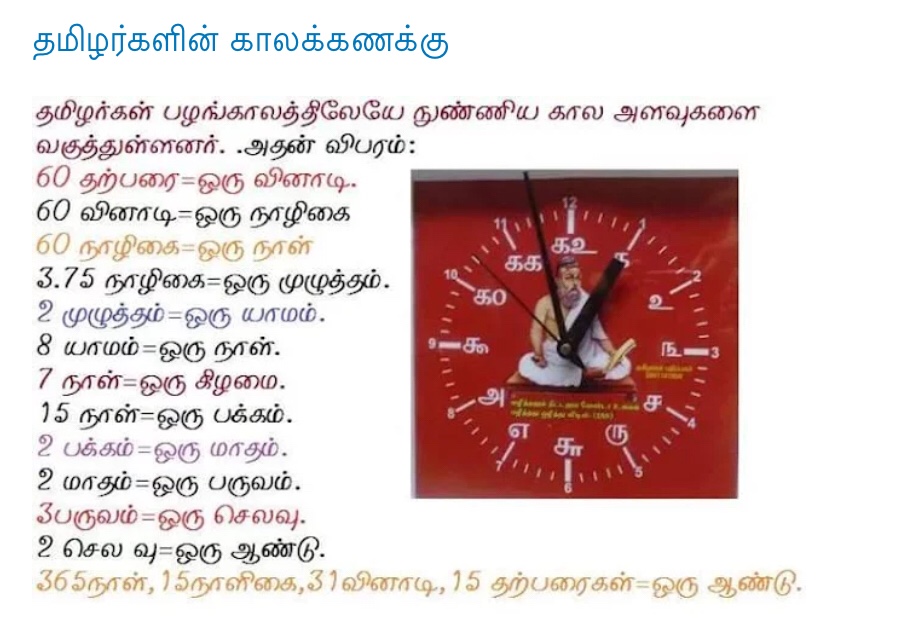
பொது காரணம் என்பது இடம், காலம் இவற்றை உள்ளடக்கியது.  இது அழியா இடம், காலத்தைக் (eternal space and eternal time) குறிக்கும். உலகில் நடக்கும் எந்தவொரு படைப்புக்கும் இது பொருந்தும்.  படைத்தல், காத்தல், அழித்தல் என்ற செயல்முறைகளின் சுழற்சியே பரிணாமம் என்று ஆய்ந்து அறிந்த நமது ரிஷிகள், சுழற்சி பரிணாமத்தைப் பற்றி நாம் பேசும்போது, அழியா இடம், காலம்  என்ற கொள்கை அதனுடன் இணைக்கப்பட்டுள்ளது என்பதை உணர்ந்தார்கள். அவர்கள் பின்னர் "காலம்" என்பதை வரையறுத்து அதனை விவரித்தனர். அண்டப்பரிணாமத்தை பிரம்மாவின் ஆயுட்காலத்துடன் இணைத்தனர்.

(கீழே உள்ள படங்களைப் பார்க்கவும்)
காலமும் நேரமும்
முடிவுரை
அண்டப் பரிணாமத்தின் ரகசியம் அதனுள் வாழும் உயிரினங்களுக்குள்ளேயே உள்ளது. பதஞ்சலியின் கூற்றுப்படி, "பரிணாமம் வேண்டும்" என்ற இச்சையே பரிணாம வளர்ச்சிக்குக் காரணம் (யோக சூத்திரங்கள், IV. 2. 3). பருநிலையில், நடைமுறையில், இதனை தடைகளனைத்திலுமிருந்து விடுதலை பெற்று, முழு ஆற்றலையும் உணர வேண்டும் என்ற நமது இச்சைக்கு ஒப்பிடலாம். எனவே, பரிணாமம் என்பது ஒரு குருட்டுத்தனமான தற்செயலால் ஏற்படவில்லை -  உள்ளார்ந்த தூய்மையான, சுதந்திரமான மற்றும் முழுமையான சுயத்தின் உண்மையான தன்மையை உணர, உயிரினத்தின் உள்ளார்ந்த தூண்டுதலே பரிணாம வளர்ச்சியின் மூலம் என்று கொள்ளலாம்.

கோழிக்குள் முட்டை வைத்து, முட்டைக்குள் கோழி வைத்து, பூஜ்ஜியத்துக்குள்ளே ஒரு ராஜ்ஜியத்தை ஆளும் பரம்பொருளே அந்த உள்ளணுர்வுத் தூண்டுதல். அந்தப் பரம்பொருளின் தூய இருப்பே அண்டத்தை ஒளிர வைக்கிறது.  வேற்றுமையில் ஒற்றுமை என்ற கொள்கை நமது சிந்தனை மற்றும் வாழ்வின் முக்கிய அம்சமாக இருந்து வருகிறது. உருவமற்ற பிரம்மன் மாயையினால் பல்வேறு வடிவங்களை எடுக்கிறது.

நமது வேதாந்தத்தில் இயற்கைக்கு ஒரு ஆன்மீக விளக்கம் கொடுக்கப்பட்டுள்ளது. அது ஒரு பொருள்சார்ந்த விளக்கம் அல்ல.  இயற்கையானது தன்னைத்தானே பரிணாமம் செய்துகொள்வது; அந்த பரிணாமத்தின் சாராம்சமாகவும் ஆதாரமாக இருப்பதும் ஆதி அந்தமிலா, நீக்கமற நிறை பரம்பொருளே என நமது மறைகள் கூறுகின்றன. இயற்கை அன்னை அந்தப் பரம்பொருளின் வெளிப்பாடு. கடலின் அலைகள், நெருப்பின் வெப்பம், மலரின் மணம்,  மண்ணின் வாசனை என வாழ்வில் நமக்கு அந்த வெளிப்பாடுகள் பல வகைகளில் இருக்கும்.

தன் இச்சைப்படி தன்னுள் இருக்கும் திரவத்தைக்கொண்டு அழகிய வலைதனைப்பிண்ணி, தன்னிச்சைப்படி அதனை தன்னுள்ளே இழுத்துக் கொள்ளும் சிலந்திப்பூச்சி போல, உயிரும் உணர்வும் கொண்ட மானிடரின் உடலில் உயிரற்ற ஜடப்பொருட்களான நகங்களும் முடிகளும் வளர்வது போல, அண்டத்தில் எண்ணற்ற வெளிப்பாடுகள் அந்த பரம்பொருளின் அருளினால்.

இந்த அடிப்படை கோட்பாட்டினை நாம் நன்கு உணர்ந்தால்தான், அண்டப்பரிணாமத்தை நாம் அறிந்துணர முடியும்.

அடுத்து வரும் பதிவுகளில், அண்டப்பரிணாம செயல்முறைகளை காணலாம்.
This write up below is definitely not an exhaustive description of what our scriptures talk about Creation. It is my very limited understanding of the vast literature available in public domain.
The objective is to get a broad idea of the principles involved so that when we take up the study of our scriptures and Sanskrit Slokas, we will have a better comprehension of what they say.
Reader is strongly advised to strictly learn these under the guidance of a Guru if one wants a deep dive in this subject.
The magician
In Part 1 (our previous blog on the subject) as part of the Scientific perspective, we were trying to understand in vain who the “Magician” is, who generates creation without needing to be created. In other words we were looking for the “causeless cause” for and before the Big Bang. We also understood that
a) we need to be looking outside the system of cause-and-effect as within that cause & effect systems, a “causeless cause” is inconceivable. This means that we need to look beyond science.
b) We should also be looking at that “something” (causeless cause) which has both existence and consciousness
Our Rishis,saints and seers, in line with the inquiring environment at that time,contemplated extensively through deep meditations. Their processes were inward looking and the focus was on that “causeless cause” that we just discussed.
They called that “causeless cause” as “Brahman” or “Atman”. They recognised “Brahman” as the one and only one pure, omnipresent, eternal Ultimate Reality that has “existence and consciousness” i.e., the “Brahman” is the only eternal truth “sat” with “cit”. An absolute, eternal and infinite Self-existence, Self-awareness in a state of Self-delight.
Our Rishis said that in the beginning nothing exists except this singularity called Brahman. The scientific statement that we saw reinforces this as a single infinitely dense infinitely hot and bright spot.
Such a reality, the only pure, omnipresent, indestructible eternal blissful ultimate reality is beyond descriptions for human beings being limited by their sense and action organs. That is the reason the Vedas describe this Ultimate Reality through the process of negation viz. not this, not this ….Discount everything that is within the grasp of living beings (sentient and insentient); what remains is that Ultimate Reality.
Mundaka Upanishad defines this Ultimate Reality as
That which is invisible, inconceivable, without lineage, without any classifications (Varṇa), without eyes and ears, without hands and feet, and that which is eternal, all-pervasive, omnipresent, extremely subtle and undecaying” – that is what the wise behold as the source of all beings.
Hence the first principle, That One, the Ultimate Reality, the Brahman - tad ekam - cannot be characterized. It is without qualities or attributes, even negative ones. To apply to it any description is to limit the limitless. Brahman is the Consciousness that knows itself in all that exists;Brahman is the Ananda, the secret Bliss of existence which is the ether of our being and without which none could breathe or live.
Yet after attempting to describe such a state presumed to be prior to creation, the Vedas has the humility to admit that all this is a surmise, for it is not possible to be sure of things which lie so far beyond human knowledge.
The Magic
Although indeterminable because of its absoluteness and infinity, this Supreme and Eternal Infinite Ultimate Reality determines itself and reveals itself to our consciousness in the universe. This revelation is the magic.

1. How is it revealed ? - By the real and fundamental truths of its being  which are beyond the universe and in it and are the very foundation of its existence.

2. To whom is it revealed? - These truths present themselves to our conceptual cognition.

3. What is revealed? - Presented as the fundamental aspects in which we see and experience the omnipresent Reality.

Depending upon one’s progress in spirituality and the level that one has reached, this is presented/revealed as Nirguna Brahman, Saguna Brahman, Individual soul in a body or as a body that has life -“Aham Brahmasmi, Aham Jeevosmi, Aham Dehasmi”.

The essence of this cannot be explained in words.
“When the mind is transcended, these values, valid in the relative planes, can have no more meaning in the realm of the universal oneness”.
“In communicating to the seekers the unsurpassing beauty and indefinable perfections of the Absolute, the Upanishads stammer, the Brahmasutras exhaust themselves and the Bhagvad Gita hesitates with an excusable shyness”.
Swami Chinmayananda
It is to be experienced in dynamic silence of one’s own deepest meditations.

This is the magic that The Magician performs.
With this basic understanding, we will try and and get a broad overview of some of the principles and the processes involved in the cosmic evolution, in the subsequent blogs.
இந்த பதிவு, நிச்சயமாக அண்டத்தின் படைப்பைப் பற்றி ஆன்மீகம் என்ன சொல்கிறது என்பது பற்றிய முழுமையான விளக்கம் அல்ல. அண்டத்தின் படைப்பை பற்றிய ஆன்மீக விளக்கங்களிலிருந்து நான் புரிந்து கொண்ட ஒரு மேலான கண்ணொட்டத்தின் வடிவே இது.
நாராயணீயம் தசகம் ஐந்தினை சரியாக புரிந்து கொள்வதே நமது குறிக்கோள். அதற்கு தேவையான புரிதலை நமக்கு அளிக்கவே இந்த பதிவுகள் என்பதை நாம் மனதில் நிலைநாட்ட வேண்டும். இதனை முந்தைய பதிவான நாரயணீயம் முகவுரையிலேயே அடியேன் குறிப்பிட்டிருந்தேன் என்பதையும் நினைவுகூறுக.
இந்த விஷயத்தில் ஆழ்ந்து அறிய விரும்பினால், தங்களது குருவினை அணுகி, இவற்றைக் கற்றுக் கொள்ளுமாறு வாசகர்களை அன்புடன் கேட்டுக் கொள்கிறேன்.
அண்டத்தின் படைப்பை பற்றிய ஆன்மீக விளக்கங்களின் சாரத்தை ஒரே பதிவில் எழுதுவது, வேதாந்தத்தில் ஆரம்ப நிலை மாணவனாக உள்ள எனக்கு இயலாத காரணம். ஆகையினால் இதனை பல சிறு பகுதிகளாகப் பிரித்து பதிவுகளை வெளியிடுகிறேன் உங்கள் அனுமதியுடன். இதோ முதல் பகுதி.
மந்திரவாதி
அறிவியல் கண்ணோட்டத்தின் ஒரு பகுதியாக, முந்தைய வலைப்பதிவில், உருவாக்கப்பட வேண்டிய அவசியமின்றி படைப்பை உருவாக்கும் "மந்திரவாதி" யார் என்பதை புரிந்துகொள்ள முயன்றோம். அந்த முயற்சியில் முக்கிய கேள்விக்கு விடை ஒன்றும் இல்லை. வேறு வார்த்தைகளில் கூறுவதானால், பேரியக்கமெனும் “பிக் பேங்கிற்கு” (Big Bang) முன்பான "காரணமற்ற காரணத்தை" அறிவியல் இன்றும் அறியவும் இல்லை, அதற்கேற்ற விளக்கமும் தரவில்லை.

ஆகையினாலே, பொறி புலன்களால் அறியும் காரணமில்லாமல் எந்தக் காரியமில்லை (விளைவு) என்ற கோட்பாடு ஒன்றில் மட்டுமேலேயான திடமான நம்பிக்கை, பொருள் சார்ந்த பொறி புலன் துணைகொண்ட புற நோக்கு என்று இரண்டு முக்கிய வரையறுகளுக்குள் உட்பட்ட அமைப்புகளுக்கு வெளியே நாம் பார்க்க வேண்டும் என்பதையும் நாம் புரிந்துகொண்டோம்; ஏனெனில் அந்த காரண - விளைவு அமைப்புகளுக்குள், "காரணமற்ற காரணம்" என்பது நினைத்துப் பார்க்க முடியாதது. மேலும், நிறை -ஆற்றல் (matter & energy), அதன் விளைவுகள் இவைகளைக் கடந்து இருப்பு-உணர்வு (existence & consciousness) என்ற இரண்டையும் கொண்ட "ஏதாவது" ஒன்றை நாம் அறிய வேண்டும் என்றும்முந்தைய பதிவில் கண்டோம். ஆக, அறிவியலுக்கு அப்பால் நாம் பார்க்க வேண்டும் என்பதே இதன் பொருள்.

நமது முன்னோர்களான ரிஷிகளும், முனிவர்களும் அவர்கள் இருந்த காலகட்டத்திற்கேற்ப, பொறி புலன்களைக் கட்டுப்படுத்தி, ஆழ்ந்த தியானங்களின் மூலம், விரிவாக இயற்கையின் இயல்பினை அறிந்து, நாம் புரியும் வினைகளையும் வினைப்பலன்களையும் தரவுகளாக கொண்டு, அந்த "காரணமற்ற காரணத்தில்" கவனம் செலுத்தி உள்நோக்கி சிந்தித்து, அதற்கேற்றபடி வாழ்ந்து, வழிமுறைகளையும், அனுபவங்களையும் தமது சீடர்களுக்கு எடுத்துரைத்தனர்.

அந்த "காரணமற்ற காரணத்தை" அவர்கள் "பிரம்மன், பரமன்", "ஆன்மா", “பரம்பொருள்” என்று அழைத்தனர். அந்த "பிரம்மன்" என்பது "நிறையும் ஆற்றலும்” அதாவது “இருப்பும் உணர்வும்” (matter & energy or existence & consciousness)கொண்ட ஒரே ஒரு தூய்மையான, எங்கும் நீக்கமற நிறைந்த, அழிவிலா நித்திய பேரின்பமான இறுதி உண்மையெனும் தத்துவம் என்று கூறினர்.

அந்த தத்துவத்தை பொருள் சாரந்த பொறி புலன்களால் விவரிக்க இயலாது. எனவே, நமது மறைகள் அந்த தத்துவத்தை, இது இல்லை, இது இல்லை, இவைகள் அல்ல என்றெல்லாம் விவரிக்கின்றன.

“கண்ணுக்குத் தெரியாதது, சிந்திக்க முடியாதது, பரம்பரை இல்லாதது, எந்த வகைப்பாடும் இல்லாதது (வர்ணம்), கண்கள் மற்றும் காதுகள் இல்லாதது, கைகள் மற்றும் கால்கள் இல்லாதது, மற்றும் நித்தியமானது, எங்கும் நிறைந்தது, மிகவும் நுட்பமானது மற்றும் அழியாதது” என்கிறது முண்டக உபநிஷதம்

முதலும் முடிவும் இல்லா நீக்கமற நிறைந்த அந்த நித்ய உண்மையே அனைத்து உயிரினங்களுக்கும் ஆதாரமாக இருக்கிறது. எனவே, அந்த இறுதி உண்மை எனும் பிரம்மன்/பரம் பொருளை - “தத் ஏகம்” - வகைப்படுத்த முடியாது.

அது குணங்கள் இல்லாதது, எதிர்மறையானவை கூட. நம்மைக் கடந்தும் நமக்கு உள்ளும் உறைவது. எந்தவொரு விளக்கத்தையும் அதற்குப் பயன்படுத்துவது, வரம்பற்றதைக் கட்டுப்படுத்துவதாகும். “விலையில்லா சொல்லாத சொல்” அது.

அந்தப் பரம்பொருளே மந்திரவாதி.
மந்திரக் காட்சி
பரம்பொருளான பிரம்மம் என்பது தூய பேரின்ப நிலையில், எல்லாவற்றிலும் தன்னை அறியும் தூய இருப்பாய், தூய உணர்வாய் உறைந்திருப்பது. ஆயினும்கூட, படைப்பிற்கு முந்தையதாகக் கருதப்படும் அத்தகைய நிலையை விவரிக்க முயன்ற பிறகு, வேதங்கள் இவை அனைத்தும் ஒரு யூகமே என்று தாழ்மையுடன் ஒப்புக்கொள்கிறது; ஏனென்றால் மனித அறிவுக்கு அப்பாற்பட்ட விஷயங்களை உறுதியாகக் கூற முடியாது.

அப்படிப்பட்ட முடிவிலா முழுமையை, மனித அறிவு கொண்டு தீர்மானிக்க முடியாது என்றாலும், அந்த உன்னத பரம்பொருள் மனிதர்களின் உள்ளுணர்விலே தன்னைத்தானே தீர்மானிக்கின்றது; அதாவது தன்னைத் தானே வெளிப்படுத்துகிறது.  இதுதான் புரியா புதிராக இருக்கும் மந்திரக் காட்சி.

எப்படி தன்னைத்தானே வெளிப்படுத்துகிறது பரம்பொருள் என்ற கேள்வி எழுகின்றது அல்லவா.

நமது கருத்தியல் அறிவாற்றலில் (In our conceptual cognition), நாம் பொறிபுலன் கொண்டு, கண்டு  அனுபவிக்கும் அடிப்படை அம்சங்களாக முன்வைத்து தன்னை வெளிப்படித்திக்கொள்கிறது அந்த பரப்ரம்மம்.

அதாவது கவிஞர் கண்ணதாசனின் வார்த்தைகளில் “நம்மைக் கடந்தும், நமக்கு உள்ளும் இருந்து கொண்டு, கோழிக்குள் முட்டையை வைத்து, முட்டைக்குள் கோழியை வைத்து, சிறு விதையில் பெரு தருவினை வைத்து, இல்லாதது ஒன்றில்லை எல்லாமே நான் என்று சொல்லாமல் சொல்லி வைத்து” நமக்கு அந்த தத்துவத்தைப் புரிய வைக்கிறது.

ஆன்மீகத்தில் நாம் கண்டு அனுபவிக்கும் நிலையைப் பொறுத்து நமக்கு நிர்குணப் பரப்ரம்மனெனும் பரம்பொருளாகவோ, சகுணப்ரம்மனெனும் ஈசனாகவோ, உற்ற தேகத்து உயிரான சீவனாகவோ, உயிரை மேவிய உடலாகவோ வெளிப்படுகிறது.
முடிவுரை
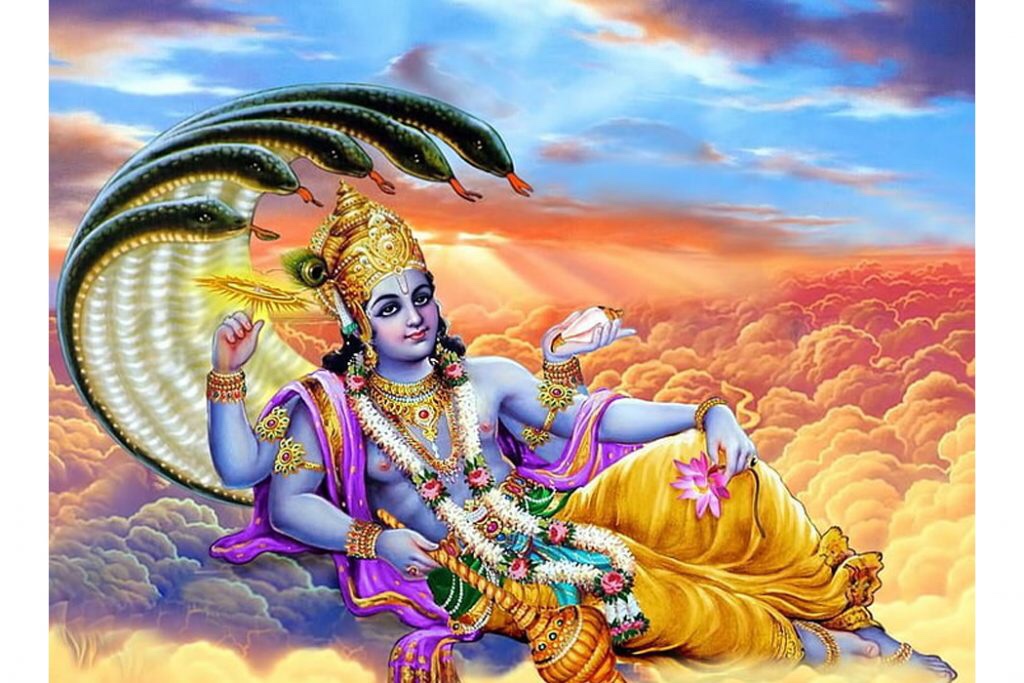
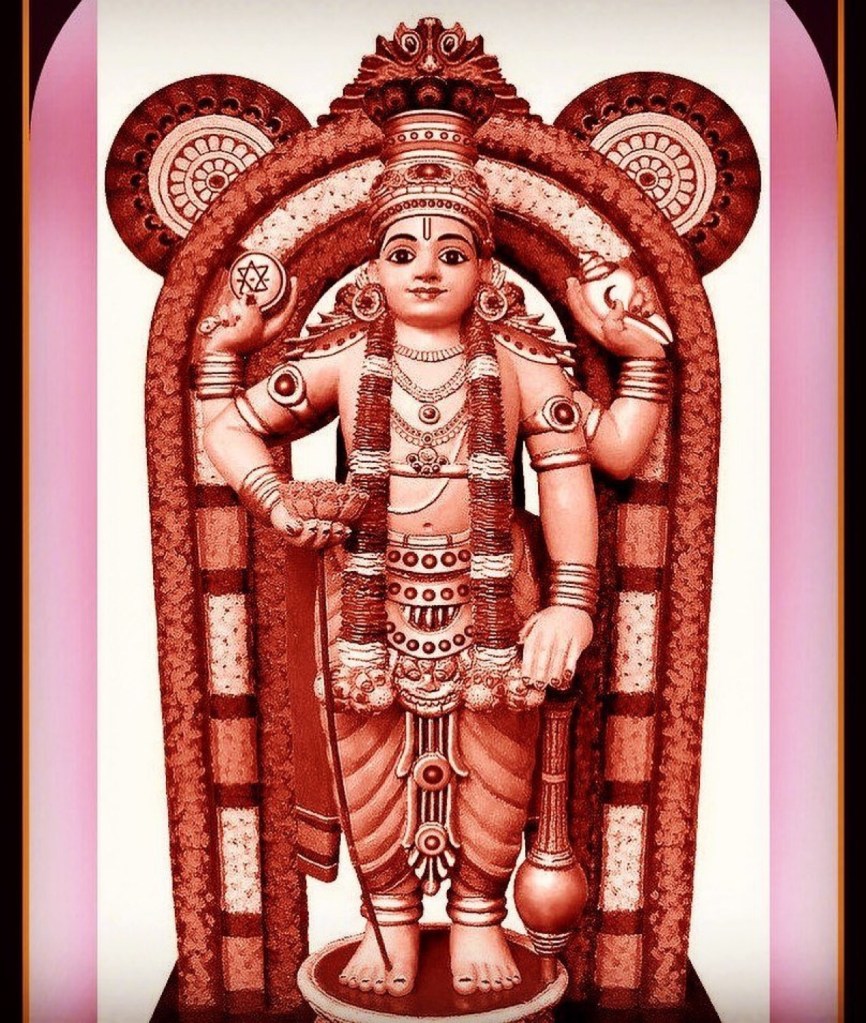
இப்படி காட்சிகள் பல கொடுக்கும் அத்தத்துவம்தான் இவ்வுலகை ஆளும் மந்திரவாதி. அதனைத்தான் நாம் கடவுள் என்கிறோம்.  அதனைத்தான் நாராயண பட்டத்ரி ஶ்ரீ குருவாயூரப்பன் வடிவிலே காண்கிறார்.

எனவே நாராயணீயத்தில் ஶ்ரீ குருவாயுரப்பன் என்று நாராயண பட்டத்ரி உரைக்கும் பொழுது, அது ஆதி அந்தமிலா பேரின்ப நிலையில் நீக்கமற நிறைந்திருக்கும் தூய உணர்வினைக் குறிக்கும் என்பதை மனதில் நாம் நிலைத்திட வேண்டும்.

இந்த தத்துவத்தைத்தான் ஆதிசங்கரர், ஶ்ரீதட்சிணாமூர்த்தி வடிவில் கண்டு கீழ்காணும் ஸ்லோகத்தில் எடுத்துரைத்தார்
தட்சிணாமூரத்தி ஸ்தோத்திரம் – 2
இனி அந்த மந்திரவாதி புரியும் மாயாஜாலக் காட்சிகளை நாம் அடுத்த பதிவுகளில் காணலாம்
In the previous blog, we had clearly stated that we should have an overview of the various theories of Cosmic Evolution before attempting to understand the Dasakam 5 of Sriman Narayaneeyam.
This write up below is definitely not an exhaustive description of what our science talk about Creation.
The objective is to get a broad idea of the theory involved so that when we take up our Sanatan Perspective of the Cosmos and Cosmology, we will have a better appreciation of the later which in turn will help us to understand Sriman Narayaneeyam Dasakam 5 better.
Reader is strongly advised to strictly learn these under the guidance of a professional guide/teacher if one wants a deep dive in this subject.
Introduction
 “OMG, this is crazy. How did he do that”?

A very typical exclamation by the audience in a Magic Show. Across the world, irrespective of age, magic shows attract large audience. Why? Because Humans are curious.

Perhaps we are hardwired to the concept that behind every effect there has to be a cause. Therefore we are curious, particularly when we believe that in magic, there is  a hidden cause that connects events where no cause apparently exists.

There is one most important magical reality about which humans have been ever so curious since their arrival in this planet - “Universe and its creation”.

How did we come into this earth? How was this universe created? Who created this Universe? When was it created? Where was it created and Why was it created? Is the creation a result of magical chaos or is there a scientific process? What was there before the creation?

Behind these probing questions lies our curiosity; the curiosity to understand the relationships between us, the magician and the magic. In other words, our curiosity is about ourselves as a creation.

When we discuss the subject of “creation”, we have several theories based on Science; each one putting out a strong case for themselves in terms of hypothesis, modelling, equations and validation. The Big Bang Theory is the leading scientific explanation for how the Universe began.
The Big Bang Theory
“Simply put, it says the universe as we know it, started with an infinitely hot and dense single point that inflated and stretched — first at unimaginable speeds, and then at a more measurable rate — over the next 13.7 billion years to the still-expanding cosmos that we know today”.

Around 13.7 billion years ago, everything in the entire universe was condensed in an infinitesimally small singularity, a point of infinite denseness and heat. Suddenly, an explosive expansion began, ballooning our universe outwards faster than the speed of light. This was a period of cosmic inflation that lasted mere fractions of a second.

When cosmic inflation came to a sudden and still-mysterious end, the more classic descriptions of the Big Bang took hold. A flood of matter and radiation, known as "reheating," began populating our universe with the stuff we know today: particles, atoms, the stuff that would become stars and galaxies and so on. This all happened within just the first second after the universe began, when the temperature of everything was still insanely hot, at about 10 billion degrees Fahrenheit (5.5 billion Celsius).

The cosmos now contained a vast array of fundamental particles such as neutrons, electrons and protons — the raw materials that would become the building blocks for everything that exists today.

This early "soup" would have been impossible to actually see because it couldn't hold visible light. "The free electrons would have caused light (photons) to scatter the way sunlight scatters from the water droplets in clouds," NASA stated.

Over time, however, these free electrons met up with nuclei and created neutral atoms or atoms with equal positive and negative electric charges. This allowed light to finally shine through, about 380,000 years after the Big Bang.

Sometimes called the "afterglow" of the Big Bang, this light is more properly known as the Cosmic Microwave Background called CMB. Existing technology doesn't yet allow astronomers to literally peer back at the universe's birth, much of what we understand about the Big Bang comes from mathematical formulas and models. Astronomers can, however, see the "echo" of the expansion through CMB.

Scientists have been trying to figure out how to "see" the Big Bang through other measures by simulating thousands of versions of the current universe on massive supercomputers.

Big Bang is often described as an "explosion". In an explosion, fragments are flung out from a central point into a pre-existing space. If you were at the central point, you'd see all the fragments moving away from you at roughly the same speed.

But the Big Bang wasn't like that. It was an expansion of space itself – a concept that comes out of Einstein’s equations of  general relativity but has no counterpart in the classical physics of everyday life. It means that all the distances in the universe are stretching out at the same rate. Any two galaxies separated by distance X are receding from each other at the same speed, while a galaxy at distance 2X recedes at twice that speed.

The universe is not only expanding, but expanding faster. This means that with time, nobody will be able to spot other galaxies from Earth or any other vantage point within our galaxy.

Scientists agree that while we can understand how the universe we see came to be, it's possible that the Big Bang was not the first inflationary period the universe experienced. Some scientists believe we live in a cosmos that goes through regular cycles of inflation and deflation, and that we just happen to be living in one of these phases.

In other words,  "What Science is now trying to do is something like guessing a baby photo of our universe from the latest picture."
Conclusion
In the words of Deepak Chopra, “Science has gone through a long, hard slog to replace magical thinking with rational cause-and-effect and yet  we are all embedded in a magical reality that has no cause or explanation”.


While Science came out with credible explanation of  how the Universe was created post “Big Bang” (the current theory believed to be the most scientific explanation of the phenomenon),  what we seek is what happened before the Big Bang.

We are trying to understand who the “Magician” is, who generates creation without needing to be created.  In other words we are looking for the “causeless cause” for and  before the Big Bang. This means that

      1. We need to be looking outside the    system of cause-and-effect  as within that cause & effect systems, a “causeless cause” is inconceivable.

      2. We should be looking at “something” which has both existence and consciousness
We will see this “causeless cause” and our thought process in the next few blogs when we take up the study of “creation” from the Indian Perspective as per our Sanatan Dharma.









 Prabhu's Ponder