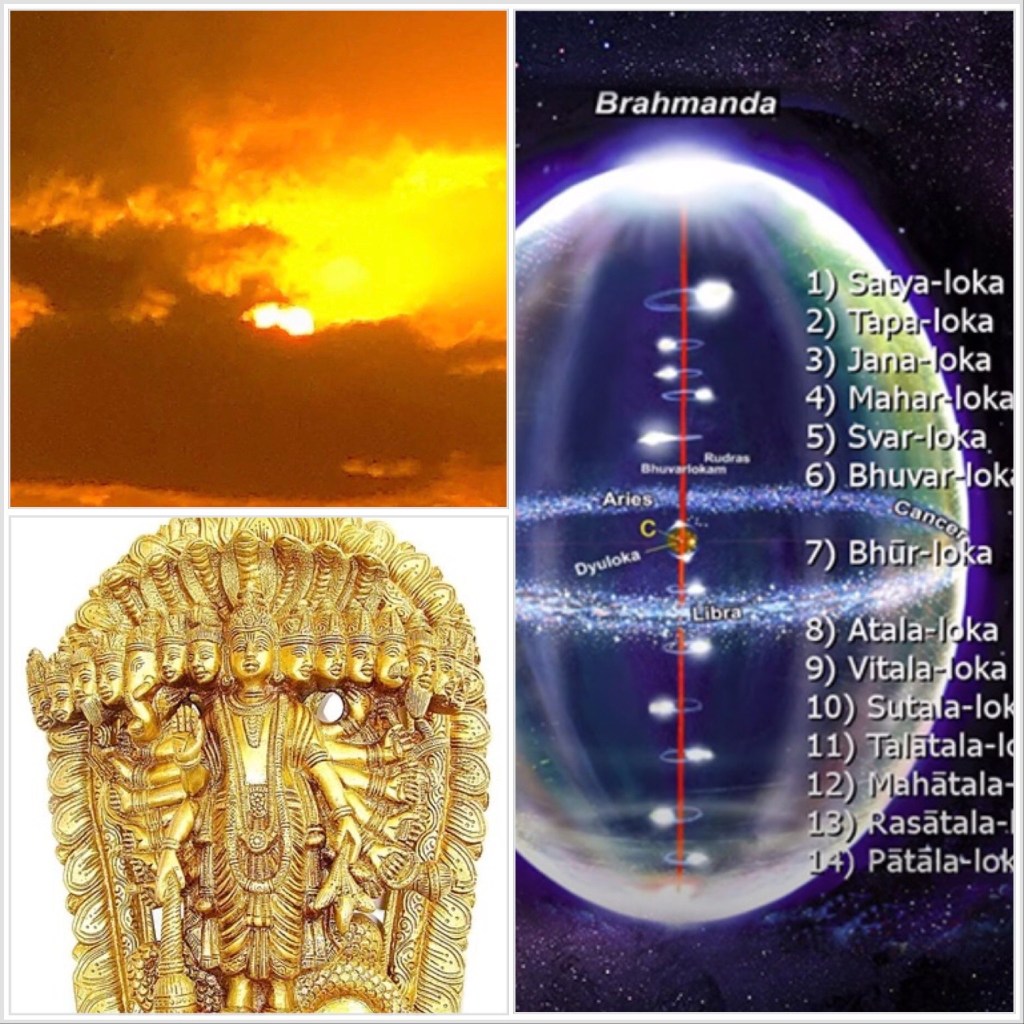
O Lord! The wielder of the Discus! (One who handles the Chakra with skill and easily). Then “Your” shanks (a part from the knee to the ankle) are ‘Talatala’ and “Your” knees are ‘Sutala’, further, two parts of “Your” thigh region (the lower part of the thighs and waist region) are the two worlds ‘Vitala’ and ‘Atala’ respectively. “Your” hip is the Earth, navel is the Sky and “Your” chest ‘Swarga’, the abode of Indra.
Meaning of the Sanskrit Words
जङ्घे तलातलम्- (Thy) shins Talaata
अथ: सुतलं च जानू - then, Sutala (are Thy) knees
किञ्च-उरु-भाग-युगलं - moreover, the two thighs (are)
वितल-अतले द्वे - the two (worlds) Vitala and Atala
क्षोणीतलं जघनम्- the earth is (Thy) hip
अम्बरम्-अङ्ग नाभि: - sky is O Lord! the navel
वक्ष: - च -and the chest
शक्र-निलय: तव - of Thine is the abode of Indra (swarga)
In Dasakam 5,starting with the divine intention (sankalpa) or will within the Supreme Being to bring forth the universe, Narayana Bhattathri has so far outlined the evolution of

1. Purusha,
2. Prakriti,
3. Mahat,
4. Ahamkara
5. Fourteen Presiding deities
6. Four functions of Inner conscience,
7. Five Sense and five action organs
8. Five Tanmaatras and the five Pancha Bhootas.
9. Creation of Hiranyagarbha, the Golden Egg.

Concluding this Dasakam, Bhattathri brings out the final evolution of the Virat Purush into the fourteen worlds.
முகவுரை
இந்த தசகத்தில், ஸ்ரீ. நாராயண பட்டத்திரி பிரம்மனின் பிரபஞ்ச வடிவத்தின் பரிணாமத்தை (ஸ்ரீமத் பாகவதத்திற்கு ஏற்ப) பிரம்மனின் "விராட் ரூபத்தில்" வழியாக அறிய உதவுகிறார்.
இதுவரை
1. புருஷன், 2. பிரகிருதி, 3. மஹத், 4. அஹம்காரா 5. பதினான்கு அதிபதிகள் 6 உள் மனசாட்சியின் நான்கு செயல்பாடுகள், 7. ஐந்து உணர்வுகள் மற்றும் ஐந்து செயல் உறுப்புகள் 8. ஐந்து தன்மாத்திரங்கள் மற்றும் ஐந்து பஞ்ச பூதங்கள். 9. ஹிரண்யகர்பம் எனும் பொன் முட்டை
In Dasakam 5,starting with the divine intention (sankalpa) or will within the Supreme Being to bring forth the universe, Narayana Bhattathri has so far outlined the evolution of

1. Purusha,
2. Prakriti,
3. Mahat,
4. Ahamkara
5. Fourteen Presiding deities
6. Four functions of Inner conscience,
7. Five Sense and five action organs
8. Five Tanmaatras and the five Pancha Bhootas.
முகவுரை
இந்த தசகத்தில், ஸ்ரீ. நாராயண பட்டத்திரி பிரம்மனின் பிரபஞ்ச வடிவத்தின் பரிணாமத்தை (ஸ்ரீமத் பாகவதத்திற்கு ஏற்ப) பிரம்மனின் "விராட் ரூபத்தில்" வழியாக அறிய உதவுகிறார்.

இதுவரை

1. புருஷன்,
2. பிரகிருதி,
3. மஹத்,
4. அஹம்காரா
5. பதினான்கு அதிபதிகள்
6 உள் மனசாட்சியின் நான்கு செயல்பாடுகள்,
7. ஐந்து உணர்வுகள் மற்றும் ஐந்து செயல் உறுப்புகள்
8. ஐந்து தன்மாத்திரங்கள் மற்றும் ஐந்து பஞ்ச பூதங்கள்.

என்ற 26 தத்துவங்கள் (கூறுகள்), 14 அதிபதிகளின் பரிமாணத்தை விளக்கினார் நாராயண பட்டத்ரி.
ete bhuutagaNaastathendriyagaNaa devaashcha jaataaH pR^ithak
nO shekurbhuvanaaNDa nirmitividhau devairamiibhistadaa |
tvaM naanaavidha suuktibhirnutaguNastattvaanyamuunyaavishanshcheShThaa
shaktimudiirya taani ghaTayan hairaNyamaNDaM vyadhaaH ||
Meaning in English
O Lord! Even though all these elements, sense organs , the organs of action, and their presiding deities came into existence, they could not by themselves create the Brahmaanda. Then the presiding deities glorified Thee by various hymns and Thou entered into all of them, activated them and combining them, created the Hiranya Andam (the Golden Egg).
Explanatory Notes
In this Sloka, Bhattathri reiterates that it is because of the desire of the  Lord Himself, He decided to enter into these 26 inanimate elements and generated creative power and united them in proportion and produced a form of a Golden Cosmic Egg  as His own body, based on the pleas of the fourteen presiding deities.

We must bear in mind that the focus of Dasakam 5 so far, has been on the evolution of the Cosmic Egg or the Virat Rupa of the Brahman and should not be mixed up with the evolution of human body which is essentially identical to the one happening in the Cosmos.  At the same time we shouldn’t forget that after all what is happening in the Cosmos do happen in our body too.
விளக்க குறிப்பு
இந்த ஸ்லோகத்தில், பட்டத்திரி, பதினான்கு தலைமை தெய்வங்களின் வேண்டுகோளின் அடிப்படையில், இறைவன் தனது விருப்பத்தின் காரணமாக, இந்த 26 உயிரற்ற கூறுகளுக்குள் நுழைய முடிவு செய்து, படைப்பு சக்தியை உருவாக்கி, அவற்றை விகிதாசாரத்தில் இணைத்து, ஒரு பொன் அண்ட முட்டையின் வடிவத்தை தனது சொந்த உடலாக உருவாக்கினார் என்று மீண்டும் வலியுறுத்துகிறார்.

இதுவரை தசகம் 5-ல் கூறப்படுவது, அண்ட பொன் முட்டை (ஹிரன்ய கர்ப்ப) அல்லது பிரம்மனின் விராட ரூபத்தின் பரிணாம வளர்ச்சி. இதி ஒரு சமஷ்டி நிலை கண்ணோக்கம். நடைமுறை நிலையில், மனித உடலின் பரிணாம வளர்ச்சியுடன் (வ்யஷ்டி நிலை) ஒப்பிட்டு கலந்துவிடக் கூடாது. “அண்டத்தில் நடப்பது பிண்டத்திலும்” என்ற சொல்லிற்கிணங்க, இப்பரிணாமங்களை பிண்டத்திலும் காணலாம் என்பதனையும் மறந்துவிடக் கூடாது.
Meaning of the Sanskrit Words
एते भूतगणा: - all these elements
तथा-इन्द्रियगणा:- and the sense organs and the organs of action
देवा: च - and their presiding deities
जाता: - which had come into existence
पृथक् नो शेकु: - were not capable by themselves
भुवन-अण्ड-निर्मिति-विधौ - of creating the Brahmaand (the cosmic whole)
देवै: अमीभि: तदा - therefore these presiding deities, then
त्वं नाना-विध-सूक्तिभि:-नुत-गुण:- sung Thy excellences by means of various hymns
तत्त्वानि-अमूनि-आविशन्- (then Thou) entering these categories
चेष्टा-शक्तिम्-उदीर्य - and activating them
तानि घटयन् - and combining them
हैरण्यम्-अण्डम् - the Golden Egg (the potential universe)
In Dasakam 5, Narayana Bhattathri provides an evolution of the Cosmic Form of the Brahman (in line with Srimad Bhagavatham) to help us focus on the “Virat Rupa” of Brahman.

Starting with the divine intention (sankalpa) or will within the Supreme Being to bring forth the universe, Bhattathri in the previous Slokas outlined the evolution of Purusha, Prakriti, Mahat, Ahamkara and associated deities for the five organs of perception, five organs of action and the four aspects of inner conscience.He then outlined the evolution of the inner conscience, the sense and action organs.

Now in this Sloka, the evolution of additional elements is highlighted.
முகவுரை
இந்த தசகத்தில், ஸ்ரீ. நாராயண பட்டத்திரி பிரம்மனின் பிரபஞ்ச வடிவத்தின் பரிணாமத்தை (ஸ்ரீமத் பாகவதத்திற்கு ஏற்ப) பிரம்மனின் "விராட் ரூபத்தில்" வழியாக அறிய உதவுகிறார்.

பிரபஞ்சத்தை வெளிக்கொணர வேண்டும் என்ற தெய்வீக எண்ணம் (சங்கல்பம்) அல்லது பரமாத்மாவிற்குள் உள்ள சித்தத்துடன் தொடங்கி, முந்தைய ஸ்லோகங்களில் பட்டத்திரி, புருஷன், பிரகிருதி, மஹத், அஹம்காரம் மற்றும் உள்மனசாட்சியின் நான்கு அம்சங்கள், ஐந்து புலனுணர்வு உறுப்புகள், ஐந்து செயல் உறுப்புகளுக்குக்குத் தொடர்புடைய தெய்வங்களின் பரிணாமத்தை கோடிட்டுக் காட்டினார். பின்னர், நான்கு அம்சங்கள் நிறைந்ந மனம், உணர்வு மற்றும் செயல் உறுப்புகளின் பரிணாமத்தை கோடிட்டுக் காட்டினார்.

இப்போது இந்த ஸ்லோகத்தில், ஸமஷ்டி நிலையில் உருவாகும் அடுத்த தத்துவங்களின் வெளிப்பாட்டினை விளக்குகிறார்.
shabdaadvyOma tataH sasarjitha vibhO sparshaM tatO maarutaM
tasmaadruupamatO mahO(a)tha cha rasaM tOyaM cha gandhaM mahiim |
evaM maadhava puurvapuurvakalanaadaadyaadyadharmaanvitaM
bhuutagraamamimaM tvameva bhagavan praakaashayastaamasaat ||
Meaning in English
O All pervading Lord! From the Tanmaatra of (Shabda) the subtle element of sound, came the element (Aakaash) Space and from it touch (Sparsh). From touch (Sparsh) came the element Air (Vaayu) and from it form (Roopa). From form (Roopa) came the element Fire (Agni) and from it Taste (Rasa). From the Tanmaatra of Taste (Rasa) came the element Water (Jala) and from it smell (Gandha). From smell (Gandha) came the element Earth (Bhoomi). O Maadhava! By Thy will, thus from the Tamasa aspect of Ahankaara, were born the five Tanmaatras and the five Pancha Bhootas each element having the qualities of the preceding one.
Explanatory Notes
We must bear in mind that the focus of Dasakam 5 so far, has been on the evolution of the Cosmic Egg or the Virat Rupa of the Brahman and should not be mixed up with the evolution of human body which is essentially identical to the one happening in the Cosmos. At the same time we shouldn’t forget that after all what is happening in the Cosmos do happen in our body too.
விளக்க குறிப்பு
இதுவரை தசகம் 5-ல் கூறப்படுவது, அண்ட பொன் முட்டை (ஹிரன்ய கர்ப்ப) அல்லது பிரம்மனின் விராட ரூபத்தின் பரிணாம வளர்ச்சி. இதி ஒரு சமஷ்டி நிலை கண்ணோக்கம். நடைமுறை நிலையில், மனித உடலின் பரிணாம வளர்ச்சியுடன் (வ்நஷ்டி நிலை) ஒப்பிட்டு கலந்துவிடக் கூடாது. “அண்டத்தில் நடப்பது பிண்டத்திலும்” என்ற சொல்லிற்கிணங்க, இப்பரிணாமங்களை பிண்டத்திலும் காணலாம் என்பதனையும் மறந்துவிடக் கூடாது.
Meaning of the Sanskrit Words
श्ब्दात्-व्योम - from sound, space
तत: ससर्जिथ - then,Thou created
विभो - O All pervading Lord !
स्पर्शं - touch
तत: मारुतं - then air
तस्मात्-रूपम्- from that (air) form
अत: मह: -then fire
अथ च रसं - and after that taste
तोयं च गन्धं महीम् - then water smell and earth (were born)
एवं माधव - in this manner O Maadhava!
पूर्व-पूर्व-कलनात्- because of association with the preceding (product)
आद्य-आद्य-धर्म-अन्वितं having the qualities of the earlier products
In spiritual journey, ordinary mortals like me find it extremely difficult to focus the mind and meditate/contemplate on the only omnipresent, omniscient, pure, eternal, ultimate Reality known as “Brahman” (to be precise “Nirguna, Nishkala Brahman” with out name, form and transcending time and space).

Therefore, in this Dasakam 5, Narayana Bhattathri provides an evolution of the Cosmic Form of the Brahman (in line with Srimad Bhagavatham) to help us focus on the “Virat Rupa” of Brahman.

Starting with the divine intention (sankalpa) or will within the Supreme Being to bring forth the universe, Bhattathri in the previous Slokas outlined the evolution of Purusha, Prakriti, Mahat, Ahamkara and associated deities for the five organs of perception, five organs of action and the four aspects of inner conscience.

Now in this Sloka, Bhattathri outlines the evolution of the inner conscience, the sense and action organs.
முகவுரை
ஆன்மீகப் பயணத்தில், என்னைப் போன்ற சாதாரண மனிதர்கள், மனதை ஒருமுகப்படுத்தி, எங்கும் நிறைந்த, எல்லாம் அறிந்த, தூய்மையான, நித்திய, இறுதியான "பிரம்மன்" ("நிர்குண, நிஷ்கல பிரம்மன்") என்று அறியப்படும் உண்மையின் மீது தியானம்/தியானம் செய்வது மிகவும் கடினம்.

எனவே, இந்த தசகத்தில், ஸ்ரீ. நாராயண பட்டத்திரி பிரம்மனின் பிரபஞ்ச வடிவத்தின் பரிணாமத்தை (ஸ்ரீமத் பாகவதத்திற்கு ஏற்ப) பிரம்மனின் "விராட் ரூபத்தில்" வழியாக அறிய உதவுகிறார்.

பிரபஞ்சத்தை வெளிக்கொணர வேண்டும் என்ற தெய்வீக எண்ணம் (சங்கல்பம்) அல்லது பரமாத்மாவிற்குள் உள்ள சித்தத்துடன் தொடங்கி, முந்தைய ஸ்லோகங்களில் பட்டத்திரி, புருஷன், பிரகிருதி, மஹத், அஹம்காரம் மற்றும் உள்மனசாட்சியின் நான்கு அம்சங்கள், ஐந்து புலனுணர்வு உறுப்புகள், ஐந்து செயல் உறுப்புகளுக்குக்குத் தொடர்புடைய தெய்வங்களின் பரிணாமத்தை கோடிட்டுக் காட்டினார்.

இப்போது இந்த ஸ்லோகத்தில், பட்டத்திரி நான்கு அம்சங்கள் நிறைந்ந மனம், உணர்வு மற்றும் செயல் உறுப்புகளின் பரிணாமத்தை கோடிட்டுக் காட்டுகிறார்.
O Infinite One! By Thy will, from the Saatwic aspect of Ahankaara, the inner equipment of Antahkarana was born, consisting of, Manas, Buddhi, Ahankaara and Chitta. From the Raajasic aspect of the Ahankaara the ten Indriyaas were born (5 Karmendriyaas and 5 Jnanendriyaas). O Lord! by Thy will, from the Taamasic aspect of the Ahankaara was born, the sound (Sabda) which is the subtle essence (Tanmaatra) of space (Aakaash).
Explanatory Notes
Adi Sankara’s Viveka Chudamani explains the objects listed out by Bhattathri in this Sloka.

1. The ears, skin, eyes, nose and tongue are organs of knowledge, for they help us to cognise objects; the vocal organs, hands, legs, etc., are organs of action, owing to their tendency to work.

2. The inner organ (Antahkaraṇa) is called Manas, Buddhi, ego or Chitta, according to their respective functions: Manas, from its considering the pros and cons of a thing; Buddhi, from its property of determining the truth of objects; the ahankara (ego), from its identification with this body as one’s own self; and Chitta, from its function of seeking for pleasurable objects.

It must be noted that none of the objects such as Prakriti, Mahat, Ahamkara etc listed in the previous Slokas as part of the cosmic evolution are capable of bringing out the Anthakarana and the Indriyas listed in this Sloka.

Therefore Bhattathri has emphasised again that it is purely due to the divine intention (sankalpa) or will within the Supreme Being to bring forth the universe, which he calls it as His strength (“bala”) here.
விளக்க குறிப்பு
உலகெங்கும் நிறைந்தவனே! உன்னுடைய வலிமையால் ஸத்வ குணமானது, மனது, புத்தி, அகங்காரம் இவைகளுடன் கூடிய சித்தம் என்ற ஸாத்வீக அகங்காரத்தை உண்டாக்கியது. ரஜோ குணமானது, பத்து இந்திரியங்களை உண்டாக்கியது. தமோ குணமானது ஆகாயத்தின் ஸூக்ஷ்ம சப்தத்தை உண்டாக்கியது.

ஆதி சங்கரரின் விவேக சூடாமணி (92-94),

1. காதுகள், தோல், கண்கள், மூக்கு மற்றும் நாக்கு ஆகியவை அறிவின் உறுப்புகள்(ஞானேந்திரியங்கள்), ஏனெனில் அவை வெளிப்புற பொருட்களின் அறிவைப் பெற உதவுகின்றன. பேச்சு உறுப்பு, கைகள், கால்கள், ஆசனவாய் மற்றும் பிறப்புறுப்பு ஆகியவை வேலை செய்யும் இயற்கையின் காரணமாக செயல்படும் உறுப்புகளாகும் என்றும்

2. ஸாத்வீக அகங்காரம் என்பது உடலுக்குள் இருக்கும் ஒரு சாதனம்; அதனைத்தான் அந்தக்கரணம் என்பர். மனம், புத்தி, அஹங்காரம், சித்தம் என்ற நான்கு வகைகளில் செயல்படுவது. புத்தி என்பது தான் ஒவ்வொரு விஷயத்தின் நிலைப்பாட்டை நிர்ணயிக்கிறது. அகம்பாவம் என்பது உடலை முன்னிலைப்படுத்தி மனிதன் இயங்குவது. அதுவே தான் எல்லாம், என்று பொய்யாய் நிஜமாக காட்டுவது. சித்தம் என்பது எண்ணக்கோர்வை, எதிலெல்லாம் அவன் ஈர்ப்பு செல்கிறது என்று காட்டுவது என்றும் கூறுகிறது.

அண்ட பரிணாமத்தின் ஒரு பகுதியாக முந்தைய ஸ்லோகங்களில் பட்டியலிடப்பட்ட பிரகிருதி, மஹத், அஹம்காரம் போன்ற பொருட்கள் எதுவும் இந்த ஸ்லோகத்தில் பட்டியலிடப்பட்டுள்ள அந்தகரணம் மற்றும் இந்திரியங்களை வெளிப்படுத்தும் திறன் கொண்டவை அல்ல என்பதை கவனத்தில் கொள்ள வேண்டும். எனவே, பிரபஞ்சத்தை வெளிக்கொணர பரமாத்மாவிற்குள்ளேயே உள்ள தெய்வீக எண்ணம் (சங்கல்பம்) அல்லது சித்தத்தினால் தான் என்று மீண்டும் வலியுறுத்துகிறார் பட்டத்ரி. இந்த ஸ்லோகத்தில் அதை பரம்பொருளின்  பலம் என்று குறிப்பிடுகிறார்.
Meaning of the Sanskrit Words
भूमन् - Infinite One! முடிவிலோனே
मानस-बुद्धि-अहंकृति-मिलत्-the mind, intellect and ego including - மனம், புத்தி, அஹங்காரம்
चित्ताख्य-वृत्ति-अन्वितं - memory, these modes constituting - சித்தம் முதிலிய அடங்கிய
We saw in Sloka 5, the manifestation of “aham” tatvam from the “Mahat” tatvam.

This means that from the Cosmic Intelligence (Mahat), the individuation process at the Cosmic level and at the gross level of an individual,  evolved through the dominant Saatvic Guna at the Cosmic level (samashti) and by the Tamas at the individual level (vyashti). Thus Sloka 5 brought out the evolution of “aham kara” or Ahaṅkāra which literally means ‘egoism’.

Ahaṅkāra is that which produces abhimāna, the sense of “I and mine”, known as the principle of individuation that arises after mahat or buddhi in the process of evolution from prakṛti (nature). It is regarded as a substance since it is the material cause of other substances like the mind or the sense-organs.

Now in Sloka 6, Bhattathri brings out the next stage of evolution, evolution of the deities responsible for the five organs of perception, five organs of action and the four aspects of inner conscience. We will study this Sloka
முன்னுரை
“மஹத்” தத்வத்திலிருந்து “அஹம்” தத்வத்தின் வெளிப்பாட்டை ஸ்லோகம் 5ல் பார்த்தோம். அண்ட உணர்வு/அண்ட அறிவு ( காஸ்மிக் இன்டெலிஜென்ஸ்) அதாவது  “மஹத்” திலிருந்து, அண்ட மட்டத்தில் (சமஷ்டி) சாத்விக் குணத்தின் மூலமாகவும், தனிப்பட்ட மட்டத்தில் (வியஷ்டி) தமஸ் மூலமாகவும் “அஹம்” தத்துவம் உருவானது.  இவ்வாறு ஸ்லோகம் 5 "அஹம் காரா" அல்லது அஹங்காரத்தின் பரிணாமத்தை வெளிப்படுத்தியது.

அதாவது அஹங்காரம் என்பது பிரக்ருதியிலிருந்து (இயற்கையிலிருந்து) பரிணாம வளர்ச்சியின் செயல்பாட்டில் மஹத் அல்லது புத்திக்குப் பிறகு எழும் தனித்துவக் கொள்கை எனப்படும் "நான் மற்றும் என்னுடையது" என்ற அபிமானத்தை உருவாக்குகிறது. மனம் அல்லது புலன் உறுப்புகள் போன்ற பிற பொருட்களின் பொருள் காரணமாக இது ஒரு பொருளாக கருதப்படுகிறது.

இப்போது ஸ்லோகம் 6 இல், பட்டத்திரி பரிணாம வளர்ச்சியின் அடுத்த கட்டத்தை, உணர்வின் ஐந்து உறுப்புகள், ஐந்து செயல் உறுப்புகள் மற்றும் உள் மனசாட்சியின் நான்கு அம்சங்களை ஆளும் தெய்வங்களின் வெளிப்பட்டை கூறுகிறார். இந்த ஸ்லோகத்தைப் படிப்போம்
இந்த நானெனும் (அஹம்) தன்னுணர்வு வகுந்து முக்குணச்சேர்க்கையால்
வைகாரிக, தைஜஸ, தமஸ எனும் மூன்றாகி, நற்குணம் நிறை வைகாரிக மூலம் திசை, வாயு, ஆதித்யா, வருணன் அஸ்வினி எனும் ஐவகை அறிவுப் புலனாளும் தெய்வங்கள், அக்னி, இந்திரன், விஷ்ணு, மித்ரன், பிரஜாபதி எனும் வினைப் புலனாளும் தெய்வங்கள்,
சந்திரன், பிரம்மன், ருத்ரன், க்ஷேத்ரஞ்ன எனும் மனம், புத்தி, அஹங்காரம், சித்தம் ஆளும் தெய்வங்கள்
என வெளிப்பட்டன அன்றோ !! 5.6
Meaning in English
This Aham (Ahankara) at its onset differentiates into Sattvika Ahankara, Rajasic Ahankara and Tamasic Ahankara.

Sattvika Ahankara also known as Vaikarika Ahankara generates the indwelling deities of sense organs, action organs, “anthakarana” (comprising of mind, intellect, ego and reasoning faculty) viz., Dikpalas, Vayu, Surya, Varuna, Asvini, Agni, Indra, Mitra, Prajapathi, Chandra, Brahma, Rudra, ksetrakjan respectively.
Identifying individual deities for individual organs enable individuals to focus on each organ by seeking the respective deity’s grace for the dharmik conduct of that organ. This is a very structured mechanism to regulate sense and action organs to do only righteous actions which is a mandatory requirement for one’s journey towards self realisation.
விளக்கக் குறிப்பு
தனிப்பட்ட புலன், பொறிகளுக்கான தனிப்பட்ட தெய்வங்களை அடையாளம் காண்பது, அந்த உறுப்பின் தர்மமான நடத்தைக்கு அந்தந்த தெய்வத்தையும் தியானித்து அவரின் அருளைப் பெறுவதன் மூலம் ஒவ்வொரு உறுப்பின் மீதும் தனிநபர்கள் கவனம் செலுத்த உதவுகிறது. இது உணர்வு மற்றும் செயல் உறுப்புகளை (பொறி புலன்களை) ஒழுங்குபடுத்தும் மிகவும் கட்டமைக்கப்பட்ட வழிமுறையாகும். அறச் செயல்களை மட்டுமே செய்து, மனதினை நிலப்படுத்தி,தன்னை யார் என்று அறியும் பயணத்திற்கு ஒரு கட்டாயத் தேவை இது.
Meaning of the Sanskrit Words
स: - अहं च - and that Ahankaara

त्रिगुण-क्रमात् - in accordance with the three Gunaas

त्रिविधताम्-आसाद्य - divided into three

वैकारिक: - as Vaikaarika (the Saatwik part)

भूय: तैजस-तामसौ- further as Tejas (Raajasic part) and as Tamas (the Taamasic part)

इति भवन्- thus became

आद्येन सत्त्व-आत्मना -=by means of the first, which is predominantly Saatwic

देवान्-इन्द्रियमानिन: -अकृत - created the gods who presided over the sense organs, organs of action and the mind (Anthahkarana)

दिशा-वात-अर्क-पाशि-अश्विन: - the directions (Dik) -air (Vaayu), sun (Soorya), water (Varuna), the gods presiding over the 5sense organs (Ashavini devas)

वह्नी-इन्द्र-अच्युत-मित्रकान् - Agni, Indra, Upendra, Mitra, Prajaapati (presiding over the 5 organs of action)

विधु-विधि-श्रीरुद्र-शारीरकान् - the Moon, Brahma, Sri Rudra, Kshetraj
In the first Sloka, Narayana Bhattathri brought out that before the Maha Pralaya (The great deluge/Big Bang), only Brahman exists.

In the next Sloka 2 Bhattathri brought out that everything else was in unmanifested, undifferentiated state inside Brahman.

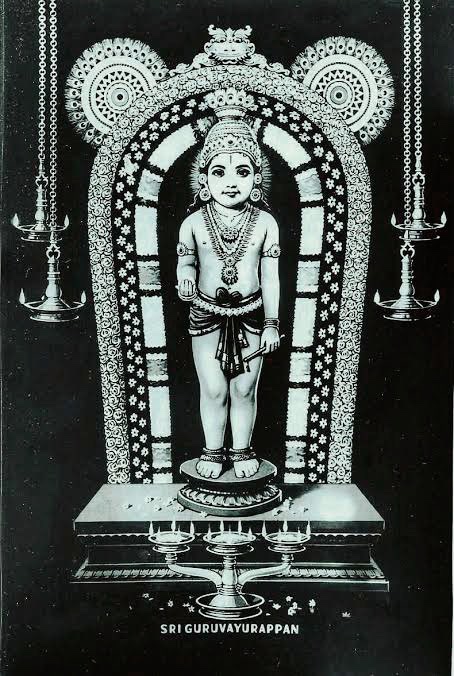
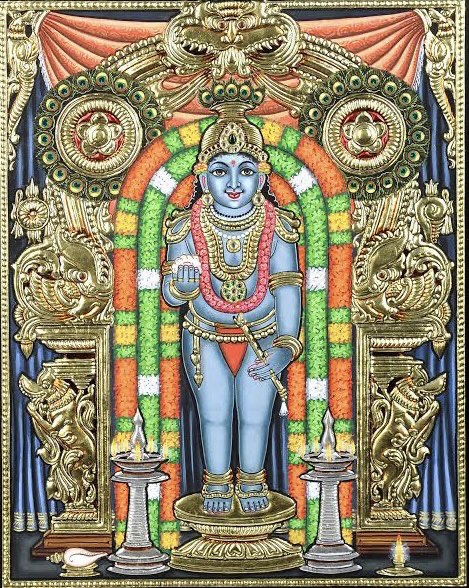
Then in Sloka 3, Narayana Bhattathri outlined that by the sheer will of the Brahman (referred as Guruvayurappan in this case), Maayaa (His creative power) got activated and from it emerged the power of time, the impressions of karma and the resulting tendencies. These supported Maayaa by disturbing the balance and the three Gunaas manifested.

Now in Sloka 4, Bhattathri brings out the creation of “Mahat” tattva, the Cosmic Intelligence or the total consciousness. The mahat-tattva is called the total (vyashti) consciousness because a portion of it is represented in everyone as the intellect (samashti). Mahat may be said to be Hiranyagarbha, the all-knowing creative principle, omnipresent, omniscient, omnipotent consciousness.

We can say that Brahman  is in its unmanifested and undifferentiated state(The causal level); Prakriti is in manifested and undifferentiated state (causal level) ; Mahat-tattva is
in its manifested and differentiated state (subtle level) , ready for creation.
முகவுரை
முதல் ஸ்லோகத்தில், நாராயண பட்டத்ரி, மகா பிரளயத்திற்கு (பெரும் பிரளயம்/பெருவெடிப்பு) முன், பிரம்மன் மட்டுமே இருப்பதாகக் கூறினார்.

அடுத்து, இரண்டாவது ஸ்லோகத்தில் பட்டத்ரி, மற்ற அனைத்தும் பிரம்மனுக்குள் வெளிப்படாத, வேறுபடுத்தப்படாத நிலையில் இருப்பதை அறிவித்தார்.

பின்னர் ஸ்லோகம் மூன்றில், நாராயண பட்டத்ரி, பிரம்மனின் (குருவாயூரப்பன்)முழு விருப்பத்தால், மாயா (அவரது படைப்பு சக்தி) செயல்படுத்தப்பட்டு, அதிலிருந்து காலத்தின் சக்தி, கர்மாவின் தாக்கங்கள் மற்றும் அதன் விளைவாக வெளிப்பட்டது என்று கோடிட்டுக் காட்டினார். இதனால் சமநிலை சீர்குலைந்து மூன்று குணங்கள் வெளிப்பட்டன என்றும் அறிந்தோம்.

இப்போது ஸ்லோகம் நான்கில், பட்டத்திரி "மஹத்" தத்துவத்தின் உருவாக்கம்; அதாவது பேர் நுண் அறிவின் (Cosmic Intelligence) வெளிப்பாட்டை விளக்குகிறார். மஹத்-தத்வா என்பது அண்டங்களின் மொத்த (வ்யஷ்டி) உணர்வு என்று அழைக்கப்படுகிறது, ஏனெனில் அதன் ஒரு பகுதி புத்தியாக (சமஷ்டி) நம் அனைவரிடமும் உள்ளது. மஹத்தை ஹிரண்யகர்பா என்று கூறலாம், அனைத்தையும் அறிந்த படைப்புக் கொள்கை, எங்கும் நிறைந்த, எல்லாம் அறிந்த, சர்வ வல்லமையுள்ள உணர்வு.

ஆக, பிரம்மம் எனும் பரம்பொருள் அதன் வெளிப்படுத்தப்படாத மற்றும் வேறுபடுத்தப்படாத நிலையில் (காரண நிலை) இருப்பதாக நாம் கூறலாம். அதுபோல பிரக்ருதி என்பது காரண நிலையில் வெளிப்படும் மற்றும் வேறுபடுத்தப்படாத நிலையில் உள்ளது எனவும், மஹத்-தத்வா என்பது நுட்பமான நிலையில்
வெளிப்படுத்தப்பட்ட மற்றும் வேறுபட்ட நிலையில் உருவாகத் தயாராக உள்ளது எனக் கூறலாம், நமது புரிதலுக்காக.
kaalaadipratibOdhitaa(a)tha bhavataa sanchOditaa cha svayaM maayaa saa khalu buddhitattvamasR^ijadyO(a)sau mahaanuchyate ||
Meaning in English
O Guruvayurappa, You are characterized as the Witness in the Vedas, remaining by Maya and not entering into it. You appear as Pratibimba (reflected image) in the products of Maya; one such reflection is Jiva, which has no independent existence without You. Directed by You, Maya through its medium of Kālam, (Karmam, and svabhāvam) came Buddhi Tattva, which is known as Mahat.
Meaning of the Sanskrit Words
माया-सन्निहित: - having Maayaa as adjunct only
अप्रविष्ट-वपुषा - but without getting influenced by it (untainted by it)
साक्षी-इति गीत: भवान् - Thou are mere witness, it is proclaimed (in the Vedas)
भेदै: -तां - in diverse appearances in that Maayaa
प्रतिबिंबत:- as reflections
विविशिवान् जीव: -अपि - Thou entered as individual soul also
न-एव-अपर:- (which) is not at all different from ( Thee)
काल-आदि-प्रतिबोधिता - being aroused by Time etc.
अथ भवता संचोदिता च - then also well prompted by Thee
स्वयं माया सा खलु - that Maayaa itself indeed
बुद्धि-तत्त्वम्-असृजत् - projected the principle of Intelligence
Sri. Narayana Bhattathri starts Narayaneeyam with description and the glory of Lord Guruvayurappan in Dasakam 1, where he establishes the identity of the Lord with the Ultimate Reality called Brahman, the embodiment of Pure Existence, Pure Consciousness and Pure Bliss (Sat, Cit, Anandam).

In the next Dasakam 2, he brings out the charming form of the Lord and the superiority of the path of devotion in one’s goal of realising Sat Cit Anandam.

He follows it up by identifying the traits and true characteristics of a devotee in Daskam 3. Having conditioned the mind of the devotees with these overall preparations, Bhattathri then addresses the techniques of establishing their minds on Lord Guruvayurappan through Ashtanga Yoga (the eightfold discipline) in Dasakam 4.

In Dasakam 5, Sri Narayana Bhattathri elevates the plane of inquiry to the Cosmos. After all what happens in Cosmos and what happens inside each of us can’t be entirely different when it comes to spiritual progress towards the Ultimate Reality.
Cosmos – Coexistence of tradition and modernity in understanding the “Poornam” (Infinity)
Talking about Cosmos, on a clear and fog free day, during the “सन्ध्या काल" "sandhya kaala” (translated as “twilight” in English) the brightest stars and planets can be seen, the horizon and terrestrial objects can be discerned. During this period, have you ever gazed observantly and reflectively the outer space?

1. Why is there something rather than nothing?

2. How did these come into existence?

3. Is there an order in this process?

When we do Cosmos gazing and contemplate, it is not difficult for a rational mind to “inescapably impose upon us the comprehension that an infinite intelligence rules this wonderful cosmos”. This is what our Rishis observed and studied in depth. This is what Narayana Bhattathri is outlining in Dasakam 5.
Before we get on with Dasakam 5, an overview of the Cosmic Evolution as explained by our Rishis in our Scriptures is vital to appreciate the Slokas in the correct perspective.

We must bear in our minds that our ancestors did not have any of the modern scientific equipment and tools to explain the origin of this universe. The amount of data that they had was limited.

All that were there, were only positive thinking rational individuals with a firm grit and determination to understand the relationships between individual, the universe and the creator. The tools and equipment they had were super computers called brain and an operating system called “manas” or the mind in each of them. They modelled the cosmological events in the form of mythical stories.

In the modern times, being so confident in our present theory of creation we disregard these mythical stories as superstition. Taken literally these stories do not make any sense, however if we contemplate deeper one can make sense of the philosophy behind it.

After all today’s science uses outward looking means to probe Cosmos using mathematical models while Seers and Saints used inward looking means to understand what is happening deep down inside us and relate it to what is happening outside through mythical stories as models.
What next?
In the next few blogs, we will have a quick overview of the modern and traditional perspectives of the Cosmic Evolution. This will help us to understand the Dasakam 5 better.
These blogs will also appear as newsletter in my Substack page
நாராயண பட்டத்திரி நாராயணீயத்தை ஶ்ரீ குருவாயூரப்பனின் மகிமையுடன் தொடங்குகிறார் தசகம் 1ல். அதனில் அவர் தூய இருப்பு, தூய உணர்வு மற்றும் தூய பேரின்பம் (சத், சித், ஆனந்தம்) ஆகியவற்றின் உருவான பிரம்மன் எனப்படும் இறுதி யதார்த்தமே அந்த குருவாயூரப்பன்  என்று ஒரு அடையாளத்தை நிறுவுகிறார்.

அடுத்த தசகம் 2ல், அந்த பரப்பரம்மமாகிய சத் சித் ஆனந்தத்தை உணர வேண்டும் என்ற ஒன்றினையே குறிக்கோளாக வைத்து வாழ நினைக்கும் அடியார்களுக்கு            ஶ்ரீ குருவாயூரப்பனின் (இறைவனின்) வசீகரமான வடிவத்தையும், பக்தி மார்க்கத்தின் மேன்மையையும் வெளிப்படுத்துகிறார்.

இதனை தொடரந்து, தசகம் 3-ல் பட்டத்ரி அப்படி வாழ்ந்திடும் ஒரு பக்தரின் குணாதிசயங்களை எடுத்துரைக்கிறார்.

இங்கனம் படிப்படியாக பக்தர்களின் மனதை பக்குவப்படுத்தியபின், நாராயண பட்டத்திரி தசகம் 4ல்,                ஶ்ரீ குருவாயூரப்பன் மீது நமது மனதை நிலைநிறுத்துவதற்கான நுட்பங்களை அஷ்டாங்க யோகத்தின் மூலம் (எட்டுவிதமான ஒழுக்க முறைகள்) எடுத்துரைக்கிறார்.

அடுத்து வரும் தசகம் 5ல், ஸ்ரீ நாராயண பட்டத்திரி விசாரணையை அண்டம் (பிரபஞ்சம்) எனும் உயர்நிலைக்கு எடுத்துச்செல்கிறார். ஆன்மீகத்தில் முன்னேற்றம் காணும் போது அண்டத்தில் உள்ளதே பிண்டத்தில் உள்ளது எனும் உணர்வினை நமக்கு ஊட்டிட, அண்டம் உருவானது எப்படி என்பதை விவரிக்கிறார்.
அண்டமும் அதன் பரிமாணமும்
அண்டம் என்றவுடன் தெளிவான மற்றும் மூடுபனி இல்லாத நாளில், சந்தி வேளையில் அடிவானத்தை தொடர்ந்து அண்ணார்ந்து பார்த்தால், நாம் பிரகாசமான நட்சத்திரங்கள் மற்றும் கிரகங்களைக் காணலாம். அப்படி காணும் போது நமது சிந்தனை எங்கு செல்கிறது?

அடேயப்பா! என்ன அருமை! என்ன படைப்பு! எப்படி இது சாத்தியம்? என்றெல்லாம் வியக்கிறோம் அல்லவா.

1. அண்டம் என்பது என்ன? ஏன் ஒன்றுமில்லை என்பதை விட இருப்பு என்ற ஒன்று இருக்கிறது?

2. அண்டமும் அண்டத்தில் காணும் இவைகளனைத்தும் எவ்வாறு தோன்றின?

3. இந்த செயல்பாட்டில் ஒரு ஒழுங்கு இருக்கிறதா? அல்லது ஒன்றுக்கொன்று தொடர்பில்லாமல் தனித்தனியாக இயங்குகின்றனவா?

இப்படியெல்லாம் வியந்து, நமது எண்ணப் பறவைதனை சிறகடித்துப் பறக்க விடுகின்றோமல்லவா!

அப்படி நாம் பிரபஞ்சத்தை உற்றுப் பார்க்கும்போதும், சிந்திக்கும்போதும், இந்த அற்புதமான பிரபஞ்சத்தை எல்லையற்ற நுண்ணறிவு ஒன்று ஆளுகிறது என்பதை புரிந்து கொள்ள நமது பகுத்தறிவுள்ள மனதிற்கு கடினமாக இருக்காது.

இதைத்தான் நமது ரிஷிகள் ஆழ்ந்து கவனித்து ஆய்வு செய்தனர். இதைத்தான் நாராயண பட்டத்திரி தசகம் 5ல் கோடிட்டுக் காட்டுகிறார்.
தேவையான மனப்பான்மை
தசகம் 5-ஐப் பற்றிக் கூறுவதற்கு முன், ஸ்லோகங்களைச் சரியான கண்ணோட்டத்தில் புரிந்துகொள்வதற்கு, நமது ரிஷிகளால் நமது மறைகளில் விளக்கப்பட்டுள்ள பிரபஞ்ச பரிணாமத்தைப் (cosmic evolution) பற்றிய ஒரு கண்ணோட்டம் இன்றியமையாதது.

இந்த பிரபஞ்சத்தின் தோற்றத்தை விளக்கும் அதி உயர் கணனிகள் (super computers),  நவீன அறிவியல் சாதனங்கள் மற்றும் கருவிகள் எதுவும் நம் முன்னோர்களிடம் இருக்கவில்லை என்பதை நாம் மனதில் தெளிவுபடுத்திக்கொள்ள வேண்டும். அவர்களிடம் இருந்த தரவுகள் (data) குறைவு. எனினும் ஆண்டவன், அண்டம், பிண்டம் எனும் மூன்று தத்துவங்களுக்கிடையேயான உறவுகளைப் புரிந்துகொள்வதில் திடமான மன உறுதியும் “எள்ளத் தனைப்பொழுதும் பயனின்றியிராது, நெஞ்சினிலே நீதியும் நேர் கொண்ட பார்வையுடன், நம்புவதே வழி என்ற மறைதன்னை நம்பி” இறைபக்தியுடன் தன் தூய மனமெனும் அதி உயர் கணினி ஒன்றை மட்டுமே பயன்படுத்தி அண்டத்தில் நடக்கும் நிகழ்வுகளை புராணக் கதைகளின் வடிவத்தில் விளக்கினர் நமது ரிஷிகளும் முனிவர்களும்.

பொறி புலன் சார்ந்த இன்றைய விஞ்ஞான காலக்கட்டத்தில் பொருள் சார்ந்த ஆராய்ச்சிகளின் வழியாக கண்டவைகள் மட்டுமே உண்மை எனும் தற்போதைய படைப்புக் கோட்பாட்டின் மீது மிகுந்த நம்பிக்கை நமக்கு இருப்பதால், இந்த புராணக் கதைகளை மூடநம்பிக்கை என்று நாம் புறக்கணிப்பதில் வியப்பு ஒன்றுமில்லை.அந்த ரீதியில் இந்த கதைகளை எடுத்துக் கொண்டால் அவைகளில் எந்த அர்த்தமும் இல்லை என்று தோன்றும்.

இருப்பினும் திறந்த மனமுடன்,  முன்முடிவுகள் எதுவுமில்லாமல் (open mind without preconceived notions) நாம் நமது பிண்டத்தை உள்நோக்கி ஆழமாக சிந்தித்துப் பார்த்தால் இதன் பின்னணியில் உள்ள தத்துவத்தை ஒருவர் புரிந்து கொள்ள முடியும்.

இன்றைய விஞ்ஞானிகள் கணித சமன்பாடுகள், உருவகங்கள், மாதிரிகள் (equations, simulations, models) போன்ற கருவிகளைப் பயன்படுத்தி அண்டத்தை ஆய்வு செய்ய புறநோக்கு வழிமுறைகளைப் பயன்படுத்தி பொறி, புலன், பொருள் சார்ந்த ஆய்வுகளை (materialistic research) நடத்துகின்றனர்.

நமது முன்னோர்கள், நமக்குள் என்ன நடக்கிறது என்பதைப் புரிந்துகொள்வதற்கும், புராணக் கதைகள் மூலம் வெளியில் நடப்பதை மாதிரிகளாகப் புரிந்துகொள்வதற்கும் அஷ்ட யோகம், தியானம் முதலிய உள்நோக்கிய வழிமுறைகளைப் பயன்படுத்தி ஆன்மீக ஆய்வுகளைப் புரிந்தனர். அவ்வளவுதான் வித்தியாசம்.

இப்படி வேறுபட்ட ஆராய்வுகளின் மூலம் அறிய எண்ணும் ஆண்டவனை (ஆண்டவனின் வெளிப்பாட்டை) நாம் அறிவது என்பது ஒரு முடிவிலி.  அதனால் தான் இரண்டு வழிமுறைகளும் வெறும் அனுமானங்களே.  நமக்கு தேவை நேரடி சுய உணர்வு. அப்படி இருக்கையில், ஒன்றை மட்டும் வெறும் கட்டுக்கதைகள் என்றும் உண்மை அல்ல என்றும், மற்றொன்றை சரி என்றும் உண்மை என்றும் கருதுவது நமது மடமையைக் குறிக்கும்.
இனி வருவது
அடுத்த சில வலைப்பதிவுகளில், அண்ட பரிணாமத்தின் விஞ்ஞான மற்றும் ஆன்மீக முன்னோக்குகளின் கண்ணோட்டத்தை அறிய முற்படுவோம். இது நாராயணீயம் தசகம் 5 ஐ நன்கு புரிந்துகொள்ள நமக்கு உதவும்.

இந்த வலைப்பதிவுகள் எனது மற்றொரு வலைதளப் பதிவிலும் (substack -சப்ஸ்டாக்) ஆங்கில செய்திமடல் வடிவில்   (newsletter) வெளிவரும். அதன் இணைப்பு இதோ.
O Lord of the Universe! The devotee who thus goes through the luminous path does not fall any more to the netherworlds. O Lord of Guruvaayur! The embodiment of pure consciousness absolute, please protect me, Thy devotee, who is ever singing Thy glories.
Meaning of the Sanskrit Words
अर्चि: - आदि-गतिम् - the path of light etc
ईदृशीं - of this kind
व्रजन् - passing through which
विच्युतिं - downfall (return to Sansaara)
न भजते - (the yogi) does not suffer
जगत्प - O Lord of the Universe!
सच्चिदात्मक - O Embodiment of pure existence consciousness







 Prabhu's Ponder