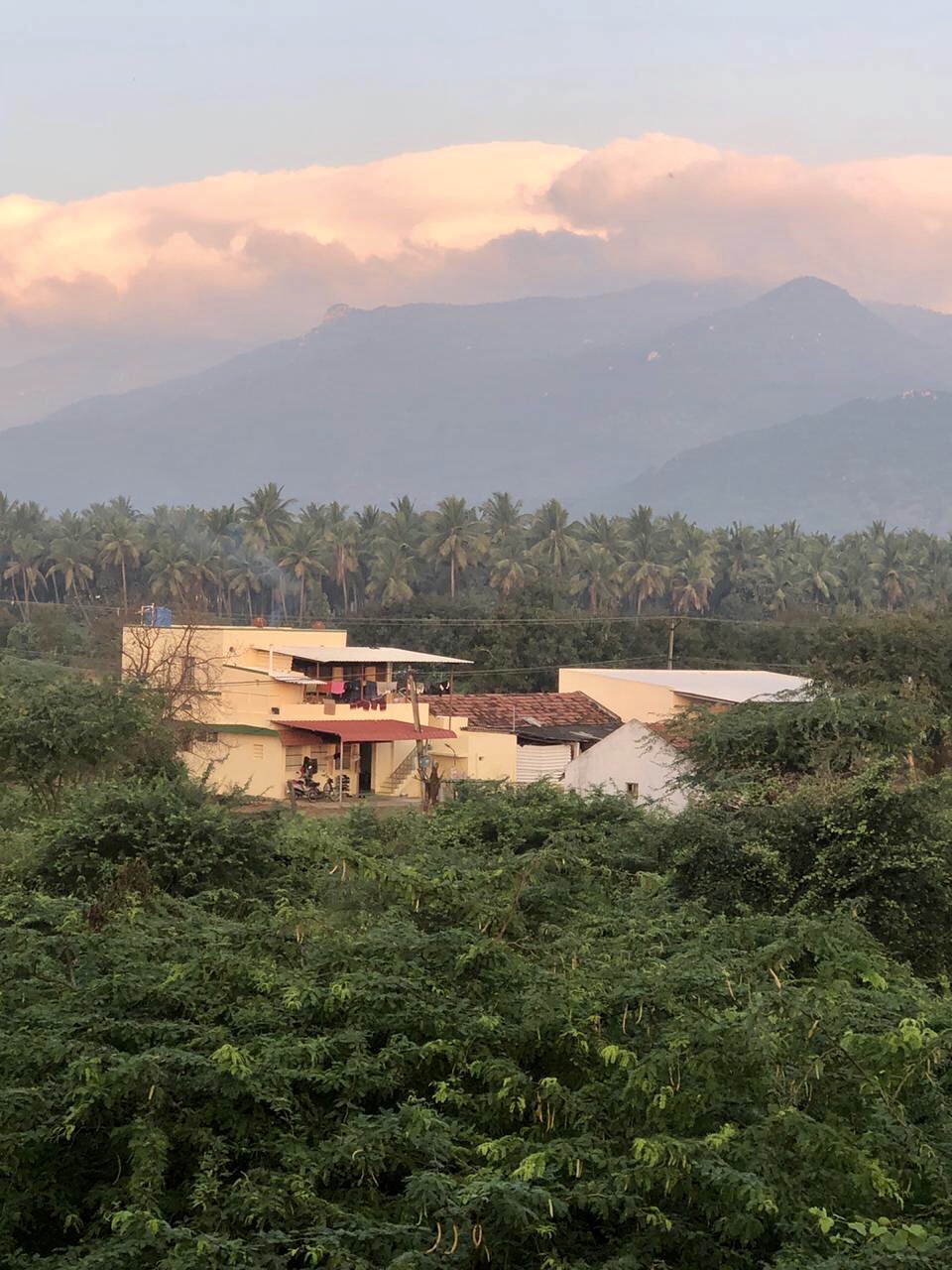
Life is colorful – 2

Life is positively colorful.

Life is positively colorful 24x7x365. There is no need for despair. Let us enjoy life fully.

There is nothing more colorful to watch the sky at sun rise particularly in early winter in my place at Bangalore. The colors thrown at us by Nature through all its medium is just refreshing. All you got to do is just walk and enjoy.

Aditya Hridayam Verses 28-31

in the concluding phase of Aditya Hridayam, the impact that the Sun had on a tired and weary Rama is brought out. While these verses might sound “unrealistic” to some of the present time “rational thinking” personnel, the fact that Sun has a refreshing effect on life and rejuvenates millions of living beings into action is undeniable.

Verse 28

एतच्छ्रुत्वा महातेजाः नष्टशोकोऽभवत्तदा

धारयामास सुप्रीतो राघवः प्रयतात्मवान् ॥२८॥

– EtacchrutvA mahAtEjA naShTashOkO$bhavattadA

– dhArayAmAsa suprItO rAghava: prayatAtmavAn

Meaning of the Sanskrit Words

tadA = then

mahAtEjA = one with tremendous energy

Etat = this

shrutvA = having heard

naShTashOka: = losing grief, cheered up

abhavat = became [Simple Past, la~Ng lakAra:]

suprIta: = pleased, gladdened

prayatAtmavAn = one with a pious-minded, subdued mind

rAghava: = of the Raghu dynasty (“Rama” here)

dhArayAmAsa = held, retained [Past Perfect, lit lakAra:]

Meaning of the Verse

On hearing this advice, Raghava, who is endowed

with extraordinary energy, found his grief dispelled

immediately. Feeling greatly delighted, he, who has a

subdued mind, retained (Aditya Hridayam) in his memory.

Meaning in Tamil

ஆதவனின் புகழ் செவிமடுத்து சோர்வு நீர்ந்து

புதுப்பொலிவு கொண்டான் பேரொளியுடன்

மாவீரன் ராகவன் மனதில் நிறுத்தி மறைதனை

————————————————————

Verse 29

आदित्यं प्रेक्ष्य जप्त्वा तु परं हर्षमवाप्तवान्

त्रिराचम्य शुचिर्भूत्वा धनुरादाय वीर्यवान् ॥२९॥

– Adityam prEkshya japtvA tu param harShamavAptavAn

– trirAcamya shucirbhUtvA dhanurAdAya vIryavAn

Meaning of the Sanskrit Words

Adityam = Surya (in subject form)

prEkshya = on looking/gazing at

japtvA = having recited

param = high, excellent

harSha: = joy, delight, satisfaction

avAptavAn = received, experienced

tri: = three times

Acamya = having sipped

shuci: = purity; cleansed, hallowed state

bhUtvA = having become

vIryavAn = brave one

dhanu: = bow [from ‘dhanus’]

AdAya = having taken [indeclinable]

Meaning of the Verse

Gazing at Surya, and reciting the hymn, Rama

experienced supreme joy. Purifying himself by

performing “Acamanam” (Sipping water thrice with

the name of the Lord in one’s lips), Rama took up his bow.

Meaning in Tamil

ஒருமையுடன் உதயவனை உற்றுநோக்கி

வெறுமைநீக்கி ஒப்புயர்வற்ற மகிழ்வுடனே

ஆதவனை மனதினில் நிலை நிறுத்தி

அருந்தினான் புனிதநீரதனை மும்முறை

அடைந்திட்டான் ராமன் ஆற்றல்மிகு தன் வளைவில்தனை

——————————————————————-

Verse 30

रावणं प्रेक्ष्य हृष्टात्मा युद्धाय समुपागमत्

सर्वयत्नेन महता वधे तस्य धृतोऽभवत् ॥३०॥

– rAvaNam prEkshya hR^iShTAtmA yuddhAya samupAgamat

– sarvayatnEna mahatA vadhE tasya dhR^itO$bhavat

Meaning of the Sanskrit Words

hR^iShTAtmA = pleased, glad person [hR^iSh, 4P, harShati, hR^iShTa]

rAvaNam prEkshya = seeing/facing Ravana

yuddha: = battle/combat; yuddhAya = for combat

samupAgamat = approached near, advanced

mahatA = with greatness [mahAn yuddha:; mahatI vEdanA]

yatna: = effort, attempt; yatnEna = with effort

tasya = his (Ravana’s)

vadha: = killing, murder; vadhE = in the slaughter, killing

dhR^ita: = resolved, firm, determined one

abhavat = became [Simple Past]

Meaning of the Verse

Fixing his eyes on Ravana, a delighted Rama advanced for

the combat; He became resolved in Ravana’s killing with an

intense all-out effort.

Meaning in Tamil

முழுமையுடன் போர் புரிந்து உயிர்வதைக்கும் உறுதியுடன்

முன்சென்றான் ராவணணை எதிர் நோக்கி மகிழ்மிகு ராமன்

———————————————————-

Verse 31

अथ रविरवदन्निरीक्ष्य रामं मुदितमनाः परमं प्रहृष्यमाणः

निशिचरपतिसंक्षयं विदित्वा सुरगणमध्यगतो वचस्त्वरेति ॥३१॥

– atha raviravadan nirIkshya rAmam

– muditamanA: paramam prahR^iShyamANa:

– nishicarapatisankshayam viditvA

– suragaNamadhyagatO vacastvarEti

Meaning of the Sanskrit Words

atha = here; hence begins (to indicate auspiciousness) [indeclinable]

muditamanA: = delighted mind

paramam = highest, chief

prahR^iShyamANa: = delighted one

ravi: = Aditya

nishicarapati: = lord of the night-stalkers (Ravana here)

viditvA = on observing

suragaNa: = the group of Devas

madhyagata: = on going amidst

rAmam nirIkshya = seeing/facing Rama

avadat = said (simple past)

vaca: = speech/word [from vacas; used in subject form here]

tvara = (you) hurry; make haste

iti = as/that [to follow a quote]

Meaning of the Verse

Then, delighted in mind, supremely exhilarated Aditya,

on observing Ravana’s destruction, amidst the assembly

of the Devas, seeing Rama, said “Make Haste”.

Meaning in Tamil

கதிரவன் களிமிகு முழுமனமகிழ்வுடன்

எதிரியின் வதம் எதிர்பார்த்து ராமனிடம்

விரைந்திடுவாய் வீழ்த்திடு ராவணன்தனையென

வின்னவர் புடைசூழ விழைத்திட்டான ஆதவன்

Life is colorful – 1

Life is definitely colorful 24x7x365. There is no need for despair. Let us enjoy life fully.

With the majestic Western Ghats as the background, in the midst of lush green coconut farms and vegetation, life couldn’t be more colorful and pleasing. A typical early morning scenario in December at the outskirts of Coimbatore, the erstwhile Manchester of South India.

Aditya Hridayam Verses 25-27

Agastya is done with eulogising sUryA. Now, he gets to the phala-shruti (the benefits of chanting ) of Aditya Hridayam and instructs Rama

Verse 25

एनमापत्सु कृच्छ्रेषु कान्तारेषु भयेषु

कीर्तयन् पुरुषः कश्चिन्नावसीदति राघव ॥२५॥

– EnamApatsu kR^icchEShu kAntArEShu bhayEShu ca

– kIrtayan puruSha: kashcinnAvasIdati rAghava

Meaning of the Sanskrit Words

rAghava = Hey Ram!

kashcit = any one

puruSha: = individual

Enam = this [Enam Apatsu, and NOT Ena mApatsu]

Apatsu = in calamity, adversity

kR^iccha:, kR^iccham = hardship, misery

kAntAra:, kAntAram = large or dreary forest, bad road

bhaya: bhayam = fear, dread

kIrtayan = reciting; singing praises [continuous participle]

na = not/no

avasIdati = fails, faints, sinks down, to be ruined

Meaning of the Verse

Hey Raghava, No individual, singing His praises during

difficulties, in fear, or when lost in the woods, has ever

come to grief.

Meaning in Tamil

அச்சமும் அவலமும் அல்லலுறும் நேரம்தனில்

அழிவதில்லை யாவரும் அடைவதில்லை துயரென்றும்

அழல்வடிவோனைத் துதிப்போர் எவரொருவரும்ராகவனே

———————————————————————————

Verse 26

पूजयस्वैनमेकाग्रो देवदेवं जगत्पतिम्

एतत्त्रिगुणितं जप्त्वा युद्धेषु विजयिष्यसि ॥२६॥

– pUjayasvainamEkAgrO devadevam jagatpatim

– Etat triguNitam japtvA yuddhEShu vijayiShyasi

Meaning of the Sanskrit Words

Enam = this

devadeva: = God of gods [samAsa: – devasya deva:]

jagatpati: = Lord of the universe [samAsa: – jagata: pati:]

EkAgra: = intent, concentrated, single-pointed

pUjayasva = (you) revere, to hono(u)r with

Etat = this (shlOka:)

triguNitam = three times

japtvA = on/after chanting

yuddha: = battle [yuddhEShu = in battles]

vijayiShyasi = (you) will win

Meaning of the Verse

You worship this God of gods, Lord of the universe

with a concentrated mind; On chanting this three

times, you will be victorious in battles

Meaning in Tamil

ஒருமையுடன் ஆதவனின் புகழுரையாம் இவ்வுறையை

மும்முறை உரைத்திட்டால் வென்றிடுவாய் சமரதனில் பகைதனை

————————————————————

Verse 27

अस्मिन् क्षणे महाबाहो रावणं त्वं वधिष्यसि

एवमुक्त्वा ततोऽगस्त्यो जगाम यथागतम् ॥२७॥

– asminkshaNE mahAbAhO rAvaNam tvam vadhiShyasi

– EvamuktvA tadAgastyO jagAma ca yathAgatam

Meaning of the Sanskrit Words

mahAbAhu: = one with strong fore-arms [when being called, “mahAbAhO”]

asmin = in this

kshaNam = second, moment

tvam = you

rAvaNa: = Ravana [subject form “rAvaNam”]

vadhiShyasi = (you) will slay

Evam = like this

tadA = then

uktvA = having said

jagAma = left [Past Perfect, lit lakAra:]

yathA = just like

Agatam = arrival, the coming

Meaning of the Verse

“Hey Mighty-Armed Rama, In this very moment, you

will kill Ravana” said Agastya and left just as he came

Meaning in Tamil

அழித்திடுவாய் இராவனன்தனை இக்கணமே தோள்வலி ராமா என

அழைப்புவிடுத்து திரும்பிச்சென்றான் அகத்தியன் வந்தவன்னமே

—————————————————————

Aditya Hridayam Verses 22-24

Verse 22

नाशयत्येष वै भूतं तदेव सृजति प्रभुः

पायत्येष तपत्येष वर्षत्येष गभस्तिभिः ॥२२॥

nAshayatyESha vaibhUtam tadEva sR^ijati prabhu:

pAyatyESha tapatyESha varShatyESha gabhastibhi:

Meaning of the Sanskrit Words

nAshayati = to cause to destroy

ESha: = this

vai = indeed (“vai ESha:” = “hi Esha:”)

bhUtam = all that exists

tat Eva = that alone

sR^ijati = to create, produce; to release, emit; throw; quit

prabhu: = lord, master [prabhu = mighty, strong]

pAyati = protects, sustains

tapati = to shine, blaze; to suffer pain; to do penance

varShati = to shower

gabhasti: = ray of light, sunbeam, moonbeam

gabhastibhi: = by rays of light

Meaning of the Verse

He indeed is the Lord Destroying the Beings, and He indeed is the Lord Creating the Beings,

He drinks (the Water) by His Rays, Heats the Water, and again Rains (the same Water),

Meaning in Tamil

அழித்தலும் படைத்தலும் ஆதவனின் அருளாலே

அருந்தியநீரை அனலேற்றி அளித்திடுவான் மழையென

———————————————————————-

Verse 23

एष सुप्तेषु जागर्ति भूतेषु परिनिष्ठितः

एष चैवाग्निहोत्रं फलं चैवाग्निहोत्रिणाम् ॥२३॥

Esha suptEShu jAgarti bhUtEShu pariniShThita:

Esha EvAgnihOtram ca phalam caivAgnihOtriNAm

Meaning of the Sanskrit Words

ESha: = He

supta: = sleeping one

suptEShu = in sleeping people

jAgarti = to keep awake

bhUtam = all that exists

bhUtEShu = in everything that exists

pariniShThita: = one is completely skilled in; accomplished

agnihOtram = an oblation to Agni

hOtriNAm = of the sacrifices

phalam = fruit

Meaning of the Verse

He is the one who is well fixed in all things that exist,

and keeps awake while they sleep; He is the sacrificial

oblation as well as the fruit of it

Meaning in Tamil

உறக்கத்து உள்ளுறைந்து உய்விப்பான் உலகோரை

வேள்விக்கு வித்தாகி வேள்வியின் பலனாவான் வித்தகன் பகலவன்

———————————————————————-

Verse 24

वेदाश्च क्रतवश्चैव क्रतूनां फलमेव

यानि कृत्यानि लोकेषु सर्व एष रविः प्रभुः ॥२४॥

vEdAshca kratavashcaiva kratUnAm phalamEva ca

yAni kR^ityAni lOkEShu sarva ESha ravi: prabhu:

Meaning of the Sanskrit Words

ESha: = He

vEda: = primary scripture (of Hinduism)

kratu: = sacrifice

phalam = fruit

lOka: = world, universe

lOkEShu = in the worlds/peoples’

yAni = which things

kR^ityam = what ought to be done; duty

kR^ityAni = duties, deeds

sarvE = all those

ravi: = sun; mountain

prabhu: = lord, ruler

Meaning of the Verse

He indeed is the Vedic Sacrifice, and He indeed is the Fruit of those Sacrifices,

Whatever works are to be performed in the World, He, the Ravi (Sun God) is the Lord of all those (Being the Power behind),

Meaning in Tamil

மும்மறைவேதமதின் வேள்வியாகி அம்மறைதனின் பலனாகி

எம்முறைப்பணிதனிலும் அப்பணியுறைவிந்தாவான் பகலவன்

————————————————————————

Tiger Trail at the Kanha National Park

At the Central Indian State of Madhya Pradesh, at around 180 Kms from Jabalpur, is the Kanha National Park. Divided into four core zones and associated buffer zones, Kanha Park spreads over nearly 2000 Sq. Kms and is home to 100 plus Royal Bengal Tigers and an amazing array of wild life and vegetation. Tiger Safari is an organized attempt to get into the natural habitat of these animals and sight them. In November 2019, we did the expedition to two of the core zones (There are four) looking for the majestic animal.

Armed with a iPhone X, I did my best to capture the wonderful Park and will be sharing the videos through YouTube. There are three videos covering our three expeditions. Watch out for the videos in my YouTube channel prabhu53 by subscribing to them. Part 1 of the video will be uploaded on 27th November 2019 and the rest two videos will follow after a week each.

In the mean time try and guess the photo captured by me in the park. Post your guesses. Thanks