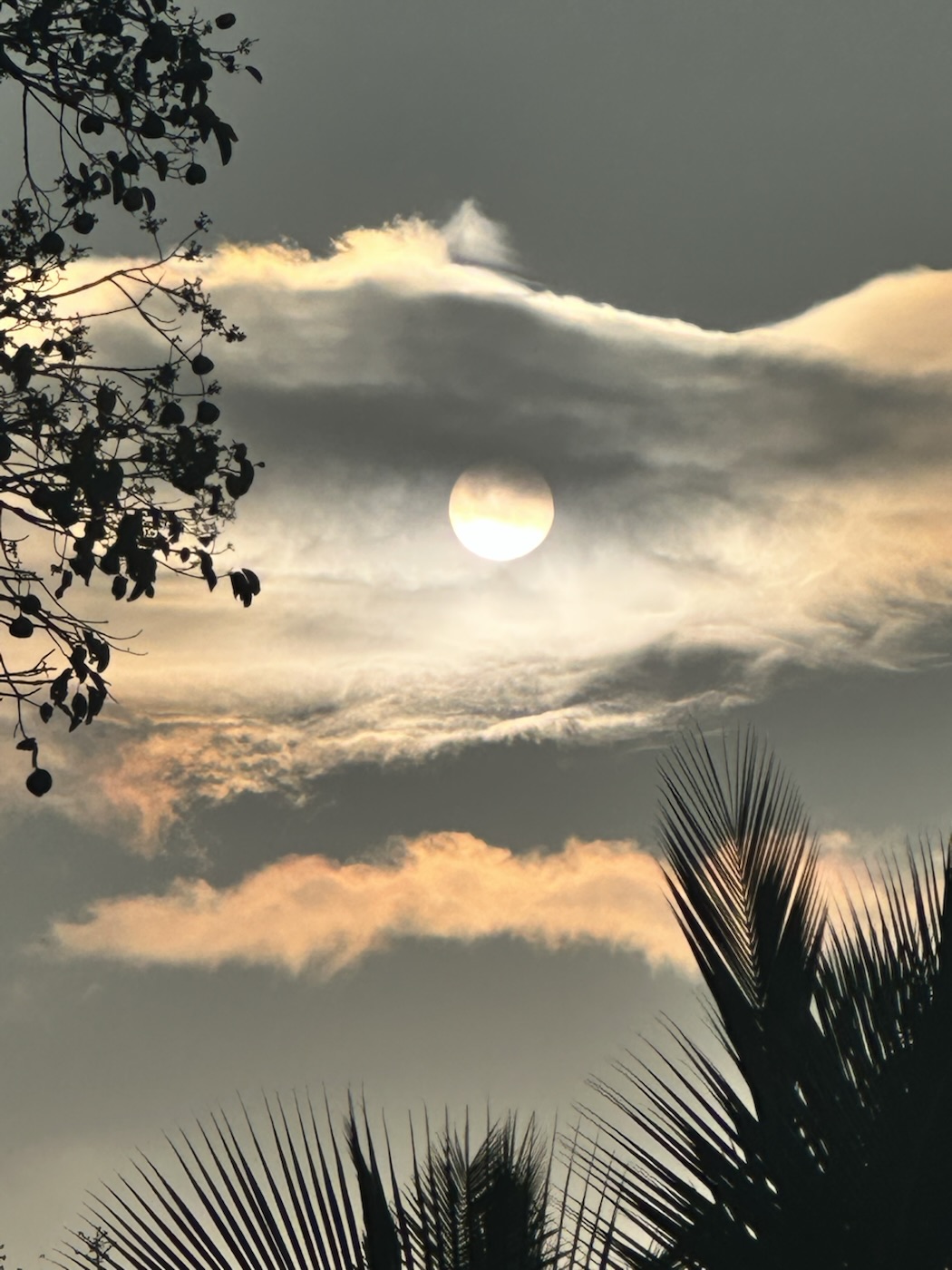
This Hindu festival celebrating the birth of Lord Surya (the Sun God) and the onset of spring. Known as Surya Jayanti or Arogya Saptami, it marks the sun turning its seven-horse chariot toward the northern hemisphere (Uttarayana), symbolizing light over darkness and the start of warmer, longer days.
Vividly remember going around the bushes in the village and plucking leaves with the flowers (called Calotropis gigantea – “Erukkalam Poo” ) and having early morning bath with the leaves and flowers on the head and pouring water over it. It is called Arunodaya Snan.
Here is my maiden venture into Carnatic Music Composition. As a novice, I have no clue about this genre and its notations. All I heard was the song Muruga Muruga sung by the legendary sisters Radha & Jayalakshmi in the raga Saveri.
माम्-अवदत् पुमान्- (who) spoke to me, the revered person
इति – thus (thinking)
जल-आपूर्णे जगन्मण्डले – in the worlds fully engulfed in water
दिक्षु-उद्वीक्ष्य – in all the directions looking around
किम्-अपि-अनीक्षितवता – anything not seeing
वाक्य-अर्थम्-उत्पश्यता – the meaning of the words then understanding
दिव्यं वर्ष-सहस्रम् -for a thousand divine years
आत्त-तपसा – doing penance
तेन त्वम्-आराधित: – by him (Brahma) Thou were worshipped
तस्मै दर्शितवान्-असि – to him (Brahma) Thou revealed
स्व-निलयं – Thy own abode
वैकुण्ठम्-एक-अद्भुतं – the Vaikunthloka wonderful
Meaning in English
This Sloka gives a clear indication of the Universe, at the beginning of the great deluge called “Pralaya”.
“Who could be the person who directed me to do Tapas” (last Sloka 7.2) ? Brahma looked around in all the directions to look for the revered person who spoke those words. The world was engulfed in water and there was no one to be seen.
Then the meaning of the words dawned on him and for a thousand divine years (360 human years is one divine year) he did penance and worshipped Thee. Thou , then revealed Thy wonderful abode Vaikunth to Brahma.
அண்டமனைத்தும் நீரதனில் ஆழ்ந்திருக்க ஒலித்தது யாரென திக்கெங்கும் தேடிக் காணாது, அச்சொல் அதனின் பொருள் ஆய்ந்தறிந்து ஆயிரம் இறையாண்டு தவம் இருந்த அயனுக்கு ஆண்டவனே உன் இருப்பாம் வைகுண்டமதனின் காட்சிதனை அருளினாயே குருவாயூரப்பனே !!
விளக்கம்
பூமியானது நீரில் மூழ்கியிருக்கும்போது, யார் இவ்வாறு சொல்கிறார்கள் என்று பிரம்மதேவன் எல்லா திக்குகளிலும் தேடியும், ஒன்றும் புலப்படவில்லை. உடனே, அவர் ஆயிரம் தேவ வருஷங்கள் தவம் செய்யத் தொடங்கினார். அப்போது, பிரம்மதேவனுக்கு நீர் உம்முடைய இருப்பிடமான வைகுண்ட லோகத்தைக் காட்டினீர்களல்லவா?
இந்த ஸ்லோகம், இந்த பிரபஞ்சம், பிரளயத்தின் துவக்கத்தில் எப்படி இருந்தது என்பதை கோடிட்டுக் காட்டுகிறது.


 Prabhu's Ponder