நாராயணீயம் தசகம் 5 – அண்டப் பரிணாமம் – ஆன்மீக கண்ணோட்டம் – பகுதி 1 – மந்திரவாதியும் மந்திரக் காட்சியும்.

ஶ்ரீ குருவாயூரப்பன்
முக்கிய அறிவிப்பு

இந்த பதிவு, நிச்சயமாக அண்டத்தின் படைப்பைப் பற்றி ஆன்மீகம் என்ன சொல்கிறது என்பது பற்றிய முழுமையான விளக்கம் அல்ல. அண்டத்தின் படைப்பை பற்றிய ஆன்மீக விளக்கங்களிலிருந்து நான் புரிந்து கொண்ட ஒரு மேலான கண்ணொட்டத்தின் வடிவே இது.

நாராயணீயம் தசகம் ஐந்தினை சரியாக புரிந்து கொள்வதே நமது குறிக்கோள். அதற்கு தேவையான புரிதலை நமக்கு அளிக்கவே இந்த பதிவுகள் என்பதை நாம் மனதில் நிலைநாட்ட வேண்டும். இதனை முந்தைய பதிவான நாரயணீயம் முகவுரையிலேயே அடியேன் குறிப்பிட்டிருந்தேன் என்பதையும் நினைவுகூறுக.

இந்த விஷயத்தில் ஆழ்ந்து அறிய விரும்பினால், தங்களது குருவினை அணுகி, இவற்றைக் கற்றுக் கொள்ளுமாறு வாசகர்களை அன்புடன் கேட்டுக் கொள்கிறேன்.

அண்டத்தின் படைப்பை பற்றிய ஆன்மீக விளக்கங்களின் சாரத்தை ஒரே பதிவில் எழுதுவது, வேதாந்தத்தில் ஆரம்ப நிலை மாணவனாக உள்ள எனக்கு இயலாத காரணம். ஆகையினால் இதனை பல சிறு பகுதிகளாகப் பிரித்து பதிவுகளை வெளியிடுகிறேன் உங்கள் அனுமதியுடன். இதோ முதல் பகுதி.

மந்திரவாதி

அறிவியல் கண்ணோட்டத்தின் ஒரு பகுதியாக, முந்தைய வலைப்பதிவில், உருவாக்கப்பட வேண்டிய அவசியமின்றி படைப்பை உருவாக்கும் "மந்திரவாதி" யார் என்பதை புரிந்துகொள்ள முயன்றோம். அந்த முயற்சியில் முக்கிய கேள்விக்கு விடை ஒன்றும் இல்லை. வேறு வார்த்தைகளில் கூறுவதானால், பேரியக்கமெனும் “பிக் பேங்கிற்கு” (Big Bang) முன்பான "காரணமற்ற காரணத்தை" அறிவியல் இன்றும் அறியவும் இல்லை, அதற்கேற்ற விளக்கமும் தரவில்லை.

ஆகையினாலே, பொறி புலன்களால் அறியும் காரணமில்லாமல் எந்தக் காரியமில்லை (விளைவு) என்ற கோட்பாடு ஒன்றில் மட்டுமேலேயான திடமான நம்பிக்கை, பொருள் சார்ந்த பொறி புலன் துணைகொண்ட புற நோக்கு என்று இரண்டு முக்கிய வரையறுகளுக்குள் உட்பட்ட அமைப்புகளுக்கு வெளியே நாம் பார்க்க வேண்டும் என்பதையும் நாம் புரிந்துகொண்டோம்; ஏனெனில் அந்த காரண - விளைவு அமைப்புகளுக்குள், "காரணமற்ற காரணம்" என்பது நினைத்துப் பார்க்க முடியாதது. மேலும், நிறை -ஆற்றல் (matter & energy), அதன் விளைவுகள் இவைகளைக் கடந்து இருப்பு-உணர்வு (existence & consciousness) என்ற இரண்டையும் கொண்ட "ஏதாவது" ஒன்றை நாம் அறிய வேண்டும் என்றும்முந்தைய பதிவில் கண்டோம். ஆக, அறிவியலுக்கு அப்பால் நாம் பார்க்க வேண்டும் என்பதே இதன் பொருள்.

நமது முன்னோர்களான ரிஷிகளும், முனிவர்களும் அவர்கள் இருந்த காலகட்டத்திற்கேற்ப, பொறி புலன்களைக் கட்டுப்படுத்தி, ஆழ்ந்த தியானங்களின் மூலம், விரிவாக இயற்கையின் இயல்பினை அறிந்து, நாம் புரியும் வினைகளையும் வினைப்பலன்களையும் தரவுகளாக கொண்டு, அந்த "காரணமற்ற காரணத்தில்" கவனம் செலுத்தி உள்நோக்கி சிந்தித்து, அதற்கேற்றபடி வாழ்ந்து, வழிமுறைகளையும், அனுபவங்களையும் தமது சீடர்களுக்கு எடுத்துரைத்தனர்.

அந்த "காரணமற்ற காரணத்தை" அவர்கள் "பிரம்மன், பரமன்", "ஆன்மா", “பரம்பொருள்” என்று அழைத்தனர். அந்த "பிரம்மன்" என்பது "நிறையும் ஆற்றலும்” அதாவது “இருப்பும் உணர்வும்” (matter & energy or existence & consciousness)கொண்ட ஒரே ஒரு தூய்மையான, எங்கும் நீக்கமற நிறைந்த, அழிவிலா நித்திய பேரின்பமான இறுதி உண்மையெனும் தத்துவம் என்று கூறினர்.

அந்த தத்துவத்தை பொருள் சாரந்த பொறி புலன்களால் விவரிக்க இயலாது. எனவே, நமது மறைகள் அந்த தத்துவத்தை, இது இல்லை, இது இல்லை, இவைகள் அல்ல என்றெல்லாம் விவரிக்கின்றன.

“கண்ணுக்குத் தெரியாதது, சிந்திக்க முடியாதது, பரம்பரை இல்லாதது, எந்த வகைப்பாடும் இல்லாதது (வர்ணம்), கண்கள் மற்றும் காதுகள் இல்லாதது, கைகள் மற்றும் கால்கள் இல்லாதது, மற்றும் நித்தியமானது, எங்கும் நிறைந்தது, மிகவும் நுட்பமானது மற்றும் அழியாதது” என்கிறது முண்டக உபநிஷதம்

முதலும் முடிவும் இல்லா நீக்கமற நிறைந்த அந்த நித்ய உண்மையே அனைத்து உயிரினங்களுக்கும் ஆதாரமாக இருக்கிறது. எனவே, அந்த இறுதி உண்மை எனும் பிரம்மன்/பரம் பொருளை - “தத் ஏகம்” - வகைப்படுத்த முடியாது.

அது குணங்கள் இல்லாதது, எதிர்மறையானவை கூட. நம்மைக் கடந்தும் நமக்கு உள்ளும் உறைவது. எந்தவொரு விளக்கத்தையும் அதற்குப் பயன்படுத்துவது, வரம்பற்றதைக் கட்டுப்படுத்துவதாகும். “விலையில்லா சொல்லாத சொல்” அது.

அந்தப் பரம்பொருளே மந்திரவாதி.

மந்திரக் காட்சி

பரம்பொருளான பிரம்மம் என்பது தூய பேரின்ப நிலையில், எல்லாவற்றிலும் தன்னை அறியும் தூய இருப்பாய், தூய உணர்வாய் உறைந்திருப்பது. ஆயினும்கூட, படைப்பிற்கு முந்தையதாகக் கருதப்படும் அத்தகைய நிலையை விவரிக்க முயன்ற பிறகு, வேதங்கள் இவை அனைத்தும் ஒரு யூகமே என்று தாழ்மையுடன் ஒப்புக்கொள்கிறது; ஏனென்றால் மனித அறிவுக்கு அப்பாற்பட்ட விஷயங்களை உறுதியாகக் கூற முடியாது. 

அப்படிப்பட்ட முடிவிலா முழுமையை, மனித அறிவு கொண்டு தீர்மானிக்க முடியாது என்றாலும், அந்த உன்னத பரம்பொருள் மனிதர்களின் உள்ளுணர்விலே தன்னைத்தானே தீர்மானிக்கின்றது; அதாவது தன்னைத் தானே வெளிப்படுத்துகிறது. இதுதான் புரியா புதிராக இருக்கும் மந்திரக் காட்சி.

எப்படி தன்னைத்தானே வெளிப்படுத்துகிறது பரம்பொருள் என்ற கேள்வி எழுகின்றது அல்லவா.

நமது கருத்தியல் அறிவாற்றலில் (In our conceptual cognition), நாம் பொறிபுலன் கொண்டு, கண்டு அனுபவிக்கும் அடிப்படை அம்சங்களாக முன்வைத்து தன்னை வெளிப்படித்திக்கொள்கிறது அந்த பரப்ரம்மம்.

அதாவது கவிஞர் கண்ணதாசனின் வார்த்தைகளில் “நம்மைக் கடந்தும், நமக்கு உள்ளும் இருந்து கொண்டு, கோழிக்குள் முட்டையை வைத்து, முட்டைக்குள் கோழியை வைத்து, சிறு விதையில் பெரு தருவினை வைத்து, இல்லாதது ஒன்றில்லை எல்லாமே நான் என்று சொல்லாமல் சொல்லி வைத்து” நமக்கு அந்த தத்துவத்தைப் புரிய வைக்கிறது.

ஆன்மீகத்தில் நாம் கண்டு அனுபவிக்கும் நிலையைப் பொறுத்து நமக்கு நிர்குணப் பரப்ரம்மனெனும் பரம்பொருளாகவோ, சகுணப்ரம்மனெனும் ஈசனாகவோ, உற்ற தேகத்து உயிரான சீவனாகவோ, உயிரை மேவிய உடலாகவோ வெளிப்படுகிறது.

முடிவுரை

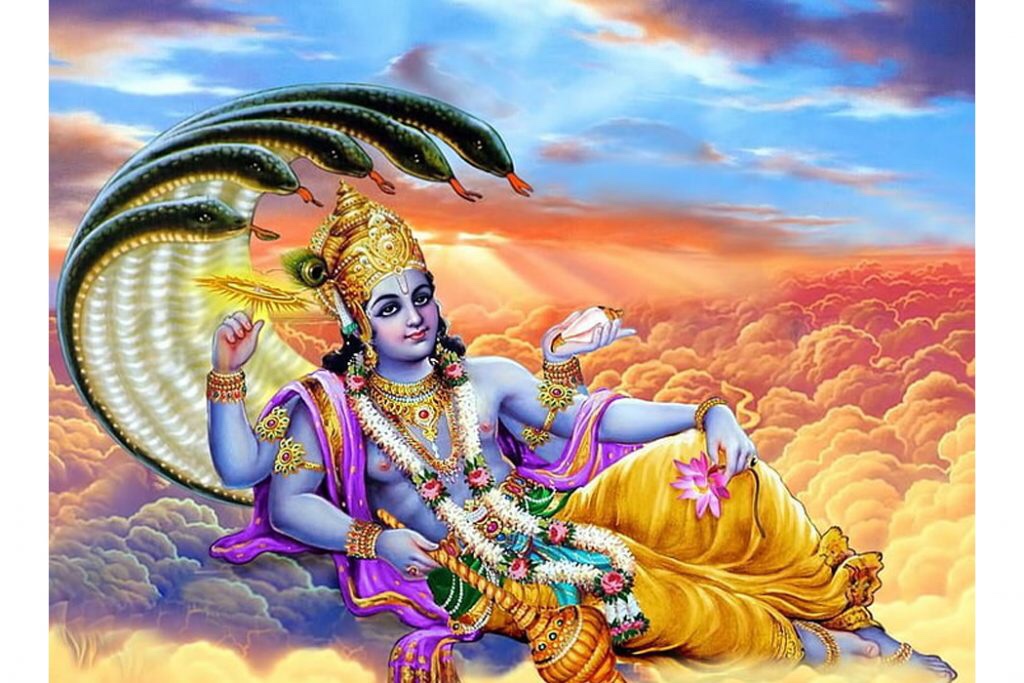
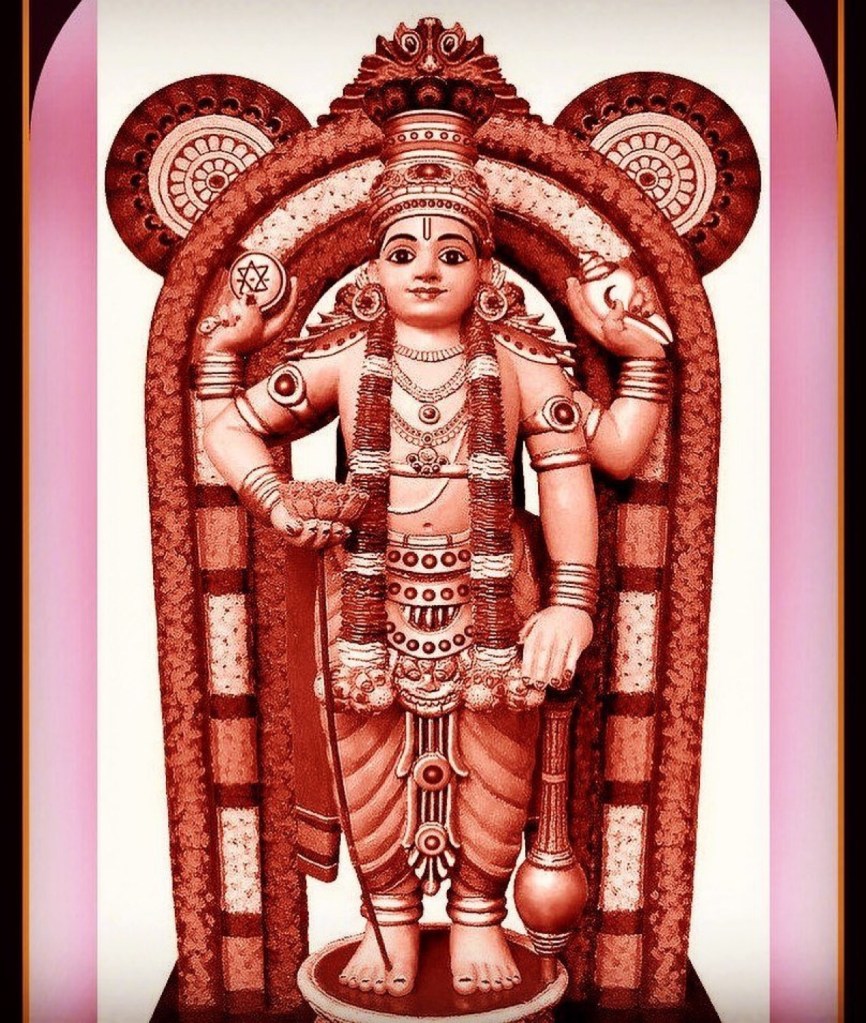
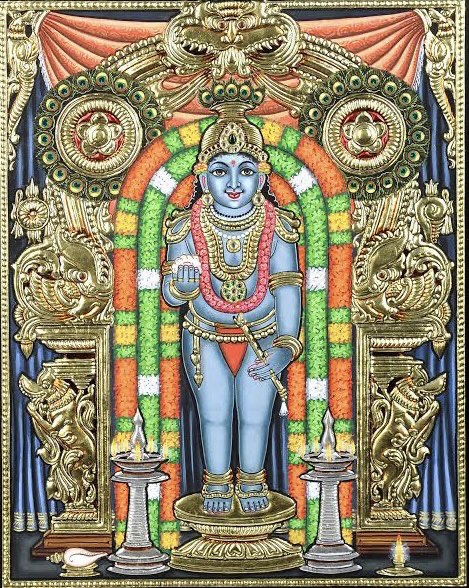
இப்படி காட்சிகள் பல கொடுக்கும் அத்தத்துவம்தான் இவ்வுலகை ஆளும் மந்திரவாதி. அதனைத்தான் நாம் கடவுள் என்கிறோம்.  அதனைத்தான் நாராயண பட்டத்ரி ஶ்ரீ குருவாயூரப்பன் வடிவிலே காண்கிறார்.

எனவே நாராயணீயத்தில் ஶ்ரீ குருவாயுரப்பன் என்று நாராயண பட்டத்ரி உரைக்கும் பொழுது, அது ஆதி அந்தமிலா பேரின்ப நிலையில் நீக்கமற நிறைந்திருக்கும் தூய உணர்வினைக் குறிக்கும் என்பதை மனதில் நாம் நிலைத்திட வேண்டும்.

இந்த தத்துவத்தைத்தான் ஆதிசங்கரர், ஶ்ரீதட்சிணாமூர்த்தி வடிவில் கண்டு கீழ்காணும் ஸ்லோகத்தில் எடுத்துரைத்தார்
தட்சிணாமூரத்தி ஸ்தோத்திரம் – 2
இனி அந்த மந்திரவாதி புரியும் மாயாஜாலக் காட்சிகளை நாம் அடுத்த பதிவுகளில் காணலாம்
இறையருள் பெருக. வளமுடன் வாழ்க!

Narayaneeyam Dasakam 5 – Cosmic Evolution – The Scientific Perspective

Big Bang
Word of Caution:

In the previous blog, we had clearly stated that we should have an overview of the various theories of Cosmic Evolution before attempting to understand the Dasakam 5 of Sriman Narayaneeyam.

This write up below is definitely not an exhaustive description of what our science talk about Creation.

The objective is to get a broad idea of the theory involved so that when we take up our Sanatan Perspective of the Cosmos and Cosmology, we will have a better appreciation of the later which in turn will help us to understand Sriman Narayaneeyam Dasakam 5 better.

Reader is strongly advised to strictly learn these under the guidance of a professional guide/teacher if one wants a deep dive in this subject.

Introduction

 “OMG, this is crazy. How did he do that”?

A very typical exclamation by the audience in a Magic Show. Across the world, irrespective of age, magic shows attract large audience. Why? Because Humans are curious.

Perhaps we are hardwired to the concept that behind every effect there has to be a cause. Therefore we are curious, particularly when we believe that in magic, there is a hidden cause that connects events where no cause apparently exists.

There is one most important magical reality about which humans have been ever so curious since their arrival in this planet - “Universe and its creation”.

How did we come into this earth? How was this universe created? Who created this Universe? When was it created? Where was it created and Why was it created? Is the creation a result of magical chaos or is there a scientific process? What was there before the creation?

Behind these probing questions lies our curiosity; the curiosity to understand the relationships between us, the magician and the magic. In other words, our curiosity is about ourselves as a creation.

When we discuss the subject of “creation”, we have several theories based on Science; each one putting out a strong case for themselves in terms of hypothesis, modelling, equations and validation. The Big Bang Theory is the leading scientific explanation for how the Universe began.

The Big Bang Theory

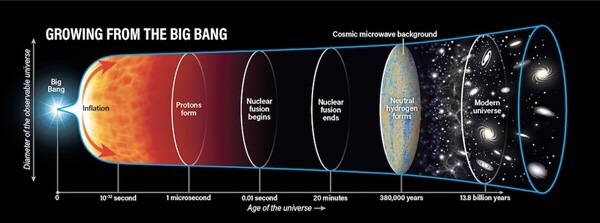
“Simply put, it says the universe as we know it, started with an infinitely hot and dense single point that inflated and stretched — first at unimaginable speeds, and then at a more measurable rate — over the next 13.7 billion years to the still-expanding cosmos that we know today”.

Around 13.7 billion years ago, everything in the entire universe was condensed in an infinitesimally small singularity, a point of infinite denseness and heat. Suddenly, an explosive expansion began, ballooning our universe outwards faster than the speed of light. This was a period of cosmic inflation that lasted mere fractions of a second.

When cosmic inflation came to a sudden and still-mysterious end, the more classic descriptions of the Big Bang took hold. A flood of matter and radiation, known as "reheating," began populating our universe with the stuff we know today: particles, atoms, the stuff that would become stars and galaxies and so on. This all happened within just the first second after the universe began, when the temperature of everything was still insanely hot, at about 10 billion degrees Fahrenheit (5.5 billion Celsius).

The cosmos now contained a vast array of fundamental particles such as neutrons, electrons and protons — the raw materials that would become the building blocks for everything that exists today.

This early "soup" would have been impossible to actually see because it couldn't hold visible light. "The free electrons would have caused light (photons) to scatter the way sunlight scatters from the water droplets in clouds," NASA stated.

Over time, however, these free electrons met up with nuclei and created neutral atoms or atoms with equal positive and negative electric charges. This allowed light to finally shine through, about 380,000 years after the Big Bang.

Sometimes called the "afterglow" of the Big Bang, this light is more properly known as the Cosmic Microwave Background called CMB. Existing technology doesn't yet allow astronomers to literally peer back at the universe's birth, much of what we understand about the Big Bang comes from mathematical formulas and models. Astronomers can, however, see the "echo" of the expansion through CMB.

Scientists have been trying to figure out how to "see" the Big Bang through other measures by simulating thousands of versions of the current universe on massive supercomputers.

Big Bang is often described as an "explosion". In an explosion, fragments are flung out from a central point into a pre-existing space. If you were at the central point, you'd see all the fragments moving away from you at roughly the same speed.

But the Big Bang wasn't like that. It was an expansion of space itself – a concept that comes out of Einstein’s equations of general relativity but has no counterpart in the classical physics of everyday life. It means that all the distances in the universe are stretching out at the same rate. Any two galaxies separated by distance X are receding from each other at the same speed, while a galaxy at distance 2X recedes at twice that speed.

The universe is not only expanding, but expanding faster. This means that with time, nobody will be able to spot other galaxies from Earth or any other vantage point within our galaxy.

Scientists agree that while we can understand how the universe we see came to be, it's possible that the Big Bang was not the first inflationary period the universe experienced. Some scientists believe we live in a cosmos that goes through regular cycles of inflation and deflation, and that we just happen to be living in one of these phases.

In other words, "What Science is now trying to do is something like guessing a baby photo of our universe from the latest picture."

Conclusion

In the words of Deepak Chopra, “Science has gone through a long, hard slog to replace magical thinking with rational cause-and-effect and yet  we are all embedded in a magical reality that has no cause or explanation”. 


While Science came out with credible explanation of how the Universe was created post “Big Bang” (the current theory believed to be the most scientific explanation of the phenomenon), what we seek is what happened before the Big Bang.

We are trying to understand who the “Magician” is, who generates creation without needing to be created. In other words we are looking for the “causeless cause” for and before the Big Bang. This means that

1. We need to be looking outside the system of cause-and-effect as within that cause & effect systems, a “causeless cause” is inconceivable.

2. We should be looking at “something” which has both existence and consciousness

We will see this “causeless cause” and our thought process in the next few blogs when we take up the study of “creation” from the Indian Perspective as per our Sanatan Dharma.

நாராயணீயம் தசகம் 5 – அண்டப் பரிணாமம் – அறிவியல் கண்ணோட்டம் – பேரியக்க கோட்பாடு (Big Bang Theory)

முக்கிய அறிவிப்பு

கீழே உள்ள இந்த பதிவு, நிச்சயமாக அண்டத்தின் படைப்பைப் பற்றி விஞ்ஞானம் என்ன சொல்கிறது என்பது பற்றிய முழுமையான விளக்கம் அல்ல. அண்டத்தின் படைப்பை பற்றிய விஞ்ஞான விளக்கங்களிலிருந்து நான் புரிந்து கொண்ட ஒரு மேலான கண்ணொட்டத்தின் வடிவே இது.

நாராயணீயம் தசகம் ஐந்தினை சரியாக புரிந்து கொள்வதே நமது குறிக்கோள். அதற்கு தேவையான புரிதலை நமக்கு அளிக்கவே இந்த பதிவுகள் என்பதை நாம் மனதில் நிலைநாட்ட வேண்டும். இதனை முந்தைய பதிவான நாரயணீயம் முகவுரையிலேயே அடியேன் குறிப்பிட்டிருந்தேன் என்பதையும் நினைவுகூறுக.

இந்த விஷயத்தில் ஆழ்ந்து அறிய விரும்பினால், சம்பந்தப்பட்ட தொழில்முறை வழிகாட்டி/ஆசிரியரை அணுகி, இவற்றைக் கற்றுக் கொள்ளுமாறு வாசகர்களை அன்புடன் கேட்டுக் கொள்கிறேன்.

முகவுரை

“கடவுளே! இது என்ன அதிசயம்! இது எப்படி சாத்தியம்? இதன் பின்னால் உள்ள ரகசியம் என்ன?”

ஒரு மந்திரவாதியின் காட்சிகளைக் கண்டு உலகம் முழுவதும், வயது வித்தியாசமின்றி நாம் கூறும் வார்த்தைகள், அல்லவா! ஏன் இப்படி வியக்கிறோம்? எதற்கு இந்த ஆர்வம்?

ஏனெனில், நாம் காணும் அந்த காட்சிகள், எந்த காரணமும் வெளிப்படையாக இல்லாத நிகழ்வுகளை இணைத்து நமக்கு ஒரு புது நிகழ்வாக தோற்றமளித்தாலும், அந்த தோற்றத்தின்பின் ஒரு மறைக்கப்பட்ட காரணம் இருப்பதாக நாம் நம்புவதனால் தான். அதாவது, காரணமில்லாமல் எந்த காரியமுமில்லை என்றும் காரண-காரிய(விளைவு) உறவு என்ற ஒன்றினை நாம் உறுதியாக நம்புவதாலும் தான்.

அதுபோல, இப்புவியில், பிறந்தது முதல் இறுதி வரை மனிதன் அறிய ஆவலாக இருக்கும் மிகப் பெரிய மந்திரக் காட்சி எது தெரியுமா? அந்த மிக முக்கியமான மாயாஜால உண்மைதான் "அண்டமும் அதன் படைப்பும்".

“இந்த பூமிக்கு எப்படி வந்தோம்?
இந்த பிரபஞ்சம் எப்படி உருவாக்கப்பட்டது?
இந்த பிரபஞ்சத்தை உருவாக்கிய மந்திரவாதி யார்?
அது எப்போது உருவாக்கப்பட்டது?
இது எங்கு உருவாக்கப்பட்டது, ஏன் உருவாக்கப்பட்டது? உருவாக்கம் மாயாஜால குழப்பத்தின் விளைவா அல்லது இதற்குப்பின் ஏதாவது ஓரு அறிவியல் செயல்முறை உள்ளதா? படைப்பிற்கு முன் என்ன இருந்தது?”

என்றெல்லாம் ஆர்வமிக்க கேள்விகளுக்கு விடைகள் காண முயல்கிறோம் நாம். ஆழ்ந்து நோக்கின், தன்னைப் பற்றி அறிந்து கொள்ள முயலும் உள்நோக்கிய பயணத்தின் வடிவங்களே இக்கேள்விகள் அனைத்தும்.

இக்கேள்விகளுக்கு இன்றைய விஞ்ஞான உலகத்தில், அறிவியல் ரீதியான விளக்கத்தை இப்போது அறிய முயலுவோம்.

பேரியக்க கோட்பாடு – ஒரு சுருக்கம் (Big Bang Theory in a nutshell)

அறிவியலை அடிப்படையாகக் கொண்ட பல கோட்பாடுகள் (theories) அண்டத்தின் படைப்பை பற்றி உள்ளன. தேவையான அனுமானங்கள் (assumptions), உருவகங்கள் (simulations), மாதிரிகள் (models), சமன்பாடுகள் (equations), ஊர்ஜிதங்கள் (validations) ஆகியவற்றின் அடிப்படையில் ஒவ்வொன்றும் தங்களின் கோட்பாடுகளை வலுப்படுத்தி வெளிப்படுத்துகின்றன. அத்தகைய கோட்பாடுகளில் மிகவும் பிரபலமான, முதன்மையான அறிவியல் விளக்கமே பெரு இயக்க கோட்பாடு (big bang theory) ஆகும். பலர் அதனை பெரு வெடிப்பு கோட்பாடு என்றும் கூறுகின்றனர்.

இந்த கோட்பாடை எளிமையாகச் சொல்ல வேண்டும் என்றால் “ நமக்குத் தெரிந்த இந்த பிரபஞ்சம், அளவிலா வெப்பம் அடங்கிய, அளவிலா அடர்த்தியான ஒற்றைப் புள்ளியுடன் தொடங்கியது. அது பின்னர் முதலில் கற்பனை செய்ய முடியாத வேகத்திலும் பின்னர் அளவிடக்கூடிய விகிதத்திலும் அடுத்த 13700 கோடி (13.7 billion) ஆண்டுகளாக தொடர்ந்து, இன்றும் கூட விரிவடைந்து கொண்டு வருகிறது” என்று கூறலாம்.

அதாவது, சுமார் 13700 கோடி ஆண்டுகளுக்கு முன்பு, இந்த அண்டமெனும் முழு பிரபஞ்சத்தில் அடங்கிய அனைத்தும், எல்லையற்ற அடர்த்தியும் வெப்பமுமாக வரையறுக்க முடியா ஒரு சிறு புள்ளியெனும் ஒருமையில் ஒடுக்கப்பட்டிருந்தது. அது திடீரென்று, ஒரு வெடிப்பென விரியத் தொடங்கி, ஒளியின் வேகத்தை விட வேகமாக நமது பிரபஞ்சத்தை வெளிப்புறமாக காற்றடைத்த பலூன் போன்று விரியச் செய்தது. இந்த அண்ட வீக்கம், காலத்தின் அளவில் ஒரு நொடியின் சில பகுதிகள் மட்டுமே நீடித்தது.

இந்த அண்ட விரிவாக்கம் திடீரெனவும் இன்றும் மர்மமாக உள்ள முடிவுக்கு வந்தபோது, இந்த பேரியக்கத்தின் உன்னதமான விளக்கங்கள் விஞ்ஞானிகளுக்கு புரியத்தொடங்கின.

அண்ட விரிவாக்க முடிவில், நிறையெனும் பொருள் (matter) மற்றும் ஆற்றல் (energy) எனும் கதிர்வீச்சு வெள்ளம் ஏற்பட்டு, இன்று நமக்குத் தெரிந்த துகள்கள், அணுக்கள், நட்சத்திரங்கள், விண்மீன் திரள்கள் மாறும் பல பொருட்களுடன் நமது பிரபஞ்சத்தை நிரப்பத் தொடங்கியது. இவை அனைத்தும் பிரபஞ்சம் தொடங்கிய முதல் வினாடியிலேயே நடந்தது. அவைகளனைத்தும் அப்போது 1000 கோடி டிகிரி ஃபாரன்ஹீட் (550 கோடி செல்சியஸ்) வெப்ப நிலையில் இருந்தன. இந்நிலையில் அண்டம் முழுவதிலும், இன்று இருக்கும் எல்லாவற்றிற்கும் கட்டுமானத் தொகுதிகளாக மாறும் மூலப்பொருட்களான மின் அணுக்களான நியூட்ரான்கள், எலக்ட்ரான்கள் மற்றும் புரோட்டான்கள் போன்ற அடிப்படைத் துகள்கள் நிறைந்து இருந்தன.

இந்த ஆரம்பகால "குழம்பு" உண்மையில் பார்க்க முடியாததாக இருந்திருக்கும், ஏனெனில் அது நமக்கு புலப்படும் ஒளி எதனையும் வைத்திருக்க முடியாது. மேகங்களில் உள்ள நீர் துளிகளிலிருந்து சூரிய ஒளி சிதறச் செய்வது போல, அண்டத்தில் அடங்கிய அந்த மின்ணனுக்கள் ஒளித்துகள்களை சிதறடித்திருக்கும் என நாசா நிறுவனம் கூறுகிறது.

காலப்போக்கில் இந்த அண்டக்குழம்பில் அடங்கிய மின்ணனுக்கள் கருவடைந்து அணுக்களாகி, நேர் எதிர் மறை மின்சக்திகள் பெற்று, பேரியக்க விரிவாக்கம் தொடங்கிய 380,000 ஆண்டுகளுக்குப் பிறகு ஒளிக் கதிர்களை பரப்பத் தொடங்கியது என்று விஞ்ஞானிகள் கூறுகின்றனர் இக்கோட்பாட்டினில்.

சில நேரங்களில் பேரியக்கத்தின் பின்னொளி என்று அழைக்கப்படும் இந்த ஒளி, CMB - Cosmic Microwave Background எனப்படும் அண்ட நுண்ணலைப் பின்னணி ஒளி என்று விஞ்ஞானிகளால் அறியப்படுகிறது.

தற்போதுள்ள தொழில்நுட்பம் கொண்டு, வானியலாளர்களை (astronomers) அண்டமெனும் பிரபஞ்சத்தின் பிறப்பைப் பார்க்க இயலவில்லை. பேரியக்கத்தைப் பற்றி நாம் புரிந்துகொள்வதில் பெரும்பாலானவை கணித சூத்திரங்கள், சமன்பாடுகள், மற்றும் மாதிரிகளிலிருந்து வந்தவை. இருப்பினும், வானியலாளர்கள், மேற்குறிய CMB எனும், அண்ட நுண்ணலைப் பிண்ணனி மூலம் விரிவாக்கத்தின் "எதிரொலியை" பார்க்க முடியும்.

அப்படி கண்ட. எதிரொலிகளை வைத்து, நாம் இன்று காணும் அண்டத்தின் ஆயிரக்கணக்கான பதிப்புகளை மிகப்பெரிய மின்கணனிகளில் உருவகப்படுத்துவதன் மூலம் அன்று நிகழ்ந்த பேரியக்கத்தினை காண இன்றைய விஞ்ஞானிகள் முயற்சித்து வருகின்றனர்.

இந்த பேரியக்கம் ஒரு பெரிய "வெடிப்பு" என்று குறுகிய நோக்கில் சிலர் விவரிக்கின்றனர். ஒரு வெடிப்பில், துண்டுகள் ஒரு மையப் புள்ளியிலிருந்து முன்பே இருக்கும் இடத்திற்கு வெளியேற்றப்படுகின்றன. நாம் மையப் புள்ளியில் இருந்தால், அனைத்து துண்டுகளும் தோராயமாக அதே வேகத்தில் நம்மிடமிருந்து விலகிச் செல்வதைக் காண்போம்.

ஆனால் பேரியக்கம் அப்படி இல்லை. இது விண்வெளியின் விரிவாக்கமாக இருந்தது - ஐன்ஸ்டீனின் பொதுச் சார்பியல் சமன்பாடுகளிலிருந்து (Einstein’ equation) வெளிவரும் ஒரு கருத்தும் இதே.

பிரபஞ்சம் விரிவடைவது மட்டுமல்ல, வேகமாகவும் விரிவடைகிறது. இதன் பொருள், காலப்போக்கில், பூமியில் இருந்தோ அல்லது விண்மீன் மண்டலத்தில் உள்ள வேறு எந்த இடத்திலும் இருந்து கொண்டோ, மற்ற விண்மீன் திரள்களை யாராலும் கண்டுபிடிக்க முடியாது.

நாம் பார்க்கும் பிரபஞ்சம் எப்படி உருவானது என்பதை நாம் புரிந்து கொள்ள முடியும் என்றாலும், இந்த பேரியக்கம் எனும் விரிவாக்கம் நடந்தது ஒன்றே ஒரு முறைதான் என்று திட்டவட்டமாக்கூற இயலாதென்பதை என்பதை விஞ்ஞானிகள் ஒப்புக்கொள்கிறார்கள். சில விஞ்ஞானிகள் நாம் வாழும் அண்டத்தில் விரிவாக்கம், சுருக்கம் (அதாவது வீக்கம், வாட்டம்) இரண்டும் மாறி மாறி வரந்திருக்கும்/வரும் எனவும் நம்புகின்றனர்.

“மொத்தத்தில் அறிவியல் இப்போது செய்ய முயற்சிப்பது நமது சமீபத்திய புகைப்படத்திலிருந்து குழந்தைப் பருவத்தில் நாம் எப்படி இருந்திருப்போம் என்று யூகிப்பது போன்றது.”

முடிவுரை

படைப்பு எனும் ஒரு மந்திரச்சிந்தனையை, பகுத்தறிவால், காரண-காரிய (விளைவு) உறவிற்குள் கொண்டுவர,  விஞ்ஞானம் நீண்டகாலமாக கடினமான முயற்சிகள் எடுத்து வருகிறது. இருப்பினும் இன்றும் நாம் அனைவரும் காரணமோ விளக்கமோ இல்லாத/கண்டு இயலாத ஒரு மாயாஜால யதார்த்தத்தில் உட்பொதிக்கப்பட்டுள்ளோம். 

பேரியக்க கோட்பாடு ஒன்றே தற்பொழுது இந்த நிகழ்வின் மிக துல்லியமான அறிவியல் விளக்கமாக நம்பப்படுகிறது. பேரியக்கத்திற்குப் பிறகு பிரபஞ்சம் எவ்வாறு உருவாக்கப்பட்டது என்பது பற்றிய நம்பத்தகுந்த விளக்கத்துடன் அறிவியல் வெளிக்கொணர்ந்தாலும், நாம் தேடுவது பேரியக்கத்திற்கு முன் என்ன நடந்தது என்பதைத்தான்.

அதாவது, உருவாக்கப்பட வேண்டிய அவசியமின்றி, படைப்பை உருவாக்கும் "மந்திரவாதி" யார் என்பதை நாம் புரிந்து கொள்ள முயற்சிக்கிறோம். அதாவது பேரியக்கத்திற்கு முன் உள்ள "காரணமற்ற காரணத்தை" நாம் தேடுகிறோம்.

அதை தேட வேண்டுமானால், நாம்

1. காரணம் - காரியம் (விளைவு) என்ற குறுகிய கண்ணோட்டத்தை கடந்து அந்த இரு அமைப்புகளுக்கு வெளியே நாம் பார்க்க வேண்டும், ஏனெனில் அந்த காரணம் மற்றும் விளைவு அமைப்புகளுக்குள், "காரணமற்ற காரணம்" என்பது நினைத்துப் பார்க்க முடியாதது.

2. நிறை -ஆற்றல் ( matter & energy), அதன் விளைவுகள் இவைகளைக் கடந்து இருப்பு-உணர்வு (existence & consciousness) என்ற இரண்டையும் கொண்ட "ஏதாவது" ஒன்றை நாம் அறிய வேண்டும்.

இதனைத்தான் நமது நாட்டிலே பல ஆயிரம் ஆண்டுகளுக்கு முன் நமது ரிஷிகளும், முனிவர்களும் பரம்பொருள், மாயை எனக் கண்டனர் அவர்களது ஆன்மீக ஆய்வால்.

அந்த ஆய்வுகளின் கண்ணோட்டங்களை வரும் வலைதளப் பதிவுகளில் காண்போம்.

இறையருள் பெருக! வளமுடன் வாழ்க!

நாராயணீயம் – தசகம் 5 – முகவுரை

ஶ்ரீ குருவாயூரப்பன்
நாராயண பட்டத்திரி நாராயணீயத்தை ஶ்ரீ குருவாயூரப்பனின் மகிமையுடன் தொடங்குகிறார் தசகம் 1ல். அதனில் அவர் தூய இருப்பு, தூய உணர்வு மற்றும் தூய பேரின்பம் (சத், சித், ஆனந்தம்) ஆகியவற்றின் உருவான பிரம்மன் எனப்படும் இறுதி யதார்த்தமே அந்த குருவாயூரப்பன்  என்று ஒரு அடையாளத்தை நிறுவுகிறார்.

அடுத்த தசகம் 2ல், அந்த பரப்பரம்மமாகிய சத் சித் ஆனந்தத்தை உணர வேண்டும் என்ற ஒன்றினையே குறிக்கோளாக வைத்து வாழ நினைக்கும் அடியார்களுக்கு ஶ்ரீ குருவாயூரப்பனின் (இறைவனின்) வசீகரமான வடிவத்தையும், பக்தி மார்க்கத்தின் மேன்மையையும் வெளிப்படுத்துகிறார்.

இதனை தொடரந்து, தசகம் 3-ல் பட்டத்ரி அப்படி வாழ்ந்திடும் ஒரு பக்தரின் குணாதிசயங்களை எடுத்துரைக்கிறார்.

இங்கனம் படிப்படியாக பக்தர்களின் மனதை பக்குவப்படுத்தியபின், நாராயண பட்டத்திரி தசகம் 4ல், ஶ்ரீ குருவாயூரப்பன் மீது நமது மனதை நிலைநிறுத்துவதற்கான நுட்பங்களை அஷ்டாங்க யோகத்தின் மூலம் (எட்டுவிதமான ஒழுக்க முறைகள்) எடுத்துரைக்கிறார்.

அடுத்து வரும் தசகம் 5ல், ஸ்ரீ நாராயண பட்டத்திரி விசாரணையை அண்டம் (பிரபஞ்சம்) எனும் உயர்நிலைக்கு எடுத்துச்செல்கிறார். ஆன்மீகத்தில் முன்னேற்றம் காணும் போது அண்டத்தில் உள்ளதே பிண்டத்தில் உள்ளது எனும் உணர்வினை நமக்கு ஊட்டிட, அண்டம் உருவானது எப்படி என்பதை விவரிக்கிறார்.

அண்டமும் அதன் பரிமாணமும்

அண்டம் என்றவுடன் தெளிவான மற்றும் மூடுபனி இல்லாத நாளில், சந்தி வேளையில் அடிவானத்தை தொடர்ந்து அண்ணார்ந்து பார்த்தால், நாம் பிரகாசமான நட்சத்திரங்கள் மற்றும் கிரகங்களைக் காணலாம். அப்படி காணும் போது நமது சிந்தனை எங்கு செல்கிறது? 

அடேயப்பா! என்ன அருமை! என்ன படைப்பு! எப்படி இது சாத்தியம்? என்றெல்லாம் வியக்கிறோம் அல்லவா.

1. அண்டம் என்பது என்ன? ஏன் ஒன்றுமில்லை என்பதை விட இருப்பு என்ற ஒன்று இருக்கிறது?

2. அண்டமும் அண்டத்தில் காணும் இவைகளனைத்தும் எவ்வாறு தோன்றின?

3. இந்த செயல்பாட்டில் ஒரு ஒழுங்கு இருக்கிறதா? அல்லது ஒன்றுக்கொன்று தொடர்பில்லாமல் தனித்தனியாக இயங்குகின்றனவா?

இப்படியெல்லாம் வியந்து, நமது எண்ணப் பறவைதனை சிறகடித்துப் பறக்க விடுகின்றோமல்லவா!

அப்படி நாம் பிரபஞ்சத்தை உற்றுப் பார்க்கும்போதும், சிந்திக்கும்போதும், இந்த அற்புதமான பிரபஞ்சத்தை எல்லையற்ற நுண்ணறிவு ஒன்று ஆளுகிறது என்பதை புரிந்து கொள்ள நமது பகுத்தறிவுள்ள மனதிற்கு கடினமாக இருக்காது.

இதைத்தான் நமது ரிஷிகள் ஆழ்ந்து கவனித்து ஆய்வு செய்தனர். இதைத்தான் நாராயண பட்டத்திரி தசகம் 5ல் கோடிட்டுக் காட்டுகிறார்.

தேவையான மனப்பான்மை

தசகம் 5-ஐப் பற்றிக் கூறுவதற்கு முன், ஸ்லோகங்களைச் சரியான கண்ணோட்டத்தில் புரிந்துகொள்வதற்கு, நமது ரிஷிகளால் நமது மறைகளில் விளக்கப்பட்டுள்ள பிரபஞ்ச பரிணாமத்தைப் (cosmic evolution) பற்றிய ஒரு கண்ணோட்டம் இன்றியமையாதது.

இந்த பிரபஞ்சத்தின் தோற்றத்தை விளக்கும் அதி உயர் கணனிகள் (super computers), நவீன அறிவியல் சாதனங்கள் மற்றும் கருவிகள் எதுவும் நம் முன்னோர்களிடம் இருக்கவில்லை என்பதை நாம் மனதில் தெளிவுபடுத்திக்கொள்ள வேண்டும். அவர்களிடம் இருந்த தரவுகள் (data) குறைவு. எனினும் ஆண்டவன், அண்டம், பிண்டம் எனும் மூன்று தத்துவங்களுக்கிடையேயான உறவுகளைப் புரிந்துகொள்வதில் திடமான மன உறுதியும் “எள்ளத் தனைப்பொழுதும் பயனின்றியிராது, நெஞ்சினிலே நீதியும் நேர் கொண்ட பார்வையுடன், நம்புவதே வழி என்ற மறைதன்னை நம்பி” இறைபக்தியுடன் தன் தூய மனமெனும் அதி உயர் கணினி ஒன்றை மட்டுமே பயன்படுத்தி அண்டத்தில் நடக்கும் நிகழ்வுகளை புராணக் கதைகளின் வடிவத்தில் விளக்கினர் நமது ரிஷிகளும் முனிவர்களும்.

பொறி புலன் சார்ந்த இன்றைய விஞ்ஞான காலக்கட்டத்தில் பொருள் சார்ந்த ஆராய்ச்சிகளின் வழியாக கண்டவைகள் மட்டுமே உண்மை எனும் தற்போதைய படைப்புக் கோட்பாட்டின் மீது மிகுந்த நம்பிக்கை நமக்கு இருப்பதால், இந்த புராணக் கதைகளை மூடநம்பிக்கை என்று நாம் புறக்கணிப்பதில் வியப்பு ஒன்றுமில்லை.அந்த ரீதியில் இந்த கதைகளை எடுத்துக் கொண்டால் அவைகளில் எந்த அர்த்தமும் இல்லை என்று தோன்றும்.

இருப்பினும் திறந்த மனமுடன், முன்முடிவுகள் எதுவுமில்லாமல் (open mind without preconceived notions) நாம் நமது பிண்டத்தை உள்நோக்கி ஆழமாக சிந்தித்துப் பார்த்தால் இதன் பின்னணியில் உள்ள தத்துவத்தை ஒருவர் புரிந்து கொள்ள முடியும்.

இன்றைய விஞ்ஞானிகள் கணித சமன்பாடுகள், உருவகங்கள், மாதிரிகள் (equations, simulations, models) போன்ற கருவிகளைப் பயன்படுத்தி அண்டத்தை ஆய்வு செய்ய புறநோக்கு வழிமுறைகளைப் பயன்படுத்தி பொறி, புலன், பொருள் சார்ந்த ஆய்வுகளை (materialistic research) நடத்துகின்றனர்.

நமது முன்னோர்கள், நமக்குள் என்ன நடக்கிறது என்பதைப் புரிந்துகொள்வதற்கும், புராணக் கதைகள் மூலம் வெளியில் நடப்பதை மாதிரிகளாகப் புரிந்துகொள்வதற்கும் அஷ்ட யோகம், தியானம் முதலிய உள்நோக்கிய வழிமுறைகளைப் பயன்படுத்தி ஆன்மீக ஆய்வுகளைப் புரிந்தனர். அவ்வளவுதான் வித்தியாசம்.

இப்படி வேறுபட்ட ஆராய்வுகளின் மூலம் அறிய எண்ணும் ஆண்டவனை (ஆண்டவனின் வெளிப்பாட்டை) நாம் அறிவது என்பது ஒரு முடிவிலி. அதனால் தான் இரண்டு வழிமுறைகளும் வெறும் அனுமானங்களே. நமக்கு தேவை நேரடி சுய உணர்வு. அப்படி இருக்கையில், ஒன்றை மட்டும் வெறும் கட்டுக்கதைகள் என்றும் உண்மை அல்ல என்றும், மற்றொன்றை சரி என்றும் உண்மை என்றும் கருதுவது நமது மடமையைக் குறிக்கும்.

இனி வருவது

அடுத்த சில வலைப்பதிவுகளில், அண்ட பரிணாமத்தின் விஞ்ஞான மற்றும் ஆன்மீக முன்னோக்குகளின் கண்ணோட்டத்தை அறிய முற்படுவோம். இது நாராயணீயம் தசகம் 5 ஐ நன்கு புரிந்துகொள்ள நமக்கு உதவும்.

இந்த வலைப்பதிவுகள் எனது மற்றொரு வலைதளப் பதிவிலும் (substack -சப்ஸ்டாக்) ஆங்கில செய்திமடல் வடிவில் (newsletter) வெளிவரும். அதன் இணைப்பு இதோ.

https://soundar53.substack.com

Narayaneeyam – Daskam 5 – Preface

Sri Guruvayurappan

Introduction

Sri. Narayana Bhattathri starts Narayaneeyam with description and the glory of Lord Guruvayurappan in Dasakam 1, where he establishes the identity of the Lord with the Ultimate Reality called Brahman, the embodiment of Pure Existence, Pure Consciousness and Pure Bliss (Sat, Cit, Anandam).

In the next Dasakam 2, he brings out the charming form of the Lord and the superiority of the path of devotion in one’s goal of realising Sat Cit Anandam. 

He follows it up by identifying the traits and true characteristics of a devotee in Daskam 3. Having conditioned the mind of the devotees with these overall preparations, Bhattathri then addresses the techniques of establishing their minds on Lord Guruvayurappan through Ashtanga Yoga (the eightfold discipline) in Dasakam 4.

In Dasakam 5, Sri Narayana Bhattathri elevates the plane of inquiry to the Cosmos. After all what happens in Cosmos and what happens inside each of us can’t be entirely different when it comes to spiritual progress towards the Ultimate Reality.

Cosmos – Coexistence of tradition and modernity in understanding the “Poornam” (Infinity)

Talking about Cosmos, on a clear and fog free day, during the “सन्ध्या काल" "sandhya kaala” (translated as “twilight” in English) the brightest stars and planets can be seen, the horizon and terrestrial objects can be discerned. During this period, have you ever gazed observantly and reflectively the outer space?

1. Why is there something rather than nothing?

2. How did these come into existence?

3. Is there an order in this process?

When we do Cosmos gazing and contemplate, it is not difficult for a rational mind to “inescapably impose upon us the comprehension that an infinite intelligence rules this wonderful cosmos”. This is what our Rishis observed and studied in depth. This is what Narayana Bhattathri is outlining in Dasakam 5.
Before we get on with Dasakam 5, an overview of the Cosmic Evolution as explained by our Rishis in our Scriptures is vital to appreciate the Slokas in the correct perspective.

We must bear in our minds that our ancestors did not have any of the modern scientific equipment and tools to explain the origin of this universe. The amount of data that they had was limited.

All that were there, were only positive thinking rational individuals with a firm grit and determination to understand the relationships between individual, the universe and the creator. The tools and equipment they had were super computers called brain and an operating system called “manas” or the mind in each of them. They modelled the cosmological events in the form of mythical stories.

In the modern times, being so confident in our present theory of creation we disregard these mythical stories as superstition. Taken literally these stories do not make any sense, however if we contemplate deeper one can make sense of the philosophy behind it.

After all today’s science uses outward looking means to probe Cosmos using mathematical models while Seers and Saints used inward looking means to understand what is happening deep down inside us and relate it to what is happening outside through mythical stories as models.

What next?

In the next few blogs, we will have a quick overview of the modern and traditional perspectives of the Cosmic Evolution. This will help us to understand the Dasakam 5 better.

These blogs will also appear as newsletter in my Substack page

https://soundar53.substack.com

Narayaneeyam- Dasakam 4 – Sloka 15

Introduction

Bhattarhri who sings the glories of Guruvayurappan, concludes Dasakam 4 with a fervent appeal for protection. 

Audio Link for chanting

https://www.dropbox.com/s/i1uogsa18lzoshm/4-15.mp3?dl=0

Sanskrit Verse

अर्चिरादिगतिमीदृशीं व्रजन् विच्युतिं न भजते जगत्पते ।

सच्चिदात्मक भवत् गुणोदयानुच्चरन्तमनिलेश पाहि माम् ॥

English Transliteration

archiraadigatimiidR^ishiiM vrajan vichyutiM na bhajate jagatpate |

sachchidaatmaka bhavadguNOdayaanuchcharantamanilesha paahi maam ||

Tamil Transliteration

அர்சிராதி₃க₃திமீத்₃ருஶீம் வ்ரஜந் விச்யுதிம் ந ப₄ஜதே ஜக₃த்பதே |

ஸச்சிதா₃த்மக ப₄வத் கு₃ணோத₃யாநுச்சரந்தமநிலேஶ பாஹி மாம் ||

Meaning in Tamil

ஒளிமயமான இவ்வழி செல் அடியார் அந்நிலையிருந்து

வீழ்வதில்லை பிறவிப் பெருங்கடலில் ஜகந்நாதா! என்

சிந்தைநிறுத்தி என்நேரம் உன் புகழ்பாடும் பரமன் எனை

காத்திடு
சத்சிதானந்த முர்த்தி, குருவாயூரப்பனே !

Meaning in English

O Lord of the Universe! The devotee who thus goes through the luminous path does not fall any more to the netherworlds. O Lord of Guruvaayur! The embodiment of pure consciousness absolute, please protect me, Thy devotee, who is ever singing Thy glories.

Meaning of the Sanskrit Words

अर्चि: - आदि-गतिम् - the path of light etc

ईदृशीं - of this kind

व्रजन् - passing through which

विच्युतिं - downfall (return to Sansaara)

न भजते - (the yogi) does not suffer

जगत्प - O Lord of the Universe!

सच्चिदात्मक - O Embodiment of pure existence consciousness

भवत्-गुण-उदयान् - the glory of Thy excellences

उच्चरन्तम् - (me who am) always singing

अनिलेश - O Lord of Guruvaayur

पाहि माम् - protect me

Narayaneeyam- Dasakam 4 – Sloka 14

Introduction

Bhattathri points out the final phase of the luminous path of the “Krama Mukti Sadakas”; the culmination of their journey.

Audio Link for chanting

https://www.dropbox.com/s/p5yowxadytt29va/4-14.mp3?dl=0

Sanskrit Verse

तस्य च क्षितिपयोमहोऽनिलद्योमहत्प्रकृतिसप्तकावृती: ।

तत्तदात्मकतया विशन् सुखी याति ते पदमनावृतं विभो ॥

English Transliteration

tasya cha kshitipayO mahO(a)niladyOmahatprakR^iti saptakaavR^itiiH |

tattadaatmakatayaa vishan sukhii yaati te padamanaavR^itaM vibhO

Tamil Transliteration

தஸ்ய ச க்ஷிதிபயோமஹோ(அ)நிலத்₃யோமஹத்ப்ரக்ருதிஸப்தகாவ்ருதீ: |

தத்ததா₃த்மகதயா விஶந் ஸுகீ₂ யாதி தே பத₃மநாவ்ருதம் விபோ₄ ||

Meaning in Tamil

பஞ்ச பூதமுடன் மாயைகலந்த இயல் நிலையெனும்

ஏழ்கடல் வழிநுழைந்து பேரானந்தக் கடல்மூழ்கித்

திளைத்தெழுந்து அக்கடல் கடந்து ஆனந்த ஜோதி

அருள்நிறை வடிவிலா உன்னிடம் கலந்திடுவர் அவர்!

Meaning in English

O All Pervading Lord! Thy devotee enters each of the seven sheaths of the cosmic sphere,i.e. earth, water, fire, air, space, the cosmic intelligence, and primordial nature. He enjoys the bliss thereof and transcends them to reach Thy unobstructed state -the merger in Thee, The Supreme Brahman

Meaning of the Sanskrit Words

तस्य च - and of that (Brahmaanda)

क्षिति-पयो-मह:-अनिल-द्यो-महत्-प्रकृति - the spheres namely - earth, water, fire air, space, cosmic intelligence, and the primordial nature

सप्तक-आवृती: - the seven barriers (of the cosmic sphere)

तत्-तत्-आत्मकतया विशन् - transcending by realising his identity with each one of them

सुखी - enjoying bliss

याति - reaches

ते पदम्-अनावृतं - The unobstructed state (beyond all barriers)

विभो O - All Pervading Lord!

Narayaneeyam- Dasakam 4 – Sloka 13

Introduction

Bhattathri in this Sloka outlines the process of liberation (salvation) from the higher Lokas for the Krama Mukti Sadakas who have reached there and living there.

Audios Link for chanting

https://www.dropbox.com/s/hzc6jxu2cfmwvoc/4-13.mp3?dl=0

Sanskrit Verse

तत्र वा तव पदेऽथवा वसन् प्राकृतप्रलय एति मुक्तताम् ।

स्वेच्छया खलु पुरा विमुच्यते संविभिद्य जगदण्डमोजसा ॥

English Transliteration

tatra vaa tava pade(a)thavaa vasan praakR^itapralaya eti muktataam |

svechChayaa khalu puraa vimuchyate sanvibhidya jagadaNDamOjasaa ||

Tamil Transliteration

தத்ர வா தவ பதே₃(அ)த₂வா வஸந் ப்ராக்ருதப்ரலய ஏதி முக்ததாம் |

ஸ்வேச்ச₂யா க₂லு புரா விமுச்யதே ஸம்விபி₄த்₃ய ஜக₃த₃ண்ட₃மோஜஸா ||

Meaning in Tamil

அயனுலகிலோ, அனந்தன் உன் உலகிலோ வசித்து

அவரடைவர் பேரின்ப வீடுபேறு பேரழிவு காலமதில்!

அவர்தம் யோகவலிமை கொண்டு பேரண்டம் துளைத்து

அடைந்திடுவர் முக்தியெனும் வீடுபேறு விரைவினிலே

அவர் விழைந்தனில், அகிலமெலாம் ஆளும் ஆண்டவனே!

Meaning in English

The yogi who attains this aspect of the migration into the Brahmaloka or in Thy abode, Vaikuntha is liberated at the time of Maha Pralaya. Or, if he so desires, he is liberated even earlier by piercing through the Brahmaanda and releasing himself by his yogic power.

Meaning of the Sanskrit Words

तत्र वा - either there (in Brahmaloka)

तव पदे-अथवा - or in Thy world (Vaikuntha)

वसन् - residing

प्राकृतप्रलये - at the time of Prakrita pralaya

एति मुक्तताम् - he attains liberation

स्वेच्छया खलु पुरा - (or) at his will even earlier, indeed

विमुच्यते - he becomes liberated

संविभिद्य - piercing through

जगत्-अण्डम् - the Brahmaanda (the cosmic sphere)

ओजसा - by his yogic power

Narayaneeyam- Dasakam 4 – Sloka 12

Introduction

Continuing the journey of the Sadaka through Krama Mukti, Bhattathri now deals with the next level i.e., from Mahara Loka to Brahma Loka. Let us study the Sloka.

Audio Link for chanting

https://www.dropbox.com/s/q2iofka8yuisiev/4-12.mp3?dl=0

Sanskrit Verse

आस्थितोऽथ महरालये यदा शेषवक्त्रदहनोष्मणार्द्यते ।

ईयते भवदुपाश्रयस्तदा वेधस: पदमत: पुरैव वा ॥१२॥

English Transliteration

aasthitO(a)tha maharaalaye yadaa sheShavaktradahanOShmaNaardyate |

iiyate bhavadupaashrayastadaa vedasaH padamataH puraiva vaa ||

Tamil Transliteration

ஆஸ்தி₂தோ(அ)த₂ மஹராலயே யதா₃ ஶேஷவக்த்ரத₃ஹநோஷ்மணார்த்₃யதே |

ஈயதே ப₄வது₃பாஶ்ரயஸ்ததா₃ வேத₄ஸ: பத₃மத: புரைவ வா ||

Meaning in Tamil

துருவ மண்டலம் அடைந்து, மகர உலகமதில் வாழ்ந்து,

அழித்திடும் பிரளயதருணமதில் ஆயிரத்தலையுடை ஆதிஅரன்

கக்கும் அழல் அனல் தாளாமல் அண்டிடுவர் உன்னிடம்!

அவர் அடைவர் அயனுலகம்! அடையலாம் அவ்வுலகம்

அனல் வரவு முன்னும் அவர், உனைச் சரண்டைந்து!!

Meaning in English

After reaching the land of Dhruva and a long stay in Mahar loka, when they start suffering from the hot breath of Adhi Sesha, they surrender completely to you and reach the land of Brahma.  Or may choose to go to the world of Brahma even before the fire starts.

Meaning of the Sanskrit Words

आस्थित: अथ महरालये - residing there (in Dhruvaloka), then in Maharloka,

यदा शेषवक्त्र-दहन-ऊष्मणा - when, by the heat emanating from the mouth of Aadishesha ( at the approach of the cosmic dissolution)

आर्द्यते (he) - is tormented

ईयते (he) - reaches

भवत्-उपाश्रय: - taking refuge in Thee alone

तदा - then

वेधस: पदम् - the world of Brahmaa (Brahmaloka)

अत: पुरा-एव वा - or even before that (before the fire)

Narayaneeyam- Dasakam 4 – Sloka 11

Introduction

“There are in the Upanishads, intimations of Krama-Mukti or the progressive process of the liberation of the soul. 

The Upanishads are emphatic in their statements that one who reaches through unselfish meditation and knowledge this Supreme Cause does not return to the mortal coil, but proceeds further to the Absolute Reality.

The Mundaka Upanishad says that the sages in the world of Brahma are liberated beyond death in the end of time. Those who attain the world of the Karya-Brahman remain there until the end of the universe, enjoying the effects of their "Satyakamas" and "Satyasankalpas", the fruits of their desires and willings based on Truth. Whatever they wish arises then and there instantaneously, for they are in harmony with the Universal Being. They enjoy the highest approximation to the bliss of the Lord of the universe”.

This is what Bhattathri is highlighting in this Sloka 11.

Audio Link for chanting

https://www.dropbox.com/s/94kkjiubrzmeul9/4-11.mp3?dl=0

Sanskrit Verse

अग्निवासरवलर्क्षपक्षगैरुत्तरायणजुषा च दैवतै: ।

प्रापितो रविपदं भवत्परो मोदवान् ध्रुवपदान्तमीयते ॥११॥

English Transliteration

agnivaasaravalarkshapakshagair uttaraayaNajuShaa cha daivataiH |

praapitO ravipadaM bhavatparO mOdavaan dhruvapadaantamiiyate || 11

Tamil Transliteration

அக்₃நிவாஸரவலர்க்ஷபக்ஷகை₃ருத்தராயணஜுஷா ச தை₃வதை: |
ப்ராபிதோ ரவிபத₃ம் ப₄வத்பரோ மோத₃வாந் த்₄ருவபதா₃ந்தமீயதே ||

Meaning in Tamil


பகல் நேரமதில், வளர்பிறையில், அழல் உதவியுடன்,

பகலவனின் வடதிசைப் பயணத்தில், தேவதைகள் வழிகாட்ட


சுழுமுனையில் பிராணம் விடுத்து, அடைவர் ஆதவனுலகம்!

அங்கு, ஆனந்த போகம் அனுபவித்துப்பின் அடைவர்


துருவமண்டலம், கிரமமுக்திவிழை உன் பக்தர்கள் பரமனே, !!

Meaning in English

O Lord! Thy devotee who follows the Krama Mukti path is led by the presiding deities of fire, day time, the bright fortnight, and Uttaraayana to the plane of the sun and enjoying in each of these spheres reaches the realm of Dhruva

Meaning of the Sanskrit Words

अग्नि-वासर-वलर्क्ष-पक्षगै: - Agni (fire), Vaasara (daytime), Valaraksh paksha (the bright fortnight-Shukla Paksha)

उत्तरायणजुषा - and the Uttaraayanaa

दैवतै: presided over by the respective deities

प्रापितो रविपदं - (then) being led to the plane of the Sun

भवत्-पर: - he who is devoted to Thee

मोदवान् - while enjoying (the facilities of the various higher realms)

ध्रुवपदान्तम् ईयते - is next led to the sphere of Dhruvaloka