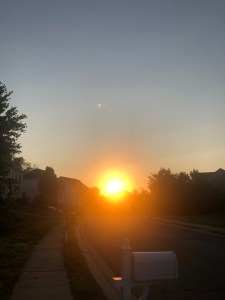
In an interview done through my iPhone in mid September 2020, the Sun gave an exclusive preview of what is in His mind.
“I have been rising early all summer. I am tired of “Early to rise and late to bed”. It is now “late to rise and early to bed”. Times are changing and so too are the colors. It is time for me to relax. If you guys want, you can change your time as per my schedule” – says the Sun. Justifiably so – isn’t it?
Just getting out of the bed at 0706 hrsGetting up after 0700 hrs is the new normal nowBy the time I get my looks back, it is around 0815 hrs these days Even around 0900 hrs, somedays I feel lazy.
The Vedas provide a very important role for water. “As per Vedas, water dwells where gods dwell. Rain God and Sun God are his companions. He keeps an eye on the good and evil deeds of men”. Its availability and purity reflects human life. It is the “Pratibimba” (reflections) of life.
Here are a few of my “reflections” during my recent visit to Hamptons.
in the concluding phase of Aditya Hridayam, the impact that the Sun had on a tired and weary Rama is brought out. While these verses might sound “unrealistic” to some of the present time “rational thinking” personnel, the fact that Sun has a refreshing effect on life and rejuvenates millions of living beings into action is undeniable.
Verse 28
एतच्छ्रुत्वामहातेजाःनष्टशोकोऽभवत्तदा।
धारयामाससुप्रीतोराघवःप्रयतात्मवान्॥२८॥
– EtacchrutvA mahAtEjA naShTashOkO$bhavattadA
– dhArayAmAsa suprItO rAghava: prayatAtmavAn
Meaning of the Sanskrit Words
tadA = then
mahAtEjA = one with tremendous energy
Etat = this
shrutvA = having heard
naShTashOka: = losing grief, cheered up
abhavat = became [Simple Past, la~Ng lakAra:]
suprIta: = pleased, gladdened
prayatAtmavAn = one with a pious-minded, subdued mind
Starting from the end of Verse 15, Sage Agasthya brings out the salutory tone (nama:) and continues until the 21st verse, showering the Lord Sun (sUryA) with more positive epithets (அடைமொழி) such as victory (jaya), happiness (Bhadra) etc
Verse 16
नमःपूर्वायगिरयेपश्चिमायाद्रयेनमः।
ज्योतिर्गणानांपतयेदिनाधिपतयेनमः॥१६॥
nama: pUrvAya girayE pashcimAyAdrayEnnama:
jyOtirgaNAnAm patayE dinAdipatayE nama:
Meaning of the Sanskrit Words
nama: = salutations
pUrva = eastern
giri: = mountain
pashcima = western
adri: = mountain
jyOti: = light
gaNa: = collection, group
jyOtirgaNa: = collection of stellar bodies
pati: = ruler, leader
dina = day
adhipati: = ruler, Lord
Meaning of the Verse
Salutations be to the eastern and western mountains, to
the Lord of the celestial bodies, to the Lord of the day
Meaning in Tamil
காலையில் உதிக்கும்கீழ்மலையேபோற்றி
மாலையில் சாயும்மேல்மலையே போற்றி
ஜோதியுள்விண்மண்டலவேந்தனேபோற்றி
பகலுக்குத் தலையான பரமனே போற்றி
——————————————————————
Verse 17
जयायजयभद्रायहर्यश्वायनमोनमः।
नमोनमस्सहस्रांशोआदित्यायनमोनमः॥१७॥
jayAya jayabhadrAya haryashvAya namO nama:
namO nama: sahasrAmsha AdityAya namO nama:
Meaning of the Sanskrit Words
jaya: = victory; epithet for sun
bhadra = happy; auspicious
jayabhadra: = happiness from victory
hari = green; greenish-yellow
ashva: = horse
nama: = salutation
sahasra = thousand; large number
amsha: = part, portion [amshu: = ray]
Aditya: = son of Aditi
Meaning of the Verse
Salutations be to the victor (sun), the happiness from
victory, the one with the green horses, the one with a
thousand parts/rays, the son of Aditi.
Meaning in Tamil
வெற்றியின்வடிவேபோற்றி
பெற்றிடும்மகிழ்வேபோற்றி
பசுமைப்பரிபூணுடையோனேபோற்றி
ஆயிரம்கரமுடையோனேபோற்றி
வான்அன்னைஅதிதியின்மகனேபோற்றி
—————————————————————-
Verse 18
नमउग्रायवीरायसारङ्गायनमोनमः।
नमःपद्मप्रबोधायमार्तण्डायनमोनमः॥१८॥
nama ugrAya vIrAya sAra.NgAya namOnnama:
nama: padmaprabOdhAya mArtaNDAya namOnnama:
Meaning of the Sanskrit Words
nama: = salutations
ugra: = ferocious, powerful; intensely hot;
(also a name of Shiva)
vIra: = powerful one; hero
sAra.Nga: = has ~30 meanings; here, it is “light”;
(primarily used to refer to “spotted deer”)
padmaprabOdha: = awakening of the lotus, stimulating
the expansion, blooming of a lotus
mArtaNDa: = sun
Meaning of the Verse
Salutations be to the fearful, powerful sun, who is
the awakener of the lotus.
Meaning in Tamil
அச்சம்தரும்ஆதவனேபோற்றி
அனைத்தும்வெல்லும்அதிவீரனேபோற்றி
வண்ணஒளியோனேபோற்றி
ஆம்பல்மலரஅருள்புரிவோனேபோற்றி
ஆதவஅய்யனேபோற்றிபோற்றி
———————————————————————-
Verse 19
ब्रह्मेशानाच्युतेशायसूर्यादित्यवर्चसे।
भास्वतेसर्वभक्षायरौद्रायवपुषेनमः॥१९॥
brahmEshAnAcyutEshAya sUryAyAditya varcasE
bhAsvatE sarva bhakshAya rOudrAya vapuShE nama:
Meaning of the Sanskrit Words
brahma: = Brahma
IshAna: = Shiva; ruler, lord
acyuta: = Vishnu
Isha: = ruler; Shiva
sUrya: = sun
Aditya: = sun, son of Aditi
varca: = brilliance, vigor, splendor
bhAsvat = luminous, resplendent
sarva = all
bhaksha: = consumer, devourer
rOudra: = like Rudra; worshipper of Rudra; fierce one
vapuSh = body; handsome
Meaning of the Verse
Salutations be to the ruler of Brahma, Shiva and Vishnu,
the Sun, the brilliance in Him, the devourer of all, and
the one appearing to take the form of Rudra
Meaning in Tamil
அயனாகிஅனந்தனாகிஆதியோகியாகி
அதிதியின்புதல்வனாகிஆற்றல்நிறையோனாகி
சுடரொளிவீசீஅனைத்தும்நுகர்வோனாகி
அஞ்சுவருதோற்றமுடைஅழகோனேபோற்றி
—————————————————————————
Verse 20
तमोघ्नायहिमघ्नायशत्रुघ्नायामितात्मने।
कृतघ्नघ्नायदेवायज्योतिषांपतयेनमः॥२०॥
tamOghnAya himaghnAya shatrughnAyAmitAtmanE
kRtaghnahanAya dEvAya jyOtiShAm patayEnnama:
(Also kRtaghnaghnAya…)
Meaning of the Sanskrit Words
tama: = darkness
ghna = killing, removing; curing
himam = coldness, frost
shatrughna: = destroyer of enemies
amitAtman = immeasurable form
krutaghna = ungrateful
hana: = destroy
[ghna is also “to destroy”, so “kRtaghna-ghnAya” and
“kRtaghna-hanAya” mean the same]
dEva: = Deva
jyOtis = heavenly body
jyOtiShAm = of heavenly bodies
pati: = ruler, Lord
nama: = salutations
Meaning of the Verse
Salutations be to He who is the dispeller of darkness,
destroyer of cold and enemies, who has an immeasurable
form, is a destroyer of the ingratiates, the Deva who
is the ruler of the heavenly bodies
Meaning in Tamil
காரிருள்கடுங்குளிர்கொடும்பகைஒழிஅளவிலாஆதவனே
நன்றிக்கேடழிதேவனேவிண்ணோர்தலையனேபோற்றி
———————————————————————————-
Verse 21
तप्तचामीकराभायवह्नयेविश्वकर्मणे।
नमस्तमोऽभिनिघ्नायरुचयेलोकसाक्षिणे॥२१॥
taptacAmIkarAbhAya harayE vahnaye vishva karmaNE
namastamO$bhinighnAya rucayE lOkasAkshiNE
Meaning of the Sanskrit Words
tapta = heated, burnt; melting
cAmIkaram = gold
AbhAs = lustre, splendor
taptacAmIkarAbha: = one with lustre of refined gold
vahnaye – fire
hari: = captivating; Vishnu; destroying
vishva karmaN = creator of the universe
nama: = salutations
tama: = darkness
abhinighna: = destroyer
ruci: = light, brightness; taste; appearance
lOka = world; cosmos
sAkshin = witness
Meaning of the Verse
Salutations be to He who shines like molten gold, who is
captivating and the architect of the universe, who removes
darkness, is the essense of lustre and is the cosmic witness
mArtaNda: = mArta aNda: = egg infused with mortality/life
anshu: = ray
anshumAn = one with rays
Meaning of the Verse
He is omnipresent who pervades all with His thousands of rays (that symbolize his hands).
He rides a chariot with seven green horses (symbolizing the sense organs). He is the dispeller of darkness (ignorance). He is the incarnation of auspiciousness and mitigator of ills, and is
the source of life in the form of a mundane cosmic egg
Meaning in Tamil
பசுமைநிறைபுரவிஏழுபூண்ரதமேறி
ஆயிரம்கரங்கள்நீட்டிதுயர்நீக்கி
உலகிருள்நீக்கிமங்களதிருஉருவாகி
உயிர்மூலமெனும்இம்மைஅண்டமாகி
உலகாள்வான்எங்கும்நிறைஆதவன்
Here is the link to the incident in Mahabharat where Lord Karna offers prayers to the Sun God before removing his Kavach (inborn Protective Armor). The lyrics & picturisation of this song exactly describes this para in Tamil
rugyajussAmapAraga: = master of Rig, Yajur and Sama Vedas
ghana = dense, firm, heavy
vruShTi: = rain [vruShTibhU: = frog]
apAm = water
vindhya = Vindhya mountains (deccan)
vIthI = road, way (vIthi: also)
plava = swimming, floating, jumping
plava.Ngama: = coarsing, movement [also means a monkey, frog]
Meaning of the Verse
He is the ruler of the skies, remover of darkness, master of the three Vedas (Rig, Yajur and Sama), from whom come heavy showers of water, and who coarses in his way across the Vindhya mountains
Meaning in Tamil
இருளகற்றும் வானாளோன்மும்மறைவித்தகன்கனமழை
நீர்பொழியக்காரணமாவான்விந்தியமலைவீதிஉலாவோன்
—————————————————————
Verse 14
आतपीमण्डलीमृत्युःपिङ्गलस्सर्वतापनः।
कविर्विश्वोमहातेजाःरक्तस्सर्वभवोद्भवः॥१४॥
AtapI maNDalI mrutyu: pi.Ngala: sarvatApana:
kavirvishvO mahAtEjA raktassarvabhavOdbhava:
Meaning of the Sanskrit Words
AtapI = heating; causing pain
maNDalI = round, circular
mrutyu: = death
pi.Ngala: = yellowish, brownish “tawny” color
sarvatApana: = burning/distressing everything
kavi: = wise man, sage; poet
vishva: = universal; soul
mahAtEjA = great lustre, brilliance
rakta: = red
sarvabhava: = everything that exists
udbhava: = creator
Meaning of the Verse
He is heat-causing, circular, death, tawny, and all destroying. He is the all-knowing, extremely shining, red colored, creator of everything that exists.
Meaning in Tamil
மாள்விளைவெப்பமிகுகோள்வீதியுடைபழு–
மஞ்சள்நிறஅனைத்தெரிக்கும்ஆற்றலுடையான்
உலகாளும்மெய்யறியோன்மாகதிரொளிச்சிவந்தோன்
உளயாவும்உயிரினங்களனைத்தும்படைவினையான்
————————————————————
Verse 15
नक्षत्रग्रहताराणामधिपोविश्वभावनः।
तेजसामपितेजस्वीद्वादशात्मन्नमोऽस्तुते॥१५॥
nakshatra grahatArANAm adhipO vishvabhAvana:
tejasAm api tejasvI dvAdashAtmannamOstutE
Meaning of the Sanskrit Words
nakshatram = star; constellation
graha: = planet (as understood in those times); seize, grab
tArA = star
…tArANAm = Among the stars, planets and constellations
He is the controller of stars, constellations and planets, the creator of everything that exists, most brilliant among everything splendid. Oh God, who appears in twelveforms (the months of the yr), all my salutations be to you.
In other words, He is the presiding Deity of Constellations (Nakshatras), Planets(Graha) and Stars (Tara), and conceives the whole Universe in his mind (i.e. his scope of influence is universal). He has more Energy of Splendour (Tejas) than even the most Energetic; Salutations to You who has twelve Atmans (i.e. 12 Adityas – Varuna, Mitra, Aryama, Bhaga, Amshuman, Dhata, Parjamya, Tvashtha, Vishnu, Pushya, Vivasvan),
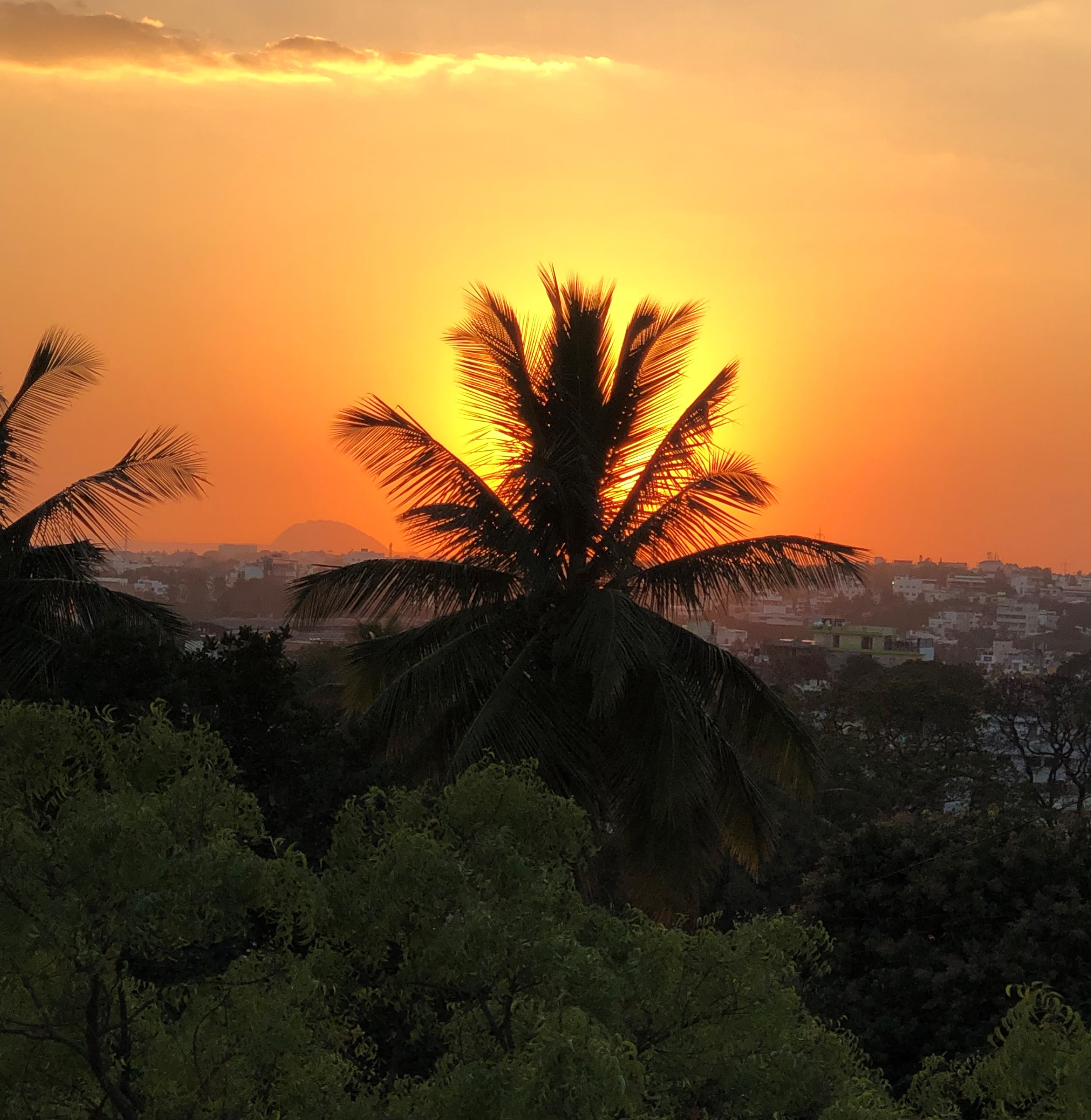
While most of the Western World in the Northern hemisphere enjoys the Foliage in the Fall/Autumn, we in South of India are definitely not left behind. Our Mr. Reliable Sun (Surya/Aditya as we call Him) is there to show us the Foliage in its true spirit
mAngalyam = the blessing/auspicious (it is the auspiciousness of all that is auspicious)
sarva pApa = of all sins
praNAshanam = annihilation/destruction [the root “nAsha:” gives rise to several things that have the “perishable” flavor – nAshanam, vinAshanam, nAshtA, nAshTika: (someone who lost
something)]
cintA = anxiety/fear [it is literally “thought”/”worry”]
shOka = sadness/grief
prashama: = calmness/pacification (indicates here – “cooling down” or removing sadness and anxiety]
Ayu: = lifespan
vardhanam = increasing/enlarging
uttamam = most appropriate/best/ultimate
Meaning of the Verse
[Aditya Hridayam] is the best blessing of all blessings, the destroyer of
all sins, and causes the removal of anxiety, grief and most suitable for
rashmi: = beam/ray of light [rashmima = sun; rashmimantam = haloed with rays, possessed of rays, crowned with rays]
samudyantam = having risen up [in the morning] [udaya: = to rise, samudaya: = to rise (in a good manner), samudyata =raised, lifted up]
devAsura = devAs and asurAs
namaskrutam = namas + krutam [namas = bowing/salutation, krutam = doing it; namaskaranam is the nominal verb form]
pUjayasva = agastyA is addressing rAmA here and saying “You Worship!”
vivasvantam = AdityA [vivasvat = brilliant/shining one; vivasta/vivasvAn = sun; vaivasvatA is the current Manu, son of sUryA]
bhAskaram = sun [bhAs = light, brightness; it also has a meaning of
“revealing, making clear” and light surely does that. The word “bhAshyam” has this same root; kara = to do, create; bhAskaram = the one that creates light]
bhuvana Eshvaram = ruler of the worlds [bhuvana refers to all the worlds; Esh = possessor, owner; Eshvaram = master, lord]
Meaning of the Verse
Pay respects to the risen sUryA, crowned with rays of light, who is most fitting to be worshipped, who is the ruler of all the worlds, who is the creator of light, who is brilliant, and venerated by the devAs and asurAs.
It is a nice coincidence that I am writing two blogs in the same week on the same subject viz. Sun (Aditya). One is Aditya Hridayam (The heart of the Sun) in the Spiritual Category & the other Aditya Udayam (Sun Rise) in the Photography/Travel Category.
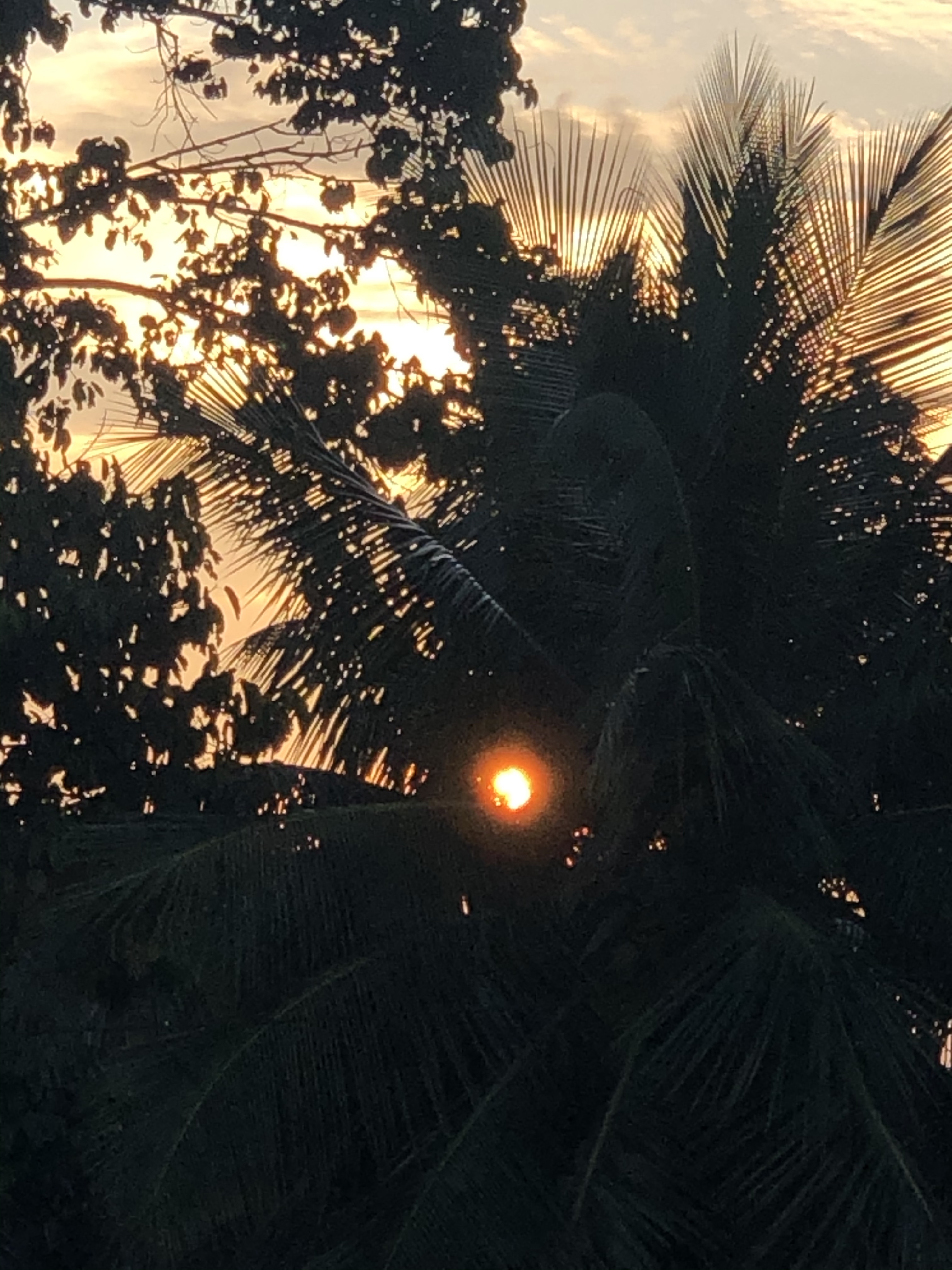
In one of my earlier blogs (Springing Eastern Sun – PANY 2019 on 01 Aug 2019) I had posted photographs of Sun during my visit to Pennsylvania and Newyork. After my return to my base, I have been continuing my reverence for the Sun and never failed to capture its graceful rise to dispel the darkness in us.
Here is a fascinating video taken from my apartment roof top recently. Look at the impact that the Sun brings out in the form of dazzling colors, brightness, clarity and the ambience. The serenity is aided by the background music in the Rag Bowli (courtesy VK Raman, the eminent flautist).
iPhone X has an amazing camera which syncs with my reverence in its true spirit. Enjoy this video at
The Sun—the heart of our solar system—is a yellow dwarf star, a hot ball of glowing gases.
Its gravity holds the solar system together, keeping everything from the biggest planets to the smallest particles of debris in its orbit. Electric currents in the Sun generate a magnetic field that is carried out through the solar system by the solar wind—a stream of electrically charged gas blowing outward from the Sun in all directions.
The connection and interactions between the Sun and Earth drive the seasons, ocean currents, weather, climate, radiation belts and aurorae. Though it is special to us, there are billions of stars like our Sun scattered across the Milky Way galaxy.
With a radius of 432,168.6 miles (695,508 kilometers), our Sun is not an especially large star—many are several times bigger—but it is still far more massive than our home planet: 332,946 Earths match the mass of the Sun. The Sun’s volume would need 1.3 million Earths to fill it.
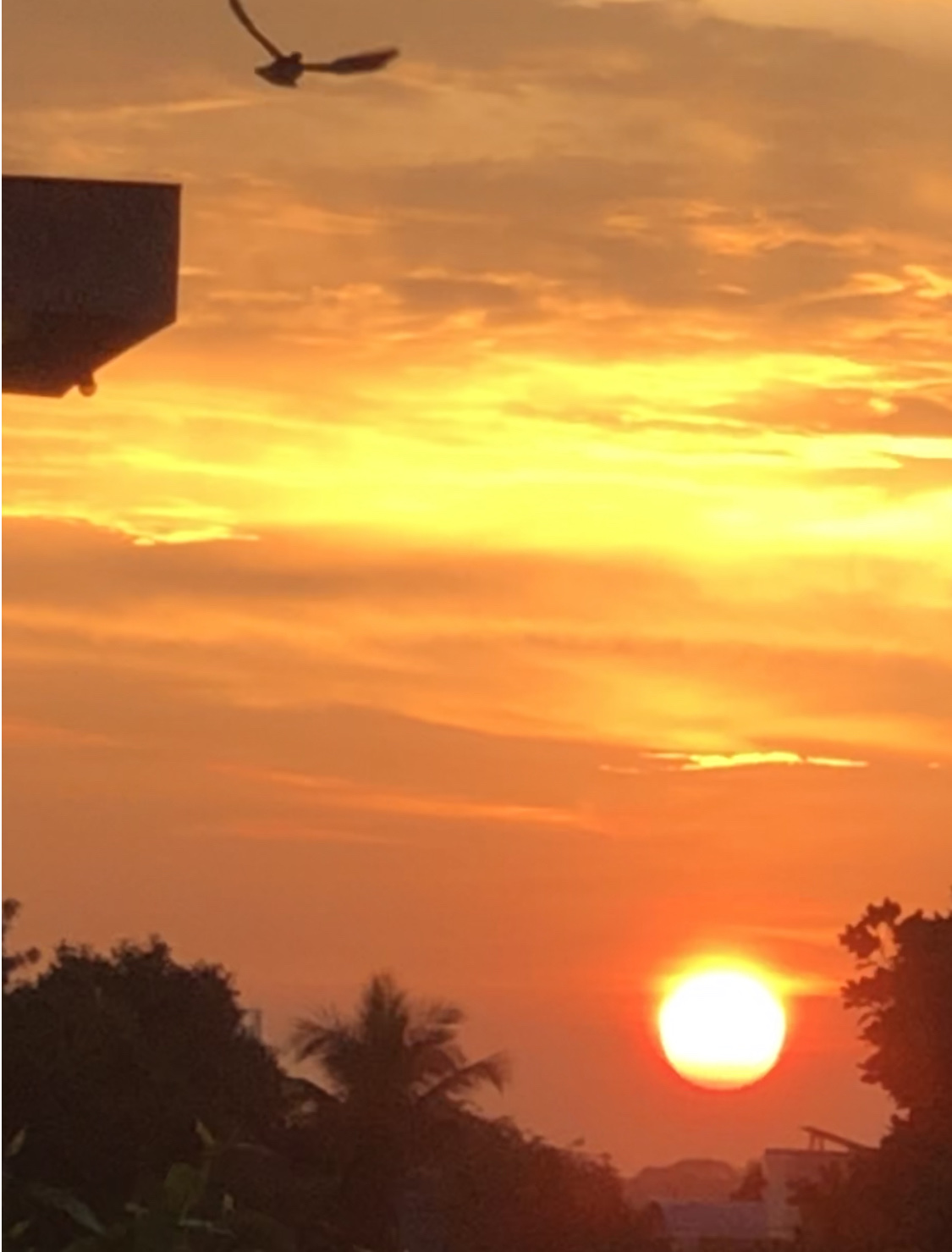
I never get tired of seeing the Sun rise and the Sun set. Everyday I try and make it a point to watch the Sun Rise & Sun set. I am amazed at the splash of colors and contrast that Sun provides. I was fortunate to watch the Sun Rise from my apartment roof top on one fine morning. I have posted the video in the Photography Section of my blog.
Now, let us read carefully the above description of the Sun particularly on its critical role in the universe and relate them to the Verses that will follow on Sunday. From Verse 4 to Verse 25, Sage Agasthya brings out through his praise for Aditya, the features and characteristics of the Sun and its importance. One can see the striking similarity between the century old views to the scientific description. No wonder you will see temples for the Sun God in several States of India such as Orissa, Bihar, Tamil Nadu, Andra Pradesh , Assam, Madhya Pradesh and Gujarat.








 Prabhu's Ponder