Salutations to Saraswathi who is Sharadha (seated on white lotus) the giver of learning, who holds in her hands book, Veena and divine rosary of gems. She has a conch like neck decorated by nine gems and fondled by Brahma and has a feet that is served by devas. She is as white as the Moon God.
Meaning in Tamil
பல்லவி
சரஸ்வதியைதுதிப்பேனே, நல்
வித்தைக்குவித்திடும்வெண்தாமரைஅமர்….. சரஸ்வதியை
அனுபல்லவி
வீணைபுத்தகம்கரம்ஏந்தும்,
பொண்மணிமாலைஅணியும் …….சரஸ்வதியை
சரணம்
நரனுந்தியோன்நளினமுடன்கொஞ்சும்,
நவமணிமாலையேறும்சங்குமிடரும்,
விண்ணோர்பணியும்பொன்மலரிருபாதம்
வின்மதி ஒப்பவெண்மைநிறமுடை…..சரஸ்வதியை
Sanskrit Verses
पल्लवि
सरस्वतिनमॊस्तुतॆशारदॆविद्याप्रदॆ
अनुपल्लवि
करध्र्तवीणापुस्तकवरमणिमालान्क्र्त
चरणम्
नरहरिसुतविधिलालितनवमणियुतकम्भुगळॆ
सुरसॆवितपदयुगळॆसुधाकरसमधवळॆ
English Transliteration
pallavi
sarasvati namOstutE shAradE vidyApradE
anupallavi
kara dhrta vINA pustaka varamaNi mAlAlankrta
caraNam
narahari suta vidhi lAlita navamaNi yuta kambhugaLE
O Mahalakshmi, flood of compassion! Protect me, O one who captivates the heart of Vishnu(Madhava),
O dweller in the chest of Mahavishnu, trusted by Shiva and Guruguha, extinguisher of evengreat sins! O embodiment of the stilled, unwavering mind! O mother of Manmatha and giver of good fortune and welfare!
O daughter of the milk ocean , the one extolled by the Vedas! and esteemed by kings(lords of the earth). O one always together with auspiciousness and benignity, one worshipped by Sarasvati, Rati and Indrani(Saci). O one enthroned in the hearts of the devoted, saluted by all Devas led by Brahma(the lotus-seated). You are pleased with the assembly of sages beginning with Narada and you are seated on a lotus. O occupant of noble hearts, one holding lotuses in your hands, Salutations always to you
I worship the golden colored Lakshmi and I give up depending on inferior mortals. The one who provides long term prosperity, the daughter of milky ocean, who has her dwelling place in the chest/heart of Lord Vishnu; the golden hued one with soft sprout like feet with a Lilly in her lotus like hand that has emerald beaded bangles.
Meaning in Tamil
பல்லவி
பொன்மேனி திருமகளை எந்நேரமும் வணங்கிடுவேனே
மண்ணாளும் மானிடரை மனதினில் நினைவறுப்பேனே
அனுபல்லவி
நிலையானவளம்தரும்பாற்றிருநீற்றஆழியின்புத்திரி
நிலமளந்தோன்நெஞ்சினிலேநிலைஇல்லம்கொண்டு
இளந்தண்டெனும்பாதமுடன்கமலக்கரம்தனில்குவளையேந்தி
ஒளிமிகுமரகதமணிமயவளையல்கள்அணி…… பொன்மேனி
சரணம்
பாற்கடலில்உறையும்பத்மாசினியே
முக்காலவடிவாய்நிறைபவளே
வேதியர்போற்றுமவேதநாயகியே
ஆம்பல்மாலையணிஉன்னதஅன்னையே
மாணிக்கஆபரணமணிமகாலட்சுமியே
இசைவாத்யமதில்இனியஈடுடையவளே
உமையவளின்உயிரே, ஒப்பிலாஎழிலே
முழுமதிவதன, தீனருக்கருளும்சிந்தாமணியே
இளமஞ்சள்நிறமாடையணிமலர்மங்கையே
குருகுகனின்மாமன்மனையாளே, வனப்புமிகு……. பொன்மேனி
Sanskrit Verses
पल्लवि
हिरण्मयींलक्ष्मींसदाभजामि
हीनमानवाश्रयंत्यजामि
अनुपल्लवि
चिर–तरसम्पत्प्रदां
क्षीराम्बुधितनयां
(मध्यमकालसाहित्यम्)
हरिवक्षःस्थलालयां
हरिणींचरणकिसलयां
करकमलधृतकुवलयां
मरकतमणि–मयवलयाम्
चरणम्
श्वेतद्वीपवासिनीं
श्रीकमलाम्बिकांपरां
भूतभव्यविलासिनीं
भू–सुरपूजितांवराम्
मातरंअब्जमालिनीं
माणिक्याभरणधरां
गीतवाद्यविनोदिनीं
गिरिजांतांइन्दिराम्
(मध्यमकालसाहित्यम्)
शीतकिरणनिभवदनां
श्रितचिन्तामणिसदनां
पीतवसनांगुरुगुह –
मातुलकान्तांललिताम्
variations –
मणि–मय – मणि
English Transliteration
pallavi
hiraNmayIM lakshmIM sadA bhajAmi
hIna mAnavASrayaM tyajAmi
anupallavi
cira-tara sampatpradAM
kshIrAmbudhi tanayAM
(madhyama kAla sAhityam)
hari vakshaHsthalAlayAM
hariNIM caraNa kisalayAM
kara kamala dhRta kuvalayAM
marakata maNi-maya valayAm
caraNam
SvEta dvIpa vAsinIM
SrI kamalAmbikAM parAM
bhUta bhavya vilAsinIM
bhU-sura pUjitAM varAm
mAtaraM abja mAlinIM
mANikyAbharaNa dharAM
gIta vAdya vinOdinIM
girijAM tAM indirAm
(madhyama kAla sAhityam)
SIta kiraNa nibha vadanAM
Srita cintAmaNi sadanAM
pIta vasanAM guru guha –
mAtula kAntAM lalitAm
variations –
maNi-maya – maNi
Meaning of the Sanskrit Words
पल्लवि
हिरण्मयीं – gold colored/hued
लक्ष्मीं – Lakshmi
सदा – always
भजामि – pray/worship
हीन – inferior/poor
मानव-आश्रयं – human/mortal, depends on
त्यजामि – quitting/give up
अनुपल्लवि
चिरतर सम्पत्-प्रदां – long time, prosperity/wealth, giver
क्षीर-अम्बुधि तनयां – milk, sea/ocean, daughter
हरि वक्षः-स्थल-आलयां – vishnu, chest, place, house
हरिणीं – golden
चरण – feet
किसलयां – sprout
कर कमल धृत कुवलयां – hand, lotus, hold, water lilly
मरकत मणिमय वलयाम् – emerald, beaded, bangles
चरणम्
श्वेत – white (milky ocean)
द्वीप – island/planet
वासिनीं – resident
श्री कमला-अम्बिकां – परां – lotus (seated), mother, supreme
भूत – past
भव्य – future
विलासिनीं – (विलासिन् moving to & fro) विलासिनि – lady/wife/mistress
भूसुर पूजितां – brahmins (vedic scholars) worshipped
Sri Varalakshmi, my prayers to you, oh granter of boons, the better half of Narahari (Vishnu). You removes waves of obstacles, oh the lotus eyed one. You are seated on a golden lotus; Lord Indra prays you and bows at your feet. You are the dearest of Vishnu as. Vasudeva. Indra and Devas worship you. LordBrahma prays you. You are adorned with splendorous gems. The wish-fulfilling creeper of the devotees, you have a smiling beautiful round face.
Meaning in Tamil
பல்லவி
வரம்தரும்வரலட்சுமியை வணங்கிடுவேன்,மாயவன் மகிழும்…..வரம் தரும்
विनुतार्थॆ – विनुत अर्थ – Vinuta is Sanskrit in origin and it has no particular meaning. Vinuta maybe a modern derivative of the name Vinata meaning modest, humble or a derivative of the name Vineeta meaning well-principled, disciplined. अर्थ is object of desire
Protect me Oh the daughter of the Himalayas, the golden hued lady, mother Ishwari. You are respected by Lakshmi & Saraswathi. You are omnipresent and sister of Rama (Vishnu). You hold the noose, the goad and the stick in your hand. You are the superior of the best. You protect your devotees, Oh the better half of Lord Siva. You live in the heart of myself (Hariheshanallur Muthaiah). You have a pleasing and delightful form of the goddess with immeasurable splendor.
O Goddess Annapurna!, the one with wide (large) eyes, Protect (me)! one whose glances are witness to the entire universe!
O one residing in the excellent (place called) Kuzhikkarai!, embodiment of the ‘Om’ mantra, one who wards of evils etc, queen of Shiva (who wears snakes as ornaments), ancient one, one who is resplendent along with Shiva, the great lord, the lord of the universe,
Oh one whose hands hold a gem-studded vessel filled with sweet rice pudding and a golden ladle,One very adept at protecting Manmatha and other devotees,one donning golden ornaments and garments, supreme one saluted by the lotus-seated Brahma and other gods, eminent one extolled by sages Tumburu and Narada,skillful one in conferring salvation which is beyond the triad, affectionate one to Guruguha (who shines as the three-word mantra)
Meaning in Tamil
பல்லவி
அன்னபூரணி விசாலாஷி
அகில உலகமே சாட்சி – காத்திடும் உன்
கடைக்கண் பார்வை- அன்னபூரணி
அனுபல்லவி
குழிக்கரைவாசியேஓம்காரப்பொருளே
வினைகளெல்லாம்களைபவளே
அரவணியோனின்இல்லாளே ஆதியே
பரம்பொருளின்சக்திஒளிமயமே – அன்னபூரணி
சரணம்
கரமதில் பாயாசம் கொள் மாணிக்ககலனும் தங்க அகப்பையுமேந்தி
Goddess Raja Rajeshwari, please protect me; oh compassionate one and wife of Sankara. You are the one who provides ultimate happiness. You ride on a lion. You are a river of kindness and the enchanting one. You are the one who destroyed the demons: Bhanda, Chanda, Munda and Mahisha. You are pleasing and pure. You nourishes “guhadaasa” (the composer). You have sweet voice and speech, oh slayer of enemies and granter of boons.
Six decades ago, living in a rural area in a village agrahaaram (like the one shown above), as school going kids, we used to wait eagerly for the evenings in the month of October (Tamil month of “Purattaasi” புரட்டாசி) with a glee in our eyes, fun in the mind and hunger in the belly.
Yes; this is the month of Navarathri (nine nights) where we used to have a collection bag, go to each one of the houses in the community who had put up “kolu” (arrangement of Dolls in an odd number of steps) to look at the dolls display.
Kolu
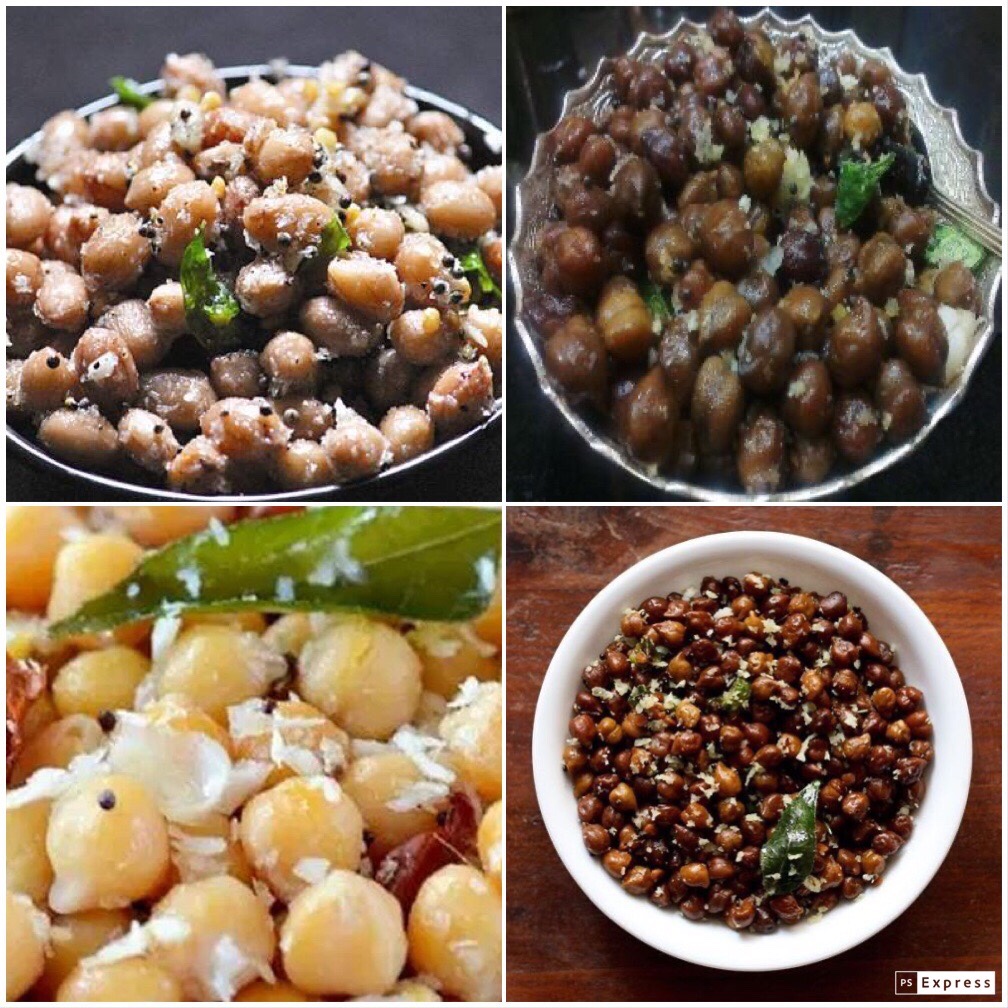
We collect “Sundal” ( a snack preparation of proteins in the form of steamed, fried nuts ) making sure to exchange notes on who has collected what variety and from which house and of course about the quality of the supply.
Sundal
We also used to listen to some wonderful singing by girls and ladies in front of the “kolu” and getting presents. It was fun time for kids; but I guess some serious work for the elders.
The essence of Navarathri
My understanding of the Navarathri is more spiritual now than what I had six decades ago as a kid. Let me try to explain.
Every human being has consciousness (Lord Shiva) and energy (Goddess Shakti). Consciousness and Energy (Shiva and Shakti) are both definable yet inseparable. We can take the example of Sun & Heat for illustration. Within this energetic realm, there are three main forms of Shakti. The 3 Forms of Shakti are:
• Iccha Shakti – the energy of will or desire
• Jnana Shakti – the energy of knowledge
• Kriya Shakti – the energy of action
During Navarathri, the nine nights are used to identify, work with, purify, and ultimately integrate and strengthen these forms of Shakti within us.
The “Kolu” (Display of dolls)
Of course we need to convey this message to the young ones through a visual medium for easy learning. Hence the display of dolls called Kolu. Dolls are arranged in specific sequences on odd number of steps in a staircase style arrangement to depict the process and interplay of these energies that are continually cycling within us. The steps progressively take us through the stages of our evolution in our spiritual progress as a human being. At the base step, dolls depicting routine mundane activities can be seen. Progressively as we climb the stairs, we can see the dolls conveying our graduation in our consciousness level. The dolls focus on various gods, their actions, themes representing the historical events around the gods and the meaning they convey for leading our lives. The apex level step will have the ultimate integration of our consciousness (Shiva) with the energy (shakti) at the top most (apex) step in the form of two wooden dolls (called in Tamil as Marapaachi dolls). That sums up the learning through the visual medium.
Marapaachi Dolls
Navarathri – Women and the Music
Inviting, traditionally receiving and honoring girls, women and ladies, presenting them with gifts (as per the capacity of the host) and devotional singing in praise of the three goddesses representing the three energy forms is a tradition. This brings out the axiom that we should see every single woman as a manifestation of goddesses representing these three energy forms. This also brings out purity in our thoughts that without these three energy ingredients, we would become inert.
My participation in Navarathri 2020
Sitting in a country 8400 miles away from my place in this pandemic year, I decided to participate in the Navarathiri Celebrations by trying to understand the Sanskrit Compositions that are sung during this period. These compositions are in praise of the Goddesses identified as the principal form (roopa) of that type of energy viz, Durga, Lakshmi & Saraswathi ( for Icha, Kriya, Gnana ).
Starting from October 17 till October 26, there will be a blog a day; through each blog I will try to understand ten Sanskrit compositions and try to express it in my mother tongue. The first three will be on Goddess Durga, followed by Goddess Lakshmi, Goddess Saraswathi and culminating on the tenth day on Goddess Vijyambike, coinciding with Vijayadasami, the day that marks the culmination of the festivities with the idea that the nine night events have helped the good in us scoring victory over the evils that reside in us.
Enjoy the Navarathri celebrations along with me by visiting this blog daily, listen to the wonderful music compositions and help me improve my knowledge by critically commenting on my translation work. Thank you.
तापत्रयं – tApa-trayaM – the three kinds of suffering! The three kinds of suffering are:
• 1. AdhyAtmika, sufferings from one’s own mind and body
• 2. Adhidaivika, sufferings arising from unseen forces, gods and nature
• 3. Adhibhautika, sufferings from other living creatures
anupallavi
योगि राज हृदय-अब्ज निलयं – yOgi rAja hRdaya-abja nilayaM – (Him who is) the one residing in the heart-lotuses of the supreme Yogis,
भोगि राज नुत चरण किसलयं -bhOgi rAja nuta caraNa kisalayaM – the one whose sprout-like, tender feet are worshipped by Adisesha, the king of snakes,
नाग राज मणि वलयं – nAga rAja maNi valayaM – the one whose bejeweled bracelet is the king of snakes,
रजत-अग राजं – rajata-aga rAjaM – the lord of Kailasa (the silver hill),
मुख कुवलयम् – mukha kuvalayam – the lotus-faced one,
caraNam
पौलोमी-ईश-आदि दिक्पाल पूजित गात्रं – paulOmI-ISa-Adi dikpAla pUjita gAtraM – the one whose form is worshipped by the guardians of the (eight) directions beginning with Indra (lord of Sachi who is the daughter of Puloman),
नील-उत्पल-अम्बा-अनुकूल-तर कळत्रम् – nIla-utpala-ambA-anukUla-tara kaLatram – the one who has Goddess Neelotpalamba as his most congenial wife,
त्रै-लोक्य गुरु गुह तातं – trai-lOkya guru guha tAtaM – the father of Guruguha (preceptor to the three worlds),
त्रि-नेत्रं – tri-nEtraM – the three-eyed one,
सालोक-आदि कैवल्य प्रद चरित्रम् – sAlOka-Adi kaivalya prada caritram – the one whose nature it is to bestow the four levels of liberation, beginning with Salokya. [The four types or levels of liberation are ‘sAlokya’ (residing in the same world as the deity), ‘sAmIpya’ (residing in the proximity of the deity), ‘sArupya’ (acquiring a form similar to the deity) and ‘sAyujya’ (oneness with the deity)]
नील कण्ठं – nIla kaNThaM – the blue-throated one,
अनेक फलदं – anEka phaladaM – the giver of manifold benefits,
शूल पाणिं – SUla pANiM – the one holding a trident in his hand,
अशोक शुभदं – aSOka SubhadaM – the giver of good fortune that is devoid of sorrows,
मूल भूतं – mUla bhUtaM – the fundamental or original source (of the universe),
अमूल्य वरदं – amUlya varadaM – the giver of priceless boons,
काल कालं – kAla kAlaM – the destroyer of Yama,
अखण्ड सुखदम् – akhaNDa sukhadam – the bestower of undivided bliss.
I meditate always upon Guruguhan, the son of Goddess Parvati whose six letter mantra is Sa ra va na bha va.
I meditate upon The dear son of Shiva (Marga-sahayeshwara), the one praised by Devas led by Vishnu, and other celestial beings, the one dazzling with a ruby(-studded) crown, the one who is venerated for the glory of his qualities



 Prabhu's Ponder