Narayaneeyam – Daskam 5 – Preface

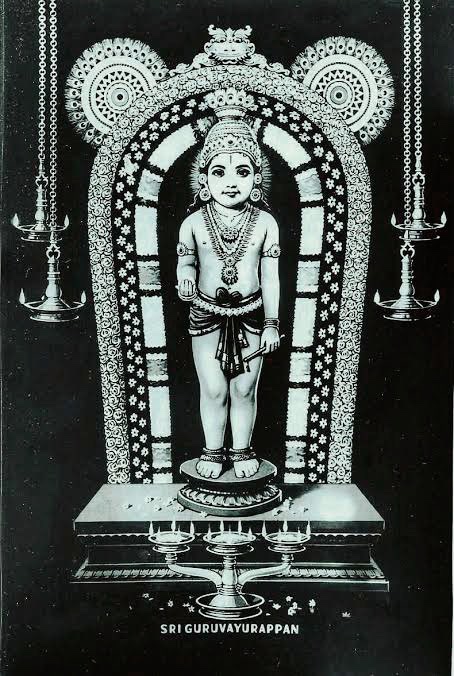
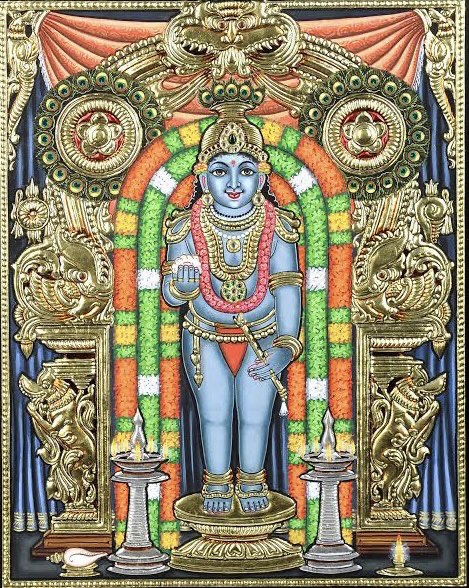
Sri Guruvayurappan

Introduction

Sri. Narayana Bhattathri starts Narayaneeyam with description and the glory of Lord Guruvayurappan in Dasakam 1, where he establishes the identity of the Lord with the Ultimate Reality called Brahman, the embodiment of Pure Existence, Pure Consciousness and Pure Bliss (Sat, Cit, Anandam).

In the next Dasakam 2, he brings out the charming form of the Lord and the superiority of the path of devotion in one’s goal of realising Sat Cit Anandam. 

He follows it up by identifying the traits and true characteristics of a devotee in Daskam 3. Having conditioned the mind of the devotees with these overall preparations, Bhattathri then addresses the techniques of establishing their minds on Lord Guruvayurappan through Ashtanga Yoga (the eightfold discipline) in Dasakam 4.

In Dasakam 5, Sri Narayana Bhattathri elevates the plane of inquiry to the Cosmos. After all what happens in Cosmos and what happens inside each of us can’t be entirely different when it comes to spiritual progress towards the Ultimate Reality.

Cosmos – Coexistence of tradition and modernity in understanding the “Poornam” (Infinity)

Talking about Cosmos, on a clear and fog free day, during the “सन्ध्या काल" "sandhya kaala” (translated as “twilight” in English) the brightest stars and planets can be seen, the horizon and terrestrial objects can be discerned. During this period, have you ever gazed observantly and reflectively the outer space?

1. Why is there something rather than nothing?

2. How did these come into existence?

3. Is there an order in this process?

When we do Cosmos gazing and contemplate, it is not difficult for a rational mind to “inescapably impose upon us the comprehension that an infinite intelligence rules this wonderful cosmos”. This is what our Rishis observed and studied in depth. This is what Narayana Bhattathri is outlining in Dasakam 5.
Before we get on with Dasakam 5, an overview of the Cosmic Evolution as explained by our Rishis in our Scriptures is vital to appreciate the Slokas in the correct perspective.

We must bear in our minds that our ancestors did not have any of the modern scientific equipment and tools to explain the origin of this universe. The amount of data that they had was limited.

All that were there, were only positive thinking rational individuals with a firm grit and determination to understand the relationships between individual, the universe and the creator. The tools and equipment they had were super computers called brain and an operating system called “manas” or the mind in each of them. They modelled the cosmological events in the form of mythical stories.

In the modern times, being so confident in our present theory of creation we disregard these mythical stories as superstition. Taken literally these stories do not make any sense, however if we contemplate deeper one can make sense of the philosophy behind it.

After all today’s science uses outward looking means to probe Cosmos using mathematical models while Seers and Saints used inward looking means to understand what is happening deep down inside us and relate it to what is happening outside through mythical stories as models.

What next?

In the next few blogs, we will have a quick overview of the modern and traditional perspectives of the Cosmic Evolution. This will help us to understand the Dasakam 5 better.

These blogs will also appear as newsletter in my Substack page

https://soundar53.substack.com

Narayaneeyam- Dasakam 4 – Sloka 15

Introduction

Bhattarhri who sings the glories of Guruvayurappan, concludes Dasakam 4 with a fervent appeal for protection. 

Audio Link for chanting

https://www.dropbox.com/s/i1uogsa18lzoshm/4-15.mp3?dl=0

Sanskrit Verse

अर्चिरादिगतिमीदृशीं व्रजन् विच्युतिं न भजते जगत्पते ।

सच्चिदात्मक भवत् गुणोदयानुच्चरन्तमनिलेश पाहि माम् ॥

English Transliteration

archiraadigatimiidR^ishiiM vrajan vichyutiM na bhajate jagatpate |

sachchidaatmaka bhavadguNOdayaanuchcharantamanilesha paahi maam ||

Tamil Transliteration

அர்சிராதி₃க₃திமீத்₃ருஶீம் வ்ரஜந் விச்யுதிம் ந ப₄ஜதே ஜக₃த்பதே |

ஸச்சிதா₃த்மக ப₄வத் கு₃ணோத₃யாநுச்சரந்தமநிலேஶ பாஹி மாம் ||

Meaning in Tamil

ஒளிமயமான இவ்வழி செல் அடியார் அந்நிலையிருந்து

வீழ்வதில்லை பிறவிப் பெருங்கடலில் ஜகந்நாதா! என்

சிந்தைநிறுத்தி என்நேரம் உன் புகழ்பாடும் பரமன் எனை

காத்திடு
சத்சிதானந்த முர்த்தி, குருவாயூரப்பனே !

Meaning in English

O Lord of the Universe! The devotee who thus goes through the luminous path does not fall any more to the netherworlds. O Lord of Guruvaayur! The embodiment of pure consciousness absolute, please protect me, Thy devotee, who is ever singing Thy glories.

Meaning of the Sanskrit Words

अर्चि: - आदि-गतिम् - the path of light etc

ईदृशीं - of this kind

व्रजन् - passing through which

विच्युतिं - downfall (return to Sansaara)

न भजते - (the yogi) does not suffer

जगत्प - O Lord of the Universe!

सच्चिदात्मक - O Embodiment of pure existence consciousness

भवत्-गुण-उदयान् - the glory of Thy excellences

उच्चरन्तम् - (me who am) always singing

अनिलेश - O Lord of Guruvaayur

पाहि माम् - protect me

Narayaneeyam- Dasakam 4 – Sloka 14

Introduction

Bhattathri points out the final phase of the luminous path of the “Krama Mukti Sadakas”; the culmination of their journey.

Audio Link for chanting

https://www.dropbox.com/s/p5yowxadytt29va/4-14.mp3?dl=0

Sanskrit Verse

तस्य च क्षितिपयोमहोऽनिलद्योमहत्प्रकृतिसप्तकावृती: ।

तत्तदात्मकतया विशन् सुखी याति ते पदमनावृतं विभो ॥

English Transliteration

tasya cha kshitipayO mahO(a)niladyOmahatprakR^iti saptakaavR^itiiH |

tattadaatmakatayaa vishan sukhii yaati te padamanaavR^itaM vibhO

Tamil Transliteration

தஸ்ய ச க்ஷிதிபயோமஹோ(அ)நிலத்₃யோமஹத்ப்ரக்ருதிஸப்தகாவ்ருதீ: |

தத்ததா₃த்மகதயா விஶந் ஸுகீ₂ யாதி தே பத₃மநாவ்ருதம் விபோ₄ ||

Meaning in Tamil

பஞ்ச பூதமுடன் மாயைகலந்த இயல் நிலையெனும்

ஏழ்கடல் வழிநுழைந்து பேரானந்தக் கடல்மூழ்கித்

திளைத்தெழுந்து அக்கடல் கடந்து ஆனந்த ஜோதி

அருள்நிறை வடிவிலா உன்னிடம் கலந்திடுவர் அவர்!

Meaning in English

O All Pervading Lord! Thy devotee enters each of the seven sheaths of the cosmic sphere,i.e. earth, water, fire, air, space, the cosmic intelligence, and primordial nature. He enjoys the bliss thereof and transcends them to reach Thy unobstructed state -the merger in Thee, The Supreme Brahman

Meaning of the Sanskrit Words

तस्य च - and of that (Brahmaanda)

क्षिति-पयो-मह:-अनिल-द्यो-महत्-प्रकृति - the spheres namely - earth, water, fire air, space, cosmic intelligence, and the primordial nature

सप्तक-आवृती: - the seven barriers (of the cosmic sphere)

तत्-तत्-आत्मकतया विशन् - transcending by realising his identity with each one of them

सुखी - enjoying bliss

याति - reaches

ते पदम्-अनावृतं - The unobstructed state (beyond all barriers)

विभो O - All Pervading Lord!

Narayaneeyam- Dasakam 4 – Sloka 13

Introduction

Bhattathri in this Sloka outlines the process of liberation (salvation) from the higher Lokas for the Krama Mukti Sadakas who have reached there and living there.

Audios Link for chanting

https://www.dropbox.com/s/hzc6jxu2cfmwvoc/4-13.mp3?dl=0

Sanskrit Verse

तत्र वा तव पदेऽथवा वसन् प्राकृतप्रलय एति मुक्तताम् ।

स्वेच्छया खलु पुरा विमुच्यते संविभिद्य जगदण्डमोजसा ॥

English Transliteration

tatra vaa tava pade(a)thavaa vasan praakR^itapralaya eti muktataam |

svechChayaa khalu puraa vimuchyate sanvibhidya jagadaNDamOjasaa ||

Tamil Transliteration

தத்ர வா தவ பதே₃(அ)த₂வா வஸந் ப்ராக்ருதப்ரலய ஏதி முக்ததாம் |

ஸ்வேச்ச₂யா க₂லு புரா விமுச்யதே ஸம்விபி₄த்₃ய ஜக₃த₃ண்ட₃மோஜஸா ||

Meaning in Tamil

அயனுலகிலோ, அனந்தன் உன் உலகிலோ வசித்து

அவரடைவர் பேரின்ப வீடுபேறு பேரழிவு காலமதில்!

அவர்தம் யோகவலிமை கொண்டு பேரண்டம் துளைத்து

அடைந்திடுவர் முக்தியெனும் வீடுபேறு விரைவினிலே

அவர் விழைந்தனில், அகிலமெலாம் ஆளும் ஆண்டவனே!

Meaning in English

The yogi who attains this aspect of the migration into the Brahmaloka or in Thy abode, Vaikuntha is liberated at the time of Maha Pralaya. Or, if he so desires, he is liberated even earlier by piercing through the Brahmaanda and releasing himself by his yogic power.

Meaning of the Sanskrit Words

तत्र वा - either there (in Brahmaloka)

तव पदे-अथवा - or in Thy world (Vaikuntha)

वसन् - residing

प्राकृतप्रलये - at the time of Prakrita pralaya

एति मुक्तताम् - he attains liberation

स्वेच्छया खलु पुरा - (or) at his will even earlier, indeed

विमुच्यते - he becomes liberated

संविभिद्य - piercing through

जगत्-अण्डम् - the Brahmaanda (the cosmic sphere)

ओजसा - by his yogic power

Narayaneeyam- Dasakam 4 – Sloka 12

Introduction

Continuing the journey of the Sadaka through Krama Mukti, Bhattathri now deals with the next level i.e., from Mahara Loka to Brahma Loka. Let us study the Sloka.

Audio Link for chanting

https://www.dropbox.com/s/q2iofka8yuisiev/4-12.mp3?dl=0

Sanskrit Verse

आस्थितोऽथ महरालये यदा शेषवक्त्रदहनोष्मणार्द्यते ।

ईयते भवदुपाश्रयस्तदा वेधस: पदमत: पुरैव वा ॥१२॥

English Transliteration

aasthitO(a)tha maharaalaye yadaa sheShavaktradahanOShmaNaardyate |

iiyate bhavadupaashrayastadaa vedasaH padamataH puraiva vaa ||

Tamil Transliteration

ஆஸ்தி₂தோ(அ)த₂ மஹராலயே யதா₃ ஶேஷவக்த்ரத₃ஹநோஷ்மணார்த்₃யதே |

ஈயதே ப₄வது₃பாஶ்ரயஸ்ததா₃ வேத₄ஸ: பத₃மத: புரைவ வா ||

Meaning in Tamil

துருவ மண்டலம் அடைந்து, மகர உலகமதில் வாழ்ந்து,

அழித்திடும் பிரளயதருணமதில் ஆயிரத்தலையுடை ஆதிஅரன்

கக்கும் அழல் அனல் தாளாமல் அண்டிடுவர் உன்னிடம்!

அவர் அடைவர் அயனுலகம்! அடையலாம் அவ்வுலகம்

அனல் வரவு முன்னும் அவர், உனைச் சரண்டைந்து!!

Meaning in English

After reaching the land of Dhruva and a long stay in Mahar loka, when they start suffering from the hot breath of Adhi Sesha, they surrender completely to you and reach the land of Brahma.  Or may choose to go to the world of Brahma even before the fire starts.

Meaning of the Sanskrit Words

आस्थित: अथ महरालये - residing there (in Dhruvaloka), then in Maharloka,

यदा शेषवक्त्र-दहन-ऊष्मणा - when, by the heat emanating from the mouth of Aadishesha ( at the approach of the cosmic dissolution)

आर्द्यते (he) - is tormented

ईयते (he) - reaches

भवत्-उपाश्रय: - taking refuge in Thee alone

तदा - then

वेधस: पदम् - the world of Brahmaa (Brahmaloka)

अत: पुरा-एव वा - or even before that (before the fire)

Narayaneeyam- Dasakam 4 – Sloka 11

Introduction

“There are in the Upanishads, intimations of Krama-Mukti or the progressive process of the liberation of the soul. 

The Upanishads are emphatic in their statements that one who reaches through unselfish meditation and knowledge this Supreme Cause does not return to the mortal coil, but proceeds further to the Absolute Reality.

The Mundaka Upanishad says that the sages in the world of Brahma are liberated beyond death in the end of time. Those who attain the world of the Karya-Brahman remain there until the end of the universe, enjoying the effects of their "Satyakamas" and "Satyasankalpas", the fruits of their desires and willings based on Truth. Whatever they wish arises then and there instantaneously, for they are in harmony with the Universal Being. They enjoy the highest approximation to the bliss of the Lord of the universe”.

This is what Bhattathri is highlighting in this Sloka 11.

Audio Link for chanting

https://www.dropbox.com/s/94kkjiubrzmeul9/4-11.mp3?dl=0

Sanskrit Verse

अग्निवासरवलर्क्षपक्षगैरुत्तरायणजुषा च दैवतै: ।

प्रापितो रविपदं भवत्परो मोदवान् ध्रुवपदान्तमीयते ॥११॥

English Transliteration

agnivaasaravalarkshapakshagair uttaraayaNajuShaa cha daivataiH |

praapitO ravipadaM bhavatparO mOdavaan dhruvapadaantamiiyate || 11

Tamil Transliteration

அக்₃நிவாஸரவலர்க்ஷபக்ஷகை₃ருத்தராயணஜுஷா ச தை₃வதை: |
ப்ராபிதோ ரவிபத₃ம் ப₄வத்பரோ மோத₃வாந் த்₄ருவபதா₃ந்தமீயதே ||

Meaning in Tamil


பகல் நேரமதில், வளர்பிறையில், அழல் உதவியுடன்,

பகலவனின் வடதிசைப் பயணத்தில், தேவதைகள் வழிகாட்ட


சுழுமுனையில் பிராணம் விடுத்து, அடைவர் ஆதவனுலகம்!

அங்கு, ஆனந்த போகம் அனுபவித்துப்பின் அடைவர்


துருவமண்டலம், கிரமமுக்திவிழை உன் பக்தர்கள் பரமனே, !!

Meaning in English

O Lord! Thy devotee who follows the Krama Mukti path is led by the presiding deities of fire, day time, the bright fortnight, and Uttaraayana to the plane of the sun and enjoying in each of these spheres reaches the realm of Dhruva

Meaning of the Sanskrit Words

अग्नि-वासर-वलर्क्ष-पक्षगै: - Agni (fire), Vaasara (daytime), Valaraksh paksha (the bright fortnight-Shukla Paksha)

उत्तरायणजुषा - and the Uttaraayanaa

दैवतै: presided over by the respective deities

प्रापितो रविपदं - (then) being led to the plane of the Sun

भवत्-पर: - he who is devoted to Thee

मोदवान् - while enjoying (the facilities of the various higher realms)

ध्रुवपदान्तम् ईयते - is next led to the sphere of Dhruvaloka

Narayaneeyam – Dasakam 4 – Sloka 9

Audio – Chanting Link

https://www.dropbox.com/s/vh60oqyi0ayj3mm/4-9.mp3?dl=0

Introduction

The culmination of eight limbs of Ashtanga Yoga (Rajah Yoga) after passing through the other seven (the Yamas, Niyamas, Asana, Pranayama, Pratyahara and Dharana, Dhyana) is Samadhi.

Samadhi is attained through Samyama as discussed in previous posts, which is the combination of the last three limbs of Ashtanga Yoga ( Dharana, Dhyana , Samadhi). Samadhi is total absorption on the object being contemplated on using Dharana to keep the mind unwavering on the one object until the movement of the mind stops.

The eventual and ultimate form of Samadhi, is where there is no object to be contemplated on, and the movement of the mind (known in Sanskrit is vritti) stops.Through the previous eight Shlokas, Bhattathri outlined the steps of attaining Nirvikalpa samadhi, a meditative state of total absorption and bliss, through Ashtanga Yoga techniques.

This Samadhi is the eighth and final step on the path of ashtanga yoga.The state of nirvikalpa samadhi can only be attained by advanced practitioners, who have progressed through previous stages such as dharana (concentration) and dhyana(meditation).

In this and in the subsequent Slokas, Bhattathri now talks about two types of liberation (Mukti).

1. sadyomukti - sadyaH means immediate, at once, at the very moment. The moment referred to here is the instant of full, right knowledge of Brahman-Atman.
2. krama mukti --- meaning gradual mukti or mukti in stages; progressive effort towards liberation

Let us try to understand these Slokas in this and subsequent blogs.

Sanskrit Verse

त्वत्समाधिविजये तु य: पुनर्मङ्क्षु मोक्षरसिक: क्रमेण वा ।

योगवश्यमनिलं षडाश्रयैरुन्नयत्यज सुषुम्नया शनै: ॥९॥

English Transliteration

tvatsamaadhivijaye tu yaH punarma~Nkshu mOksharasikaH krameNa vaa |

yOgavashyamanilaM ShaDaashrayairunnayatyaja suShumnayaa shanaiH || 9

Tamil Transliteration

த்வத்ஸமாதி₄விஜயே து ய: புநர்மங்க்ஷு மோக்ஷரஸிக: க்ரமேண வா |

யோக₃வஶ்யமநிலம் ஷடா₃ஶ்ரயைருந்நயத்யஜ ஸுஷும்நயா ஶநை: || 9||

Meaning in Tamil

அட்டயோக சமாதி நிலையடை பக்தர், பின்

விழைவர் முக்திக்கு உடனேயோ கிரமமெனவோ!

அவ்விழைப்படி சுசுமண நாடியுள் அறுவகை நிலைமூலம்

உயர்த்திவிடுவர் தம் பிராணமதை பிறப்பிலா பெருமானே! 4.9

Meaning in English

O Birthless Lord! After one achieves Thee in Samaadhi, he can opt for immediate liberation or gradual liberation. Accordingly through the power of yoga he raises up his vital breath through the six centres along the Sushumnaa Naadi

Meaning of the Sanskrit Words

त्वत्-समाधि-विजये - on attaining Samaadhi in Thee

तु य: पुन: - indeed, he again

मङ्क्षु मोक्ष-रसिक: - (whether) desires immediate liberation

क्रमेण वा - or gradual (liberation) (he)

योगवश्यम् - by power of yoga

अनिलं - (controls) breath (vital energy)

षड्-आश्रयै: - through the six centres

उन्नयति - raises up (vital energy)

अज O Birthless One! -

सुषुम्नया - along with the Sushumnaa Naadi

शनै: - slowly

Narayaneeyam – Dasakam 4 – Sloka 8

Audio – Chanting Link

https://www.dropbox.com/s/qh59pi1t3d15dnk/4-8.mp3?dl=0

Sanskrit Verse

इत्थमभ्यसननिर्भरोल्लसत्त्वत्परात्मसुखकल्पितोत्सवा: ।
मुक्तभक्तकुलमौलितां गता: सञ्चरेम शुकनारदादिवत् ॥८॥

English Transliteration

itthamabhyasana nirbharOllasat tvatparaatmasukha kalpitOtsavaaH |
muktabhaktakulamaulitaaM gataaH sa~ncharema shukanaaradaadivat || 8

Tamil Transliteration

இத்த₂மப்₄யஸநநிர்ப₄ரோல்லஸத்த்வத்பராத்மஸுக₂கல்பிதோத்ஸவா: |

முக்தப₄க்தகுலமௌலிதாம் க₃தா: ஸஞ்சரேம ஶுகநாரதா₃தி₃வத் || 8||

Meaning in Tamil

இங்கனம் யோகம் புரிந்து மெய்ப் பொருளறிந்து யாம்

வீடுபேறு அடைந்து களிப்புடனே பேரின்பமடைவோம்!

அங்கனம் முக்திபெறு பக்தரிடையே முதன்மை பெற்று

நாரத சுக முனியினத்தோர் போல் பாடித்திரிவோம் பரமனே4.8

Meaning in English

Once we attain this perfect path following Yogic steps,

We would be filled with state of liberation due to divine joy,

And we would become greatest devotees of yours,

And would travel like the great sages Narada and Sukha. 4.8

Meaning of the Sanskrit Words

इत्थम्-अभ्यसन् - in this manner practicing

अनिर्भर-उल्लसन् - self-supportively (freely) enjoying

त्वत्-परात्म-सुख - Thy Supreme bliss

कल्पित्-उत्सवा:- resulting from the experience (of Brahman) and reveling in it

मुक्त-भक्त-कुल - amongst the clan of the liberated devotees,

मौलितां गता: - attaining supremacy

सञ्चरे - (will) move about freely (free of attachments)

शुक-नारद-आदि-वत् - like Shuka, Naarada and others

Narayaneeyam – Dasakam 4 – Sloka 7

Audio – Chanting Link

https://www.dropbox.com/s/vt7s4u11429ca3x/4-7.mp3?dl=0

Sanskrit Verse

तत्समास्वदनरूपिणीं स्थितिं त्वत्समाधिमयि विश्वनायक ।
आश्रिता: पुनरत: परिच्युतावारभेमहि च धारणादिकम् ॥७॥

English Transliteration

tatsamaasvadanaruupiNiiM sthitiM tvatsamaadhimayi vishvanaayaka
aashritaaH punarataH parichyutaavaarabhemahi cha dhaaraNaadikam ||

Tamil Transliteration

தத்ஸமாஸ்வத₃நரூபிணீம் ஸ்தி₂திம் த்வத்ஸமாதி₄மயி விஶ்வநாயக |
ஆஶ்ரிதா: புநரத: பரிச்யுதாவாரபே₄மஹி ச தா₄ரணாதி₃கம் || 7||

Meaning in Tamil

அட்டாங்க யோகம் புரிந்து

அடைந்திடுவோம் சமாதி !

அந்நிலைதவறி வீழ்ந்திடினில்,

அகமதனை உன்னுள் நிலைத்து

அவ்யோகம்தனை மறுபடியும்

புரிந்திடுவோம் உலகநாயகனே!4.7

Meaning in English


Oh Lord of the universe, we would attain then the state of Samadhi,Which is the state, where Brahmam is experienced,And when we slip away from this perfect state , We would again restart for attaining it from beginning. 4.7

O Lord of the Universe! When I have attained that state of experiencing Thee as the Brahman, i.e. Nirvikalpa Samaadhi, if I slip down from that state, I shall again start the meditation process from Dhaarana onwards

Meaning of the Sanskrit Words

तत्-समास्वदन-रूपिणीम् स्थितिं - the state of immediate experience of Brahman

त्वत्-समाधिम् - (thus established in) Samadhi in Thee

अयि विश्वनायक - O Lord of the Universe!

आश्रिता: - having attained (that Samadhi)

पुन:-अत: - again from there

परिच्युतौ - (when ever my mind) slips down from it

आरभेमहि च - then I shall resort (again)

धारणा-आदिकम् - (from) the practice of Dhaarna etc.

Narayaneeyam – Dasakam 4 – Sloka 6

Audio Chanting – Link

https://www.dropbox.com/s/2m1bu4qvbpag5bm/4-6.mp3?dl=0

Sanskrit Verse

ध्यायतां सकलमूर्तिमीदृशीमुन्मिषन्मधुरताहृतात्मनाम् ।
सान्द्रमोदरसरूपमान्तरं ब्रह्म रूपमयि तेऽवभासते ॥६॥

English Transliteration

dhyaayataaM sakala muurtimiidR^ishiiM unmiShanmadhurataa hR^itaatmanaam |

saandramOda rasa ruupamaantaraM brahmaruupamayi te(a)vabhaasate ||

Tamil Transliteration

த்₄யாயதாம் ஸகலமூர்திமீத்₃ருஶீமுந்மிஷந்மது₄ரதாஹ்ருதாத்மநாம் |

ஸாந்த்₃ரமோத₃ரஸரூபமாந்தரம் ப்₃ரஹ்ம ரூபமயி தே(அ)வபா₄ஸதே || 6||

Meaning in Tamil

உன்னெழில் மிகு வடிவு கண்டு களித்து
உளமதனில் உனை நிறுத்தும் அடியவர்-பின்
உன் வடிவிலா செறிய மெய்ப்பொருளின்
இனிமை வயப்பட்டு பரமனென ஒளிவிடும்
உனை உள் நிறுத்தி அடைவரே பேரின்பம் 4.6

Meaning in English

O Lord! By thus performing dhyaana on Thee and getting captivated by the sweetness of Thy formful aspect (Saguna), I shall enjoy the concentrated bliss of Thy impersonal aspect (Nirguna), which shines as the Brahman.

Meaning of the Sanskrit Words

ध्यायतां – to those who meditate (on)

सकल-मूर्तिम्-ईदृशीम् – such a formful aspect (the Saguna form)

उन्मिषन्-मधुरता-हृत्-आत्मनाम् – (and so) experiencing sweetness whose minds are captivated

सान्द्र-मोद-रस-रूपम् – (of that) form which is concentrated inward joy and bliss

अन्तरम् – introvert (not based on contacts with external objects)

ब्रह्म रूपम्-अयि ते – O Lord! Thy (Nirguna) aspect as Brahman

अवभासते – (then) shines