Since childhood days I have watched with wonder how my mom and other lady members in our family call out crows and offer food to them before we commence our lunch. This is a routine affair.
I also learnt as a child that we should be like crows when it comes to sharing food. Crows call out fairly loudly all their family and friends to come and share the food what they got. I have also seen and heard their SOS when one of their clan is injured (sometimes fatally wounded/shot).
How do they communicate with each other in their meetings during their “business as usual” days? I am neither an Ornithologist nor an avid bird watcher to understand this. According to Ornithologists at Cornell Lab, communications by crows may be more complex than other birds.
Strange enough, I now regularly watch with awe their meetings . I decided to record the proceedings. In the month of January 2025, I witnessed 5 such meetings. These meetings happened fairly regularly at the end of the day between 17.45 to 18.30 hrs (just around the sun set time). Their meetings lasted for not more than 5 minutes
I have no clue whatsoever on their communications. But I did notice a striking similarity with how we communicate in a group. The voice modulations, gesticulations (vigorous shaking of their tails), display of restlessness, manoeuvring to get strategic seat for effective communication etc were all there for me to see.
Here is a video clip.
What were they trying to communicate?
Were they trying to share their experiences on a daily basis?
Were they discussing strategies for handling the forthcoming summer?
Were they concerned about the menace from the ever growing population of pigeons?
Were they talking about the radiations fron the Cell Phone towers?
I have absolutely no clue. I can’t hear, I can’t see, I can’t think, yet my intellect surely tells me that they had SOMETHING in them that sets an agenda for them to discuss daily, even though THAT which sets the agenda and which EXISTS is beyond my sensory perceptions.
After all, Vedas tell me that, THAT SOMETHING which is beyond my sensory perceptions EXIST inside me and in-fact is ME (tat tvam asi). Vedas do tell me that the same EXISTS inside them too.
That something that EXISTS in me and as me and in those crows too, is what I want to understand and nothing else.
For me understanding THAT SOMETHING is enough. Rest are all perishables and really doesn’t matter.
விராடபுருட உன் இவ்வடிவம்தனை வினைபுரிந்து கர்மவழி செல்வோர் வினைமுடிவில் செயலிழந்த நேரம் நிலை நிறுத்த வேண்டும் தன்னுள் என மெய்யுணர்ந்த பெரியோர் உரைப்பர் நிர்மல குண வடிவ நீயன்றோ அவ் விராட புருடனெனும் மெய்ப்பொருள்! தீரா என்பிணியைத் தீர்திடு குருவாயூரப்பனே!! 9.10
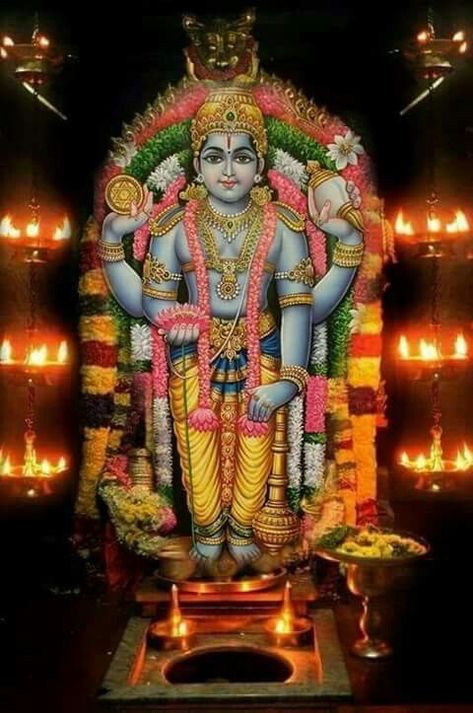
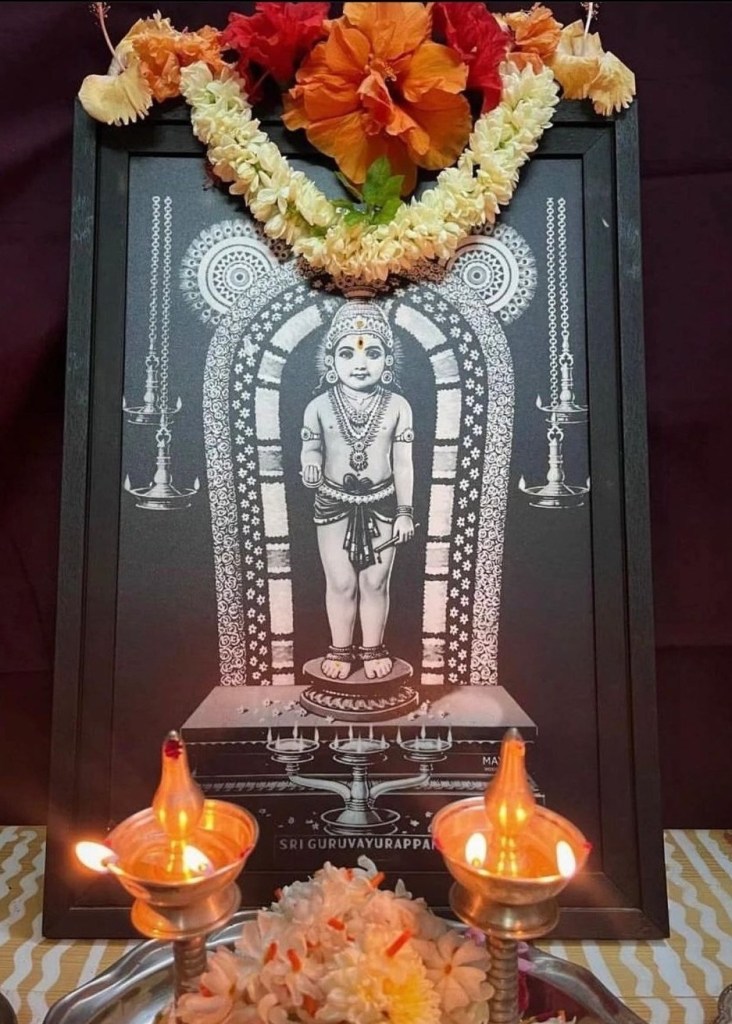
Human beings who are bound by the law of Karma should remember this Viraat (cosmic) form of Thine, which is of the nature of pure Sattva, at the end of all rituals, and when desirous of liberation and at the time of death. O Lord of Guruvaayur! My salutations to Thee. Please eradicate my ailments.
Meaning of the Sanskrit Words
ईदृक्-जगन्मय-वपु: - तव - such cosmic (Viraat) form of Thee
कर्मभाजां - by all human beings (who are subject to the law of Karma)
कर्म-अवसान-समये - at the end of all vedic karmas and at the time of death
स्मरणीयम्-आहु: - should be remembered, it is said
तस्य-अन्तर-आत्म-वपुषे - (Thou) who are the Indweller of that Viraat form
विमलात्मने ते - (and) Thou who are of the nature of pure Sattva
எம் பிறப்பிறப்புச் சக்கரம் உன் செயல்கள் உம் வீரபராக்ரமன்றோ அசுரர்தம் குழாம் மலைத்தொடர்கள் உன்னுடல் எலும்புகள்
வற்றா நதிகளே உன் குருதிக் குழாய்கள் மரங்களனைத்தும் உன் உரோமங்கள் விரித்துக் கூற இயலா உன் இவ்வடிவம் விளங்கட்டும் ஒளிமயமாய் என் இதயத்தில் கரமதனில் சக்ரமேந்திய சாரங்கனே!! 6.9
O Thou wielder of the discus! Thy activity is the wheel of Samsaara and the host of Asuras are Thy prowess.The mountains are Thy bones, the many rivers are Thy blood streams and the trees are Thy hair. May this indescribable form always shine in me.
Meaning of the Sanskrit Words
संसार-चक्रम्- the wheel of Samsaara ( the cycle of birth and death)
अयि चक्रधर -=O Thou wielder of the discus!
क्रिया: -ते - is Thy activity
वीर्यं महा-असुर-गण: - (Thy) prowess is the host of powerful Asuraas
अस्थि-कुलानि शैला: - (Thy) bones are the mountains
नाड्य: -सरित्-समुदय: - (Thy) blood vessels are the many rivers
O Ocean of mercy! The animal world is Thy lower-back and the elephants camels and horses are the nails of Thy feet. Time is Thy movement. The four varnas -Brahmins, Kshatriyaa, Vaishyaa and Shoodraas originated from Thy lotus face, hands, charming thighs and feet, respectively.
Meaning of the Sanskrit Words
श्रोणी: -स्थल - (Thy) lower-back
मृगगणा: - forms the animal world
पदयो: - नखा: - ते - the nails of Thy feet
हस्ति-उष्ट्र-सैम्धव-मुखा: - are the animals like elephants, camels, horses etc.
गमनं तु काल: - (Thy) movement is Time
विप्र-आदि-वर्ण-भवनं - Brahmins and the other Varnas ensue from
वदन-आब्ज-बाहु-चारु-उरु-युग्म-चरणं - (Thy) lotus face,arms, charming thighs and feet
O Self Effulgent Lord! The back of “Your” Cosmic Form is unrighteousness ( this implies that unrighteousness should be left behind or abandoned);  Your mind is the Moon. O Lotus-eyed Lord! Your Lotus heart is the Unmanifest (Un differentiated nature) with the three Gunas in equilibrium.

Your abdomen is the oceans; Your garments are the two Sandhyaas—dawn and the dusk. Your generative organ is Prajaapati, the God of procreation; Your testicles are God Mitra
Meaning of the Sanskrit Words
पृष्ठं तु-अधर्म - (Thy) back is Adharma (unrighteousness)

इह - of this (cosmic world)

देव - O Lord!

मन: सुधांशु: - mind is the moon

अव्यक्तम्-एव - the unmanifest

हृदय-अम्बुजम् - (is Thy) heart lotus

अम्बुजाक्ष - O Lotus eyed One!

कुक्षि: समुद्रनिवहा: - (Thy) abdomen is the ocean

वसनं तु सन्ध्ये - (Thy) garments are the two sandhyaas (dawn and dusk)

शेफ: प्रजापति:- - (Thy) generative organ is Prajaapati (god of procreation)

असौ वृषणौ च मित्र: - and (Thy) testicles are god Mitra
பக்தி என்பது ஒரு உணர்வு. பக்தி என்ற உணர்வு ஒன்றே; இந்த உணர்வில் பல வகைகள் இல்லை. இந்த ஒரே உணர்வினை வெளிப்படுத்தும் வகைகள் மட்டுமே வேறு. நவபக்தி என்பது பக்தியின் ஒன்பது வழிகள். ஸ்ரவணம், கீர்த்தனம், ஸ்மரணம், பாத ஸேவநம், அர்சனம், வந்தனம், தாஸ்யம், ஸக்யம், ஆத்ம நிவேதநம்.
1. ஸ்ரவணம் – இறைவனுடைய நாமங்களையும், அவனுடைய கல்யாண குணங்களையும் கேட்பது.
2. கீர்த்தனம் – பகவானின் பெருமைகளைப் பேசுவது.
3. ஸ்மரணம் – எப்பொழுதும் இறைவனை நினைவது.
4. பாத ஸேவனம் – இறைவன் திருவடிகளை வணங்குவது.
5. வந்தனம் – பகவானை வணங்குவது, அவனைப் போற்றுவது.
6. அர்ச்சனம் – இறைவனுக்கு மலர்களையும், கனிகளையும் கொடுத்து மகிழ்வது.
7. தாஸ்யம் – பகவானின் வேலைக்காரனாக நடந்து கொள்வது.
8. ஸக்யம் – ஆண்டவனிடம் நட்பு கொள்வது.
9. ஆத்ம நிவேதனம் – ஆண்டவனிடம் ஆத்மாவை ஒப்படைப்பது
இந்த ஒன்பது வகையான வெளிப்பாடுகளில் ஒன்று இறைவன் தாழ் பணிதல். குருநாதர் ஓம்காரனந்த ஸ்வாமிகளின் அருளுரைகளிலிருந்து அடியேன் அறிந்ததை இப்போது காண்போம்.
தாள் பணிதல்
நம்மில் பெரும்பாலோர்க்கு ஆண்டவனின் வழிபாடு என்பதே அடி பணிதலில் தான் தொடங்குகிறது. அதனால் தான் ‘அவனருளாலே அவன் தாள் வணங்கி’ என்று திருவாசகம் குறிப்பிடுகிறது. திருவள்ளுவர், கடவுள் வாழ்த்திலுள்ள பத்து குறள்களில் ஏழு குறள்களில் இறைவனின் தாழ், அடி வணங்குவதைக் குறிப்பிடுகிறார். அனைவரும் தேடும் அடைக்கலம் இறைவனின் பாதங்களே.
நாம ரூபமுடைய ஒவ்வொரு இறைவனுக்கும் கரங்கள் பல இருந்தாலும் கூட, கால்கள் மட்டும் இரண்டுதான். காரணம் அடியவர்கள் அப்பொழுது தான் பற்றிக் கொள்ள இயலும். நமக்கெல்லாம் கரங்கள் இரண்டு தான் உள்ளது, வலது கரம்,இடது கரம். எண்ணற்ற கால்கள் இறைவனுக்கு இருந்தால், இந்த இரண்டு கரங்களால் எப்படிப் பற்றிக் கொள்ள இயலும் என்பதால் தான்,கால்கள் இரண்டாகவும், கைகள் அள்ளிக் கொடுப்பதற்கு பலவாகவும் இருக்கின்றது என்பதை நாம் உணரலாம்.
இறைவனின் திருவடிகளை தாமரை மலருக்கு ஒப்பிடுகிறது மறைகள்.
“ஆண்டவரே, உமது இரண்டு தாமரை பாதங்களும் இலையுதிர் காலத்தில் வளரும் தாமரை மலரின் இரண்டு மலர்ந்த இதழ்கள் போல் தோன்றும் அளவுக்கு அழகாக இருக்கின்றன. உண்மையில், உனது தாமரை பாதங்களின் நகங்கள் ஒரு பெரிய பிரகாசத்தை வெளிப்படுத்துகின்றன”
என்கிறது ஶ்ரீமத் பாகவதம் (4.24.52).
அவன் தாளை, அதாவது இறைவனின் திருவடியைப் பணிவது என்பது எளிதான காரியம் அல்ல. அதற்கும் ஆண்டவனின் அருள் வேண்டும் என்று அழகாகக் குறிப்பிட்டுள்ளனர் ஞானிகள்.
திருவடி பணிவதன் பலன்
இறைவன் திருவடிதனைப் பணிவதனால், என்ன பலன் என்ற கேள்வி எழலாம். இதற்கு விடைகள் ஏராளமாக உள்ளன நமது மறைகளில்.
1. “இறைவா! உன் திருவடி நகங்களின் ஒளி, ஒரு வரையறுக்கப்பட்ட ஆத்மாவின் இதயத்தில் உள்ள அனைத்து இருளையும் உடனடியாக அகற்றுகின்றன. என் அன்பான இறைவா, ஒரு பக்தனின் இதயத்தில் உள்ள எல்லா வகையான இருளையும் எப்போதும் அகற்றும் உனது அந்த வடிவத்தை எனக்குக் காட்டுவாயாக. என் அன்பான ஆண்டவரே, நீங்கள் அனைவருக்கும் உயர்ந்த ஆன்மீக குரு; எனவே அறியாமையின் இருளால் மூடப்பட்டிருக்கும் அனைத்து ஆன்மாக்களும் ஆன்மீக குருவாகிய உன்னால் ஞானம் பெற முடியும்” என்கிறது ஶ்ரீமத் பாகவதம் (4.24.52).
2. இறைவனின் திருவடி என்ன செய்யும்,என்பதை அருணகிரிநாதர் தெளிவாகக் கூறியிருக்கிறார். ‘நாளென் செய்யும்! வினைதான் என்செய்யும்! எனை நாடி வந்த கோள் என் செய்யும்!’……‘இங்கு என் தலைமேல் நின் கால்பட்டு அழிந்தது அயன் கையெழுத்தே’ என்பது கந்தர் அலங்காரப் பாடல். எனவே இறைவனின் திருவடியானது நம் விதியை மாற்றவல்லது.
3. பெருமாள் கோவிலுக்குச் சென்றால் நம் திருவடிச் சின்னமான சடாரி வைக்கப்படுவது, நம் தலையெழுத்து சிறப்பாக அமைய வேண்டும் என்பதால் தான்.
4. நமச்சிவாய வாழ்க! நாதன் தாள் வாழ்க! என்று இறைவனது திருவடியைப் பணிவதில் ஒரு தத்துவம் உள்ளது. வாழ்வில் ஒவ்வொருவரும் பெரியவர்களுக்கும், குருவாக விளங்கும் ஆசிரியர்களுக்கும், பெற்றோர்களுக்கும் கீழ்படிதல் வேண்டும் என்ற ஒப்பற்ற தத்துவத்தை உணர்த்துவதற்காகத் தான் திருவடி வழிபாடு உருவாக்கப்பட்டது என்பர் ஞானியர்.
5. திருவடிகளைப் பற்றினால் காலனைக் கூட வெல்ல முடியும். இதற்கு திருக்கடையூர் வரலாறு சாட்சி கூறுகிறது. மார்க்கண்டேயனின் உயிரை எடுப்பதற்கு பாசக்கயிற்றை வீசினான் காலன். மார்க்கண்டேயன் அலறி ஓடி சிவலிங்கத்தை இறுக்கக் கட்டிக் கொண்டான். எமதர்மனால் வீசப்பட்ட பாசக்கயிறு லிங்கத்தின் மீது விழுந்தது. லிங்கத்தில் இருந்து சிவபெருமான் வெளிப்பட்டார். காலனைத் தன் காலால் உதைத்தார்.எம தர்மன் இறைவனைப் பணிந்து மார்க்கண்டேயனுக்கு விதி விலக்கு அளித்தது உலகறிந்த உண்மையல்லவா!!
6. ஜோதி வடிவான ஆதிப் பரம்பொருளாகிய ஈசனின் அடி முடி காண, மாலும் அயனும் முயன்றனர்.திருவடி தேடிச் சென்றவர் திருமால், திருமுடி தேடிச் சென்றவர் பிரம்மன்.
இறைவனின் திருவடியை முதலில் பணிந்தால் நம் மனதில் பக்குவம் ஏற்படும். நாம் தலையைக் குனிந்து வழிபட்டால் திருவடி தெரியும். அகக்கண் திறந்து அனைத்தும் வளமாக வேண்டுமானால் இறைவனின் இணையடிகளைப் பார்த்து வழிபாடு செய்வது அவசியமாகும். இறைவனின் திருவடிகள் அறிவைக் (ஞானம்) குறிக்கின்றன. அறிவு உள்ள இடத்தில் அனைத்து செல்வங்களும் வந்து சேரும்.
திருவடிகளும் மெய்ப்பொருள் ஞானமும்
பொதுவாக, இறைவனின் கமலப்பாதங்கள் இரண்டினைப் பற்ற, உடல், வாக்கு, மனம் வழி நாம் புரியும் வழிபாட்டுச் செயல்கள்களால் நமக்கு வரும்/கிடைக்கும் பலன்களை, ஒவ்வொரு திருவடியின் அருள் என எடுத்துக் கொண்டால், அவைகளை இங்கனம் பிரித்துப் பார்க்கலாம்:
இடது திருவடி குறிப்பது
1. அபர ஞானம்
2. கர்ம காண்ட ஞானம்
3. உள்ளத்தைப் பக்குவப்படுத்துவது
4. சரியை, (உடலால்) கிரியை (உடலால், வாக்கால்)
வலது திருவடி குறிப்பது
1. பர ஞானம்
2. ஞான காண்ட ஞானம்
3. உண்மையை உணர்த்துவது
4. யோகம்(உள்ளத்தால்), ஞானம்
பாத ஸேவநம் என்பது இறைவனது திருவடி போற்றுதலைக் குறிக்கும். அதாவது, கர்ம காண்டத்தைக் கடைப்பிடித்து (இறையின் இடது திருவடி பற்றி), “சித்த ஸுத்தி” எனும் மனத்தூய்மையை அடைந்து, ஞான காண்டத்தை அறிந்து பரம்பொருளும் (பரமாத்மாவும்) நீயும் (ஜீவாத்மாவும்) ஒன்றே என்ற மெய்யறிவினை (ஆத்ம ஞானம்) அடைவதைக் குறிப்பதே “பதாம்போஜம் பஜ” என்ற சொற்றொடர் குறிக்கிறது.
O Lord! Controller of the Universe, Your sportive smile constitutes Maya, Your Cosmic Creative Power; Your breath is the wind; Your tongue is water, Your speech the formation of beautiful birds;

Your tunes (The seven notes Sa,Ri, Ga, Ma, Pa, Da, Ni) are the divine Siddhas,  and Gandharvas; Your mouth is the God of Fire, arms the Devas, and Your twin breasts are the God of Dharma representing Pravriti and Nivriti Dharmas !
Meaning of the Sanskrit Words
माया	 - Maayaa (Thy cosmic creative power)

विलास-हसितं - is (Thy) charming smile

श्वसितं समीर: - (Thy) breath is the wind

जिह्वा जल - (Thy) tongue is water

वचनम्- speech

ईश	O Lord !

शकुन्त-पङ्क्ति - is the birds' chirping in formation

सिद्ध-आदय: स्वरगणा: - (Thy) voice is the Sidhdhaas (and other divine artists)

मुख-रन्ध्रम्-अग्नि: - (Thy) mouth is fire

देवा भुजा: - (Thy) arms are the gods (Devaa)

स्तनयुगं तव धर्मदेव: - Thy breasts is the Dharmadeva (the god of righteousness)
அஷ்டாவக்ர கீதையின் ஸ்லோகங்களுக்கு விளக்கவுரைகள், புத்தக வடிவில் குறைவு. சமூக வலைத் தடங்களில் பல பெரியோர்கள் தங்களது விளக்கங்களை ஒளி அல்லது ஒலிப் பதிவுகளாக வெளியிட்டுள்ளனர்.
அடியேனின் ஏட்டறிவு, கீழ்காணும் நூல்கள், ஒளிப்பதிவுகள் ஆகியவற்றிலிருந்து.
பகவத் கீதை – தத்துவ விவேசினீ – கீதா பிரஸ்ஸின் விரிவுரை
திருக்குறள்.
திருமந்திரம்.
தாயுமானவர் பாடல்கள்
சுவாமி சின்மயானந்தரின் அஷ்டாவக்ர கீதை விளக்கவுரை நூல்,
சுவாமி பரமார்த்தானந்தரின் அஷ்டாவக்ர கீதை விளக்கவுரைகளை தொகுத்து வெளியிடப்பட்ட எழுத்துப் பதிவுகள்,
பகவான் ரமணரின் தமிழாக்கம்,
குருநாதர் சுவாமி ஓம்காரானந்தரின் வேதாந்த சொற்பொழிவுகள்,
பகவான் ரமணரின் உள்ளது நாற்பது
பொதுவாக ஒரு புதிய பாடத்தையோ, அறிக்கையையோ, பதிவினையோ நான் படிக்கத் துவங்கினால், குறிப்புகள் எடுத்துக்கொள்வது எனது பழக்கம். அப்படி எடுத்துக்கொண்ட குறிப்புகளின் தொகுப்பினை புத்தக வடிவத்தில் (இரண்டு பாகங்களாக) வெளியிட்டுள்ளேன்.
முதல் பாகம் ஸ்லோகங்களின் தமிழாக்க முயற்சி.
இரண்டாவது பாகம் விளக்கவுரைகளின் தொகுப்பு.
இந்தப் புத்தகம், உலகுக்கு என் அறிவை வெளிப்படுத்தும் நோக்கமாகக் கொண்டிருக்கவில்லை.
ஞான யோகத்தில், அரிய முதல்நிலை மாணவனாம் ஜனகருக்கு உரையாடல் வழி உபதேசிக்கப்பட்டதை, அறிவிலியாகிய நான், புத்தக வடிவில் வெளியிடுவது என்பது, என் அகங்காரத்தை அல்ல, மடமையைக் குறிக்கிறது என்றே கூறலாம்.
இந்த புத்தகம் நிச்சயமாக வேதாந்தத்தின் முன்நிலை மாணவர்களுக்கோ அல்லது கற்றறிந்த பெரியோருக்கோ அல்ல. அறியாமையைனும் இருண்ட ஆழ்வனத்தில், மருண்டு அலையும் என்போன்ற சிறியோருக்கு, மின்மினிப்புச்சியின் ஒளியென உதவும் முயற்சியே இந்த புத்தகம்.
இந்த புத்தகங்களின் விற்பனையில் வரும் ஈட்டு அனைத்தும் என்னுடையது அல்ல. அது இறை பணிக்கே என்பது எனது உறுதிமொழி.
சொற்குற்றம், பொருட்குற்றம் கண்டீரெனில், மழலை கூறும் குழவியின் தடுமாற்றம் என்று கருதி, அவைகளை சுட்டிக்காட்டிடுவீர். அறிந்துணர முயன்றிடுவேன்.




 Prabhu's Ponder