O Lord! I, Thy devotee, by long practice will be able to visualize in my mind Thy beautiful form with all limbs clear and vivid. So I will devote myself to meditation, without any effort, always surrendering to Thee.
Meaning of the Sanskrit Words
विस्फुट-अवयव-भेद-सुन्दरं - with distinctly clear limbs and very beautiful

त्वत्-वपु:- Thy form

सुचिर-शीलनावशात् - by long practice

अश्रमं मनसि - without any effort in the mind

चिन्तयाम - (I) we shall contemplate

ध्यान-योग-निरता:- intent on meditation

त्वत्-आश्रयाः - (I) we who have taken refuge in Thee
asphuTe vapuShi te prayatnatO dhaarayema dhiShaNaaM muhurmuhuH |

tena bhaktirasamantaraardrataamudvahema bhavadanghrichintakaaH || 4
Meaning in Tamil
துவக்கத்தில் தெளிவிலா யானறிந்த உன் வடிவமதில்

துவங்கிடுவேன் என் மனதை நிலை நிறுத்தி தியானம்

தொடருவேன் கடின அப் பணிதனை இடைவிடாது

அடிபற்றுவேன் உன்னிரு திருப்பாதம் அதன் முடிவில்

அடைவேன் பக்திப் பேரின்பமுடன் கனிவான மனது 4.4
Meaning in English
O Lord! I will then start meditating on Thee. Initially with great effort I shall try to fix my mind on Thy form, which will be vague in the beginning. Practicing thus again and again I shall attain bliss of devotion and tenderness of heart
Meaning of the Sanskrit Words
अस्फुटे वपुषि ते - on the hazily perceived form of Thine

प्रयत्नत: - with great effort

धारये - (I) we shall fix

धिषणां - the mind

मुहु: मुहु: - again and again

तेन	- by (doing) this

भक्तिरसम्-अन्त: - आर्द्रताम् - melting of the heart through the bliss of devotion

उद्वहेम	 - shall attain

भवत्-अङ्घ्रिचिन्तका: - (I) (we who) meditate on Thy holy feet
O Lord! by regulating my breath through Pranayama and having purified myself I will continuously chant the Pranava (Om) mantra mentally. Thus, withdrawing my senses from the sense objects, and being purified, I will prepare myself for meditation on Thee.
Meaning of the Sanskrit Words
तारम्-अन्तरम्-अनुचिन्त्य	Pranava (Om) in the mind repeating

सन्ततं	 continuously

प्राण-वायुम्-अभियम्य	the breath thus regulating

निर्मला:	and being purified

इन्द्रियाणि विषयात्-	sense organs from the sense objects

अथ-अपहृत्य	then withdrawing

आस्महे	(I) we will be

भवत् उपासन-उन्मुखा:	for meditating on Thee, prepared
Jagadguru Saccidānanda Śivābhinava Nṛsimha Bhārati Mahāswāmiji, (referred as Nṛsimha Bhārati Mahāswāmiji henceforth) was 33rd Jagadguru in the unbroken chain of Ācāryas of Śrīngeri Śrī Śāradā Peetham, one of the foremost of the Mutt’s established by Śrḹ Śaṇkara Bhagavatpāda.
Jagadguru Śrī Śrī Saccidānanda Śivābhinava Nṛsimha Bhārati Mahāswāmiji, embellished the sacred peetham from 1879 to 1912. He is adorned as Śrī ‘Abhinava Śhankarā’, a spiritual reincarnation of the great saint Śrī Śaṇkara Bhagavatpāda.
Bhakthisudha Tarangini is a brainchaild of Nṛsimha Bhārati Mahāswāmiji comprising various poetic compositions which was published by his earnest disciple Śrī. T.S. Balasubrahmanya Iyer in the year 1913.
Bhakthisudha Tarangini is a voluminous work. Like the great Śrī Śaṇkara Bhagavatpāda, Śrī Nṛsimha Bhārati Mahāswāmiji composed many stotras in praise of various Gods and Goddesses at various Shrines throught India. This book is a collection of 170 stotras of different dieties categorised as follows- Ganesha stotras, Devi stotras, Guru stotras, Vishnu, Shiva and Vedanta stotras.
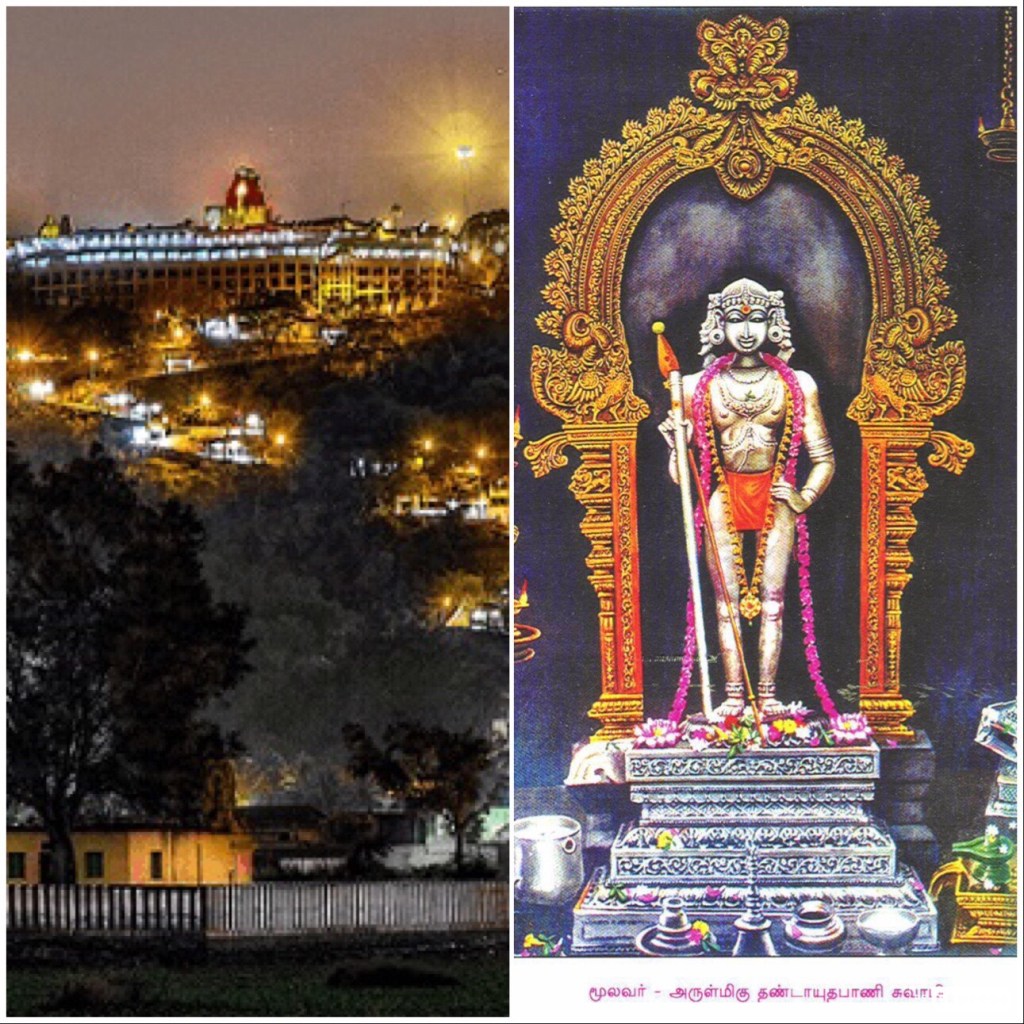
Here is one on Lord Subramanya. Lord Subramanya is also known as Dandapani. This Sloka is a Pancharathna Mala and has five verses.
I pray continuously Lord Dandapani, who destroys the cruel sins of the devotees; who wears earrings which makes the two cheeks glitter; who punishes the Asuras who are the enemies of the Devas.
I pray continuously Lord Dandapani, who is the son of the killer of Yama; who is the temple of mercy; who sports a matted hair decorated by the crescent moon and who is the representative (svarupa) of Lord Siva.
I pray continuously Lord Dandapani, who has a great luster similar to moon, the lord of stars, who is the enemy of Tharaka , who speedily grants the wealth sought by devotees, and who helps us to cross the deep sea of life cycles (samsara) like a boat .
I pray continuously Lord Dandapani, who destroys all the worries of the true devotees, who helps us to destroy our true enemies viz., anger and passion, and who is the one who helps us to reach his abode quickly.
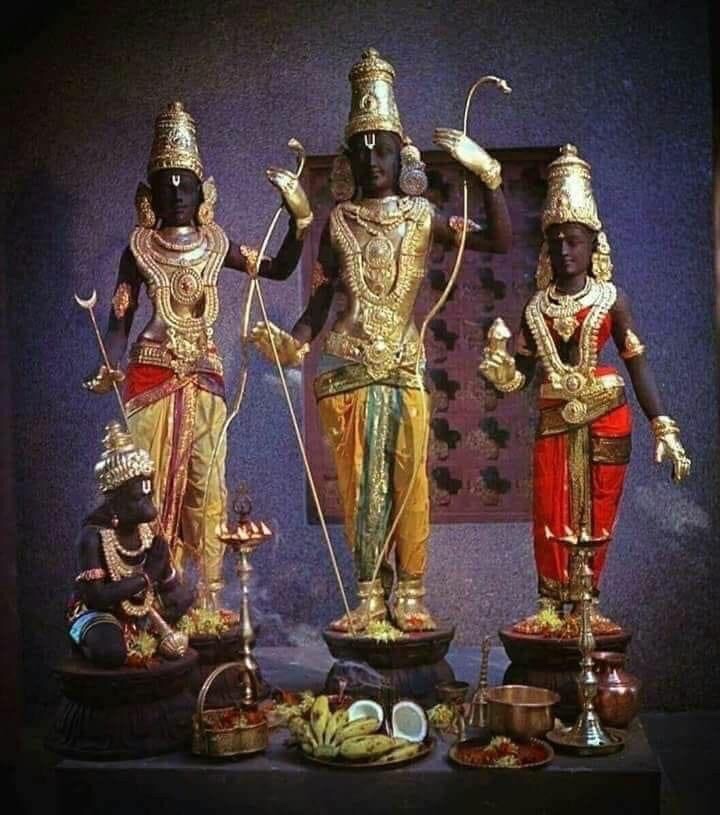
I pray continuously Lord Dandapani, who is the destroyer of the Cupid and is handsome Himself, who is worshipped with hands folded by Lord Ram and Lakshman and who has tender and elegant looking form.
Self control and purity of Body/Mind (“Yama and Niyama”) are the “sine qua non” for beginning Ashtanga Yoga. This is followed by correct postures (“aasanaas”).
After seeking the Divine Grace, Bhattathri outlines these steps in Sloka 2 of Dasakam 4 of Sriman Narayaneeyam.
சுய கட்டுப்பாடு மற்றும் உடல்/மனத்தின் தூய்மை (“யமா மற்றும் நியமா”) – இவை இரண்டும், அட்டசித்தி (அஷ்டாங்க) யோகத்தின் முதல் படிகள். இதைத் தொடர்ந்து சரியான “ஆசனங்கள்”.
ஸ்ரீமன் நாராயணீயத்தின் தசகம் 4, முதல் ஸ்லோகத்தில் தெய்வீக அருளை வேண்டிய பிறகு, இரண்டாவது ஸ்லோகத்தில், பட்டத்திரி இந்த வழிமுறைகளை கோடிட்டுக் காட்டுகிறார்.
ஈரைது இயமமுடன் தன்னடக்கநிலைபூண்டு

அனுதின நியமமுடன் தூயநிலை அடைந்து

சுக, கமல ஆசனங்கள் புரிந்து உனை துதித்து

உளம் உன்னில் நிறுத்திடுவாம் உலகுய்வோனே! 4.2
Meaning in English
O Lord!I (we all (the devotees) will strictly follow the discipline of Yama (self control) by practice of Brahmcharya etc. and also the discipline of Niyama (rules of right conduct) through routines of daily bath etc. and attain purity of body and mind. I (we) will then practice steady postures (Asanaa) like Sukhaasanaa and Padmaasanaa etc. for meditating on Thee.
Meaning of the Sanskrit Words
ब्रह्मचर्य-ढृढता-आदिभि:-यमै:- through the observances of disciplines of self control like strict continence etc.
आप्लव-आदि-नियमै:-च and daily bath like rules of right conduct
The term Avatāra (अवतार) in Sanskrit means 1) Descent, alighting; descending or going down into; 2) Form, manifestation; 3) Descent of a deity upon earth, incarnation in general.

The Vedas, the Puranas, the Epics and the Bhagavadgita acknowledge the incarnations of Vishnu as an essential and important function of creation to ensure the order and regularity of the worlds and keep the chaos and demonic forces under control.

An incarnation of God is also different in many respects from a manifestation (vibhuti) or an aspect (amsa) of God. Practically, everything is a manifestation of God. A manifestation may or may not be aware of its divine nature. Its purpose may be limited in scope and influence, and it may represent only some qualities or aspects of God such as his knowledge, intelligence, power, wealth, beauty, aura, grace, etc. Secondly, a manifestation of God may happen with or without a form, not necessarily upon earth, whereas an incarnation always happens upon earth and in corporeal form only.

Technically, all living beings are incarnations of God only, since the soul or the Self is an aspect of Brahman and identical to him in all aspects. However, there is a fundamental difference. The incarnations of God are full-fledged. He manifests all his power and knows inherently his divine purpose upon earth. In contrast, the living beings are subject to the impurities of egoism, delusion and attachments.
With the above introduction, let us now study a wonderful Sloka which depicts the qualities of Lord Rama, the seventh Avatar of Lord Vishnu.
Audio Link
Pl. Listen to a wonderful recitation of the Sloka by the young Carnatic Musician Sri. Ashwath Narayanan in Ragamalika as a Virutham (approx 9 mts).
1. SAntaM SaSvatam apramEyaM anaghaM - him, the embodiment of tranquility, the eternal one, the causeless one, sinless one.

2. nirvANa SAntipradaM - him who confers liberation and peace.

3. brahmAviShNu phaNIndra sEvyaM aniSaM - the lord to whom Brahma, Vishnu and Shiva offer service.

4. vEdAnta vEdyaM vibhuM - the one knowable through Vedas, the Cosmic one.

5. rAmAkhyaM jagdISvaraM suraguruM mAyAmanuSyaM hariM -  named Rama, the lord of the world, the preceptor of gods, the one incarnated by Hari as a man as an act of Maya.

6. vandEhaM karunAkaraM - I bow down to him, the ocean of mercy.

7. raghuvaraM bhUpAlacUDAmaNiM - the scion of Raghus, and a crest jewel among kings.
O Lord! Bestow on me just that much of health necessary to worship Thee. Then I shall practice the eight-limbed yoga (Ashtanga Yoga) and earn Thy grace.
Meaning of the Sanskrit Words
कल्यतां – health; मम – for me; कुरुष्व – kindly bestow; तावतीं – (at least) that much; कल्यते – (by which) I can perform; भवत्-उपासनं – worship of Thee; यया – by which; स्पष्टम्- definitely; अष्ट-विध-योग-चर्यया – by practicing the eight limbed yoga (Ashtanga Yoga); पुष्टय-आशु – (I will) be nourished soon; तव तुष्टिम् – (with) Thy grace; आप्नुयाम् – I will attain i
YO Lord! What is the use of my mere prattling? O Bestower of boons! I have resolved that till Thy Grace descends on me, giving up all my lamentations, I shall do prostration at Thy holy feet which are in front of me, sing Thy glories and do service to Thee as best as I can. Thus worship Thee !
I am starting a new series on “Lessons for Life” as per my limited understanding of our Scriptures. When we talk about lessons, we should be clear as to why are we looking for lessons. If we analyse this “why”, a little bit deeper in our own life, we end up with the basic issue which explains the title for the first topic – Objective Tensions and Subjective Confusions. We all are subjected to; no exceptions.
The choice of words directly takes us back in time and space to Kurukshetra, the battle field and the opening chapter of Bhagwad Gita.
Here is my limited understanding summarised and presented in Tamil and English. Please feel free to comment and offer your valuable inputs & suggestions for me to continue my learning.
என்சிற்றறிவுக்குஎட்டியகண்ணோட்டம்
காயமெனும் பாத்திரம், போடுவது நாடகம்,
ஆடி ஒய்வதில் இல்லை சந்தேகம் – எனினும்
மாறுவதையும் மடிவதனையும் மறுத்திட்டு,
பாசமுடன் பந்தமென்று சொந்தம் கொண்டு
மடமையுடன், மனதினிலே இன்பம் தேடி
கடமைதனை விலக்கிட்டு, காண்டீபம் நழுவிட
பரமனிடம் ஏவுகனை பெற்ற பார்த்தனவன்,
சரணமடைந்தான் தனது சந்தேகம் தீர்த்திடவே
சிரம் தாழ்த்தி வணங்கிட்டு போர்களத்தில்
பரம்பொருளாம் தேரோட்டி கண்ணணிடம் !
My limited understanding of the core issue
A mind with illusion leads to lack of clarity resulting in despondency. “When a man with a sense of duty is caught in illusion, even then he can’t bear to face the sense of reality which is the naked fact of his lapse from duty. He usually covers it up with an inquiry into principles”.
In this world of bitter competition, each one of us is compelled to battle constantly with things and beings. The external challenges persecute us. Deep within ourselves also, we have become helpless slaves to our uncontrollable desires and undisciplined thoughts. We modern humans have come to shreds and is torn between objective tensions and subjective confusions. The former is not in our control and we cant escape.
Lesson 1 – So, our success is measured by the extent we control our inner subjective confusions.
bhavatsnehii sO(a)haM subahu paritapye cha kimidam |
akiirtiste maa bhuudvarada gadabhaaraM prashamayan
bhavadbhaktOttamsaM jhaTiti kuru maaM kamsadamana ||
Tamil Transliteration
மருத்₃கே₃ஹாதீ₄ஶ த்வயி க₂லு பராஞ்சோ(அ)பி ஸுகி₂நோ
ப₄வத்ஸ்நேஹீ ஸோ(அ)ஹம் ஸுப₃ஹு பரிதப்யே ச கிமித₃ம் |
அகீர்திஸ்தே மா பூ₄த்₃வரத₃ க₃த₃பா₄ரம் ப்ரஶமயந்
ப₄வத் ப₄க்தோத்தம்ஸம் ஜ₂டிதி குரு மாம் கம்ஸத₃மந || 9||
Meaning in English
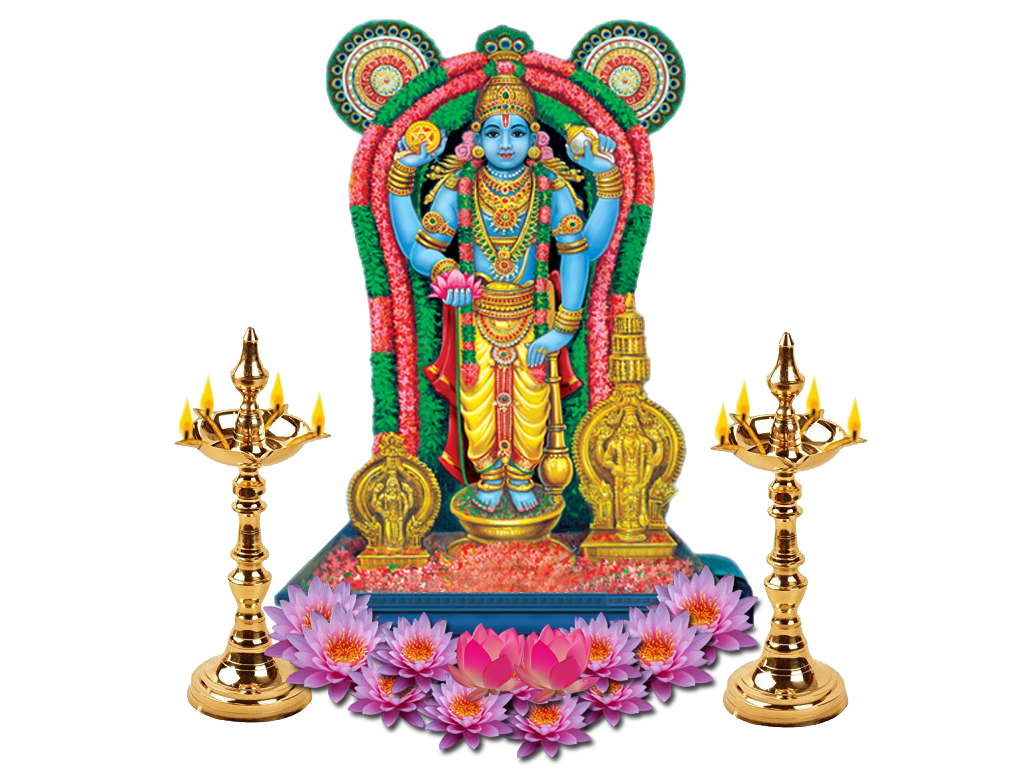
O Lord of Guruvaayur! I find that even those who are indifferent to Thee are leading a happy life. O Bestower of boons! Even though I am an ardent devotee of Thine, I am undergoing various sufferings. Why is this so? O Lord! Will this not bring disrepute to Thee? Hence, O slayer of Kamsa! Kindly eradicate my diseases and soon make me one of your foremost devotees




 Prabhu's Ponder