In a matter of 200 seconds, how fast can you change to a different colour dress ? Can you beat this?
Today 15th Jan 2022, in a matter of 200 seconds, Nature changes the dress of Bangalore City four times. Just amazing!


In a matter of 200 seconds, how fast can you change to a different colour dress ? Can you beat this?
Today 15th Jan 2022, in a matter of 200 seconds, Nature changes the dress of Bangalore City four times. Just amazing!
Today is Thai Pongal. They say தை பிறந்தால் வழி பிறக்கும். The dawn of the Tamil Month of Thai is expected to bring in solutions to all our issues. Happy Pongal to all.
The day is also called Makar Sankranti or Uttarayan or Maghi or simply Sankranti (also known in Bangladesh as Poush Sankranti), It is a harvest festival day in the Hindu Calendar, dedicated to the nourisher Aditya or Surya (Sun). It is observed each year the day Sun enters the Capricorn zodiac which corresponds with the month of January as per the Gregoriyan Calendar. It marks the first day of the sun’s transit into Makara rashi (Capricorn). A very special day indeed for us.
On this auspicious day, here is my photographic Pranaam to Aditya.
Everyday during my walks in the early morning and in the evening, I was always under the impression that I had the best views of our nourisher “Aditya” the Sun and receive his Golden Blessings.

Somedays I get young guests joining me to share the gallery.


But never did I realize that there are always some “special beings” who had the vantage view, negating my “superior view” about myself. Here are these special ones.


No wonder we say “आदित्यहृदयं पुण्यं”. The Sun has a noble heart indeed.
Have a great day. God Bless. இறை அருள் பெருக. வளமுடன் வாழ்க !

Link to the Audio for Chanting
https://www.dropbox.com/s/9uy9v6twmp9nj8f/3-1.mp3?dl=0
Sanskrit Verse
पठन्तो नामानि प्रमदभरसिन्धौ निपतिता:
स्मरन्तो रूपं ते वरद कथयन्तो गुणकथा: ।
चरन्तो ये भक्तास्त्वयि खलु रमन्ते परममू–
नहं धन्यान् मन्ये समधिगतसर्वाभिलषितान् II
English Transliteration
paThantO naamaani pramadabharasindhau nipatitaaH
smarantO ruupaM te varada kathayantO guNakathaaH |
charantO ye bhaktaastvayi khalu ramante paramamuu
nahaMdhanyaan manye samadhigatasarvaabhilaShitaan || 1
Tamil Transliteration
பட₂ந்தோ நாமாநி ப்ரமத₃ப₄ரஸிந்தௌ₄ நிபதிதா:
ஸ்மரந்தோ ரூபம் தே வரத₃ கத₂யந்தோ கு₃ணகதா₂: |
சரந்தோ யே ப₄க்தாஸ்த்வயி க₂லு ரமந்தே பரமமூ-
நஹம் த₄ந்யாந் மந்யே ஸமதி₄க₃தஸர்வாபி₄லஷிதாந் || 1||
Meaning in English
O Bestower of Boons! I consider those devotees of Thine most fortunate, who always chant Thy sacred names, and so revel in the ocean of Bliss. Contemplating on Thy divine form they are engaged in narrating Thy divine stories. Moving about freely, they are immersed in the joy of Thy thoughts. They, indeed, have fulfilled all their desires in life.
Meaning in Tamil
உன் திருநாமங்களை மீண்டும் மீண்டும் உரைவோர்
மூழ்கித்திளைப்பர் பேரானந்தக் கடலினிலே, வரதனே!
உன் வடிவம் உள்நிறுத்தி உரைத்திடுவரே,
உன் மகிமைமிகு திருவிளையாடல்களை, உலகோனே!
கட்டின்றி நகரும் அப்பக்தர்குழாம் எந்நேரமும்,
மட்டின்றி திளைத்தனரே உன் பேரின்பக் கடலிலே, கண்ணா!
கடந்தனரே வாழ்வதனின் தம் ஆசைக் கடல் அனைத்துமே
கண்டனரே தமை உலகில் புண்ணியரென, குருவாயூரப்பனே! 3.1
Sivananda Lahari & Dakshinamurthy Stothram
Adi Sankaracharya’s Sivananda Lahari and Dakshinamurthy Stothram – All the Sanskrit Verses with Transliteration, translation and meaning in English and Tamil is available at Amzon Kindle and will be available at
speciallydiscounted price of 0.99 USD (From USD 2.99) each
from Jan 10th to Jan 16 for Mahara Sankaranthi & Pongal.


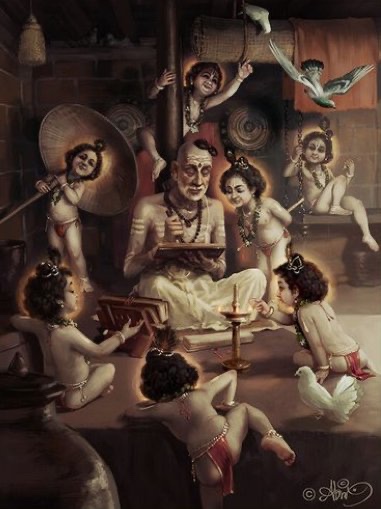
The greatness of The Supreme Reality-The Brahma Tatwa is of the nature of the Pure Consciousness, is without parallel or comparison, is totally free of time and space limitations, and is always free of Maya. This was brought out in Daskam 1. That Brahma Tatwa which is not easy to grasp in the beginning, but the realisation of which, is the highest purusharth (i.e. liberation), that very Reality shines right in front in concrete form in the Guruvaayur temple as Lord Krishna. Through this first Daskam, the transcendent and immanent (Nirguna and Saguna) nature of the Brahman is brought out.
The reality of the Brahman is not a question to be solved by dialectic which the vast majority of the human race will be unable to understand. Dialectic in itself and without reference to personal experience cannot give us conviction. Only spiritual experiences can provide us with proof. Narayana Bhattathri has brought out his spiritual experience at the Guruvayur Temple for the benefit of ordinary humans like us. In Dasakam 2, the sweetness of the form and the devotion to that form was brought out clearly.
Now in Daskam 3, Bhattathri brings out his personal health issues and earnestly appeals to the Lord to help him. In that process he amplifies the various aspects of Bhakti and the significant gains that devotees acquire through Bhakti Marga.
We will commence our study of the Slokas. Each Sloka will be covered in a blog.
The first Sloka of Dasakam 3 will appear on the Vaikunta Ekadasi day of 13th January 2022.
The subsequent blogs will appear on every Ekadasi day at 0400 Hrs (IST) and will contain a link to the Chanting Audio .
Each blog will cover the Sloka, transliterations in English and Tamil and the meaning of the Sloka in English and Tamil.
An important message here: Except for the translation in Tamil which is an expression of my limited understanding of the Sloka, everything else is what is available in the public domain.
The Year 2021 is coming to an end shortly. The threat of Covid-19 and its variants continues and as we find ways and means to mitigate the consequences of this pandemic, we should continue our vigil and care.
On a personal note, God has been extremely kind. With His Grace and blessings from elders, I could continue my journey of learning. Whatever I could assimilate, I could bring them out through my blogs and books and they have been well received.
From a modest beginning in 2019, prabhusponder.com now has over 250 followers, 18000 visitors from around the world (over 35 countries) and 36000 views. This only reinforces that I need to learn more and share more.
So, here is a big THANK YOU and a sincere prayer for the New Year 2022.
GOD BLESS
Preamble
Having brought out the distinct advantages of Bhakti Yoga in the previous Slokas, Bhattathri concludes this Dasakam with a fervent prayer to Lord Guruvayurappan in Sloka 10.
Audio Link
https://www.dropbox.com/s/xzjy6aktmvhbodb/Verse%202.10.mp3?dl=0
Sanskrit Verse
त्वद्भक्तिस्तु कथारसामृतझरीनिर्मज्जनेन स्वयं
सिद्ध्यन्ती विमलप्रबोधपदवीमक्लेशतस्तन्वती ।
सद्यस्सिद्धिकरी जयत्ययि विभो सैवास्तु मे त्वत्पद-
प्रेमप्रौढिरसार्द्रता द्रुततरं वातालयाधीश्वर ॥१०॥
English Transliteration
tvadbhaktistu kathaarasaamR^itajhariinirmajjanena svayaM
siddhyantii vimalaprabOdhapadaviimakleshatastanvatii |
sadyassiddhikarii jayatyayi vibhO saivaastu me tvatpadapremaprauDhirasaardrataadrutataraM vaataalayaadhiishvara
Tamil Transliteration
த்வத்₃ப₄க்திஸ்து கதா₂ரஸாம்ருதஜ₂ரீநிர்மஜ்ஜநேந ஸ்வயம்
ஸித்₃த்₄யந்தீ விமலப்ரபோ₃த₄பத₃வீமக்லேஶதஸ்தந்வதீ |
ஸத்₃யஸ்ஸித்₃தி₄கரீ ஜயத்யயி விபோ₄ ஸைவாஸ்து மே த்வத்பத₃-
ப்ரேமப்ரௌடி₄ரஸார்த்₃ரதா த்₃ருததரம் வாதாலயாதீ₄ஶ்வர || 10||
Meaning in Tamil
உன் சரிதமெனும் அமுத வெள்ளப் பேரின்பமதில் மூழ்கி யாம்
உளம் திளைத்தால் எளிதினில் அடைய வல்லது பக்தி நிலை
உடனடி கிட்டிடுமே மேலான மாசிலாப் பேரின்ப ஞான நிலை
அளவிலா பற்றுடன் அடியேன் உன் திருவடி போற்றி
உளமுருகி புளகிதம் பெற அருளிடுவாய் விரைவினிலே
உலகாளோனே அந்நிலை எனக்கு குருவாயூரப்பனே 2.10
Meaning in English
O all pervading Lord! Devotion to Thee is easily attainable just by submerging oneself in the nectarine flood of Thy stories. This can be done without much effort and it instantly leads to pure Knowledge – Bliss. O Lord of Guruvaayur! May I soon experience that state of melting of the heart in intense love for Thy lotus feet.
Meaning of the Sanskrit Words
त्वद्भक्तिः तु = त्वत्-भक्तिः तु = devotion to Thee, indeed
कथारसामृतझरीनिर्मज्जनेन = कथायाः + रसः + अमृतम् + झरी = कथारस-अमृतझरी = in the flow of nectar showering from Thy stories
निमज्जनम् = by submerging in its bliss =
स्वयम् सिद्ध्यन्ती = is self attainable, directly
विमलप्रबोधपदवीम् = विमल-प्रबोध-पदवीम् = the state of pure knowledge and enlightenment
अक्लेशतः = (नक्लेशः = अक्लेशः) = without any effort
तन्वती = bestows (because it gives)
सद्यः सिद्धिकरी = instant achievement
जयति = (and) is superior (to the other two paths)
अयि विभो = O Thou Universal Lord!
सा एव अस्तु मे = may I have that (Bhakti)
त्वत्पदप्रेमप्रौढिरसार्द्रता = त्वत्-पद-प्रेम-प्रौढि-रस-आर्द्रता = the state of melting of the heart from the bliss of intense love for Thy feet
द्रुततरम् = very soon
वातालयाधीश्वर = O Lord of Guruvaayur!
Preamble
There are six important Slokas (Slokas 9-14) of Isavasya Upanishad that clearly bring out the limitations of following the paths of Karma, Upasana and Gnana in isolation, in our spiritual journey. A seamless integrated approach is what is recommended for ordinary mortals like us in our journey. I get a feeling that Bhattathri echoes this philosophy in Sloka 9. Let us study this Sloka.
Audio Link
https://www.dropbox.com/s/67ztrum4updugn9/Verse%202.9.mp3?dl=0
Sanskrit Verse
अत्यायासकराणि कर्मपटलान्याचर्य निर्यन्मला
बोधे भक्तिपथेऽथवाऽप्युचिततामायान्ति किं तावता ।
क्लिष्ट्वा तर्कपथे परं तव वपुर्ब्रह्माख्यमन्ये पुन–
श्चित्तार्द्रत्वमृते विचिन्त्य बहुभिस्सिद्ध्यन्ति जन्मान्तरैः॥९॥
English Transliteration
atyaayaasakaraaNi karmapaTalaanyaacharya niryanmalaaH
bOdhe bhaktipathe(a)thavaa(a)pyuchitataamaayaanti kiM taavataa |
kliShTvaa tarkapathe paraM tava vapurbrahmaakhyamanye punashchittaardratvamR^
ite vichintya bahubhissiddhyanti janmaantaraiH ||
Tamil Transliteration
அத்யாயாஸகராணி கர்மபடலாந்யாசர்ய நிர்யந்மலா
போ₃தே₄ ப₄க்திபதே₂(அ)த₂வா(அ)ப்யுசிததாமாயாந்தி கிம் தாவதா |
க்லிஷ்ட்வா தர்கபதே₂ பரம் தவ வபுர்ப்₃ரஹ்மாக்₂யமந்யே புந-
ஶ்சித்தார்த்₃ரத்வம்ருதே விசிந்த்ய ப₃ஹுபி₄ஸ்ஸித்₃த்₄யந்தி ஜந்மாந்தரை: || 9||
Meaning in Tamil
முழுமுயல்வும் மிகு சிரமமும் ஏற்று கர்மயோகம்தனைப் புரிந்து
மும்மலமகற்றி ஞான பக்தி யோகம் புரிய தகுதி பெறுவர் சிலர்.
இத்துனை முயன்றினும் அவர்தம் பெற்றிடும் பயன்தான் என்ன !
உளஅழுத்தமிகு தருக்கம் பல புரிந்து பிரமமெனும் பரம்பொருளை
உணர உழையும் பலர்; எனினும் உளமுருகி உனைப்பாடா அவர்
பல பிறவி எடுத்து அல்லல் எனும் மாசு அறுத்தடைவர் உனையே !
2.9
Meaning in English
O Lord! Some people follow the path of Karma Yoga,and perform the various disciplines for long and attain mental purity. This only entitles them to become fit for the practice of Gyaana or Bhakti yoga. Some others strive hard pondering over the attributeless Supreme Brahman, based on logic and reason. They, without melting their hearts in love for Thee, take a long time to reach their goal of perfection.
Meaning of the Sanskrit Words
अत्यायासकराणि = अति-आयास-कराणि = great + effort + to be done = demanding great effort –
कर्मपटलानि = कर्मणाम् पटलम् कर्मपटलम् = Karma + portion/piece/section/chapter = the disciplines of Karma (yoga) = கர்மயோக
आचर्य = to be approached = by performing = புரிந்து
निर्यन्मलाः = निर्यन्तः + मलाः = set free + impurity = become purified (in mind) = மலமகற்றி
बोधे = awakening/knowledge = (required) for following the path of Gyaana (yoga) = ஞானோதயம்
भक्तिपथे अथवा अपि = भक्ते: + पथम् + अथवा + अपि = devotee + path + rather/and + also = and also for the path of Bhakti (yoga) = பக்தி மாரக்கமதிலும்
उचितताम् आयान्ति = उचितताम् + आयान्ति = fitness + gain = (one) gains fitness – தகுதி பெற்று
किम् तावता = किं + तावता = why + to that extent = what is the use (after spending so much effort) = இத்துனை முயற்சியின் பலன் என்ன
क्लिष्ट्वा तर्कपथे = क्लिष्ट्वा तर्कपथे = क्लिष्ट्वा + (तर्कस्य पथम् ) तर्कपथम् = distress/strain + logical reasoning + path = of straining in the path of logical reasoning (Gyaana yoga) = மிகை முயல் தருக்க விளை ஞான யோகம்
परम् तव वपुः ब्रह्माख्यम् = परं + तव + वपु: + ब्रह्म + आख्यम्- = Supreme + You + body + Brahman + name/known = (because) Thy unmanifested aspect known as Supreme Brahman = பிரமனெனும் பரம் பொருள்
अन्ये पुनः = others, however மற்றோர் எனினும்
चित्तार्द्रत्वम् ऋते = चित्त + आर्द्रत्वम् + ऋते = mind/heart + wet/moist/ + without = without melting of the heart (in love) – உளம் உருகி
विचिन्त्य = pondering over (trying to fathom)= தீர எண்ணி
बहुभिः = (take) a lot of (time) – வெகு நேரம்
सिद्ध्यन्ति = मनसः आर्द्रता = accomplishing = attain அடைவர்
जन्मान्तरैः = जन्मन: + अन्तर: = life + another = अनेकजन्मभिः = after many lives – பல பிறவி எடுத்த பின்
Audio Link
https://www.dropbox.com/s/8z35twv6eldlvvd/Verse%202.8.mp3?dl=0
Sanskrit Verse
निष्कामं नियतस्वधर्मचरणं यत् कर्मयोगाभिधं
तद्दूरेत्यफलं यदौपनिषदज्ञानोपलभ्यं पुनः ।
तत्त्वव्यक्ततया सुदुर्गमतरं चित्तस्य तस्माद्विभो
त्वत्प्रेमात्मकभक्तिरेव सततं स्वादीयसी श्रेयसी ॥८॥
English Transliteration
niShkaamaM niyatasvadharmacharaNaM yat karmayOgaabhidhaM
tadduuretyaphalaM yadaupaniShadaj~naanOpalabhyaM punaH |
tattvavyaktatayaa sudurgamataraM chittasya tasmaadvibhO
tvatpremaatmakabhaktireva satataM svaadiiyasii shreyasii 8
Tamil Transliteration
நிஷ்காமம் நியதஸ்வத₄ர்மசரணம் யத் கர்மயோகா₃பி₄த₄ம்
தத்₃தூ₃ரேத்யப₂லம் யதௌ₃பநிஷத₃ஜ்ஞாநோபலப்₄யம் புந: |
தத்த்வவ்யக்ததயா ஸுது₃ர்க₃மதரம் சித்தஸ்ய தஸ்மாத்₃விபோ₄
த்வத்ப்ரேமாத்மகப₄க்திரேவ ஸததம் ஸ்வாதீ₃யஸீ ஶ்ரேயஸீ || 8||
Meaning in Tamil
பற்றிலா புரி வரைபணியெனும் கர்மயோகம்
பலனளிக்க காலம் வெகு கடந்திடும்
உபநிடதச்சாறெனும் பரம்பொருள் கண்டறியும் ஞானயோகம்
முதிர்வடையா மூலபாடமதனால், முனைய மனம் கானும் கடினம்
காதலாகி உளமுருகி உனைத் துதிக்கும் பக்தியோகம்
அளவிலா இனிமையுடன் என்றும் பேரின்பம் உலகோனே 2.8
Meaning in English
While Karma yoga consisting of all actions without desire for results,
Would yield results only after a very long time and while Jnana Yoga,
ஸWhich is available in the concepts enunciated in the Upanishads,
Is extremely difficult to follow, due to its being not in the grip of various sensory organs,
Oh Lord, the devotion to you based on love to you is very sweet and satisfying. 2.8
காதலாகிக் கசிந்து கண்ணீர் மல்கி
ஓதுவார் தமை நன்நெறிக்கு உய்ப்பது
வேதம் நான்கினும் மெய்ப்பொருளாவது
நாதன் நாமம் நமச்சிவாயவே.
என்ற திருஞானசம்பந்தரின் திருப்பதிகம் என் நினைவிற்கு வருகிறது.
Meaning of the Sanskrit Words
निष्कामम् – desire less, without self desire
नियतस्वधर्मचरणम् – नियतः + स्वधर्मः (स्वस्य ध) + चरणम् = assigned/laid down + one’s own duty + practice/follow = performance of one’s duties
यत् कर्मयोगाभिधम् = यत् + कर्मयोगः + इति + अभिधम् = that + karma yoga + which is + named = that which is called Karma yoga – கர்மயோகம்
तत् दूरेत्यफलम् = तत् + दूरात्एत्यम् + फलं = that + distant + fruitful = that becomes fruitful only in a distant future
यत् औपनिषदज्ञानोपलभ्यम् पुनः = यत् + औपनिषदः + उपलभ्यम् + ज्ञानं + पुनः = (Note – औपनिषदोपलभ्यं च तत् ज्ञानं च = औपनिषदज्ञानोपलभ्यम्) = that which + the fruit of the Upanishad which is Brahman + knowledge + again = (again) that which consists in attaining knowledge of Brahman as described in the Upanishads
तत् तु अव्यक्ततया = तत् + तु + न व्यक्तता = अव्यक्त = that + indeed + not evolved = तत्-तु-अव्यक्ततया = that indeed being abstract
सुदुर्गमतरम् चित्तस्य = सुदुर्गमतरम् + चित्तस्य = very difficult to cross + for the mind = is very difficult for the mind to pursue
तस्मात् विभो = hence, O All pervading Lord
त्वत्प्रेमात्मकभक्तिः एव = त्वत्प्रेम (त्वयि प्रेम ) + आत्मा + भक्तिः + एव = Love for you + soul + devotion + only = the Bhakti yoga which consists only in love for Thee
सततम् = is always
स्वादीयसी = अतिमधुरा = the sweetest
श्रेयसी = most beneficial
Audio Link
https://www.dropbox.com/s/vc32217p3kznqt0/Sloka%2010%20-%20Sarvaatmatvam%20Iti%20Sphutti.mp3?dl=0
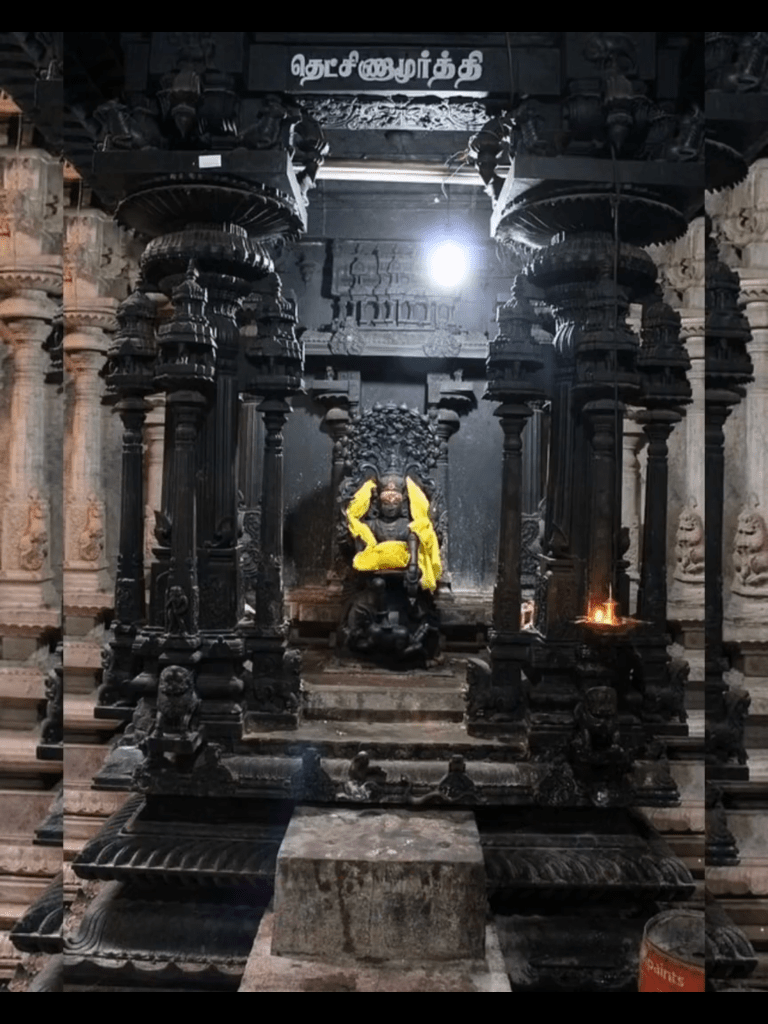
Sanskrit Sloka
सर्वात्मत्वमिति स्फुटीकृतमिदं यस्मादमुष्मिन् स्तवे
तेनास्य श्रवणात्तदर्थमननाद्ध्यानाच्च संकीर्तनात् ।
सर्वात्मत्वमहाविभूतिसहितं स्यादीश्वरत्वं स्वतः
सिद्ध्येत्तत्पुनरष्टधा परिणतं चैश्वर्यमव्याहतम् ॥१०॥
Meaning in Tamil
அருட் பெரும் ஜோதியாம் பரம்பொருளே ஆன்மா எனும் அறிவு பூட்டும்
கருவூலமாம் சங்கரனின் இத்தோத்திரம்தனை செவிமடுத்து சிந்தித்து
தியானித்து புகழ்பாடினால் இறையருளின் இருநான்கு வடிவதனின்
நிலையறிந்து மோனஆசானின் அருளுடனே நாலிரு சித்தி பெற்று
பிறவிப் பெருங்கடல் தாண்டி ஈடேறி வீடுபேறு பெற்றிடலாம்
Meaning in English:
Since the Divine Essence in all is made clear in this hymn, hence by listening to it, contemplating on its meaning, meditating on it, and glorifying it, one becomes endowed with the greatness of the knowledge of the Divine Essence ( present in all ); perhaps the Divine Essence by Itself will awaken within him after that again, the eightfold manifestations of Divine powers (Siddhis) unimpeded.
Understanding the Sloka:
Extracted from Swami Paramarthananda’s lectures
iti idam sarvātvamiti spūṭikritam. – In this manner, in nine verses, the sarvātva bhāva which is the essence of all the Upanishads has been taught by me. Adi Śankarācārya says in this manner, in 9 verses, I have taught or condensed the essence of all the upanishads; the essence of prastāna trayam I have given and What is the essence? sarvātmatvam. And what do you mean by sarvātmatvam, sarvam ātma eva. Everything in the creation is ātma alone; other than ātma there is nothing. The so-called anātma is also mithya, which has the content of ātma alone; Just as the so-called ornaments also are not separate substances, they are also nothing but gold with different names. Similarly, the so-called anātma prapancha also is also ātma only, with a different name; Names are different, but the substance is only ātma. And this is called sarvātmatvam, sarvam ātma iti bhavaha, sarvātmatvam. If you want to put in our own language, जीवात्म परमात्म ऐक्र्म् jīvātma paramātma aikyam,; we can also say brahma satya jagat mityā, jīvo brahmaiva na parāḥ. This vedantic essence has been taught by me; Śankarā says:
Where did I teach it? अमुक्षष्मन् स्तवे amuṣmin stave, in this sthoram called dakṣiṇāmūrti Sthothram; here he did not use the word ashtake; because two more added, therefore no more Ashtakam, instead of using the word ashtakam, he uses the word sthavam; Sthavam is the same as sthoram; sthoram means a hymn or praise of the Lord.
In this dakṣiṇāmūrti sthoram, that has been taught and therefore, study of dakṣiṇāmūrti sthoram is equal to the study of the प्रस्तान त्रर्म् prastāna trayam; because the content of dakṣiṇāmūrti sthothram is the same as the content of the prastāna trayam; means upanishads, geetha and brahma sutram. In all the upanishads, Geetha and brahma sutra, whatever has been taught; that is given in capsule form
“Thena”, therefore since dakṣiṇāmūrti sthoram is equal to प्रस्तान त्रर्म् prastāna trayam; अस्र् श्रवणा asya śravaṇā, a person, a seeker of moksha, should do the śravaṇam of this work. (Systematic and consistent study of this work for a length of time under the guidance of a competent teacher). So śrava ṇat; and not only śravaṇam, tat artha mananāt, one should also do the mananam, to find out whether there are any doubts in accepting this teaching. And what is this teaching? There is nothing other than me; the ātma; सवात्य मत्वम sarvātmatvam that means, I alone am in the form of everything; I am all.
And then dhyānāt; and later this has to be assimilated, so that it becomes my second nature; So śravaṇa manana nididhyāsana sādanāni. And then सङ्कीतयनात् saṅkīrtanāt. The word saṅkīrtanāt is given two meanings; for those people who are not fit for śravaṇa manana nididhyāsanam; because they do not have साधना चतुष्टर् संपवत्त sādhanā catuṣṭaya saṃpatti and therefore everything goes above their head, for those unprepared people; the word संकीतयनम saṃkīrtanam means by mere पारार्णम् pārāyaṇam itself they will gradually grow. They need not know the meaning. Let them daily chant this dakṣiṇāmūrti sthothram; that itself will give them sadhana catuṣṭaya saṃpatti; later opportunity for śravaṇam, manana nididhyāsanam. This sthotra will make you climb all those steps. Therefore even pārāyaṇam is a form of sādhana.
On the other hand, if a person is a qualified person and therefore, he has gone through śravaṇa manana nididhyāsanam; for those people, what is the next sādhana? If you call it sādhana, saṃkīrtanam, means after I assimilate this wisdom, I communicate this to others. Communication or sharing is another form of nididhyāsanam. It is a very beautiful form of nididhyāsanam.
And thus by following all these sādhanas, he will get the result; What is the result; सवात्य मत्वमहाववभूशत स्र्ात ् sarvātmatvamahāvibhūti syāt, he will attain the greatest glory, called sarvātmatvam, sarvātmatvam means the wisdom that I am everything. There is no second thing to frighten me; to harass; to torture me; to hurt me, to limit me, to isolate me, there is no second thing at all; this wisdom and this non-dual status is called sarvātmatvam, which is mahāvibhūti, which is the greatest glory called kaivalyam; Non-dual state.
And not only that. Look at the fourth line, aṣṭadāpariṇadam aiśvaryam ca; aṣṭadāpariṇadam aiśvaryam means aṣṭamūrti dakṣiṇāmūrti aikyam. aṣṭadāpariṇadam means eight-fold; ऐश्वर्मय् aiśvaryam is ईश्वरत्वम् īśvaratvam, which means the dakṣiṇāmūrti भावः bhāvaḥ. So, I will attain this status of ashta Moorthy dakṣiṇāmūrti . That means vishvaroopa dakṣiṇāmūrti aikyam;
This equanity is called svamitvam. And this mokṣaḥ is also svastāha, it has come from outside, it is only discovery of the very nature. svastāha means natural freedom; he claims. This is called jīvanmukti which will lead to videhamukti; which is the फलम् phalam.
 Prabhu's Ponder