Narayaneeyam – Dasakam 2 – Sloka 1 – எழில் வடிவமும் இறை அன்பும்

Preamble

Non-duality that is the central core of Advaita philosophy identifies the Supreme Self (that transcends everything) with the innermost Self (that is immanent in every being). If God or the Supreme Reality does not have a separate status other than our Selves, then who is to worship whom? Hence the concept of Bhakti, or Devotion, seems to contradict the Oneness inherent in Advaita. This apparent conflict is easily resolved by Sriman Narayaneeyam. Bhattattiri’s conception of Bhakti emphasizes the nirguNa aspect of the Ultimate in no uncertain terms, even while he expatiates on the worship of the visible form.

That the Ultimate is non-dual there is no question. But to be able to realise it as a fact of experience one has to go through the processes of Bhakti of God with form and content, with name and description, with qualities and adjuncts. Such a God is known by the technical name of saguNa brahman, in contrast to the nirguNa brahman which is the formless and nameless Absolute.

Bhattathri clearly brings out through his spiritual experience that The Absolute Being is not manifest to the senses or the intellect and is difficult to grasp or attain to. But when it is manifest as Guruvayur Krishna it is like the wavy surface of the Ocean of Blissful spirit, definite, clear and easy to grasp. Therefore one resorts to the worship of the Krishna form that is lovable and most captivating by its sweet beauty and other blessed attributes. Slokas in Dasakam 2 depict that beauty. Let us study them.

Audio Link

https://www.dropbox.com/s/wwseyrmva9uujk9/Verse%202.1.mp3?dl=0

Sanskrit Verse

सूर्यस्पर्धिकिरीटमूर्ध्वतिलकप्रोद्भासिफालान्तरं

कारुण्याकुलनेत्रमार्द्रहसितोल्लासं सुनासापुटम्

गण्डोद्यन्मकराभकुण्डलयुगं कण्ठोज्ज्वलत्कौस्तुभं

त्वद्रूपं वनमाल्यहारपटलश्रीवत्सदीप्रं भजे ॥२.१॥

सूर्य-स्पर्धि-किरीटम् ऊर्ध्वतिलक-प्रोद्भासि-फालान्तरम्

कारुण्य-आकुलनेत्रम् आर्द्र-हसित-उल्लासम् सुनासापुटम्

गण्डोद्यन्-मकर-आभ-कुण्डल-युगम् कण्ठोज्ज्वलत्-कौस्तुभम्

त्वत्-रूपम् वनमाल्य-हार-पटल-श्रीवत्सदीप्रम् भजे

Transliteration in English

suuryaspardhikiriiTamuurdhvatilaka prOdbhaasiphaalaantaraM

kaaruNyaakulanetramaardra hasitOllaasaM sunaasaapuTam |

gaNDOdyanmakaraabha kuNDalayugaM kaNThOjvalatkaustubhaM

tvadruupaM vanamaalyahaarapaTala shriivatsadiipraM bhaje ||1

Transliteration in Tamil

ஸூர்யஸ்பர்தி₄கிரீடமூர்த்₄வதிலகப்ரோத்₃பா₄ஸிபா₂லாந்தரம்

காருண்யாகுலநேத்ரமார்த்₃ரஹஸிதோல்லாஸம் ஸுநாஸாபுடம்|

க₃ண்டோ₃த்₃யந்மகராப₄குண்ட₃லயுக₃ம் கண்டோ₂ஜ்வலத்கௌஸ்துப₄ம்

த்வத்₃ரூபம் வநமால்யஹாரபடலஶ்ரீவத்ஸதீ₃ப்ரம் ப₄ஜே|| 1||

Meaning in Tamil

பரிதி இணை ஒளிர்மிகு மணிமகுடம்

நுதலதனில் ஒளிகூட்டும் சந்தன நேர் திலகம்

கருணை பொழி இருவிழியுடன் எழில்வடிவு நாசி

இருசெவியணி மகரகுண்டல எதிரொளிக்கும் கண்ணம்

கௌஸ்துப மாலை அணி நீள் கண்டம்

துளசி மாலைதரி ஒளிமிகு ஶ்ரீவத்ஸம் பதி மார்பகம்

புன்முறுவல் பூத்த திருமுகமுடை உன் இவ் வடிவம்

போற்றிப் பணிந்திடுவேனே யான் அனுதினம் 2.1

Meaning in English

I meditate upon this form of You, adorned with a crown which rivals the sun in its brilliance, whose forehead is made more resplendent by the upright mark (tilak of sandal paste), whose eyes are brimming with mercy, with a shapely nose, with shining cheeks reflecting the brilliance of a pair of fish shaped ear pendants, with the Kaustubh jewel shining on the neck, and bosom resplendent with garlands of flowers (and tulsi) necklaces ( of pearls and gems) and the mark of Srivatsa.

Meaning of the Sanskrit Words

• सूर्य-स्पर्धि-किरीटम्- with a crown which rivals the Sun (in brilliance)

• ऊर्ध्वतिलक-प्रोद्भासि-फालान्तरम् by the upright mark (tilak of sandal paste) whose forehead is made more resplendent,

• कारुण्य-आकुलनेत्रम्- whose eyes are brimming with mercy

• आर्द्र-हसित-उल्लासम् (whose face) is lit up with a benevolent smile புன்முறுவல் பூத்த திருமுகம்

• सुनासापुटम् with a shapely nose

• गण्डोद्यन्-मकर-आभ-कुण्डल-युगम् with cheeks shining due to the brilliance of a pair of fish shaped ear pendants –

• कण्ठोज्ज्वलत्-कौस्तुभम् with the Kaustubh jewel shining on the neck

• त्वत्-रूपम् Thy form

• वनमाल्य-हार-पटल-श्रीवत्सदीप्रम् (and Thy bosom) resplendent with garlands of flowers (and tulsi) necklaces ( of pearls and gems) and the mark of Srivatsa

• भजे I meditate upon

Narayaneeyam – Dasakam 2 – Introduction

Pencil Sketch at the site – Belur Halebidu by my daughter some 25 years ago

The greatness of The Supreme Reality – The Brahma Tatwa, which is dense concentrated Bliss, which is of the nature of the Pure Consciousness, which is without parallel or comparison, and is totally free of time and space limitations, and is always free of Maya is brought out in Daskam 1. That Brahma Tatwa which is not easy to grasp in the beginning, but the realisation of which, is the highest purusharth (i.e. liberation), that very Reality shines right in front in concrete form in the Guruvaayur temple as Lord Krishna.

Through this first Daskam, the transcendent and immanent (Nirguna and Saguna) nature of the Brahman is brought out. Here is a recap of Dasakam 1.

The reality of the Brahman is not a question to be solved by dialectic which the vast majority of the human race will be unable to understand. Dialectic in itself and without reference to personal experience cannot give us conviction. Only spiritual experiences can provide us with proof.

Narayana Bhattathri has brought out his spiritual experience at the Guruvayur Temple for the benefit of ordinary humans like us. Let us try and understand through the Slokas.

In Dasakam 2, the sweetness of the form and the devotion to that form have been brought out clearly.

Each blog will cover the Sloka, transliterations in English and Tamil, the meaning of the Sanskrit words and the meaning of the Sloka in English and Tamil.

The first Sloka of Dasakam 2 will be on next Friday, 24th September.

An important message here: Except for the translation in Tamil which is an expression of my limited and little understanding of the Sloka, everything else is what is available in the public domain.

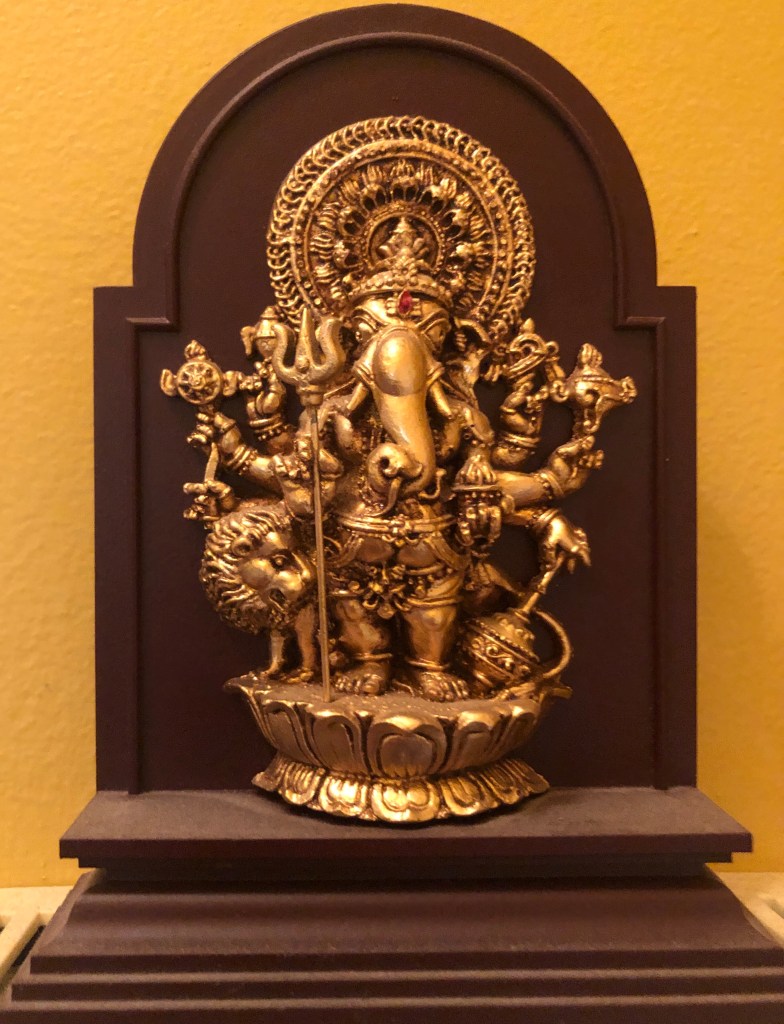
விநாயக சதுர்த்தி – Ganesh Chathurthi – Ganesha Pancharathnam

Here is wishing all our friends, a very happy Ganesh Chathurthi.

शुक्लाम्बरधरं विष्णुं शशिवर्णं चतुर्भुजम्

प्रसन्नवदनं ध्यायेत् सर्वविघ्नोपशान्तये

வெண்ணிற ஆடையும் நீக்கமற நிறைவும்

முழுமதியொளி வடிவும் கரங்கள் நான்கும்

அருள்மிகு முகமும் நிறை ஆண்டவனை

அனைத்திடர் களைய அடி பணிவோம்

Ganesha Pancharathnam

Here is my humble offering to Lord Ganesh

Dakshinamurthy Stothram- Sloka 5 – Who am I ? காயமே இது பொய்யடா !

Audio Link

https://www.dropbox.com/s/vmhfkxgvwkvta8t/Sloka%205%20-%20Deham%20Praanamapi.mp3?dl=0

Sanskrit Verse

द्देहं प्राणमपीन्द्रियाण्यपि चलां बुद्धिं च शून्यं विदुः
स्त्रीबालान्धजडोपमास्त्वहमिति भ्रान्ता भृशं वादिनः ।
मायाशक्तिविलासकल्पितमहाव्यामोहसंहारिणे
तस्मै श्रीगुरुमूर्तये नम इदं श्रीदक्षिणामूर्तये ॥५॥

Meaning in Tamil

ஊண் சுவாச பொறிபுலன் சலன புத்தி இவையே

‘நான்’ என முனைவுடன் மடமை கொண்டு வாதிப்பர்,

உணர்வுக்கடிமை மாதரென, முதிரா அறிவுடை பாலனென,

இகபுர இருகண்ணிலா குருடரென, மடமை நிறை மூடரென!

லீலையென மாயை புரி அம்மடமைதனை அழி

ஆதிஅந்தமிலா மோனநிலை ஆசானாம் அருள்மிகு

தக்ஷிணாமூர்த்தி பொற்பாதம் பணிந்திடுவோம்

Meaning in English

Those who consider the Body or Prana (Vital Force) or Sense Organs or the Changing Mind or the Void (Total non-existence) as the “I”, are Like the emotionally sensitive women or Naive Innocent Girl Child, or Blind, or a Dull-Headed. They are deluded but they vehemently assert their points. The Inner Guru destroys this great delusion created by the play of the power of Maya. Salutations to Him, the personification of Our Inner Guru who awakens this Knowledge through His profound Silence; Salutation to Sri Dakṣiṇāmurty.

Understanding the Sloka:

देहं प्राणमपीन्द्रियाण्यपि चलां बुद्धिं च शून्यं विदुःDeham Praannam-Api-Indriyaanny-Api Calaam Buddhim Ca Shuunyam Viduh – The various types of false identifications of Ātman that we discussed above viz., deham, pranam, indriyani, calam buddhim and shunyam

स्त्रीबालान्धजडोपमास्त्वहमिति Strii-Baala-Andha-Jaddo(a-U)pamaastv[u-]Aham-Iti – Now let us come to the comparison that Adi Śankarā makes while describing these misconceived people. स्रीबालान्धजडोपमा (strī bāla andha jaḍo pamā). These words should be taken as symbolic of four types of defective intellect, which alone can commit these mistakes:

  1. Stri – an intellect which is suppressed by emotions, which is a hostage of emotions, Emotional thralldom; very typical of womanfolk.
  2. Bāla;- is undeveloped intellect, because a bāla, a child is not capable of thinking; it is not trained; therefore bāla represents undeveloped or untrained intellect. Training through tarka, logical reasoning, he has not gone through;
  3. Andhah – represents unaided intellect; literally the word andhā means blind, and what do you mean by the word blindness here; not using the śāstra pramāṇam, makes a person partially blind. If we have to know the spiritual truth; we require two eyes – external & internal. śāstra cakṣuḥ; buddhi cakṣuḥ, These two should combine for knowledge to take place; If one of them is not there, this person becomes what? partially blind; If both are not there, i.e., no buddhi and no śāstram, totally blind;
  4. The fourth one is jadaḥ; jadaḥa means a retarded intellect, an unintelligent intellect.

भ्रान्ता भृशं वादिनः Bhraantaa Bhrsham Vaadinah. – All these people with the misconceptions have one thing in common; “braandhaaha”- delusion is the only common feature. And not only they are confused and they have got wrong conclusion, the tragic part of this conclusion is they are not available for correction. Therefore Śankarācārya says that these people are not available for reconsideration. This is what the Upanisahads also have said:

avidyāyām andare vartamānā, svayam dhīrāḥ paṇḍitam manyamānāḥ.

They are steeped in ignorance, and also because of their arrogance and adamancy, “svayam dhīrāḥ paṇḍitam manyante”; they think we are omniscient. Therefore Śankarācārya says that even Bhagavan’s compassion becomes useless, in front of them. They always say “I am always right, the other person is always wrong”, These people are called “bhṛśaṃ vādinaḥ”. Śankarācārya says never waste your time, talking to them; talking to such people, is misplaced compassion. bhṛśaṃ means intensely; not ordinarily argumentators, intensely vādinaḥ;

मायाशक्तिविलासकल्पितमहाव्यामोहसंहारिणे – Maayaa-Shakti-Vilaasa-Kalpita-Mahaa-Vyaamoha-Samhaarinne.
Then Śankarācārya looks at himself; Oh my God, somehow I am not in that group of confusion; I have got an intellect, which is free from all these four-fold defects, I have got an intelligent intellect, intelligent enough to understand Brahman, and also I have got shraddha in vedānta śāstram m, and therefore I have rescued myself and if I could get out of this confusion, it is only because of the external aid I got; and what is that external aid, śāstram pramāṇam. And therefore I am indebted to śāstram; And if śāstram could be meaningful to me, I am indebted to another person; it is purely because of guru; In fact, śāstram is made a pramāṇam by guru alone; And therefore Śankarācārya says I am indebted to śāstram and more indebted to the guru, and that guru who destroyed all my confusions. That confusion-destroyer-guru, I offer my prostrations and therefore Guru. Adi Śankarācārya now defines a Guru and has a new title for Guru; what is the title given to guru? māyāśakti vilāsakalpita mahāvyāmoha saṃhāri; to that guru, who is none other than dakṣiṇāmūrti, my namaskaram. That is said in the third line. Now let us see the meaning of this long Sanskrit Word.

saṃhāriṇi – (my guru) is a destroyer; destroyer of what?
vyāmoha – (destroys) confusion, Delusion with regard to one self; self-delusion is called vyāmoha; how did this confusion come? he says;
kalpitam  - created by/caused by - caused by whom?
vilāsa - ; vilāsa has two meanings, one meaning is the sport or play; so vilāsaha means play; Play of what? maya shakthi, the power of māya; play or operation or sport of māya shakthi.

So thus, what will be final translation; the guru who is the destroyer of the great delusion caused by the play of the power of māya.

And therefore, Hey Guro, who is the destroyer of ignorance and consequent delusion permanently, I offer my namaskaram to you.

திருக்குறள், நிலையாமை அதிகாரத்தில் இக்கருத்தினையே இவ்வாறு பிரதிபலிக்கிறது.

நில்லாத வற்றை நிலையின என்றுணரும்
புல்லறி வாண்மை கடை.

நெருநல் உளனொருவன் இன்றில்லை என்னும்
பெருமை உடைத்துஇவ் வுலகு.

குடம்பை தனித்துஒழியப் புள்பறந் தற்றே
உடம்பொடு உயிரிடை நட்பு.

‘அழிகின்ற ஓர் உடம்பு ஆகும் செவிகள்,

கழிகின்ற காலவ் விரதங்கள் தானம், மொழிகின்ற வாக்கு முடிகின்ற நாடி, ஒழிகின்ற ஊனுக்கு உறுதுணை இல்லையே’

என்ற திருமந்திரம் ‘கண்டதே காட்சி, கொண்டதே கோலம்’ எனும் மடமைமிகு கருத்தினை அழிக்க உதவும்.

SIKSHASTAKAM – Prayer to Lord Krishna – Verses – 7&8

Sanskrit Verse 7

युगायितं निमेषेण

चक्षुषा प्रावृषायितम्।

शून्यायितं जगत् सर्वं

गोविन्द विरहेण मे ॥७॥

Meaning in Tamil

உனைப் பிரிந்த ஒரு கணமும் யுகமன்றோ கோவிந்தா

விசைப் பொழிவென கண்ணீர் பெருகியதே கண்ணா

உலகம் ஒரு நிலையிலா வெறுமையென தோன்றியதே

Meaning in English

“My Lord Govinda, because of separation from You, I consider even a moment a great millennium. Tears flow from My eyes like torrents of rain, and I see the entire world as void.”

Sanskrit Verse 8

आश्लिष्य वा पादरतां पिनष्टु

मामदर्शनान् मर्महतां करोतु वा।

यथा तथा वा विदधातु

लम्पटो मत्प्राणनाथस् तु एव नापरः ॥८॥

Meaning in Tamil

இறுகப் பற்றிடு உன்பதமலர் பாதம்பணி ஏவலன் எனை!

இலையெனில் ஏறி மிதித்திடு உடலனைத்தையும் ! என்

இதயமதை நொறுக்கிடு உன் காட்சிதனை மறைத்து !

விரும்பியதை செய்திடு லீலைபுரி மாயன் அன்றோ நீ !

இருப்பினும் உனையன்றி வேறெவருளரோ என் மனம்தனில் !

Meaning in English

“Let Kṛṣṇa tightly embrace this maidservant who has fallen at His lotus feet, or let Him trample Me or break My heart by never being visible to Me. He is a debauchee, after all, and can do whatever He likes, but still He alone, and no one else, is the worshipable Lord of My heart.”

Video Link

Here is wishing all of you Happy Janmashtami

By the grace of Lord Krishna, blessings of my parents and elders I intend to start understanding Narayaneeyam Dasakam 2 as my next assignment.

God Bless. வளமுடன் வாழ்க

Dakshinamurthy Sloka 4 – The Light within – அருட் பெரும் ஜோதி

In the last three blogs as introduction to the Sloka, we understood that the core of all of us viz., the inner consciousness known as the ātmā is compared to a maha deepam அருட்பெரும் ஜோதி (the light like Sun). The ātmā is described or revealed by comparing it to a light principle as the nearest example due to its self-luminous and self-evident nature called svayam prakāśatvam.

We also saw through experiments that in every perception, I, the ātmā, is independently self evident; and anātmā the object is dependently evident. The infinite consciousness by itself never illumines anything by itself. It is a upakaranaa or upadhi. It needs a medium to illumine. The medium borrows the light and reflect on the object. The mind borrows light from “me” temporarily and throws it on the object thro the 5 indriyas thro which it escapes.. That is called perception/gnana. The light of consciousness, when reflected at an inner equipment, reaches the object to illumine them. This process of reflecting light on objects and perceiving them through the atma-mind-indriyas combination is called व्रित्त्त पररणाम vritti pariṇāma, and when that takes place alone, the object becomes known. In other words for the knower to know we need cit (light), mind (anthakarana) and organs (indriyas) otherwise the object is masked or unknown (avidya).

With this understanding let us now study the Sloka

Audio Link

https://www.dropbox.com/s/np6at9nb77dj0n8/Sloka%204%20-%20Naanaa%20Chidra%20Ghattoudara.mp3?dl=0

Sanskrit Verse:

नानाच्छिद्रघटोदरस्थितमहादीपप्रभा भास्वरं
ज्ञानं यस्य तु चक्षुरादिकरणद्वारा वहिः स्पन्दते ।
जानामीति तमेव भान्तमनुभात्येतत्समस्तं जगत्
तस्मै श्रीगुरुमूर्तये नम इदं श्रीदक्षिणामूर्तये ॥४॥

Audio Link

https://www.dropbox.com/s/np6at9nb77dj0n8/Sloka%204%20-%20Naanaa%20Chidra%20Ghattoudara.mp3?dl=0

Meaning in Tamil

ஐந்துளைக் குடமுள்ளிட்ட பெருவிளக்கின் ஒளியென

ஐம்பொரிவழி அதிரலையென வெளிப்படும் ஒன்றே,

பரம்பொருளின் பேரொளியால், ‘எனை அறிவேன்’ எனும்

ஆன்மாவின் உள்ளுணர்வில் ஒளிவிடும் இவ்உலகம்! அந்த

ஆதிஅந்தமிலா மோனநிலை பரம்பொருளாம் ஆசான்

தக்ஷிணாமூர்த்தி  பொற்பாதம் பணிந்திடுவோம்

Meaning in English:

All this world shines after Him alone shining in the consciousness “I know”—after Him alone whose consciousness, luminous like the light of a mighty lamp standing in the bosom of a many-holed pot, moves outwards through the sense-organs such as the eye. To Him who is incarnate in the Teacher, to Him in the Effulgent Form Facing the South, to Him (Siva) be this bow!

Understanding the Sloka:

Here Śankarācārya wants to point out that the ātmā, the existence consciousness is ever evident and therefore does not require any special process to know. Knowing the ātmā is not a special event taking place by your special effort. Any other object in the world becomes known at a particular time by your special effort and becomes an event in time.

First Line

नानाच्छिद्रघटोदरस्थितमहादीपप्रभा भास्वरंज्ञानं यस्य तु चक्षुरादिकरणद्वारा वहिः स्पन्दते ।

Naanaac-Chidra-Ghatto[a-U]dara-Sthita-Mahaa-Diipa-Prabhaa Bhaasvaram Jnyaanam Yasya Tu Cakssur-Aadi-Karanna-Dvaaraa Vahih Spandate |


ज्ञानं यस्य jñānam yasya; yasya means ātmānaha; ātmānaha jñānam. So, the light of ātmā, the light of consciousness of ātmā is भास्वरम् bhāsvaram; is brilliant; because it has to create a long beam; so it can see even the farthest star, I am able to see. Therefore, it is bhāsvaram; it is brilliant. Brilliant like what?

नानात्छिर घटोदर त्स्थत महादीप प्रभा, nānācchidra ghaṭodara sthita mahādīpa prabhā; like the prabhā, brilliance, like the brilliance of maha deepam; a very bright lamp, so that consciousness of ātmā is brilliant like the brilliance of a very bright lamp or big lamp; घट उदर त्स्थत gada udara sthitha; which is placed within a pot;

वहिः स्पन्दते Vahih Spandate Emerges out as a pulse/light

Second Line

जानामीति तमेव भान्तमनुभात्येतत्समस्तं जगत्. Jaanaamiti Tam-Eva Bhaantam-Anubhaaty-Etat-Samastam Jagat

Continuing from the understanding of the first line which means that we presuppose the word तत् tat meaning that bright light of consciousness, that emerges out (वहिः स्पन्दते) through the five apertures, I know that viz. जानामीति Jaanaam-Iiti And then what happens, each beam of light falls on an object, one beam of light falling on sābda, another falling on sparsa; another falling on rūpa, and the moment the light falls on them; what happens, they all become known or bright; the non-luminous one becomes luminous; I know means what; that has become knowable or luminous.

When I say I know (जानामि) the object, the process of knowledge is only one; Verb is single; but on the two sides of the verb, there is a subject and there is an object. The subject reveals self-evidence; object is dependently evident; Depending on whom? Me. Therefore every jānāmi reveals one dependently evident object and independently evident subject. Adi Sankara uses the words; जानामि इति jānāmi ithi – इत्ति iti indicates a process of cognition of the object by the subject which by itself is self evident भानम् bhānam. Since the cognised object is proved only through cognition; it is called dependently evident; अनुभानम् anubhānam.

Thus जानामीर्त तमेव भान्तम् jānāmīti tameva bhāntam, in every jānāmi statement, that ātmā alone reveals itself and sarvam tam anubhāti. Not Sarvam, but yetat samastaṃ jagat. Śankarā uses the same word, bhāntam and anubhāti. yetatsamastaṃ jagat, the whole universe.

Last Line of the Sloka

तस्मै श्रीगुरुमूर्तये नम इदं श्रीदक्षिणामूर्तये Tasmai Shrii-Guru-Muurtaye Nama Idam Shrii-Dakssinnaamuurtaye

tasmai – means prabuddha puruṣāya; to that woken-up person, who is a jnāni; who is liberated; who is the knower, the known and the process , to that jnani my namaskaaram. So tasmai prabuddha puruṣāya, jnānine namaha. And who is that jnāni?

Shree gurumurthaye – who alone is a guru, who alone can serve as a guru and who is my guru, gurumoorthaye.

Namaha – my salutations.

Thus we can see again that a complex concept in Philosophy of knower- known, the relationship between “being” and “knowing” and the process of cognition is explained by Adi Sankara in just two lines using a simple experiment using a pot and a lamp.

இதனையே “உயிர் இடைவிடாது சிவனோடு பொருந்தி நின்று நீண்டு செல்லும் மனமும் சத்தம், பரிசம், ரூபம், இரசம், கந்தம் ஆகிய புலன்களின் உண்மையை அறிந்துவிட்டு, சுத்தமாயை அசுத்தமாயைகள் பற்றாவகை எண்ணி, தலைவனாகிய முழுமுதற் பொருளை அடைதல் சித்தாந்த நெறியாகும்” என திருமூலர் திருமந்திரத்தில் உபதேசிக்கிறார்

2373. நித்தம் பரனோடு உயிருற்று நீள்மனம்
சத்தம் முதல்ஐந்தும் தத்துவத் தால்நீங்கிச்
சுத்தம் அசுத்தம் தொடரா வகைநினைந்து
அத்தன் பரன்பால் அடைதல்சித் தாந்தமே.

SIKSHASTAKAM – Prayer to Lord Krishna – Verses – 5&6

Sanskrit Verse 5

अयि नन्दतनुज किंकरं

पतितं मां विषमे भवाम्बुधौ।

कृपया तव पादपंकज

स्थितधूलिसदृशं विचिन्तय ॥५॥

Meaning in Tamil

நந்த குமரனே! பிறவிப் பெருங்கடல் வீழ்ந்து

நலியும் எளியொன் யான்! பரிவுடனே கருணை

நல்கி அருள் புரிவாய் கண்ணனே ! எனை உன்னிரு

நறுமலர் பாதம்தனில் சேர் புழுதியென ஏற்றிடுவாய் !

Meaning in English

“O My Lord, O Kṛṣṇa, son of Mahārāja Nanda, I am Your eternal servant, but because of My own fruitive acts I have fallen into this horrible ocean of nescience. Now please be causelessly merciful to Me. Consider Me a particle of dust at Your lotus feet.”

Sanskrit Verse 6

नयनं गलदश्रुधारया

वदनं गदगदरुद्धया गिरा।

पुलकैर्निचितं वपुः कदा

तव नामग्रहणे भविष्यति ॥६॥

Meaning in Tamil

உன் நாமம் துதிக்கையினில் என் பொறியாம்

கண்கள் ஆனந்த நீர்மல்கி தாரையென வழியவும்

வாய்மிடறு வாக்கு திணறி இடறுடன் தளரவும்,

உடல் பேரின்ப நிலையுடன் மயிர்கூச்செரிந்து

பரவசம் அடைவதும் எப்பொழுது என் பரமனே!

Meaning in English

“My dear Lord, when will My eyes be beautified by filling with tears that constantly glide down as I chant Your holy name? When will My voice falter and all the hairs on My body stand erect in transcendental happiness as I chant Your holy name?”

Video Link

SIKSHASTAKAM – Prayer to Lord Krishna – Verses – 3&4

Sanskrit Verse 3

तृणादपि सुनीचेन

तरोरपि सहिष्णुना।

अमानिना मानदेन

कीर्तनीयः सदा हरिः ॥३॥

Meaning in Tamil

நாணலினும் குறு அகந்தை கொண்டு

நெடிது வளர் மரமொப்ப பொருமையுடன்

செருக்கு ஏதம் சிந்தனையில் இல்லாமல்

நலிந்தோர்க்கும் நன்மதி தரும் நல்லோர்

எளிவுடனே பண்ணிசைப்பார் உன் நாமம்

Meaning in English

“One who thinks himself lower than the grass, who is more tolerant than a tree, and who does not expect personal honor but is always prepared to give all respect to others can very easily always chant the holy name of the Lord”.

Sanskrit Verse 4

धनं जनं सुन्दरीं

कवितां वा जगदीश कामये।

मम जन्मनि जन्मनीश्वरे

भवताद् भक्तिरहैतुकी त्वयि॥४॥

Meaning in Tamil

பொருள் வேண்டேன் புகழ் வேண்டேன்

மனை வேண்டேன் கவிவரை கடமை வேண்டேன்

இப்பிறவி எப்பிறவிதனிலும் உள்நோக்கிலா

பக்திநிறை உன்னிரு பாத சேவை புரிந்திட

வேண்டுகிறேன் வாசுதேவனே உலகுய்வோனே

Meaning in English

“O Lord of the universe, I do not desire material wealth, materialistic followers, a beautiful wife or fruitive activities described in flowery language. All I want, life after life, is unmotivated devotional service to You.”

Video Link

SIKSHASTAKAM – Prayer to Lord Krishna – Verses – 1&2

Sanskrit Verse 1

चेतोदर्पणमार्जनं भव महादावाग्नि निर्वापणम्

श्रेयः कैरवचन्द्रिकावितरणं विद्यावधू जीवनम्

आनंदाम्बुधिवर्धनं प्रतिपदं पूर्णामृतास्वादनम्

सर्वात्मस्नपनं परं विजयते श्रीकृष्ण संकीर्तनम् ॥१॥

Meaning in Tamil

மாசு நிறை இதயக் கண்ணாடிதனை தூய்மை ஆக்கிடும்

ஆசை நிறை பிறவி சூழ் பேரழல்தனை அணைத்திடும்

பிறை மதியென நற்பேறாம் வெண்தாமரைதனை விரித்திடும்

வாழ்வதனில் ஞான சக்தியென அறிவுதனைப் புகட்டிடும்

படிப் படியாய் பெருகிடும் அலைகடலென பேரானந்தமதில்

மூழ்கிக்குளிக்கும் அனைவரும் சுவைக்கும் அமிழ்து அளிக்கும்

திருக்கூட்டத்துதி பாடும் கண்ணன் நாமம் வெற்றி சூடட்டும்.

Meaning in English

“Cleansing the mirror of the heart, mind, and consciousness (citta), extinguishing the great forest fire of material existence, spreading the moonshine of the lotus of good fortune, the life of the spouse of all knowledge, increasing the ocean of bliss, giving a taste of full nectar (amrita) at each step, bathing all souls, let there be all victory for the congregational hearing and chanting of the Holy Names of Lord Kṛṣṇa”.

Sanskrit Verse 2

नाम्नामकारि बहुधा निज सर्व

शक्तिस्तत्रार्पिता नियमितः स्मरणे कालः।

एतादृशी तव कृपा भगवन्ममापि

दुर्दैवमीदृशमिहाजनि नानुरागः॥२॥

Meaning in Tamil

உனக்குள்ள பல நாம வழி விதிதம் உன் சக்திஅவை

நினைய எமக்கில்லை நேரவிதிவரம்பு ஏதும்உனக்கு

அத்துனை கருணையன்றோ அல்லலுறும் அடியார் மேல்ஆயினும்

ஆகூழிலா அடியேன் அடையவில்லை அந்நாமங்களில் விருப்பம்

Meaning in English

“In your (divine) names manifested various kinds of full potencies (shaktis) therein bestowed, with no rules according to time for remembering them, O Lord, you are so merciful, but it is my misfortune here that I have no anuraga (interest) in those names”.

Video Link:

August – Bhakti Yoga on Lord Krishna

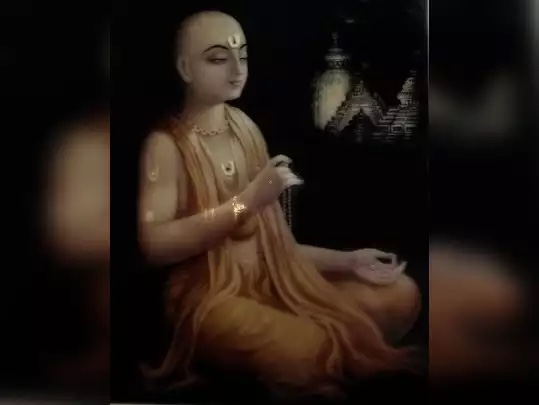
Chaitanya Maha Prabhu

August is the month for Lord Krishna. The Gokulashtami this year is on 31st August. Last year we celebrated with a series of Blogs on the Dance of the Yuga, the “Kalinga Narthanam”. This year it is time for a month of Bhakti Yoga.

The Shikshashtakam is a prayer of eight verses. They were written by Chaitanya Mahaprabhu (1486 – 1534). The name of the prayer comes from the Sanskrit words Śikṣā, meaning ‘instruction’, and aṣṭaka, meaning ‘consisting of eight parts’, i.e., stanzas. The teachings contained within the eight verses are believed to contain the essence of all teachings on Bhakti yoga within the Gaudiya tradition. With two verses in each week, we will cover the Shikshashtakam in this month of Aug 2021 starting from August 3rd.

Every week, the blog will be accompanied by the divine rendering of Shikshashtakam by the legendary MS Subbulakshmi.