Aditya Hridayam Verse 7-10

Verse 7

सर्वदेवात्मको ह्येषः तेजस्वी रश्मिभावनः

एष देवासुरगणान् लोकान् पाति गभस्तिभिः ॥७॥

sarvadevAtmakO hyESha tEjasvI rashmibhAvana:

ESha devAsuragaNAn lokAn pAti gabhastibhi:

Meaning of the Sanskrit words

sarva deva Atmaka: = all the devAs’ embodiment/real nature/form

hi ESha: = indeed, this [sUryA]

tEjasvI = bright, sharp

rashmi bhAvana: = creator/cause of His rays

ESha: = this [AdityA]

devA asura = devAs and asurAs

gaNa: = group/collection [gaNA: = plural; gaNAn = used in object sense]

lokAn = all the worlds [used in an object form here]

pAti = sustains/takes care [pAti: = master, husband; pAlanam = take care

comes from this root]

gabhasti: = rays/beams of light [gabhastibhi: = by His rays]

Meaning of the Verse

Indeed, He is the real form (embodiment) of all devAs, bright, and creator of His rays.

He sustains the groups of devAs and asurAs and their worlds by His rays.

Meaning in Tamil

கருத்துருவமன்றோ ஆதவன் அனைத்து தேவரினத்தின்

கதிரொளி படைத்துக்காப்பான் தேவ அசுர கணங்களை

——————————————————————-

Verse 8

एष ब्रह्मा विष्णुश्च शिवः स्कन्दः प्रजापतिः

माहेन्द्रो धनदः कालो यमस्सोमो ह्यपां पतिः ॥८॥

ESha: brahmA ca vishnushca shiva: skanda: prajApati:

mahEndrO dhanada: kAlO yama: sOmO hyapAm pati:

Meaning of the Sanskrit words

ESha: = He

brahmA ca vishnu: ca shiva: ca = the trinity

skanda: = shivA’s son

prajApati: = Lord of all creatures

mahA indra: = great Indra (Lord of Celestial Beings)

dhanada: = Kubera (Lord of Wealth)

kAla: = Lord of Time

yama: = Lord of Death

soma: = moon, nourisher (Moon God)

hi = indeed

apAm pati: = Varuna (Lord of Waters)

Meaning of the Verse

He is indeed Brahma, Vishnu, Shiva, Skanda, Prajaapati, Indra, Kubera,

Kaala, Yamaa, Soma, and Varuna.

Meaning in Tamil

அயனும் மாயவனும் அழழேந்தியும் அவனே

அறுமுகனும் ஆக்குபவனும் அவனே

காலமும் காலனும் அவனே

இந்திரனும் சந்திரனும் அவனே

பொன்னரசனும் பொழிமழையரசனும் அவனே

(அறிந்திடுவாய் இராமா)

—————————————————————

Verse 9

पितरो वसवस्साध्याः ह्यश्विनौ मरुतो मनुः

वायुर्वह्निः प्रजाप्राणा ऋतुकर्ता प्रभाकरः ॥९॥

pitarO vasava: sAdhyA hi ashvinOu marutO manu:

vAyu: vahni: prajAprANa R^itukartA prabhAkara:

Meaning of the Sanskrit words

pitara: = revered spirit of dead/manes

vasava: = (8) gods who attend to indrA [vasu: – singular] 8 Vasus

sAdhyA: = (12) yogIs

hi = indeed

ashvinOu = (2) physicians in devaloka: ( Ashwini kumaras)

maruta: = (49) more gods

manu: = another god

vAyu: = wind god

vahni: = agni, fire-god

prajAprANa = air that sustains life

R^itukartA = creator of seasons

prabhAkara: = producer of light

Meaning of the Verse

Indeed He is the Pitrs, Vasus, Sadhyas, Ashwins,

Maruts, Manu, Vayu, Agni, life-breath, source of

seasons and light in the universe.

Meaning in Tamil

முன்னோரும் முனியோரும் இறையோரும் இறையோரின்

மருத்துவரும் இயற்கையின் ஐம்புலன்களும் அவனே

பருவ காலங்களும் பகலொளி படைப்போனும் அவனே

————————————————————

Verse 10

आदित्यः सविता सूर्यः खगः पूषा गभस्तिमान्

सुवर्णसदृशो भानुर्हिरण्यरेतो दिवाकरः ॥१०॥

Aditya: savitA sUrya: khaga: pUShA gabhastimAn

suvarNasadrushO bhAnur hirenyaretaa divAkara:

Meaning of the Sanskrit words

Aditya: = son of aditi [srimad bhAgavatam has great

details on lineages]

savitA = creator/generator/inspirer (of senses)

sUrya: = sun

khaga: = moving/flying in the air; here it is the sun;

it is also used to mean “bird”

pUShA = nourisher [pUSh dhAtu has the meanings of

nourish, to grow, increase; pOShanam is a noun

form]

gabhastimAn = owner of rays of light

suvarNasadrusha: = like (sadrusha:) pearls (suvarNa:)

[golden, sparkling]

bhAnu: = brilliant

Hirenyareta = fertility seed (rEtA) of the world (vishva)

divAkara: = maker (-Akara:) of days (diva:)

Meaning of the Verse

He is the son of Aditi, the inspirer/creator of senses, the sun,

the traveller in the heavens, sustainer, possessor of

rays, golden, brilliant, and the cause of the universe

and creator of day.

Meaning in Tamil

புலன் ஐந்தும் ஊக்குவிப்போன் அதிதிஅன்னையின் புதல்வன் அவன்

வான் உலவிப்பேணி உலகூட்டமளித் திகழொளிக்கதிரவன் அவன்

பொன் ஒளியினால் இயலுலகுக்கு கருவான வித்தவன் பகலவன் அவன்

Aditya Hridayam Verses 4-6

Verse 4

आदित्यहृदयं पुण्यं सर्वशत्रुविनाशनम्

जयावहं जपेन्नित्यमक्षय्यं परमं शिवम् ॥४॥

Aaditya-Hrdayam Punnyam Sarva-Shatru-Vinaashanam |

Jaya-[A]avaham Japen-Nityam-Akssayyam Paramam Shivam ||4||

Meaning of the Sanskrit Words

AdityahR^idayam = this is the first and only time the name of this shlokam is mentioned by agastyA. It literally means the “Heart of sUryabhagavAn”

pUNyam = sacred (adjective for AH)

sarva = all

shatru = enemies [in the third, agastyA calls the same “sarvAn arIn”]

vinAshanam = destruction

jaya = victory

Avaham = giving, bestowing, producing, bringing forth

[several mantrAs will invoke a deity and say “… AvAhayAmi”; bhayAvahaH =producing fear; kleshAvahaH = causing pain/distress]

japa: = chanting prayers [japet = should chant/recite (preranA/request

form)]

nityam = daily/forever/always

akshayyam = eternal

paramam = highest, greatest [superlative]

shivam = prosperity, well-being, happiness, blessed

Meaning of the Verse

The Holy Aditya Hridayam gives victory, eternal and greatly blessed and is the destroyer of enemies. One should chant it always.

Meaning in Tamil

ஆதவன் புகழ் மந்திரம் புனிதம் அனத்துப்பகையழி வென்றிடும்

அனுதினம் உரைத்தல் அளிக்கும் நிலையான அதி புகழ் வளம்

——————————————————-

Verse 5

सर्वमङ्गलमाङ्गल्यं सर्वपापप्रणाशनम्

चिन्ताशोकप्रशमनमायुर्वर्धनमुत्तमम् ॥५॥

Sarva-Manggala-Maanggalyam Sarva-Paapa-Prannaashanam |

Cintaa-Shoka-Prashamanam-Aayur-Vardhanam-Uttamam ||5||

Meaning of the Sanskrit Words

sarva ma~ngala = of all the blessings

mAngalyam = the blessing/auspicious (it is the auspiciousness of all that is auspicious)

sarva pApa = of all sins

praNAshanam = annihilation/destruction [the root “nAsha:” gives rise to several things that have the “perishable” flavor – nAshanam, vinAshanam, nAshtA, nAshTika: (someone who lost

something)]

cintA = anxiety/fear [it is literally “thought”/”worry”]

shOka = sadness/grief

prashama: = calmness/pacification (indicates here – “cooling down” or removing sadness and anxiety]

Ayu: = lifespan

vardhanam = increasing/enlarging

uttamam = most appropriate/best/ultimate

Meaning of the Verse

[Aditya Hridayam] is the best blessing of all blessings, the destroyer of

all sins, and causes the removal of anxiety, grief and most suitable for

facilitating logevity.

Meaning in Tamil

கதிரவனொளி நல்வாழ்விற்கு நல்வாழ்வாய் சகலபாவ வினைகளழிக்கும்

பதற்றமிகு கவலை நீக்கி அமைதியுடன் நீடூழி வாழ வழிவகுத்திடுமன்றோ

—————————————————-

Verse 6

रश्मिमन्तं समुद्यन्तं देवासुरनमस्कृतम्

पूजयस्व विवस्वन्तं भास्करं भुवनेश्वरम् ॥६॥

Rashmimantam Samudyantam Deva-Asura-Namaskrtam |

Puujayasva Vivasvantam Bhaaskaram Bhuvane[a-Ii]shvaram ||6||

Meaning of Sanskrit Words

rashmi: = beam/ray of light [rashmima = sun; rashmimantam = haloed with rays, possessed of rays, crowned with rays]

samudyantam = having risen up [in the morning] [udaya: = to rise, samudaya: = to rise (in a good manner), samudyata =raised, lifted up]

devAsura = devAs and asurAs

namaskrutam = namas + krutam [namas = bowing/salutation, krutam = doing it; namaskaranam is the nominal verb form]

pUjayasva = agastyA is addressing rAmA here and saying “You Worship!”

vivasvantam = AdityA [vivasvat = brilliant/shining one; vivasta/vivasvAn = sun; vaivasvatA is the current Manu, son of sUryA]

bhAskaram = sun [bhAs = light, brightness; it also has a meaning of

“revealing, making clear” and light surely does that. The word “bhAshyam” has this same root; kara = to do, create; bhAskaram = the one that creates light]

bhuvana Eshvaram = ruler of the worlds [bhuvana refers to all the worlds; Esh = possessor, owner; Eshvaram = master, lord]

Meaning of the Verse

Pay respects to the risen sUryA, crowned with rays of light, who is most fitting to be worshipped, who is the ruler of all the worlds, who is the creator of light, who is brilliant, and venerated by the devAs and asurAs.

Meaning in Tamil

அண்டங்கள் அனைத்தாளும் ஆதவனை

விண்ணோர் வணங்கும் வெய்யோனை

பூரண நல்உதயமாகும் கதிரொளியவனை

பூசித்திடுவாய் புனிதமுடன் இராமனே

———————————————————————-

Aditya Hridayam Verses 4-25 Prelude

The Sun—the heart of our solar system—is a yellow dwarf star, a hot ball of glowing gases.

Its gravity holds the solar system together, keeping everything from the biggest planets to the smallest particles of debris in its orbit. Electric currents in the Sun generate a magnetic field that is carried out through the solar system by the solar wind—a stream of electrically charged gas blowing outward from the Sun in all directions.

The connection and interactions between the Sun and Earth drive the seasons, ocean currents, weather, climate, radiation belts and aurorae. Though it is special to us, there are billions of stars like our Sun scattered across the Milky Way galaxy.

With a radius of 432,168.6 miles (695,508 kilometers), our Sun is not an especially large star—many are several times bigger—but it is still far more massive than our home planet: 332,946 Earths match the mass of the Sun. The Sun’s volume would need 1.3 million Earths to fill it.

(Ref: https://solarsystem.nasa.gov/solar-system/sun/in-depth/)

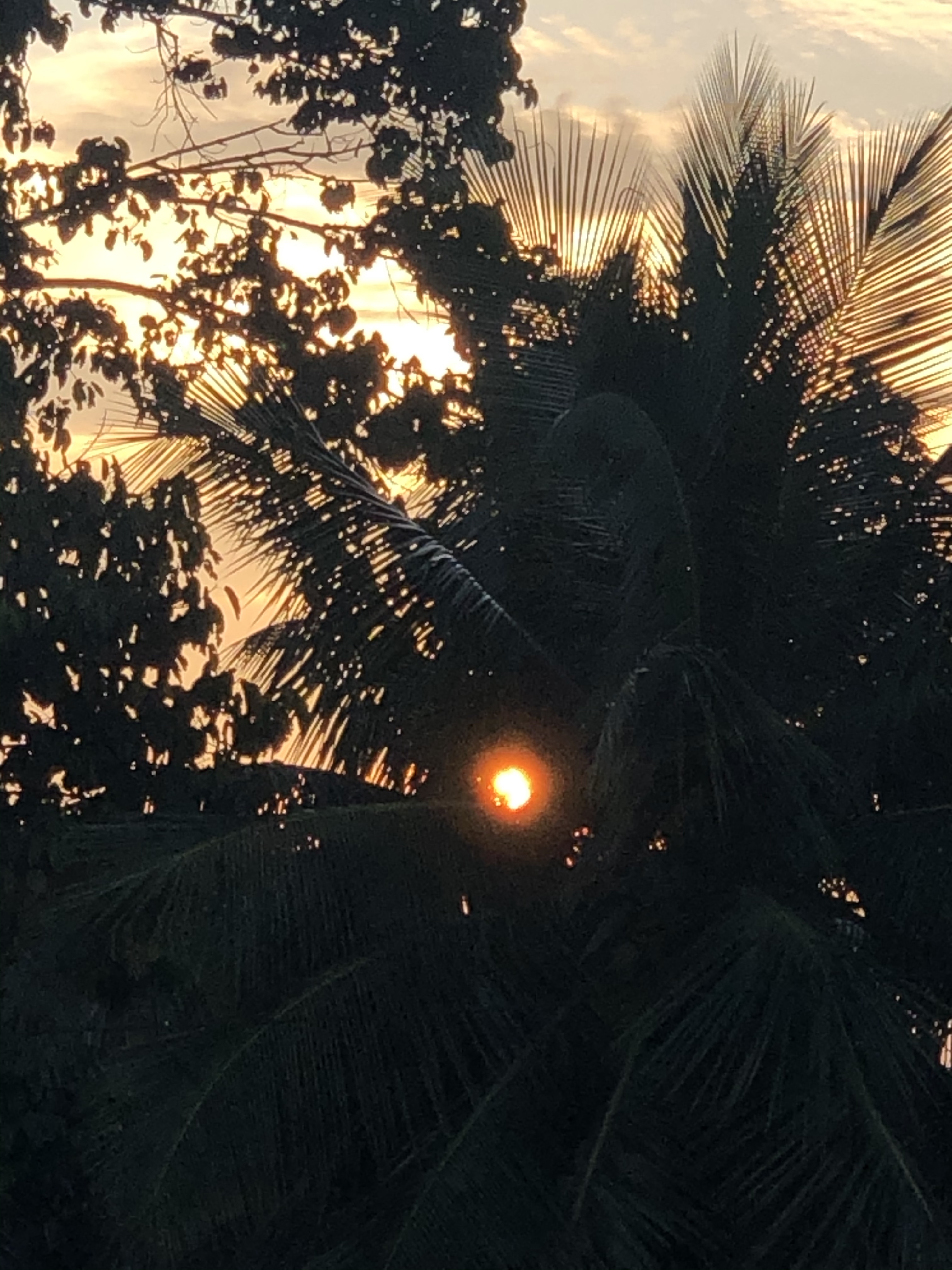
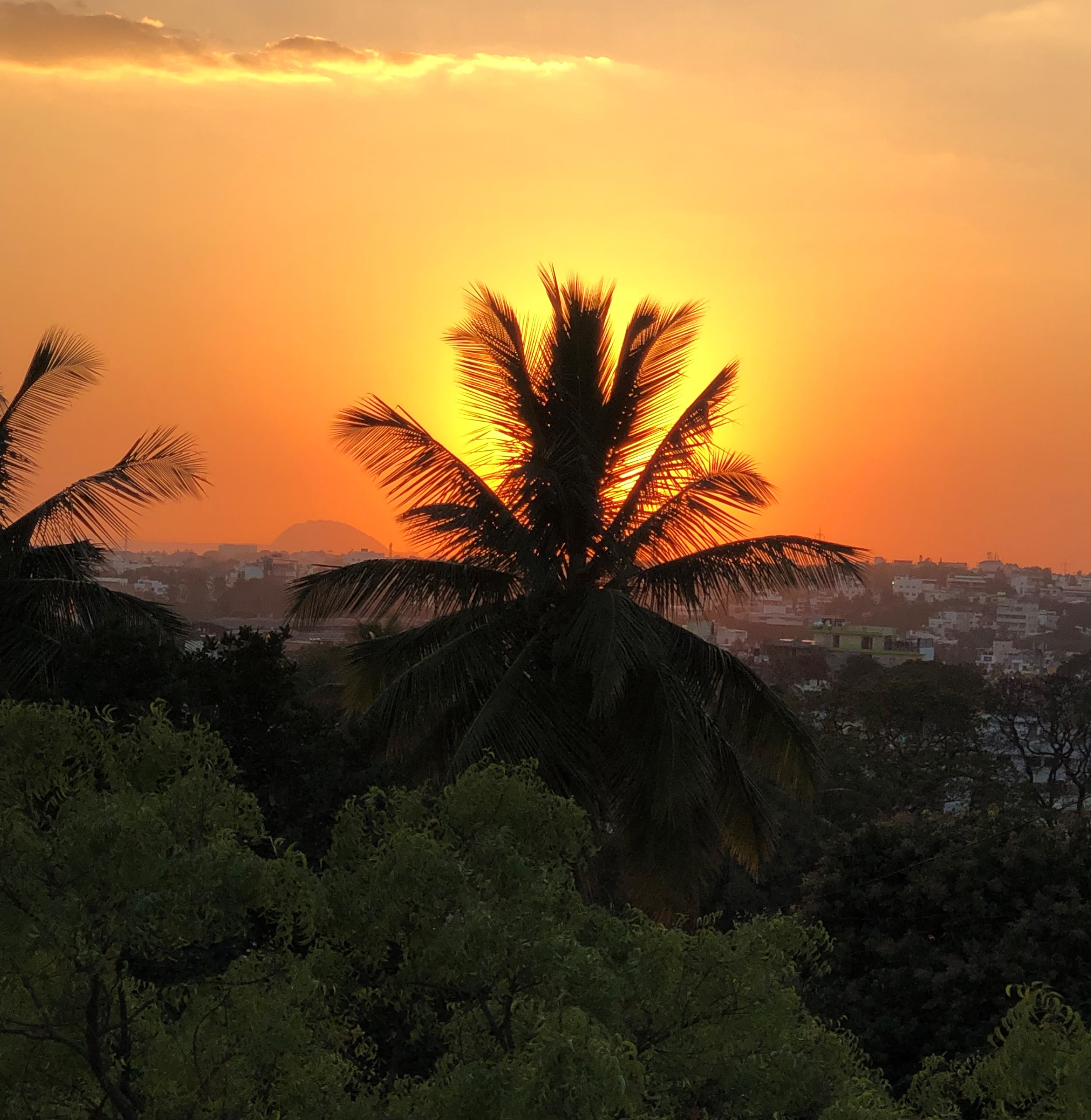
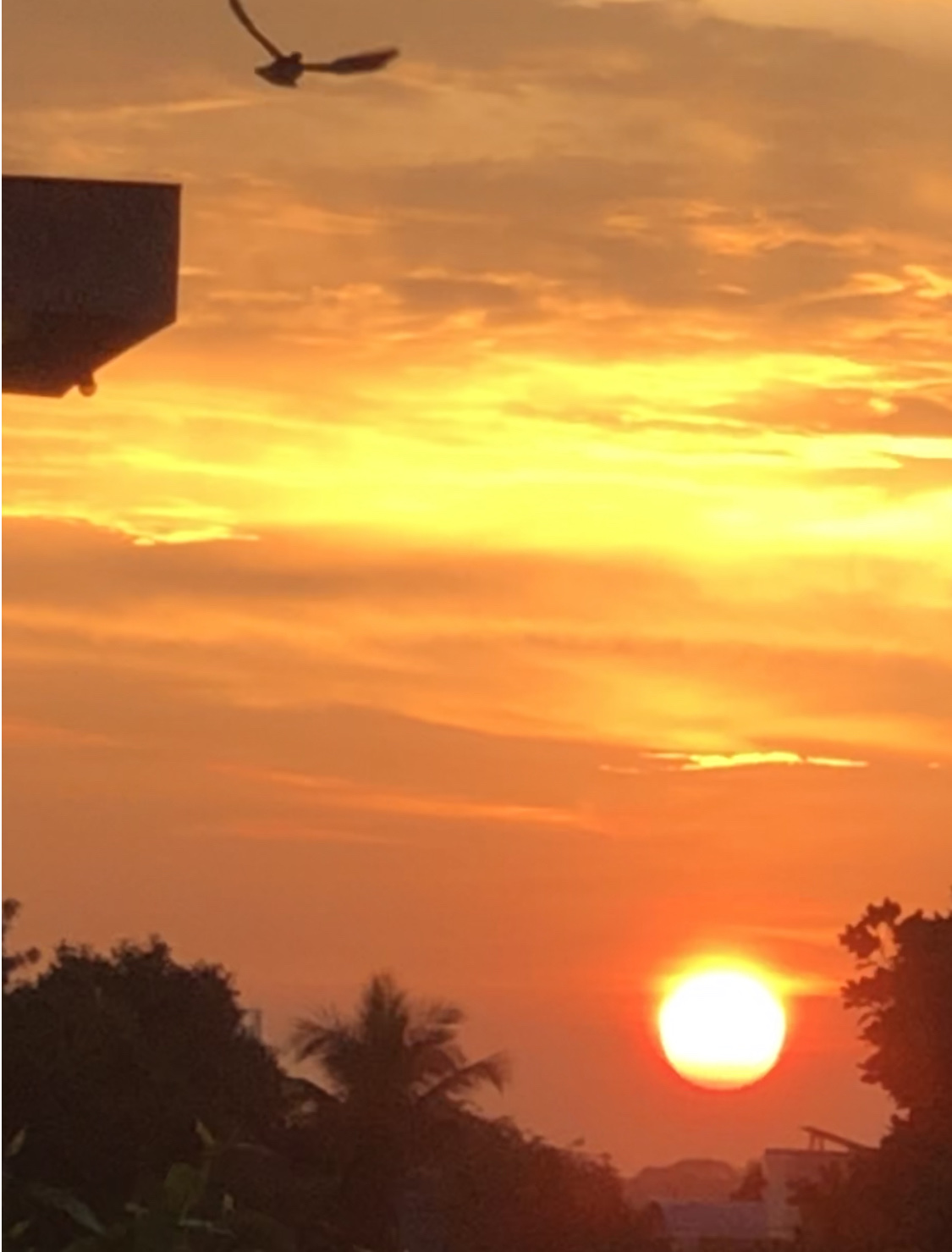
I never get tired of seeing the Sun rise and the Sun set. Everyday I try and make it a point to watch the Sun Rise & Sun set. I am amazed at the splash of colors and contrast that Sun provides. I was fortunate to watch the Sun Rise from my apartment roof top on one fine morning. I have posted the video in the Photography Section of my blog.

Now, let us read carefully the above description of the Sun particularly on its critical role in the universe and relate them to the Verses that will follow on Sunday. From Verse 4 to Verse 25, Sage Agasthya brings out through his praise for Aditya, the features and characteristics of the Sun and its importance. One can see the striking similarity between the century old views to the scientific description. No wonder you will see temples for the Sun God in several States of India such as Orissa, Bihar, Tamil Nadu, Andra Pradesh , Assam, Madhya Pradesh and Gujarat.

Aditya Hridayam Verses 1-3

Verse 1

ततो युद्धपरिश्रान्तं समरे चिन्तया स्थितम्

रावणं चाग्रतो दृष्ट्वा युद्धाय समुपस्थितम् ॥१॥

tatO yuddha parishrAntam samarE cintayAsthitam

rAvaNam cAgratO dR^iShTvA yuddhAya samupasthitam

Meaning of Sanskrit words

tata: – Then (at that very time)

yuddham – battle

parishrAnti: – exhaustion/fatigue

samara: – battle(-field)

cintayA – in the middle of a thought

sthitam – staying/standing

rAvaNam – ravana (used as an object of the sentence)

ca – and

agrata: – in front of

dR^iShTvA – on seeing (Dhrusti – seeing)

yuddhAya – for the battle

Sam-upa-sthitam – standing prepared (‘Sam’ – popular prefix to indicate correctness/propreity – in this case, ravana is standing, correctly prepared to fight)

Meaning of the Verse

When Lord Rama (implicit subject of the sentence) is standing absorbed in thought, on the battlefield, as He is exhausted by the fight till now; seeing Ravana facing Him (in front of Him) duly prepared for the fight…

Verse 2

दैवतैश्च समागम्य द्रष्टुमभ्यागतो रणम् ।
उपागम्याब्रवीद्राममगस्त्यो भगवानृषिः ॥२॥

daivatai: ca samAgamya draShTum abhyAgatOraNam

upAgamya: abravIt rAmam agastyO bhagavAn R^ishi:

Meaning of Sanskrit Words

daivatai: – with Devas

ca – and

sama-Agamya – arriving (at the same time) [Sam is prefixed for

‘simultaneously’] Aagaami is come, Aagamya is coming

draShTum – to see/witness [dR^iShTi: = sight]

abhyAgata: – he who had come

raNam – battle

upAgamya: – approaching [Agamya – coming, upa – near => to come near]

abravIt – spoke (past tense)

rAmam – Sri Rama

agastyO

bhagavAn – “blessed” is one of the meanings

R^ishi: – sage

Meaning of the Verse

The ‘Blessed’ Sage, Agastya, who had come to see the battle with the Devataas, on approaching Sri Rama, spoke…

Verse 1 & 2 – Tamil Version

சரிநிகர் சமமென நின்ற இலங்கையன் எதிரே

புரிபோர் விளை சோர்வுடன் சிந்தனைநடு நின்ற

கோசலைமைந்தனை நோக்கி தேவரினம் சூழ

போர் காண களம் வந்த குருமுனி சென்றுரைத்தான்

Verse 3

राम राम महाबाहो शृणु गुह्यं सनातनम् ।
येन सर्वानरीन्वत्स समरे विजयिष्यसि ॥३॥

rAma rAma mahA bAhO shrunu guhyam sanAtanam

yEna sarvAn arIn vatsa samarE vijayiShyasi

Meaning of Sanskrit Words

rAma – Agastya is talking to Raama directly, and addresses him “Hey Raama,

the Great-Shouldered Rama”

mahA – Great, mighty

bAhO – Shoulder

shrunu – listen [the word Shruthi has the same root]

guhyam – secret [Hindi word “Gupt” comes from this]

sanAtanam – forever, unending, eternal [as in Sanaathana Dharma]

[In fact, in AH, you will find several words for the same – akshaya,

nitya, shAshvatasya]

yEna – With which [ya: + Ena = yEna; ya: = whom/which, Ena = by/with]

sarvAn – all [used as an object here]

arIn – enemies [Krishna is “murAri” since he was the enemy of the demon

murA; kEsava since he killed the demon Kesi]

vatsa – child [Agastya addresses Rama as a child here]

samarE – on the battlefield

vijayiShyasi – You will win [vijayasi = You win; vijayAmi = I win;

vijayiShyAmi = I will win]

Meaning of the Verse

This stanza is a direct address from Agastya to Rama :

Hey Rama, the Great-Shouldered Rama, Listen to the eternal secret,

With which, Over all the enemies, Hey Child, You will win on the

battle-field!

Verse 3 – Tamil Version

தோள்வலி மிகுராமா கேளாயோ அழியாநிலையுடை மறைசெய்தி

அதன்வழி நடப்பின் அடைவர் அனைத்துப்பகைமீது உறுதிவெற்றி

இப்போர்களத்தில் உன் வெற்றி உறுதி பால ராமனே கவலைதவிர்

Aditya Hridayam

Preamble

The Dictionary Definition of resilience is “ the capability of a strained body to recover its size and shape after defamation caused especially by compressive stress “ or “ the ability to recover from or adjust easily to misfortune or change “. American Psychological Association defines it as a “ process of adapting well in the face of adversity “.

Resilience is always built through learning, not acquired as a gift. Harvard Business School professor Bill George in his book “ Discover your true North “ highlights the method of “revisiting your crucibles”, viz our earlier trials and tribulations to draw from our inner strengths and lessons learnt. This however is a post facto process. We survived the storm and then we realised that we survived. We use the learning in the next storm not knowing whether it helps or not.

In the thick of the adverse situations most of the times, we need someone to confirm to us that we have what it takes to be resilient. We long for help. Ancient Indian history brings out several such adverse situations where the Principal Character derives his/her inner strength through the advice from a either friend or a philosopher or guide. Arjuna in the Indian epic Mahabharata finds Lord himself as Krishna to help him with “Bhagwad Gita” to launch the successful war against the Kauravas.

On many occasions, Nature’s manifestations themselves will provide the necessary impetus to us to recharge ourselves and have a go at the challenges that we face. If such manifestations are explained by an eminent Philosopher/Saint/Guru at the adverse situation, then it is an accelerator for rejuvenation.

This is exactly the theme of my next series of blogs on “Aditya Hridayam” by the diminutive ancient Hindu Sage Agasthya where we will see how Lord Rama finds his inner strength to defeat the Lankan King Ravana on hearing the manifestations of Aditya (The Sun) in the other epic of Sage Valmiki’s “Ramayana”.

Again a word of caution – As a novice, I am neither an expert in languages nor have adequate knowledge of religion/spirituality. I am just a mind seeker.

Note: Based on the feedback received on my earlier blogs, I have added meaning of Sanskrit words & the meaning of the Verse in English. Needless to say that I haven’t put any effort in these two additions as they are reproduced with courtesy from the information available in books and the Worldwide web!

True to the Indian name “Bhanu” for Sun & Sunday, I will try and update this blog every Sunday

Sri Subramanya Bhujangam – Conclusion

भुजङ्गाख्यवृत्तेन क्ऌप्तं स्तवं यः

पठेद्भक्तियुक्तो गुहं संप्रणम्य ।

स पुत्रान्कलत्रं धनं दीर्घमायुः

लभेत्स्कन्दसायुज्यमन्ते नरः सः ॥३३॥

Bhujangga-[A]akhya-Vrttena Klptam Stavam Yah

Patthed-Bhakti-Yukto Guham Samprannamya |

Sa Putraan-Kalatram Dhanam Diirgham-Aayuh

Labhet-Skanda-Aaayujyam-Ante Narah Sah ||

சுற்றும் அரவென பதம் அமைந்த புஐங்கம் எனும் இப்பாடல்தனை

முற்றும் உணர்ந்து பக்தியுடன் பரமகுருகுகன் அடிபணிந்து உறைப்போர்க்கு

மக்களுடன் மனைமாட்சி நெடுநல்வாழ்வு அளித்திடுவான் ஐயமில்லை

பரவசநிலை கூட்டி அடைந்திடுவர் கந்தனவன் பதம்தனை இறுதியிலே

Sri Subramanya Bhujangam Verses 26-32

Adi Sankara takes the Bhujangam to its logical end by surrendering himself before the Lord and seek compassion from the Lord. We can see that Sri Sankara seeks alignment of one’s physical body features, mind, family, relatives & friends to the one and only Lord Subramanya.

Verse 26

दृशि स्कन्दमूर्तिः श्रुतौ स्कन्दकीर्तिः

मुखे मे पवित्रं सदा तच्चरित्रम् ।

करे तस्य कृत्यं वपुस्तस्य भृत्यं

गुहे सन्तु लीना ममाशेषभावाः ॥२६॥

Drshi Skanda-Muurtih Shrutau Skanda-Kiirtih

Mukhe Me Pavitram Sadaa Tac-Caritram |

Kare Tasya Krtyam Vapus-Tasya Bhrtyam

Guhe Santu Liinaa Mama-Ashessa-Bhaavaah ||

விழிகள் உன்னுருவம் காண செவிகள் உன் மகிமை கேட்க

வாய் உந்தன் புகழ் பாட கைகள் உன் திருத்தொண்டு புரிய

உடல் என்றும் உன்னடி பணிய என் உள்ளுணர்வெலாம்

உன்னிடம் உறையச் செய்திடுவாய் செந்தூர் உறை குகனே!

Verse 27

मुनीनामुताहो नृणां भक्तिभाजां

अभीष्टप्रदाः सन्ति सर्वत्र देवाः ।

नृणामन्त्यजानामपि स्वार्थदाने

गुहाद्देवमन्यं न जाने न जाने ॥२७॥

Muniinaam-Utaaho Nrnnaam Bhaktibhaajaam

Abhiisstta-Pradaah Santi Sarvatra Devaah |

Nrnnaam-Antya-Jaanaam-Api Sva-Artha-Daane

Guhaad-Devam-Anyam Na Jaane Na Jaane ||

தொழுதிடும் பெருமுனி கடுந்துறவி பலர் வணங்கி

விழையும் வரம் தரும் தெய்வம் பல எங்குமன்றோ

ஈனப்பிறப்புடையோர்க்கு பெருங்கருணை புரிய

உனையன்றி வேறெவருள்ளரோ திருச்செந்தூர் குகனே

அறிந்திலேன் யான் அறிந்திலேன் யான் அண்ணலே !

Verse 28

कलत्रं सुता बन्धुवर्गः पशुर्वा

नरो वाथ नारि गृहे ये मदीयाः ।

यजन्तो नमन्तः स्तुवन्तो भवन्तं

स्मरन्तश्च ते सन्तु सर्वे कुमार ॥२८॥

Kalatram Sutaa Bandhu-Vargah Pashurvaa

Naro Va-Atha Naari Grhe Ye Madiiyaah |

Yajanto Namantah Stuvanto Bhavantam

Smarantash-Ca Te Santu Sarve Kumaara ||

மனையாளும் மக்களும் சுற்றம் சூழமும்

ஆண் பெண் மனைஉறை அனைவரும்

உனதடி ஒன்றே பணிந்து உளமுருகி துதித்து

உன்புகழ் பாடி உன்னிடம் மட்டுமே

உறைந்து நினைய உன்னருள் புரிவாய்

உமைமைந்தா குமரக்கடவுளே !

Verse 29

मृगाः पक्षिणो दंशका ये च दुष्टाः

तथा व्याधयो बाधका ये मदङ्गे ।

भवच्छक्तितीक्ष्णाग्रभिन्नाः सुदूरे

विनश्यन्तु ते चूर्णितक्रौञ्चशौल ॥२९॥

Mrgaah Pakssinno Damshakaa Ye Ca Dussttaah

Tathaa Vyaadhayo Baadhakaa Ye Mad-Angge |

Bhavac-Chakti-Tiikssnna-Agra-Bhinnaah Suduure

Vinashyantu Te Cuurnnita-Kraun.cashaula ||

கொடிய விலங்குகள் கொத்தும் பறவைகள்

கொட்டும் பூச்சிகளின் கடிவலியொப்ப

நொடிக்கும் என்னுடல் பற்றிய கழுபிணிதனை

கையுறை கூர் வடி வேலால் பொடியெனப் பிளந்து

வெகுதூரம் தொலைத்திடு கிரவுஞ்சமலைப் பொடித்தோனே!

Verse 30

जनित्री पिता च स्वपुत्रापराधं

सहेते न किं देवसेनाधिनाथ ।

अहं चातिबालो भवान् लोकतातः

क्षमस्वापराधं समस्तं महेश ॥३०॥

Janitrii Pitaa Ca Sva-Putra-Aparaadham

Sahete Na Kim Deva-Sena-Adhinaatha |

Aham Ca-Ati-Baalo Bhavaan Loka-Taatah

Kssama-Sva-Aparaadham Samastam Mahe[a-Ii]sha ||

பெற்றவர்தம் புதல்வனது பிழைகள்தனை

பொறுத்தலன்றோ தேவர்படைத்தலைவா!

குழவியன்றொ யான், இவ்வுலகை ஈன்றோனே

பிழையனைத்தும் பொறுத்ருள்வாய் பெரியோனே!!

Verse 31

नमः केकिने शक्तये चापि तुभ्यं

नमश्छाग तुभ्यं नमः कुक्कुटाय ।

नमः सिन्धवे सिन्धुदेशाय तुभ्यं

पुनः स्कन्दमूर्ते नमस्ते नमोऽस्तु ॥३१॥

Namah Kekine Shaktaye Ca-Api Tubhyam

Namash-Chaaga Tubhyam Namah Kukkuttaaya |

Namah Sindhave Sindhu-Deshaaya Tubhyam

Punah Skanda-Muurte Namaste Namostu ||

தொழுதிடுவேன் நான் கோலமயிலுடன் சக்திவேல்தனையும்

வணங்கிடுவேன் இறைஊர்ந்த ஆடுடன் கொடிசேவல்தனையும்

பணிந்திட்டேன் நீஉறை கடல்சூழும் திருச்செந்தூர் தலமதனை

துதிட்டேன் மறுபடியும் அழகே வடிவான கந்தப்பெருமான் உனை

Verse 32

जयानन्दभूमञ्जयापारधामन्

जयामोघकीर्ते जयानन्दमूर्ते ।

जयानन्दसिन्धो जयाशेषबन्धो

जय त्वं सदा मुक्तिदानेशसूनो ॥३२॥

Jaya-[A]ananda-Bhuuman.-Jaya-Apaara-Dhaaman

Jaya-Amogha-Kiirte Jaya-[A]ananda-Muurte |

Jaya-[A]ananda-Sindho Jaya-Ashessa-Bandho

Jaya Tvam Sadaa Mukti-Daane[a-Ii]sha-Suuno ||

பரமானந்த உணர்வெனும் கரையிலா கருணைக்கடலோனுக்கு வெற்றி

இகபர இரேழஉலகாளும் பரமுக்தி வடிவோனுக்கு வெற்றி

பேரின்பக்கடலாய் முடிவிலா தாழாநட்புடையோனுக்கு வெற்றி

முக்தியருள் பொன்னார் மேனியனின் புதல்வனுக்கு எப்பொழுதும் வெற்றி

Sri Subramanya Bhujangam Verses 24 & 25

After presenting his worries, fears and apprehensions in the earlier verses, Sri Adi Sankara now directly appeals to Lord Subramanya that he depends on Him solely for mitigation of his problems & none else ( Verse 24). Sri Sankara then brings out the miraculous healing powers of the Sacred Ash (Vibhuti) presented as “Prasadam” in a leaf to the devotees (Verse 25). It is the firm belief of the devotees that applying the Sacred Ash (received in the leaf) over the affected areas of the body will result in significant mitigation.

A small write up about this leaf is presented at the end of this blog .

Verse 24

अहं सर्वदा दुःखभारावसन्नो

भवान्दीनबन्धुस्त्वदन्यं न याचे ।

भवद्भक्तिरोधं सदा क्ऌप्तबाधं

ममाधिं द्रुतं नाशयोमासुत त्वम् ॥२४॥

Aham Sarvadaa Duhkha-Bhaara-Avasanno

Bhavaan-Diina-Bandhus-Tvad-Anyam Na Yaace |

Bhavad-Bhakti-Rodham Sadaa Klpta-Baadham

Mama-[A]adhim Drutam Naashayo[a-U]maa-Suta Tvam ||

துயரச்சுமை தூக்கி கடுந்துன்பம் ஆளாகி துவண்டிடும் யான்

துதித்திலேன் உனையன்றி வேரெவரையும் எளியோர் பங்கனே

பக்திமிகு உன் துதிதனை தடுக்கும் என் மனம் உறை மாசினை

அறுத்தாட்கொள்வாய் விரைவினிலே உமை மைந்தா சண்முகனே!

Verse 25

अपस्मारकुष्टक्षयार्शः प्रमेह_

ज्वरोन्मादगुल्मादिरोगा महान्तः ।

पिशाचाश्च सर्वे भवत्पत्रभूतिं

विलोक्य क्षणात्तारकारे द्रवन्ते ॥२५॥

Apasmaara-Kusstta-Kssaya-Arshah Prameha_

Jvaro[a-U]nmaada-Gulma-Adi-Rogaa Mahaantah |

Pishaacaash-Ca Sarve Bhavat-Patra-Bhuutim

Vilokya Kssannaat-Taaraka-Are Dravante ||

வலிப்பு குஷ்டம் சயம் கபம் மூலம் குன்மம் ஜூரம் பிளவை எனும்

எல்லாப்பிணியுடன் வல்ல பூதபிசாசுகளும், இயலாமல்

எனைவிட்டு ஓடுவர் நில்லாது, அருளும் தாரகவதையோன்

எனைஆளும் முருகன் உன் இலைமடிதிருநீறு அணிந்தால்

पत्रभूतिं Patra-Bhuutim இலைமடிதிருநீறு Sacred Ash in leaf

Patra Vibhuti (Sacred Ash in a leaf)

‘Patra’ means leaf in Sanskrit. In Tiruchendur temple the Sacred Ash (vibhuti ) is kept on a leaf from the “Paneer Tree” ( Guettarda speciosa, colloquially called beach gardenia, or zebra wood, is a species of shrub in the family Rubiaceae) and offered as “prasadam” to the devotees.

The large oval-shaped leaves are 15–23 cm (6–9 in) long by 10–18 cm (4–7 in) wide. Dark green and smooth above with prominent paler veins, they are finely hairy underneath.

Here is the Original article in Tamil by Chitra Murthy translated by Malathi Jayaraman on this leaf. (http://tiruchendur.org/patra.bhuti.htm)

“ Now let us delineate on the miraculous healing power of patra bhuti.

The fragrance of this vibhuti is unique. We wonder whether the paneer leaf enhances the fragrance of Tiruchendur vibhuti. No matter what contributes, it is a fact that Tiruchendur vibhuti has the fragrance of divine grace.

After His victory over demon Surapadman and his army, Lord Murugan settled on the coast of Tiruchendur, shining and guiding like a lighthouse. The scriptures stand as paneer trees bearing testimony to His glory. So it is believed that the leaves of those trees have Vedic magical powers. Vibhuti contained in those leaves has miraculous healing power. The veins running across the leaves remind us of Lord Murugan’s twelve hands.

Sage Viswamitra suffered from severe dyspepsia, which he got for killing Tarakai through Lord Rama. Rama appeared in his dream and asked him to smear Chenthilandavan’s patra bhuti as atonement.

There was a remarkable incident in the life of Sri Adi Sankara which revealed the glory of patra bhuti. Abhinav Gupthar, who lost in the argument with Adi Sanakara cast a black magic spell on Adi Sankara which caused a chronic disease. Adi Sankara was staying in Gokarna in north Karnataka at that time. Lord Siva of Gokarna appeared in his dream and instructed him to go to Tiruchendur, the holy abode of HIs son Lord Muruga and get rid of his disease. On getting up he saw vibhuti, kept near him.As ordained by Kokarneswar he set off for Chendur. On reaching Chendur he took a dip in the sea and proceeded towards the shrine of Chenthilandavan. When he was praying fervently to Lord Muruga he saw the serpent, Adiseshan crawling towards the sanctum. At the same time he was blessed with the holy vision and words gushed out extemporaneously in bhujanga metre. In Sanskrit ‘bhujanga’ means snake. Bhujanga metre suggests a snake gliding along. He smeared his body with the patra bhuti prasadam and was soon cured of his disease.“

Sri Subramanya Bhujangam Verses 20-23

In the Verses 20-25 of Sri Subramanya Bhujangam, Adi Sankara brings out with full emotions, his personal worries, pains and difficulties. Here in this blog, Verses 20-23 are listed. While trying to understand the meaning of the verses, I was trying to recollect some of my interesting interactions with elders.

Irrespective of country, religion or gender, I have heard everyone say “I know that as a human being I have to die one day. All I want is to have a peaceful end. Without being a burden to anyone, I would like to live the rest of my life and reach the feet of Lord without prolonged illness”. Incidentally as a fellow senior citizen, my own view is precisely the same.

This 21st Century views of the elders, reinforces the sentiments that Sankara brought out in these Verses in the 8th Century, Sankara at his young age brings out the potential scenario that one faces in life at the time of death and seeks Divine interventions to ease one’s pains.

Needless to say that I was truly blank, speechless and emotional as I completed my work on these Verses and recollected the cool, calm and composed manner in which my own mother at her age of 94 and father at his age of 100, closed their eyes and faced the inevitable smilingly; while the former remained silent for 2 days before the end, the later even told me in the hospital bed 48 hours before the end, that he will reach the Lord’s feet in two days time!

Verse 20

प्रशान्तेन्द्रिये नष्टसंज्ञे विचेष्टे

कफोद्गारिवक्त्रे भयोत्कम्पिगात्रे ।

प्रयाणोन्मुखे मय्यनाथे तदानीं

द्रुतं मे दयालो भवाग्रे गुह त्वम् ॥२०॥

Prashaante[a-I]ndriye Nasstta-Samjnye Vicesstte

Kapho[a-U]dgaari-Vaktre Bhayot-Kampi-Gaatre |

Prayaanno[a-U]nmukhe Mayy-Anaathe Tadaaniim

Drutam Me Dayaalo Bhava-Agre Guha Tvam ||

ஐம்புலனோய்ந்து ஐயுந்திமெய் நொந்து அறிவின்றி உடலாட்டமின்றி

வாய் உமிழ் கபமிகு முகமதனில் பேரொரு பயமுடன் பெரு நடுக்கமுடன்

காலனவன் வருகை நோக்கி காத்திருக்கும் வேளைதனில், திக்கற்றுத்தவி

எளியோன் முன் விறைவில் வந்து காட்சி கொடு கருணைமிகு குகனே!

Verse 21

कृतान्तस्य दूतेषु चण्डेषु कोपाद्

दहच्छिन्द्धि भिन्द्धीति मां तर्जयत्सु ।

मयूरं समारुह्य मा भैरिति त्वं

पुरः शक्तिपाणिर्ममायाहि शीघ्रम् ॥२१॥

Krtaantasya Duutessu Cannddessu Kopaad

Dahac-Chinddhi Bhinddhi-Iti Maam Tarjayatsu |

Mayuuram Samaaruhya Maa Bhair-Iti Tvam

Purah Shakti-Paannir-Mama-[A]ayaa-Hi Shiighram ||

காலனவன் தூதர்கள் கோரமுடன் கொடுமை கொண்டு என்னிடம்

ஒலமிட்டு சுடு, வெட்டு, பிளவுறு என கடுஞ்சொல்லுடன் அச்சுறுத்தும்

வேளைதனில் கோலமயிலேறி யாமிருக்க பயமேனென பறந்து வந்திடுவாய்

சக்திவேலுடன், சண்முகக்கடவுளே சரவணபவனே சங்கரன் புதல்வனே

Verse 22

प्रणम्यासकृत्पादयोस्ते पतित्वा

प्रसाद्य प्रभो प्रार्थयेऽनेकवारम् ।

न वक्तुं क्षमोऽहं तदानीं कृपाब्धे

न कार्यान्तकाले मनागप्युपेक्षा ॥२२॥

Prannamyaa-Sakrt-Paadayos-Te Patitvaa

Prasaadya Prabho Praarthaye-Aneka-Vaaram |

Na Vaktum Kssamo-Aham Tadaaniim Krpa-Abdhe

Na Kaaryaanta-Kaale Manaag-Apy-Upekssaa ||

தாழ் பணிந்து உள்ளுருகி வணங்கிட்டேன் அனுதினமும் வெகுநாளாய்,

கால்கையடங்கி வலிவிழந்து பேச்சிழப்பேன் பெரும் உறக்கம் வரும்_

நாள்தனில், நொடிப்பொழுதும் கைவிடாமல் காத்திடுவாய் கடைவரை

கருணைக்கடலே, திருச்செந்தூர் உறை கந்தப்பெருமாளே

Verse 23

सहस्राण्डभोक्ता त्वया शूरनामा

हतस्तारकः सिंहवक्त्रश्च दैत्यः ।

ममान्तर्हृदिस्थं मनःक्लेशमेकं

न हंसि प्रभो किं करोमि क्व यामि ॥२३॥

Sahasra-Anndda-Bhoktaa Tvayaa Shuura-Naamaa

Hatas-Taarakah Simhavaktrash-Ca Daityah |

Mama-Antar-Hrdistham Manah-Klesham-Ekam

Na Hamsi Prabho Kim Karomi Kva Yaami ||23

பத்துநூறு உலகாள் பத்மசுரனை வதைத்து அவனுடன்பிறப்புகளாம்

ஆணைமுகன் சிங்கமுகனை வென்றழித்த திருச்செந்தூர் வேலனே

மனக்கவலையெனும் அசுரன் என்னிதயச்சுரங்கத்தில் உறைகின்றான்

அழிக்கவில்லை நீ அவனை, என் செய்வேன் எங்கு செல்வேன் நான்?

One can easily come out with an argument that Sankara wrote these verses out fear of his own death (due the acute distress he had due to the illness): a more insightful look at the verses will bring out clearly that Sankara brings out the fact the Lord will be there with you at the time of your end and there is no need to be afraid of the end.

Sri Subramanya Bhujangam Verses 17-19

In the previous two blogs we saw Adi Sankaracharya bringing out the locational significance about the place Thiruchendur, a panchayat town located at the Coromandel Coast off the Bay of Bengal, in the Thoothukudi (Tuticorin) district of Tamil Nadu and then moving over to the description of the principal deity Lord Subramanya, focusing on harnessing the organs with the power of God.

In the blogs to follow, Sri Sankara starts his Prayers of the deity. First he focuses on the Lord, then submits his personal difficulties and issues and finally seeks His grace and compassion.

Let us go through the first set of his prayers that focuses on the Lord.

Verse 17

स्फुरद्रत्नकेयूरहाराभिरामः

चलत्कुण्डलश्रीलसद्गण्डभागः ।

कटौ पीतवास करे चारुशक्ति

पुरस्तान्ममास्तां पुरारेस्तनूज ॥१७॥

Sphurad-Ratna-Keyuura-Haara-Abhiraamah

Calat-Kunnddala-Shrii-Lasad-Ganndda-Bhaagah |

Kattau Piita-Vaasa Kare Caaru-Shakti

Purastaan-Mamaas-Taam Puraares-Tanuuja ||

ஒளி மிகு ரத்தினக் காப்பணிந்து எழில் மிகு முத்து மாலையுடன்

அழகுமிகு குண்டலங்கள் அசைந்தாடும் துலங்குமிகு முகமுடன்

இடையினில் மரகத உடையணிந்து கரமதனில் சக்திவேல் கொண்ட

முப்பரமெரித்த முன்னவன் மைந்தனை சிந்தனையில் பதித்தேன்!

Verse 18

इहायाहि वत्सेति हस्तान्प्रसार्या_

ह्वयत्यादशच्छङ्करे मातुरङ्कात् ।

समुत्पत्य तातं श्रयन्तं कुमारं

हराश्लिष्टगात्रं भजे बालमूर्तिम् ॥१८॥

Iha-Ayaahi Vatse[a-I]ti Hastaan-Prasaaryaa_

(Aa)Hvaya-Tyaada-Shacchangkare Maatur-Angkaat |

Samutpatya Taatam Shrayantam Kumaaram

Hara-[A]ashlisstta-Gaatram Bhaje Baala-Muurtim ||

அனுகுவாய் எனையென ஆலவாயன் கரம் நீட்டி அழைத்திட

அம்மையின் மடிதாவி ஓடி அடைந்திட்டாய் அம்பலவானரை!

அரவணைத்த அரவரசமாலையணியோனின் பால குமரனே

ஆராதனயுடன் அடி பணிந்தேற்றினேன் அத்திருமுகம் தனையே!

Verse 19

कुमारेशसूनो गुह स्कन्द सेना_

पते शक्तिपाणे मयूराधिरूढ ।

पुलिन्दात्मजाकान्त भक्तार्तिहारिन्

प्रभो तारकारे सदा रक्ष मां त्वम् ॥१९॥

Kumaare[a-I]sha-Suuno Guha Skanda Senaa_

Pate Shakti-Paanne Mayuura-Adhiruuddha |

Pulinda-Atmajaa-Kaanta Bhakta-Arti-Haarin

Prabho Taaraka-Are Sadaa Rakssa Maam Tvam ||

குமரனே சிவகுமாரனே குகனே கந்தனே தேவர்தலையோனே

சக்திவேலனே மயிலவாகனனே குறவள்ளி மணாளனே தாரகவதையோனே

அடியோர் குறை தீர்ப்போனே திருச்செந்தூரானே

என்றும் காத்தருள்வாய் எளியோன் எனை சுப்பிரமணியனே