பஜ கோவிந்தம் என்று அழைக்கப்படும் “மோக முத்கரா”வைப் பற்றிய எனது பதிவைத் தொடங்கியபோது, சமூக ஊடகங்களில் “மூட மனம்” கொண்ட எனக்கும், கற்றறிந்தவர்களுக்கும் இடையே நடந்த சுவாரஸ்யமான கருத்துப் பரிமாற்றங்களைப் பற்றி எழுதியிருந்தேன்.
“மோஹ முத்கரா” என்பது 31 ஸ்லோகங்கள் அடங்கிய ஒரு தொகுப்பு. இதற்கு பின்னர் பஜ கோவிந்தம் என்று பெயரிடப்பட்டது என்று கூறப்படுகிறது. ஆதி சங்கரரும், அவரது சீடர்களும் காசியில் வழங்கியது என்றும் கூறப்படுகிறது. நிலையற்றவற்றை நிலையென நம்பி வாழும் நம் மருட்சியுடை (மோஹம்) மனதை தட்டி எழுப்பும் சம்மட்டி (வடமொழியில் முத்கரா என்பர்) அடிகள் இவை. இது மறுக்க இயலா உண்மை.
அதே நேரம், “உண்மை என்றுமே உறைக்கும்” என்ற உலக இயல்புற்கேற்ப, சங்கரனின் சம்மட்டி அடிகள் என்று கொடுத்த தலைப்பு பொருத்தமானதல்ல, அது வன்முறையைக் குறிக்கும் சொல், அச்சொல்லிற்கும் ஆதி சங்கரருக்கும் எந்த தொடர்பும் இல்லை என்று கூறும் சில பெரியோர்களின் கருத்துக்களையும் நாம் மதித்து ஏற்றுக் கொள்ளத்தான் வேண்டும்.
ஒரு தலைப்பின் மேல் பற்றை வளர்க்க எனக்கு விருப்பமில்லை. சமஸ்க்ருத மொழியில் வைராக்கியம் (वैराग्य) என்பது உலகம் தரும் இன்பப் பொருட்களின் மீதான பற்றை நீக்குவதே. நாம் விரும்பும் எந்த ஒரு வைரத்திற்கும் மேலான விலையிலா வைரம் இந்த வைராக்கியம். ஆதி சங்கரரும் அவரது சீடர்களும் “மோஹ முத்கரா”வில் உள்ள ஸ்லோகங்கள் வழியாக, நம் உடல் மன வளாகமெனும் சுரங்கத்துள் ஒளிந்துள்ள இந்த வைராக்கியத்தை நம்மிடமிருந்து வெளிக்கொணரவே முயல்கின்றனர்.
எனவே, இந்த வலைதள தொடர்பதிவின் தலைப்பை
“சங்கரனின் வைரக் கூடம்”
என்று மாற்ற முடிவு செய்யப்பட்டுள்ளது.
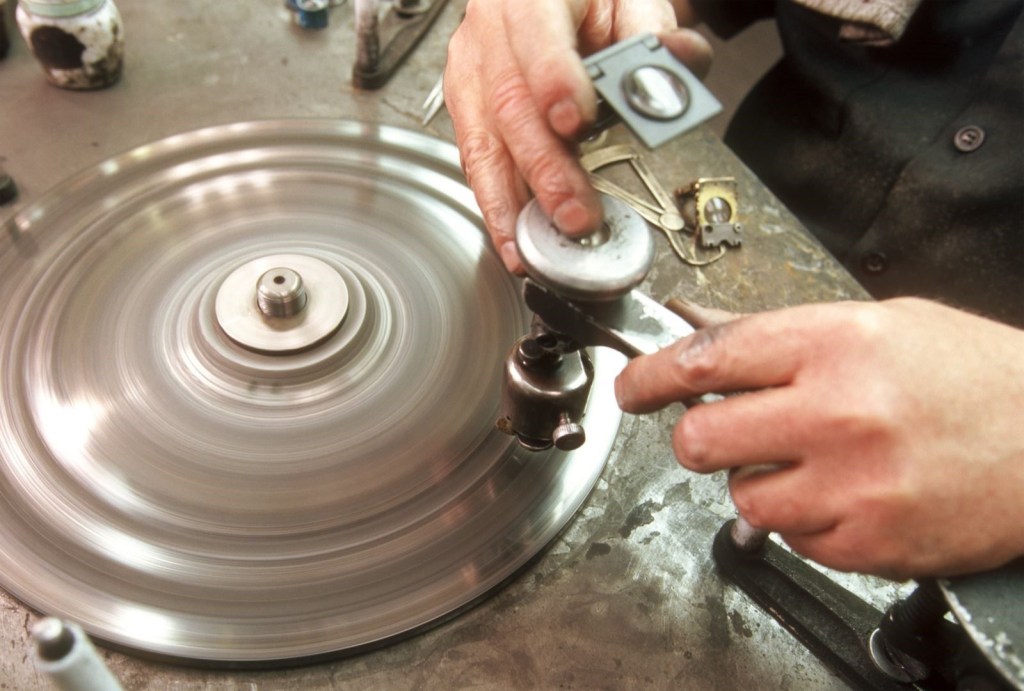
வைரத்தை தோண்டி எடுத்து பட்டை தீட்டும் இடம் வைரக் கூடம். ஒவ்வொரு ஸ்லோகமும் நம்முள் ஒளிந்திருக்கும் வைராக்கியம் எனும் பற்றிலா வைரத்தை, தோண்டி எடுத்து, பட்டை தீட்டி ஒளிர வைக்கும் செயல்முறை (process) என்பதே இத்தலைப்பின் பொருள். இரும்பை சம்மட்டி அடியால் மாற்றுவதை விட, வைரத்தை தோண்டி எடுத்து பட்டை தீட்டுவது என்பது வன்முறையிலா செயலெனத் தோன்றும் காரணமே இத்தலைப்பின் தோற்றம்.
இந்த மாற்றம் வலைதளப்பதிவுகளில் (blogs) இரண்டாவது ஸ்லோகத்திலிருந்தும் (01-12-2022), வலைதள ஒலிப்பதிவத் தொடரில் (podcast) மூன்றாவது ஸ்லோகத்திலிருந்து (23-12-2022) நடைபெறும்.

இந்த “தலைப்பு மாற்றம்” தமிழ் பதிவுகளுக்கு மட்டுமே. ஆங்கிலப் பதிவுகளில் எந்த மாற்றமும் இல்லை.

There is no change in respect of the blogs in English on the subject and it continues to be “Sankara’s Smithy”.
சங்கரனின் வைரக்கூடத்திற்கு வருகை தந்து, தோண்டி எடுத்து, பட்டை தீட்டி மெருகேற்றி பற்றிலா நம் வைராக்கியத்தை வெளிக் கொணர்வோம். வாருங்கள்.
“There are in the Upanishads, intimations of Krama-Mukti or the progressive process of the liberation of the soul.

The Upanishads are emphatic in their statements that one who reaches through unselfish meditation and knowledge this Supreme Cause does not return to the mortal coil, but proceeds further to the Absolute Reality.

The Mundaka Upanishad says that the sages in the world of Brahma are liberated beyond death in the end of time. Those who attain the world of the Karya-Brahman remain there until the end of the universe, enjoying the effects of their "Satyakamas" and "Satyasankalpas", the fruits of their desires and willings based on Truth. Whatever they wish arises then and there instantaneously, for they are in harmony with the Universal Being. They enjoy the highest approximation to the bliss of the Lord of the universe”.

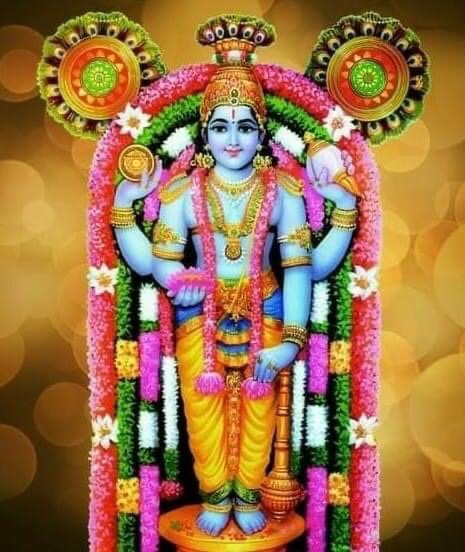
This is what Bhattathri is highlighting in this Sloka 11.
துருவமண்டலம், கிரமமுக்திவிழை உன் பக்தர்கள் பரமனே, !!
Meaning in English
O Lord! Thy devotee who follows the Krama Mukti path is led by the presiding deities of fire, day time, the bright fortnight, and Uttaraayana to the plane of the sun and enjoying in each of these spheres reaches the realm of Dhruva
சங்கரனின் பட்டறைக்கு வருகை தந்து, முதல் சம்மட்டி அடி வாங்கிட ஒப்பிய உங்களனைவருக்கும் மிக்க நன்றி.

இறை வணக்கம் போல் துவங்குகிறார் ஆதி சங்கரர் அவரது முதல் சம்மட்டி அடியை.

 “கோவிந்தனைத் துதி; உனது மரண காலத்தில் உன்னை ஏட்டறிவு காத்திடாது”. இது தான் இந்த பண்ணின் (அடியின்) சாரம்.

விழும் முதல் அடியை பார்க்கும் பொழுது, மெதுவான அடி போலத்தான் தெரியும். பொதுவாக, விழுந்த பின்தான் தெரியும் அடியின் வலி. அதைப் போல, இந்த அடியின் வலிமையை உணர, பண்ணின் உட்கருத்தை ஆராய வேண்டும்.

வாருங்கள், விழும் அடியை ஆராயலாம். சங்கரனின் இந்த அடிக்குப் பெயர் யாக்கை நிலையாமை.
சமஸ்க்ருத ஸ்லோகம்
भज गोविन्दं भज गोविन्दं, गोविन्दं भज मूढ़मते। संप्राप्ते सन्निहिते काले, न हि न हि रक्षति डुकृञ् करणे॥१॥
தமிழில் ஒலி பெயர்ப்பு
ப4ஜ கோ3விந்த3ம் ப4ஜ கோ3விந்த3ம்

கோ3விந்த3ம் ப4ஜ மூட4மதே |

ஸம்ப்ராப்தே ஸந்நிஹிதே காலே

நஹி நஹி ரக்ஷதி ‘டு3க்ருஞ் கரணே’ ||
தமிழில் மொழிபெயர்ப்பு
துதி கோவிந்தனை துதி கோவிந்தனை
கோவிந்தனைத் துதி மூட மனமே
விதித்திட்ட வேளையில் காயம் அழியும்
காத்திடுமோ உனை வாழ்வியல் பாடம்.
விளக்கவுரை
பஜ

“பஜ“ என்ற சொல்லிற்கு நினை, பூசி, துதி என்ற பொருட்கள் உண்டு. பஜனம் என்பதற்கு சேவை என்ற பொருள்.

இந்தப் பண்ணில் ஆதி சங்கரர் இந்தச் சொல்லையும், கோவிந்தம் என்ற அடுத்த சொல்லையும் மூன்று முறை பயன்படுத்துகிறார்.

ஏன் மூன்று முறை? அதற்கு முக்கியத்துவம் உள்ளதா?

உள்ளது. ஏன் என்பதற்கான சுருக்கமான விளக்கம் இங்கே.

மூன்று வகையான தடைகளை நீக்குவது அல்லது மூன்று வகையான துன்பங்களை (துக்கங்களை) நீக்குவது என்பது வாழ்க்கையின் முக்கிய நோக்கங்களில் ஒன்று என்று நமது மறை நூல்கள் நமக்குச் சொல்கின்றன.

மூன்று வகை துன்பங்கள் வெளிப்படையாக வரையறுக்கப்படவில்லை என்றாலும், ஒவ்வொரு வர்ணனையாளரும் பின்வரும் மூன்று வகையான துன்பங்களைக் குறிக்கின்றனர்:

1. ஆதிதைவிகா (தெய்வீக தோற்றம்) - கடவுளின், இயற்கையின் செயல் காரணமாக வரும் துன்பங்கள். இயற்கையின் சீற்றத்தால் விளையும் துக்கங்கள்.
2. ஆதிபௌதிகா (உடல், ஜட உயிரினங்களில் உருவானது) - வெளிப்புற தாக்கங்கள் காரணமாக வரும் துன்பங்கள்
3. அத்யாத்மிகா (நாமே உருவாக்கியது) - உடல் நோய்கள், மனப்பிரச்சனைகள் (ஆசை, கோபம், பயம், வெறுப்பு, பொறாமை, மோகம், சோகம், அவமானம், காழ்ப்பு…..) முலம் வரும் துன்பங்கள்

இம்மூவகை துக்கங்கள் (தாபத்ரையம்) நீங்கிட இறை வழிபாட்டில் மூன்று முறை முறையிடுதல் மரபு.
கோவிந்தம்

இந்த சொல் கோ, விந்தம் என்ற இரு சொற்களடங்கியது. முதலில் கோ என்ற சொல்லின் பொருளைக் காண்போம்.

1. “கோ” என்றால் - பசு, உயிரினம் (சைவ சித்தாந்தத்தில் பசு என்பது உயிரினங்கள்/மனிதர்களைக் குறிக்கும்), கால்நடை என்று பொருள்.

2. விந்தம் என்றால் - பேணுதல் (காத்தல்), அறிதல்

பசுக்களை/உயிரினங்களை அறிந்து பேணிக் காப்பவன் கோவிந்தன்.

காக்கும் கடவளாம் திருமாலுக்குப் பயன்படுத்தப்படும் அடைமொழிகளில் ஒன்று கோவிந்தா. விஷ்ணு ஸஹஸ்ரநாமத்தில் 187, 539 வது  நாமங்களாக இந்த சொல் உபயோகிக்கப் படுகிறது. இவ்வார்த்தை இரண்டு விளக்கங்களை வழங்குகிறது.

1. முதலாவது வேதங்களின் மூலம் அறியப்பட்டவர். பிரம்மசூத்திரம், வேதங்கள் மூலம் மட்டுமே பிரம்மம் உணரப்படுகிறது என்று கூறுகிறது (गोपिः वेत्ति इति गोविन्दः gopi: vEthi iti gOvinda:).

2. இந்த வார்த்தையின் இரண்டாவது விளக்கம், உயிர்களை அறிந்தவர் (गाः विन्दति इति गोविन्दः கா: விந்ததி இதி கோவிந்த:). இல்லாததொன்றுமில்லை, எல்லாமே அவன் என்று நீக்கமற நிறைந்திருப்பதால், இடம், காலப் பரிமாணங்களைக் கடந்து, உயிரினங்களையும் அவற்றின் செயல்களையும் அறிந்திருப்பவர் கோவிந்தன்.

ஆக, ப்ரம்மம், பரம்பொருள் என்ற தூய இருப்பு, தூய உணர்வு, தூய இன்பம் தான், கோவிந்தன் என்ற சொல்லுக்குப் பொருள்.
மூட மதே

மனிதர்களாகிய நாம் மற்ற உயிரினங்களை விட மிக உயர்ந்த மனமும் புத்தியும் உடையவர்களாக இருக்கிறோம். வேண்டியது, வேண்டாதது, நல்லது, கெட்டது, என்று பகுத்தறியும் தன்மை நம்மிடம் மட்டுமே உண்டு. வெறும்  உள்ளுணர்வால் (உயிரியல் மற்றும் உடலியல் தூண்டுதல்களால்) மட்டும் நாம் வாழ்வதில்லை; உயர்ந்த குறிக்கோள்களால் நிர்வகிக்கப்படுகிறது நம் வாழ்வு.

ஆயினும்கூட,  அன்றாட வாழ்வில் இந்த மனம் நம்மை எங்கெலாம், எப்படியெல்லாம் “ஒன்றை விட்டு ஒன்று பற்றிப் பாசக் கடலக்குள் வீழ்த்திட” அழைத்துச் செல்கிறது.  மனதைப் பற்றிய இந்தப் பாமரனின் விளக்கத்தை, கீழ்காணும்  வலைப் பதிவில் காண்க. https://soundar53.substack.com/p/-6-


முந்தைய பதிவில் கூறியபடி, அன்றாட வாழ்வில் நடப்பு வேறு. அறிவில்லாத ஒன்றை அறிவு என்றும், தெளிவிலாத ஒன்றை தெளிவு என்றும், நிலையற்றவற்றை நிலையானவை என்றும், முழுமையற்றவற்றை முழுமையானவை என்றும் எண்ணும் நம் மனதை, ஆதி சங்கரர் “மூட மனமே” “அறிவிலியே” என்று அழைப்பதில் வியப்பு ஒன்றும் இல்லை.
ஸம்ப்ராப்தே ஸந்நிஹிதே காலே

நேரடி மொழி பெயர்ப்பு என்பது “குறித்த நேரம் வந்திடினில்” என்று பொருளாகும். யாருக்கு, யார் குறித்த, எந்த நேரம்? நமக்கு, காலன் குறித்த, மரண நேரம் என்பது நேரடி விடை. நாட்கள் கடக்க கடக்க, காலன் வரும் நேரமும் நெருங்குகிறது. அது சரி, மரணம் யாருக்கு?

“மரணத்தை எண்ணிக் கலங்கிடும் விஜயா! மரணத்தின் தன்மை சொல்வேன். மானிடர் ஆத்மா மரணம் எய்யாது. மறுபடிப் பிறந்திருக்கும். மேனியைக் கொல்வாய். நீ விட்டு விட்டாலும் அவர்களின் மேனி சென்றுதான் தீரும் ஓர் நாள்” என்று போர்க்களத்தில் அறிவுரை கூறினானே பாரத்தசாரதியான இறைவன் கண்ணன்.

ஆக உடலினுள் உயிர் ஒண்டுக் குடித்தனம். வாடகைதான் வாழ்வு.
நஹி நஹி ரக்ஷதி
“காப்பாற்றாது, காப்பாற்றாது” என்பது நேரடி மொழிபெயர்ப்பு. யாரை, எப்போது, எது காப்பாற்றாது?
எப்போது காப்பாற்றாது - விதித்திட்ட வேளையில் - அதாவது “காலனின் பாசக் கயிறு நம்மைச் சுற்றி விழும்” நேரம். எமனின் ஓலை நமை அடையும் நேரம். உடலை விட்டு உயிர் பிரியும் நேரம்.
எது காப்பாற்றாது - இதற்கு விளக்கம் அடுத்த சொல்லில்
டுக்ருங் கரனே

டுக்ருங் என்பது சமஸ்கிருத இலக்கணத்தில் (வ்யாகரந) கர்ணே (கரனே) என்ற செயலைக் கொண்ட ஒரு வேர் சொல். இலக்கண விதிகளை மனனம் செய்வது என்று பொருள்.

வேதங்கள் மற்றும் வேதாந்தம் படிக்க சமஸ்கிருத இலக்கண அறிவு மிகவும் விரும்பத்தக்கது. பெரிய இலக்கண அறிஞர் பாணினி போன்ற பல அறிஞர்கள் வடித்த சூத்திரங்களை பாட, மனப்பாடம் செய்ய, அறிஞர்கள் இலக்கணத்தில் புலமை பெறுவதற்கான வழிகளில் ஒன்று, "டுக்ருங் கரனே".

இந்தப் பண்ணில் நாம் இதனை வெறும் ஏட்டுக்கல்வி என்று மட்டுமே எடுத்துக் கொள்ளாமல், இன்னும் சற்று விரிவான நோக்கத்தில் அறிந்து கொள்ள வேண்டும்.

அறிவு (வித்யா) இரு வகை: 1. இறையறிவு (மெய்ப்பொருள் அறிவு). இதனை பர வித்யா என்பர். 2. இறையறிவில்லா மற்ற அனைத்து அறிவு. இதனை அபர வித்யா என்பர். அதாவது அன்றாட வாழ்வில், நமக்கு வரையறுக்கப்பட்ட (விதிக்கப்பட்ட) உலகியல், இறையியல் வினைகள் (லௌகீக, வைதீக கர்மங்கள்). அபர வித்யா இன்றி, பர வித்யாவை அடைய முடியாது. பர வித்யா இல்லாமல் அபர வித்யா முமழுமை அடையாது.

ஆக இங்கு குறிப்பிடுவது, அபர வித்யா நம்மைக் காப்பாற்றாது என்ற பரந்த அர்த்தத்தில்.
தமிழ் இலக்கியத்தில் யாக்கை நிலையாமை
இச்சொற்களின் சாரத்தை பல தமிழ் ஞானிளும் சைவ சித்தாந்த அறிஞர்களும், கவிஞர்களும் எண்ணற்ற கவி வடிவிலே எழுதியுள்ளனர். யாக்கை நிலையாமை/நிலையாமை என்ற அத்தியாயங்கள் திருமந்திரத்திலும், திருக்குறளிலும் உள்ளன.
திருமந்திரம்
“மாறு திருத்தி வரம்பு இட்ட பட்டிகை பீறும் அதனைப் பெரிது உணர்ந்தவார் இல்லை கூறும் கருமயிர் வெண்மயிர் ஆவதும் ஈறும் பிறப்பும் ஓர் ஆண்டு எனும் நீரே”.
(நன்கு நெய்து தயாரிக்கப் பட்ட பட்டாடையும் கிழிந்து போய்விடும். இந்த உண்மையைப்பற்றி உலகத்தவர் சிறிதும் சிந்திப்பதில்லை. அழகிய கருங் கூந்தல் வெண் கூந்தலாக மாறிவிடுவதும் கண்கூடு. பிறப்புக்கும், இறப்புக்கும் இடையே ஒரு சிறு பொழுதே உள்ளது. இந்த உண்மைகளைச் சிந்தித்து நன்கு உணர்வீர் உலகத்தோரே).
என்ற சிவவாக்கியர் பாடல் அழியும் உடல் பற்றி குறிப்பிடுகிறது.
நாட்டுப் பாடல்
''குச்சு வீடுங் கட்டலாம் குறுங் கதவு சாத்தலாம் வாழ வேண்டும் என்று சொன்னால் வாய் மதங்கள் பேசலாம் காலனுட ஓலை வந்தால் கனத்தவீடும் தாங்குமோ குச்சு வீடும் தாங்குமோ குறுங்கதவும் தாங்குமோ''
என்ற பாடல் மூலம் அறியப்படும் தத்துவங்கள் பலப்பல. உடம்பு ஒரு குச்சு வீடு. அதில் ஆசைகள் கதவுகளாகும். எனவே வாழ நினைப்பவன் ஆசையை அடக்குதல் வேண்டும். உடம்பு ஒரு குச்சுவீடு, அக்குச்சு வீடு எவ்வளவு கனத்திருந்தாலும் அதாவது (புண்ணியம் செய்திருந்தாலும்) காலதேவன் வந்துவிட்டால் கணப் பொழுதும் நில்லாது மறைந்து விடும் என்ற நிலையாமைத் தத்துவத்தை இப்பாடல் நயம்பட கூறுகிறது.
மேற்கூறிய விளக்கங்கள் எதுவும், வேதங்களின் பூர்வபாகத்தில் (ஆரம்ப பகுதி) பொதிந்துள்ள பல்வேறு சடங்குகள் மற்றும் பிரார்த்தனைகளை இழிவுபடுத்துவதாக தவறாகப் புரிந்து கொள்ளப்பட வேண்டியதில்லை.
பெரும்பாலானவர்களுக்கு, அவை மனதையும் உடலையும் சுத்தப்படுத்துவதிலும், பெரிய பயணத்திற்கு ஒருவரைத் தயார் செய்வதிலும் குறிப்பிடத்தக்க பங்கைக் கொண்டுள்ளன.
ஸ்ரீ ஆதி சங்கரரைப் போன்ற தேர்ந்தெடுக்கப்பட்ட சிலர், விரிவான தயாரிப்புகள் இல்லாமல் நேரடியாக அந்தப் பயணத்தை மேற்கொள்ளத் தயாராக பிறந்தவர்கள், அந்த வகையில் மிகவும் வித்தியாசமானவர்கள்.
உண்மையில், இறுதிக்கான வழிமுறைகளைத் தவறாகப் புரிந்துகொள்வதையும், சடங்குகளில் மட்டுமே திருப்தியடைவதையும், அவற்றின் உண்மையான நோக்கத்தையும் பொருளையும் புரிந்து கொள்ளாமல் அவற்றைச் செய்வதையும் தவிர்த்து பரம்பொருளை உணருவதை முயலவேண்டும் என்று கூறுகிறது இப்பண்.
ஏன் இறைவன் நாமத்தை சொல்ல வேண்டும் என்ற கேள்வி எழலாம். இறைவனே இதற்கு பகவத்கீதையில் 8வது அத்தியாயத்தில் பதில் அளிக்கிறார்:
अन्तकाले च मामेव स्मरन्मुक्त्वा कलेवरम् । यः प्रयाति स मद्भावं याति नास्त्यत्र संशयः ॥८- ५॥
ய: அந்தகாலே ச மாம் ஏவ ஸ்மரந் = எவன் இறுதிக் காலத்தில் எனது நினைவுடன் கலேவரம் முக்த்வா ப்ரயாதி = உடம்பைத் துறந்து கிளம்புகிறானோ (இறப்போன்) ஸ: மத்³பா⁴வம் யாதி = எனதியல்பை எய்துவான் நாஸ்தி அத்ர ஸம்ஸ²ய: = இதில் ஐயமில்லை.
இறுதிக் காலத்தில் உடம்பைத் துறந்து எனது நினைவுடன் இறப்போன் எனதியல்பை எய்துவான். இதில் ஐயமில்லை.
வாழ்நாட்களில் மனதுக்குக் கடவுளிடம் நிலைத்திருக்கும் பழக்கத்தை உண்டுபண்ணினால்தான் அம்மனம் மரண காலத்தில் கடவுளிடம் நிலைபெறும். தொட்டில் பழக்கம் சுடுகாடு மட்டும் அல்லவா. ஆகையால் நாம் அனைவரும் நம் வாழ்நாட்களில் மனதால் கடவுளைத் தியானம் செய்துகொண்டே தங்கள் கர்மங்களைச் செய்யது, கரமத்தின் பலனை அவனிடமே விட்டு விட வேண்டும்.
இது தான் இந்த முதல் சம்மட்டி அடி. என்ன ஒரு ஆழமான அடி! இந்த அடியை உள்வாங்கினால், உற்ற தேகத்தின் உயிரையும், உயிரை மேவிய உடலையும் ஊடுருவி, உலுக்கி எடுத்து, நம் உணர்வினை தட்டி எழுப்பும் என்பது உறுதி.
அடுத்த பதிவில் சங்கரனின் இரண்டாவது சம்மட்டி அடி. அதைப் பெறும் வரை…….
“Sadyomukti is the processless immediate experience of Brahman, spaceless and timeless, on account of one's habituation to the non-dual knowledge of the Self. It is given to a very few to realise Brahman in this way, for most of the aspirants cannot proceed with their meditations without some kind of objective content in their consciousness. The meditation and the control of the Prana reaches a pinnacle that only a very few Sadhakas can realise.
In Krama Mukti, the liberated souls think and work through the higher thought of the spiritual nature, not through the mind and sense-organs of the lower nature. They breathe the universal life and exist as partakers of the joy of the Master of the universe. They have the unceasing immediacy of the consciousness of everything, an awareness of the inmost objective essences of the complete universe. Their experiences are, no doubt, objective, they being not identical with the Absolute, but they can have an entire knowledge of the universe through self-identification with anything, at any time”. In other words, they get rid of the gross body and use subtle their subtle and causal bodies.
These states are achieved through the Ashtanga Yoga of meditation and control of Praana. This is outlined by Bhattathri in this Sloka 10.
One who is desireless of visiting the other heavenly worlds, gives up (through his Aagyaa chakra) his gross body as well as the subtle bodies and merges in Thee. The one who desires to visit the heavenly regions before attaining liberation, goes out through the orifice in the crown of the head ( the Brahmarandhra)
Meaning of the Sanskrit Words
लिङ्ग-देहम्-अपि - even the subtle body
सन्त्यजन्-अथ: - giving up, then
लीयते - merges
त्वयि परे - in Thee, the Supreme Brahman
निराग्रह: - the one who is desireless
ऊर्ध्व-लोक-कुतुकी तु - but the one who desires to go to higher spiritual worlds
मूर्धत: - through the orifice in the head ( Brahmarandhra)
தமிழ் ஒலித் தொடர் பதிவு இணைப்பு (Link to the Tamil Podcast)
இன்றய காலக் கட்டத்தில் தமிழ் மொழி அறிந்தவர்களை, இரு வகையாகப் பிரிக்கலாம். 1. தமிழில் எழுதப் படிக்கத் தெரிந்தவர்கள். 2. தமிழ் எழுத, படிக்க தெரியாது; ஆனால் பேச முடியும்; அடுத்தவர் பேசினால் புரிந்து கொள்ள முடியும்.இந்த இரண்டாம் பிரிவைச் சேர்ந்தவருக்காக, இந்தப் பதிவின் ஒலித் தொடர் பதிவை (podcast) கீழ்காணும் இணைப்பில் கேட்கலாம்.
ஏன் பிறந்தாய் மகனே ? ஏன் பிறந்தாயோ? ……….. நான் பிறந்த காரணத்தை நானே அறியும் முன்னே நீயும் வந்து ஏன் பிறந்தாய் செல்வ மகனே!
கவிஞர் கண்ணதாசன், திரைப்படம்-பாகப்பிரிவினை
63 வருடங்களுக்கு முன் வந்த பிரபலமான தமிழ் திரைப்படத்தில் வரும் ஒரு பாடலின் தொடக்க வரிகள். வருடங்கள் பல கடந்தாலும் இக்கேள்விகள் நம் ஒவ்வொருவர் மனதையும் வருட்டி எடுக்கும் (இடர்கள் நம்மை சூழும் போதாவது) என்றால் அது மிகையாகாது. இந்த திரை இசைப் பாடலில் அடங்கிய தத்துவத்தை இப்போது ஆய்ந்திடலாம்.
மனிதப் பிறவியின் நோக்கம்
மனிதப் பிறவியின் நோக்கம் என்ன? இவ்வினாவிற்கு இப்புவியிலே இன்றும் எண்ணற்ற ஆன்மீகவாதிகள், துறவிகள், முனிவர்கள், தனிநபர்கள், நன்னெறி தத்துவம் பற்றிய எழுத்தாளர்கள், மற்றும் பலர் விடையளிக்க முயன்று கொண்டு வருகின்றனர். இவர்கள் வேறுபட்ட பாதைகளில், மாறுபட்ட கருத்துக்களுடன் ஆராய்ந்த போதிலும் அனைவரும் ஒப்பும் ஒரு உண்மை:
“ஆறறிவு பெற்ற மானிடர் அனைவருமே துன்பம் தவிர்த்து நிலையான இன்பமடையவே அவர்தம் பணிகளின் குறிக்கோளாக வைத்து அவரவர் பணிகளைப் புரிகின்றனர்”
என்பது. இதில் ஐயமேதுமில்லை.
வட மொழியில் வாழ்வின் பொருள் என்பதை புருஷார்த்தம் என்பர். புருஷார்த்தம் என்பது தர்மம், அர்த்தம், காமம், மோக்ஷம் எனபவைகளுக் குறிக்கும்.  இதனையே அறம், பொருள், இன்பம், வீடு என தமிழில் கூறுவர்.

அறத்தின் வழி நின்று பொருள் தேடி முறையாக இன்பம் துய்த்து வீடுபேறடைதல் என்பதுவே இவ்வழி முறையாகும். அதாவது, முதலில் தர்மத்தை அறம் என்று சொல்லி, அதைத் செய்வதற்காகவே எப்படிப் பொருள் ஈட்ட வேண்டுமோ அந்த நியாயமான முறையைச் சொல்லி, அதனால் இன்னின்ன இன்பங்களைப் பூர்த்தி செய்து கொள்ளலாம் என்று பக்குவம் வருகிற வரையில் கிரமப்படுத்திக் கொடுத்து, அப்புறம் இந்தச் சின்ன சின்ன இன்பங்களை எல்லாம் விடுத்து, இறுதியில் நிரந்தர இன்பமான வீடு என்கிற மோக்ஷத்தைக் காட்டுவதே வாழ்வியல் முறை எனும் நான்கு புருஷார்த்தங்கள்.

பாரதியாரின் எளிமையான வாக்கில் இந்நான்கும் இதோ:

தன்னைக் கட்டுதல் அறம்
பிறர் துயர் தீர்த்தல் பொருள்
பிறர் நலம் நாடுதல் இன்பம்
உலகு காக்கும் ஒருவனைப் போற்றுதல் வீடு.
மனிதப் பிறவியின் நடப்பு
அந்த ஆனந்தத்தை அடைய முயலும் நம் அனைவரின் வாழ்க்கையிலும் அன்றாடம் இடைவிடாது, முக்கியமான மூன்று பெரும் தத்துவங்கள் தொடர்பு கொள்கின்றன. அவை, மனிதன், உலகம் (படைப்பு), இறைவன்.

இவைகளை வாழ்வில் உபயோகித்து (அனுபவித்து) , வினைகள் புரிந்து, “பொருள்” தேடி, “இன்பம்” துய்த்து, களைத்து, முடிவில்

 “நாம் வந்த கதை என்ன? நாம் கொண்டது என்ன, கொடுப்பது என்ன? மன்னைத் தோண்டி தண்ணீர் தேடும் நாம், நம்மைத் தோண்டி ஞானம் கண்டோமா? இல்லை, நம் மனமெங்கும் தெருக் கூத்து, பகல் வேஷமா?”

என்றெல்லாம் பிதற்றி, தன்னை அறிவதே தனது பிறவியின் நோக்கம், அதனை அறிய முயலாமல் வாழ்நாளை வீனாக்கினோமே என துன்பமுற்று, வருந்தி மடிகிறோமே. இது தானே நடப்பு.

தாயுமானவர் இந்த நடப்பைத்தான் இப்படி கூறுகிறார்:

“ஆசைக்கோரளவல்லை அகிலமெல்லாம் கட்டி
ஆளினும் கடல்மீதிலே ஆனை செலவே நினைவர்,

அளகேசன் நிகராக அம்பொன் மிக வைத்த பேரும்
நேசித்து ரசவாத வித்தைக் கலைந்திடுவர்

நெடுநாளிருந்த பேரும் நிலையாகவேயினுங்
காயகல்பந்தேடி புண்ணாவர் எல்லாம்

யோசிக்கும் வேளையிற் பசிதீர உண்பதும்
உறங்குவதுமாகடியும் உள்ளதே போதும்

நான் நான் எனக்குளறியே ஒன்றைவிட்டு ஒன்றைப்பற்றி
பாசக்கடற்குள்ளே வீழ…”
இன்பம் பயக்கா இருள் – ஏன்?
சரி, நமது வாழ்க்கை அனுபவம், நம்மை, நமது வாழ்வின் பொருளை நோக்கிச் செலுத்தவில்லையே! ஏன்?

இந்தக் கேள்விக்கு, இதோ! மூன்று பதில்கள் - கேள்விகள் வடிவில்:

1. அனுபவிக்கின்றவனை அனுபவிக்காமல், அனுபவிக்கப்படுவைகளை அனுபவிக்க முயலும் அறிவிலிகளாக அலைகிறோம் நாம்; அல்லவா! (ஆஹா! நம்ம மொபைல் ஃபோனில் இருந்து நம் சொந்த மொபைல் எண்ணயே  அழைக்கிறேனே! எப்படி பதில் கிடைக்கும்? அது போல இருக்கே இந்தக் கேள்வி).

2. அறிவைத் தரும் கருவிகளின் துணை கொண்டு, அறியப்படும் பொருள்களை அறியும் நம்மை, எந்த அறிவைத் தரும் கருவிகளைக் கொண்டு அறிவது என்று என்றேனும் ஆராய்ந்தோமா?

3. “நானெனும் பொய்யை நடத்துவோன் நான்
ஞானச் சுடர்வானில் செல்லுவோன் நான்
ஆன பொருள்கள் அனைத்திலும் ஒன்றாய்
அறிவாய் விளங்குதற் சோதி நான்”

என்று பாட்டுக்கொரு புலவன் பாரதி கூறிய “நான்” ஆக இல்லாமல், “இன்பமாகிய நாம், தம்மை இன்பெமென அறியாமல், துன்பத்தின் பின்னால், துன்பத்தில் இன்பம் இருக்கின்றதென்று ஏன் ஓடிக்கொண்டிருந்தோம்”.
கேள்விக்கு என்ன பதில்?
சரி. குழம்பி இருக்கும் நம்முடைய கேள்விகளுக்கு பதில் கூறாமல், கேள்விகளையே திருப்பி வைத்தால், நாம் என்ன செய்வது? எங்கு செல்வது? - நம் அனைவரின் சிந்தனை, அல்லவா!
சுலபம். வாருங்கள், நம்அனைவரையும்ஒருகொல்லன்பட்டறைக்குகூட்டிச்செல்லலாம். அங்கேநமக்குவிடைகள்கிடைக்கும். ஆனால், ஒருநிபந்தனை! அங்கேஆசாரிநமக்கு 31 சம்மட்டிஅடிகள்கொடுப்பார்.அவைகளைஉள்வாங்கிக்கொள்ளவேண்டும்.
ஒன்று மட்டும் நிச்சயம்/உத்தரவாதம். அந்த முப்பதொன்று அடிகளை, கொல்லன் பட்டறையில் இரும்பு வாங்கும் அடிகளாக நாம் ஏற்றிட்டால், கனிந்து மாறிடும் இரும்பு போல,
இருள் நீங்கி இன்பம் பயக்கும் மருள் நீங்கி மாசறு காட்சி
நமக்கு கிட்டி, நாம் மாறுவோம். அதில் சந்தேகமே இல்லை. சம்மதமா?
பயம் தவிர்த்து, அந்த உத்தரவாதத்துடன் வாருங்கள் ஆதி சங்கரனின் பட்டறைக்கு.
வருக! வருக! மாதம் ஒருமுறையாவது, சங்கரனின் பட்டறைக்குச் செல்வோம், சம்மட்டி அடிகள் வாங்குவோம். பின், நமது நிலையை உணர்வோம்.
சங்கரனின் சம்மட்டி அடி 1 - நவம்பர் 11ம் தேதியில் - கற்ற கல்வியும் சுற்றி விழும் காலன் கயிறும் - யாக்கை நிலையாமை - அடுத்த பதிவில். அதுவரை
இறையருள் பெருக. வளமுடன் வாழ்க
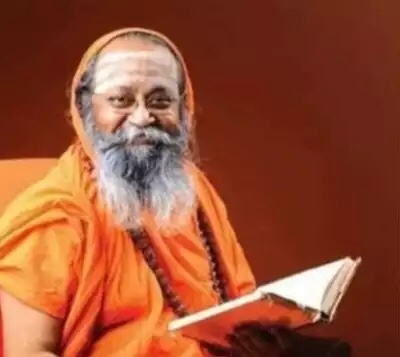
முக்கிய குறிப்பு: இப்பதிவும், வரும் தொடர் பதிவுகள் அனைத்தும், பூஜ்யஸ்ரீ சுவாமி ஓம்காரானந்தாவின் விரிவுரைகளால் ஈர்க்கப்பட்டு, சுவாமிஜியின் சொந்த விரிவுரைகளில் இருந்து அடியேன் அறிந்து கொண்டது. இப்பதிவுகளில் காணும் கல்லாப் பிழை, கருதாப் பிழை, எல்லாப் பிழைகளுக்கும் அடியேனின்அறியாமையே காரணம். அவைகளை சுட்டிக்காட்டின், அடியேனின் அறியாமையைக் களைய உதவும். நன்றி.
The opening lines of a song from a popular Tamil movie released 63 years ago starts with a physically challenged hero, in contemplative mood asking question to his child
Why were you born son? Why were you born? Why did you come here and be born, son? Why were you born, before I knew the reason for my birth, dear son!
Kannadasan
It is no exaggeration to say that even after many years, these questions haunt each of us when trials and tribulations surround us and whenever we turn into a contemplative mood . Now let's analyze the philosophy behind this lyrics.
The Goal
Countless spiritualists, saints, sages, individuals, writers on ethical philosophy, poets, lyricists, and many others are still trying to answer this question. However, one truth they all agree on, even though they explored it on different paths, with different perspectives.
“All with six senses aim for unceasing permanent happiness without pains and suffering; they keep this aim as the target and carry on with their work day in and day out”.
Swami Omkarananda
There are no two opinions about this aim.

"alpa aayasham ananta Sugam" - Adi Sankara says in his Vishnu Sahasranama text (in Bhashyam).

Well, in the life of all of us who are trying to achieve that ananta sugam (bliss): there are three words that are very important; Man, Universe (or more broadly called Creation) & God.

All three of these words contain great philosophies. If we deeply examine these three words, many questions such as these given below, will arise in us.

Who am I? Why do I do what I do? How can I do what I do better?

What does birth and death really mean?

Who is God? What is His nature?

What is this world? What do I have to do with this world?

What is the relationship between me and God and this world?
One can ask “What is the benefit of finding answers to these questions?”. Such a question may arise for all of us. This is answered by the Tamil Saint “Thayumanavar”.

"If you know yourself, you will be attached to the Lord, the leader. After that, is there anything else to get attached”?
The path to the Goal
So, the purpose of human birth is to know oneself. If we want to know ourselves, we need to know what the meaning of our life is. “Purushartham “ is the word for this in Sanskrit. Here are two perspectives for this word.
1. “Purusha” means “Human”. "Artham" means "ideal" or "goal". The goal of unceasing peaceful bliss, and the efforts (prayatanam) we have to make to achieve this goal are called Purushartham.

There are many different species in this world. In this, only man is given the opportunity (wisdom) to choose. Other species do not have the opportunity to choose. The ideal or goal comes in when there is an opportunity to choose.

Thus, Purushartham can be divided into two types of power i.e Shakti (Icha Shakti, Kriya Shakti) which are the desire for the goal and the actions to achieve it.

Icha (pleasure) is of two kinds. One is cultivated by our senses - sense pleasure; that which are outward looking and initiated through the body mind intellect complex of us. This is peripheral and unstable. The other is cultivated by knowledge. An inward looking set of actions - Dharma, Bhakti, Gnana and Moksha are the highest goals. Actions that help you to undetermine who you are.
2. The great Mahaan Bhaskara Raya, from Bhaga in Maharashtra, explains that Purushartham means Dharma, Artha, Kama and Moksha. These four Purusharthas are also considered as the vital modes of human life.

The focus of this perspective is to stay on the path of virtue always , seek material things (through ethical means) required for supporting one’s family and the society, gradually start giving up and then reach the abode of the Lord.
Here are all four in Bharatiyar’s simple words:
Self-restraint is Dharma Remove distress in others is Artha Seeking the welfare of others is Kama Praise the one who saves the world is Moksha
So far so good….Well, we know the reality of purpose, object and means. But what happens in our daily lives? What is the reality?
Goal v.s. Reality
Day in and day out we see human beings doing actions through their body, mouth and mind ; earn money,fame and do actions that give them what they call it as happiness. As we start ageing we start wondering as to what is that we have been doing so far and where are we heading; as age catches up and the body starts withering, this thinking turns into worries and finally we perish after worrying about men, materials and matter which have only “shelf life” and nothing else. Did we at any point of time have the time to ponder and compare our journey with our ultimate goal of pure and permanent happiness? Why is that our journey and our goal were not in sync?
For this question, here it is! Answers – in the form of questions:

1. We wander about ignorantly trying to experience the world without experiencing the experiencer. Isn't it! (Wow! It is like trying desperately to call our mobile number from our own cell phone. How foolish are we! How can we get an answer? That's the question).

2. We learn with the help of instruments of knowledge; have we ever inquired what instruments of knowledge are required to know about ourselves?

3. Why are we, not  knowing that we are the embodiment of absolute happiness,running behind sufferings, thinking that there is happiness in sufferings?
The Course Correction
“What is this? When we want answers and ask questions, we are given questions to answer. This is a problem” - we all must be wondering.

Don’t worry. Let us visit a Forge Shop, a traditional Smithy owned by Adi Sankara. Answers are there for all our questions in the form of 31 hammer blows. There is a guarantee that comes along with these hammer blows.

If we absorb these blows internally and contemplate, our transformation and subsequent happiness is ensured; just like the hot solid iron is worked into a wonderful product.

Avoid fear and come to Adi Sankara's workshop with that assurance.
What next?
Welcome! At least once a month, we will visit Sankara's workshop and get the hammer blows.

The first visit will be on November 11th. Looking forward to seeing you there.

Until then, take care. Start looking inwards. God Bless.
Important Note:

This post and all subsequent posts on this subject are inspired by Guru, Pujyasree Swami Omkarananda. Guruji's lectures in public domain and what I learnt from Swamiji’ Atma Vidya Course lectures are the principal source of reference.

All errors if any on these posts are entirely due to my ignorance and incapability to understand.

I seek your feedback which will be of immense help to me in my learning process.
The culmination of eight limbs of Ashtanga Yoga (Rajah Yoga) after passing through the other seven (the Yamas, Niyamas, Asana, Pranayama, Pratyahara and Dharana, Dhyana) is Samadhi.

Samadhi is attained through Samyama as discussed in previous posts, which is the combination of the last three limbs of Ashtanga Yoga ( Dharana, Dhyana , Samadhi).  Samadhi is total absorption on the object being contemplated on using Dharana to keep the mind unwavering on the one object until the movement of the mind stops.

The eventual and ultimate form of Samadhi, is where there is no object to be contemplated on, and the movement of the mind (known in Sanskrit is vritti) stops.Through the previous eight Shlokas, Bhattathri outlined the steps of attaining  Nirvikalpa samadhi, a meditative state of total absorption and bliss, through Ashtanga Yoga techniques.

This Samadhi is the eighth and final step on the path of ashtanga yoga.The state of nirvikalpa samadhi can only be attained by advanced practitioners, who have progressed through previous stages such as dharana (concentration) and dhyana(meditation).

In this and in the subsequent Slokas, Bhattathri now talks about two types of liberation (Mukti).

1. sadyomukti - sadyaH means immediate, at once, at the very moment. The moment referred to here is the instant of full, right knowledge of Brahman-Atman.
2. krama mukti --- meaning gradual mukti or mukti in stages; progressive effort towards liberation

Let us try to  understand these Slokas in this and subsequent blogs.
Sanskrit Verse
त्वत्समाधिविजये तु य: पुनर्मङ्क्षु मोक्षरसिक: क्रमेण वा ।
உயர்த்திவிடுவர் தம் பிராணமதை பிறப்பிலா பெருமானே! 4.9
Meaning in English
O Birthless Lord! After one achieves Thee in Samaadhi, he can opt for immediate liberation or gradual liberation. Accordingly through the power of yoga he raises up his vital breath through the six centres along the Sushumnaa Naadi
Oh Lord of the universe, we would attain then the state of Samadhi,Which is the state, where Brahmam is experienced,And when we slip away from this perfect state , We would again restart for attaining it from beginning. 4.7

O Lord of the Universe! When I have attained that state of experiencing Thee as the Brahman, i.e. Nirvikalpa Samaadhi, if I slip down from that state, I shall again start the meditation process from Dhaarana onwards
Meaning of the Sanskrit Words
तत्-समास्वदन-रूपिणीम् स्थितिं - the state of immediate experience of Brahman

त्वत्-समाधिम् - (thus established in) Samadhi in Thee

अयि विश्वनायक - O Lord of the Universe!

आश्रिता: - having attained (that Samadhi)

पुन:-अत: - again from there

परिच्युतौ - (when ever my mind) slips down from it

आरभेमहि च - then I shall resort (again)

धारणा-आदिकम् - (from) the practice of Dhaarna etc.
O Lord! By thus performing dhyaana on Thee and getting captivated by the sweetness of Thy formful aspect (Saguna), I shall enjoy the concentrated bliss of Thy impersonal aspect (Nirguna), which shines as the Brahman.
Meaning of the Sanskrit Words
ध्यायतां – to those who meditate (on)
सकल-मूर्तिम्-ईदृशीम् – such a formful aspect (the Saguna form)
उन्मिषन्-मधुरता-हृत्-आत्मनाम् – (and so) experiencing sweetness whose minds are captivated
सान्द्र-मोद-रस-रूपम् – (of that) form which is concentrated inward joy and bliss
अन्तरम् – introvert (not based on contacts with external objects)
ब्रह्म रूपम्-अयि ते – O Lord! Thy (Nirguna) aspect as Brahman







 Prabhu's Ponder