Carnatic Musing 24 – Navarathri- Day 2 – Composition on Goddess Visalakshi

Composer

Muthuswamy Dikshitar. Pl refer http://musicinfoguide.blogspot.com/2007/08/muthuswami-dikshitar-1775-1835.html for biography and http://guru-guha.blogspot.com for his compositions

Audio Link

MLVhttps://www.dropbox.com/s/d9dwfhrdzt7s33y/Annapoorne%20Visaalaakshi%20%20%20-%20M.L%20Vasantha%20Kumari-amzIKIX50Ak.mp3?dl=0

Meaning in English

O Goddess Annapurna!, the one with wide (large) eyes, Protect (me)! one whose glances are witness to the entire universe!

O one residing in the excellent (place called) Kuzhikkarai!, embodiment of the ‘Om’ mantra, one who wards of evils etc, queen of Shiva (who wears snakes as ornaments), ancient one, one who is resplendent along with Shiva, the great lord, the lord of the universe,

Oh one whose hands hold a gem-studded vessel filled with sweet rice pudding and a golden ladle,One very adept at protecting Manmatha and other devotees,one donning golden ornaments and garments, supreme one saluted by the lotus-seated Brahma and other gods, eminent one extolled by sages Tumburu and Narada,skillful one in conferring salvation which is beyond the triad, affectionate one to Guruguha (who shines as the three-word mantra)

Meaning in Tamil

பல்லவி

அன்னபூரணி விசாலாஷி

அகில உலகமே சாட்சி – காத்திடும் உன்

கடைக்கண் பார்வை- அன்னபூரணி

அனுபல்லவி

குழிக்கரைவாசியே ஓம்காரப் பொருளே

வினைகளெல்லாம் களைபவளே

அரவணியோனின் இல்லாளே ஆதியே

பரம்பொருளின் சக்தி ஒளிமயமேஅன்னபூரணி

சரணம்

கரமதில் பாயாசம் கொள் மாணிக்ககலனும் தங்க அகப்பையுமேந்தி

காமன்தனை தேர்ச்சியுடன் காத்து தங்காபரண உடைகளணிந்து

கமலம் அமர் அயனும் பலர் வணங்க தும்புரு நாரத முனியோர் துதிக்க

மூவர் தரஇயலா முக்திநிலைப் பேரின்பம் நயமுடன்அளிக்கும்

முப்பதம்தனில் பொலிவுடனே, குருகுகனைப் பரிவுடனே பேணும்….

Sanskrit Verses

पल्लवि

अन्न पूर्णे विशालाक्षि रक्ष

अखिल भुवन साक्षि कटाक्षि

अनुपल्लवि

उन्नत गर्त तीर विहारिणि

ओंकारिणि दुरितादि निवारिणि

(मध्यम काल साहित्यम्)

पन्नगाभरण राज्ञि पुराणि

परमेश्वर विश्वेश्वर भास्वरि

चरणम्

पायसान्न पूरित माणिक्य –

पात्र हेम दर्वी विधृत करे

कायजादि रक्षण निपुण-तरे

काञ्चन-मय भूषणाम्बर धरे

(मध्यम काल साहित्यम्)

तोयजासनादि सेवित परे

तुम्बुरु नारदादि नुत वरे

त्रयातीत मोक्ष प्रद चतुरे

त्रिपद शोभित गुरु गुह सादरे

variations –

अन्न पूर्णे विशालाक्षि रक्ष अखिल भुवन साक्षि कटाक्षि –

अन्न पूर्णे विशालाक्षि अखिल भुवन साक्षि कटाक्षि रक्ष

नारदादि नुत वरे – नारदादि नुत परे

English Transliteration

pallavi

anna pUrNE viSAlAkshi raksha

akhila bhuvana sAkshi kaTAkshi

anupallavi

unnata garta tIra vihAriNi

OMkAriNi duritAdi nivAriNi

(madhyama kAla sAhityam)

pannagAbharaNa rAjni purANi

paramESvara viSvESvara bhAsvari

caraNam

pAyasAnna pUrita mANikya –

pAtra hEma darvI vidhRta karE

kAyajAdi rakshaNa nipuNa-tarE

kAncana-maya bhUshaNAmbara dharE

(madhyama kAla sAhityam)

tOyajAsanAdi sEvita parE

tumburu nAradAdi nuta varE

trayAtIta mOksha prada caturE

tripada SObhita guru guha sAdarE

variations –

anna pUrNE viSAlAkshi raksha akhila bhuvana sAkshi kaTAkshi –

anna pUrNE viSAlAkshi akhila bhuvana sAkshi kaTAkshi raksha

nAradAdi nuta varE – nAradAdi nuta parE

Meaning of the Sanskrit Words

पल्लवि

अन्न पूर्णे – Anna Poorani (plenty of food, fulfills food requirement)

विशाल-अक्षि – broad eyes

रक्ष – protect

अखिल – entire/whole

भुवन – earth

साक्षि – witness

कटाक्षि – looks with a side glance

अनुपल्लवि

उन्नत – great

गर्ततीर – गर्त -pit तीर – bank Here it means the place called குழிக்கரை

विहारिणि – moves around (here we mean residing

ओंकारिणि – Embodies OM mantra

दुरित-आदि निवारिणि – sin/evil etc ward off

पन्नग-आभरण – snake adorn – here it refers to Lord Siva

राज्ञि – Queen

पुराणि – Ancient one

परम-ईश्वर -absolute/highest Lord

विश्व-ईश्वर – universe Lord

भास्वरि – rich and colorful/shining – here it implies along with

चरणम्

पायस-अन्न. – milk rice pudding dish food – பாயாசம்

पूरित – filled

माणिक्य -पात्र – gem studded vessel

हेम – gold

दर्वी – laddle

विधृत – held

करे – in hand

कायज-आदि – ………and others

रक्षण – protect

निपुण-तरे – skillful/adept

काञ्चनमय – golden

भूषण-अम्बर – adorn – cloth

धरे. – wear

तोयज-आसन-आदि – lotus seated and others – brahma & others

सेवित परे- serving /praying

तुम्बुरु नारद-आदि – Saints Tumburu, Naradha and others

नुत वरे – worship

त्रय-अतीत – three – gone beyond

मोक्ष – salvation

प्रद – grant/confer

चतुरे – skillful

त्रि-पद – three word

शोभित – embellished

गुरु गुह – Guru Guha

सादरे – reverential

Carnatic Musing 23 – Navarathri – Day 1 – Composition on Goddess Raja Rajeshwari

Composer

Maha Vaidyanatha Iyer (1844-1893). Pl refer to https://sriramv.wordpress.com/2019/01/18/maha-vaidyanatha-sivan-a-life/ for the life history.

Audio Link

Bombay Jayshree and KJ Yesudashttps://www.dropbox.com/s/t0d1a4a7kv0r52a/Pahimam..Sri..Raja..Rajeswari…%28%20Yesudas.Bombay%20Jayashree%29-cT48qGK0ctk.mp3?dl=0

Meaning in English

Goddess Raja Rajeshwari, please protect me; oh compassionate one and wife of Sankara. You are the one who provides ultimate happiness. You ride on a lion. You are a river of kindness and the enchanting one. You are the one who destroyed the demons: Bhanda, Chanda, Munda and Mahisha. You are pleasing and pure. You nourishes “guhadaasa” (the composer). You have sweet voice and speech, oh slayer of enemies and granter of boons.

Meaning in Tamil

பல்லவி

ரட்சிப்பாய் எனை அருள்மிகு ராஜ ராஜேஸ்வரி

கிருபாகரி சங்கரி …..ரட்சிப்பாய்

அனுபல்லவி

அளவிலா ஆனந்தம் அளிக்கும் சிம்ம வாகினியே

வற்றா ஆறாய் கருணை பொழியும் ஆனந்தியே

சரணம்

பண்ட சண்ட முண்டனை வதைத்து மகிடனை அழித்த

ரஞ்சனி, நிரஞ்சனியே ! பண்டிதன் குகதாசனைப் பேணிக்காக்கும்

இனிய குரல்வளம்மிகு அன்னையே பகைவருக்கு அச்சம் விளைத்து

அடியார்க்கு வரமளிக்கும் பூரணியே……ரட்சிப்பாய்

Sanskrit Verses

Pallavi

पाहिमां श्री राजराजेश्वरी क्र्पाकरि शङ्करी

Anupallavi

एहि सुखं देहि सिंहवाहिनी दया प्रवाहिनी मोहिनी

Chittaswaram

पा प म रि स ध प प म म रि रि स रि स रि ग म पा सा रि ग

म पा ध प म प ध प नि स प नि स रि स रि ग म रि

सा सा ध प म रि सा रि ग म

Charanam

भण्ड छण्ड मुण्ड खण्डानि महिश भनजनि रञ्जनी निरन्जनि

पण्डित श्री गुहदास पोशनि सुभाशिनि रिपु भीशणि वर भुशनि

English Transliteration

pallavi

pAhimAm shrI rAjarAjEshvari krpAkari shankari

anupallavi

Ehi sukham dEhi simhavAhini dayA pravAhini mOhini

ciTTa swaram

pA pa ma ri sa dha pa pa ma ma ri ri sa ri sa ri ga ma pA sA ri ga

ma pA dha pa ma pa dha pa nI sa pa ni Sa Ri Sa Ri Ga Ma Ri

SA Sa dha pa ma rI sA ri ga ma

caraNam

bhaNDa chaNDa muNDa khaNDani mahiSa bhanjani ranjani niranjani

paNDita shrI guhadAsa pOSaNi subhASiNi ripu bhISaNi vara bhUSaNI

Meaning of the Sanskrit Words

Pallavi

पाहि माम् – protect me

श्री राजराजेश्वरी – Sri Rajarajeswari (Wife if the emperor)

क्र्पाकरि – one who grants favor/compassion/pity

शङ्करी – Sankari (wife of Sankara)

Anupallavi

एहि – unsurpassed (this is it) /ultimate

सुखं – delight/comfort

देहि – provide/bestows

सिंहवाहिनी – Having Lion as Her vehicle/mount

दया – compassion/pity

प्रवाहिनी – streaming/abound in streams /river

मोहिनी – enchanting/fascinating woman

Charanam

भाण्ड – Demon Banda

चन्द – Demon Chanda

मुण्ड – Demon Munda

खण्डानि – destroy

महिस – Demon Mahisa in the form of a Buffalo

भनजनि – break/defeat/kill

रञ्जनी – pleasant/delightful

निरन्जनि – pure/spotless/Supreme Being

पण्डित – Learned

श्री गुहदास – Pen name of the composer Guruguha, serving

पोशनि – nourish/protect

सुभाशिनि – gentle speaking

रिपु – enemy

भीशणि – frightens

वर – blessings/boon/royal/grand

भुशनि – adorned/decorated

Navarathri – A nine night integration process

Navarathri Nostalgia

Typical Agraharam

Six decades ago, living in a rural area in a village agrahaaram (like the one shown above), as school going kids, we used to wait eagerly for the evenings in the month of October (Tamil month of “Purattaasi” புரட்டாசி) with a glee in our eyes, fun in the mind and hunger in the belly.

Yes; this is the month of Navarathri (nine nights) where we used to have a collection bag, go to each one of the houses in the community who had put up “kolu” (arrangement of Dolls in an odd number of steps) to look at the dolls display.

Kolu

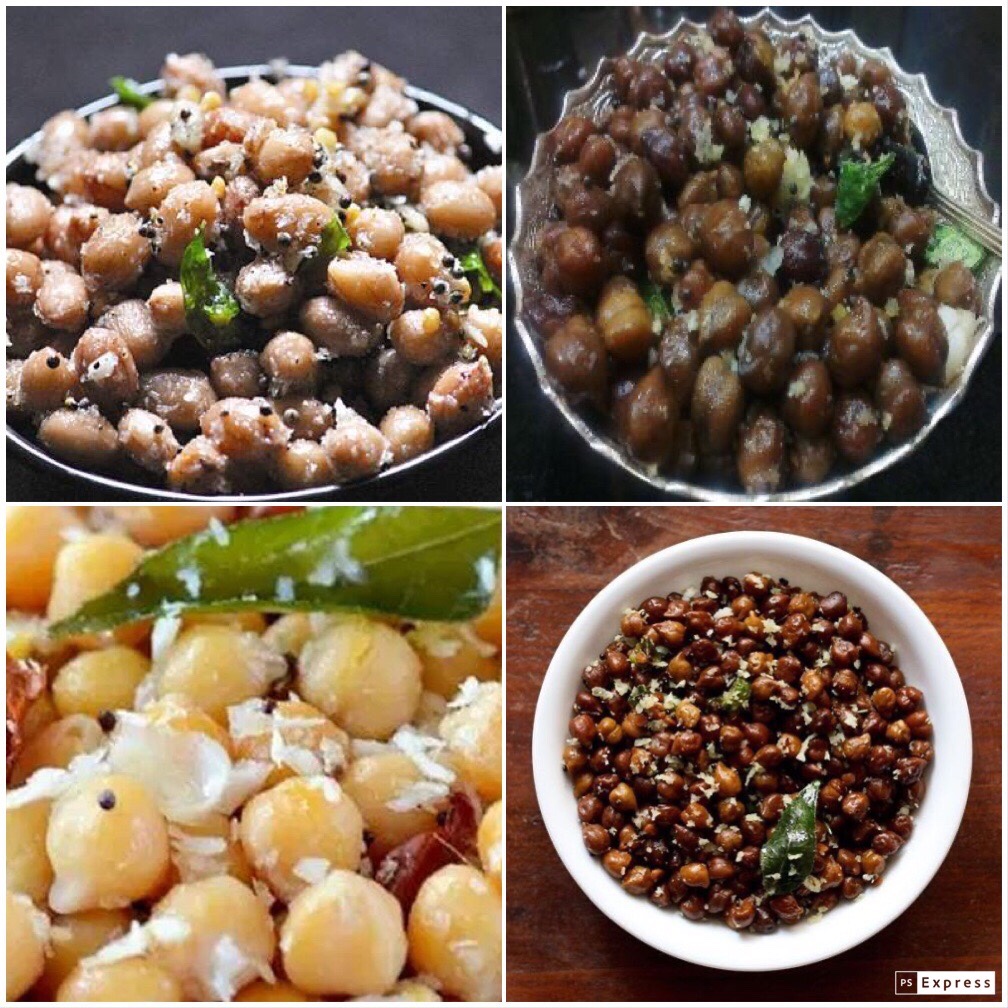
We collect “Sundal” ( a snack preparation of proteins in the form of steamed, fried nuts ) making sure to exchange notes on who has collected what variety and from which house and of course about the quality of the supply.

Sundal

We also used to listen to some wonderful singing by girls and ladies in front of the “kolu” and getting presents. It was fun time for kids; but I guess some serious work for the elders.

The essence of Navarathri

My understanding of the Navarathri is more spiritual now than what I had six decades ago as a kid. Let me try to explain.

Every human being has consciousness (Lord Shiva) and energy (Goddess Shakti). Consciousness and Energy (Shiva and Shakti) are both definable yet inseparable. We can take the example of Sun & Heat for illustration. Within this energetic realm, there are three main forms of Shakti. The 3 Forms of Shakti are:

• Iccha Shakti – the energy of will or desire

• Jnana Shakti – the energy of knowledge

• Kriya Shakti – the energy of action

During Navarathri, the nine nights are used to identify, work with, purify, and ultimately integrate and strengthen these forms of Shakti within us.

The “Kolu” (Display of dolls)

Of course we need to convey this message to the young ones through a visual medium for easy learning. Hence the display of dolls called Kolu. Dolls are arranged in specific sequences on odd number of steps in a staircase style arrangement to depict the process and interplay of these energies that are continually cycling within us. The steps progressively take us through the stages of our evolution in our spiritual progress as a human being. At the base step, dolls depicting routine mundane activities can be seen. Progressively as we climb the stairs, we can see the dolls conveying our graduation in our consciousness level. The dolls focus on various gods, their actions, themes representing the historical events around the gods and the meaning they convey for leading our lives. The apex level step will have the ultimate integration of our consciousness (Shiva) with the energy (shakti) at the top most (apex) step in the form of two wooden dolls (called in Tamil as Marapaachi dolls). That sums up the learning through the visual medium.

Marapaachi Dolls

Navarathri – Women and the Music

Inviting, traditionally receiving and honoring girls, women and ladies, presenting them with gifts (as per the capacity of the host) and devotional singing in praise of the three goddesses representing the three energy forms is a tradition. This brings out the axiom that we should see every single woman as a manifestation of goddesses representing these three energy forms. This also brings out purity in our thoughts that without these three energy ingredients, we would become inert.

My participation in Navarathri 2020

Sitting in a country 8400 miles away from my place in this pandemic year, I decided to participate in the Navarathiri Celebrations by trying to understand the Sanskrit Compositions that are sung during this period. These compositions are in praise of the Goddesses identified as the principal form (roopa) of that type of energy viz, Durga, Lakshmi & Saraswathi ( for Icha, Kriya, Gnana ).

Starting from October 17 till October 26, there will be a blog a day; through each blog I will try to understand ten Sanskrit compositions and try to express it in my mother tongue. The first three will be on Goddess Durga, followed by Goddess Lakshmi, Goddess Saraswathi and culminating on the tenth day on Goddess Vijyambike, coinciding with Vijayadasami, the day that marks the culmination of the festivities with the idea that the nine night events have helped the good in us scoring victory over the evils that reside in us.

Enjoy the Navarathri celebrations along with me by visiting this blog daily, listen to the wonderful music compositions and help me improve my knowledge by critically commenting on my translation work. Thank you.

Autumn Message 3 – The Root of Communication

The root of the word ‘Communication’ is from the two Latin words – ‘Communis and communicare’ meaning sharing in common and making something in common.

But “Roots” by themselves can communicate ! Wonder how! Look at these pictures

The hands(roots) that build trees have strong nerves
Is this a monstrous turtle or the toe of a Yeti?
Accommodation and adjustments are part of life.
Networking is key for growth.
Are we looking back at our neck/head interface?

Carnatic Musing 22 – Tyagarajam Bhajarae – Raga Yadukula Kaambhoji

Background information

For a complete appreciation of this composition I would strongly recommend the following link –

Sanskrit Verses

पल्लवि

त्यागराजं भजरे रे चित्त तापत्रयं त्यजरे

अनुपल्लवि

योगि राज हृदयाब्ज निलयं

भोगि राज नुत चरण किसलयं

(मध्यम काल साहित्यम्)

नाग राज मणि वलयं

रजताग राजं मुख कुवलयम्

चरणम्

पौलोमीशादि दिक्पाल पूजित गात्रं

नीलोत्पलाम्बानुकूलतर कळत्रम्

त्रैलोक्य गुरु गुह तातं त्रिनेत्रं

सालोकादि कैवल्य प्रद चरित्रम्

(मध्यम काल साहित्यम्)

नील कण्ठं अनेक फलदं

शूल पाणिं अशोक शुभदं

मूल भूतं अमूल्य वरदं

काल कालं अखण्ड सुखदम्

variations –

त्यजरेत्यजरे रे चित्त

English Transliteration

pallavi

tyAgarAjaM bhajarE rE citta tApa-trayaM tyajarE

anupallavi

yOgi rAja hRdayAbja nilayaM

bhOgi rAja nuta caraNa kisalayaM

(madhyama kAla sAhityam)

nAga rAja maNi valayaM

rajatAga rAjaM mukha kuvalayam

caraNam

paulOmISAdi dikpAla pUjita gAtraM

nIlOtpalAmbAnukUla-tara kaLatram

trai-lOkya guru guha tAtaM tri-nEtraM

sAlOkAdi kaivalya prada caritram

(madhyama kAla sAhityam)

nIla kaNThaM anEka phaladaM

SUla pANiM aSOka SubhadaM

mUla bhUtaM amUlya varadaM

kAla kAlaM akhaNDa sukhadam

variations –

tyajarE – tyajarE rE citta

kshEtra – tiruvArUr

Meaning of the Sanskrit Words

pallavi

रॆ रॆ चित्त. – rE rE citta – O mind!

भज – bhaja – Worship

त्यागराजं – tyAgarAjaM – Tyagaraja!

त्त्यज – tyaja – Give up

तापत्रयं – tApa-trayaM – the three kinds of suffering! The three kinds of suffering are:

• 1. AdhyAtmika, sufferings from one’s own mind and body

• 2. Adhidaivika, sufferings arising from unseen forces, gods and nature

• 3. Adhibhautika, sufferings from other living creatures

anupallavi

योगि राज हृदय-अब्ज निलयं – yOgi rAja hRdaya-abja nilayaM – (Him who is) the one residing in the heart-lotuses of the supreme Yogis,

भोगि राज नुत चरण किसलयं -bhOgi rAja nuta caraNa kisalayaM – the one whose sprout-like, tender feet are worshipped by Adisesha, the king of snakes,

नाग राज मणि वलयं – nAga rAja maNi valayaM        – the one whose bejeweled bracelet is the king of snakes,

रजत-अग राजं – rajata-aga rAjaM              – the lord of Kailasa (the silver hill),

मुख कुवलयम् – mukha kuvalayam               – the lotus-faced one,

caraNam

पौलोमी-ईश-आदि दिक्पाल पूजित गात्रं – paulOmI-ISa-Adi dikpAla pUjita gAtraM – the one whose form is worshipped by the guardians of the (eight) directions beginning with Indra (lord of Sachi who is the daughter of Puloman),

नील-उत्पल-अम्बा-अनुकूल-तर कळत्रम् – nIla-utpala-ambA-anukUla-tara kaLatram – the one who has Goddess Neelotpalamba as his most congenial wife,

त्रै-लोक्य गुरु गुह तातं – trai-lOkya guru guha tAtaM    – the father of Guruguha (preceptor to the three worlds),

त्रि-नेत्रं – tri-nEtraM – the three-eyed one,

सालोक-आदि कैवल्य प्रद चरित्रम् – sAlOka-Adi kaivalya prada caritram – the one whose nature it is to bestow the four levels of liberation, beginning with Salokya. [The four types or levels of liberation are ‘sAlokya’ (residing in the same world as the deity), ‘sAmIpya’ (residing in the proximity of the deity), ‘sArupya’ (acquiring a form similar to the deity) and ‘sAyujya’ (oneness with the deity)]

नील कण्ठं – nIla kaNThaM – the blue-throated one,

अनेक फलदं – anEka phaladaM – the giver of manifold benefits,

शूल पाणिं – SUla pANiM – the one holding a trident in his hand,

अशोक शुभदं – aSOka SubhadaM – the giver of good fortune that is devoid of sorrows,

मूल भूतं – mUla bhUtaM – the fundamental or original source (of the universe),

अमूल्य वरदं – amUlya varadaM – the giver of priceless boons,

काल कालं – kAla kAlaM – the destroyer of Yama,

अखण्ड सुखदम् – akhaNDa sukhadam – the bestower of undivided bliss.

Meaning in Tamil

பல்லவி

வந்தனை செய்திடுவாய் மனமே திருஆரூர் தியாகராஐனையே

சிந்தனையிலே நிறுத்தி, நீக்கிடுவாய் விளைமுத் துயர்தனையே

அனுபல்லவி

உயர்ஞானியர்தம் இதயக்கமலம் உறைவோனை

பன்னகன் பணியும் தளிர்ப்பாதமுடை பச்சையன் போற்றும்

பன்னக கடகம் அணி கமலமுக கயிலை நாதனைவந்தனை

சரணம்

புலோமநாத அமரனும் எண்திசை காவல்தெய்வம்துதி வடிவோனை

கருங்குவளை நாயகி நாதனை மூவுலகாளும் குருகுகனின் தந்தையை

முக்கண்ணனை முக்திக்கு வித்திடும் இயல்புடை முதல்வோனை..வந்தனை

மத்தியமகால சாகித்யம்

பயன்பல வழங்கும் சூலமேந்தும் கரமுடை திருநீலமிடறோனை,

துயரிலா அருள் வளம் நிறை மூலப்பொருளோனை, சீர்மிகு வரம் தரும்

காலனை வதைத்தோனை, பேரின்ப நிலை தரும் பெரியோனைவந்தனை

Carnatic Musing 21 – Composition on Lord Subramanya – Nattakurinji Ragam

Composer – Sri Muthuswamy Dikshithar- Refer https://karnatik.com/co1002.shtml and http://guru-guha.blogspot.com

Background Information on the Raga – Please refer https://sujamusic.wordpress.com/nattakurinji/

Audio Link:

Maharajapuram Santhanam – https://www.dropbox.com/s/mckh0npsdrv92c2/Maharajapuram%20Santhanam-Parvathi-kumaram-Natakurunji-Rupakam-Dikshitar-h8uwI-iyBTE.mp3?dl=0

Jayamangala Krishnamani – https://www.dropbox.com/s/twx17y8fxw6hp31/Jayamangala%20Krishnamani%2001%20pArvati%20kumAram%20bhAvayE-GaoWErPl4bo.mp3?dl=0

Background Information on the temple :

In English – https://drlsravi.blogspot.com/2014/07/sri-margabandheeshwarar-temple-at.html

In Tamil – https://www.maalaimalar.com/devotional/devotionaltopnews/2016/05/30100743/1015241/Virinchipuram-Margabandheeswarar-temple.vpf

Meaning in English

I meditate always upon Guruguhan, the son of Goddess Parvati whose six letter mantra is Sa ra va na bha va.

I meditate upon The dear son of Shiva (Marga-sahayeshwara), the one praised by Devas led by Vishnu, and other celestial beings, the one dazzling with a ruby(-studded) crown, the one who is venerated for the glory of his qualities

Meaning in Tamil

பல்லவி

பார்வதி குமாரனை பணிந்திடு என்றும்

சரவணபவ குரு குகனை, அருள்மிகு

சமஷ்டி சரணம்

மாரக்கபந்தீஸ்வரனின் (வழித்துணை நாதனின்) நேசமிகு குமரன்

மாயவனும் இந்திரனும் மற்றோரும் போற்றும்

மத்யம கால சாகித்யம்

மின்னும் மாணிக்க மகுடம் அணியும்

மதிப்புமிகு நற்குண அருள்வடிவாம் ……… பார்வதி

The Sanskrit Verses

पल्लवि

पार्वती कुमारं भावये सततं

शरवण भव गुरु गुहं श्री

समष्टि चरणम्

मार्ग सहाय प्रिय सुतं

माधवाद्यमरादि नुतं

(मध्यम काल साहित्यम्)

माणिक्य मकुट शोभित –

मानित गुण वैभवम्

English Transliteration

pallavi

pArvatI kumAraM bhAvayE satataM

SaravaNa bhava guru guhaM SrI

samashTi caraNam

mArga sahAya priya sutaM

mAdhavAdyamarAdi nutaM

(madhyama kAla sAhityam)

mANikya makuTa SObhita –

mAnita guNa vaibhavam

Meaning of the Sanskrit Words

Pl refer http://guru-guha.blogspot.com/2008/02/dikshitar-kriti-parvathi-kumaram-raga.html

Carnatic Musing 20 – Prayer to Lord Hanuman – Carnatic Musing 27 – Ragam Shankarabharanam – Nottu Swara Sahityam.

Composer

Sri. Muthuswamy Dikshithar- Please refer https://karnatik.com/co1002.shtml and http://guru-guha.blogspot.com

A note on Nottu Swara Sahityam

Please refer https://learncarnaticmusicblog.wordpress.com/2015/12/10/nottuswara-sahithya-a-great-way-to-start-learning-carnatic-music/

Audio Link

Listen to Bangalore Brothers at https://www.dropbox.com/s/q7lrb0rczxpsvox/Anjaneyam%20Sadaa%20Bhaavayami%20-%20Nottuswaram%20-%20Bangalore%20Brothers-ow43K6BiGpo.mp3?dl=0

Meaning in English

I always pray Anjaneya. I meditate with bliss, the immeasurable Hanuman. He is the son of Anjana and the well known leader of the monkeys. He has 5 faces and is worshipped by Indra and others. He is adored by Guru Guhan (Lord Subramanya). He always serves the lotus feet of Lord Rama. He holds the Sanjivini mountain in his hands. He has a beautiful lotus like face. Let us always pray the Emissary of Lord Ram.

Sanskrit Verses

आञ्जनेयं सदा भावयामि

अप्रमेयं मुदा चिन्तयामि

अञ्जना नन्दनं वानरेशं वरं

पञ्च वक्त्रं सुरेशादि वन्द्यम्

गुरु गुह हितं शान्तं

सदा सेवित श्री राम पाद पङ्कजं

सञ्जीवि पर्वत करं मुखाब्जं

सदा रामचन्द्र दूतं भजे

English Transliteration

AnjanEyaM sadA bhAvayAmi

apramEyaM mudA cintayAmi

anjanA nandanaM vAnarESaM varaM

panca vaktraM surESAdi vandyam

guru guha hitaM SAntaM

sadA sEvita SrI rAma pAda pankajaM

sanjIvi parvata karaM mukhAbjaM

sadA rAmacandra dUtaM bhajE

Meaning in Tamil

அனுமனை அனுதினமும் அண்டிடுவேன் எப்பொழுதும்

அளவிலாதோனை மகிழ்வுடன் மனதினில் நிறுத்திடுவேன்

அஞ்சனா புதல்வன், வானரம்தனின் மேன்மைமிகு தலைவன்

அமரனும் விண்ணோரும் போற்றும் ஐந்துமுகத்தோன்

அறுமுகன் போற்றும் அமைதியின் வடிவோன் அவன்

அஞ்சனவண்ணனின் ஆம்பல் பாதமிரு இடைவிடா சேவை புரி,

சஞ்சீவிமலைதனை கரமதில் ஏந்தும், அலரொப்ப அழகுமுக,

அருள்மிகு ராமதூதனை அனுதினம் எந்நேரமும் அடிபணிவோமே!

Meaning of the Sanskrit Words

सदा भावयामि – sadA bhAvayAmi     – I always meditate upon

आञ्जनेयं – AnjanEyaM          – the son of Anjana.

मुदा – mudA               – With happiness,

चिन्तयामि – cintayAmi          – I think of

अप्रमेयं – apramEyaM          – the immeasurable one,

अञ्जना नन्दनं – anjanA nandanaM    – the joy of Anjana,

वानर-ईशं वरं – vAnara-ISaM varaM  – the eminent lord of monkeys,

पञ्च वक्त्रं – panca vaktraM – the five-faced one, (panca vaktraM – five faces of Hanuman are East; varAha – South; garuDa – West; nRsimha – North; hayagrIva – Above (top); (the direction of varAha and nRsimha are interchanged in some sites. Pl ref https://en.wikipedia.org/wiki/Panchamukha)

These five faces are said to correspond to five faces of Siva and panca prANa)

सुरेश-आदि वन्द्यम् – surESa-Adi vandyam – the one saluted by Indra and others,

गुरु गुह हितं – guru guha hitaM    – the one agreeable to Guruguha,

शान्तं – SAntaM             – the tranquil one,

सदा सेवित श्री राम पाद पङ्कजं – sadA sEvita SrI rAma pAda pankajaM – the one who always serves the lotus feet of Shri Rama,

सञ्जीवि पर्वत करं – sanjIvi parvata karaM – the one lifting the Sanjivi mountain in his hand,

मुख-अब्जं – mukha-abjaM        – the lotus-faced one.

भजे – bhajE              – I worship

सदा – sadA               – always

रामचन्द्र दूतं – rAmacandra dUtaM – the Emissary of Ramachandra.

Hanuman Chalisa – அனுமன் நாற்பது – Part 5 – Verses 33 – 40

Audio Link

https://www.dropbox.com/s/8mm94pg6sat3j97/Hanuman%20Chalisa%20-%20MS%20Subbulakshmi-VBeUatFx7HI.mp3?dl=0

Verses in Devanagari

तुम्हरे भजन रामको पावै

जन्म जन्म के दुख बिसरावै

अन्त काल रघुपति पुर जाई

जहाँ जन्म हरिभक्त कहाई

और देवता चित्त धरई

हनुमत सेइ सर्व सुख करई

संकट हरै मिटै सब पीरा

जो सुमिरै हनुमत बल बीरा

जै जै जै हनुमान गोसाई

कृपा करहु गुरुदेव की नाई

जोह शत बार पाठ कर जोई

छुटहि बन्दि महासुख होई

जो यह पढै हनुमान चालीसा

होय सिद्धि साखी गौरीसा

तुलसीदास सदा हरि चेरा

कीजै नाथ हृदय महँ डेरा

Conclusion

पवनतनय संकट हरन,

मंगल मूरति रूप

रामलषन सीता सहित,

हृदय बसहु सुरभूप

Meaning in English

Through Devotion to You, one gets Sri Rama, thereby getting Free of the Sorrows of Life after Life. At the End one Goes to the Abode of Raghupati (Sri Rama) where one is Known as the Devotee of Hari. Even without Worshipping any Other Deities, one Gets All Happiness who Worships Sri Hanuman. Difficulties Disappear and Sorrows are Removed, for Those who Contemplate on the Powerful Sri Hanuman. Victory, Victory, Victory to You, O Hanuman, Please Bestow your Grace as our Supreme Guru. Those who Recite this Hanuman Chalisa one hundred times (with devotion), will get Freed from Worldly Bondage and get Great Happiness. Those who Read the Hanuman Chalisa (with devotion), will become Perfect, Lord Shiva is the Witness. Tulsidas who is Always the Servant of Hari Prays the Lord to Reside in his Heart.

O Son of wind god, remover of difficulties, oh one of auspicious form. With Ram, Lakshman and Sita reside in our hearts of King of Gods”

Meaning in Tamil

உனை துதித்தால் உத்தமன் ராமன் பாதம் அடைந்திடலாமே

எனைப் பற்றிய எண்ணிலாப் பிறவிப்பிணிதணை விடுவிடலாமே…33

அந்திம காலம்தனில் அஞ்சன வண்ணனை அடைந்திடுவோமே

அவ்விடம் அனந்தசயனனின் அடியாரெனப் பெயர் பெற்றிடுவோமே…34

அனைத்து பல தேவர்களைத் துதித்திடாவிடினும்

அனுமனை வணங்கிடினில் கிட்டுமே பேரின்பம்…35

இடர் நோய் துயர் நோவு விரைவதனில் நீங்கிடுமே

இதயத்தில் வீரமிகு அனுமனை நிலைநிறுத்திட்டால்….36

அருள்நிறை அனுமனுக்கு வெற்றி வெற்றி வெற்றி

கருணை புரிவாய் எம் இறையொப்ப ஆசானே….37

அனுமன் நாற்பதை ஒருநூறுமுறை ஒருமுகப்பற்றுடனே உரைத்திட்டால்

அடைந்திடுவர் பேரின்பம் கடந்திடுவர் எளிதினிலே பிறவிப் பெருங்கடல்.38

அனுமன் நாற்பதை பக்தியுடன் படிப்போர்கள்

பெற்றிடுவர் மனநிறைவு உமைநாயகனே சான்று….39

அச்சுதனின் அடிபணியும் துளசிதாசன் வேண்டிடுவேன்

அடியேன் என் இதயமதில் அமர்ந்திடுவாய் ஆண்டவனே…40

ராம லஷ்மண ஜானகி , அனுமனுக்கு என்றும் வெற்றி

ராம லஷ்மண ஜானகி , அனுமனுக்கு என்றும் வெற்றி

ராம லஷ்மண ஜானகி , அனுமனுக்கு என்றும் வெற்றி

Conclusion

இடர்களையும் மங்கள வடிவுடை வாயுபுத்திரனேஎன் இதயமதில்

இராமன், சீதை இளையவனுடன் இருந்திடுவாயெனபுவிமகள் நாயகன்

இறையெனும் ராமச்சந்திரன் அடி பணிவேனே என்றும் யான்

Autumn Message 2 – My Autumn Resolve – a visual monologue by Sun

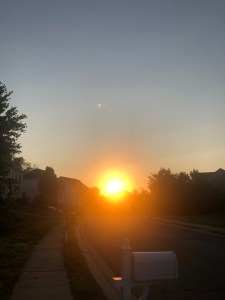
In an interview done through my iPhone in mid September 2020, the Sun gave an exclusive preview of what is in His mind.

“I have been rising early all summer. I am tired of “Early to rise and late to bed”. It is now “late to rise and early to bed”. Times are changing and so too are the colors. It is time for me to relax. If you guys want, you can change your time as per my schedule” – says the Sun. Justifiably so – isn’t it?

Just getting out of the bed at 0706 hrs
Getting up after 0700 hrs is the new normal now
By the time I get my looks back, it is around 0815 hrs these days
Even around 0900 hrs, somedays I feel lazy.