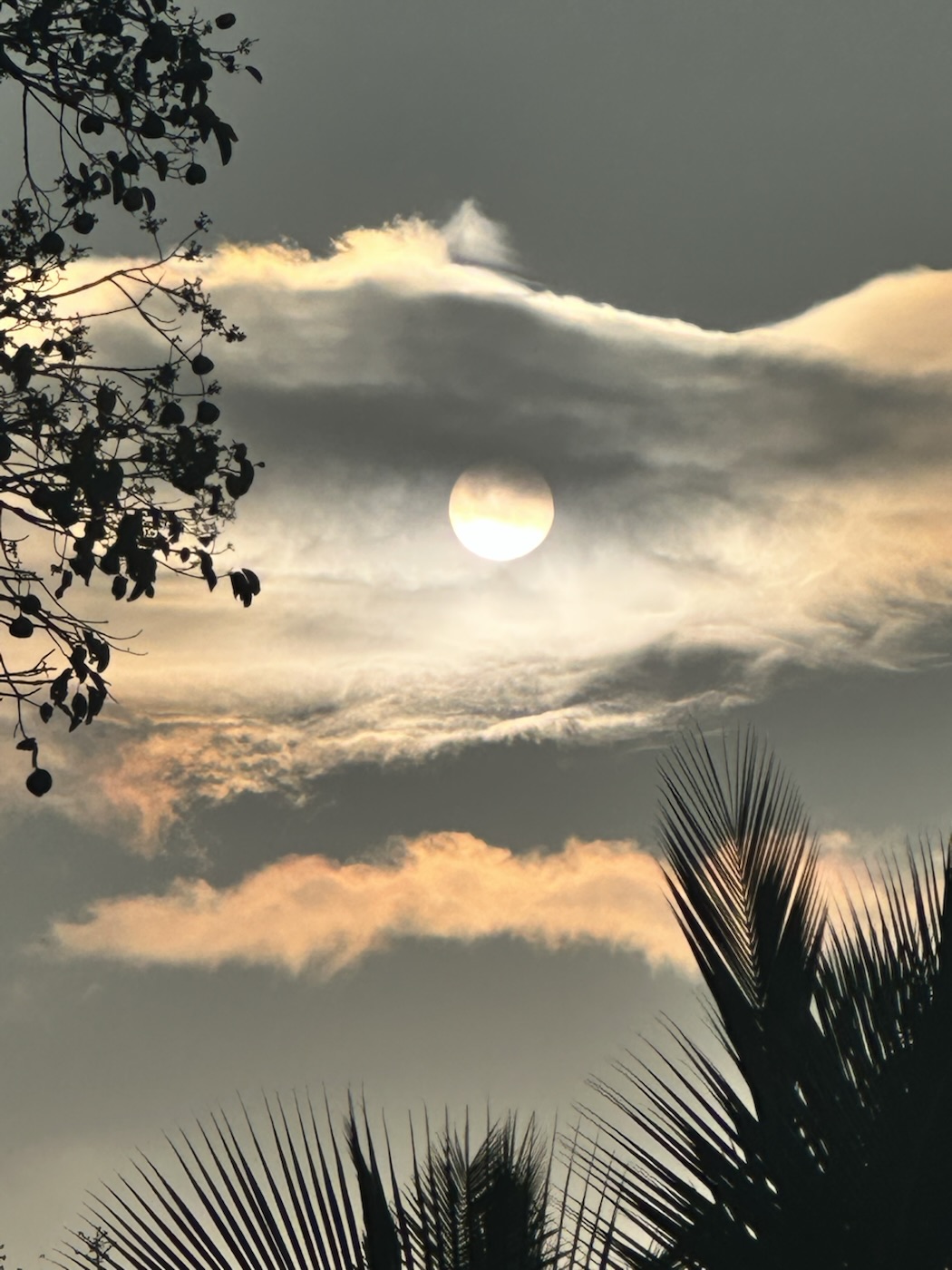
This Hindu festival celebrating the birth of Lord Surya (the Sun God) and the onset of spring. Known as Surya Jayanti or Arogya Saptami, it marks the sun turning its seven-horse chariot toward the northern hemisphere (Uttarayana), symbolizing light over darkness and the start of warmer, longer days.
Vividly remember going around the bushes in the village and plucking leaves with the flowers (called Calotropis gigantea – “Erukkalam Poo” ) and having early morning bath with the leaves and flowers on the head and pouring water over it. It is called Arunodaya Snan.
Here is my maiden venture into Carnatic Music Composition. As a novice, I have no clue about this genre and its notations. All I heard was the song Muruga Muruga sung by the legendary sisters Radha & Jayalakshmi in the raga Saveri.
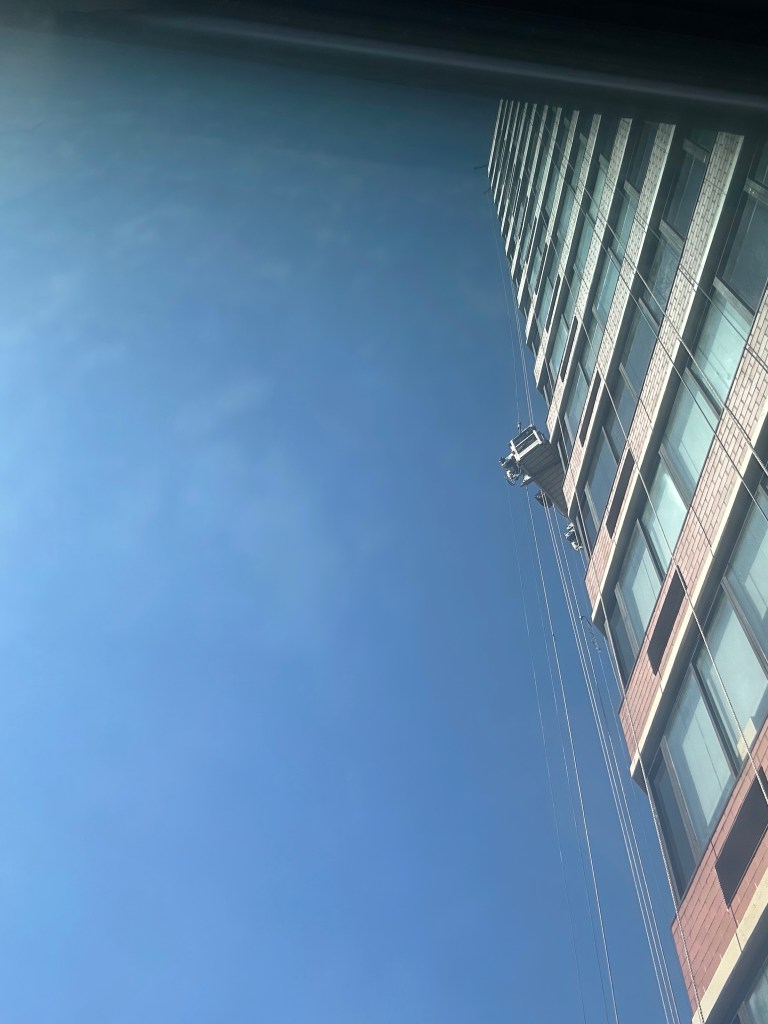
ஒவ்வொரு முறையும் நான் நியுயார்க் நகரில், மன்ஹாட்டனிற்கு வரும்பொழுதெல்லாம், முதலில் என் மனதில் நிலைப்பது ஒரே ஒரு காட்சிதான்.
விண்ணைத் தொடுமளவு உயர்ந்துள்ள அடுக்குமாடிக் கட்டிடங்களில், தலையைக் கிறுகிறுக்க வைக்கும் உயரத்திலே, மணிக்கு ஐந்திலிருந்து பத்து மைல் வேகத்தில் அடிக்கும் காற்றையும், நீர் உறையும் குளிர் காலத்திலும், உடல் வேகும் கோடை காலத்திலும், நான்கு இரும்புக் கயிற்றில் தொங்கும் தொட்டிலில், காலை முதல் மாலை வரை வாழ்ந்து, உழைக்கும் தொழிலாளிகளைக் கண்டு ஒருவித அச்சத்துடனும் மாளா வியப்புடனும் நான் காணும் காட்சியே அது.
இம்முறை, அத்வைத வேதாந்த மாணவனாகிய எனது உணர்ச்சிகளை வெளிக்கொட்டுவது என்ற முடிவின் விளைவே இக்கவிதை
நான்கு கரும்பொன் கயிற்றினிலே நானூறடி தாண்டிய உயரத்திலே நாடிகள் நலித்திடும் வாதமனிலே ஆடிடும் காலிலாத் தொட்டிலிலே பாழும் வயிறுப்பாட்டினால் வாழ்ந்தே நாளும் உழைத்திடும் நண்பர்களே! பாவியெனக் கூறவா இவ்வுலகினையே ஆவிபறக் கஞ்சிதரும் அன்னையெனவா பாரெங்கு கேட்டிடினும் பதிலில்லையே ! காலிலாக் கட்டில் சேரும் காயத்திற்காகவே காலிலாத் தொட்டிலில் ஆகாயத்திலே ஆடியே வாயையும் வயிற்றையும் கட்ட வேண்டியுளதே! மாயை எனும் வாழ்வுதனில் இது தேவை என்றிடினும் தேவை நமக்கு ஒன்றே அது ஆத்மஞானமெனும் மெய்யறிவே !!
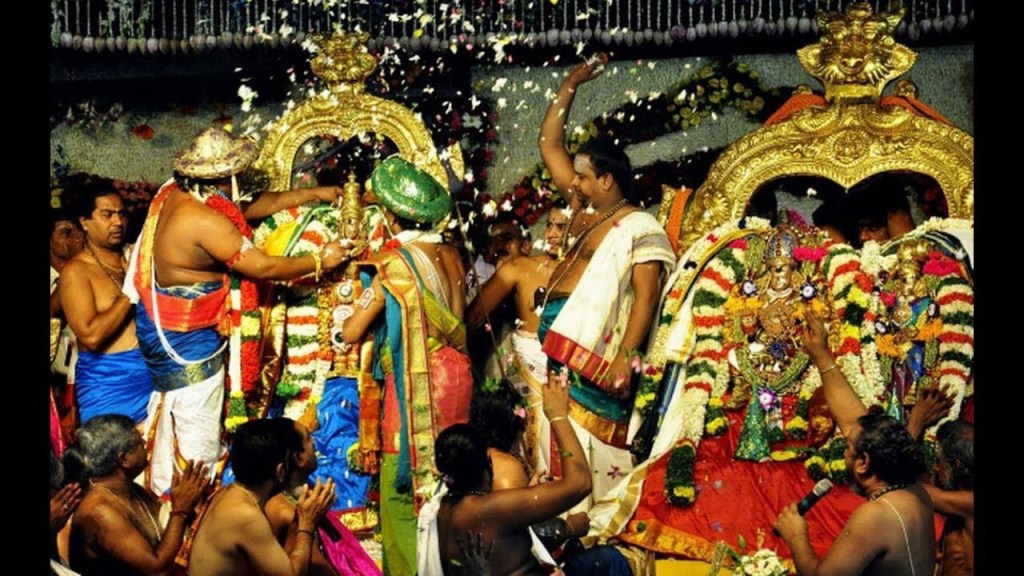
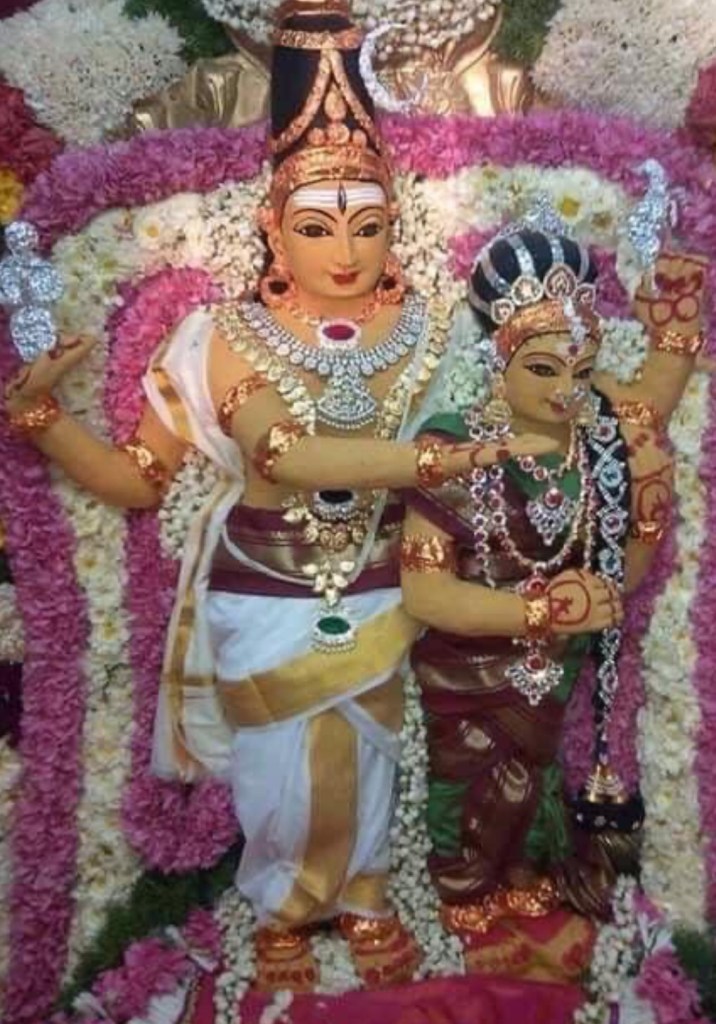
The festival of Meenakshi Thirukalyanam celebrates the divine wedding of Meenakshi Amman with Lord Shiva. This grand celebration is held in Madurai, the cultural capital of Tamil Nadu and is one of the biggest events here.
This annual event takes place in the famous ‘Meenakshi Amman Temple’ at Madurai and devotees from all corners of the world come to witness this magnificent event. A part of the renowned Chithirai festival, Meenakshi Thirukalyanam is held on the 10th day. On this auspicious day thousands of devotees from Madurai and adjoining areas come to the ‘Sri Meenakshi Sundareswarar Temple’ to observe the celestial wedding of Lord Sundareswarar (Lord Shiva) and Meenakshi (Goddess Parvati). Devotees throng the temples in large numbers to seek the divine blessings from their lords.
Legend has it that the emperor Kulasekhara Pandyan was the founder of the ancient city of Madurai. He was succeeded by Malayadwaja Pandyan. Malayadwaja Pandyan and his consort Kanchanamala who did not have any children of their own, worshipped with the desire of obtaining progeny. During the course of their ceremonial prayer, a baby girl appeared in the sacrificial altar miraculously.
The Royalcouple brought up this child as their own and named her Tataatakai. An odd feature about the baby was that it had three breasts instead of two, and that a divine prophecy decreed that the third one would miraculously disappear, at the princess’s sight of her consort to be.
Tataatakai grew up to be a valorous queen; she was also known as Meenakshi, the one endowed with fish like eyes. Tataatakai embarked upon a DigVijaya or a tour of victory, across the length and breadth of the Indian subcontinent. In the course of her travels she came to Mount Kailash where she encountered Shiva; upon standing in front of Shiva her third breast disappeared and a valorous warrior princess transformed into a blushing bride.
Lord Siva directed Meenakshi to return to Madurai and promised her that he would join her in eight days as her groom. Accordingly Meenakshi returned to Madurai, and at the appointed time, the divine wedding was celebrated with pomp and splendour. Maha Vishnu, believed to be the brother of Meenakshi is said to have given the bride away.
The legend of Meenakshi Kalyanam brings together four of the six main streams in popular Hinduismi.e. the Saiva, Shakta, Vaishnava and Skanda faiths – and this grand culmination of faiths is still celebrated in great splendour today, in an enactment of Meenakshi Kalyanam each year, when images of Skanda and Vishnu are brought to the Madurai Meenakshi temple from Tirupparankundram nearby. Also of significance is the grand procession of Kallazhagar towards Madurai from the AlagarKoyil temple in the outskirts of the city.
How fortunate I am to attempt to translate the Meenakshi Pancharathnamala, a garland of 5 exotic flowers filled to the brim with bhakti by Adi Sankara. Indeed I am very lucky.
“The magic of music can bring about that experience of contention-free connectedness to the whole …
I see music as a blessing of Ishvara for the self-conscious, self-judgmental human to survive and experience, for the time being, the reality of the oneness with the total, the Lord, without any qualifications for it.”
Swami Dayanananda Saraswati, the composer thus spoke about music. His compositions have simple, yet soul stirring verses.
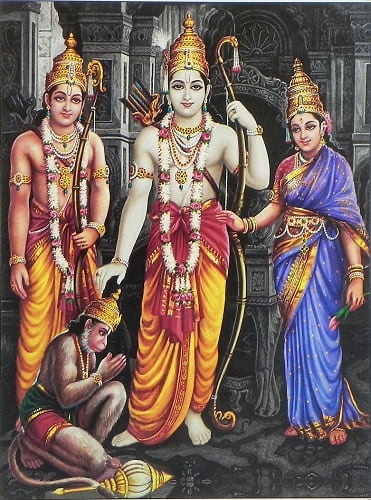
Here is one on Lord Rama. My understanding of the composition and translation in Tamil is presented here for the Rama Navami Festival.
Pray the rain bearing cloud coloured Lord Rama Hey mind
Pray the rain bearing cloud coloured Lord Rama by words
Anupallavi
He is the essence of all the Vedas. He is the cause for everything in the Universe.
Charanam 1
Vibheeshana and Anjaneya are delighted by offering their obeisance to his lotus feet.
He is the Vedic heart of Sage Vasishta and other great Seers and Saints
He is the controller in Human form of the seductive Maya. He is the Lord of the three types of bodies of all humans (sthula, sukshma and karana sareera)
Charanam 2
He is blue like a rain bearing cloud. He forever maintains Dharma.
He is the protector of Humans and holds the mighty bow “Kodandam”.
He vanquishes evil forces. He is the one who liberates us from the cycle of birth and death and provides relief from Old age , disease , sorrow and sins.
சிறந்த யோகிகள், முனிவர்கள் போன்றவர்களின் இதயத்தில் என்றும் வசிப்பவளும், வேண்டும் அனைத்துப் பொருட்களையும் தருபவளும், எல்லாவிதமான பூக்களாலும் அழகு பெற்ற திருவடிகளை உடையவளும், நாராயணனாலும் அருச்சிக்கப்பட்டவளும், நாதபிரம்ம உருவானவளும், உயர்ந்ததிலும் உயர்வானவளும், அனைத்துப் பொருட்களிலும் உள்நின்று இயக்குபவளும், கருணைக்கடல் ஆனவளும், பெரும் செல்வம் ஆனவளும் ஆன மீனாட்சியை அடியேன் எப்பொழுதும் வணங்குகிறேன்.
Meaning in English
5.1: Residing within the hearts of various great Yogis and Munis, She bestows various Siddhis (spiritual accomplishments),
5.2: Her Lotus Feet adorned with various Flowers (of Devotion of Devotees) is adored by Narayana Himself (Who is fond of Pure Devotion),
5.3: She is the embodiment of Nada Brahman, beyond all Existences, pervading everything as their innermost Soul (i.e. innermost Essence),
5.4: (Meditating on Her within the heart) I Bow down again and again to Devi Meenakshi, Who is an Ocean of Compassion.
சுந்தரேசருடைய நாயகியும், அடியவர்களுடைய பயத்தை நீக்குபவளும், அடியவர்களுக்கு பேரறிவை (ஞானத்தை) நல்குபவளும், குறையொன்றும் இல்லாதவளும், கருநீல நிறம் கொண்டவளும், தாமரையில் அமர்ந்திருக்கும் பிரம்மனால் அருச்சிக்கப்பட்ட திருவடிகளை உடையவளும், நாராயணனுடைய தங்கையும், யாழ், குழல், மிருதங்கம் முதலியவற்றின் இசையை இரசிப்பவளும், பல்விதமான உயிர்களுக்கு அன்னையும, கருணைக்கடல் ஆனவளும, பெரும் செல்வம் ஆனவளும் ஆன மீனாட்சியை அடியேன் எப்பொழுதும் வணங்குகிறேன்.
Meaning in English
4.1: (Even though Her infinite Creations and Transformations brings Fear) Seeing Her as the Beautiful Presiding Deity (as the Source of everything), takes away Fear, bestows Knowledge, and makes us Pure,
4.2: (Taking meditative delight in) Her Dark Form, (visualizing) Her Feet being worshipped by the one seated on Lotus (i.e. Brahmadeva), (I worship Her), Who is the younger sister of Sri Narayana,
4.3: She takes delight in various musical instruments like Veena, Venu (Flute) and Mridanga; and assuming various Forms as Mother (She plays Her play of Creations),
4.4: (Seeing Her as the Source behind all) I Bow down again and again to Devi Meenakshi, Who is an Ocean of Compassion.
மறைகல்வி வடிவானவளும், சிவபெருமானின் இடப்பாகத்தில் வசிப்பவளும், ஹ்ரீம் என்ற வித்தெழுத்து மந்திரத்தில் (பீஜாக்ஷர மந்திரம்) ஒளி வீசி இருப்பவளும், ஸ்ரீசக்ரத்தின் நடுவட்டத்தில் வசிப்பவளும், சுந்தரேசுவரனின் சபைக்குத் தலைவியும், ஆறுமுகனான முருகனையும் தடைகளை நீக்கும் விநாயகனையும் பெற்றவளும்; உலகங்களை மயக்குபவளும், கருணைக்கடல் ஆனவளும், பெரும் செல்வம் ஆனவளும் ஆன மீனாட்சியை அடியேன் எப்பொழுதும் வணங்குகிறேன்.
Meaning in English
3.1: (Behind the splendour of Her rising Form is rising the) Sri Vidya shining with the splendour of Hrimkara Mantras, where She is residing as the left-half of Shiva, …
3.2: … within the Bindu, at the center of the Sri Chakra; and presiding over the assembly of Deities (in the Sri Chakra),
3.3: She Who is the Mother of Shanmukha (Sri Muruga) and Vighnaraja (Sri Ganesha), is the Mother of the Universe, Enchanting all (by Her infinite Creations and Transformations),
3.4: (Seeing Her form of Sri Vidya) I Bow down again and again to Devi Meenakshi, Who is an Ocean of Compassion.
முத்துமாலைகளால் சூழப்பட்ட ஒளிவீசும் மௌலியை (மகுடத்தை) உடையவளும், ஒளி வீசும் முழுமதியைப் போன்ற திருமுகத்தை உடையவளும், கிண் கிண் என்று ஒலி செய்யும் மாணிக்க சிலம்புகளை அணிந்தவளும், தாமரை போல் அழகு பொருந்தியவளும், அடியவர்களின் ஆசைகள் அனைத்தையும் அருளுபவளும், மலைமகளும், கலைமகளாலும் அலைமகளாலும் வணங்கப்பட்டவளும்;கருணைக்கடல் ஆனவளும், பெரும் செல்வம் ஆனவளும் ஆன மீனாட்சியை அடியேன் எப்பொழுதும் வணங்குகிறேன்.
Meaning in English
2.1: (Within the splendour of Her Form of rising Sun is) Her Face shining with the splendour of a Full Moon; Her Crown shining with the splendour of the Diadem (adorning it); and Her Bosom shining with the splendour of the Garland of Pearls (decorating it),
2.2: Her Lotus Feet decorated with jingling Anklets with Bells and Gems over them, are shining with the splendour of a Lotus (as if blossoming with the Million Rising Suns),
2.3: (That Lotus Feet is the) Granter of all Wishes, belonging to the Daughter of the Mountain, Who is accompanied by Vaani (Devi Saraswati) and Ramaa (Devi Lakshmi),
2.4: (Seeing that Lotus Feet) I Bow down again and again to Devi Meenakshi, Who is an Ocean of Compassion.
Meaning of the Sanskrit Words (Meanings from greenmesg.org)
मुक्ताहारलसत्किरीटरुचिरां (Muktaa-Haara-Lasat-Kiriitta-Ruciraam): Whose crown is adorned with shining Garlands of Pearls
मुक्त (Mukta) = Pearl
हार (Haara) = Garland
लस (Lasa) = Shining
किरीट (Kiriitta) = Diadem or Ornament of the Crown
रुचिर (Rucira) = Pleasant, Charming
पूर्णेन्दुवक्त्रप्रभां (Puurnna-Indu-Vaktra-Prabhaam): Whose Face shines with the splendour of Full Moon
पूर्ण (Puurnna) = Full
इन्दु (Indu) = Moon
वक्त्र (Vaktra) = Face
प्रभा (Prabhaa) = Splendour, Radiance
शिञ्जन्नूपुरकिङ्किणीमणिधरां (Shin.jan-Nuupura-Kingkinnii-Manni-Dharaam): Whose Feet is adorned with jingling Anklets decorated with small Bells and Gems
शिञ्ज् (Shin.j) = To Tinkle, to Jingle
नूपुर (Nuupura) = Anklet
किङ्किणी (Kingkinnii) = a small Bell
मणि (Manni) = Gem
धर (Dhara) = Bearing
पद्मप्रभाभासुराम् (Padma-Prabhaa-Bhaasuraam): Who radiates the splendour of Pure Lotus
पद्म (Padma) = Lotus
प्रभा (Prabhaa) = Splendour, Radiance
भासुर (Bhaasura) = Shining, Radiant
सर्वाभीष्टफलप्रदां (Sarva-Abhiisstta-Phala-Pradaam): Who grants all Wishes [of Her Devotees]
सर्व (Sarva) = All
अभीष्ट (Abhiisstta) = Desired, Wished
फल (Phala) = Fruit
प्रद (Prada) = Giving
गिरिसुतां (Giri-Sutaam): Who is the daughter of the Mountain
गिरि (Giri) = Mountain
सुता (Sutaa) = Daughter
वाणीरमासेवितां (Vaannii-Ramaa-Sevitaam): Who is accompanied by Vaani [Devi Saraswati] and Ramaa [Devi Lakshmi]




 Prabhu's Ponder